
Reviewed · WAGASHI & MOCHI MAKING
2 Hours Mochi &Nerikiri Making & Matcha Class in Bunkyo
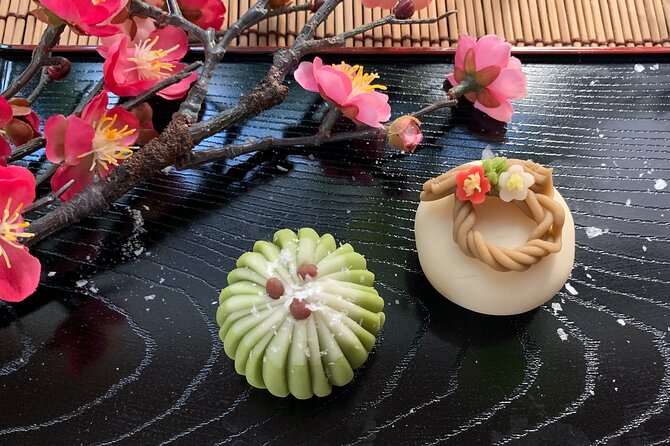
This is the kind of Tokyo food experience that feels personal fast. You learn traditional Japanese sweets (wagashi) right in a Japanese home in Bunkyo, and the class is built around hands-on practice, not watching from the sidelines.
I like that you get personalized, step-by-step instruction from Yuko, who’s bi-lingual and trained by the Wagashi Association of Japan. I also like the options, because you can focus on what you want, Mochi, Dango, Nerikiri, or combine them into the full mix.
One consideration: this is a small, home-kitchen experience, so it’s not for you if you want a big, high-energy show. The session is only about 2 hours, so you’ll learn key techniques, but you are not leaving with a full bakery skill set.
Key things that make this class worth your time
- Private class setup so you and your group get direct attention throughout
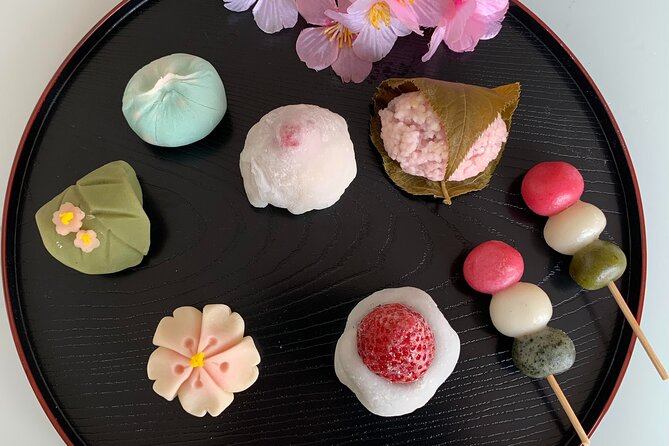
- Pick your wagashi path: Mochi and Dango, Nerikiri, or a combination course
- Real cultural context, including how these sweets connect to traditions like New Year, special events, and the tea ceremony
- Homely, intimate atmosphere with a one-table feel that keeps you involved
- Tea and matcha during the experience, with the class built around tasting as you go
- Take-home treats and keepsakes reported by many participants, which makes the learning last
Why a Bunkyo home kitchen beats a big wagashi workshop
Tokyo has no shortage of food classes. What makes this one different is the setting and the pace. Instead of a studio classroom, you’re in a Japanese home environment in Bunkyo, the kind of place where the whole meal rhythm of daily life makes sense. Reviews consistently describe it as warm and homely, the opposite of stiff or overly staged.
That home setting matters for two reasons. First, it keeps the learning grounded. Wagashi skills are mostly about hands, feel, and small adjustments. When the instructor can pause, watch your technique, and correct it immediately, you progress faster. Second, it encourages conversation. You’re not just collecting instructions, you’re getting the story behind what you’re making, including why certain sweets appear at specific moments of Japanese life.
The other advantage is privacy. This is a private activity, meaning only your group participates. If you’re traveling with family, this works great because you can slow down together. If you’re solo, it’s also a friendly fit, since you’re not competing for attention in a crowded room.
More Tea Ceremonies in Tokyo
- Matcha Making Class in Tokyo with Authentic Japanese Sweets Set
★ 5.0 · 744 reviews - Tokyo: Traditional Tea Ceremony with a Tea Master
★ 5.0 · 528 reviews - Tokyo: Matcha Making Experience with Mochi Sweets in Asakusa
★ 4.9 · 388 reviews
Choosing your class option: Mochi, Dango, Nerikiri, or the full trio
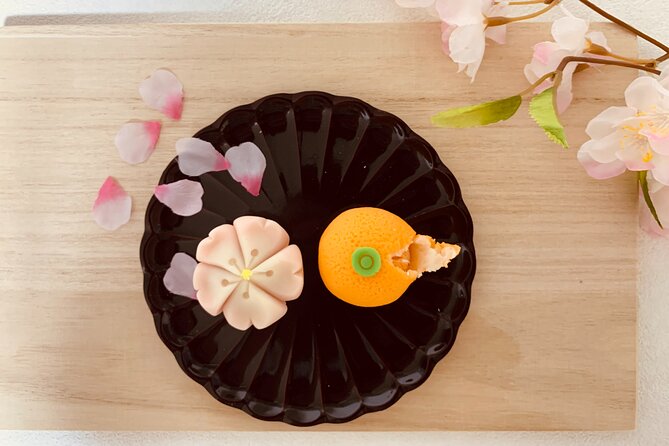
You’ll choose among three course styles. Each option centers on a different kind of traditional sweet, with connections to specific occasions.
Here’s how the options break down:
- Mochi or Dango course
Mochi is linked to moments like New Year and new birth, while dango is tied to special events.
- Nerikiri course
Nerikiri is connected to the tea ceremony tradition.
- Combination course: Mochi, Dango, and Nerikiri
This is your best pick if you want a broader wagashi taste of Japan in one go.
I like these options because they let you tailor the experience to your curiosity. If you already know you love matcha and tea vibes, Nerikiri usually fits perfectly. If you’re drawn to the seasonal and celebratory feel of Japanese sweets, Mochi often matches that mood. If you want variety without choosing just one direction, the combination course gives you multiple techniques in one session.
Also, you do not need previous cooking experience. The course is designed so the recipes are approachable, with guidance from the start.
What happens during the 2-hour mochi and matcha session
This class runs about 2 hours and starts at 10:00 am. You meet at 1-chōme-27-8 Sekiguchi, Bunkyo City, Tokyo 112-0014, and the experience ends back at the meeting point. Because it’s a home-based workshop, your timing matters, so aim to arrive a few minutes early and take a breath before you walk in.
Inside, the flow typically goes like this:
- You get a warm welcome and an overview of traditional Japanese sweets (wagashi) so you know what each item represents.
- You receive personal, hands-on instruction as you make your chosen sweets.
- You get the significance behind what you’re shaping, not just the steps.
- You enjoy tea and matcha as part of the experience, with many participants noting tea at the start and matcha as a finish.
The instructor explains techniques as you work, and she does it in a patient way. Multiple reviews mention that Yuko takes her time, walks you through each move, and watches carefully so you can copy what she’s doing. That’s the big win here. Wagashi work can look deceptively simple, but details are everything. If your dough texture, shaping pressure, or finishing steps are off, you learn how to correct it immediately.
You’ll also learn practical meaning behind the sweets. Reviews point out that conversations go beyond the recipe, including cultural connections and the way wagashi fits Japanese traditions. For example, the course description links mochi to New Year and new birth, dango to special events, and nerikiri to the tea ceremony. That context helps you eat your creations with understanding, not just sugar joy.
The small-table vibe and how you leave with skills
One theme shows up again and again: the class feels intimate. Participants describe it as a one-table experience, with Yuko focused on you and your group. That matters for comfort. There’s less pressure, less waiting, and more time for real questions.
It also helps you actually learn. In a crowded group class, you might only get the general steps. Here, you’re in the position to refine your technique. Reviews call out Yuko’s patience and attention, and that she teaches in a way that makes it easier to imitate what you see.
Another reason I like this format: it supports creativity. You’re not only doing perfect repeats. People mention making unique designs and creating sweets that look special at the end. Even if your first try isn’t museum-worthy, the process teaches you how the shaping and finishing work.
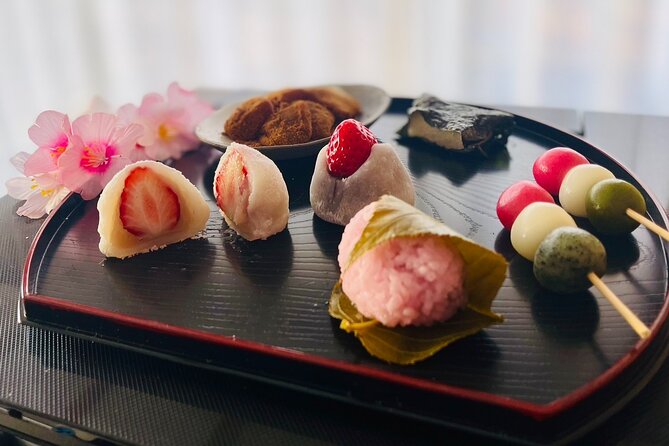
And yes, you get to eat what you make. Many reviews say the sweets were so good they were hard to stop eating. More importantly, you also get something tangible to carry home. One common mention is that participants were sent home with a take-out tray of sweets and a goodie bag for keepsakes. That means you can share the results and also remember what you learned when you recreate it later.
More Wagashi & Mochi Making in Tokyo
- Tokyo Sumo Experience: Chanko & Mochi with a Former Pro
★ 4.8 · 567 reviews - TokyoSumoShow, ChickenHotPot, and Mochi-Pounding by Pro Wrestlers
★ 5.0 · 226 reviews - Private Mochi Sweets Making class near Shibuya area
★ 5.0 · 93 reviews - Mochi Making at a Private Studio in Tokyo
★ 5.0 · 54 reviews
Matcha, tea ceremony connections, and why tasting matters
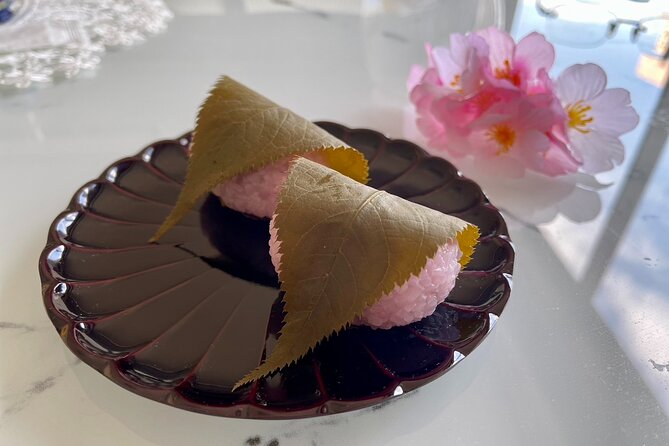
In many food classes, tasting is an afterthought. Here, it’s part of the rhythm. Participants mention that the experience begins with tea and ends with matcha. That fits the overall wagashi theme, because these sweets are designed to pair with tea and support the mood of a tea moment.
The nerikiri option connects directly to the tea ceremony tradition, so if you choose Nerikiri, expect the tea culture to feel more central. Even if you choose Mochi or Dango, you’ll still get that tea-and-sweet pacing during the class. It’s a useful reminder that Japanese sweets are not just desserts, they’re often tied to seasonal timing, event celebration, and tea practices.
For you, that can make the whole experience more than cooking. You walk out with a better sense of why the sweets look the way they do and why they’re served with tea. That’s the difference between collecting recipes and understanding food culture.
Price and logistics, plus how to judge value without getting fooled
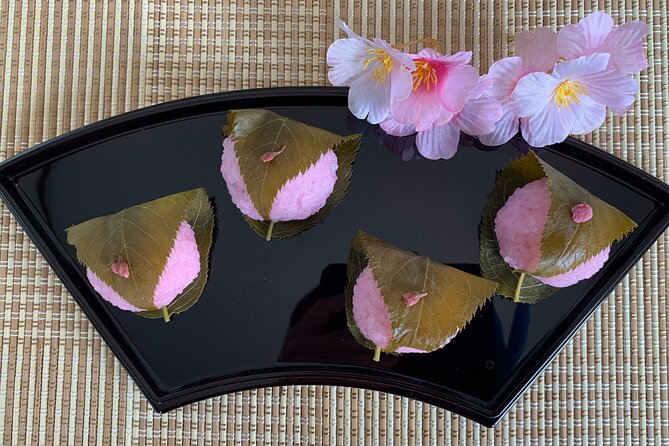
The price is $78.83 per person for an experience that runs about 2 hours. On the surface, it’s not “cheap.” But you’re paying for three things that many group workshops don’t deliver as well:
- Private instruction
You’re not competing for attention or squeezing into a rushed demo.
- A home setting in central Tokyo
Reviews repeatedly mention that the venue is easy to find and near public transportation, which saves time and stress.
- Hands-on making plus food included in the experience
You’re not only observing. You’re making wagashi and then enjoying tea and matcha as part of the class flow.
There’s also the timing signal. On average, this is booked about 38 days in advance. That doesn’t guarantee a sellout, but it does suggest there’s regular demand. If you have firm travel dates, booking sooner is smarter.
Logistics are fairly simple based on the information you’re given. You’ll receive confirmation at booking time, and the tour uses a mobile ticket. The class starts at 10:00 am, and you’ll return to the meeting point when you’re done.
The only “value caution” I’d mention: you need to like interactive, step-by-step learning. If you prefer a more passive experience, you might not enjoy the hands-on focus as much. If you want to go home able to shape and finish your sweets, you’ll probably be thrilled with how practical the class feels.
Who this mochi and nerikiri class is best for
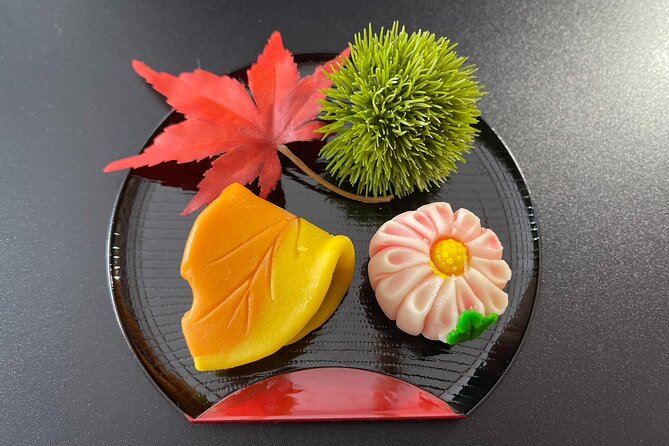
This fits best if you fall into one of these groups:
- Foodies who want culture through hands-on work, not just a tasting menu
- Families, especially because the tone described in reviews feels relaxed and welcoming
- Solo travelers who want an intimate experience where you can actually ask questions
- Tea fans or nerikiri curious eaters, since matcha is part of the flow and nerikiri ties into the tea ceremony
It’s also a strong choice if you’re the type who likes taking notes. Several reviews highlight how much participants enjoyed being engaged and learning details they could repeat later.
If you’re on a tight schedule and want a workshop that fits into a busy day, the 2-hour timing helps. And because it’s private, it tends to feel easier than trying to coordinate a group experience around other plans in Tokyo.
Tips to help you get the most out of your 10:00 am class
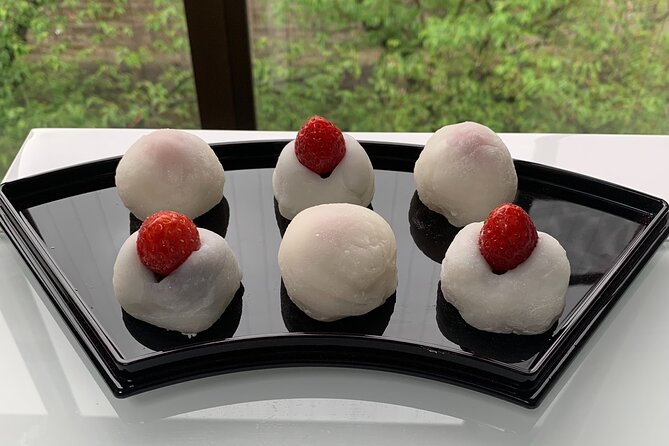
A few practical moves make this smoother:
- Plan to arrive early so you can settle in before the work starts
- Choose your course based on your mood
Nerikiri if you’re drawn to tea ceremony vibes, Mochi or Dango if you want seasonal, celebratory sweets, combination if you want variety
- Ask about the meaning as you go
The instructor is trained and talks about significance, and that makes your finished sweets more fun to eat
- Expect mess, but not chaos
Wagashi making is hands-on. Wearing something comfortable helps.
Most of all, go in with the mindset that you’re learning a technique. If your first attempt is not perfect, that’s normal. The point is that Yuko teaches you how to adjust and improve as you work.
Should you book this mochi and matcha class?
If you want a private, hands-on wagashi class in Tokyo that actually teaches you techniques you can practice later, I’d say yes. The strongest selling points are the personal attention, the homely home setting, and the combination of making sweets plus tea culture like matcha. The reviews repeatedly highlight Yuko’s patience, her ability to explain step by step, and the comfortable vibe for families and solo travelers.
Book it if:
- You’re excited to make mochi and/or nerikiri yourself
- You want tea and matcha woven into the experience
- You prefer intimate learning over big group sessions
Skip it if:
- You only want to watch and taste, with no hands-on part
- You need a very formal, museum-style presentation
If your schedule can handle a 2-hour block starting at 10:00 am, this is the kind of Tokyo activity that gives you more than photos. You leave with skills, stories, and sweets you created in a real home kitchen.
FAQ
How long is the mochi and matcha class in Bunkyo?
It lasts about 2 hours.
Is this a private class or a group workshop?
It’s a private tour/activity, so only your group participates.
What sweets can I choose to make?
You can choose one of three options: Mochi and Dango, Nerikiri, or a combination course that includes Mochi, Dango, and Nerikiri.
Do I need experience making Japanese sweets?
No. The class is designed so you can participate without experience preparing Japanese food.
Where does the class meet and where does it end?
You meet at 1-chōme-27-8 Sekiguchi, Bunkyo City, Tokyo 112-0014, Japan, and the experience ends back at the meeting point.
What time does the class start?
The start time listed is 10:00 am.
How much does it cost?
The price is $78.83 per person.
What is the cancellation window for a full refund?
You can cancel up to 24 hours in advance for a full refund.
Latest write-ups near Tokyo
- Tokyo Nights: Shibuya Photo Adventure★ 5.0 · 20 reviews
- Wagyu & Sake 8 Course Tasting Dinner in Shinjuku★ 4.9 · 20 reviews
- Making Japanese desserts Nerikiri & drinking matcha in Tokyo★ 5.0 · 20 reviews
- Japanese Whisky Hunting《HIGH-QUALITY-ONLY》Rare Tasting Class★ 5.0 · 20 reviews
- Mt. Fuji 5th Station, Owakudani Ropeway, Pirate Ship plus Outlet shopping!★ 4.5 · 20 reviews
- Kintsugi Experience with Arita Ware in Tokyo (English Guide)★ 4.8 · 20 reviews
- This is Asakusa! A Tour Includes the All Must-Sees!★ 5.0 · 20 reviews
- Tokyo: Karate Experience with Former All-Japan Champion★ 5.0 · 20 reviews
Wagashi & Mochi Making, compared.
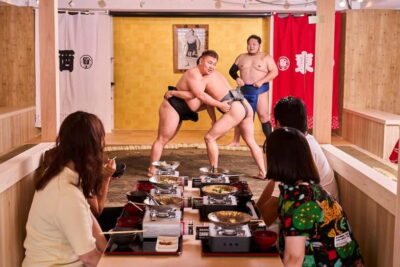
Tokyo Sumo Experience: Chanko & Mochi with a Former Pro
Read our review →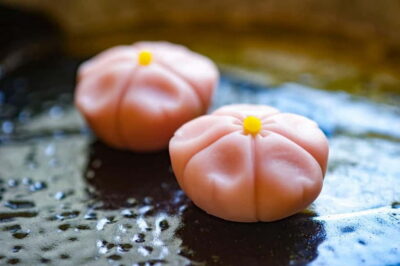
Matcha Making Experience with Mochi Sweets in Asakusa
Read our review →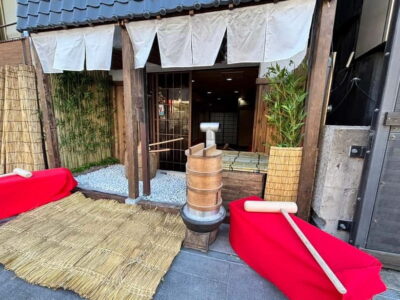
Traditional Mochi Pounding Experience with Tasting
Read our review →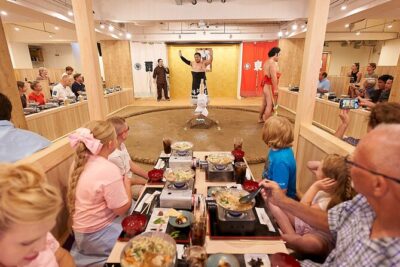
TokyoSumoShow, ChickenHotPot, and Mochi-Pounding by Pro Wrestlers
Read our review →
Private Mochi Sweets Making class near Shibuya area
Read our review →
Kyoto Food Tour of 10 Tastings with Wagyu, Mochi & More Surprises
Read our review →
【For adult】Traditional Mochi Pounding Experience with Tasting
Read our review →
Kyoto Wagashi(Japanese sweets) Cooking Class near Fushimiinari
Read our review →Browse the lists this tour appears in