
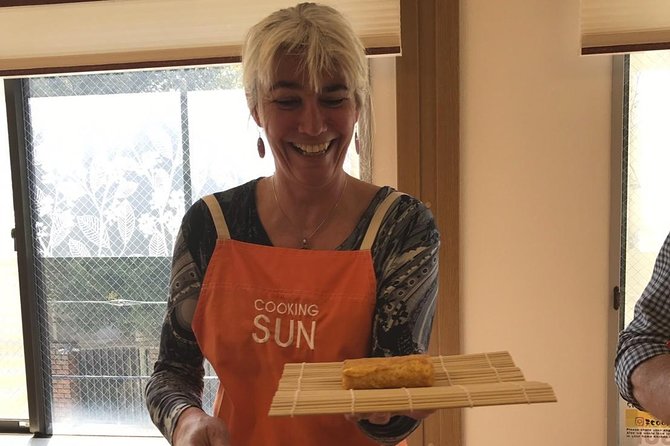
Reviewed · SUSHI MAKING CLASSES
3-Hour Small-Group Sushi Making Class in Tokyo
A sushi making class in Tokyo is interesting because it turns a restaurant meal into a practical skill you can repeat at home. I like the small group format, so you get hands-on help while you work with sushi rice and rolling tools. I also like that the instructors are English-friendly, which keeps the whole process from feeling intimidating.
You get to cook, then eat what you make, with miso soup, fresh wasabi, and pickled ginger on the table. The food is the payoff, and it makes the 3 hours feel like more than a demo.
One possible drawback: the class uses pre-sliced fish, so you are not taught raw fish cutting and knife technique.
Key things to know before you go
- Small group size (max 9) means you can ask questions while you’re making sushi.
- English-speaking instruction helps if you have zero cooking experience.
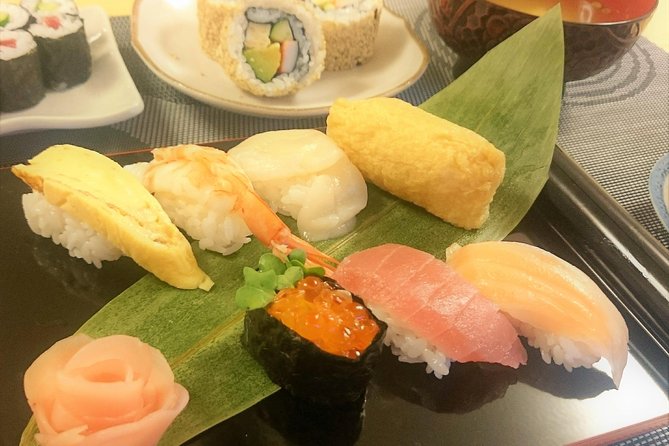
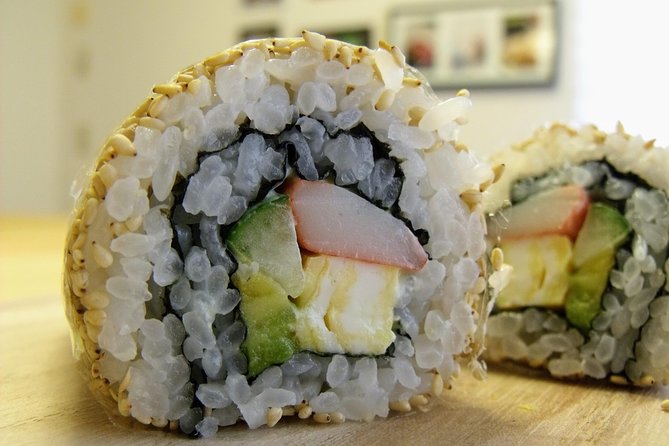
- You make several sushi styles including nigiri, inari, hosomaki, and California roll.
- Hands-on rice and seasoning work covers the foundation that makes sushi taste right.
- Fish cutting is not included because fish comes pre-sliced.
- Ingredients, recipes, apron, and towel are provided, so you show up ready to cook.
Cooking Sun Tokyo and the Shinjuku area timing that works
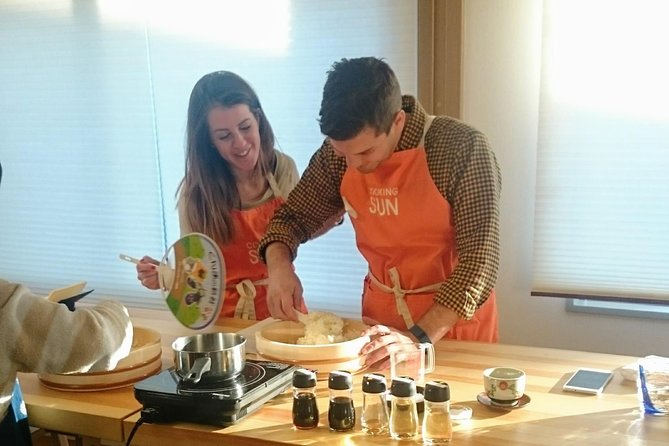
This is a focused, afternoon-length cooking class in Tokyo, run by Cooking Sun. You meet at their studio at 18-39 Shinanomachi, Shinjuku City (Tokyo 160-0016). The start time is 1:30 pm, and the class runs about 3 hours, ending back at the meeting point.
Why that timing matters: an early afternoon slot keeps you from spending your best energy chasing a late dinner. If you’re sightseeing in Shinjuku, this is also an easy “one anchor activity” day. You can arrive, cook, eat, and then head out again without feeling like you rushed the rest of your schedule.
Also, no hotel pickup or drop-off is included. That actually helps, because you do not need to wait around for a van or coordinate a time window. Just use transit to get to the studio area, and plan to be there a little before 1:30 pm with your appetite.
The studio itself is part of what makes these classes work. Based on the way the experience is described, it’s set up for a small group, with equipment that supports actual cooking. In other words, you are not squeezed into a corner while someone else does all the work.
More Sushi Making Classes in Tokyo
- Sushi Making Tokyo Roll and Authentic Japanese Sushi Class
★ 5.0 · 3,971 reviews - Tokyo: Roll and Authentic Sushi Making Class in Asakusa
★ 4.9 · 1,957 reviews - Make Sushi and Create Unforgettable Memories in Tokyo
★ 5.0 · 1,413 reviews
What you actually make: nigiri, inari, hosomaki, and California roll
You come to learn sushi, not just watch sushi. The class is structured around making multiple styles, which is the fastest way to understand what makes sushi different across shapes and ingredients.
Here’s what you’ll be taught to make:
- Nigiri (hand-pressed sushi)
- Inari (sweet tofu pouch sushi)
- Hosomaki (thin roll)
- California Roll
That lineup is smart. Nigiri is all about rice texture and gentle pressure. Rolls are about lining up ingredients, rolling tightly, and cutting or shaping neatly. Inari is its own category, because it’s sweet, quick to assemble, and built around sweet tofu pouch flavor rather than raw fish cutting or elaborate presentation.
You also make a Japanese rolled omelet, tamagoyaki, which becomes a filling for your sushi rolls. That matters because it adds a technique you can use later at home, even if you never attempt nigiri again.
If you’re thinking, I want to learn the basics but not commit to a long class, this is a practical mix. You finish the session knowing what you like, and you also know what’s worth practicing if you want to improve.
The core techniques: sushi rice, miso, dashi, and tamagoyaki
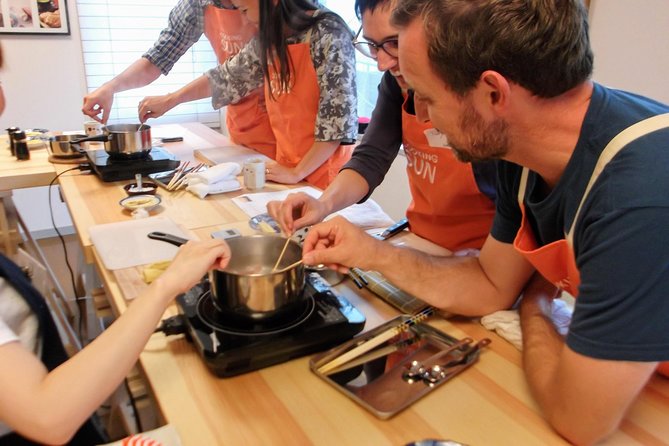
A lot of sushi-making classes stop at rolling. This one starts earlier, with the groundwork that makes sushi taste like sushi.
Before hands-on rolling, you get a short introduction to essential Japanese ingredients, including dashi and miso, plus traditional seasonings. Then you move into prep work where you learn what each component contributes.
Sushi rice, the real foundation
Sushi rice is not just cooked rice. It needs seasoning balance and the right texture so it sticks lightly and tastes bright without going sour or salty. In class, you’ll learn how to make sushi rice from scratch, which is exactly the step that tends to be missing from at-home DIY attempts.
A change of pace from Tokyo:
- Mt Fuji and Hakone 1-Day Bus Tour Return by Bullet Train
★ 5.0 · 26,383 reviews - 1-Day Tokyo Bus Tour
★ 5.0 · 14,250 reviews - Tokyo: TOKYO SKYTREE® Admission ticket
★ 4.5 · 11,192 reviews - Tokyo: teamLab Planets TOKYO Digital Art Museum Entry Ticket
★ 4.6 · 9,779 reviews
Tamagoyaki, because it’s more than an omelet
You’ll make tamagoyaki, the rolled Japanese omelet. It’s used as a filling in your rolls, so it’s not a random side dish. The technique also trains you for clean rolling and even layers.
Even if tamagoyaki sounds intimidating at first, this class design helps. You’re not expected to master it instantly with no guidance. The session is set up so you can follow along and get your hands working quickly.
Miso soup and ingredient flavor
You’ll also make miso soup as part of the class experience, and you eat it at the end with your meal. Miso soup doesn’t just fill space. It gives you a familiar, comforting flavor that rounds out sushi, so your finished plate feels complete, not like a snack you constructed.
How the rolling part plays out in a small group
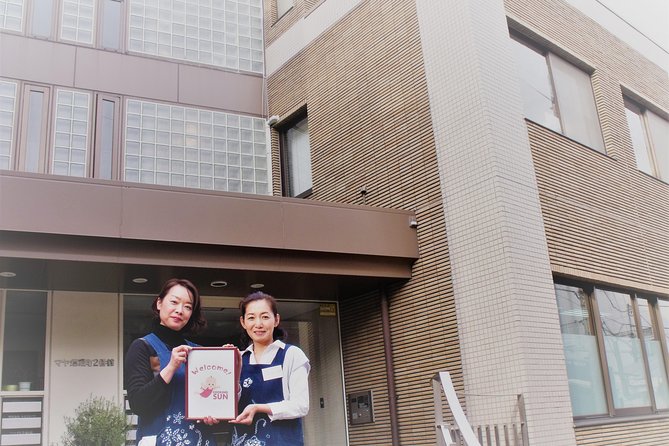
Once prep is done, it’s time to roll and shape. This is where the small group size becomes a real benefit. When there are up to 9 people, instructors can watch what you’re doing and correct issues before your roll turns into a loose, uneven mess.
You get full guidance for rolling and shaping. That means you’re not guessing about:
- how tight to roll
- where to place fillings
- how to shape portions consistently
And you are not just handling tools. You’re also tasting the logic of the process. When you get the rice right, the roll stays together. When you balance filling placement, you avoid gaps that lead to messy slices.
One more detail I appreciate: you’re not just making one style and leaving. The class moves through different formats, so you practice multiple motions. That makes the session feel like a real workshop, not a single trick lesson.
Fish and the knife-skill question you should ask yourself
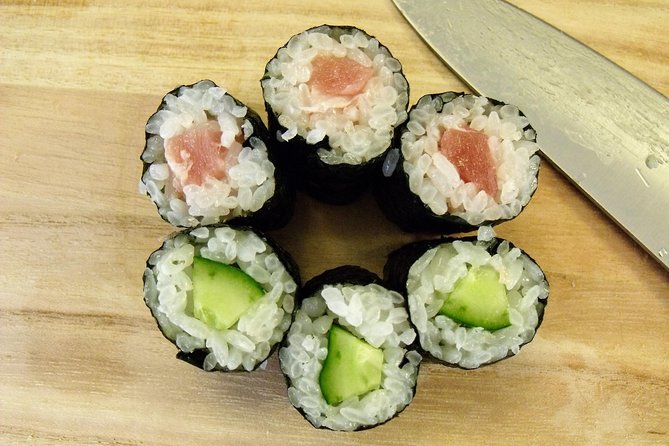
If you’re picturing becoming a sushi-chef in 3 hours, pause. The class note matters: pre-sliced fish is used, and the class does not include raw fish cutting instruction.
This is common in cooking classes for a reason. Cutting raw fish safely, and teaching knife skills, is a different level of instruction. Here, the focus is on sushi making as a home-friendly skill set, using ingredients that allow everyone to finish and eat.
So if what you want most is knife technique, you might choose a different type of workshop. But if you want to go home knowing how to build sushi from the rice up, this is the right approach. You still learn what matters day-to-day: rice, seasonings, assembly, and shaping.
The meal at the end: miso soup, wasabi, and what you can repeat
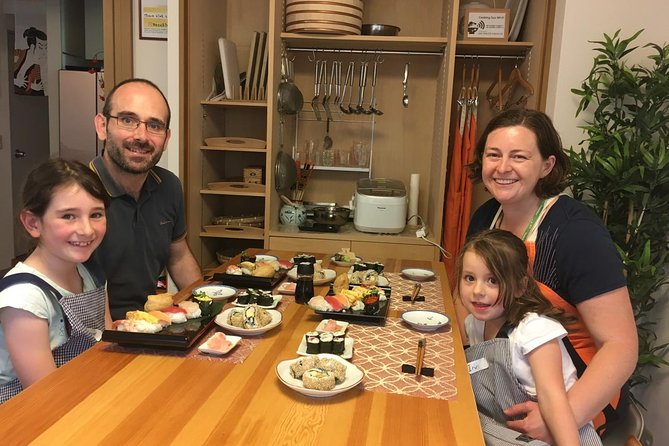
The payoff is built into the timing. After you cook, you sit down and enjoy your sushi creations, along with miso soup, fresh wasabi, and pickled ginger.
This matters because you can immediately connect technique to taste. If your nigiri feels too soft, you can taste the difference. If your roll is too heavy on one ingredient, you can notice it in the balance of flavors. It’s hard to get that kind of feedback when you’re cooking for an entire group and eating hours later.
Also, because ingredients and recipes are included, you leave with a path to recreate what you made. Recipes are provided, and that turns your memory into something you can actually use next time you’re hosting friends.
Practical touch: apron and towel rental is included, which removes one small hassle. You show up, cook, and you don’t have to worry about bringing kitchen gear.
Price and value in Tokyo terms
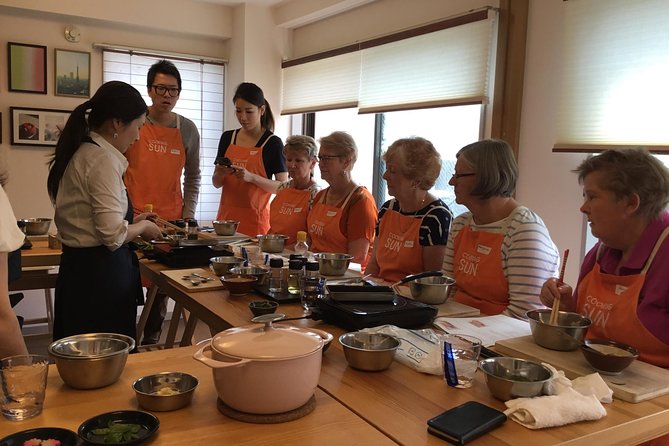
At $72.67 per person, this sits in the category of paid experiences that should give you more than a meal. The value here is the combination of:
- ingredients and recipes included
- English-friendly instruction
- small-group access
- multiple sushi styles made by you
- a full sit-down meal using your own work
Could you eat sushi for less? Yes, easily. But you would not get the step-by-step sequence, the guided assembly, or the rice and tamagoyaki technique. Sushi-making classes win when they teach you something you can repeat at home, not just when they feed you.
One more value signal: the class is described as booking far enough ahead that you should not assume a last-minute spot will be available. On average, it’s booked about 53 days in advance. If your trip has fixed days, lock in a time early.
Who should book this, and who should consider alternatives
This class is a strong fit if you:
- want a hands-on Tokyo food activity that’s not a museum-style tour
- enjoy learning technique, not just eating
- want English-friendly guidance with a manageable group size
- plan to cook at home and want a repeatable sushi workflow
It’s also suitable for families because the minimum age is 6 years. That said, it’s a cooking class, so you’ll still want to make sure kids can focus for the 3 hours. If you travel solo, the small group can feel like a comfortable way to learn without being overwhelmed.
There’s also a vegetarian option available, but you need to request it at booking and mention dietary requirements. That’s important for two reasons. First, vegetarian requests work best when the instructors can plan ingredients ahead of time. Second, sushi styles vary, so the staff will want to know what you can and cannot eat.
The biggest reason to pick a different class is simple: if you specifically want raw fish cutting and knife instruction, this workshop is not that. It uses pre-sliced fish.
Should you book this Tokyo sushi making class?
I’d book it if your goal is to come home with practical sushi skills and a meal that feels earned. The combination of English-friendly instruction, up to 9 people in the class, and multiple styles you make yourself is what makes this worth your time in Tokyo.
Book it sooner rather than later, especially if you’re traveling during a busy season. And come hungry, because the format is designed so you cook and then actually sit down to eat.
If you’re chasing chef-level knife technique, you’ll want a different experience. But if you want to learn sushi in a way that you can repeat at home, this is a solid, friendly, hands-on choice in the middle of Tokyo.
FAQ
How long is the sushi making class?
The class runs for about 3 hours.
How many people are in the class?
The class has a maximum of 9 people.
What sushi types will I learn to make?
You’ll be taught to make nigiri, inari, hosomaki, and California roll.
Do I need any prior cooking or sushi experience?
No experience is necessary.
Is raw fish cutting included?
No. The class uses pre-sliced fish, and it does not include raw fish cutting instruction.
Is there a vegetarian option?
Yes. A vegetarian option is available, and you should advise the operator at the time of booking.
Where do I meet, and when does it start?
You meet at Cooking Sun Tokyo, 18-39 Shinanomachi, Shinjuku City, Tokyo 160-0016. The start time is 1:30 pm, and the activity ends back at the meeting point.
What is the cancellation policy for a full refund?
You can cancel up to 24 hours in advance of the experience for a full refund. If you cancel less than 24 hours before the start time, the amount paid is not refunded. If the experience is canceled due to poor weather, you’ll be offered a different date or a full refund.
Latest write-ups near Tokyo
- Harajuku Private Tour: Kawaii Fashion & Animal Cafe Included★ 5.0 · 69 reviews
- Mt Fuji Customizable Private Tour English Speaking Driver Pick-up★ 5.0 · 69 reviews
- Tokyo Night Cooking Class: 5 Home-Cooked Japanese Dishes★ 5.0 · 70 reviews
- Tokyo: Sumida Aquarium Entry Ticket★ 4.6 · 70 reviews
- Private Customizable Walking Tour of Tokyo★ 5.0 · 70 reviews
- Official Japan Go-Kart Through Tokyo Bay / Ginza (IDP Required)★ 4.5 · 71 reviews
- Wagyu Beef and Sake Pairing Foodie Tour in Tokyo★ 5.0 · 71 reviews
- Experience Big soba knife Soba Making Class in Tokyo Kappabashi★ 5.0 · 71 reviews
Sushi Making Classes, compared.
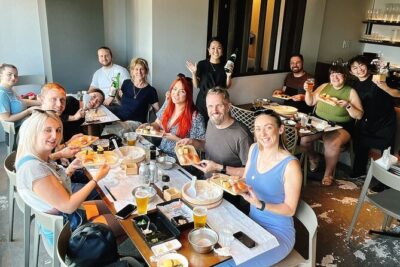
Sushi Making Tokyo Roll and Authentic Japanese Sushi Class
Read our review →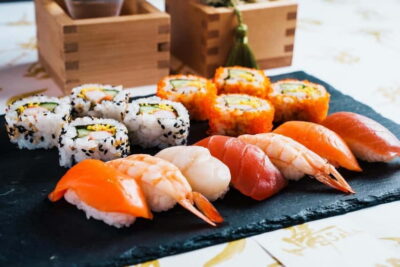
Roll and Authentic Sushi Making Class in Asakusa
Read our review →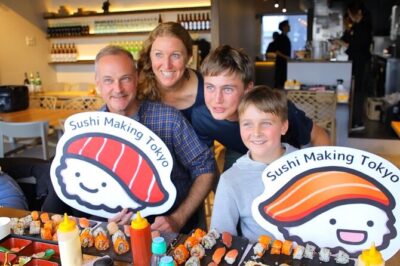
Make Sushi and Create Unforgettable Memories in Tokyo
Read our review →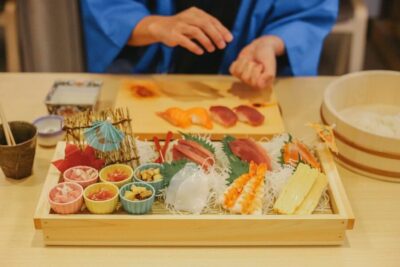
Sushi Making Class in a Happi Coat near a Famous Spot
Read our review →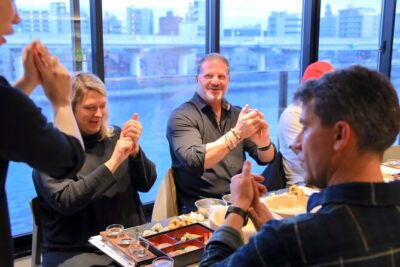
Sushi Making Osaka Roll and Authentic Japanese Sushi Class
Read our review →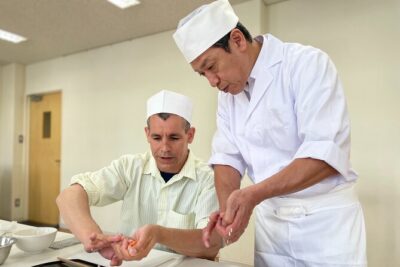
Tokyo Sushi Making Class in Tsukiji with Professional Chef
Read our review →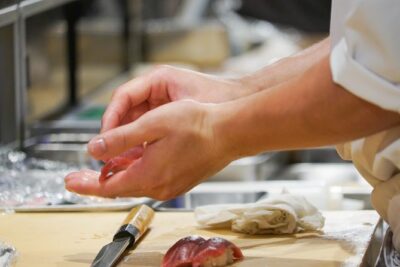
Tokyo Night Foodie Tour in Shinjuku – Seasonal Sushi, Wagyu Beef
Read our review →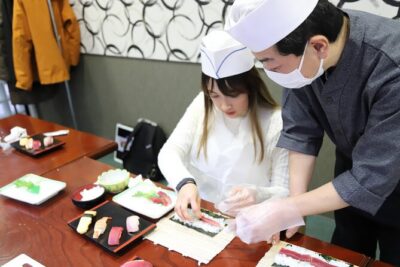
Tsukiji Fish Market Guided Tour and Sushi Making with Pro Chef
Read our review →Browse the lists this tour appears in