
Reviewed · KAMAKURA TOURS
When Emperors Reigned and Shoguns Ruled
Kamakura is one of Japan’s best history towns, and this half-day tour gives you a clear, walkable route through the places that shaped the Kamakura Period, when shoguns ruled and Zen Buddhism took hold. The best part is the pace. You get a guided stroll with time to ask questions, plus photo help when you want it.
I like two things most. First, the stops are timed well for seeing the big icons without feeling rushed. Second, the photographer guide helps you get real photos, not just point-and-shoot selfies, and the guide named Virgil (spelled a few different ways in reviews) clearly enjoys talking history in a way that makes it stick.
One drawback to plan for: food and drinks are not included. You will want to budget time for snacks or a sit-down meal on your own, especially around Komachidori.
Key Highlights You’ll Feel Right Away
- Private group up to eight means you move at your pace, with fewer crowd-pressure moments
- A pro photographer guide snaps pictures while you enjoy the sights
- Kamakura Period focus (1185 to 1333) ties shrines and temples to how power actually worked
- Free shrine stops early on keep your cost down before the ticketed sites
- Station-to-station route (Kamakura Station to Hase Station) makes the day easy to finish
- Multiple start times helps you fit the tour into your schedule
Why Kamakura Still Feels Like a Time Capsule
If you only know Kamakura as a day trip from Tokyo, you’re missing what makes it special. Kamakura wasn’t just pretty. It was political. During the Kamakura Period, from 1185 to 1333, the shogunate government and samurai power defined everyday life, and that history shows up in how the shrines and temples are arranged.
This tour leans into that connection. Instead of jumping from photo stop to photo stop, you get a guided path that explains why each place matters. You also get a modern layer, too, with time on Kamakura’s main street where you can see what the town is like today.
The result is simple: you leave with more than images. You leave with context, so the bronze statue at the next stop does not feel random.
Also on the shortlist for Kamakura:
- Tokyo: Kamakura & Enoshima Day Trip including Temple Tickets
★ 4.5 · 1,375 reviews - From Tokyo: Kamakura & Enoshima 1-Day Bus Tour
★ 4.5 · 189 reviews - Kamakura Historical Walking Tour with the Great Buddha
★ 5.0 · 129 reviews
Price, Group Size, and What You’re Really Buying
At $108.99 per person for about 4 hours, this is not the cheapest option in Kamakura. The value comes from three practical things you can actually feel during the walk.
First, it’s a private tour for just your group, and the group size is capped at up to eight people. That matters because the guide can slow down for questions, adjust the pace for your comfort, and still cover the main sights.
Second, you’re paying for two guides working the experience: a local guide, plus a professional photographer guide. You also get a tour escort or host. Even if you don’t care about photos, having someone coordinate the route and timing makes the day smoother.
Third, the route is designed to include free admission at the first three stops. That helps balance the cost, because you’re not paying at every location.
If you’re the type who wants a fast stamp-collecting tour, you might feel the price is higher than you want. If you want better explanations and better photos, the cost starts to make sense.
Meeting Point and How the Route Flows From Station to Station
This tour starts at Kamakura Station (1-chōme-1-15 Onarimachi) and ends at Hase Station on the Enoden line (2 Chome-14 Hase). That matters more than it sounds. You’re not stuck crossing town at the end, and you can plan your return easily.
You’ll also like that the tour is near public transportation, so getting to the meeting point is straightforward. Food is not included, so keep that in mind when you’re planning your lunch timing after the tour ends.
One more smart detail: there are multiple start times, so you can pick a slot that fits your day and your energy level. If you’re trying to beat crowds, choosing an earlier start can help.
Wakamiya Main Street to Tsurugaoka Hachimangu, The Shogun Setup
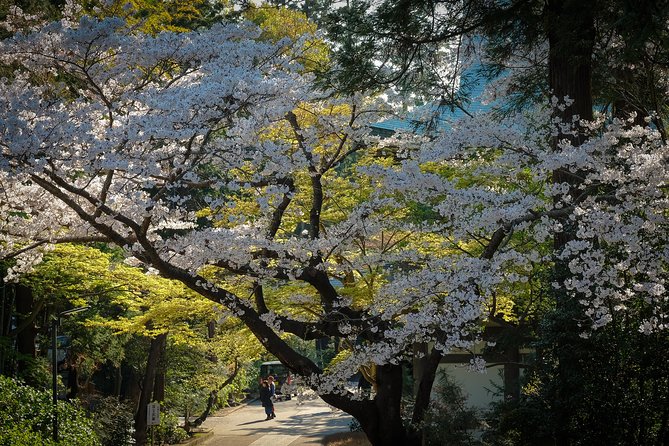
Stop one is Wakamiya Main Street, with a 20-minute scenic walk toward the main shrine. This part feels like the opening chapter. You’re not yet at the biggest landmark, but you’re getting your bearings in the area that gives Kamakura its signature rhythm.
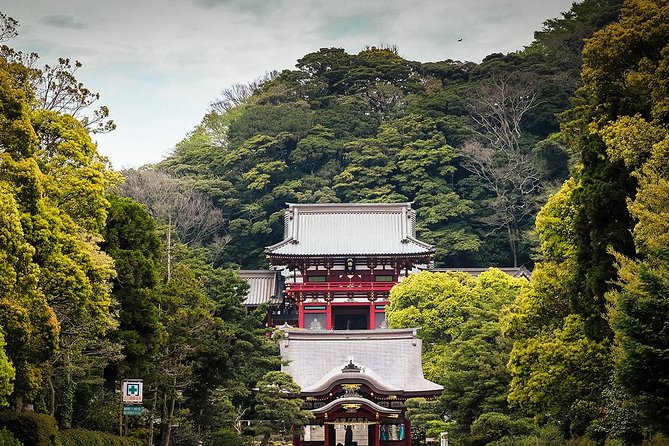
Then you move to Tsurugaoka Hachimangu Shrine for about 50 minutes. This is one of Japan’s three most important Shinto shrines. It traces back to the first shogun, Minamoto Yoritomo, in the 12th century. That detail changes how you look at the site. You stop seeing it as just a beautiful shrine and start seeing it as a symbol tied to power and legitimacy.
Practical note: since this stop has free admission, it’s a good place to settle into the tour and ask questions before you reach the ticketed locations later.
A change of pace from Kamakura:
- Kamakura Private Tour: Temples, Nature, and the Great Buddha
★ 5.0 · 121 reviews - Kamakura Walking Tour – The City of Shogun
★ 5.0 · 100 reviews - Kamakura 4hr Private Trip with Government-Licensed Guide
★ 5.0 · 58 reviews - From Tokyo: Kamakura Full Day Tour with a Local Expert Guide
★ 4.6 · 43 reviews
Komachidori Shopping Street, Snacks and Easy People-Watching
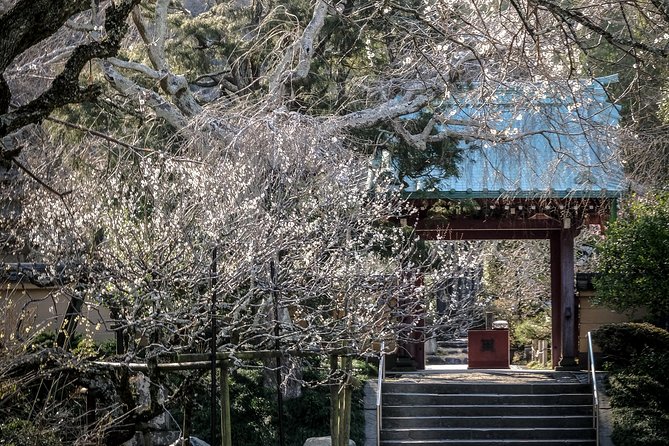
Next comes Kamakura Komachidori, a 50-minute stretch on the famous shopping street. It runs with shops and stalls on both sides, and it’s built for quick browsing.
You’re likely to see sweets, snacks, and souvenirs. Even if you don’t buy anything, Komachidori is useful. It’s where you can feel the town’s daily life. You also get an easy mental reset after the shrine and before you head into the temple sites.
This stop is admission free, which is a nice rhythm breaker. It’s also a good moment to pick up water or a snack for later, since food and drinks aren’t part of the tour.
If you’re traveling with kids, this is often the most fun portion because people can snack and wander without feeling like they missed something.
Kotoku-in and the Great Buddha, Most Photo-Ready and Most Impressive
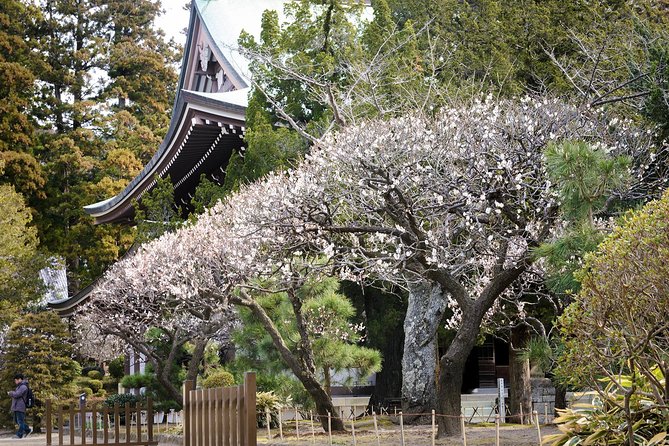
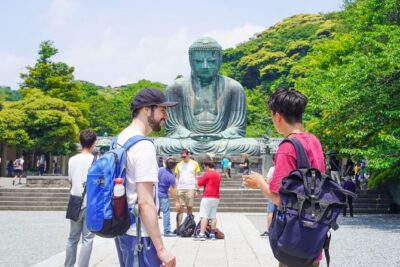
Stop four is Kotoku-in (Great Buddha of Kamakura) for about 40 minutes. This one is visually the star of the route. You’re looking at a centuries-old giant bronze statue of the Amida Buddha, dating back to the 13th century.
The tour doesn’t just point. You get the story and symbolism that explain why this kind of large-scale Buddha presence matters. That explanation is what turns a photo into something you understand.
A key planning point: admission is not included here. So you’ll want to expect a ticket cost at the site. I suggest you keep some cash or be ready to pay at the entrance, just in case.
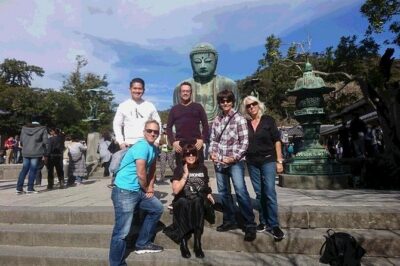
If you care about photos, you’ll likely appreciate how the photographer guide works during this stop. A pro can help you with angles, timing, and the small things that make a photo look intentional instead of accidental.
Hasedera Temple Steps and Caves, Where the Tone Changes
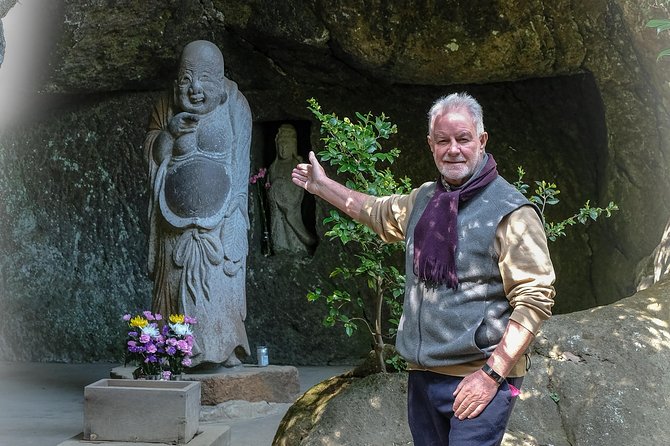
The final major stop is Hasedera Temple. You’ll spend about 1 hour 20 minutes here. This is where Kamakura slows down. The temple sprawls over multiple levels, and the grounds include gardens, ponds, caves, and an ancient statue of the 11-headed Goddess of Mercy (Kannon).
This part of the day is often the most memorable because the space invites quiet attention. You’re not just passing through. You’re moving through different levels and viewpoints, and you get a chance to take it in.
But there’s a tradeoff. Multi-level temples mean more walking and stairs. If your knees are sensitive, wear supportive shoes and take your time. The private format helps here, because you can pause when you need to.
As with Kotoku-in, admission is not included at Hasedera. You’ll want to factor that into your day budget. Also, because this is the last stop, it helps to have your energy managed. Bring a layer, since temple areas can feel cooler than the street.
How the Photographer Guide Changes Your Day (In a Good Way)
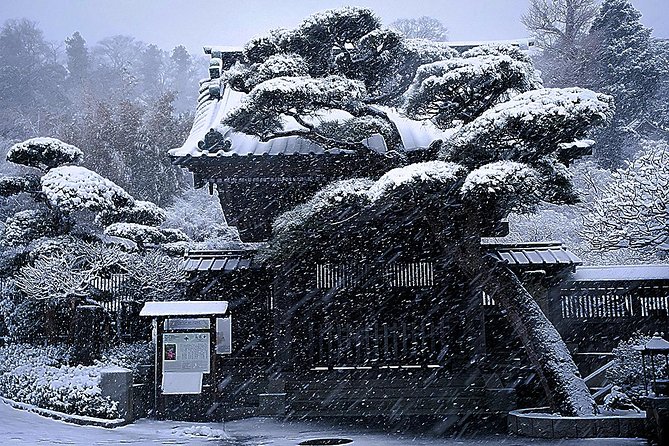
This tour includes both a local guide and a professional photographer guide. That combination is what makes it more than a standard sightseeing walk.
Here’s what you can expect to feel: when you reach key viewpoints, the guide doesn’t just say, stand here. They actively help you get better shots. The goal is to make it easy for you to be in the pictures without constantly juggling your camera, phone, and timing.
The reviews also mention the guide being kind and patient, and that’s important because photo help can feel stressful on other tours. Here, it’s the opposite. The photos feel like a byproduct of enjoying the stops, not a chore.
You can also ask questions during photo breaks. That keeps the tour moving in two directions at once: meaning and memories.
Weather, Crowds, and Why the Pace Feels Right
Kamakura can get crowded, especially on weekends and holidays. It can also rain. One reason this tour earns a near-perfect rating is that the guide seems used to real conditions.
In practice, that means the tour stays functional even when the day doesn’t cooperate. Instead of turning into a frantic sprint, you still cover the main sights and keep a human pace.
The private group size helps with this. With fewer people, it’s easier to slow down when the view is good or when a question takes longer than expected.
If you want a day that feels relaxed but still checks the big boxes, this style works well.
What You’ll Learn About the Kamakura Period Along the Way
The tour focus is the Kamakura Period (1185 to 1333), with attention to how the shogunate government, samurai, and the rise of Zen Buddhism shaped the area.
You don’t need to be a history nerd to enjoy this. The explanations are tied directly to what you see: shrines connected to early shogun power, and temples that show how Buddhist belief shaped life and space.
That’s the real value. History becomes a set of lenses you use while walking. When you understand why a shrine was important, it changes your interpretation of the buildings, the scale, and even the flow of the route.
And when you understand how Buddhism influenced the area, a bronze statue or a multi-level temple stops being a random landmark.
Who This Tour Suits Best, and Who Might Not
I think this tour is a great fit if you fall into one of these groups:
- You want history with structure, not just free time wandering
- You care about getting good photos without working for every shot
- You like smaller groups and a pace that allows questions
- You’re traveling solo and want an experience that is still personal
It might be less ideal if you:
- Prefer to roam independently with no guide input
- Want a full day of food and shopping built in
- Have very limited mobility, since parts of Kamakura and Hasedera involve steps and level changes
It’s also a good fit for couples and small families, since the private setup keeps the day from feeling like a cattle-car tour.
Should You Book This Kamakura Tour?
I’d book it if you want your Kamakura day to feel organized, meaningful, and photo-friendly. The private group up to eight, the pro photographer guide, and the route through Tsurugaoka Hachimangu, Kotoku-in, and Hasedera are a strong combo for a half-day.
The biggest reason to skip is budget stress, because you’re paying for more than entry fees. But the structure is doing work for you, especially the pacing and the explanations that connect the dots between shoguns, samurai culture, and Zen-influenced Buddhism.
If you’re aiming for a solo-friendly, station-to-station day with real context and help getting great pictures, this is the kind of tour that makes your trip feel smoother from start to finish.
FAQ
How long is the Kamakura tour?
It runs for about 4 hours.
Where does the tour start and end?
It starts at Kamakura Station and ends at Hase Station on the Enoden line.
Is this tour private?
Yes. It’s described as a private tour/activity, with only your group participating.
Can I choose my start time?
Yes. You can choose your preferred start time from several available options.
What’s included in the price?
The tour includes a local guide, a professional photographer guide, and a tour escort or host.
Are entrance fees included?
Admission is free for Wakamiya Main Street, Tsurugaoka Hachimangu Shrine, and Kamakura Komachidori. Admission is not included for Kotoku-in (Great Buddha) and Hasedera Temple.
Is food or transportation included?
No. Food and drinks, plus transportation to and from attractions, are not included. Hotel pickup and drop-off are also not included.
Latest write-ups near Kamakura
- Kamakura Walking Tour – The City of Shogun★ 5.0 · 100 reviews
- Kamakura Private Tour: Temples, Nature, and the Great Buddha★ 5.0 · 121 reviews
- Kamakura Historical Walking Tour with the Great Buddha★ 5.0 · 129 reviews
- From Tokyo: Kamakura & Enoshima 1-Day Bus Tour★ 4.5 · 189 reviews
- Your Own HANKO Name Seal Activity in Kamakura.★ 5.0 · 24 reviews
- Kamakura 4hr Private Trip with Government-Licensed Guide★ 5.0 · 58 reviews
- Tokyo: Kamakura & Enoshima Day Trip including Temple Tickets★ 4.5 · 1,375 reviews
- Buddha, Bamboo & Zen – Bespoke Kamakura Private Walking Tours★ 5.0 · 25 reviews
Kamakura Tours, compared.
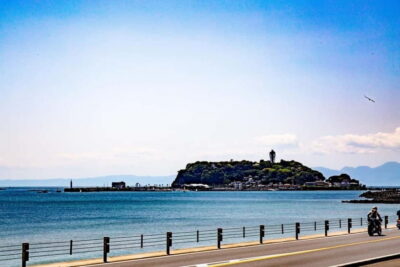
Kamakura & Enoshima Day Trip including Temple Tickets
Read our review →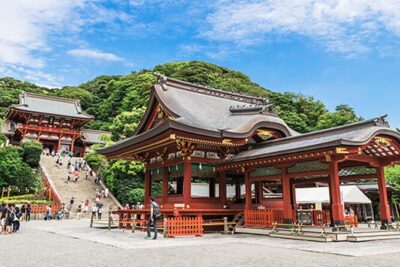
Kamakura Historical Walking Tour with the Great Buddha
Read our review →
Kamakura Private Tour: Temples, Nature, and the Great Buddha
Read our review →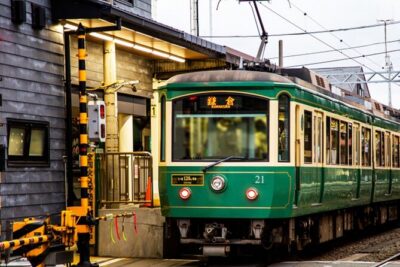
Kamakura 4hr Private Trip with Government-Licensed Guide
Read our review →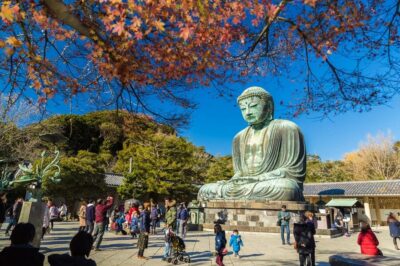
Kamakura Full Day Tour with a Local Expert Guide
Read our review →
Buddha, Bamboo & Zen – Bespoke Kamakura Private Walking Tours
Read our review →Browse the lists this tour appears in