
Reviewed · WAGASHI & MOCHI MAKING
Mochi Making at a Private Studio in Tokyo
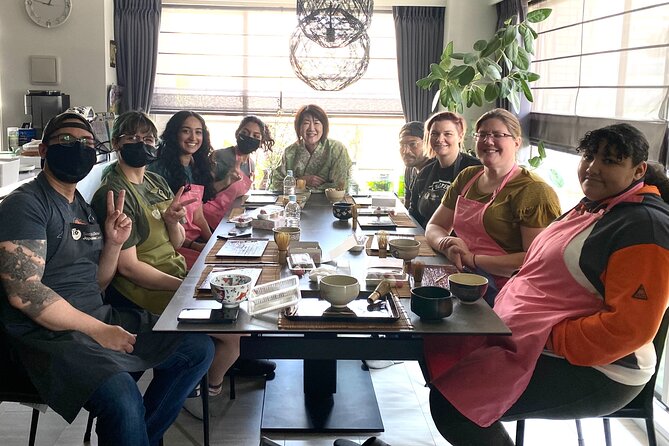
Mochi making in a private studio setting in Tokyo is interesting because you get real technique, not just a tasting. I like that this class runs in a small-group format and is taught in English by a certified wagashi professional in her own space, a short walk from Meguro Station.
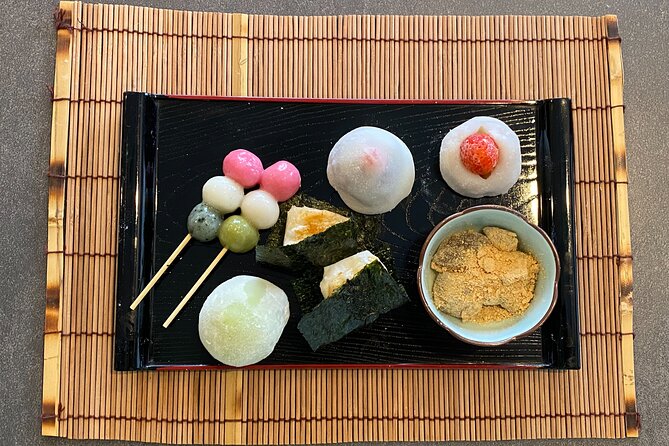
I also love the fact that you do more than one style of mochi. You will make strawberry daifuku, three-color dango, and warabi mochi, then get hands-on plus a tasting with green tea or coffee. The one drawback to plan for is that there is no hotel pickup, so you will need to get yourself to the studio near Meguro Station.
Quick highlights to look forward to
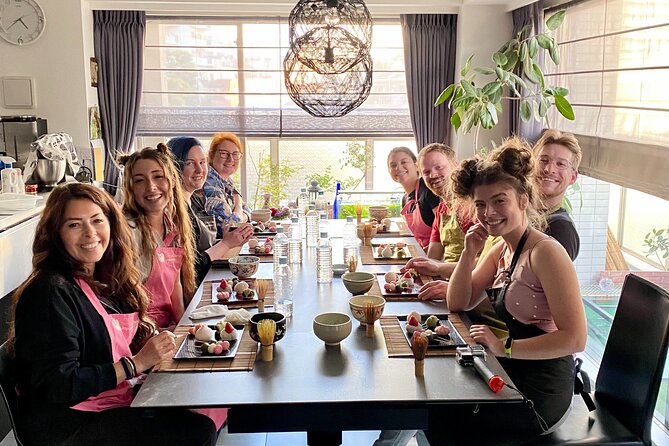
- Hands-on mochi variety: strawberry daifuku, three-color dango, and warabi mochi
- Small group for real attention: max six people in the class setting
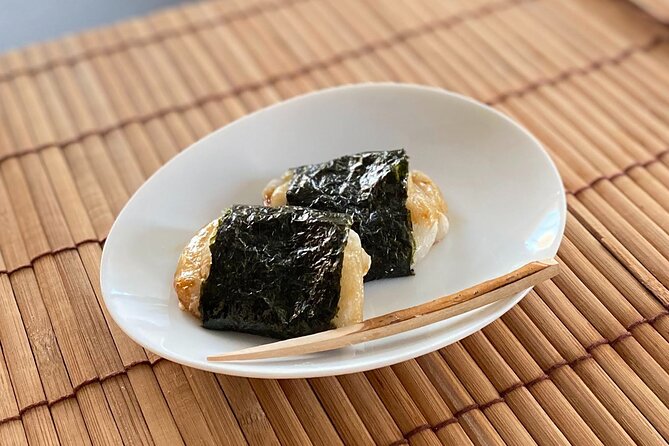
- Sweet and savory: grilled mochi with soy sauce and nori seaweed breaks up the sugar
- Mochi ice cream demo: you learn the concept even if it is not fully hands-on
- English support plus take-home help: English recipe sheet and aprons included
A private mochi studio near Meguro Station (and why it matters)
This class is set in a private studio close to Meguro, which is a big deal in Tokyo. Instead of doing mochi in a crowded venue, you get a cozy home-style kitchen setup. It makes the experience feel less like a performance and more like learning from someone who actually makes this kind of sweets for daily life.
The location is convenient too. You meet at Meguro City, Meguro, and the studio is within a short walk of JR Yamanote Line Meguro Station and a nearby metro station. If you are already using the Yamanote Line for sightseeing, this fits easily into a day.
Your group size stays intimate. The class is designed for a maximum of six people, with the activity capped at twelve travelers overall. That smaller scale shows up in pacing, how often you get help, and how comfortable it feels to ask questions.
More Wagashi & Mochi Making in Tokyo
- Tokyo Sumo Experience: Chanko & Mochi with a Former Pro
★ 4.8 · 567 reviews - Tokyo: Matcha Making Experience with Mochi Sweets in Asakusa
★ 4.9 · 388 reviews - TokyoSumoShow, ChickenHotPot, and Mochi-Pounding by Pro Wrestlers
★ 5.0 · 226 reviews
Your class start: mochi traditions, festivals, and a calm welcome
You will be greeted by the instructor, and the session begins with a short presentation about mochi in Japanese culture. The focus is not just history for history’s sake. You learn why mochi shows up in festivals and everyday celebrations, and how the idea of sticky rice cake connects to seasonal food culture.
In several of the classes described by prior students, the introduction also includes slides, so it feels structured rather than rushed. Names like Chef Michiko-san, Ayumi, Owa, Miho, and Waka-san show up in past experiences, and the consistent theme is English instruction you can actually follow without strain.
If you are a first-time visitor, this part helps you stop treating mochi like a single snack and start seeing it as a food language. You also pick up a bit of local context, since the instructor is fluent in English and can share advice about where to shop or what to see.
Strawberry daifuku mochi: the first skill you practice
The making portion gets hands-on right away. You will learn how to make strawberry daifuku mochi, one of the best-known mochi styles outside Japan and a great place to start because it is approachable.
Daifuku is basically a sweet approach to mochi: a chewy rice cake wrapped around a filling, often with fruit. This class keeps it practical, so you learn the handling basics and how to assemble the pieces into something that looks neat, not just tasty.
Expect to work with sticky dough. That is normal. Your success comes from following the steps and managing the stickiness the way the instructor teaches you. You will have an apron, so dress like you might end up with a few dough smudges, even if you do everything right.
Three-color dango and warabi mochi: learning texture and timing
After daifuku, you move into more variety. You will make three-color dango (mochi on skewers). This part is especially fun because the shapes are simple, but the look is very Japanese. Color and presentation matter in wagashi culture, and making dango is a quick way to see that.
Then comes warabi mochi, a mochi style that feels different from daifuku and dango. Warabi mochi is known for its distinctive texture and the classic coating style that helps it feel less sticky to eat. You learn how it comes together and how to handle it for serving.
Across the class, the pace is balanced. You are not rushed through steps, but you also are not stuck waiting around. In past sessions, assistants have helped keep workstations tidy, which matters because mochi dough can turn a counter into a sticky obstacle course if nobody is cleaning as you go.
A change of pace from Tokyo:
- Mt Fuji and Hakone 1-Day Bus Tour Return by Bullet Train
★ 5.0 · 26,383 reviews - 1-Day Tokyo Bus Tour
★ 5.0 · 14,250 reviews - Tokyo: TOKYO SKYTREE® Admission ticket
★ 4.5 · 11,192 reviews - Tokyo: teamLab Planets TOKYO Digital Art Museum Entry Ticket
★ 4.6 · 9,779 reviews
Savory grilled mochi with soy sauce and nori
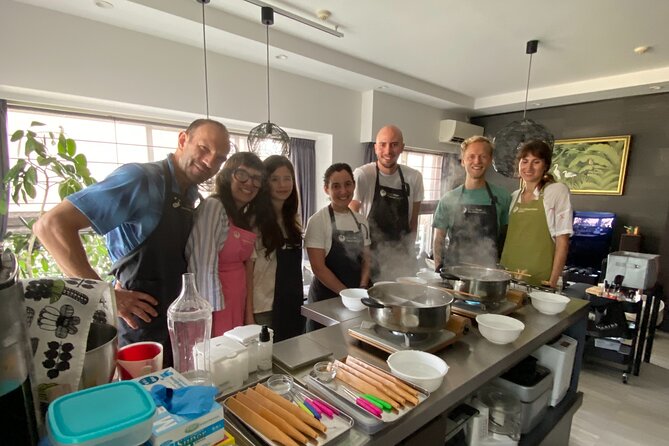
Here is where the class becomes more than a sugar lesson. You will be served savory grilled mochi with soy sauce and nori seaweed.
This is a smart pairing because many people only associate mochi with sweet fillings. Savory mochi helps you understand mochi as a flexible ingredient, not just a dessert shell. It also gives you a reset halfway through the class if you start thinking you will only eat sweets at the end.
If you like Japanese flavors that balance salt, sweetness, and umami, this savory moment lands well. It is also helpful for beginners, because it gives you a contrast while you are still learning how to handle the dough.
Mochi ice cream demo: cool concept, useful insight
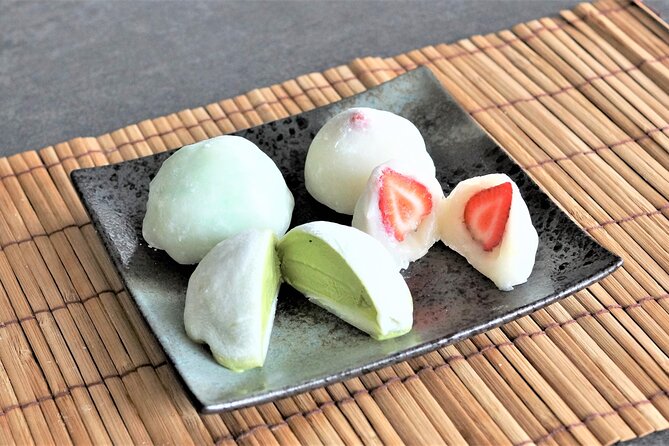
You get a demonstration on how to make mochi ice cream. The goal is learning the technique and the idea behind the assembly, not just tasting something.
If you request it ahead of time, dairy-free ice cream can be prepared. That is a nice inclusion because mochi ice cream often relies on dairy, and it is not always clear with other classes if they can adjust.
Even if the demo is not full hands-on for this segment, it adds value because you walk away with a mental model for how to think about filling temperature, texture, and wrapping. That matters if you want to recreate it later at home.
Tasting: green tea, hojicha, and coffee with what you made
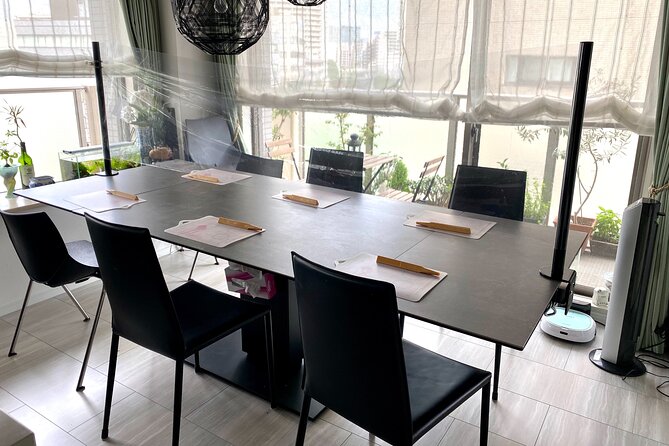
At the end, you sit down for tasting. You will sample your creations along with traditional tea such as green tea and sometimes hojicha, plus coffee is also included.
That tea component is not a small detail. It is part of why wagashi feels like more than dessert. Tea helps balance sweetness and keeps the flavors from blending into one sugary note. It also makes the session feel complete, since you finish by actually eating what you practiced.
Many participants also mentioned receiving containers to take mochi home, which is a great bonus if you do not want to share everything right away or you want to extend the experience with a second round later. The class includes an English recipe sheet, and in some sessions there are extra ways to access recipes digitally too, which helps you recreate your favorites.
What you actually get (and what you should bring)
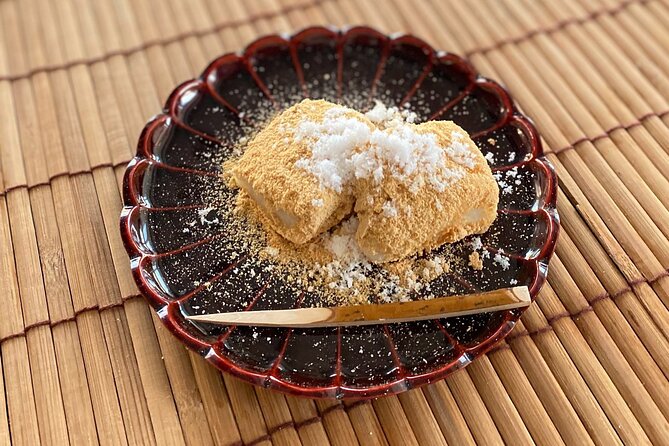
The included items make this class easy to show up for:
- Mochi making lesson
- Food tasting
- Aprons
- English recipe sheet
- Green tea, hojicha, or coffee
You do not need to bring ingredients or tools. The class provides what you need to learn and make a mess without worrying about supplies.
What you should bring is practical:
- Wear clothes you do not mind getting flour or dough on
- Expect stickiness and plan to wash your hands a lot
- Bring a smartphone for photos if you like documenting steps, since sessions often allow pictures during the process
Also note the non-smoking rule. You will get a focused indoor setting, which is a relief in Tokyo heat during summer.
Price and value: is $79.26 for 2 hours a fair deal?
At $79.26 per person for about two hours, this class sits in the mid-range for cooking experiences in Tokyo. The value is the combination of things you get, not just the final sweets.
Here is why it feels worth it for many people:
- You get small-group attention (max six people in the class environment)
- You make multiple types of mochi, not just one quick assembly
- Drinks and tasting are included (green tea or coffee, with hojicha also an option)
- You get an English recipe sheet, so you can actually recreate what you learn
- The instructor can speak English fluently and offers local insight, which helps you get more out of your day in Tokyo
Could it be less valuable if you expect a hands-on mochi ice cream session or a giant buffet of desserts? Yes. This is a focused lesson, not a restaurant meal. But if your goal is learning real technique and leaving with a better understanding of Japanese sweets culture, the price matches the experience.
Morning or afternoon: picking the best time for your Tokyo day
You can choose a morning or afternoon departure. That choice matters because mochi making is an indoor activity where you are moving around a kitchen area and working with dough.
If you are tired from morning transit and walking, afternoon can feel like a reset. If you are trying to avoid late-day crowds in Tokyo, morning makes it easier to enjoy the rest of the day after your class.
Either way, the two-hour length is a sweet spot. It is long enough to learn and taste a lot, but short enough that you can still fit in dinner plans.
Who should book this mochi class in Meguro?
This is a strong fit if you:
- Want an authentic Tokyo food experience with a real instructor, not just a demo
- Like hands-on activities and do not mind sticky hands for a bit
- Enjoy sweet and savory Japanese flavors
- Want something indoor and food-focused during hot or rainy weather
- Travel with kids, since the minimum age is 4 years (and younger children are not allowed for safety reasons)
It is also great for couples who want a shared activity, and for solo travelers who appreciate small-group instruction and conversation. Prior students highlighted that the class includes plenty of time to understand what you are doing and ask questions about Japan and local life.
If you dislike messy cooking or you want a totally hands-free activity, you might find the dough work uncomfortable. Mochi is sticky by nature, and the best results come from embracing that reality.
Should you book Mochi Making at a Private Studio in Tokyo?
Book it if you want a learning-focused mochi experience that feels personal, not rushed. The biggest wins are small-group instruction, the mix of daifuku plus dango plus warabi, and the fact that you also get savory grilled mochi and a tea tasting to wrap it up.
I would skip it only if you need hotel pickup, or if you strongly prefer a purely tasting-based activity with no hands-on steps. Otherwise, this is one of those Tokyo food classes where you come away with both tasty outcomes and practical knowledge you can reuse.
One last practical note: if your plans are flexible, free cancellation up to 24 hours in advance is available, which lowers the risk if your Tokyo schedule shifts.
FAQ
Where is the mochi class meeting point?
You meet at Japan, 153-0063 Tokyo, Meguro City, Meguro, 1-chōme316 プレジデント目黒ハイツ. The studio is within a short walking distance of Meguro Station on the JR Yamanote Line or a metro station.
How long is the class?
The class runs for about 2 hours.
How many people are in the group?
The class is a small-group format with a maximum of six people. The activity overall has a maximum of twelve travelers.
What mochi styles will I make during the class?
You will make strawberry daifuku mochi, three-color dango (mochi on skewers), and warabi mochi. There is also a demonstration on mochi ice cream.
What drinks and tastings are included?
Green tea, hojicha, or coffee are included, along with food tasting of what you make. You also get a tasting session served with green tea or coffee.
Can they make dairy-free mochi ice cream?
Yes. Dairy free ice cream can be prepared upon request.
Latest write-ups near Tokyo
- From Tokyo: Top 5 Scenic Spots of Mount Fuji Full-Day Tour★ 4.5 · 67 reviews
- Tokyo Customized Private Tour: See Top Attractions in 1 Day★ 4.8 · 67 reviews
- Traditional Japanese Music ZAKURO SHOW in Tokyo★ 5.0 · 67 reviews
- Tokyo: Shinjuku Izakaya and Golden Gai Bar Hopping Tour (2h)★ 4.9 · 67 reviews
- Tsukiji: Unlimited Sake Tasting Experience★ 4.9 · 67 reviews
- Samurai Ninja Museum Asakusa: Kid-Friendly Ninja Training★ 4.7 · 67 reviews
- Tokyo: Not a show- a professional sumo practice with experts★ 4.9 · 67 reviews
- Private Harajuku Omotesando Architecture Walking Tour★ 5.0 · 67 reviews
Wagashi & Mochi Making, compared.
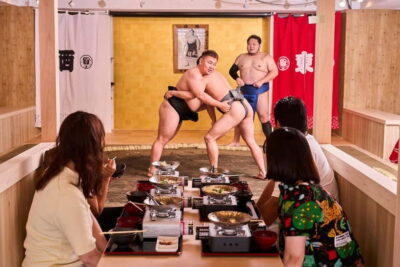
Tokyo Sumo Experience: Chanko & Mochi with a Former Pro
Read our review →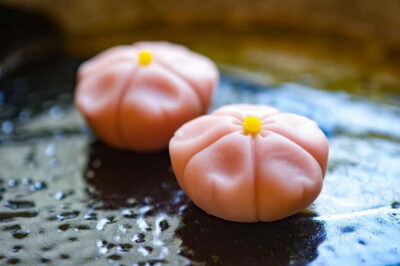
Matcha Making Experience with Mochi Sweets in Asakusa
Read our review →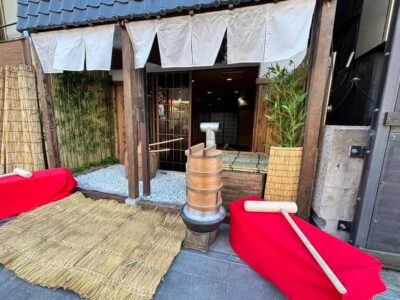
Traditional Mochi Pounding Experience with Tasting
Read our review →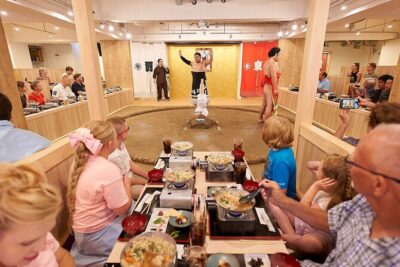
TokyoSumoShow, ChickenHotPot, and Mochi-Pounding by Pro Wrestlers
Read our review →
Private Mochi Sweets Making class near Shibuya area
Read our review →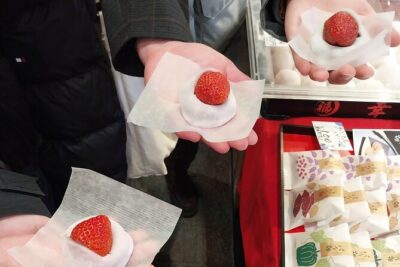
Kyoto Food Tour of 10 Tastings with Wagyu, Mochi & More Surprises
Read our review →
Kyoto near Fushimiinari Wagashi making&Small Group Tea Ceremony
Read our review →Browse the lists this tour appears in