
Reviewed · MARKET TOURS
Tsukiji Food and Toyosu Market with Government-Licensed Guide
Tokyo’s fish markets are the kind of place that can feel like sensory overload in the best way. This combo tour gives you Toyosu and Tsukiji in one half-day run, with a licensed guide to translate what you’re seeing and why it matters.
I like that it is a private tour, just you and your party, and you get one consistent guide to keep things organized. I also like the focus on food culture over a checklist, with time to stop, look, and make sensible choices.
One consideration: this is a walking route, and getting between the markets uses public transport that can add extra cost, since transportation fees and Toyosu admission are not included.
Key highlights worth planning for
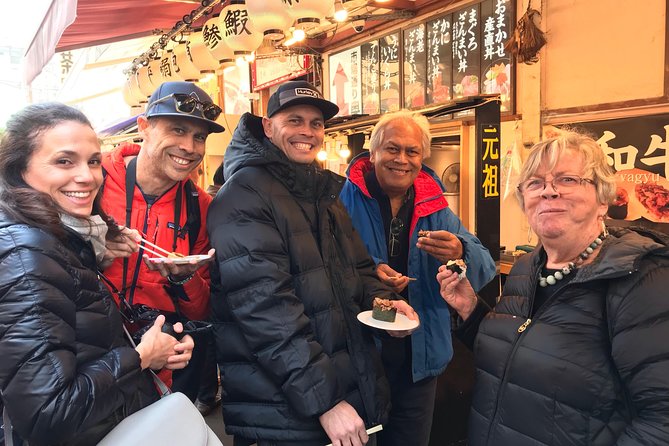
- Two markets with different vibes: Toyosu is the newer wholesale hub, Tsukiji is the older, high-energy food market area.
- Government-licensed guide support: you get help navigating the maze and understanding how things work, not just taking photos.
- Sunrise culture stops included: Namiyoke Inari Shrine and Tsukiji Hongwanji Temple add context to the seafood story.
- Private group for easier pacing: you can ask questions and move at a human speed, even through crowds.
- Food after the tour is optional: you can add your own breakfast or lunch nearby once you’re done walking.
Toyosu and Tsukiji, side by side in one 4-hour plan
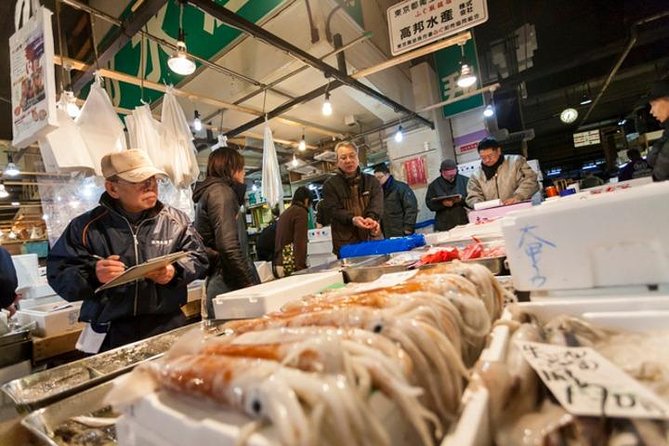
If you want Tokyo seafood without turning your trip into an unplanned scavenger hunt, this tour is built for you. You spend your morning bouncing between Japan’s newer wholesale market, Toyosu Shijo, and the famous older Tsukiji fish market area, guided end to end by a licensed local.
Toyosu matters because it is where a lot of the wholesale action moved when the older Tsukiji wholesale operations needed a replacement. It opened on October 11, 2018, on a man-made island in Tokyo Bay. The whole place feels more modern, more structured, and easier to read once someone points out how the flow of buyers and products works.
Tsukiji matters because even with all the changes over the years, the area still captures that classic feel of seafood commerce, where you can see stalls, tools, and food culture tightly connected. It is also where the tour anchors you around temples and shrines that explain why this area has always been tied to water, shipping, and the sea.
More Food & Drink in Tokyo
- Tokyo: Shinjuku Food Tour (13 Dishes at 4 Local Eateries)
★ 5.0 · 6,603 reviews - Tokyo Tsukiji Fish Market Food and Culture Walking Tour
★ 5.0 · 3,184 reviews - Tokyo: Shinjuku Food Tour (15 Dishes and 4 Eateries)
★ 4.9 · 2,033 reviews
Price and value: what $109.01 buys you (and what it does not)
At $109.01 per person for about 4 hours, the main value here is not paying for a ticket. It is paying for time savings and direction.
A licensed guide can help you avoid the most common market-tour mistake: spending half your time asking where to go next, and the other half buying random stuff because you do not know what is a good fit for your appetite and budget. In the feedback for this tour, guides like Toyo, Mio, Koji, Show, and Lily are repeatedly praised for making the market make sense, and for steering people toward good options to eat and browse.
Here is what to keep in mind on the cost side:
- Toyosu Market admission is not included, so plan for that extra entry cost.
- Food and drinks are not included, so you should bring cash for snacks, meals, and shopping.
- Transportation fees are not included, even though your guide organizes the movement between markets on public transport.
If you were doing this on your own, you would still pay for transit and you might pay for admission at Toyosu anyway. The tradeoff is that you would be doing the navigation part yourself. This tour buys you a smoother route, better timing, and a guide who can explain what you are seeing as you walk.
Stop 1: Toyosu Market for a modern look at wholesale seafood
You start at Toyosu Market for about 1 hour. This is not the place where you wander until you find a perfect bite. It is a wholesale-centered area, which means the big advantage is learning how to look.
What I would focus on in your hour there:
- How the market is laid out and how people move through it
- The difference between what you see as a visitor and what buyers focus on
- How sellers and eateries connect to the wholesale flow
The tour is also positioned to help you make smart choices even if you are overwhelmed. With guides like Toyo and Masa highlighted for strong direction, the experience tends to become less about chasing hype and more about understanding the system. If you can ask questions, do it while you are there. A good guide will translate what you are seeing into something practical you can use later, like how certain stalls are set up or how to think about what you want to try.
One practical drawback to know: Toyosu can feel less fun if you show up when stalls are quieter. The tour runs in the morning, which helps, but the overall lesson is simple. For Toyosu, earlier is better.
Stop 2: Tsukiji Fish Market with a guide-led morning walk
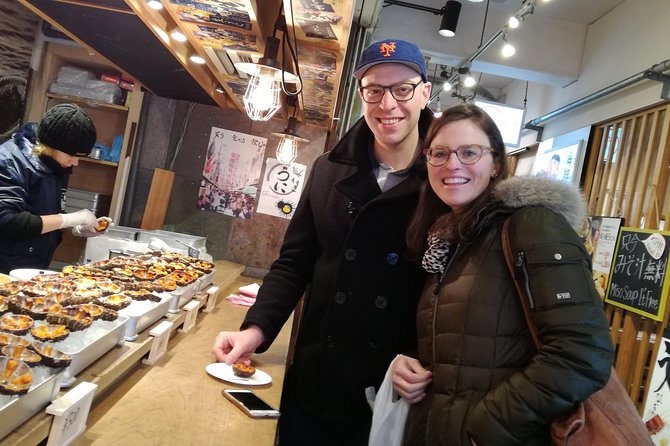
Next you head to Tsukiji Fish Market for about 2 hours. The meeting point for Tsukiji is Tsukiji Honganji Temple, just outside the market’s main gate, in the morning. This matters because Tsukiji can be confusing if you arrive cold. A licensed guide gives you that first push to get oriented fast.
Tsukiji feels different from Toyosu for one big reason: you are closer to the consumer-facing market life. You are more likely to find food counters and sampling opportunities along the route, and the crowd level tends to be intense. Your guide helps you keep your footing and your plan.
In the best versions of this tour, guides like Suzuki, Yoshii, Mina, Mami, and Hiro bring two things that make Tsukiji work:
- They help you pick what to try without turning it into a guessing game.
- They add context on the market culture, so it feels like more than just shopping.
Also, a quick note if your heart is set on the famous tuna auction: this is not the tuna auction tour. If you want that specific event, it is a separate option, and it starts super early (as early as around 5:30 am, based on past guidance). This tour is built around a more realistic morning schedule for walking, learning, and eating.
More Market Tours in Tokyo
- Tokyo: Tsukiji Fish Market Food and Walking tour
★ 5.0 · 1,724 reviews - Tokyo: Tsukiji Fish Market Guided Walking Tour
★ 4.9 · 1,397 reviews - Tokyo Sushi Making Class in Tsukiji with Professional Chef
★ 5.0 · 1,177 reviews - Tsukiji Fish Market Guided Tour and Sushi Making with Pro Chef
★ 5.0 · 775 reviews
Stop 3: Namiyoke Inari Shrine, a short culture reset
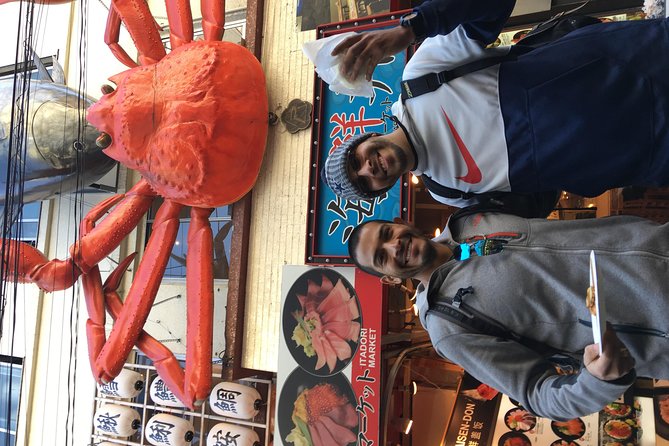
After the market portion, you visit Namiyoke Inari Shrine for about 15 minutes. This is a small stop, but it is a smart one.
Namiyoke Inari is meant to keep away the waves from land reclaimed from the sea. Tsukiji has always been tied to water and shipping, so this shrine helps you connect the dots between the seafood you are seeing and the larger story of how Tokyo claimed and used coastal space.
This kind of brief pause is not just spiritual. It is a practical reset for your body and attention. If you’ve been standing shoulder to shoulder in the market, a quiet minute helps you see the rest of the walk more clearly.
Stop 4: Tsukiji Hongwanji Temple for Buddhist context in a working neighborhood
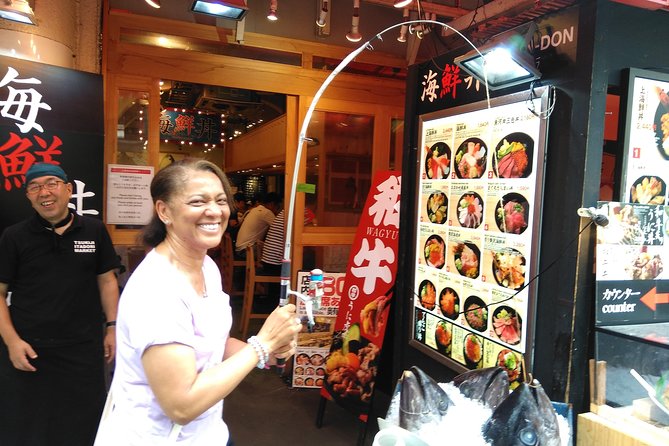
Then you move to Tsukiji Hongwanji Temple (often referred to as Honganji) for about 30 minutes. The area has a visible mix of everyday Tokyo life and religious spaces, and the temple stop is a way to slow down and notice that the market district is not only commerce.
This temple is known for its unique construction, and the stop is a good moment to learn how Buddhism has shaped Japanese public life over centuries. For many people, this is the point where the tour stops feeling like a food event and starts feeling like an experience with cultural context.
Even if you are not trying to become a temple expert, it helps to understand why these places exist right where people are buying and selling food.
How to eat and shop without turning it into chaos
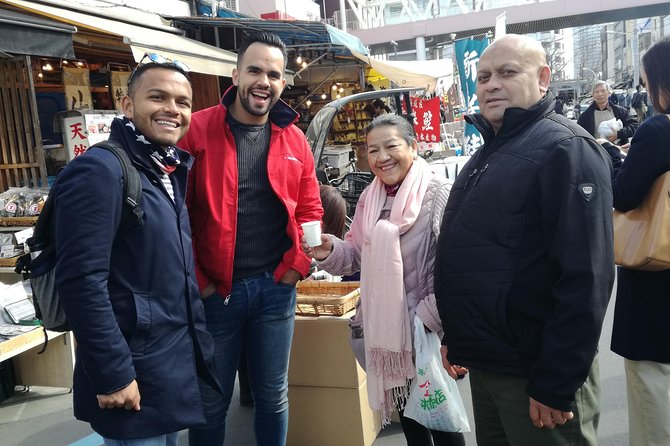
Food is the main reason most people book a Tsukiji and Toyosu tour, but the tour’s structure matters. You will not have unlimited time to sit down and analyze a menu. Instead, you get guided access to places to look and bite along the way, then you can continue with your own plan at the end.
Here is my practical advice for enjoying this without stress:
- Bring cash. Many market purchases and snack stops run on quick transactions, and your guide can help you spend wisely.
- Decide on a tasting strategy. Pick one or two things you truly want, then leave room for something smaller you would not normally order.
- Ask your guide what to prioritize today. Even within the same market, stalls and options can shift based on timing.
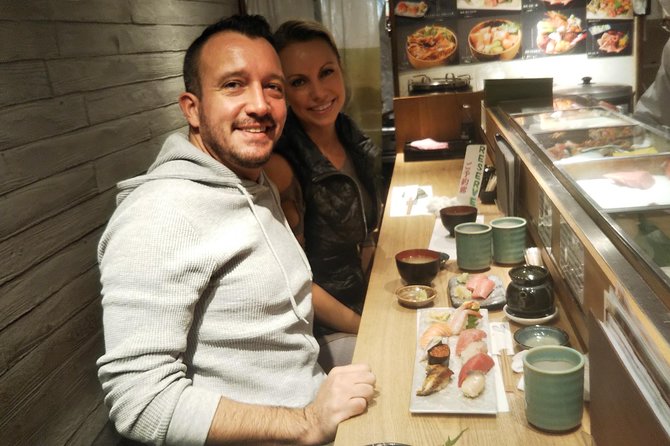
From past experiences shared with this tour, people often mention trying items like fresh seafood preparations and simple market bites. The exact menu depends on what is available, but the pattern stays the same: your guide helps you translate options into something you will actually enjoy.
On shopping, the guide component is huge. Markets can be full of seafood tools, packaged products, and souvenirs that vary wildly in quality. A guide can steer you toward items that match your tastes and budget, instead of you buying the first flashy box you see.
What the walking really feels like (and how to prepare)
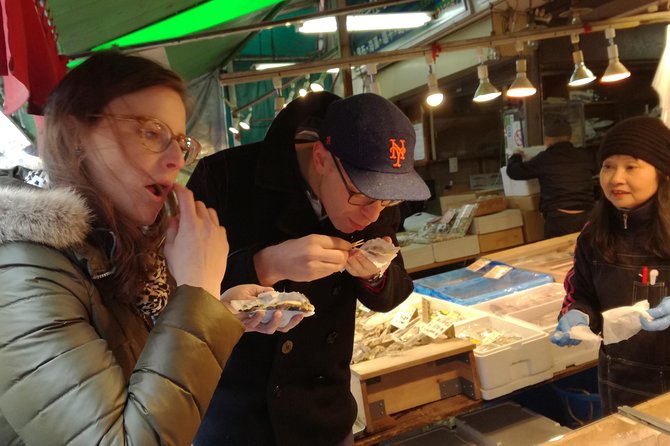
This is a walking tour, and the pacing is the big make-or-break factor. It is also a morning experience, so you’ll likely do a lot of standing and moving through tight lanes.
To enjoy it, come ready:
- Wear shoes you trust. Comfort matters more than style here.
- Dress for morning weather. Tokyo can run hot or chilly depending on the season.
- Keep your energy for the market stops, not for long breaks.
Your pickup and drop-off are on foot, meaning the meeting is handled within a designated Tokyo area and you walk to the start. This is a good setup if you are staying nearby, but it is not a private car tour. You’ll also use public transport between Toyosu and Tsukiji, and those transit costs are on you.
Guides make or break this kind of tour
In feedback for this experience, what gets repeated is not just that the markets are impressive. It is the human factor: guides who can explain things clearly, keep the group moving, and adjust when someone wants more food, more history, or more time browsing.
Names that come up often include Toyo, Suzuki, Mina, Mami, Koji, Show, Hiro, Shuji, Masa, Lily, and Emi. What you should take from that, regardless of which guide you get, is the standard you are paying for:
- licensed local guidance
- fast orientation
- practical advice for how to navigate crowds
- recommendations that fit what you are looking for
If you care about getting maximum value from your morning, you want that kind of guide energy. This tour tends to deliver it.
Is this tour for you? Best match and best alternatives
This tour is a strong fit if you want:
- Two major markets in one half-day
- a guide to help you understand the differences between Toyosu and Tsukiji
- simple culture stops at Namiyoke Inari Shrine and Tsukiji Hongwanji Temple
- a private setup, so you are not stuck with an inflexible group pace
It is less ideal if you want only one market, or if you want the specific ultra-early tuna auction experience. This is not the tuna auction tour, and if that auction is your top priority, you’ll need the dedicated option that starts as early as around 5:30 am.
Also, if you hate walking or standing for long stretches, you might feel rushed or uncomfortable. The route works best for people who like to get up, move, and learn while they walk.
Should you book the Tsukiji and Toyosu market combo?
I would book it if you want Tokyo seafood with less guesswork. Paying for a licensed guide is a practical decision here. You are paying for orientation, interpretation, and better use of your limited morning time.
Book it sooner rather than later. This experience is commonly reserved about 39 days in advance, and market tours can fill up around peak travel dates.
But if your dream is the tuna auction itself, choose the separate auction-focused tour. If you are aiming for a morning that is equal parts food, market culture, and a few meaningful stops at local shrines and temples, this combo is a solid, value-driven plan.
FAQ
Is this tour focused on the tuna auction?
No. This is not the tuna auction tour. If you want the tuna auction, there is a separate Toyosu Market morning tuna auction option.
How long is the tour?
The tour is about 4 hours (approx.).
What markets are included?
You visit Toyosu Market and Tsukiji Fish Market, with added stops at Namiyoke Inari Shrine and Tsukiji Hongwanji Temple.
Do I need to buy admission tickets?
Toyosu Market admission ticket is not included. Tsukiji Fish Market admission is listed as free.
Is transportation included?
Transportation fees are not included. Travel between markets is organized by your guide using public transport.
Is this a private tour?
Yes. It is private, meaning only your group participates.
Where do we meet the guide?
You meet your guide on foot within a designated area of Tokyo. For Tsukiji, the meeting point is Tsukiji Honganji Temple, just outside the market’s main gate.
What about food during the tour?
Food and drink are not included, though the tour can include time for you to eat breakfast or lunch after, at your own expense.
Is pickup by car included?
Pickup and drop-off are on foot. It is not listed as a private vehicle tour.
Are mobile tickets used?
Yes, a mobile ticket is included.
Can I cancel if plans change?
Free cancellation is available up to 24 hours in advance for a full refund. Service animals are allowed.
More Shopping Tours in Tokyo
- Tokyo: Tsukiji Fish Market Food and Culture Walking Tour
★ 4.7 · 757 reviews - Tsukiji Fish Market: Street Food & Culture Walking Tour
★ 5.0 · 669 reviews - Tsukiji Fish Market Small-Group Food Walking Tour
★ 5.0 · 621 reviews - Tokyo: Tsukiji Fish Market Sushi Making Class with Pro Chef
★ 4.9 · 506 reviews
Latest write-ups near Tokyo
- Tokyo Customized Private Tour: See Top Attractions in 1 Day★ 4.8 · 67 reviews
- From Tokyo: Top 5 Scenic Spots of Mount Fuji Full-Day Tour★ 4.5 · 67 reviews
- Tokyo: Shinjuku Izakaya and Golden Gai Bar Hopping Tour (2h)★ 4.9 · 67 reviews
- Traditional Japanese Music ZAKURO SHOW in Tokyo★ 5.0 · 67 reviews
- Tsukiji: Unlimited Sake Tasting Experience★ 4.9 · 67 reviews
- Samurai Ninja Museum Asakusa: Kid-Friendly Ninja Training★ 4.7 · 67 reviews
- Tokyo: Not a show- a professional sumo practice with experts★ 4.9 · 67 reviews
- Private Harajuku Omotesando Architecture Walking Tour★ 5.0 · 67 reviews
Market Tours, compared.
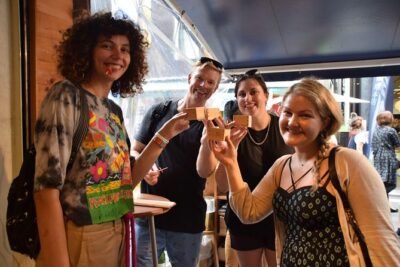
Tokyo Tsukiji Fish Market Food and Culture Walking Tour
Read our review →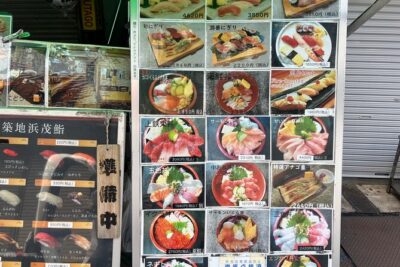
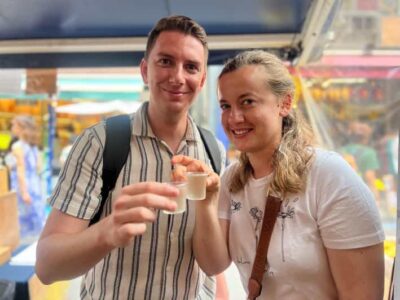
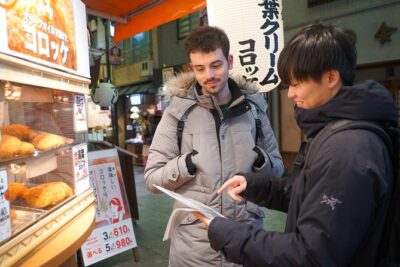
Nishiki Market Brunch Walking Tour (7 Tastings + Brunch)
Read our review →
Tokyo Sushi Making Class in Tsukiji with Professional Chef
Read our review →
Tsukiji Fish Market Guided Tour and Sushi Making with Pro Chef
Read our review →
Tsukiji Fish Market: Street Food & Culture Walking Tour
Read our review →Browse the lists this tour appears in