Reviewed · SUSHI MAKING CLASSES
Tokyo: Tsukiji Fish Market Sushi Making Class with Pro Chef
Tsukiji is one of the few places in Tokyo where you can learn sushi the way it is treated at work, not the way it gets packaged for tourists. I like that this class runs right in the Tsukiji outer fish market area, with fresh ingredients and proper tools, and that it is led by an English-speaking host like Satoko, plus a sushi master (you may see names like Tanaka, Kana, Koro, or Kate). My favorite part is getting hands-on instruction while you are surrounded by the real seafood world. One drawback to consider up front: the classroom is on the third floor with only stairs, so it is not a good fit if mobility is an issue.
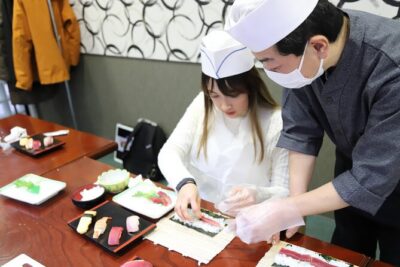
What you will actually do feels grounded. You’ll watch a fish prep and disassembly show, learn basic sushi technique step by step, then make 4 different nigiri and 1 maki with the right utensils, and eat your results with tea and soup. It is also a practical choice because you leave with a clear feel for what good sushi is supposed to be like, including how fresh wasabi and simple seasoning choices matter.
For the best experience, go in ready to focus. If you want a quiet, wandering market stroll with no cooking component, this is not that. And if you are vegetarian, vegan, or need special dietary formats like halal or kosher gluten-free, this experience is not set up for you.
Key highlights worth your time
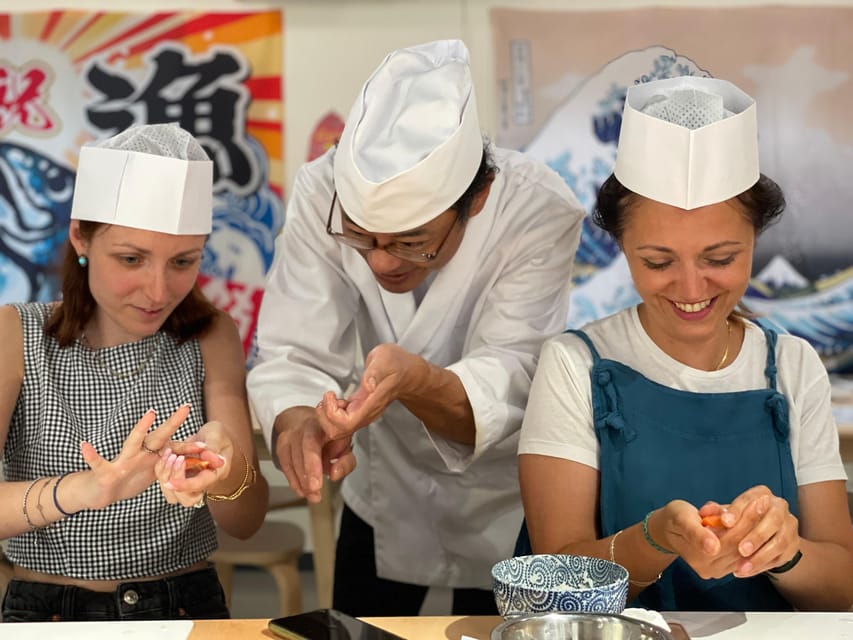
- Tsukiji ingredients and pro tools, with tableware and utensils provided for proper technique
- Fish disassembly demo plus knife talk, so sushi starts with preparation, not just assembly
- Hands-on nigiri and maki practice, including 4 nigiri and 1 maki you can eat right after
- English-speaking host support, with helpers who stay patient as you try shaping rice
- Fresh wasabi and chef-made sushi, plus dashi soup and green tea to round it out
- Small-group feel in practice, so you can ask questions and get feedback while you work
Tsukiji is the right setting for sushi making, not just sushi eating
If you care about food culture, Tsukiji has the right energy. This class is staged in the heart of the Tsukiji outer market area, so before and after your workshop you can browse what is actually being sold. That matters because sushi is not a single dish. It is a workflow, from sourcing to prep to rice seasoning to final assembly.
You also get the rare benefit of learning from the kind of instructor who thinks in steps. In this class, you first see fish handled for sushi use, then you learn what makes sushi sushi, and then you apply the basics directly at your station. That sequencing helps you understand why some details (like knife control and rice handling) are non-negotiable.
The other win is the meal part. You do not just watch or taste a tiny sample. You make 4 nigiri and 1 maki, and you eat that. Then the sushi master prepares additional sushi, including wasabi, so you can compare what you made with what a skilled professional does when speed and precision are second nature.
More Market Tours in Tokyo
- Tokyo Tsukiji Fish Market Food and Culture Walking Tour
★ 5.0 · 3,184 reviews - Tokyo: Tsukiji Fish Market Food and Walking tour
★ 5.0 · 1,724 reviews - Tokyo: Tsukiji Fish Market Guided Walking Tour
★ 4.9 · 1,397 reviews
Getting to the classroom in the market area, and the stair reality
Your meeting point can vary depending on the option you book, so you’ll want to check the exact instructions you receive. The key on arrival is knowing where the class actually happens. The workshop takes place in a hidden local building inside the Tsukiji outer market area, in a classic Japanese-style setup.
Here is the practical consideration: the classroom is on the third floor, and it is stairs only. If you have trouble climbing, you should treat this as a deal-breaker. Even if you can do stairs for short stretches, you’ll be moving up and down around the time you arrive and leave.
Also plan your timing. The class may run a bit beyond the scheduled end time, so if you have a reservation right afterward, tell the operator in advance. This helps avoid the classic Tokyo problem of lining up your next ticket while you are still waiting on rice or fish prep.
Fish disassembly and knife talk, where sushi skills really start
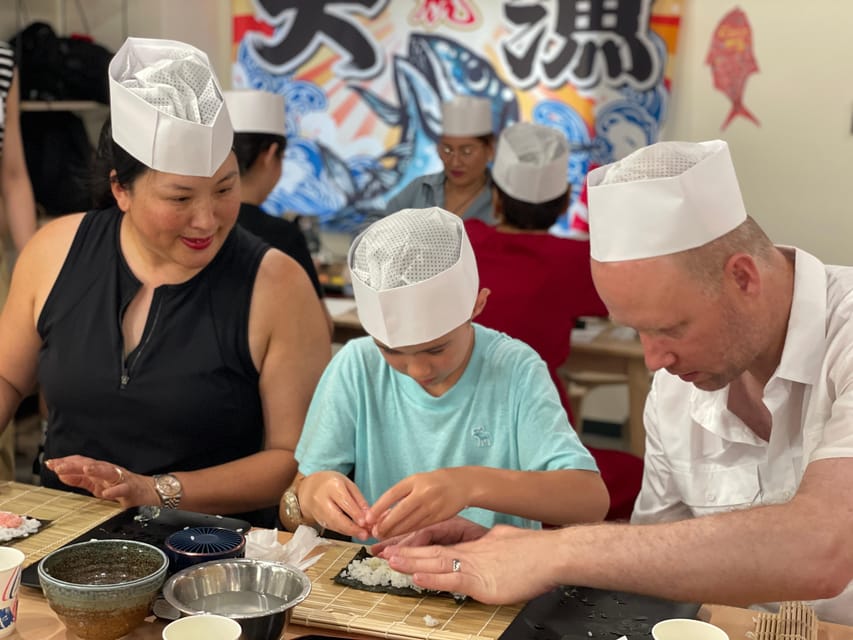
A lot of sushi classes start with rice. This one starts earlier, with a fish disassembly show by the pro sushi chef. That is a big deal, because sushi quality begins with the raw ingredient being prepared correctly. You get to see the steps and learn what is happening before any seasoning ever touches the fish.
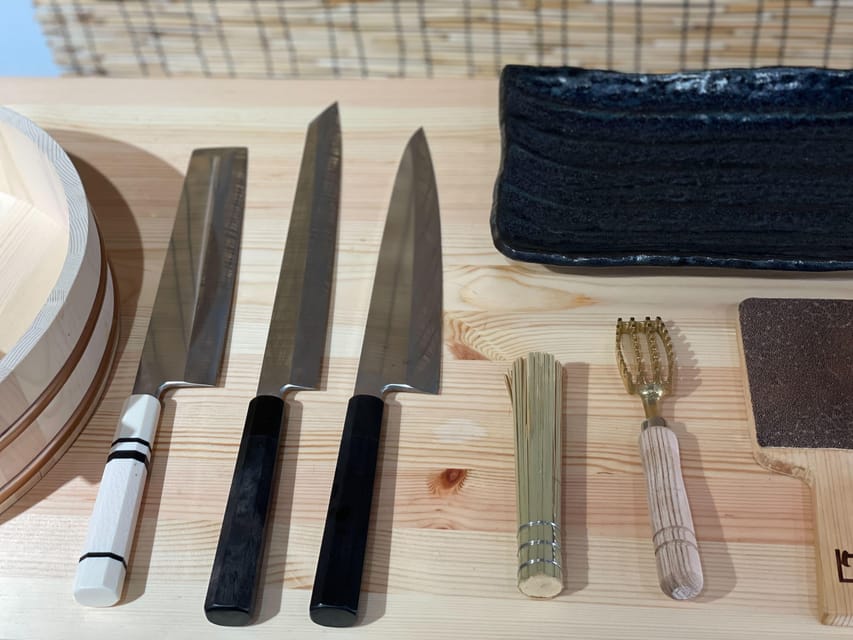
You’ll also get instruction on Japanese knives. Knife technique can sound abstract until you try shaping rice, cutting fish pieces to size, and getting a feel for how control affects presentation. Even if you are a total beginner, knife explanations give you a mental model you can use at home when you are portioning ingredients for nigiri or rolling maki.
One note: some sessions in practice may include extra guidance connected to sashimi-style prep, based on what people have described. Still, the core promise stays the same: you learn how fish is handled for sushi use, then you move into nigiri and maki making.
Nigiri versus maki: what you learn, and how it helps you eat better too
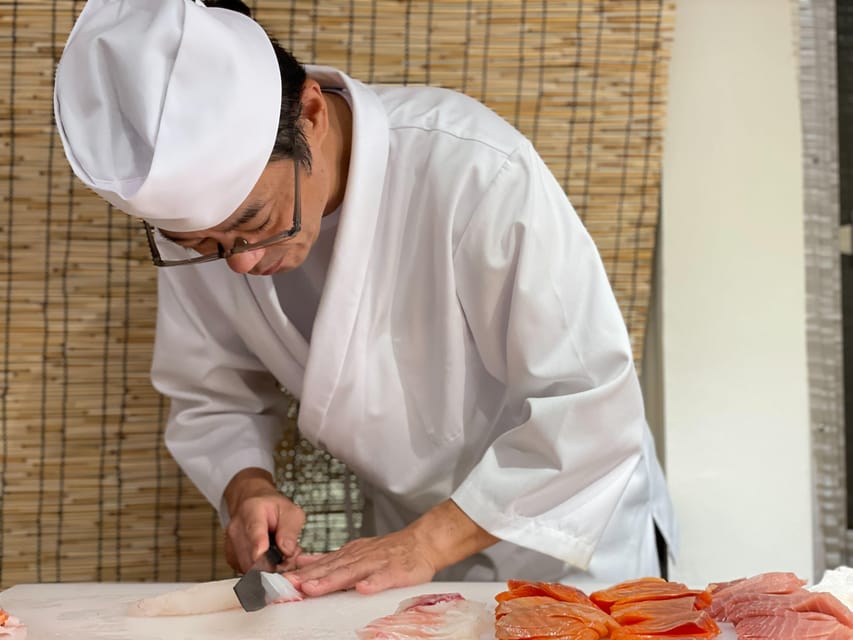
Once the prep stage is clear, the class shifts into sushi basics. You learn what sushi is, how nigiri and rolled types work, and the proper steps to make both styles. The sushi master helps you step by step, which matters because your hands are learning at the same time your brain is learning.
For nigiri, the big skill is rice handling. You need consistent portions and good shape without crushing the rice. You also learn how to handle the fish pieces so they sit neatly on top. The class is built around doing this in real time, not just watching a demonstration.
For maki, you’re practicing assembly and rolling. Rolling can look simple on videos. In reality, it is about controlling tension, keeping ingredients lined up, and making sure the roll seals properly. Because you are using provided utensils and tableware, you’ll be practicing with the tools you would actually use if you were setting up a sushi station at home.
This is also where the “culture” part lands. People often think sushi culture is about etiquette. Here it is more about process and respect for ingredients. The instructions and pacing help you understand sushi as craft, not a gimmick.
More Shopping Tours in Tokyo
- Tsukiji Fish Market Guided Tour and Sushi Making with Pro Chef
★ 5.0 · 775 reviews - Tokyo: Tsukiji Fish Market Food and Culture Walking Tour
★ 4.7 · 757 reviews - Tsukiji Fish Market: Street Food & Culture Walking Tour
★ 5.0 · 669 reviews - Tsukiji Fish Market Small-Group Food Walking Tour
★ 5.0 · 621 reviews
The hands-on workshop: utensils, tableware, and fixing common beginner mistakes
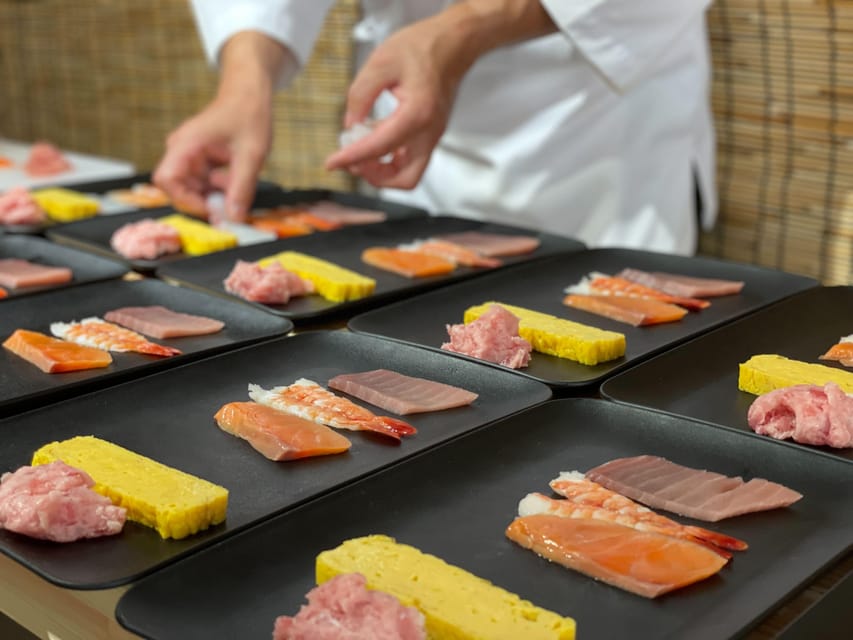
This is the part you will remember, because your hands will be busy. You get proper utensils and tableware provided by local shops, and the setup is designed for an efficient workflow. That means you are not trying to improvise with random kitchen tools or struggle with makeshift stations.
You also get a structured path. You watch the master’s pace and then repeat it at your station. When something looks off, you can ask questions and get feedback. Many people highlight that the class is hands-on and that the small-group feel helps you actually hear instructions and receive corrections while you work.
Some practical stuff to keep in mind as you cook:
- Be ready for careful, repeat motions while rice and fish pieces are fresh.
- Don’t rush the first few steps. Sushi is mostly about consistency.
- If you’re unsure, ask early. The class moves along, and it is easier to fix technique before you stack up errors.
If you are the kind of person who likes learning by doing, this format is a win. If you hate doing things with your hands, you may find it stressful. But you still get to watch the master’s disassembly and knife work, which is valuable even if assembly isn’t your thing.
Chef-made extras, wasabi like it should taste, and your finished lunch
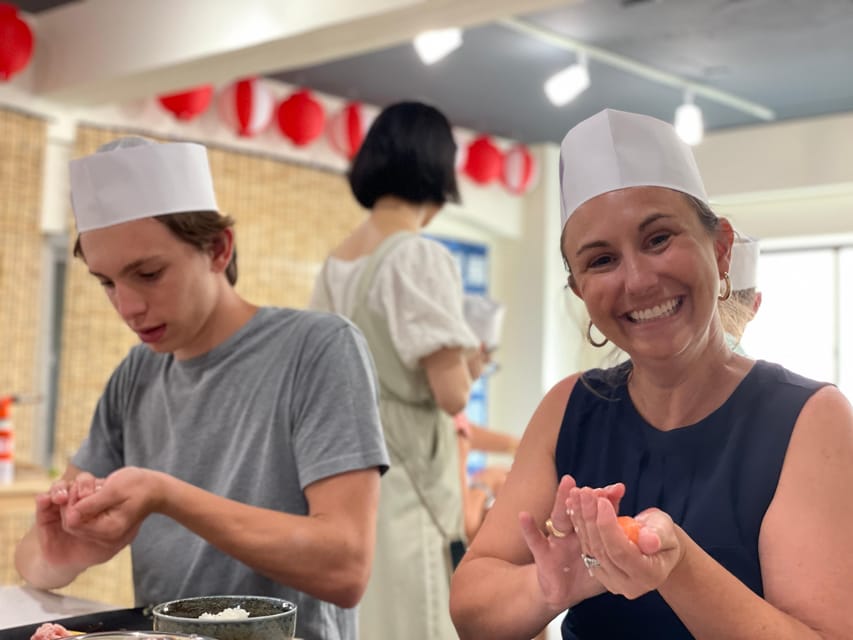
After you build your own sushi, you get to eat it. That is not filler. It is part of the lesson. You’ll taste your nigiri and maki and then compare them with additional sushi made by the sushi master.
A highlight here is the wasabi. The class describes expertly prepared wasabi as fresh as can be. That changes everything about flavor balance. Many people are surprised by how wasabi tastes when it is treated as an ingredient with intent, not just a condiment.
You also get traditional dashi soup and finest green tea. This pairing is practical. Dashi gives you a warm, savory reset between bites, and green tea keeps the experience clean and focused, not heavy.
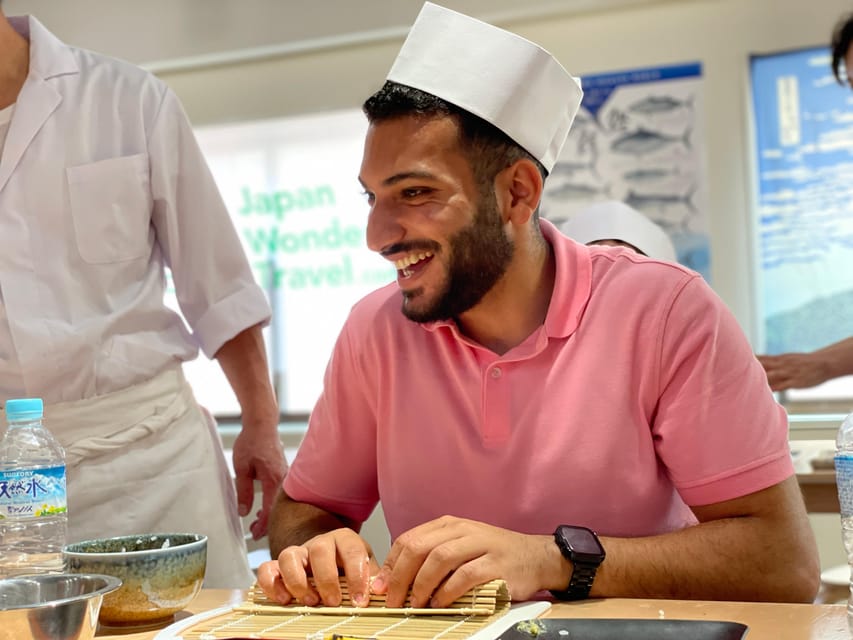
And yes, you get a hat as part of the workshop. It’s a small detail, but it signals this is a real “kitchen time” activity, not a casual demo.
What you actually take home, beyond the photos
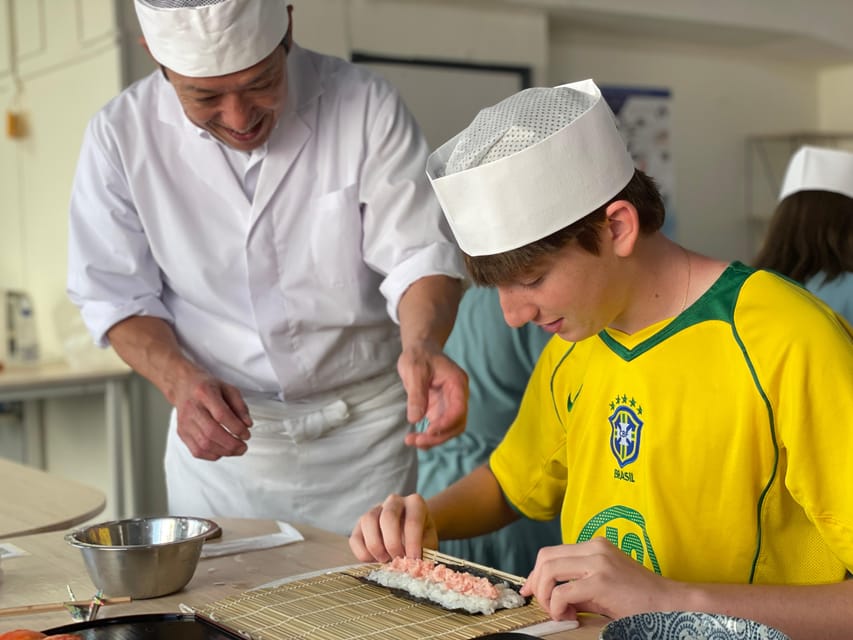
You’ll leave with a better internal sense of sushi than you get from eating out. You learn how fish prep affects the final texture, why knife control is not optional, and what rice handling changes in the final bite.
More importantly, you’ll have a clear template for making at home:
- Make nigiri with portion control and gentle rice shaping
- Roll maki with even pressure and alignment
- Understand that seasoning and fresh ingredients drive most of the flavor differences
The class also gives you vocabulary you can use when ordering sushi later. If you’ve ever wondered why some nigiri tastes cleaner or why wasabi hits differently, you’ll be able to connect those dots to technique and ingredient handling.
Price and value: why $63 can make sense in Tsukiji
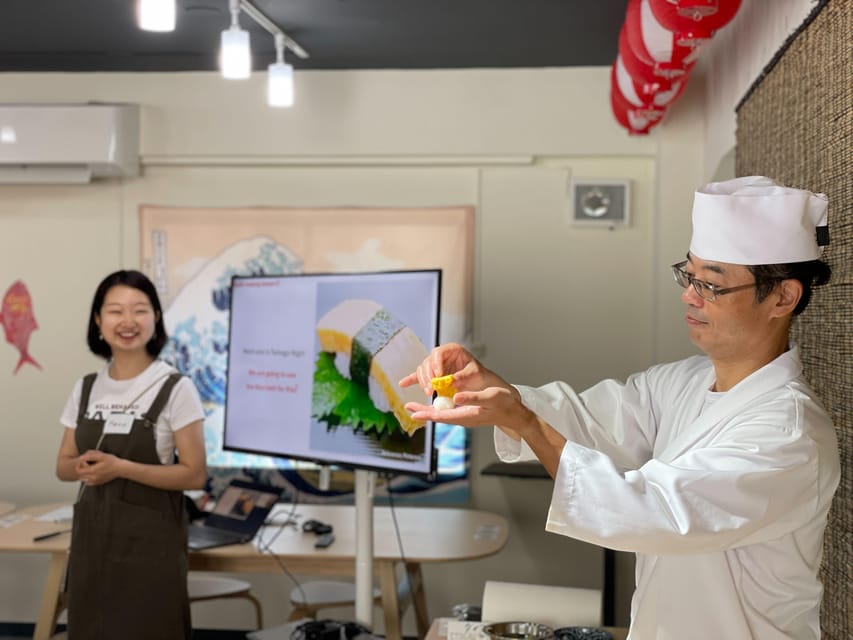
At $63 per person, you are paying for a lot more than a meal. You are paying for instruction from an English-capable host, a sushi master-led workflow, fresh ingredients sourced from the market, and provided utensils and tableware. On top of that, you get tea, soup, and the sushi you make plus additional sushi made by the chef.
In practice, the value comes from time and structure. If you attempted something similar at home, you would still need the ingredients, the tools, and the learning curve. Here, someone handles the teaching part and keeps you from wasting ingredients while you figure out technique.
Duration also matters. The workshop can run anywhere from 90 minutes to 4 hours, depending on the option you book. That wide range likely reflects different group pacing and session formats. But either way, you are not just tasting. You are working through the process and eating your results.
Who should book, and who should skip this class
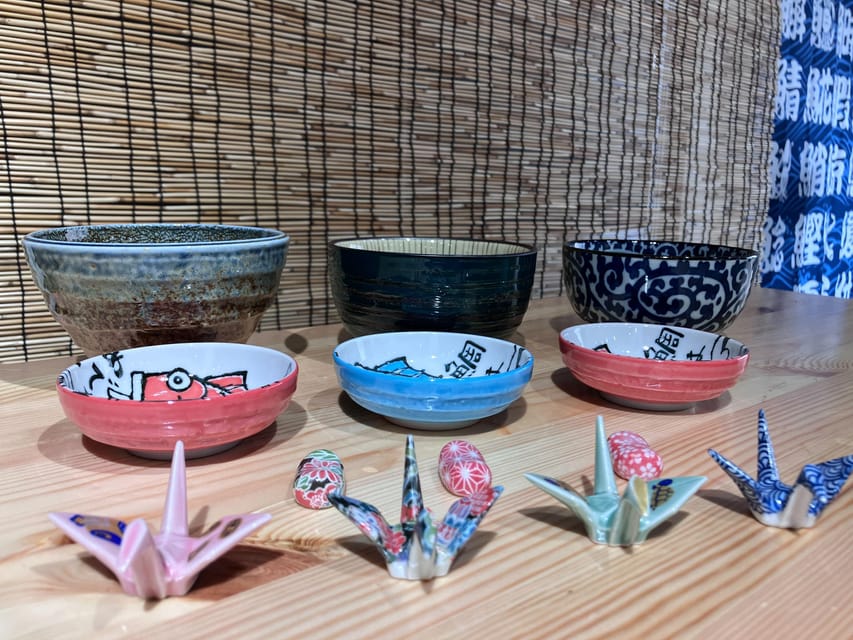
This is best for food lovers who want a hands-on craft lesson, not just a quick cultural stop. It is also strong for small groups and families who can handle a lesson where you need to pay attention and move carefully around your station.
It is family-friendly, but it is not suitable for children under 4. Based on what people describe about the class style, older kids who can sit through instruction and keep their attention on technique will enjoy it more.
If you have accessibility needs, pay attention. The workshop takes place on the third floor with stairs only, and it does not accommodate wheelchair users or people with mobility impairments.
Dietary fit is another big factor:
- Vegan and vegetarian requests are not accommodated.
- Halal and kosher gluten-free requests are also not accommodated.
- Allergy requests might be possible, but you must tell them when you reserve, and it may not always be feasible.
So, if your needs are complicated or you avoid seafood, plan carefully. If you eat fish and want real sushi technique training, this is an excellent match.
Smart planning tips: timing, questions, and making the most of Tsukiji
Because the classroom is inside the market area, you can pair the class with exploration. Tsukiji is set up for before or after browsing, and the meeting point is in the center of the action. If you want that full experience, build in a little buffer time to walk, look, and come back without rushing.
Bring curiosity. When you watch the fish disassembly show, ask what you can actually use later. When you practice nigiri shaping, ask how to judge portion size. When you taste the chef’s wasabi and extra sushi, ask what they look for in balance. People who enjoy the class tend to be the ones who ask practical questions and pay attention to technique cues.
If you care about photos, do it lightly and respectfully. You’re in a working-food environment, and your best “souvenir” is the skill you pick up. Still, the process is visual, and the proper tools and station setup make it easy to capture a few good shots without turning the lesson into a filming session.
Also, go in with realistic expectations about timing. Since the session may run beyond the planned ending, keep your next appointment flexible.
Should you book this Tsukiji sushi making class with a pro chef?
Book it if you want real sushi technique in a setting that actually feels like seafood is work, not a theme park. The mix of fish prep, knife explanations, hands-on nigiri and maki, and a meal that includes dashi soup and green tea makes it a strong value for the money.
Skip it if stairs are a problem, if your dietary needs fall into vegan vegetarian halal or kosher gluten-free categories, or if you want a purely guided market stroll without cooking. This is a workshop first.
If you are on the fence, choose based on one question: do you want to learn how sushi is made step by step? If yes, this is one of the best ways to spend time in Tsukiji.
FAQ
What will I make during the sushi making class?
You’ll make 4 different nigiri sushi and 1 maki sushi. You also eat additional sushi made by the sushi master.
How long is the experience?
The class duration can be 90 minutes to 4 hours, depending on the option you book.
Is the class taught in English?
Yes. The instructor and support are English based, including an English-speaking host.
Will I have time to explore Tsukiji?
Yes. The class is set in the center of the Tsukiji outer fish market area, so you can explore before or after.
Is market guidance included with the class?
No. Guidance through the market is listed as not included.
What drinks and soup are included?
You get tea and traditional dashi soup to go with your sushi.
Do you provide utensils and tableware?
Yes. Proper utensils and tableware are provided for the workshop.
Are vegetarian, vegan, or special dietary requests accommodated?
No. The experience does not accommodate vegetarian, vegan, halal, or kosher gluten-free requests. Allergy-related requests may be possible, but it may not always be feasible.
Is this class suitable for people with mobility impairments?
No. It is on the third floor with only stairs, and it does not accommodate wheelchair users or people with mobility impairments.
Is the class okay for young kids?
It is not suitable for children under 4. It is described as family-friendly, but kids should be able to handle the classroom format.
What is the cancellation policy?
There is free cancellation up to 24 hours in advance for a full refund.
More Sushi Making Classes in Tokyo
- Sushi Making Tokyo Roll and Authentic Japanese Sushi Class
★ 5.0 · 3,971 reviews - Tokyo: Roll and Authentic Sushi Making Class in Asakusa
★ 4.9 · 1,957 reviews - Make Sushi and Create Unforgettable Memories in Tokyo
★ 5.0 · 1,413 reviews - Tokyo: Sushi Making Class in a Happi Coat near a Famous Spot
★ 4.9 · 1,377 reviews
Latest write-ups near Tokyo
- Harajuku Private Tour: Kawaii Fashion & Animal Cafe Included★ 5.0 · 69 reviews
- Mt Fuji Customizable Private Tour English Speaking Driver Pick-up★ 5.0 · 69 reviews
- Tokyo Night Cooking Class: 5 Home-Cooked Japanese Dishes★ 5.0 · 70 reviews
- Tokyo: Sumida Aquarium Entry Ticket★ 4.6 · 70 reviews
- Private Customizable Walking Tour of Tokyo★ 5.0 · 70 reviews
- Official Japan Go-Kart Through Tokyo Bay / Ginza (IDP Required)★ 4.5 · 71 reviews
- Wagyu Beef and Sake Pairing Foodie Tour in Tokyo★ 5.0 · 71 reviews
- Experience Big soba knife Soba Making Class in Tokyo Kappabashi★ 5.0 · 71 reviews
Sushi Making Classes, compared.
Sushi Making Tokyo Roll and Authentic Japanese Sushi Class
Read our review →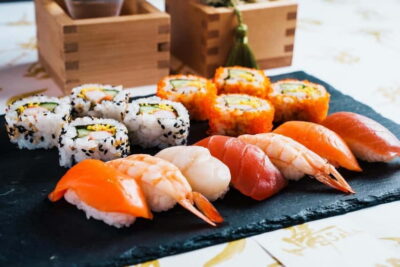
Roll and Authentic Sushi Making Class in Asakusa
Read our review →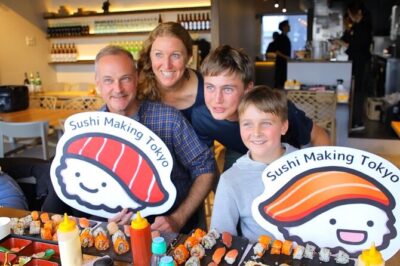
Make Sushi and Create Unforgettable Memories in Tokyo
Read our review →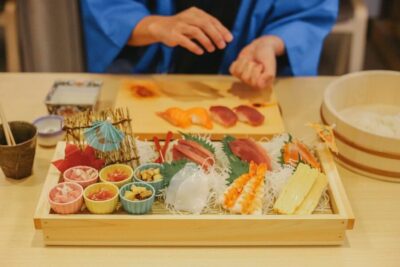
Sushi Making Class in a Happi Coat near a Famous Spot
Read our review →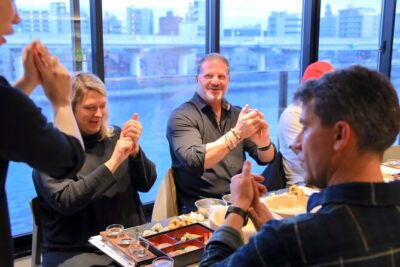
Sushi Making Osaka Roll and Authentic Japanese Sushi Class
Read our review →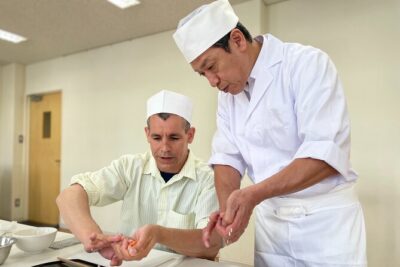
Tokyo Sushi Making Class in Tsukiji with Professional Chef
Read our review →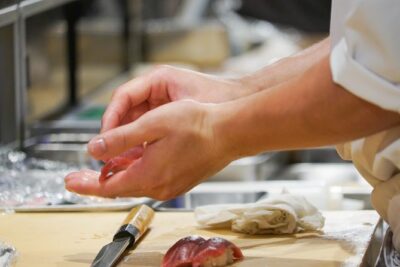
Tokyo Night Foodie Tour in Shinjuku – Seasonal Sushi, Wagyu Beef
Read our review →