
Reviewed · GEISHA & GION TOURS
Kyoto: Traditional Tea Ceremony with Matcha & Sweets in Gion
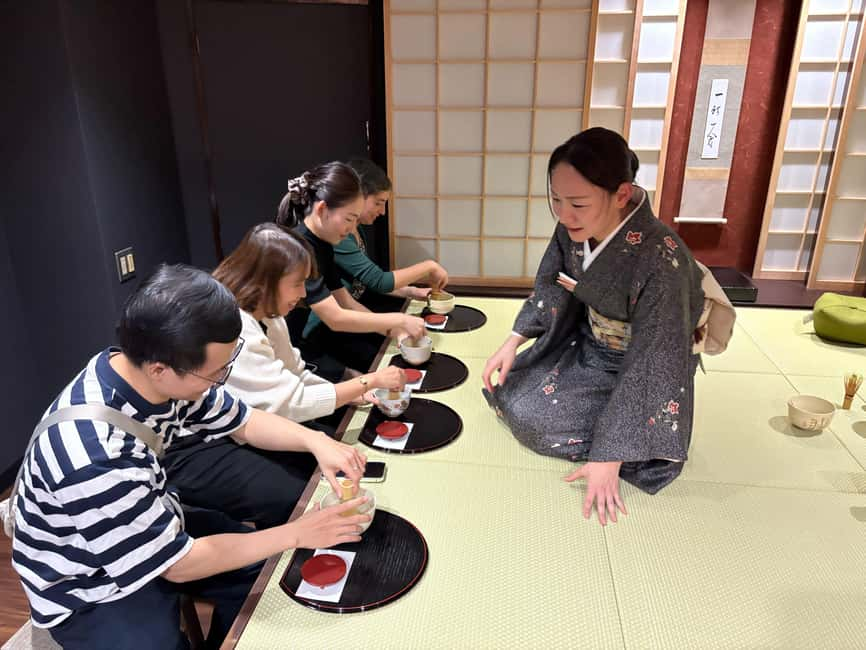
In Kyoto’s Gion district, this tea ceremony stands out because it keeps the grace of the tradition but ditches the stiffness. I like that you get to watch the tea master’s technique up close, then make your own bowl of matcha. I also like the added comfort of a friendly, casual pace with chair seating instead of kneeling. One consideration: matcha is high in caffeine, so it is not recommended for kids under 5.
What you get feels designed for real life, not just for people who already know Japanese tea etiquette. The class is led in English, and the small group setup helps you ask questions without feeling rushed. If you choose the kimono option, your selected start time controls which ceremony slot you join later, so you will want to plan around that.
You end with a Q&A, which helps the history and Zen philosophy make sense instead of sounding like trivia. The experience score is 4.9 based on 27 reviews, and one name that comes up is Mai, praised for being approachable, hospitable, and passionate about tea.
Key Points Worth Packing In
- Chair seating keeps the ceremony comfortable and easy to join
- Watch first, then do with hands-on matcha whisking after a close-up demonstration
- Local matcha powder from a family-run tea farm is part of the experience
- Japanese sweets selected by the tea master help balance and slow down the tasting
- History plus Zen philosophy explained with a practical, story-based flow
- Take-home recipe so you can recreate the drink after your Kyoto days
Gion Setting and Chair Seating, the Anti-Intimidation Version of Tea
Kyoto does quiet beautifully, and Gion is one of the best places to feel it. The ceremony takes place in a calm, elegant space where Japanese hospitality sets the tone, so you are not “performing.” You are simply learning, tasting, and trying the motions.
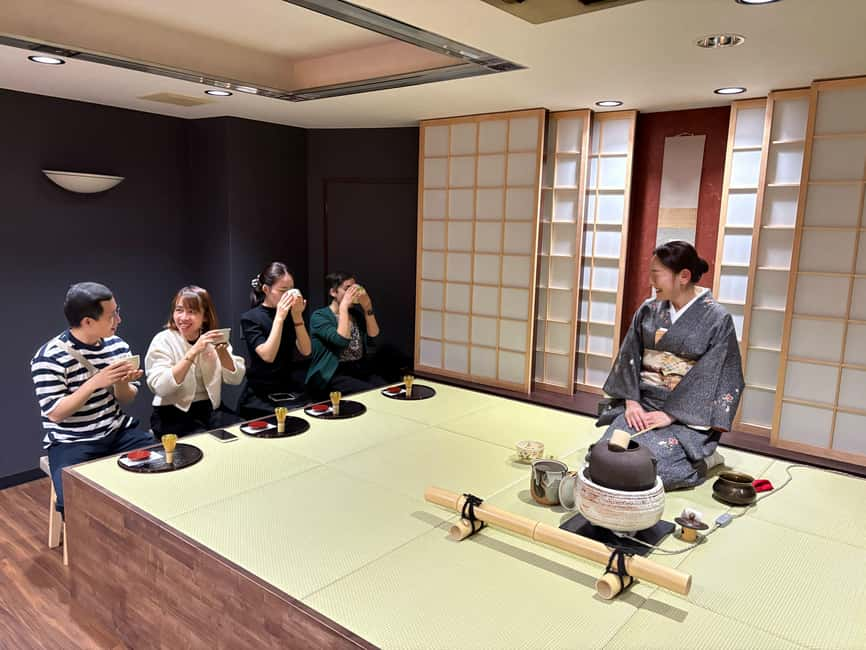
The biggest practical difference here is the seating. Instead of kneeling on tatami, you sit in chairs. That matters more than it sounds. If you have knee trouble, limited mobility, or you just do not want to spend your only hour in Kyoto battling a floor mat, chair seating turns tea practice into an activity you can actually enjoy. It also keeps the focus on learning the tea skills, not coping with posture.
The vibe is also intentionally less strict than the classic, floor-based style. You still get real technique and cultural context, but the atmosphere stays approachable. That is a big win for first-timers who want the heart of the tradition without feeling judged for not knowing the “right” way to hold a bowl.
Finally, group size is small. That usually means you get time with the tea master, not just a quick glance at the process. It also helps the atmosphere stay calm, the kind where you can hear the stories clearly and watch the actions close enough to copy them later.
More Tea Ceremonies in Kyoto
- Kyoto: Tea Ceremony in a Traditional Tea House in Kiyomizu
★ 4.9 · 3,519 reviews - Kyoto: Tea Ceremony Ju-An at Jotokuji Temple
★ 4.9 · 3,207 reviews - Kyoto: 45-Minute Tea Ceremony Lesson Experience
★ 4.3 · 2,378 reviews
From Zen Stories to Hands-On Matcha: How the Session Moves
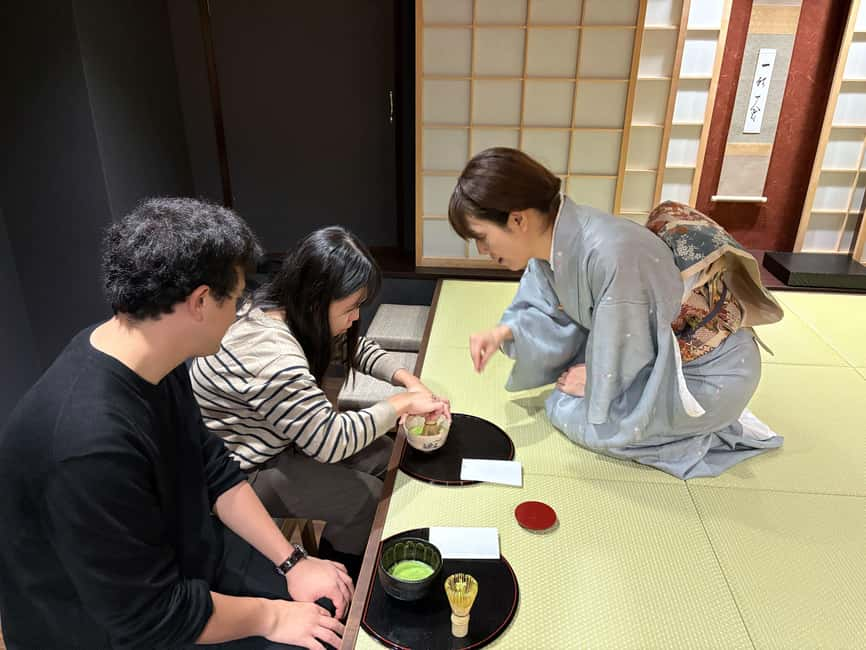
This experience follows a clear rhythm: you start by observing, then you shift into doing. That is the best order for most people, because your brain understands the goal before you try to reproduce it.
Early on, you will learn about the history of tea and the tea ceremony, plus the Zen philosophy that influences the practice. Even if you have never read about Zen, the instructor frames it in a way that connects to what you are seeing and tasting. You are not just being handed facts. You are being shown why the ceremony slows people down and turns drinking into a mindful moment.
Next comes the part that makes matcha feel tangible. You watch authentic tea ceremony techniques performed up close by the tea master. In the reviews, people describe relaxing the moment things start, like when the pot begins to whistle. You should expect a similarly paced start, where the atmosphere settles and the host moves with clear, careful motions.
Then you move to the part you actually control: making your own bowl of matcha. You get guidance for how to mix it properly, using matcha powder sourced from a family-run tea farm. The goal is to mix the matcha into a smooth result, and you will learn the technique that creates a frothy texture. One of the most repeated ideas in feedback is getting the whisking right, including how the mixing turns into little bubbles.
The practical advantage for you is that you leave knowing the method, not just the appearance. When you make matcha back home, the first taste is easier because you remember the “why” behind the movements. You also avoid the common mistake of treating matcha like instant coffee. Matcha asks for a different approach, and this class gives you that.
Sweets and Matcha Pairing: Why the Tasting Part Matters
In many food experiences, the drink is the star and the snack feels like an extra. Here, the sweets are part of the ceremony structure. After the initial learning and watching, you taste carefully selected traditional Japanese sweets.
These sweets are chosen by the tea master from long-established confectioners, which matters because matcha is only half the flavor story. Matcha can taste earthy and sometimes a little bitter. The sweets help balance that, giving you a chance to notice how sweetness, texture, and tea work together.
You might think sweets are just there for comfort. They are, in a way, but they also shape your pace. In a tea ceremony, there is a rhythm to waiting, tasting, and then returning your attention to the tea. Having something traditional to eat gives you a gentle break between stages, and it keeps the experience from feeling like nonstop watching.
Also, eating the sweets in the ceremony context adds cultural meaning. You are not just sampling desserts. You are experiencing how the tea master thinks about the full moment, not only the beverage.
If you have a sweet tooth, this is a strong reason to book. If you do not, you will still get value because the sweets clarify the tasting. You learn what matcha tastes like when it is supported, not alone.
Tea History and the Q&A That Turns Facts Into Personal Clarity
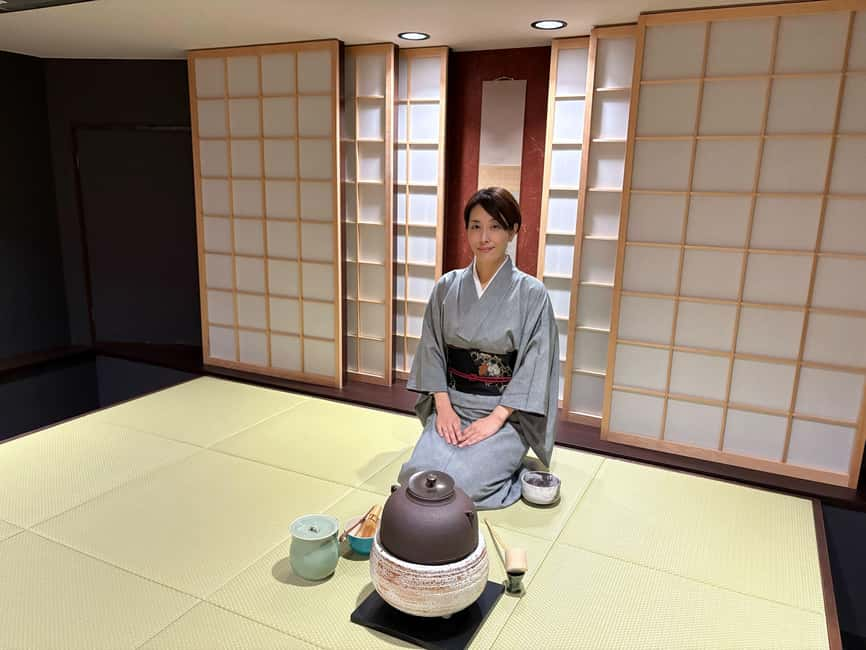
Tea ceremonies can sound philosophical on paper. The trick is making those ideas feel relevant. This experience does that by pairing explanation with action and then ending with a Q&A with the tea master.
During the session, you hear stories about tea’s history and how the tradition connects to Zen thinking. Even if you only catch a few main threads, the stories help you understand why the ceremony is slow on purpose. It trains attention. It encourages respect for ingredients and craft. It turns a cup of tea into a small lesson in presence.
Then the Q&A seals it. You get a chance to ask questions you actually have, not the kind you worry you should ask. In feedback, people highlight how approachable the host is, including guides like Mai, who are praised for being hospitable and passionate. That kind of personality matters. When the tone is friendly, you are more likely to ask about details you would normally gloss over.
Examples of what you can ask are implied by the structure itself: how to blend matcha properly, how tea traditions evolved, why certain techniques are used, and what to look for when buying tea in Japan. Even if you are not looking for deep scholarly answers, the Q&A helps you get practical takeaways.
For me, this is one of the highest value parts of the experience. Most cooking classes teach steps. This also teaches context, and the Q&A gives you the chance to connect that context to what you will taste and do later.
More Geisha Experiences in Kyoto:
- Kyoto Geisha Walking Tour: Gion District & Hidden Gems
★ 4.7 · 3,273 reviews - Kyoto: Gion Magical Night Walking Tour with Geisha Trivia
★ 4.9 · 2,393 reviews - Kyoto: Gion Geisha District Walking Tour – Stories of Geisha
★ 4.7 · 2,187 reviews - Best of Kyoto: Gion, Geisha, Pagodas & Cobblestones
★ 4.9 · 2,058 reviews
What You’re Really Paying For: Matcha, Sweets, Powder, and a Recipe
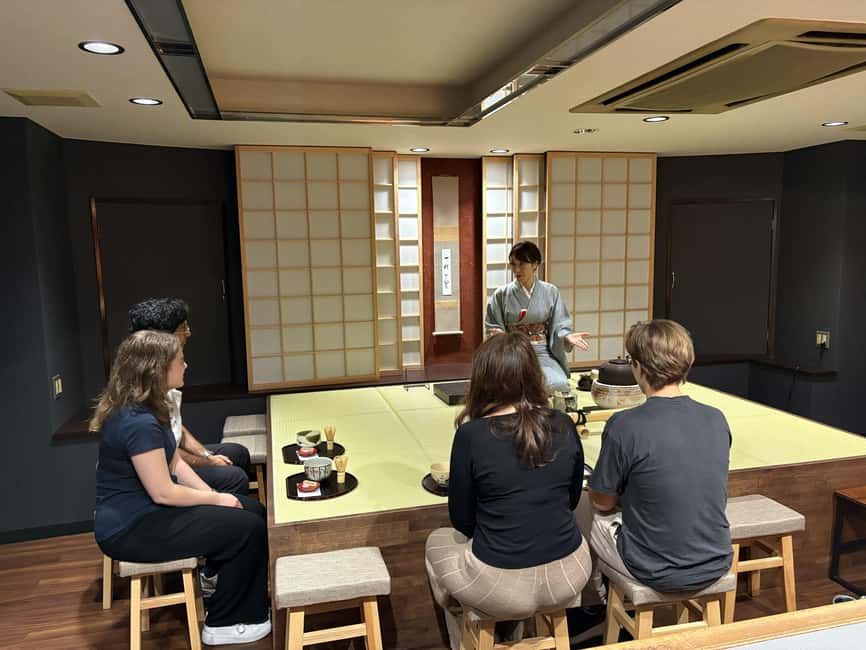
At $22 per person, the question is not whether you pay for tea. You do. The question is whether you leave with enough to justify the time. In this case, the included items do a lot of heavy lifting.
Your ticket includes a matcha drink made with matcha powder from a local tea farm. It also includes guidance for making matcha, plus a simple recipe you can use later at home. On top of that, you get traditional Japanese sweets chosen by the tea master.
This is a better value model than experiences that only show you how and then send you away. You get hands-on instruction. You taste. You also get ingredients and a method you can repeat. The take-home matcha recipe is especially useful. It turns the session into a lasting memory you can use daily, rather than a one-time photo moment.
Duration ranges from about 1 hour to 150 minutes depending on the option you choose. That wider range usually means some sessions run longer than others, but the experience still follows the same core elements: observation, sweets, matcha making, and a final Q&A. If you are deciding based on time, check the start times available when you book so you match your schedule.
Small group format also helps value. It is easier to get your questions answered, and it is more likely you actually get hands-on time rather than watching from the edges.
Kimono Option in Gion: Dressing Up Without Losing the Timing
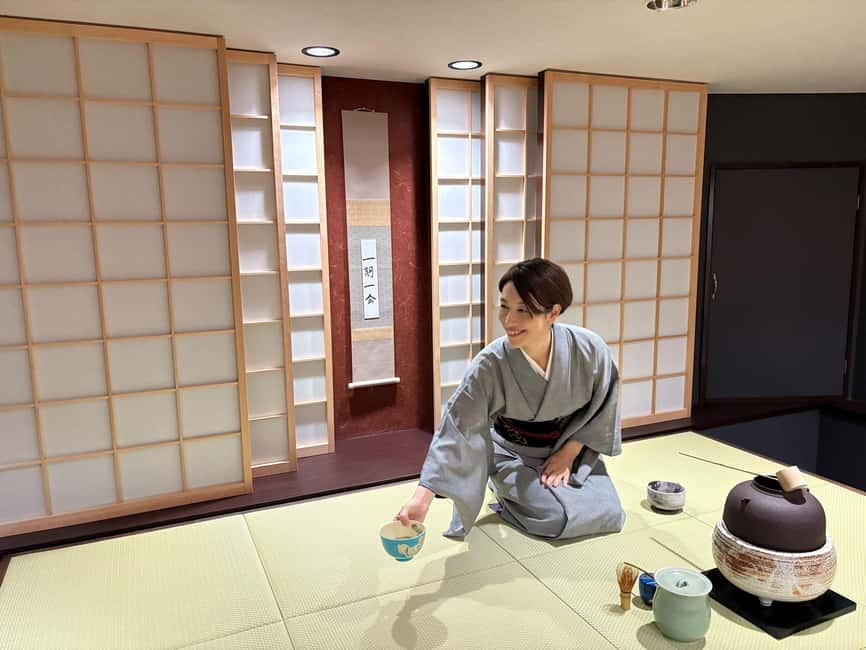
If you want the full Kyoto look, the kimono option is available through Kimono Rental wargo Gion. The flow is straightforward.
You go to the wargo Gion store to change into your kimono. After changing, you go to the meeting point by yourself and should arrive about 10 minutes before the tea ceremony starts. It is only a few minutes walk from the rental store.
The timing is the key detail. Your tea ceremony time is fixed based on your selected kimono start time. For example:
- If you choose 11:00 for kimono start, you attend the 12:30 tea ceremony
- If you choose 12:00 for kimono start, you attend the 14:00 tea ceremony
- If you choose 14:00 for kimono start, you attend the 15:30 tea ceremony
After the tour finishes, you need to return the kimono by 5:30 pm. If you are pairing this with other plans in Gion, treat the kimono schedule as the anchor, then build the rest around it.
This option can make the experience feel more “Kyoto” visually. But the practical benefit is that you do not have to decide on what outfit to wear last minute. If you enjoy dressing up, it can be a fun layer without changing the tea ceremony content.
Who This Tea Ceremony Is Best For (and Who Should Rethink It)
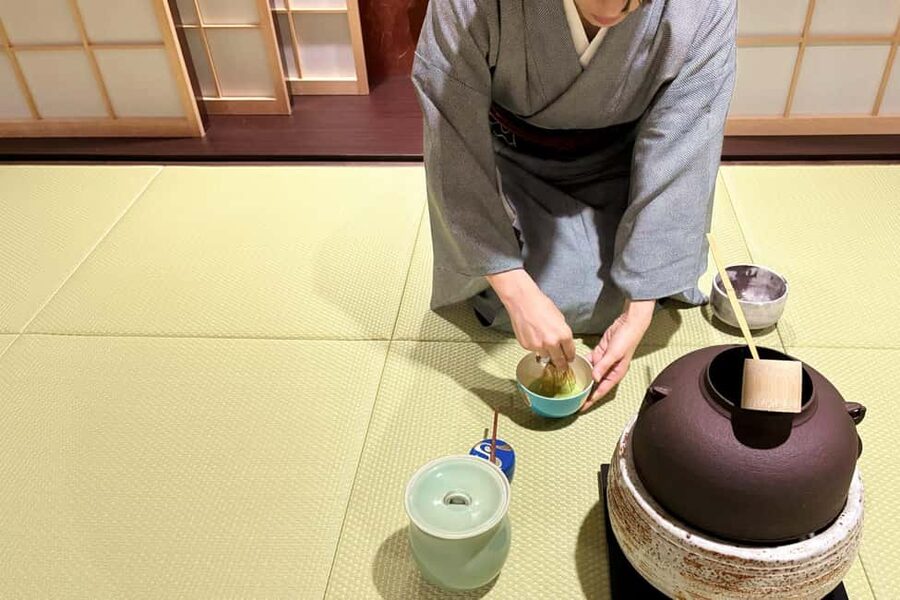
This experience is built for accessibility and comfort, so it suits a wide range of travelers.
You will probably love it if:
- You want a first-time matcha experience with real hands-on instruction
- You want to see the technique up close without the stress of formal posture
- You appreciate stories about tea, not just the taste
- You like a friendly, calm atmosphere and a short Q&A at the end
It is also a good match for people with limited mobility because chair seating avoids the common tatami challenge.
There are two family notes to keep in mind. Infants and toddlers are free of charge, but if they want to try their hand at the tea ceremony, they must use their parent or guardian’s matcha cup. They will not receive their own matcha to make. Also, because matcha is high in caffeine, it is not recommended for children under age 5.
So for families, the practical plan is: consider bringing older kids who can handle caffeine, and make the “try the motion” part a shared activity if you have younger children.
If you are the kind of traveler who needs intense, no-stops-on-your-feet activities, this may feel a little slow. But if you want a calmer cultural pause in historic Kyoto, this is exactly the kind of stop that pays off.
Should You Book This Kyoto Matcha and Tea Ceremony in Gion?
Book it if you want a balanced tea experience: hands-on matcha, sweets, tea history, and a real Q&A, all delivered in English with chair seating. The $22 price makes sense because you are not just watching. You are drinking, making, tasting, and leaving with a recipe to repeat the experience.
Skip it or look for another option if caffeine is a hard no for your group, especially for kids under 5. Also, if you want an ultra-formal, floor-based ceremony as your main goal, the chair format is a different style than the traditional kneeling version.
If you do book, I’d plan your day so you can arrive relaxed and curious. Then treat the tea master’s guidance as the real treasure. Your best souvenir will be the way you learn to whisk matcha and the small recipe you can actually use when you miss Kyoto.
FAQ
Is the tea ceremony offered in English?
Yes. The instructor for the tea ceremony is listed as English.
How long does the experience last?
The duration is listed as 1 hour to 150 minutes, depending on the option and start time you select.
What is included in the price?
Included items are a matcha drink (made with matcha powder from a local tea farm), guidance for making matcha and history by the tea master, a simple matcha recipe you can take home, and Japanese traditional sweets selected for the tea ceremony.
Are children allowed to join?
Infants and toddlers are free of charge, but if they want to try making tea, they must use their parent or guardian’s matcha cup. They will not receive their own matcha to make. Matcha is high in caffeine and is not recommended for children under age 5.
What seating style is used during the ceremony?
The ceremony is offered with chair seating instead of floor seating on tatami.
Where do I meet for the tour?
The meeting point may vary depending on the option booked.
How does the kimono option change the timing of the tea ceremony?
If you select the kimono option, your ceremony time is fixed based on your selected kimono start time. For example, an 11:00 kimono start corresponds to a 12:30 tea ceremony, a 12:00 kimono start corresponds to a 14:00 tea ceremony, and a 14:00 kimono start corresponds to a 15:30 tea ceremony.
Latest write-ups near Kyoto
- Kyoto Private Tour Full Day with Local Guide&Nara Option(PerGroup★ 5.0 · 20 reviews
- Sacred Pathways: Discover the Philosopher’s Path of Kyoto★ 4.9 · 20 reviews
- Hammer Pattering Experience of Ring★ 5.0 · 20 reviews
- Kyoto UNESCO World Heritage Site Private Tour with a Premium Van★ 5.0 · 20 reviews
- KYOTO: Private Tea Ceremony in Hidden Townhouse (Kid-Friendly)★ 5.0 · 20 reviews
- Sushi or Traditional Japanese Cuisine in a Kyoto Home with Emika★ 5.0 · 20 reviews
- Kyoto Customized Private Tour: See Top Attractions in 1 Day★ 4.7 · 20 reviews
- The Kyoto VIP Experience!★ 5.0 · 20 reviews
Geisha & Gion Tours, compared.
Kyoto Geisha Walking Tour: Gion District & Hidden Gems
Read our review →
Gion Magical Night Walking Tour with Geisha Trivia
Read our review →
Gion Geisha District Walking Tour – Stories of Geisha
Read our review →
Best of Kyoto: Gion, Geisha, Pagodas & Cobblestones
Read our review →

Kyoto Night Foodie Tour in Gion (9+ dishes + 6 Sake tastings)
Read our review →
Kyoto Gion Geisha District Walking Tour – The Stories of Geisha
Read our review →
Kyoto Gion: 2-Hour Geisha Culture & History Walking Tour
Read our review →Browse the lists this tour appears in