
Reviewed · COOKING CLASSES
Private Japanese Cooking Class in Hiroshima with Machiko’s Family
A private cooking class in a real Hiroshima home is interesting because you are not chasing a recipe, you are getting a local routine. You get 100% private time with host Machiko and, when they are available, her family. I like that it is taught in a residential neighborhood setting, not a commercial space. The one consideration is logistics: there is no hotel pickup, and you will need to get yourself to the meeting point on your own.
I also really like the hands-on approach. You learn 2-3 homestyle dishes from scratch, using traditional techniques like crushing sesame for dressing with a mortar and pestle. After cooking, you sit down at their dining table and share the meal together, which is where the experience turns from “class” into “human connection.” If you are expecting a sightseeing-heavy tour, this is more about food and conversation than driving around town.
Key highlights you should care about
- Private in-home format: only your group participates, in Machiko’s family home
- Traditional techniques, not shortcuts: you may use tools like a mortar and pestle for dressing
- Hiroshima-flavored home cooking: dishes can include favorites such as Hiroshima okonomiyaki and miso soup
- Meal is part of the class: you cook, then you eat together at the table
- Veg and vegan friendly: vegetarian and vegan options are available
- Family presence when possible: Machiko’s husband Daishi and kids may join on available days
A home kitchen visit in Hiroshima, not a restaurant stop
This experience is built around one simple idea: cooking tastes better when it comes with context. Instead of eating a meal and walking away, you cook alongside your host in her real home kitchen, then share what you made.
I like that you are learning everyday Japanese home food, not just showy restaurant plates. You are also in a location that feels lived-in, which matters when you are trying to understand a place, not just photograph it.
And yes, the price may look like a “food tour” number at first glance. But you are paying for a private lesson plus the meal, inside a local household, with gratuities included. That combo is what makes it feel like more than a cooking demo.
More Cooking Classes in Hiroshima:
- Ramen Cooking Class at Ramen Factory in Kyoto
★ 5.0 · 1,937 reviews - Ramen & Gyoza Cooking Class in Tokyo with Local Supermarket Visit
★ 5.0 · 823 reviews - Kyoto: Ramen Cooking Class at a Ramen Factory with Souvenir
★ 4.9 · 532 reviews
Finding Machiko’s neighborhood and meeting the family setup
You meet at 1-chōme-5-20 Ujinamiyuki, Minami Ward, Hiroshima, starting at 10:00 am. The class ends back at the meeting point, so plan to handle your own return transportation.
The neighborhood is described as residential and about a 20-minute streetcar ride from the city center. That gives you two benefits. First, you escape the usual tourist strip. Second, you get a better sense of what day-to-day life looks like in Hiroshima.
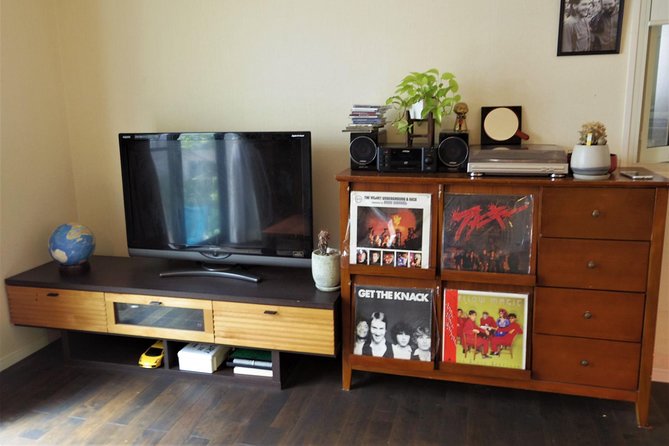
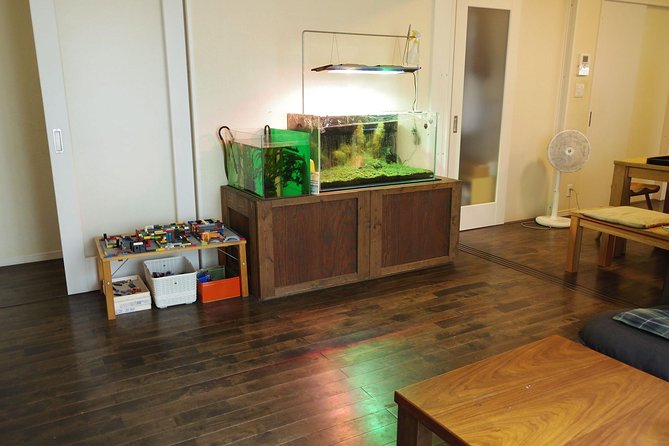
Inside Machiko’s home, you are not walking into a staged set. You might notice everyday details like family photos, kids’ toys, and household items that make the space feel normal. Daishi, Machiko’s husband, may join when they are available, and kids may also join on some days. It is family life, not a performance.
The 3-hour flow: cooking for 1.5 hours, then eating together
The cooking lesson is about 1.5 hours, then you share the meal you helped prepare. The total experience runs roughly 3 hours.
That pacing is smart. You spend enough time actually learning what you are doing, not rushing through steps just to get plates on the table. Then you transition naturally from work to food, with conversation at the dining table.
Also, because it is private, you are not stuck cooking in a chaotic group setting. If you have questions, you can ask them, and your host can adjust explanations to your pace.
The cooking class: learning 2-3 homestyle dishes step by step
Your menu is built around 2-3 traditional Japanese homestyle dishes, taught from scratch. Machiko favors traditional cooking techniques, and the lesson is hands-on, not just verbal instructions.
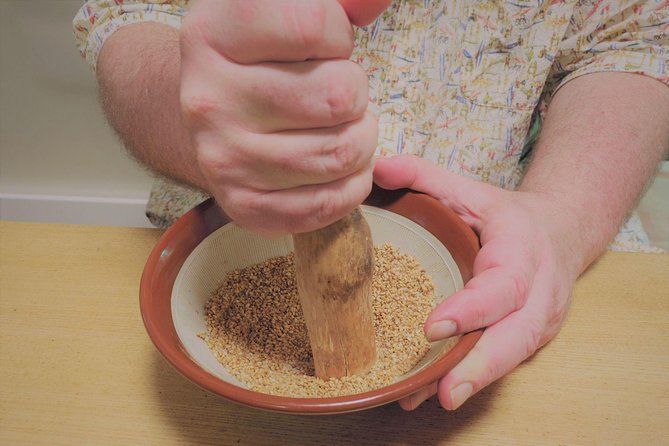
A clear example is salad dressing. You may crush sesame using a mortar and pestle, which turns a simple ingredient into a skill you can actually recreate later. That is the kind of practical technique that transfers to your kitchen at home.
From the experience reports, the instruction style lands well. Machiko breaks things down step by step and explains clearly, so you are not left guessing what “Japanese style” means. If you like learning by doing, this format is exactly that.
A change of pace from Hiroshima:
- Peaceful Hiroshima & Miyajima UNESCO 1 Day Bus Tour
★ 5.0 · 5,309 reviews - Hiroshima: Hiroshima and Miyajima UNESCO Sites 1-Day Tour
★ 4.9 · 2,330 reviews - Hiroshima / Miyajima Full-day Private Tour with Government Licensed Guide
★ 5.0 · 1,298 reviews - Hiroshima Historical Walking Tour – Why A-Bomb was Dropped
★ 4.8 · 893 reviews
What you might cook in Hiroshima homes, from okonomiyaki to miso soup
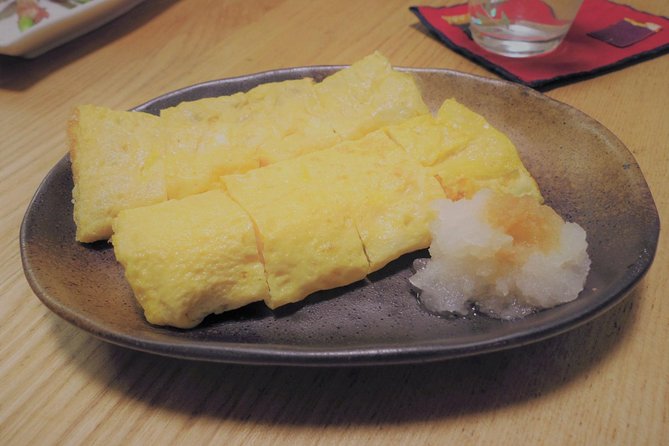
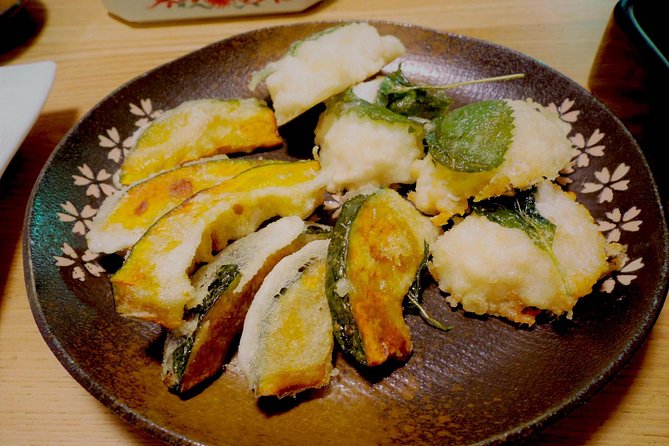
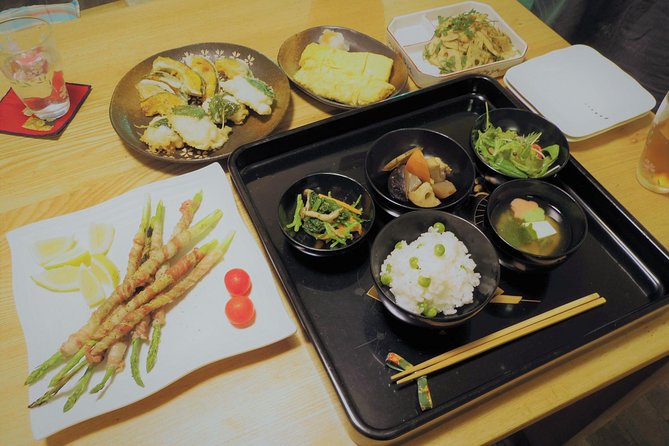
The dishes vary by what Machiko and her family are planning, but expect traditional favorites. The experience description includes possible items like miso soup, salad with sesame dressing, Japanese omelet, and fried options such as karaage or tempura served with rice or rolled bites.
Hiroshima-specific dishes show up in the real examples too. One highlight was Hiroshima okonomiyaki, a dish closely tied to the city’s food culture. If your menu includes it, you are not only learning a recipe, you are learning a local identity.
Other examples from the experience include mackerel as part of the cooking day. And a sweet finish can include green tea flavored sweets.
Here is the big takeaway for your expectations: you are cooking a small set of dishes, but they are likely to be connected. Salad dressing techniques can link to broader flavor building. Miso soup teaches the basics of seasoning and timing. Fried items teach how texture and heat work together.
Vegetarian and vegan options that are actually workable
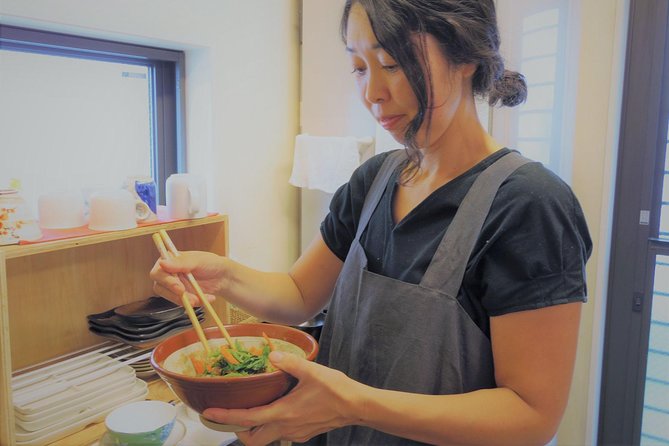
If you are vegetarian or vegan, you are in good shape here. The experience explicitly notes that vegetarian and vegan options are available.
One real pattern from the experience details is that you can get a full cooking menu that stays plant-based, rather than being given an afterthought side. A previous class included four vegetarian dishes, which tells me the kitchen approach is built for alternatives, not just substitutions.
Still, because the exact dishes depend on the day, confirm your needs at booking. If you have allergies, share them clearly too. This kind of meal preparation is personal, and your host will do best when she has the right information.
The meal at the dining table: hospitality you can feel
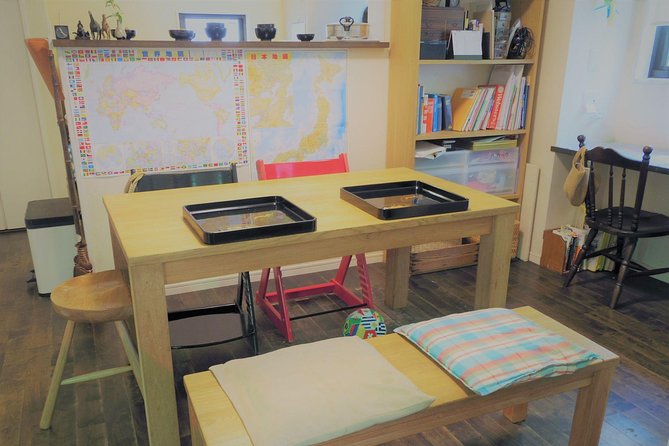
After cooking, you sit down together to eat the Japanese meal you helped make. This is a major part of why the experience scores so high.
In practice, the table is where you get the cultural piece. Machiko and, on available days, Daishi can share perspective that you cannot get from a menu description. Conversation can also shift the class away from strict instruction mode into a friendly exchange, including travel stories and questions.
If you are someone who enjoys talking with locals rather than collecting landmarks, you will probably find this part the most satisfying. You are not just learning how food is made, you are seeing how people eat and host in a home setting.
Practical tip: bring a notebook if you want to record recipes or key steps. That is a smart move because you are tasting as you go, and it helps to write down what you want to repeat.
Price and value: what $108 gets you in real terms
At $108 per person for about 3 hours, this is not a budget activity. But it does have strong value when you look at what is included.
You get:
- A private Japanese cooking class in a local home
- 2-3 dishes cooked from scratch
- The home-cooked meal you participate in making
- Gratuities included
What you do not get is hotel pickup and drop-off. That means the “value” math depends on how easy it is for you to reach the meeting point in Minami Ward.
Compared to paying for an expensive restaurant meal, this typically feels better if you care about skills and conversation. You walk away with recipe knowledge and technique, plus a memory that feels personal because you were in someone’s home.
If you are traveling with a small group, the private format also matters. You are not sharing the kitchen lesson with strangers, and the timing stays focused on your group.
Practicalities: timing, tickets, and how to plan without a pickup
Start time is 10:00 am, and the meeting point is the address in Minami Ward. There is no hotel pickup, and the activity ends back at the meeting point.
A couple of practical notes from the experience details:
- You receive confirmation within 48 hours of booking, subject to availability.
- The tour offers a mobile ticket.
- Group discounts are available.
- Service animals are allowed.
Because it is a private, home-based setting, you should treat this like a respectful appointment. If you are sensitive to the idea of being in a household with kids and family life, you may want to think carefully. On the other hand, if you like that human element, this is where it shines.
Who this class suits best
This cooking class works especially well for:
- Food-first travelers who want hands-on Japanese cooking
- People who like meeting hosts in real settings, not just guided talk
- Visitors who want a city experience that feels local and calm
- Couples, small families, and friends who can handle being in a home environment
- Veg and vegan travelers who want real options
It is also family-friendly. The format is built for people to cook and then share a meal together in a home setting, not a formal restaurant where kids feel out of place.
If you want a day full of museums, temples, and transit around town, this may be only part of your schedule. Think of it as your “food day with a local family” rather than a complete sightseeing package.
Should you book Machiko’s family cooking class?
If you like the idea of learning by cooking, and you want Hiroshima from the inside, I think this is a strong choice. The best part is the full arc: technique, then meal, then conversation, all in one place.
Book it if:
- You want a private experience and clear instruction
- You are excited about traditional methods, like sesame dressing made with a mortar and pestle
- You want a vegetarian or vegan option that can be a full menu, not a compromise
- You are comfortable getting to the meeting point yourself
Skip it if:
- You need hotel pickup or a very structured, sightseeing-driven schedule
- You are uncomfortable in a family home setting with kids present on some days
For the right traveler, it is one of those experiences that feels oddly rare. Not because it is fancy. Because it is personal.
FAQ
How long is the private Japanese cooking class in Hiroshima?
The experience runs for about 3 hours, with an approximately 1.5-hour cooking class followed by a shared meal.
Is this activity private, or will I cook with strangers?
It is private. Only your group participates.
What time does the class start?
The start time is 10:00 am.
Where is the meeting point?
You meet at 1-chōme-5-20 Ujinamiyuki, Minami Ward, Hiroshima, 734-0015, Japan. The activity ends back at the meeting point.
Do I get picked up from my hotel?
No. Hotel pickup and drop-off are not included.
What dishes will I learn to make?
You will make 2-3 traditional Japanese homestyle dishes from scratch. Example dishes mentioned include miso soup, salad with sesame dressing, Japanese omelet, karaage or tempura with rice, hand-rolled sushi, and green tea flavored sweets.
Are vegetarian or vegan options available?
Yes. Vegetarian and vegan options are available.
Who might join you during the experience?
Machiko leads the class. On days they are available, her husband Daishi and their kids may join you.
What is included in the price?
Included are the traditional Japanese home cooking class, the home cooked Japanese meal, and gratuities.
What is the cancellation policy?
You can cancel for a full refund if you cancel at least 24 hours in advance of the experience start time. If you cancel less than 24 hours before, the amount paid is not refunded. Confirmation is based on availability and is sent within 48 hours of booking.
Latest write-ups near Hiroshima
- Hiroshima: Atomic Bomb Dome and Peace Memorial Museum 3 hours★ 5.0 · 20 reviews
- Hiroshima: City and Miyajima Bike and Boat Tour★ 5.0 · 20 reviews
- Miyajima Guided Tour and Fresh Oyster Farm Tour★ 5.0 · 20 reviews
- Hiroshima: Tour of Atomic Bomb Dome & Peace Memorial Museum★ 5.0 · 20 reviews
- Miyajima Highlights: Itsukushima Shrine & Island Nature★ 5.0 · 21 reviews
- Miyajima Highlights: Itsukushima Shrine & Island Nature★ 4.9 · 21 reviews
- Dinner Cruise on HANAIKADA (Raft-Type Boat) with Scenic View of Miyajima★ 5.0 · 21 reviews
- History of Hiroshima Group Walking Tour★ 5.0 · 23 reviews
Cooking Classes, compared.
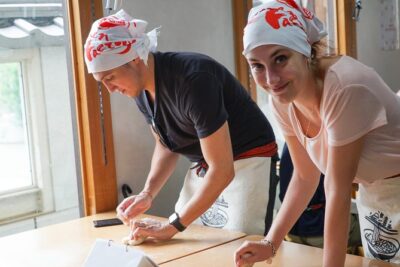
Ramen Cooking Class at Ramen Factory in Kyoto
Read our review →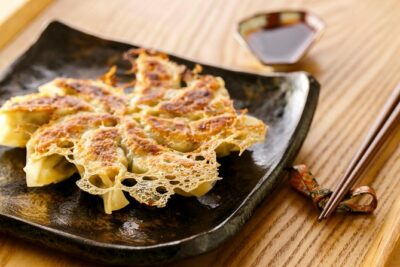
Ramen & Gyoza Cooking Class in Tokyo with Local Supermarket Visit
Read our review →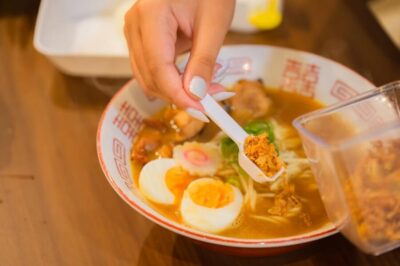
Ramen Cooking Class at a Ramen Factory with Souvenir
Read our review →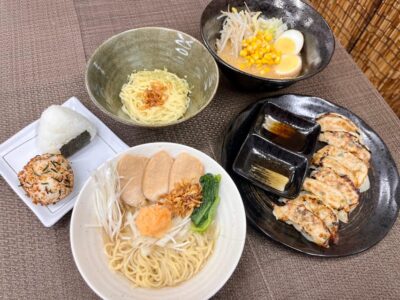
Japanese Washoku Bento Small Group Cooking Class
Read our review →
Easy Ramen Cooking Experience in Kabukicho, Shinjuku
Read our review →
Ramen and Sushi Cooking Class with Sake Pairing Set in Tokyo
Read our review →Browse the lists this tour appears in