
Reviewed · SUSHI MAKING CLASSES
Tokyo: Sushi Making Class in a Happi Coat near a Famous Spot
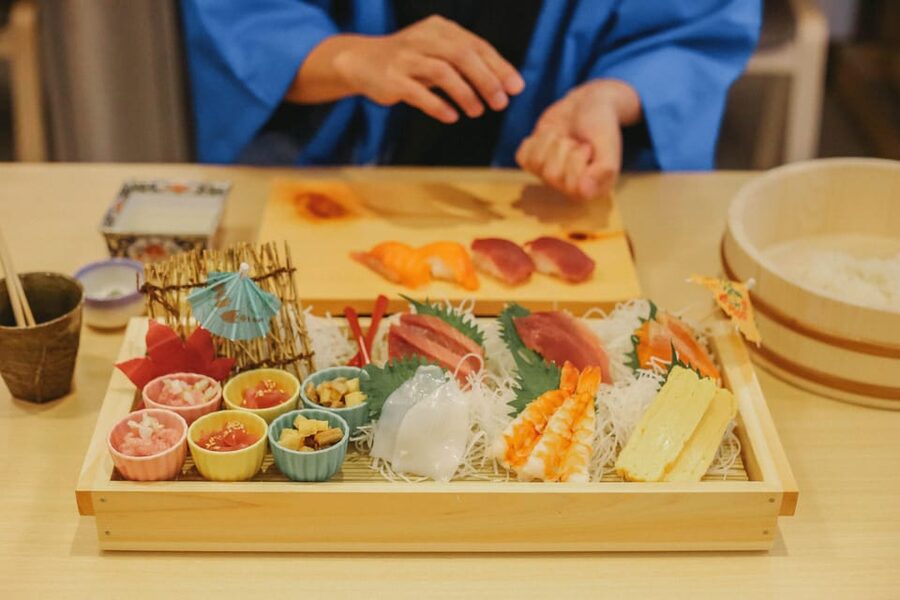
Tokyo sushi making in a happi coat near a famous spot is interesting because it turns a food lesson into a real, hands-on chef moment. I love the straightforward focus on tuna and salmon nigiri, and the class feels beginner-friendly without being watered down.
I also like that you get instruction in English (with Japanese support), so you can actually follow the why behind each step. Chef Hide, Mikoto, Mizuki, Emi, and Masa come up in different sessions, and the teachers tend to keep things relaxed, with humor that makes technique easier to remember.
The only real consideration is that when the venue is busy, you may share seating with other customers, so it can feel slightly less private than a true one-on-one lesson.
Small-group vibe in practice, with hands-on time
You shape nigiri yourself, and some sessions are described as small-group based (often around a handful of people per host), which helps you get feedback.
Happi coat = instant chef energy and photo-friendly fun
You don the traditional tube-sleeved happi coat so you look the part while you learn the real movements.
Tuna and salmon nigiri taught from scratch
You work with popular ingredients like tuna and salmon and learn the core techniques for making nigiri properly.
English-forward teaching, plus Japanese touches
The instructor mix includes English and Japanese, which helps you keep up even if your Japanese is minimal.
You eat what you make, and it’s not just a tiny snack
A lot of people describe the portion as generous enough to feel like a full lunch.
A Happi Coat and Nigiri Basics in 90 Minutes
This class is built around one clear goal: make nigiri sushi yourself in a short time, without needing any prior sushi skills. The happi coat part is playful, but it also signals the vibe. You are not just watching from the sidelines, you are learning the motions.
At $42 per person for a 90-minute session, it’s a pretty solid value for Tokyo, especially because the class includes the instructor, ingredients, and you get to eat what you make. You can treat it like a lunch plan and not just a short activity.
You will focus on nigiri, with tuna and salmon called out as the popular ingredients in the class description. Depending on the session format, you may also roll other styles such as maki or onigiri, since multiple instructors and classes mention those foods in their teaching.
What Happens When You Walk In, and Why the Flow Matters
The workshop setting is designed for learning, not intimidation. Most sushi lessons fail because they try to teach everything at once, then leave you holding a rice ball that looks like it went through a wind tunnel. Here, the rhythm is simple: instruction, then practice, then eating.
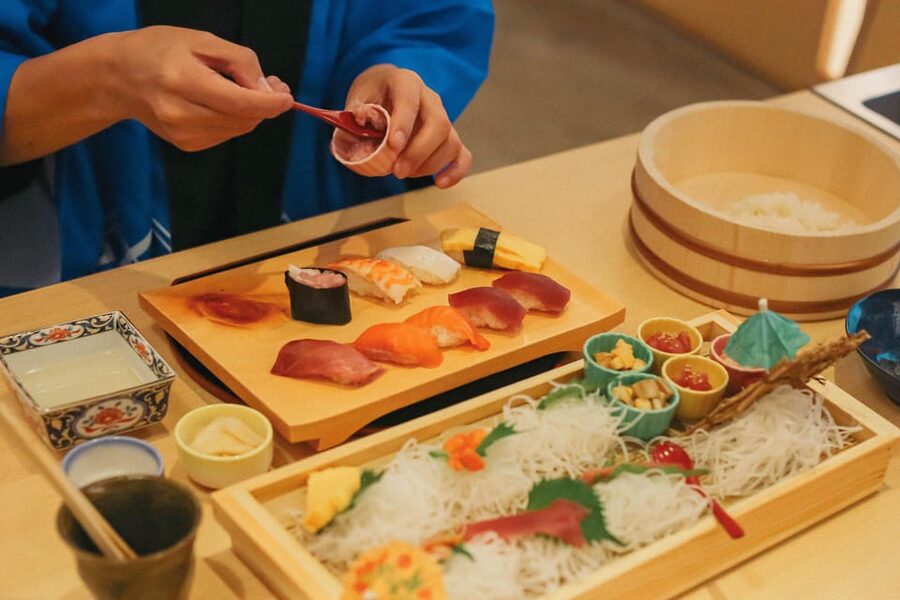
Expect a talk and demonstration first. You get shown how nigiri is assembled and how the sushi hand skills work, including how to handle ingredients without turning your rice into mush. Then you shift into the hands-on stage and make nigiri yourself under the instructor’s guidance.
One detail I like is the teacher approach. In multiple sessions, instructors are described as funny and patient, and that matters more than people think. When someone breaks the step down clearly, you stop guessing and start correcting.
Also, depending on how busy the venue is, you might be seated with other customers. That can slightly change the feeling of the class, but the upside is you still get practical practice and direct help when you need it.
More Sushi Making Classes in Tokyo
- Sushi Making Tokyo Roll and Authentic Japanese Sushi Class
★ 5.0 · 3,971 reviews - Tokyo: Roll and Authentic Sushi Making Class in Asakusa
★ 4.9 · 1,957 reviews - Make Sushi and Create Unforgettable Memories in Tokyo
★ 5.0 · 1,413 reviews
Nigiri From Scratch, Including the Steps You Can Reuse at Home
Nigiri is deceptively simple: rice plus the right slice of fish, shaped with confidence. The trick is getting the balance and the texture right, and that is exactly what you practice.
During the lecture, you learn the core components that turn sushi from bland to memorable:
- How to work with rice and keep it from falling apart
- How to prepare and handle toppings, especially tuna and salmon
- How to assemble so the fish sits naturally on the rice
Then comes the part you care about if you want to impress yourself later at home. After the lecture, you try making nigiri yourself. This is where the instructor guidance helps you avoid the common rookie issues, like overpacking rice or using too much pressure.
Some sessions also include rolling techniques such as maki or making onigiri-like shapes, based on what instructors taught in different class runs. So if you are the type who wants more variety, you might leave with extra skills beyond the basic nigiri.
The Chef Teachers and What You Learn From Their Style
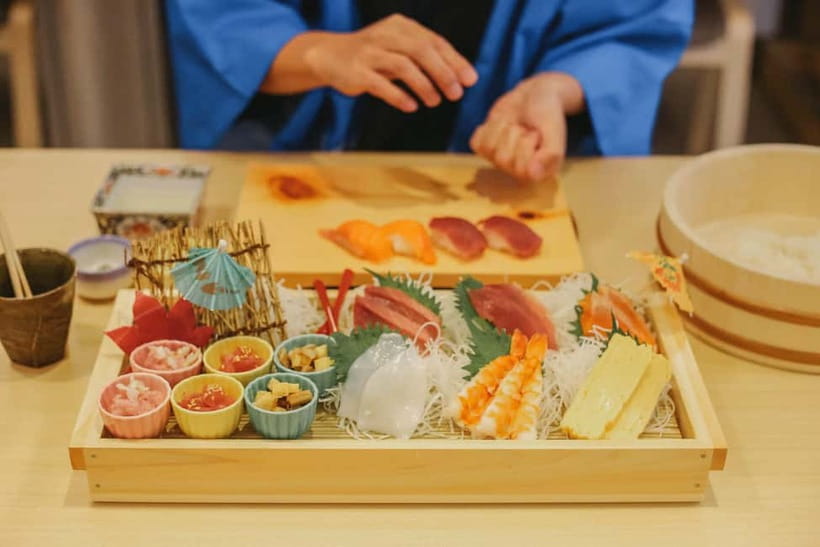
Even when two people teach the same sushi technique, the results can look totally different, because teaching style changes how fast you understand. A big theme across sessions is that instructors keep explanations clear and supportive, with English that makes the steps stick.
You might work with chefs and hosts like Chef Hide, Mikoto, Mizuki, Emi, or Masa, and several descriptions highlight that they guide with humor. That sounds small, but it helps when your hands are doing something new. You learn faster when you feel comfortable enough to make mistakes and ask questions.
If you care about authenticity, this is also where the Japanese culinary culture shows up in real terms, not as a vague story. You learn technique, terminology, and the practical reasons behind the motions, like how the rice should feel and how the fish should sit.
What You Actually Eat, and Why It Tastes Better on Your Own
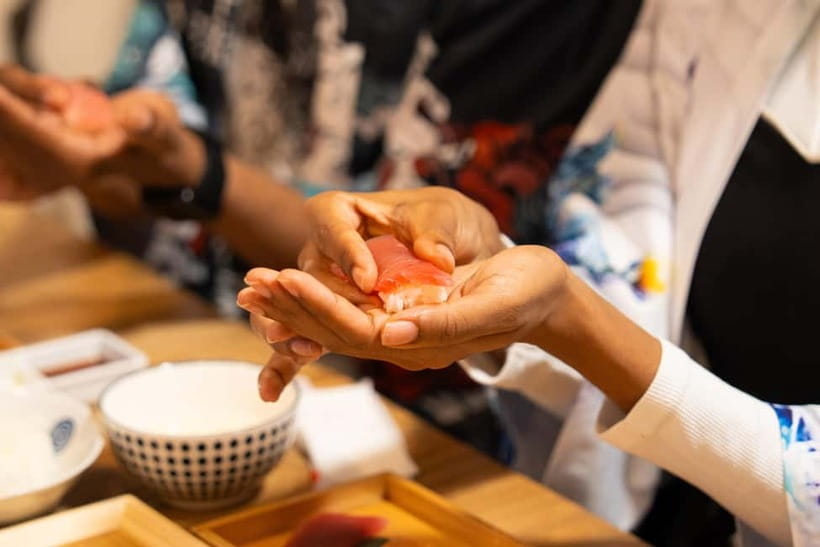
The payoff is not only that you learn sushi, it’s that you eat it. After you build your nigiri, you get to enjoy the sushi you prepared yourself.
People often say it tastes even better because you understand what you did differently. That makes sense. The first time you assemble nigiri correctly, you notice how the rice texture works with the fish. You also start to appreciate seasoning choices and ingredient freshness.
The portion is described as generous by many participants, enough to feel like you got a proper lunch, not a bite-sized sample. At $42, that matters. In Tokyo, a meal that covers ingredients plus instruction is the kind of value you can actually feel in your stomach.
A change of pace from Tokyo:
- Mt Fuji and Hakone 1-Day Bus Tour Return by Bullet Train
★ 5.0 · 26,383 reviews - 1-Day Tokyo Bus Tour
★ 5.0 · 14,250 reviews - Tokyo: TOKYO SKYTREE® Admission ticket
★ 4.5 · 11,192 reviews - Tokyo: teamLab Planets TOKYO Digital Art Museum Entry Ticket
★ 4.6 · 9,779 reviews
Price and Value in Tokyo, Not Just a Ticket Cost
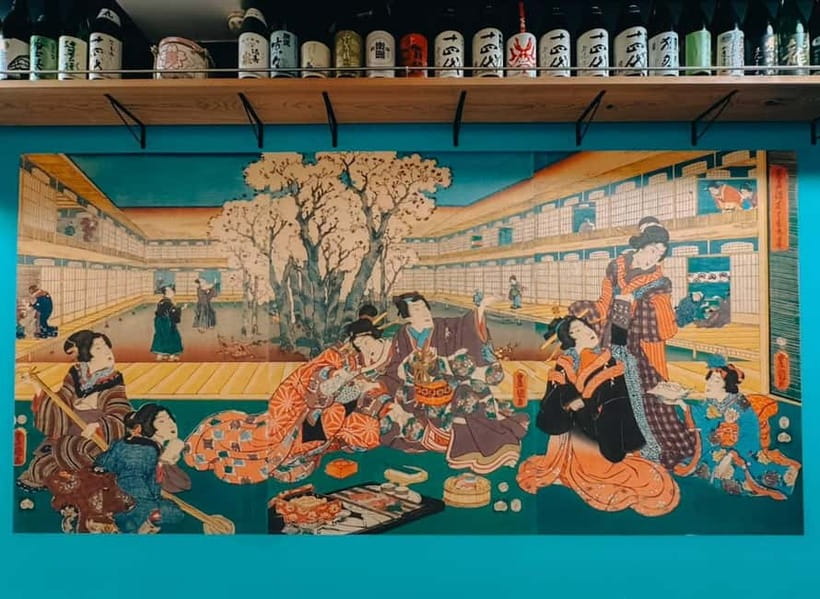
Let’s talk value in a realistic way. $42 sounds like a splurge until you compare it to what Tokyo charges for a simple lunch and then factor in that this includes:
- The cooking class
- Ingredients
- An instructor
- The sushi you make and eat
You are paying for the combination of skills and meal, in a short 90-minute window. For people with limited time, this can be a smarter plan than piecing together a separate food experience and then trying to take cooking lessons later.
It also has a practical edge. If you want to learn one technique you can repeat at home, nigiri is a good choice. It’s not just about taste, it’s about method. You should be able to recreate a simplified version later, even if you will never exactly match Tokyo-grade fish quality.
Who This Sushi Class Fits Best (And Who Might Want Something Else)
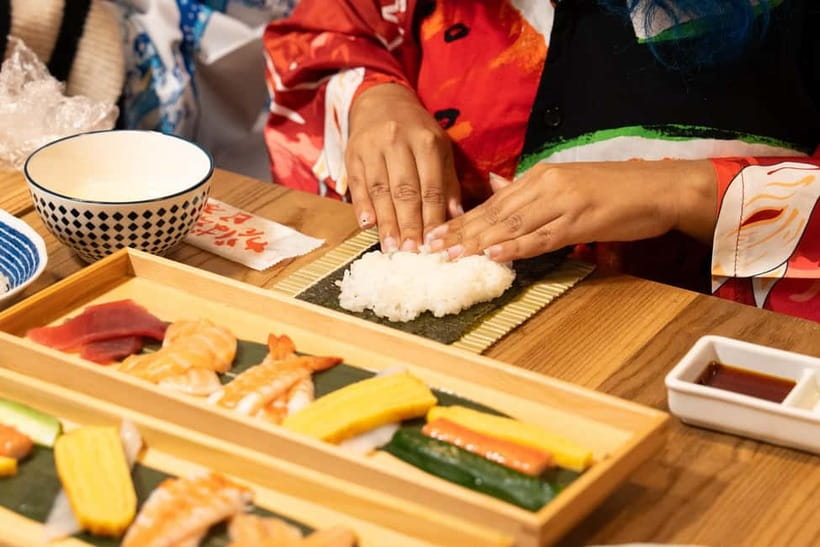
This class is ideal if you want a hands-on Tokyo food experience without a steep learning curve. You do not need to be a hardcore foodie. Beginners are the target, and you get guided practice from start to finish.
It also works well for:
- Couples who want a shared activity and a fun meal at the end
- Solo travelers who want personal interaction and a chance to ask questions
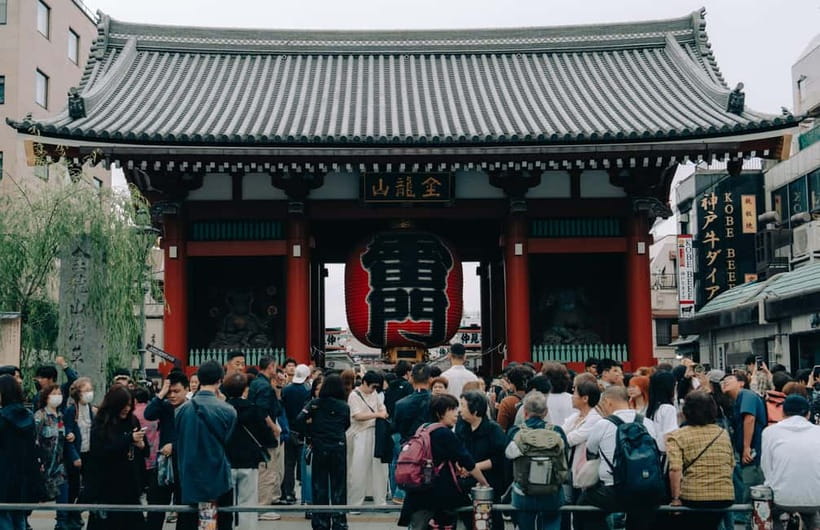
- Anyone planning a half-day near a famous Tokyo stop and wants a structured activity
If you hate group settings, you might feel the difference on busy days. You could still enjoy the class, but seating with other customers can make it slightly less private.
For families, it can be a great option, but check the children rules carefully. The class notes that participants over 4 years old are charged, and for children under 4 years old, you share a dish.
Practical Tips Before You Go (So You Don’t Lose Time at the Door)
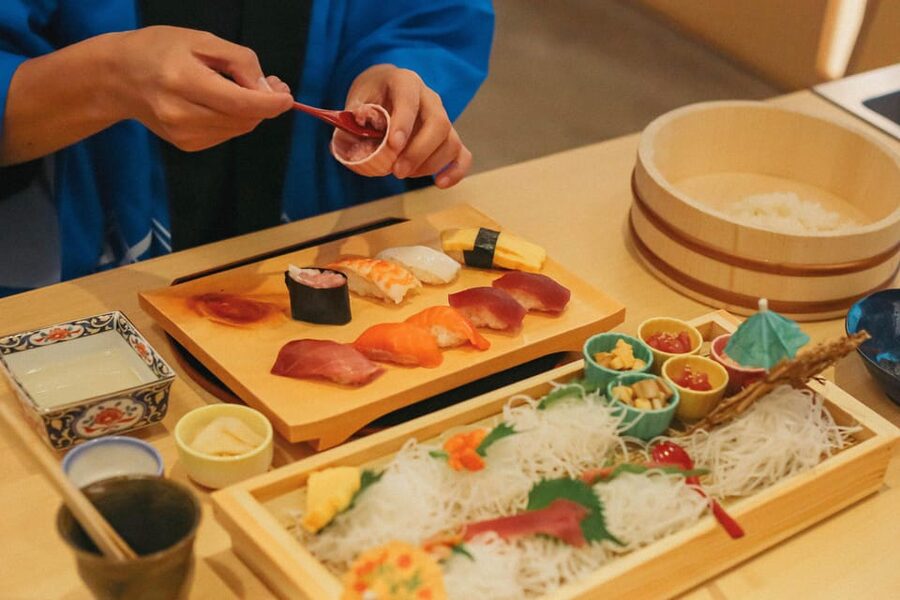
Here are a few things that make the day smoother.
First, message ahead about any dietary needs. Vegetarian, vegan, and gluten-free options are available, but you need to request them in advance by message. If you wait until the day of, you might not be able to get the option you want.
Second, tell the instructor about food allergies in advance. The class asks you to let them know, and that is the smart move. Sushi can involve multiple ingredients, so early notice helps them plan.
Third, keep expectations realistic about seating. If the venue is busy, you may be seated with other customers. It’s not a dealbreaker, but it can affect how spread out the attention feels.
Fourth, bring your phone but be ready to use it. Multiple sessions mention picture-friendly moments with the sushi outfits and instructors taking photos. You’ll look great in the happi coat, and it’s often a fun way to remember the technique later.
Finally, the meeting point may vary depending on the option booked. You will want to check your specific confirmation so you do not wander around Tokyo with a half-formed sense of direction.
FAQ

FAQ
What does the class teach, and what will I make?
This is a beginner-friendly workshop focused on making nigiri sushi from scratch. The class description highlights nigiri using popular ingredients like tuna and salmon, and some sessions may include other sushi styles such as maki or onigiri.
How long is the sushi making class?
The class lasts 90 minutes.
How much does it cost?
The price is $42 per person.
What is included in the price?
The included items are the cooking class, ingredients, and an instructor.
Do I wear a happi coat?
Yes. You will don a Japanese traditional tube-sleeved chef coat called a happi coat during the experience.
Can they accommodate vegetarian, vegan, or gluten-free diets?
Vegetarian, vegan, and gluten-free options are available. You should inform the provider in advance by message to request these options.
What if I have food allergies?
Let them know in advance by message about any food allergies. The class instructions ask you to share allergies ahead of time.
Will I be in a group, and what about children?
Depending on how busy the venue is, you may be seated with other customers. For children, the class notes that they charge for participants over 4 years old, and for children under 4, the guidance is to share a dish.
Should You Book Sushi Garyu’s Sushi Making Class in Tokyo?
If you want a Tokyo food experience that gives you real technique and a real meal, I think it’s a strong yes. The happi coat, the tuna and salmon nigiri focus, and the hands-on structure make this the kind of activity that does not waste your time.
Book it especially if you like learning by doing and you want to leave with skills you can use again. If you are extremely sensitive to sharing space with strangers, just keep in mind that seating can vary when the venue is busy.
Latest write-ups near Tokyo
- Tokyo Customized Private Tour: See Top Attractions in 1 Day★ 4.8 · 67 reviews
- From Tokyo: Top 5 Scenic Spots of Mount Fuji Full-Day Tour★ 4.5 · 67 reviews
- Tokyo: Shinjuku Izakaya and Golden Gai Bar Hopping Tour (2h)★ 4.9 · 67 reviews
- Traditional Japanese Music ZAKURO SHOW in Tokyo★ 5.0 · 67 reviews
- Tsukiji: Unlimited Sake Tasting Experience★ 4.9 · 67 reviews
- Tokyo: Not a show- a professional sumo practice with experts★ 4.9 · 67 reviews
- Samurai Ninja Museum Asakusa: Kid-Friendly Ninja Training★ 4.7 · 67 reviews
- Private Harajuku Omotesando Architecture Walking Tour★ 5.0 · 67 reviews
Sushi Making Classes, compared.
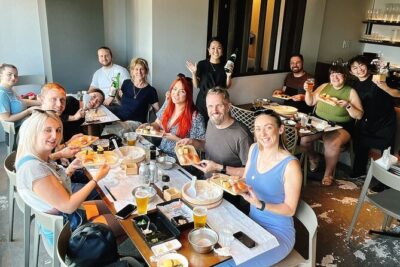
Sushi Making Tokyo Roll and Authentic Japanese Sushi Class
Read our review →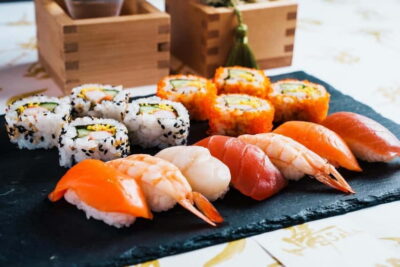
Roll and Authentic Sushi Making Class in Asakusa
Read our review →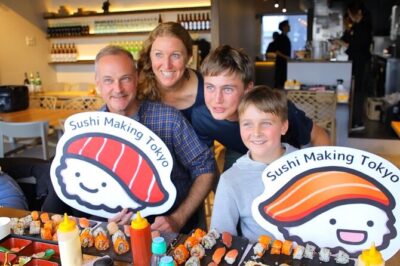
Make Sushi and Create Unforgettable Memories in Tokyo
Read our review →
Sushi Making Osaka Roll and Authentic Japanese Sushi Class
Read our review →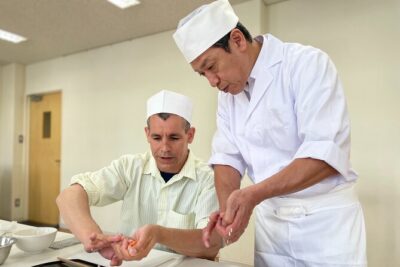
Tokyo Sushi Making Class in Tsukiji with Professional Chef
Read our review →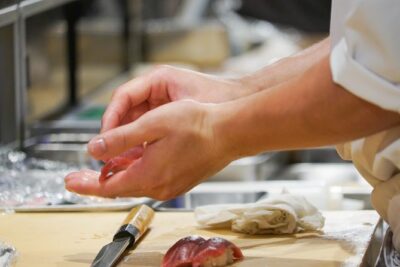
Tokyo Night Foodie Tour in Shinjuku – Seasonal Sushi, Wagyu Beef
Read our review →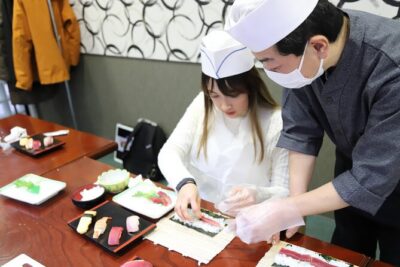
Tsukiji Fish Market Guided Tour and Sushi Making with Pro Chef
Read our review →
Sushi Making in Kyoto! Same-day bookings welcome!
Read our review →Browse the lists this tour appears in