
Reviewed · WAGASHI & MOCHI MAKING
Osaka: Traditional Mochi Pounding Experience with Tasting
There are food classes, and then there is mochi pounding, where you actually do the work with traditional tools. Two things I really like: the hands-on pace (intro first, then you pound and form), and the satisfying tasting with classic toppings plus tea. One possible drawback, the work can be surprisingly physical, so plan for a bit of stamina.
This is the kind of small-group Osaka activity that feels personal. The guides, including names like Seina, Grace, Taka, and Misaki that show up in participant feedback, typically explain the story and technique in English or Chinese so you are not left guessing.
If you are traveling with kids or you want something flexible in a busy day, the format is a good fit. Still, the entrance can be easy to miss because it is off the main street and closer to the canal side, so allow a few extra minutes to find it.
Key Things to Know Before You Try Mochi Pounding in Osaka
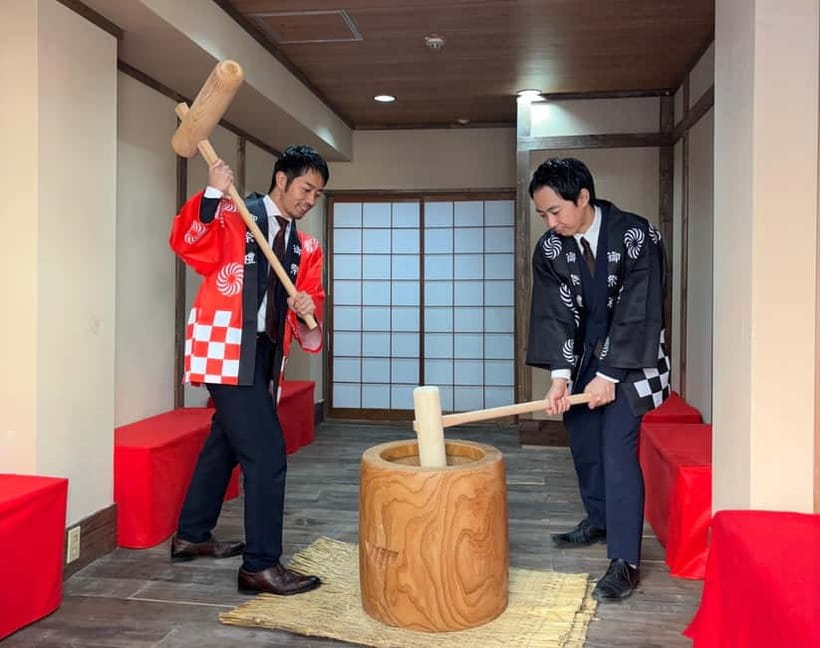
- You pound the mochi yourself using a traditional mortar and pestle, not just watch.
- A short cultural intro sets the context before the work starts.
- You taste what you make with multiple seasonings like kinako, sweet red bean paste, nori, and sweet soy sauce.
- Small group format limits the class to 4 participants for more interaction.
- Different plans for different ages, including an adult option and a family option for all ages.
- Guides help with formation and flavoring, so it stays fun even if your first attempt is messy.
Mochi Pounding in Osaka: Why This Class Feels Different
Osaka is famous for food, but this experience is special because it turns dessert into a craft. You start with steamed glutinous rice, then your hands and arms help transform it into chewy mochi. It is a simple idea, but the texture and teamwork are what make it memorable.
I also like the rhythm of the workshop. You get a short history and origin talk first, then you move right into making. By the time you sit down to eat, your brain understands what you are tasting, not just that it is sweet.
One more thing I appreciate is that the class is built around sharing. You make your portion, you shape it, and you roll it in toppings. Between the variety of seasonings and the tea, you can turn this into a late-afternoon snack stop instead of committing to a full dessert crawl later.
More Food & Drink in Osaka
- Osaka: Shinsekai Food Tour with 13-15 Dishes at 5 Eateries
★ 4.8 · 2,204 reviews - Osaka Food Tour: 13 Dishes at 5 Local Eateries
★ 5.0 · 2,149 reviews - Hungry Osaka Street Food Tour:15 Tastings & 3 Drinks with a Local
★ 5.0 · 1,727 reviews
Your 1-Hour Schedule: From Cultural Intro to Fresh Mochi
The total time is 1 hour, so this is not a half-day project. It is designed to fit into an Osaka itinerary without turning your day into math homework.
Here is the typical flow you can expect:
First comes a brief 10-minute introduction on the significance of mochi pounding. This is where you get the basic story and why this method became a cultural habit, not just a cooking trick.
Next you move to the kitchen part. You work with the steamed glutinous rice and use traditional tools such as a mortar and pestle to pound and process it into mochi dough. This is the section where you feel the change in texture, and it gets hands-on fast.
After the dough stage, you move into forming and flavoring. You shape your mochi and then dress it with classic seasonings. Finally, you enjoy a tasting set paired with a cup of tea, so the sweetness stays pleasant rather than heavy.
A practical note: because the timing is tight, the workshop runs at a steady pace. If you like slow cooking projects, this might feel short, but if you want a focused activity, it is a strong match.
The Mortar and Pestle Part: Fun, Messy, and Actually Physical
This is where the class earns its name. Mochi pounding uses traditional tools, and that means you will feel resistance as the dough thickens and becomes harder to work.
That stamina point is real. Some participants specifically note that making mochi takes effort, and I agree with that logic even without needing to sugarcoat it. Your hands will get sticky. Your arms will work. You will probably laugh at least once when something stretches a little more than you expected.
The good news is that the guides are experienced, and the class is small, limited to 4 participants. With fewer people, it is easier for instructors to guide your technique, help with shaping, and keep you moving through the steps without long downtime.
If you are worried about getting it wrong, do not be. The point is participation. The workshop is set up so you can make something that tastes great even on your first try.
What You Eat: Kinako, Anko, Nori, and Sweet Soy Sauce Plus Tea
The tasting is not a tiny sample either. You get to enjoy the mochi you make with a variety of traditional Japanese seasonings.
From the options provided, you should expect toppings such as:
- Kinako (roasted soybean flour)
- Sweet red bean paste (anko)
- Nori (seaweed)
- Sweet soy sauce
Most classes of this type end with one final flavor choice. Here, you can build a couple different bites, so you get a sense of how mochi changes depending on what coats it. That matters because mochi is wonderfully simple on its own, but the seasonings are where the personality shows up.
Tea is served alongside the tasting. That is a smart pairing for a sticky, chewy dessert because it helps reset your palate between bites.
One last thing I like: the variety means you do not have to love every flavor to enjoy the experience. If you are picky, you can usually find a combo that clicks for you.
More Wagashi & Mochi Making in Osaka:
- Tokyo Sumo Experience: Chanko & Mochi with a Former Pro
★ 4.8 · 567 reviews - Tokyo: Matcha Making Experience with Mochi Sweets in Asakusa
★ 4.9 · 388 reviews - TokyoSumoShow, ChickenHotPot, and Mochi-Pounding by Pro Wrestlers
★ 5.0 · 226 reviews - Private Mochi Sweets Making class near Shibuya area
★ 5.0 · 93 reviews
Adult vs Family Options: Who Each Plan Fits Best
You can choose between two formats. The Adult Experience is listed for ages 13 and up, and the Family Experience is for all ages.
I like that you can match the class to your group instead of hoping everyone is comfortable. For adults and teens, the focus tends to lean into technique and cultural context. For families, the structure is designed to keep kids engaged while adults still get the full process.
If you are traveling with mixed ages, this is the kind of activity that levels the playing field. Everyone pounds, everyone forms, everyone gets to taste. Reviews also mention that the hosts adjust the workshop to fit families with young children, which is exactly what you want when you are not traveling with a single-age group.
Solo travelers should not feel like the odd person out either. Small group size and active participation make it easy to join in, and instructors often take photos as part of the experience.
Where It Happens in Osaka: Canal-Side Entrance Tips
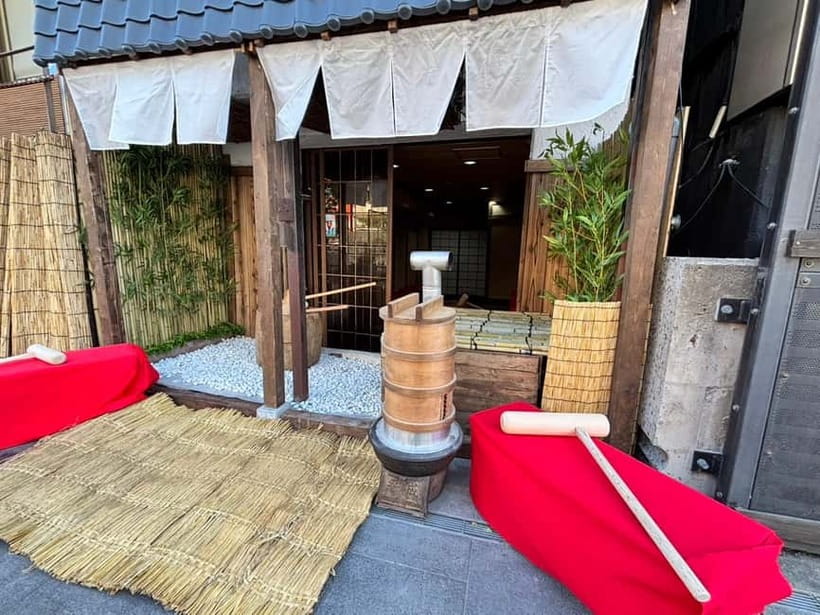
The workshop is described as having a central location, but the entrance itself can be easy to miss if you are only scanning the famous street scenes.
Based on participant notes, the entrance is along the riverfront/canal side, not on the main shopping street. People also mention looking for a handwritten sign near an entrance along a parallel street, often close to a hotel area.
So here is my practical advice:
- Give yourself a few extra minutes when you arrive.
- Start by heading toward the canal-side entrance area, not the loudest main street.
- If you do not see it right away, look for small signage near the river walk and side streets.
This kind of “small door” location is common for classes in Japan, and the payoff is that the room itself is quieter than the streets outside.
Price and Value: Is $31 Worth It?
At $31 per person for 1 hour, the price looks fair when you break down what is included.
You get guided instruction, the necessary materials and ingredients, and the tasting with classic toppings plus tea. You are also paying for the fact that the class has a small group size and hands-on coaching.
Here is how I think about value on experiences like this:
- If you were just buying dessert, you would not get the technique lesson, the tool use, and the chance to make your own batch.
- If you were taking a cooking class that focused only on rolling or shaping, you might not get the pounding step, which is the signature fun part here.
Because the mochi is fresh and you leave with multiple bites, you often get more than you expect to eat for the money. Several participants mention leaving full or with enough to enjoy, which is exactly what you want from a short class.
The only cost that is not covered is transportation to and from the activity location.
What to Wear, What to Expect, and How to Avoid Common Problems
Wear comfortable clothing. This is a hands-on activity and you will be working with sticky dough. Think flexible sleeves, easy-to-move fabric, and shoes you can stand in for a short while.
Also, plan your day like this is a snack-meal hybrid. Because you make and taste multiple pieces with different seasonings, you might not want a heavy dinner right after. One of the best parts of a mochi workshop is that it can satisfy you without taking over your whole evening.
If you are sensitive to sweetness, take it slow during tasting. Tea helps, but the seasonings include sweet soy sauce and sweet red bean paste, so pace yourself.
Finally, bring your curiosity. The cultural intro is brief, but it gives meaning to what you are doing. When you understand the why, the pounding feels less random and more purposeful.
Should You Book? My Decision Guide
Book this mochi pounding experience if you want:
- A hands-on Osaka food activity where you actively make the main product.
- A short format that fits in 1 hour without draining your whole day.
- Classic mochi flavors you can compare, including kinako, anko, nori, and sweet soy sauce, plus tea.
- A small group setting limited to 4 participants, which usually makes the experience more interactive.
Skip it if:
- You dislike sticky, physical activities and want something strictly watch-and-eat.
- You are only looking for a quick photo stop with zero participation.
If you are on the fence, I would choose it. This is one of those experiences where the work is the entertainment, and the reward is right there in your hands a minute later.
FAQ
How long is the mochi pounding experience?
It lasts 1 hour.
What is the price per person?
The price is $31 per person.
Is transportation included?
No. Transportation to and from the activity location is not included.
What is included in the experience?
You get a guided mochi pounding experience, all necessary materials and ingredients, a tasting session with traditional Japanese seasonings, and instruction by the guides.
Are there different options for adults and families?
Yes. There is an Adult Experience for ages 13 and up, and a Family Experience that welcomes all ages.
What languages do the instructors speak?
The instructors provide instruction in English and Chinese.
How big is the group?
It is a small group, limited to 4 participants.
What should I wear?
Wear comfortable clothing suitable for a hands-on activity.
What seasonings are used for the tasting?
The tasting includes classic options such as kinako, sweet red bean paste, nori, and sweet soy sauce, served with tea.
Can I cancel if my plans change?
You can cancel up to 24 hours in advance for a full refund.
Latest write-ups near Osaka
- PRIVATE 6hr, Food tour from Osaka Castle, Kuromon, Dotonbori.★ 5.0 · 68 reviews
- 90 min Shared Handmade Udon Experience★ 5.0 · 70 reviews
- Ramen and Gyoza Cooking Class in Osaka Dotonbori★ 5.0 · 73 reviews
- Osaka: Sushi Making in Spacious Studio (SAME-DAY OK!)★ 5.0 · 75 reviews
- Osaka E-Bike Tour With A Local Guide★ 4.7 · 75 reviews
- 1.5〜2 Hours Traditional Kintsugi Work Shop in Namba Osaka★ 5.0 · 75 reviews
- Retro Osaka Street Food Tour: Shinsekai★ 4.5 · 77 reviews
- Osaka: Osaka Castle Guided Tour with Local Guide★ 4.7 · 78 reviews
Wagashi & Mochi Making, compared.
Tokyo Sumo Experience: Chanko & Mochi with a Former Pro
Read our review →
Matcha Making Experience with Mochi Sweets in Asakusa
Read our review →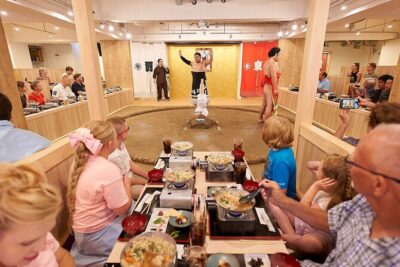
TokyoSumoShow, ChickenHotPot, and Mochi-Pounding by Pro Wrestlers
Read our review →
Private Mochi Sweets Making class near Shibuya area
Read our review →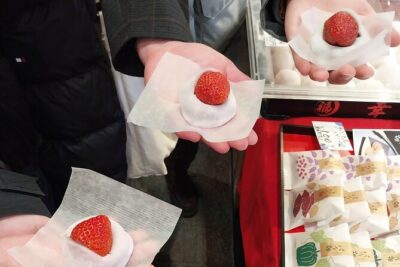
Kyoto Food Tour of 10 Tastings with Wagyu, Mochi & More Surprises
Read our review →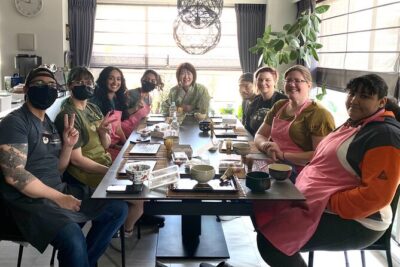
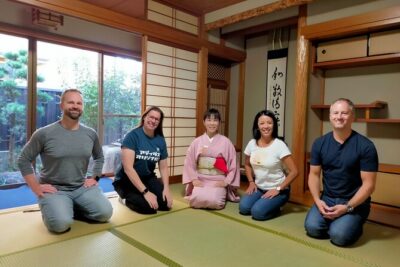
Kyoto near Fushimiinari Wagashi making&Small Group Tea Ceremony
Read our review →Browse the lists this tour appears in