
Reviewed · COOKING CLASSES
Japanese Cooking and Udon Making Class in Tokyo with Masako
Japanese cooking at home is interesting because you get the method, not just the meal. With Masako in her own Tokyo kitchen, the night feels hands-on from the first minute. Two things I really like are the one-to-one style help inside a private setting, and the fact that you leave with your name in kanji calligraphy written just for you. One thing to consider: there is no hotel pickup, so you’ll need to get yourself to the Senju meeting point using public transit.
I also like that you do not have to chase ingredients. Everything is included, and the structure is built around you learning techniques you can repeat later, like how to knead dough and how to portion and cut udon dough into noodles. A possible drawback for some people is language support: Masako speaks limited English, so a translator will be present to help you follow the steps smoothly.
Key points to know before you go
- Private, skills-first class where Masako gives focused help and you cook step by step
- Kanji calligraphy souvenir with your name, plus possible extra calligraphy gifts
- No shopping required since ingredients are included and the menu is set up for the class
- Udon from scratch with practical kneading, resting, and noodle-making techniques
- Two iconic dishes too including tamago (Japanese rolled omelet) and tempura
- Alcoholic beverages included, so you can truly relax with the meal
Entering Masako’s home kitchen in Senju
This is the kind of Tokyo food experience that swaps the tourist crowd line for a real home setting. You meet in the Senju area at the address given for the activity, then the class runs in Masako’s home kitchen. The key detail here is the vibe: you’re not watching from the side. You’re working.
You start with a cup of green tea and then Masako writes your name in kanji. She’s a qualified calligraphy professional, so it’s not a quick gimmick. It sets the tone for the evening, calm and personal, and it also becomes a keepsake you can actually use as a memory item at home.
Because this is a private tour/activity, only your group participates. That matters more than it sounds. With cooking, everyone needs a turn, everyone needs attention, and questions come up in the middle of messy hands-on steps. The private format makes that easier.
One more practical point: Masako speaks limited English, and a translator will be present for the experience. In real life, that usually means instructions come across clearly, and you can ask why something works instead of only copying what someone did.
More Cooking Classes in Tokyo
- Ramen & Gyoza Cooking Class in Tokyo with Local Supermarket Visit
★ 5.0 · 823 reviews - Tokyo: Easy Ramen Cooking Experience in Kabukicho, Shinjuku
★ 4.6 · 321 reviews - Ramen and Sushi Cooking Class with Sake Pairing Set in Tokyo
★ 5.0 · 291 reviews
How the night flows: teaching, prep, and your menu choices
The class is about 2 hours 30 minutes. That’s a tight, satisfying window for cooking from scratch without dragging on into a second dinner shift.
Before you go, Masako offers four menu choices for your meal. The course description points you to send her a message stating which meal you prefer. What this means for you: you’ll want to think ahead about what you want most. If udon noodles are your priority, pick the option that highlights that. If you really want tempura and tamago, choose accordingly. Most people end up loving the whole mix, but menu choice is your lever to tailor the night.
A typical rhythm of the evening goes like this:
- Welcome tea and calligraphy (your name written in kanji)
- Cooking starts with dough and batter prep
- You actively make the components, not just assemble the final plates
- You eat everything you make as a multi-course meal
- More calligraphy moments may happen near the end, with small take-home surprises sometimes reported by past participants
You’ll also hear a lot about technique. Not theory for the sake of theory, but the practical stuff that stops common home-kitchen mistakes. For example, how to handle dough texture, how kneading changes the final bite, and what to watch for when frying.
Udon from scratch: kneading, resting, cutting, and cooking the noodles
If you only care about one thing, make it udon. The reason this class gets such strong results is that you learn the part that most people skip at home: the dough work.
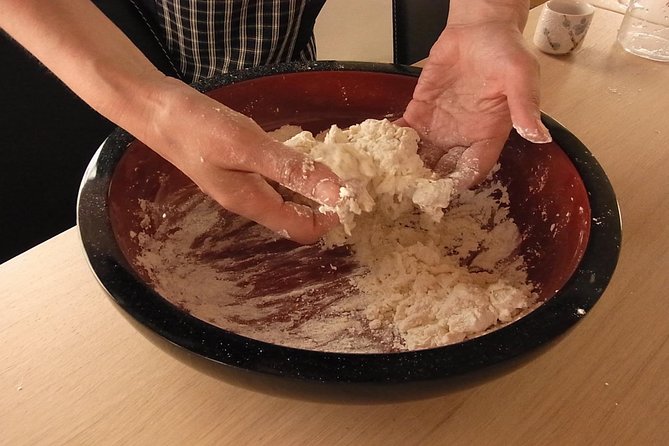
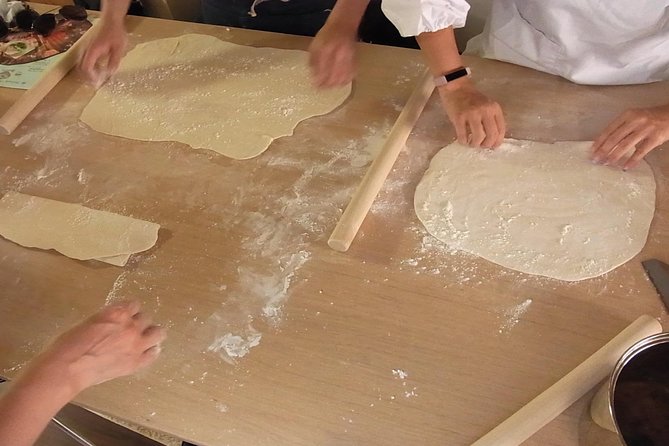
Udon has a specific feel when it’s right. You do not just mix flour and water and hope. You’ll follow Masako’s guidance on kneading, and past participants talk about learning practical checkpoints like water ratios and how to choose or mix flour. Then you rest the dough. Resting is not optional in real noodle making, because it changes how the dough behaves when you roll and cut.
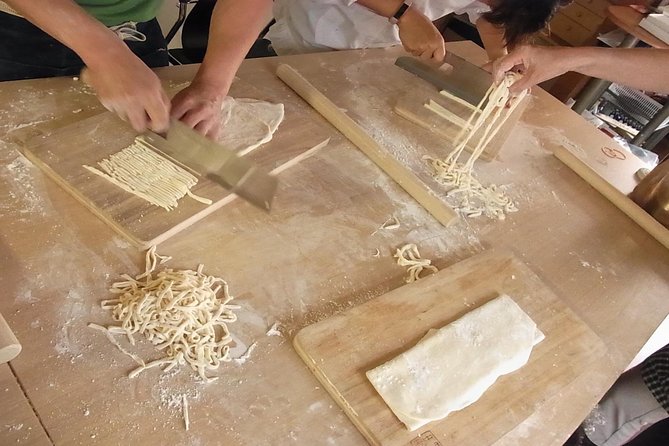
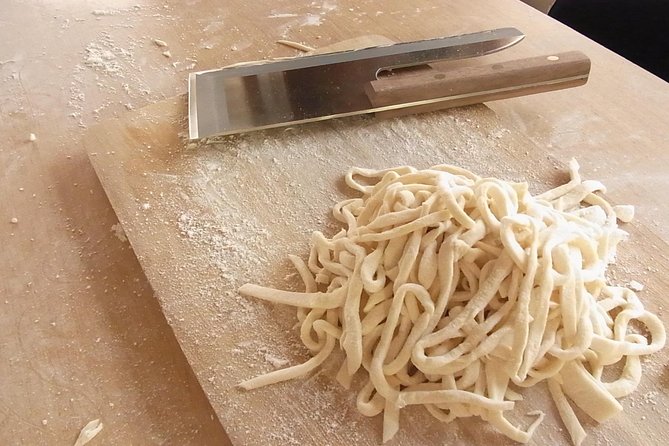
When you move to shaping, you flatten and cut the dough into noodles. This is where your hands do the teaching. If you’ve ever made noodles before, you know how easy it is to get inconsistent thickness or uneven cuts. The class format helps because Masako can correct your technique immediately.
You’ll also learn how the udon dish comes together as a whole. Several past classes describe making or using dashi for the soup portion. That matters, because udon tastes like the broth as much as it tastes like the noodles. So even though you’re focused on noodles, you’re learning how Japanese flavor is built.
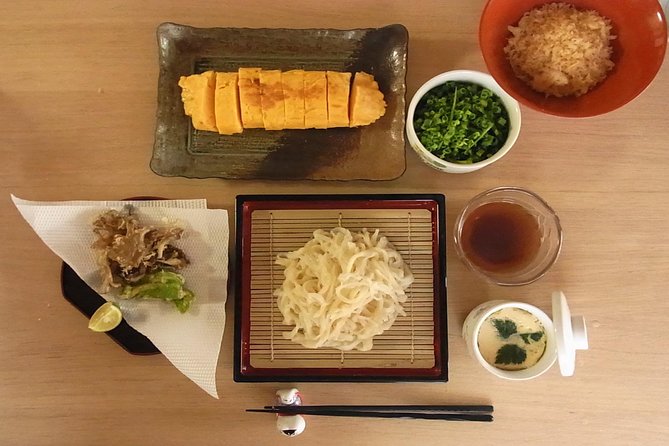
The payoff is huge: you don’t just take home a small snack bag. You eat the noodles you shaped. That one detail turns it from a cooking demo into an actual dinner you earned.
Tamago and tempura: two techniques that teach you texture control
The cooking menu typically includes tamago, plus tempura. Reviews frequently mention tamagoyaki (rolled Japanese omelet) and tempura like vegetable and shrimp tempura.
Tamago is more than a sweet omelet vibe. The real skill is controlling heat and rolling timing so the layers set without turning dry or rubbery. You’ll practice rolling and cooking the egg in stages, and you get the kind of step-by-step help that makes a home version possible later. A lot of people leave saying they can actually reproduce the result, not just copy a taste memory.
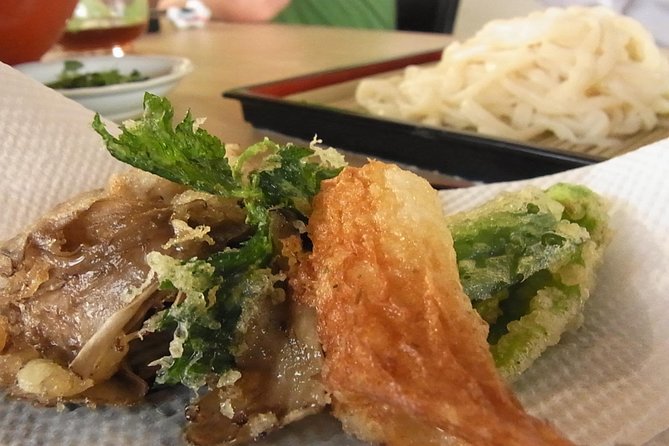
Tempura teaches a different lesson: how to fry without turning everything soggy or greasy. You’ll fry vegetables and sometimes shrimp, and you’ll learn the little tricks that help batter behave in hot oil. The biggest value here is texture control. In Japan, tempura is about lightness. At home, that’s where people struggle. A structured lesson makes it much more doable.
One of the best parts of this format is how it teaches contrasting cooking styles in the same evening. Udon is about dough handling. Tamago is about gentle heat and patience. Tempura is about frying technique. By the end, your brain has a better feel for Japanese cooking methods as systems, not isolated recipes.
A change of pace from Tokyo:
- Mt Fuji and Hakone 1-Day Bus Tour Return by Bullet Train
★ 5.0 · 26,383 reviews - 1-Day Tokyo Bus Tour
★ 5.0 · 14,250 reviews - Tokyo: TOKYO SKYTREE® Admission ticket
★ 4.5 · 11,192 reviews - Tokyo: teamLab Planets TOKYO Digital Art Museum Entry Ticket
★ 4.6 · 9,779 reviews
What you eat and drink: multi-course, no leftovers, and sake in the mix
You’ll eat a multi-course meal that includes what you prepare. Past participants consistently describe a satisfying spread, not a few bites for show.
Included in the experience are alcoholic beverages. That can mean different things depending on what’s served for that particular class night, but some people specifically mention sake. Either way, you’ll be able to enjoy drinks with your meal, which is a big value add for a cooking class. It’s also practical. After kneading dough and frying, you want the meal to feel like a real evening out, not like work you clocked out of.
You also get the basics of Japanese meal culture through small actions. Some reports mention learning etiquette like cleaning steps in the home kitchen. That might sound minor, but it’s part of how Japanese cooking rooms run smoothly and respectfully. You see how the flow works in a real domestic setting.
The meal is also where you get the biggest feedback loop. When your dumpling-like udon dough becomes noodles, you taste the result and understand what the steps were doing. When tamago is rolled properly, you notice the difference instantly. That helps you remember the technique, not just the recipe.
Price and value: what you’re paying for at $142 per person
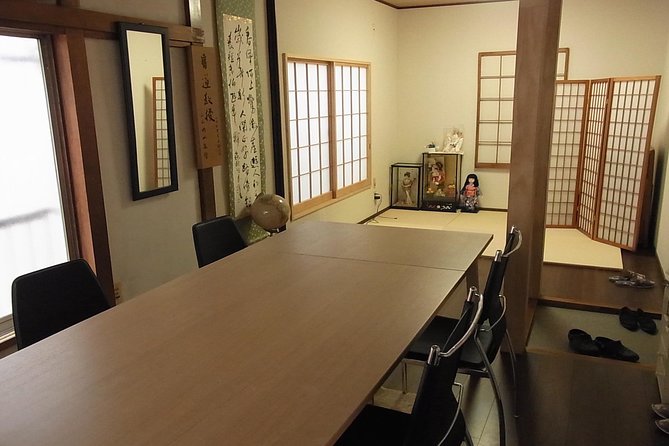
At $142 per person, you’re not just buying ingredients and a recipe card. You’re paying for three big things: private coaching, a full meal you eat, and a memorable take-home keepsake.
- Private, hands-on instruction. Even when it is a small group experience, the class is set up as private, so Masako can guide you through the parts that usually go wrong at home. This is why people rate it so high.
- Everything included. No ingredient shopping. No missing specialty items. You show up, cook, and leave with food in your belly and skills in your head.
- You take something home. Your name written in kanji is included as a souvenir. Many participants also mention extra small gifts like calligraphy surprises, hand-crafted fans, or other gentle touches that make the night feel personal.
Is it pricey? In Tokyo, yes, it’s not a cheap class. But if you compare it to the cost of eating a full Japanese meal in a sit-down restaurant plus a separate cooking workshop, this adds up fast. The value is that you leave with skills you can repeat, not just a meal you finish and forget.
Also, the class tends to book ahead, with an average booking time around 52 days in advance. That’s a sign of demand. If udon is on your list, book early so you get a date that fits your Tokyo schedule.
Getting there in Tokyo: Senju address, transit, and no pickup
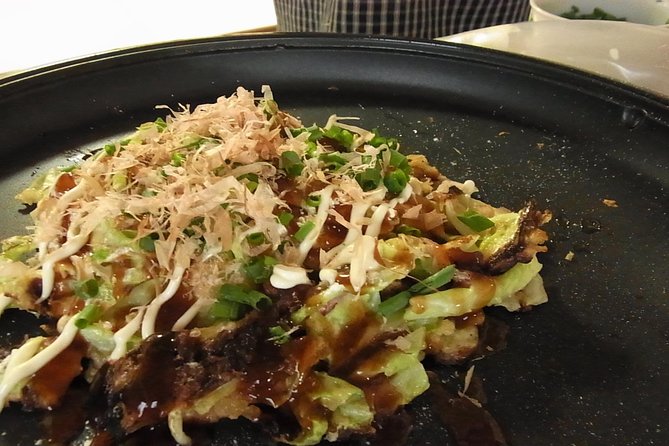
There is no hotel pickup or drop-off. You’ll need to arrive on your own at the meeting point in Adachi City, Senju, at the address provided for the activity.
This is the main logistics hurdle, and it’s worth planning for. Senju is a real local area, not a central tourist hub, so you should allow extra time for transit and a short walk. If you arrive late, you’ll reduce your cooking time because the class schedule is tight.
The good news: it’s near public transportation, so you can get there without renting a car or doing anything complicated. I’d still recommend checking your route the day before, and using the exact address in your map app.
Also, plan your timing so you’re not rushing afterward. You’ll be eating in the middle of your evening, and you’ll want an easy return trip after cooking.
Who should book this class, and who should think twice
This class is a great fit if you want:
- Real hands-on cooking practice, especially with udon noodles
- A home-style experience in Tokyo instead of a crowded demo
- A teacher who explains steps clearly, with a translator support when needed
- A souvenir you’ll actually keep, your name in kanji calligraphy
It might not be your best match if:
- You want a polished English-only class. The host has limited English, and a translator supports you instead.
- You rely on hotel pickup. This one is fully on you to reach the Senju meeting point.
- You’re traveling with children. Masako does not accept children for safety reasons. If you have a teen, confirm how the operator defines child for this experience.
One more practical tip: come hungry. You’ll eat what you make, and you’ll likely be moving between multiple cooking stations. This is a dinner that starts before the meal, so don’t schedule it right after a rushed lunch.
Should you book Masako’s Japanese cooking and udon class?
If your Tokyo trip includes at least one food experience you want to remember, book this. It hits the best combo: you cook, you learn technique, you eat a full meal, and you take home kanji calligraphy made just for you.
I’d especially recommend it if you care about the skills you can bring back home, not only tasting something delicious in Tokyo. Udon kneading and noodle cutting, tamago rolling, and tempura frying are learnable techniques when someone corrects you in real time. That is exactly what this class is built for.
The only reason to skip is if the location and no-pickup logistics would stress you out, or if you need a children-friendly policy. Otherwise, this is the kind of evening that turns into a story you tell for years.
FAQ
How long is the Japanese cooking and udon making class?
It lasts about 2 hours 30 minutes.
How much does it cost?
The price is $142.00 per person.
Is hotel pickup and drop-off included?
No. Hotel pickup and drop-off are not included.
Where is the meeting point?
The class starts at Japan, 120-0034 Tokyo, Adachi City, Senju, 4-chōme 275 長円寺.
Is the class private?
Yes. It is a private tour/activity, and only your group will participate.
Do I need to shop for ingredients?
No. You do not need to shop for ingredients, because everything is included.
What beverages are included?
Alcoholic beverages are included in the experience.
Do I get a souvenir?
Yes. You’ll have a souvenir to take home, with your name written in calligraphy.
Does Masako accept children?
No. Masako does not accept children for a cooking class for safety reasons.
What is the cancellation policy?
You can cancel for a full refund up to 24 hours in advance of the experience start time. If you cancel less than 24 hours before, the amount paid will not be refunded.
Latest write-ups near Tokyo
- Tokyo Nights: Shibuya Photo Adventure★ 5.0 · 20 reviews
- Wagyu & Sake 8 Course Tasting Dinner in Shinjuku★ 4.9 · 20 reviews
- Making Japanese desserts Nerikiri & drinking matcha in Tokyo★ 5.0 · 20 reviews
- Japanese Whisky Hunting《HIGH-QUALITY-ONLY》Rare Tasting Class★ 5.0 · 20 reviews
- Mt. Fuji 5th Station, Owakudani Ropeway, Pirate Ship plus Outlet shopping!★ 4.5 · 20 reviews
- Kintsugi Experience with Arita Ware in Tokyo (English Guide)★ 4.8 · 20 reviews
- This is Asakusa! A Tour Includes the All Must-Sees!★ 5.0 · 20 reviews
- Ebisu Local Food Tour: Shibuya’s Most Popular Neighborhood★ 5.0 · 20 reviews
Cooking Classes, compared.
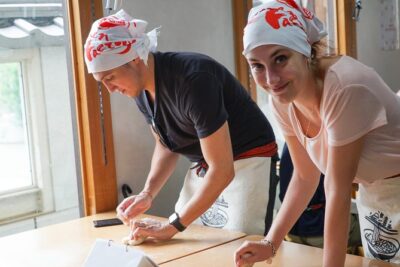
Ramen Cooking Class at Ramen Factory in Kyoto
Read our review →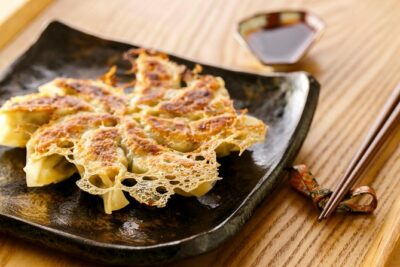
Ramen & Gyoza Cooking Class in Tokyo with Local Supermarket Visit
Read our review →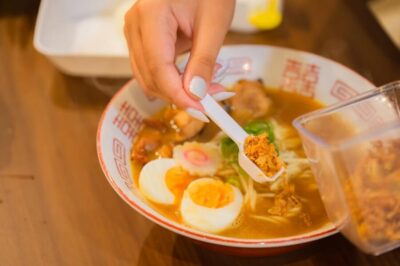
Ramen Cooking Class at a Ramen Factory with Souvenir
Read our review →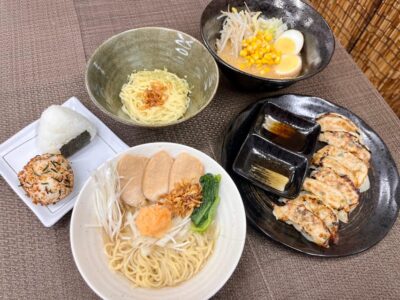
Japanese Washoku Bento Small Group Cooking Class
Read our review →
Easy Ramen Cooking Experience in Kabukicho, Shinjuku
Read our review →
Ramen and Sushi Cooking Class with Sake Pairing Set in Tokyo
Read our review →Browse the lists this tour appears in