
Reviewed · WAGASHI & MOCHI MAKING
Mochi Matcha Gluten Free Japanese Sweets Class near Shibuya area
A gluten-free mochi and matcha sweets class near Shibuya is a fun way to slow down in Tokyo and learn something you can actually repeat at home. This one is hands-on, run from Sakura’s home kitchen in Sangenjaya, and it’s built for real cooking practice, not just watching.
I really like that you leave with a recipe you can use right away, and you get a built-in moment to show off your desserts at a photo-op table. One thing to consider is that it books up, so plan ahead.
Key Highlights Worth Your Time
- Sakura runs the class in her home in Sangenjaya, which makes the experience feel personal and local.
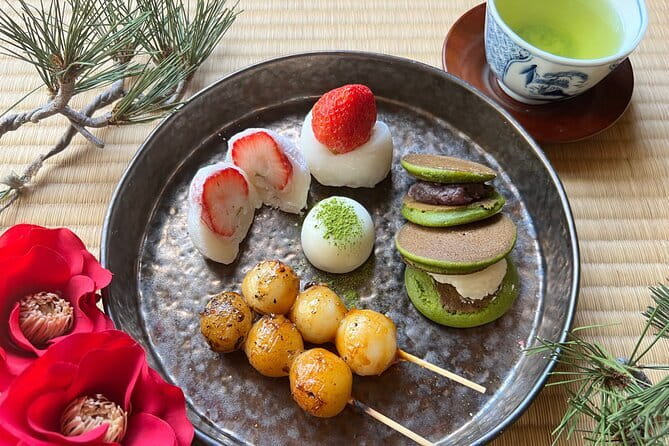
- You make 4 different sweets as part of the lesson, including matcha mochi.
- Gluten-free focus with a teacher who is used to accommodating dietary needs.
- A photo-op setup for snapping cool pictures of your finished desserts.
- Private workshop format so you get close guidance during the 2 hours.
- You get coffee or green tea and an apron to make the session more comfortable.
Why This Mochi and Matcha Class Feels Different Than a Typical Tour
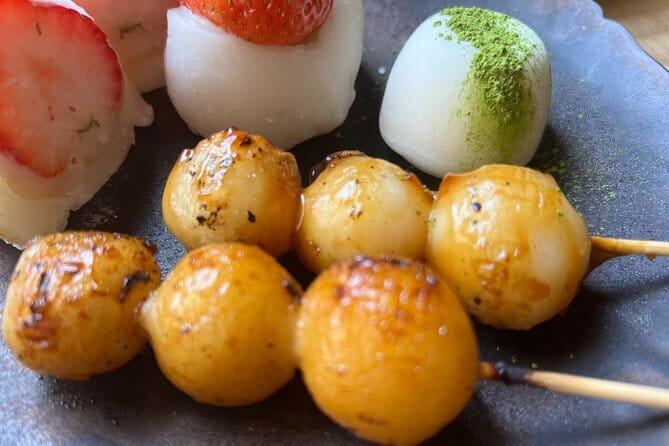
Tokyo has no shortage of food experiences, but this one is special because it’s built around doing the work yourself. You’re not just learning what mochi is, you’re physically making it, dealing with the texture, and learning the steps in a way that sticks.
It also helps that the teacher, Sakura, is known for being welcoming and great with kids. In a home setting, her teaching style comes through fast, and the class atmosphere stays relaxed. That matters when you’re working with dough that can be sticky and a little tricky.
More Tea Ceremonies in Tokyo
- Matcha Making Class in Tokyo with Authentic Japanese Sweets Set
★ 5.0 · 744 reviews - Tokyo: Traditional Tea Ceremony with a Tea Master
★ 5.0 · 528 reviews - Tokyo: Matcha Making Experience with Mochi Sweets in Asakusa
★ 4.9 · 388 reviews
What You Make: Four Gluten-Free Japanese Sweets With Matcha Mochi
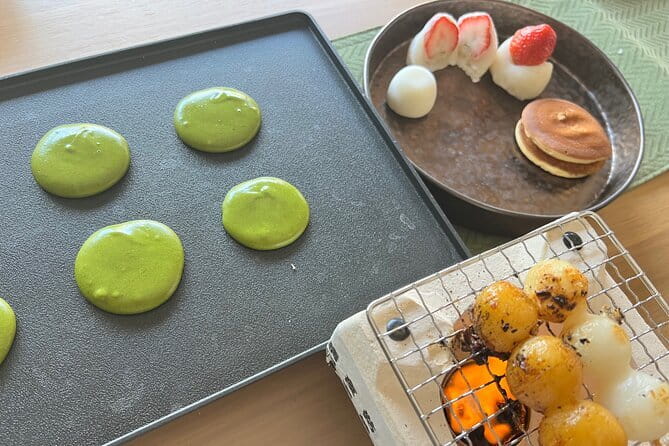
The class is centered on making mochi and gluten-free Japanese sweets, with matcha green tea as a star flavor. The experience is designed so you make four different types of sweets together, which is a lot more satisfying than single-item classes.
Expect the lesson to cover both technique and context. You’ll learn about the origins of mochi as you work, and that cultural background helps the cooking make sense, instead of feeling random.
You’ll also get practical results. The whole point is that your hands are involved the entire time, and your finished sweets end up on a table set up for photos. That is a small detail, but it turns the session into something you can remember clearly once you’re back home.
Inside the 2-Hour Workshop: How the Session Unfolds
This is a tight, friendly 2 hours. The structure is simple, which is good, because you don’t waste time figuring things out.
Here’s what the flow usually feels like based on how the class is described and how it’s taught:
1) Meet at the Sangenjaya address and settle in
You start at 1-chōme-11-13 Sangenjaya, Setagaya City, Tokyo 154-0024. The class ends back at the meeting point, so you’re not dealing with multiple transfers or checkpoints. Since it’s near public transportation, it’s also easier to plug into a day that includes Shibuya.
More Wagashi & Mochi Making in Tokyo
- Tokyo Sumo Experience: Chanko & Mochi with a Former Pro
★ 4.8 · 567 reviews - TokyoSumoShow, ChickenHotPot, and Mochi-Pounding by Pro Wrestlers
★ 5.0 · 226 reviews - Private Mochi Sweets Making class near Shibuya area
★ 5.0 · 93 reviews - Mochi Making at a Private Studio in Tokyo
★ 5.0 · 54 reviews
2) Get set up with an apron and tea
You’ll have an apron provided, plus coffee and/or green tea. It’s a small comfort, but tea and warmth help keep the pace pleasant while you’re doing hands-on work.
3) Cook together with close instruction
Because it’s a private workshop for only your group, you get the kind of attention that makes a difference. Mochi and Japanese sweets aren’t hard because they’re complicated, they’re hard because texture and timing are everything. Having Sakura’s guidance directly in front of you is the difference between a good attempt and a stressy one.
4) Learn mochi origins while you work
A standout part is that the lesson mixes making with explanation. As your hands get stuck into the dough and you deal with the texture, you also get the story behind mochi and the differences among the sweets you’re making.
5) Photo-op time for your finished desserts
When your sweets are ready, there’s a photo-op table made for showing them off. It’s not just for show. It encourages you to pause, admire your results, and take pictures that actually look like a memory, not just a quick snapshot.
6) Leave with your recipe so you can repeat it
The lesson includes a recipe you can take home and make again. That turns this from a one-time activity into a skill you can use later.
Sakura’s Teaching Style: Patient, Clear, and Great for Beginners
What really lifts the experience is how Sakura teaches. She’s described as professional and welcoming, with a teaching style that works well for both adults and kids. If you’re a beginner, that matters, because Japanese sweets depend on technique more than brute force.
From the class vibe, it also sounds like she focuses on clear communication. The workshop gives you a real chance to ask questions while you’re working, instead of saving everything for the end.
One charming extra people seem to notice is that there may be a dog (named Chocolate) around during the experience. It’s a small detail, but in a home setting it adds warmth and breaks the formality.
Why the Gluten-Free Angle Matters in Japan
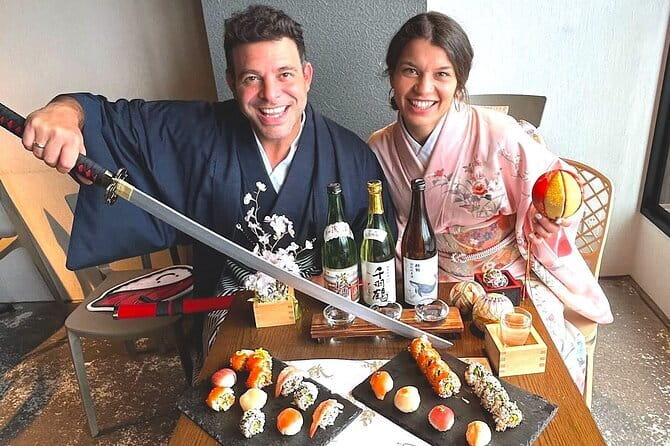
This experience is explicitly a gluten-free Japanese sweets class. If you’re avoiding gluten because of preference or a real medical need, this kind of focused class can be a relief in Japan, where ingredients can be confusing.
That said, you should still treat any gluten-free cooking experience like responsible travelers do everywhere: make sure your needs are clearly stated when you book. The class is designed for gluten-free sweets, and it’s set up to help you enjoy the process safely, but your personal threshold for ingredients and cross-contact is still yours to manage.
Also, the matcha and mochi focus is a big plus. You’re not trying to adapt a fully non-gluten-free dessert. You’re learning Japanese sweets in a format that’s built for gluten-free cooking.
The Matcha Factor: Flavor, Texture, and Why It Works
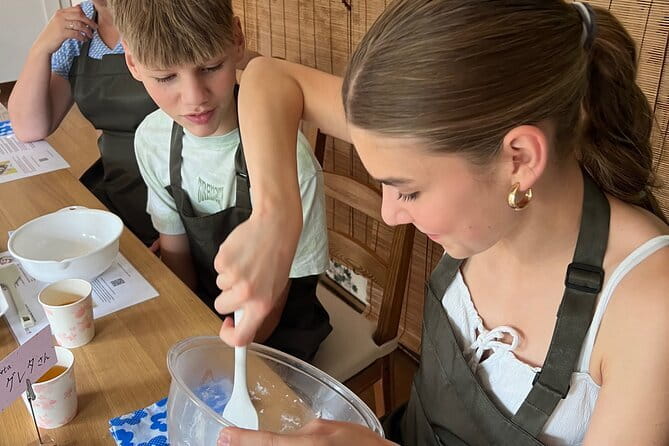
Matcha is a great choice for this class because it’s both flavorful and culturally recognizable. You get that deep green tea taste without needing complicated equipment.
Mochi itself is the texture test. The dough can be forgiving for learning, as long as you follow timing and technique. That’s why the private instruction and hands-on guidance matter so much. You’re not just tasting a dessert, you’re learning how the texture should feel and how to shape it.
Price and Value: What You’re Paying For
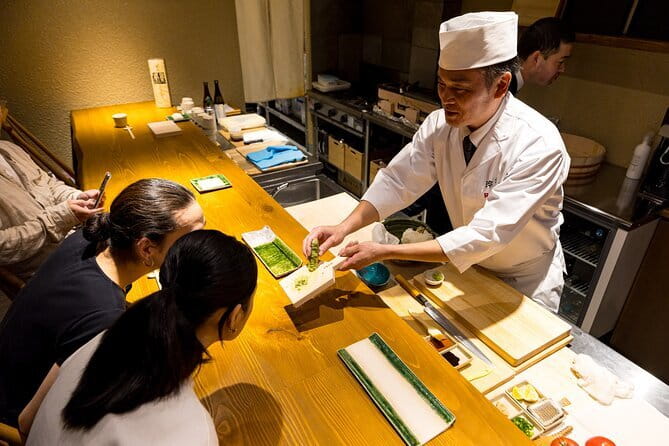
At $112.01 per person for about 2 hours, this class sits in the mid-range for hands-on Tokyo food activities. The real value comes from what’s included and what’s unique.
You’re getting:
- A private workshop format for your group
- Guided instruction throughout
- Apron plus coffee and/or green tea
- Four types of sweets made in the session
- A recipe to take home
- A dedicated photo-op table so your results look as good as they taste
So you’re not paying just for ingredients. You’re paying for guided technique, time in a home kitchen, and an actual takeaway you can use again. If you enjoy food classes that produce a result you can show and replicate, the value makes sense.
Getting There From Shibuya and Staying Flexible
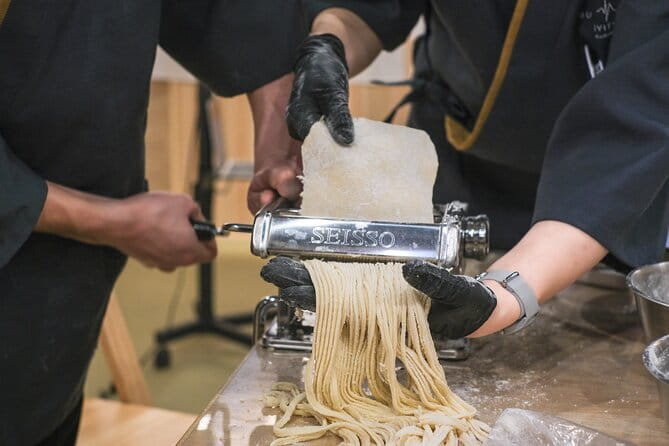
This experience is described as near the Shibuya area, and the meeting point is in Sangenjaya. The good news is that it’s near public transportation, so you should be able to reach it without turning your day into a logistics puzzle.
Because the class is in a single location with a start and end back at the meeting point, you don’t have to plan for multiple segments. That makes it a smart option on hot days, rainy days, or any time you want to stay indoors while still doing something memorable.
Who Should Book This Class (And Who Might Pass)
I think this class is a strong fit if you want:
- A hands-on food experience that produces visible results
- Gluten-free Japanese sweets with a teacher who’s used to accommodating needs
- A private setting where you can ask questions and move at the right pace
- Something fun for adults and also a good choice if you’re bringing kids
You might consider passing if:
- You dislike matcha flavors, since matcha is a core part of the sweets you’ll be making
- You want a bigger sightseeing component, because this is mostly about the cooking session itself
- You’re short on time and need something quick and low commitment, since it’s still a full 2-hour workshop
Should You Book This Mochi Matcha Gluten-Free Sweets Class?
Yes, if you want a Tokyo experience that feels authentic and practical, this is the kind of activity that pays off after you leave. The private home setting, the chance to make four sweets, the recipe takeaway, and the photo-op table add up to more than a simple tasting.
Book it especially if gluten-free sweets are important to you and you want a class where the focus is built into the lesson from the start. And if you’re the type who likes bringing home skills, not just souvenirs, this one fits your style.
FAQ
How long is the class?
It lasts about 2 hours.
Where does the class meet?
The meeting point is 1-chōme-11-13 Sangenjaya, Setagaya City, Tokyo 154-0024, Japan.
Is this class private?
Yes. It is a private tour/activity, so only your group participates.
What is included in the experience?
You get an apron, coffee and/or Japanese green tea, and guided instruction.
What will I make during the class?
You will make 4 different types of sweets, including matcha green tea mochi.
Is the class gluten-free?
Yes. It is a class for gluten-free Japanese sweets.
Will I receive anything to take home?
Yes. You receive a recipe so you can make the sweets back home.
When will I get confirmation after booking?
You should receive confirmation within 48 hours of booking, subject to availability.
Latest write-ups near Tokyo
- Tokyo Nights: Shibuya Photo Adventure★ 5.0 · 20 reviews
- Wagyu & Sake 8 Course Tasting Dinner in Shinjuku★ 4.9 · 20 reviews
- Making Japanese desserts Nerikiri & drinking matcha in Tokyo★ 5.0 · 20 reviews
- Japanese Whisky Hunting《HIGH-QUALITY-ONLY》Rare Tasting Class★ 5.0 · 20 reviews
- Mt. Fuji 5th Station, Owakudani Ropeway, Pirate Ship plus Outlet shopping!★ 4.5 · 20 reviews
- Kintsugi Experience with Arita Ware in Tokyo (English Guide)★ 4.8 · 20 reviews
- This is Asakusa! A Tour Includes the All Must-Sees!★ 5.0 · 20 reviews
- Tokyo: Karate Experience with Former All-Japan Champion★ 5.0 · 20 reviews
Wagashi & Mochi Making, compared.
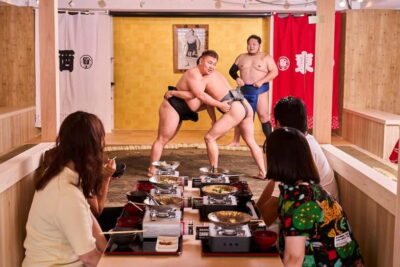
Tokyo Sumo Experience: Chanko & Mochi with a Former Pro
Read our review →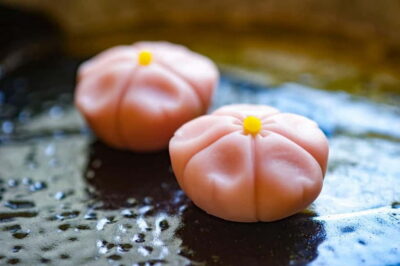
Matcha Making Experience with Mochi Sweets in Asakusa
Read our review →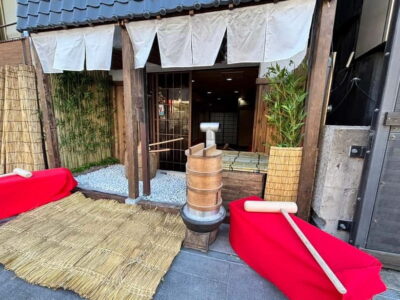
Traditional Mochi Pounding Experience with Tasting
Read our review →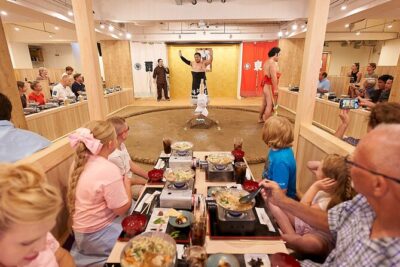
TokyoSumoShow, ChickenHotPot, and Mochi-Pounding by Pro Wrestlers
Read our review →
Private Mochi Sweets Making class near Shibuya area
Read our review →
Kyoto Food Tour of 10 Tastings with Wagyu, Mochi & More Surprises
Read our review →
【For adult】Traditional Mochi Pounding Experience with Tasting
Read our review →
Kyoto Wagashi(Japanese sweets) Cooking Class near Fushimiinari
Read our review →Browse the lists this tour appears in