
Reviewed · SUSHI MAKING CLASSES
Tokyo: Sushi Making Class
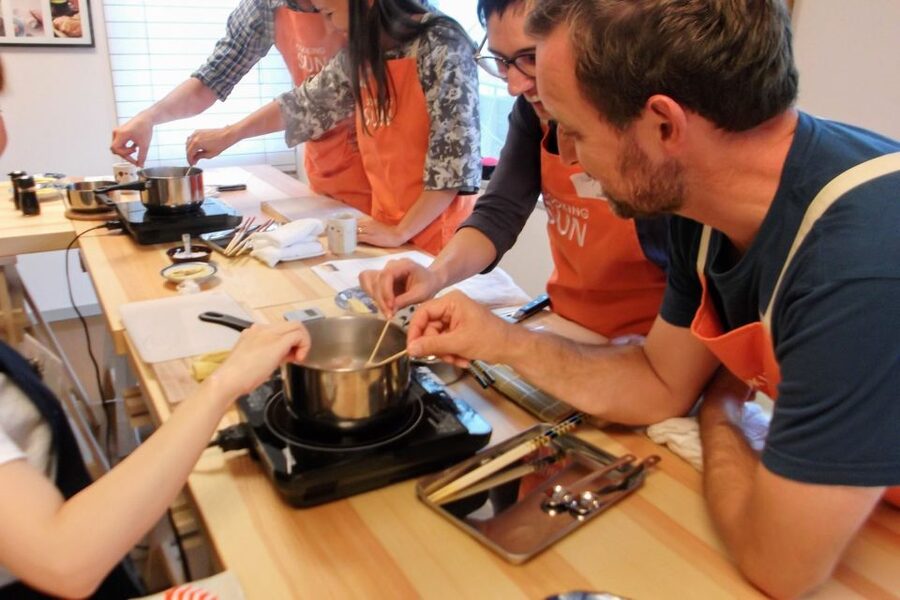
Tokyo’s sushi scene can be fancy and fast. This class slows everything down, with a friendly, English-friendly kitchen session in a small group. I love that you learn the why behind sushi, especially the techniques for tasty sushi rice, not just how to roll. I also like the mix of styles, from nigiri to rolls like hosomaki and California roll. One thing to consider: the studio is in a residential area, and there’s no hotel pickup, so you will want to budget time to get there.
What makes the experience feel practical is the way instruction is broken into steps. Instructors including Mika, Yuko, Aya, and Koyotama have guided past classes, and the common theme is clear, patient coaching while you do the work. Another consideration to keep in mind: the class uses pre-sliced fish, so you are not learning how to cut raw fish.
Key things I think you’ll love
- Small group of 9 max, so you get real help while you shape nigiri and roll maki
- Sushi rice techniques that you can repeat at home, including the feel and seasoning basics
- Hands-on variety, from nigiri and inari to hosomaki and California roll
- Tamagoyaki and miso soup add real depth to the meal, not just sushi assembly
- All ingredients, utensils, towel, and apron rental are handled for you
- Dietary substitutions are possible when you tell them your needs upfront
Finding the beige building and starting on time
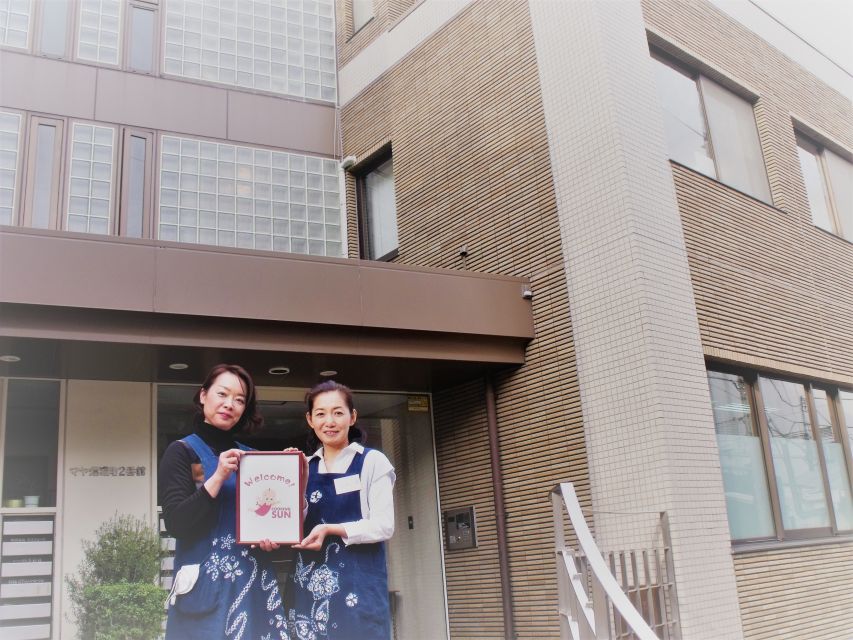
This class meets at Cooking Sun Tokyo in a quiet residential neighborhood. The studio sits on the 2nd floor of a beige building, and you use the right-side door at the entrance to get to the studio.
If you have Wi-Fi, the simplest move is to search Google Maps for Cooking Sun Tokyo (Shinanomachi 18-39, Shinjuku-ku, Tokyo). If you do not, study the detailed directions on their website before you leave your hotel, because “residential Tokyo” can look identical block to block.
It also helps to plan your arrival like a local errand. There is no hotel pickup or transportation included, and the meeting spot is tucked away from the big tourist traffic. Press 314 on the intercom when you need to call the studio.
More Sushi Making Classes in Tokyo
- Sushi Making Tokyo Roll and Authentic Japanese Sushi Class
★ 5.0 · 3,971 reviews - Tokyo: Roll and Authentic Sushi Making Class in Asakusa
★ 4.9 · 1,957 reviews - Make Sushi and Create Unforgettable Memories in Tokyo
★ 5.0 · 1,413 reviews
The 3-hour plan, from dashi to tamagoyaki
The rhythm of the class is relaxed but organized. You start with ingredients and fundamentals, then you move into prep, rolling, and shaping, and finally you sit down to eat what you made.
You begin with an introduction to Japanese cooking flavors. Expect a walkthrough of key seasonings and the role of dashi (soup stock), plus how miso soup fits into the meal. This part matters because sushi tastes like more than raw fish or vinegared rice. It is seasoning balance and technique.
Next comes tamagoyaki, the rolled Japanese omelet. The class teaches it step by step, with guidance aimed at beginners. Even if you have never cooked eggs on purpose, you are not just watching. You make it.
Then you shift into sushi prep. You prepare sushi rice and toppings, including items like shrimp. After that prep stage, the work becomes hands-on: you watch demonstrations, then create your sushi yourself.
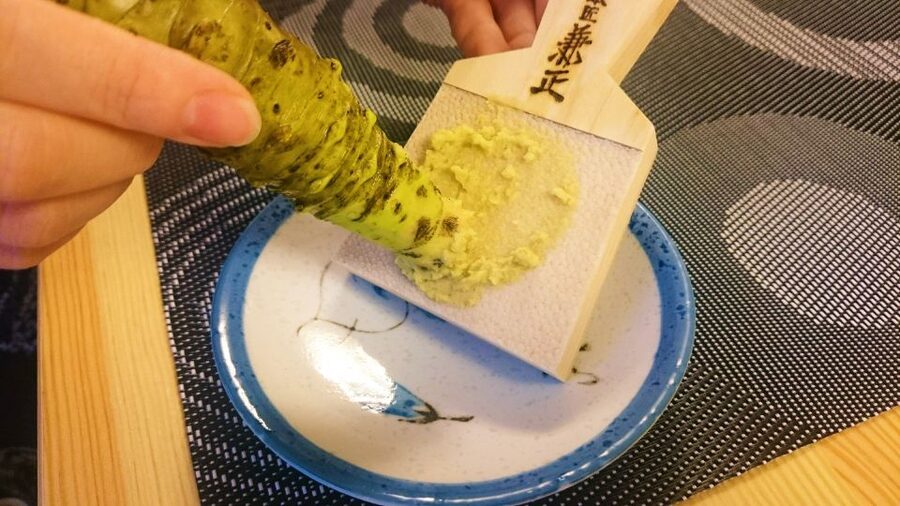
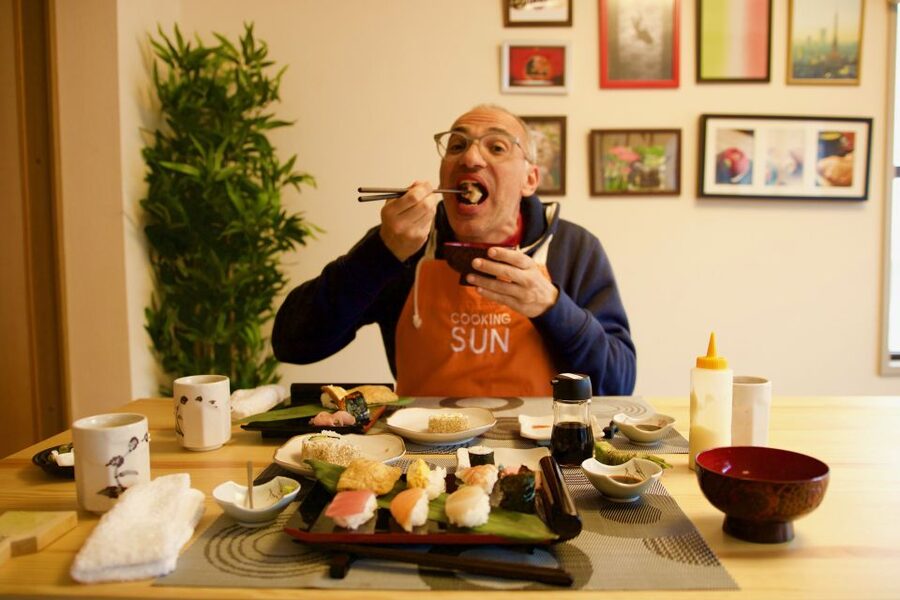
By the end, you enjoy the finished meal at the table, with miso soup and condiments like fresh wasabi and pickled ginger served on the side.
The sushi rice lesson that actually changes your results
If you have only ever eaten sushi, it is easy to think sushi rice is just rice plus vinegar. In this class, sushi rice is treated like the foundation. You learn how to prepare it and how to season it correctly, with techniques that help you get the texture right for rolling and shaping.
Here is the practical takeaway: good sushi rice should feel cohesive, not crunchy and not mushy. The instructors focus on ratios and method so your rice holds up when you form nigiri and when you roll maki.
This is also why the class is worth doing even if you eat sushi often. You are not paying just for the final roll. You are learning the system behind it.
Nigiri, Inari, hosomaki, and California roll, made by you
You make a set of sushi types that cover different skill sets. That means you practice both shaping and rolling, plus you learn how sweet-salty flavors work in different forms.
A change of pace from Tokyo:
- Mt Fuji and Hakone 1-Day Bus Tour Return by Bullet Train
★ 5.0 · 26,383 reviews - 1-Day Tokyo Bus Tour
★ 5.0 · 14,250 reviews - Tokyo: TOKYO SKYTREE® Admission ticket
★ 4.5 · 11,192 reviews - Tokyo: teamLab Planets TOKYO Digital Art Museum Entry Ticket
★ 4.6 · 9,779 reviews
Nigiri (hand-pressed sushi)
Nigiri is the most hands-on shaping challenge, because it is about texture, portioning, and how the fish topping sits on the rice. Since the class uses pre-sliced fish, you can focus on the assembly technique instead of knife skills. You still get a real feel for how to press and align.
Inari (sweet tofu pouch sushi)
Inari has a different flavor profile than most people expect. The sweet tofu pouch brings a mellow, slightly caramelized taste that balances sushi rice. Making it helps you understand that sushi is not one flavor. It is a range of combinations.
Hosomaki (thin roll)
Hosomaki is simpler than big, chunky rolls, but it is not “easy mode.” Thin rolls are all about tightness and even filling. You practice rolling technique so your roll stays neat when you slice and serve.
California roll
You also make a California roll, which usually means a more Western-influenced structure while still using Japanese rolling technique. This is a good bridge if you like approachable flavors and want to recreate something familiar without guessing how to roll it.
Across all of these, the class keeps the steps clear. Small group size helps, too, because you can ask for help when your rice sticks, your roll loosens, or your shapes feel off.
Tamagoyaki and miso soup: the meal isn’t an afterthought
A lot of sushi classes focus only on sushi. Here, you also get tamagoyaki and miso soup, which makes the experience feel like a real Japanese meal you can remember, not just a snack experiment.
Tamagoyaki teaches patience with heat and layering. You learn the basics of making that fluffy, rolled egg texture instead of ending up with scrambled eggs that refuse to roll.
Miso soup matters because it teaches a flavor mindset. You already get introduced to dashi and seasoning early in the class, and then you taste that lesson in the bowl. It is a small step that makes the meal feel complete.
And yes, you eat it. Wasabi and pickled ginger are on the side, so you control how strong the bite is.
What’s included, what you should bring, and what’s not
This class includes the stuff that can ruin your schedule if you have to track it down. You get:
- Recipes
- All ingredients and utensils
- Towel and apron rental
The class also provides what you need in the kitchen so you can focus on learning. You do not have to worry about buying supplies.
What is not included is just as important:
- There is no hotel pickup and no transportation.
- The class uses pre-sliced fish, and it does not include instruction on how to cut raw fish.
So if you were hoping to learn knife technique for sashimi or raw fish cutting, adjust your expectations now. This is about sushi assembly and rice craft, not butchery.
Dietary needs: substitutions are planned, but tell them in advance
A big reason people feel comfortable booking this is that dietary requirements can be accommodated. If you have allergies, gluten-free needs, religious dietary restrictions, vegetarian preferences, or other requirements, the studio can substitute ingredients as needed.
The key point is timing. You should inform them when you book, so they can plan substitutions in advance rather than improvising during class.
If you are celiac or gluten-sensitive, this matters a lot, because small cross-contact issues can be stressful. The setup here is designed to keep the class practical and safe for your needs.
Price and value for 3 hours of hands-on Tokyo cooking
At $67 per person for a 3-hour session, this class is not cheap in the abstract. But in Tokyo, cooking lessons tend to cost real money, and sushi itself is also not the bargain-hunter’s choice.
The value comes from four things you cannot DIY easily:
- Expert guidance in small group format (limited to 9 participants)
- You cook, not just watch, across multiple sushi types
- Ingredients and utensils are included, plus apron and towel rental
- You leave with recipes, so you can repeat what you learned
Also, you should think of it as paying for a meal and a skill lesson at the same time. The end result is sushi you assemble yourself, plus miso soup, with condiments served alongside.
Who should book this class in Tokyo
This is a great fit if you want a food experience that is interactive and beginner-friendly. The class is designed so you do not need prior sushi experience.
It is also a solid choice if you like structure. You get step-by-step guidance for sushi rice, tamagoyaki, prep, rolling, and assembly. When things get messy (rice has a mind of its own), instructors provide support so you can keep going.
It is especially worth booking if you want to learn skills you can use later. After this kind of class, you tend to remember the rice texture and seasoning decisions, not just the final platter.
If you are traveling with kids, it can be a nice way to turn screen time into something hands-on. The class format is patient, and a small group helps the instructors keep attention on everyone’s stations.
If you want to learn raw fish cutting with a knife, you will want a different type of class. Here, the fish is pre-sliced, and cutting instruction is not included.
Should you book Cooking Sun Tokyo?
I would book it if you want a practical Tokyo experience that goes beyond restaurant eating. The mix of sushi rice technique, multiple sushi styles (nigiri, inari, hosomaki, California roll), and the added tamagoyaki and miso soup makes it feel like a complete meal you can recreate.
Do book it with two expectations in mind:
- You will handle your own way to a residential studio on the 2nd floor, so check directions and arrive a bit early.
- You will learn sushi assembly and rice skills, not how to cut raw fish.
If that fits what you want, this class is one of the more reliable ways to spend an afternoon in Tokyo: you get instruction, you get a feast, and you leave with recipes plus a set of techniques you can actually repeat at home.
FAQ
Is prior sushi experience required?
No. The class is designed so you do not need prior experience, and the instructors provide step-by-step support while you work.
What sushi types and dishes will I make?
You will learn and make sushi including nigiri, inari (sweet tofu pouch), thin roll (hosomaki), and a California roll. The class flow also includes tamagoyaki and miso soup.
Does the class teach you how to cut raw fish?
No. The class uses pre-sliced fish, and it does not include instruction on how to cut raw fish.
Can they accommodate dietary restrictions or allergies?
Yes. They can substitute ingredients for dietary needs such as food allergies, gluten-free diets, religious dietary restrictions, and vegetarian preferences. You should inform them of your dietary requirements when booking.
Do I get hotel pickup or transportation?
No. Hotel pickup and transportation are not included.
How long is the class, and how large is the group?
The class lasts 3 hours and is a small group with a limit of 9 participants.
Latest write-ups near Tokyo
- Harajuku Private Tour: Kawaii Fashion & Animal Cafe Included★ 5.0 · 69 reviews
- Mt Fuji Customizable Private Tour English Speaking Driver Pick-up★ 5.0 · 69 reviews
- Tokyo Night Cooking Class: 5 Home-Cooked Japanese Dishes★ 5.0 · 70 reviews
- Tokyo: Sumida Aquarium Entry Ticket★ 4.6 · 70 reviews
- Private Customizable Walking Tour of Tokyo★ 5.0 · 70 reviews
- Wagyu Beef and Sake Pairing Foodie Tour in Tokyo★ 5.0 · 71 reviews
- Official Japan Go-Kart Through Tokyo Bay / Ginza (IDP Required)★ 4.5 · 71 reviews
- Experience Big soba knife Soba Making Class in Tokyo Kappabashi★ 5.0 · 71 reviews
Sushi Making Classes, compared.
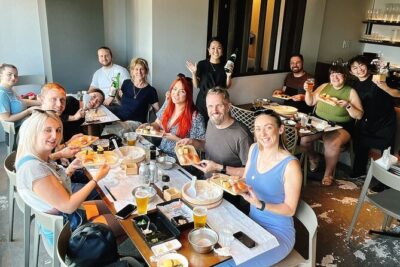
Sushi Making Tokyo Roll and Authentic Japanese Sushi Class
Read our review →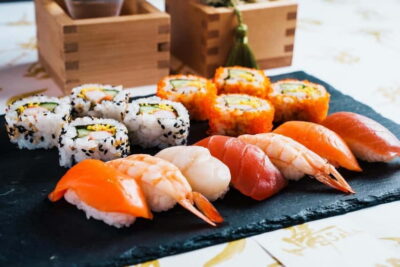
Roll and Authentic Sushi Making Class in Asakusa
Read our review →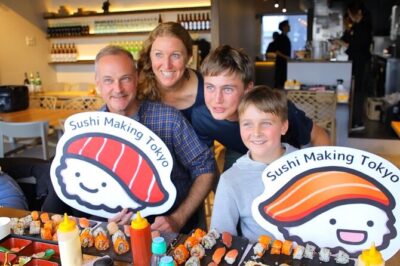
Make Sushi and Create Unforgettable Memories in Tokyo
Read our review →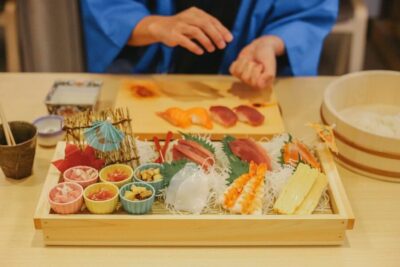
Sushi Making Class in a Happi Coat near a Famous Spot
Read our review →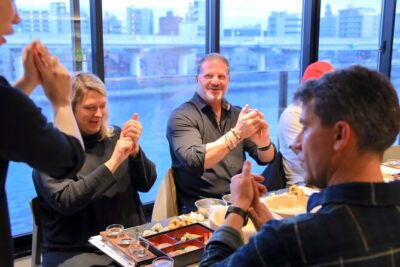
Sushi Making Osaka Roll and Authentic Japanese Sushi Class
Read our review →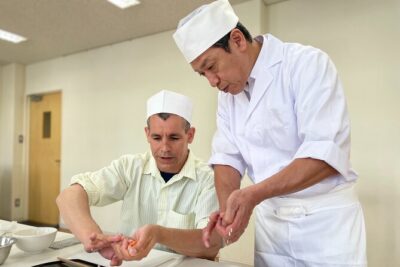
Tokyo Sushi Making Class in Tsukiji with Professional Chef
Read our review →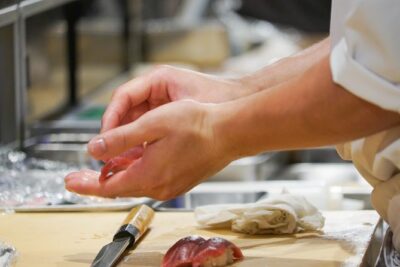
Tokyo Night Foodie Tour in Shinjuku – Seasonal Sushi, Wagyu Beef
Read our review →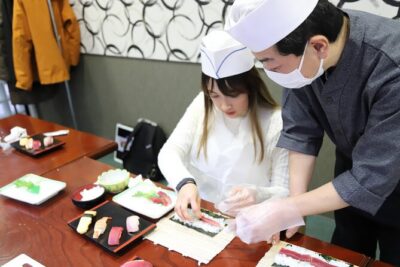
Tsukiji Fish Market Guided Tour and Sushi Making with Pro Chef
Read our review →Browse the lists this tour appears in