
Reviewed · RAMEN EXPERIENCES
Asakusa Classic Ramen & Crispy Gyoza Cooking Class
Tokyo’s food tours can be fun, but this one is different because you get hands-on practice, not just a meal. You’ll learn the work behind ramen broth and crispy gyoza, in a small group with Masa and Junko running the show. The payoff is that you sit down with what you made, in a real kitchen setting.
I love the format: ramen and gyoza in the same class, so your skills actually stack. I also love that you get recipes at the end, so the class is not just a one-night memory. And the instructors are a couple team, organized and warm, with Masa guiding the cooking and Junko helping with photos and videos during the session.
One possible drawback is the time and intensity. It’s only about 3 hours, but it includes real prep work, including vegetable cutting and hands-on dumpling folding, so it helps to have decent comfort in the kitchen, especially if you’re bringing kids.
Key things I’d focus on before you book
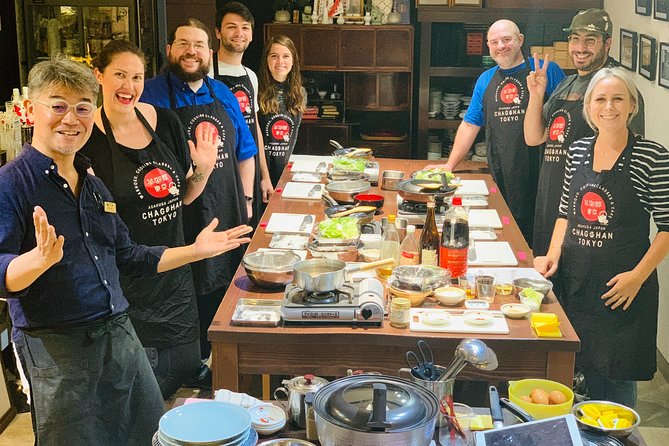
- Small-group limit of 8, which keeps the class interactive and makes questions easy to answer.
- Ramen broth and base from scratch, not a shortcut kit, plus toppings and assembly at the end.
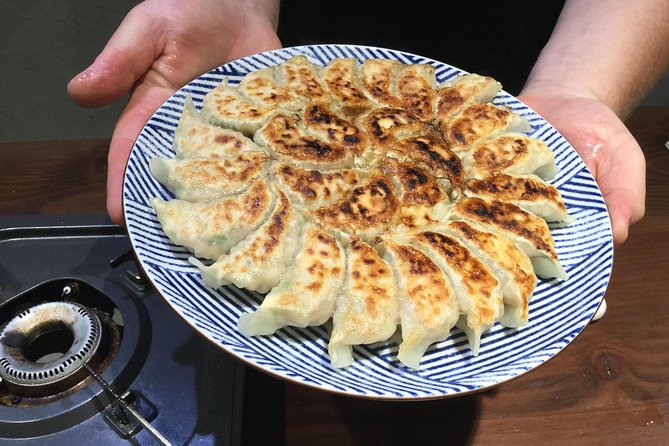
- Hand-folded gyoza with guidance for getting a crisp, crunchy outside.
- No need to bring tools, since apron and utensils are provided.
- MSG-free, natural ingredients, plus vegetarian and vegan options with advance notice.
- You leave with recipes, so you can try shoyu ramen and gyoza again at home.
A ramen-and-gyoza class in Asakusa that actually teaches you the work
If you care about Japanese food beyond eating it, this cooking class hits the right note. You come to Tokyo for ramen, sure. But this experience makes you learn how ramen gets built, step by step, from the broth base to the bowl you assemble at the end. The gyoza part matters too, because crispy dumplings are not just about one magic trick. It’s about prep, folding technique, and cooking method.
Asakusa is a smart neighborhood choice for a cooking class. You get a classic Tokyo feel without needing to “tour hard” just to have dinner. And because the class is in a working kitchen near public transportation, you’re not spending your whole day on logistics.
The strongest part of the experience is that it’s practical. It’s not theory hour. You’re cooking with real ingredients, using a real kitchen setup, and you’re guided in a way that makes the process feel repeatable later.
More Cooking Classes in Tokyo
- Ramen & Gyoza Cooking Class in Tokyo with Local Supermarket Visit
★ 5.0 · 823 reviews - Tokyo: Easy Ramen Cooking Experience in Kabukicho, Shinjuku
★ 4.6 · 321 reviews - Ramen and Sushi Cooking Class with Sake Pairing Set in Tokyo
★ 5.0 · 291 reviews
Meet Masa and Junko in a real working kitchen setting
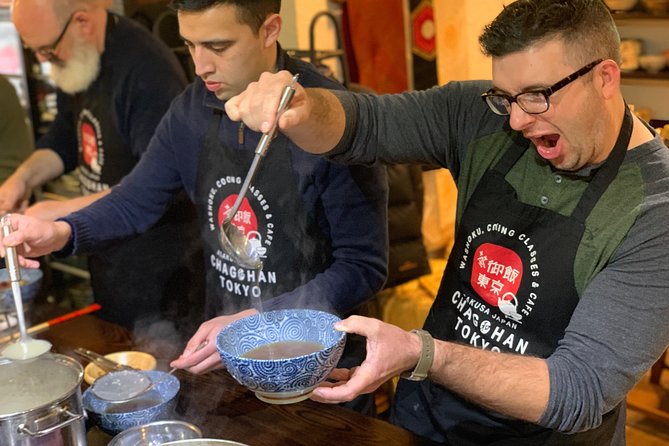
This class is run by a husband and wife team, Masa and Junko. Based on what people consistently note, they’re friendly and funny, and they teach in clear steps. Masa is especially praised for his instruction and English, which is a big deal for cooking classes. When you’re handling knives, sauces, and timings, you want to understand what to do and why.
Another detail I like is the “real kitchen” feel. It’s not the kind of class where you’re squeezing into someone’s home kitchen and hoping it works. The setup is described as clean and well organized, which matters when you’re doing multiple tasks in a short window.
Junko also helps with photos and videos during the class. That means you’re not constantly juggling your phone and your chopsticks. You can focus on the food, and you still get visual memories of the process and your finished bowl.
What happens during the ramen portion, from broth base to your assembled bowl
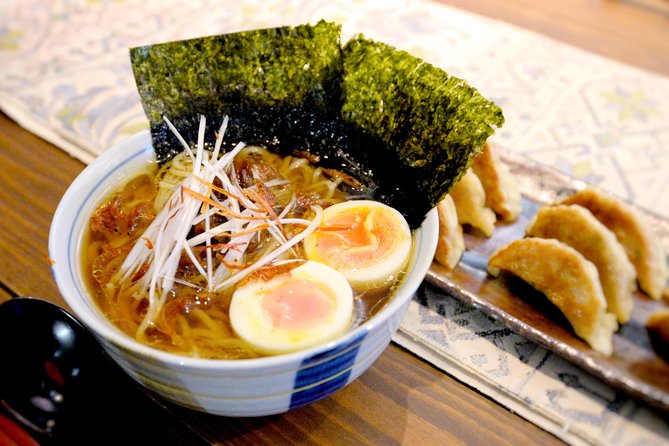
The ramen section is built around making the ramen broth and base from scratch, then preparing toppings. The goal is a bowl that tastes like ramen you’d order, not like something improvised.
Here’s how to think about it as a student:
- Broth work is the backbone. Shoyu-style ramen is all about balance. In class, you’re taught how to prepare the ramen base and broth from scratch, with steps explained clearly enough that you can follow later when you’re cooking at home.
- Toppings add identity. You don’t just learn broth. You also prep and get familiar with toppings so the bowl looks right and tastes layered.
- Assembly is part of the lesson. At the end, you assemble a photogenic bowl. That assembly matters because it forces you to think about order, portioning, and how the elements interact.
Now, a realistic point. One review notes that for shoyu stock, the chef may execute parts while students follow along and assemble the final bowl. That’s common in tight cooking schedules. So think of it as: you’ll learn the key process and do major hands-on tasks, but some of the most complex multi-step broth timing may be handled with chef leadership. Either way, you leave with the recipes so you can replicate the full process later.
And yes, you do get to eat what you make. You end up with a finished ramen bowl, and gyoza portions are included too. One common mention is about 8 gyoza plus a full bowl of chicken ramen, so plan to eat well, not just snack.
Gyoza practice: crisp technique and hand-folded dumplings
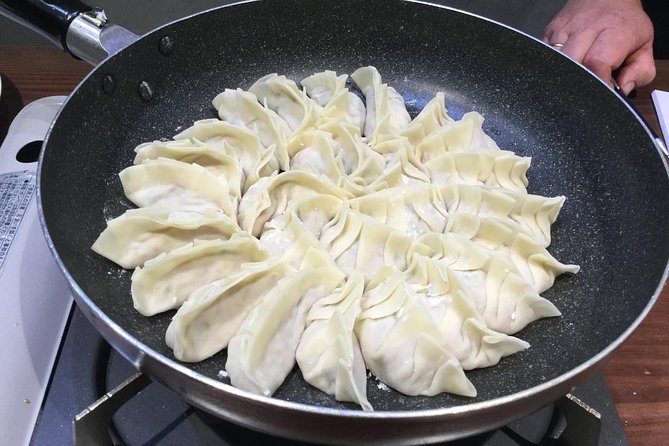
Gyoza sounds simple until you try to make it crisp and crunchy. This class focuses on getting the dumplings right, including the filling and the folding by hand.
You’ll learn:
- how to make the filling for gyoza
- how to fold dumplings by hand
- vegetable cutting techniques used for the gyoza components
Knife work comes up a lot in gyoza prep. The folding itself is another skill. In the best classes, teachers don’t just show you once. They guide you through the steps so you can actually make them yourself.
The crispy part is the big reason to do this in a class instead of reading a recipe. Crisp gyoza is about more than ingredients. It’s about technique and timing, plus how the dumplings are cooked so the outside turns golden and firm while the inside stays juicy.
If you’re a beginner, you’ll still get there. Reviews repeatedly highlight that even people who are not confident cooks can follow step by step and end up with dumplings that taste very good. If you already cook a bit, you’ll probably appreciate the detail in the vegetable prep and folding methods.
More Ramen Experiences in Tokyo
- Eat and Drink Like a Local: Tokyo Ueno Food Tour-Taverns&Ramen
★ 5.0 · 957 reviews - Tokyo: Ramen Tasting Tour with 6 Mini Bowls of Ramen
★ 4.9 · 432 reviews - Professional Ramen & Gyoza with Ramen Chef in a restaurant!
★ 5.0 · 223 reviews - Shibuya: Ramen Dojo Tokyo | Make All 3 (Tonkotsu/Shoyu/Miso)
★ 5.0 · 214 reviews
Apron, utensils, ingredients, and dietary options that are actually covered
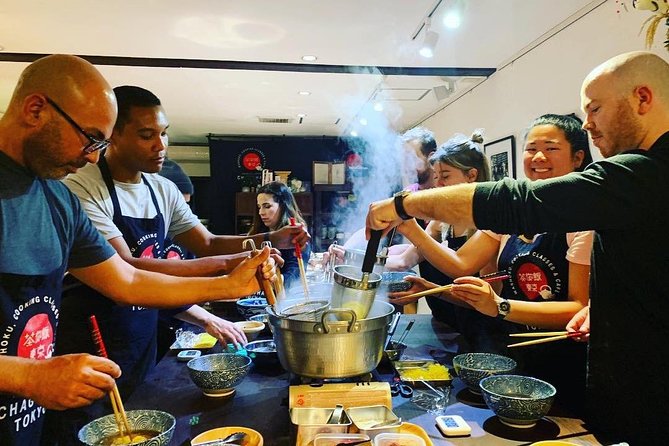
One of the easiest ways to judge value in a cooking class is to ask what you’re responsible for. Here, you don’t need to bring much.
- Apron and utensils are provided, so you can come as you are.
- All-natural ingredients are provided, with no MSG or artificial additives.
- Vegetarian and vegan options are available if you request them in advance.
That last point is important. Many classes say “we can do something.” This one explicitly offers veg and vegan options with advance notice. If you have dietary requirements, you’ll want to book with that clearly in mind so the ingredients can be planned.
Also, even though you’re cooking Japanese comfort food, the “no MSG” detail shows up as a real part of how the class approaches flavor. You’re learning how to build taste through ingredients and technique, not relying on a shortcut.
Timing, group size, and the meeting point in Nishiasakusa
The class runs about 3 hours. There are two options:
- Morning: 10:00 a.m. to 1:00 p.m.
- Afternoon: 3:00 p.m. to 6:00 p.m.
Class duration is an estimate, so build a little buffer into your day. Cooking classes also often run on “kitchen time,” which means they may shift slightly based on the steps and group pace.
Group size is capped at a maximum of 8. That’s a sweet spot. It’s intimate enough for hands-on help and questions, but big enough that the class still feels lively. If you have a team or a larger group, the info states that groups of 8 or more should contact the provider, so keep that in mind.
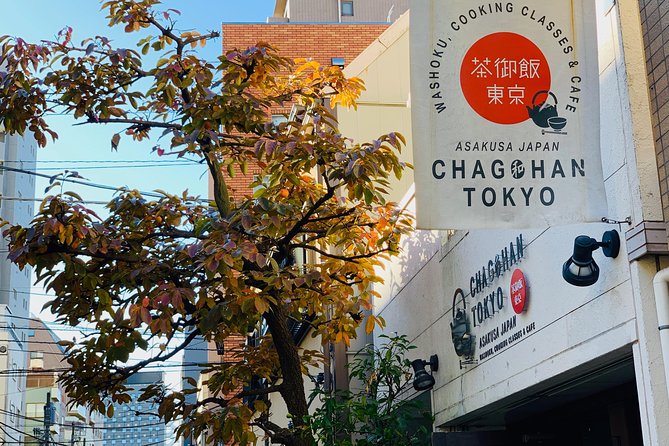
Meeting point is at 茶御飯東京 Chagohan Tokyo, 1F, 2-chōme 17-13, Nishiasakusa, Taito City, Tokyo 111-0035. It’s also noted as near public transportation, which is exactly what you want for a short, timed experience.
What you get to eat, and why that matters for learning
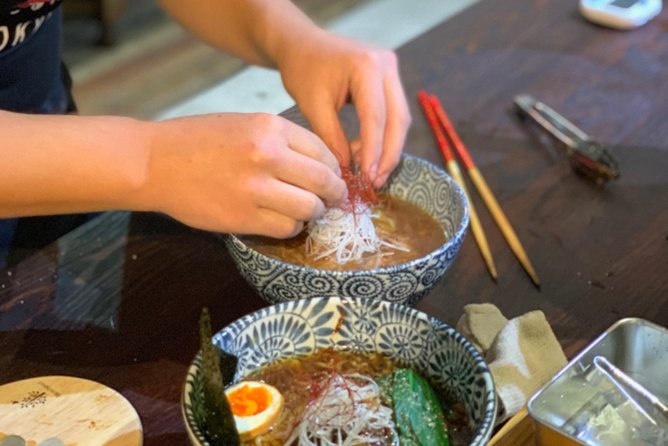
Food-first classes are fun. But learning really sticks when you eat the results right away.
Here, you cook ramen and gyoza, then you sit down and enjoy the dishes you made. That immediate feedback is powerful. When you taste the broth and bite into the dumpling, you understand how the steps you followed translate into flavor and texture.
It also makes the class easier to justify. You’re not paying only for instruction. You’re paying for a full meal plus the skills to recreate it.
And the “photogenic bowl” detail is real in a practical sense. When teachers guide your assembly, you end up with something that looks right. That makes the experience more memorable, and it gives you a clearer mental picture for recreating the dish later.
Recipes you can use at home, not just a souvenir
A lot of cooking classes give you something to look at later. This one gives you recipes so you can recreate ramen and gyoza at home.
What I like about that promise is that it turns the class into a lasting skill-building experience. If you love ramen, you probably already have a habit of ordering it when you travel. The recipes help you build the next habit at home, cooking gyoza and attempting ramen in your own kitchen.
Also, reviews mention digital copies of recipes with detailed instructions. That’s exactly how you’ll want it when you’re cooking later and don’t want to hunt down a paper sheet.
A small practical tip: when you get the recipes, skim them before you start cooking at home. Then cook one piece at a time, like gyoza first. Ramen is more of a project because broth work takes time. That way you’re not overwhelmed on day one.
Price and value: is $167.81 per person fair?
At $167.81 per person, this isn’t a cheap “snack experience.” But for Tokyo, it can be fair value if you approach it like a skill lesson, not like dinner.
Here’s the value math as I see it:
- You get hands-on ramen and gyoza instruction, with broth base work and dumpling folding.
- You get ingredients supplied, including natural ingredients and a no MSG approach.
- You get a meal, since you eat what you make.
- You get recipes to take home, including digital copies mentioned in reviews.
If you were just eating ramen, $167.81 could buy multiple meals. But you would not be learning the broth building blocks or the gyoza crisping process. This class is priced like an active workshop with a real kitchen, capped group size, and take-home materials.
Also, the fact that it’s booked on average about 27 days in advance suggests it fills up. When a class is consistently booked, it usually means people find it worth the money.
Who should book this class, and who should think twice
Best fit:
- Ramen lovers who want more than tasting
- Gyoza fans who care about crisp texture
- Beginner cooks who want step-by-step guidance
- Couples and friends looking for an activity that ends with a shared meal
- Families with older teens, because there is knife work involved in the vegetable prep
If you’re very sensitive to knives or you want a totally low-effort activity, you might feel the prep time more than you’d like. The class is interactive, and you’ll be doing work, not just watching.
If you’re a serious home cook, you’ll still enjoy it, especially for the folding technique and the practical approach to making a bowl that tastes right.
Tips before you go so you get the most out of the 10:00 or 3:00 slot
These are small, practical things that can improve your experience fast:
- Wear comfortable clothes you don’t mind getting a little kitchen splatter on.
- Pay attention to the knife prep part if you want the gyoza filling to taste right later.
- During the broth steps, ask quick questions when something clicks. That’s where you build your repeatable method.
- Take a photo of your finished gyoza right before you eat, then focus on the flavors. You’ll remember the texture better.
- If you have a dietary preference like vegetarian or vegan, request it early so the class can plan the ingredients.
Also, plan your day so you’re not sprinting to the next thing right after class. You’ll be busy during the cooking, then you sit down to eat. Give yourself time to enjoy the meal and let the experience land.
Should you book this Asakusa ramen and crispy gyoza class?
I think you should book it if you want a Tokyo food experience that teaches skills you’ll actually use. The small group size, the broth and gyoza focus, the clean organized kitchen, and the take-home recipes are the key reasons it’s worth your time.
Skip it or think twice if you want a purely passive show-and-taste tour, or if knife work and active prep are a deal breaker for you or your group.
If you book, choose the time that fits your energy level. Morning is great if you want the class to set the tone for the rest of your day. Afternoon works if you prefer a late lunch vibe or dinner timing afterward.
FAQ
How long is the cooking class?
The class is about 3 hours (approximate).
Are there morning and afternoon class times?
Yes. There is a morning class from 10:00 a.m. to 1:00 p.m., and an afternoon class from 3:00 p.m. to 6:00 p.m.
What is the maximum group size?
The class has a maximum of 8 travelers.
Where does the class meet?
The meeting point is 茶御飯東京 Chagohan Tokyo, 1F, Nishiasakusa, Taito City, Tokyo 111-0035 (2-chōme17-13).
Do I need to bring utensils or ingredients?
No. Apron and utensils are provided, and all-natural ingredients are provided. You do not need to bring anything.
Is there any MSG or artificial additives used?
The class notes that ingredients are natural and there is no MSG or artificial additives.
Can vegetarians or vegans join?
Yes. Vegetarian and vegan options are available with advance notice.
Do I eat what I cook?
Yes. At the end, you can sit down and enjoy the ramen and gyoza you prepared.
Are recipes provided after the class?
Yes. You receive recipes so you can recreate the dishes at home, including digital copies mentioned in reviews.
What is the cancellation policy?
This experience is non-refundable and cannot be changed for any reason. If canceled due to poor weather, you will be offered a different date or a full refund. If canceled because the minimum number of travelers is not met, you will be offered a different date or a full refund.
Latest write-ups near Tokyo
- Tokyo Customized Private Tour: See Top Attractions in 1 Day★ 4.8 · 67 reviews
- From Tokyo: Top 5 Scenic Spots of Mount Fuji Full-Day Tour★ 4.5 · 67 reviews
- Tokyo: Shinjuku Izakaya and Golden Gai Bar Hopping Tour (2h)★ 4.9 · 67 reviews
- Traditional Japanese Music ZAKURO SHOW in Tokyo★ 5.0 · 67 reviews
- Tsukiji: Unlimited Sake Tasting Experience★ 4.9 · 67 reviews
- Tokyo: Not a show- a professional sumo practice with experts★ 4.9 · 67 reviews
- Samurai Ninja Museum Asakusa: Kid-Friendly Ninja Training★ 4.7 · 67 reviews
- Private Harajuku Omotesando Architecture Walking Tour★ 5.0 · 67 reviews
Ramen Experiences, compared.
Ramen Cooking Class at Ramen Factory in Kyoto
Read our review →
Eat and Drink Like a Local: Tokyo Ueno Food Tour-Taverns&Ramen
Read our review →
Ramen & Gyoza Cooking Class in Tokyo with Local Supermarket Visit
Read our review →
Ramen Cooking Class at a Ramen Factory with Souvenir
Read our review →

Five Must-See Highlights Walking Tour & Ramen Lunch
Read our review →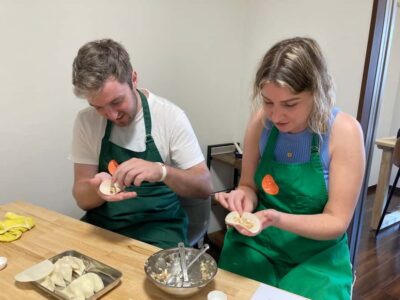
Browse the lists this tour appears in