
Reviewed · COOKING CLASSES
Japanese Food Cooking Class in Asakusa, Tokyo
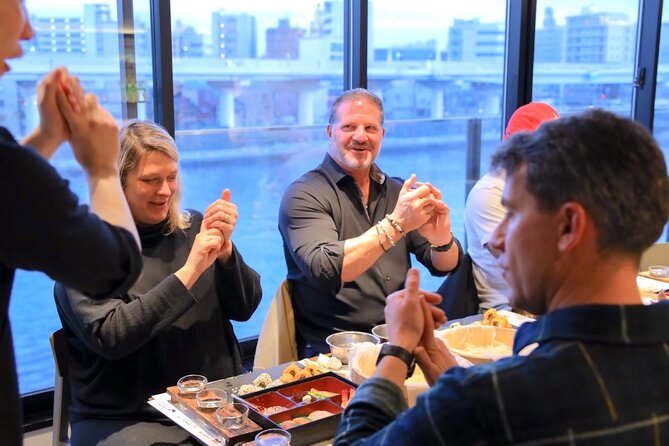
This is interesting because you do two core Japanese food skills in one go, sushi rolling and matcha whisking, right in old-school Asakusa. I like that the format is hands-on from start to finish, not a watch-and-hope lesson, and I like that the instructors pace it so you can actually finish with food you want to eat. It is also close to major sights, so it fits neatly into a day of temple wandering and street snacks.
One thing to consider: the class is designed around cooking time, so if you want slow, deep technique practice, this may feel a bit fast. Also, sushi prep can get a little messy, so wear something you do not mind getting sticky with rice.
Key Highlights To Know Before You Go
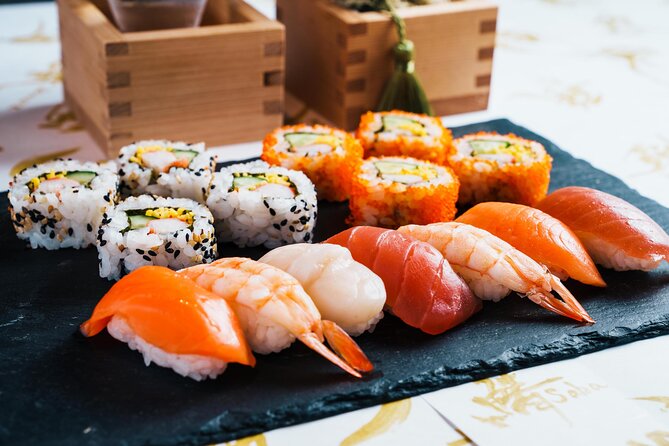
- Two skills, one session: matcha (about 1 hour) plus sushi (about 1 hour 40 minutes)
- Small group size: up to 15 travelers, which helps you get real guidance
- English speaking instruction: step by step support without needing prior experience
- Action first: you end up making sushi yourself, not just sampling
- Close to Sensoji Temple: a convenient cultural stop in central Asakusa
- Great instructor energy: names you may hear in the class include Jun and Kazu, often described as patient and funny
Sushi And Matcha In Asakusa: What You Really Do
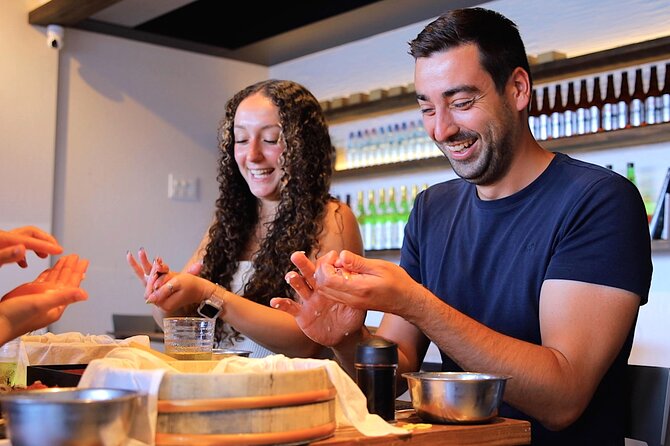
If you are trying to experience Japan in a way that is hands-on and memorable, this class hits the sweet spot. You are not just tasting; you are building. First you learn the basics of making Japanese matcha by practicing the proper whisking approach. Then you move into sushi, where you work with ingredients and techniques that turn into rolls and nigiri you can eat right away.
The pairing matters. Matcha teaches you the discipline behind a simple cup, while sushi teaches balance, shaping, and restraint with toppings and rice. Doing them back to back is a nice way to feel how Japanese cooking can be both precise and surprisingly approachable.
You will also appreciate the setting. Asakusa is the Tokyo neighborhood people pick when they want traditional vibes. The meeting point is a short walk from the famous Sensoji Temple area, so your class can slot into a sightseeing day without big detours.
More Cooking Classes in Tokyo
- Ramen & Gyoza Cooking Class in Tokyo with Local Supermarket Visit
★ 5.0 · 823 reviews - Tokyo: Easy Ramen Cooking Experience in Kabukicho, Shinjuku
★ 4.6 · 321 reviews - Ramen and Sushi Cooking Class with Sake Pairing Set in Tokyo
★ 5.0 · 291 reviews
Where You Meet, And How To Plan Your Time
You meet at 2-chōme-17-9 Kaminarimon, Taito City, Tokyo 111-0034, Japan, and the activity ends back at the meeting point. That matters because it keeps your day simple. No hotel pickup, no complicated transfer plans, and no mystery route back to your next stop.
The class lasts about 3 hours total. That includes the two cooking blocks, plus the time needed for instruction and making sure everyone finishes. If you are doing other things in Asakusa that day, I suggest giving yourself a little buffer before or after, just in case you run into typical Tokyo delays like train crowding or a detour around a busy street.
The tour uses a mobile ticket, and you should expect confirmation within 48 hours of booking, based on availability. Practical tip: make sure your phone battery is healthy. In this part of Tokyo, small delays are usually manageable, but you do not want to be hunting for your ticket at the last second.
Matcha Making Stop: Whisking A Classic, Not Guessing
Your first session is matcha making, about 1 hour, with the admission ticket included. This is a good opener because it gets you focused right away. You learn how to whisk matcha in the traditional way, and that is the core skill. In a basic sense, you are practicing consistency: making sure the powder mixes properly so it looks right and tastes right.
What I like about starting with matcha is that it sets a tone. Even if you have never handled matcha before, the class structure helps you do it step by step. You are not thrown into the deep end, and that matters most at the start of a cooking class. By the time you move on to sushi, you already have the idea of how the instructors want you to work: patient, careful, and attentive to small details.
Also, matcha is one of those “I get it now” skills. Once you see the difference whisked vs. not whisked, you cannot unsee it, and it makes the rest of the cooking lesson feel more grounded.
Sushi Making Stop: Rolls And Nigiri With Real Guidance
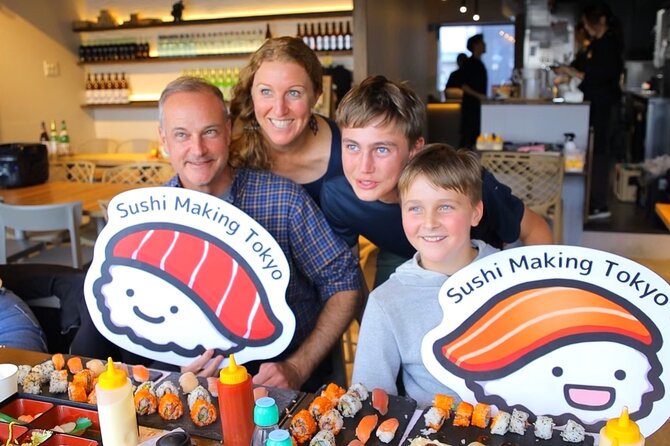
The sushi portion runs about 1 hour 40 minutes, also with the admission ticket included. This is where the class becomes genuinely satisfying because you are actively making sushi, not just learning theory.
The typical outcome is that you learn how to roll sushi and how to make nigiri, using fresh ingredients guided by an English speaking instructor. Many people appreciate how the instructors walk through each step and check that your sushi is on track as you go. The goal is that you end with sushi that looks good enough to feel proud of and tastes good enough that you immediately want another bite.
What stands out in the instructor style is patience. In the feedback you can see a clear pattern: people mention instructors who are not only friendly but also funny, and who take the time to make sure you understand before moving on. Some names that come up include Jun and Kazu. That kind of teaching energy is what turns a class from “I tried” into “I learned something real.”
The class also touches on history, at least at a basic level. If you care about context, this is a pleasant bonus. Instead of just doing motions, you get a little grounding for why sushi techniques exist, which makes the hands-on practice feel more meaningful.
More Food & Drink in Tokyo
- Tokyo: Shinjuku Food Tour (13 Dishes at 4 Local Eateries)
★ 5.0 · 6,603 reviews - Tokyo Tsukiji Fish Market Food and Culture Walking Tour
★ 5.0 · 3,184 reviews - Tokyo: Shinjuku Food Tour (15 Dishes and 4 Eateries)
★ 4.9 · 2,033 reviews - Best of Shinjuku: Izakaya Food Tour (4 Stops, 14+ Tastings)
★ 5.0 · 1,863 reviews
What Ingredients And Meal Feel Like In Practice
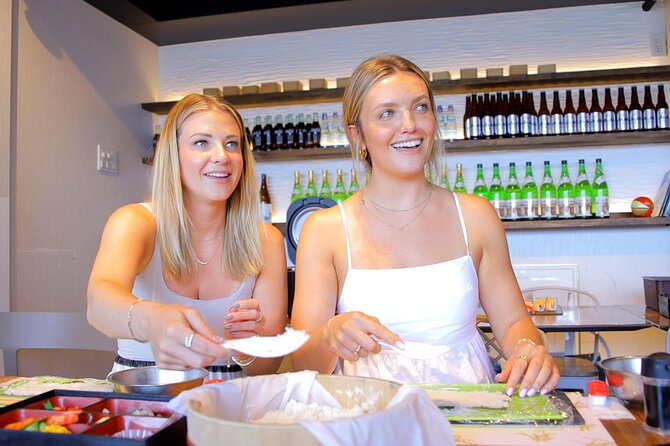
Included in your price are the ingredients of the class and the meal you make. That means you are not paying extra at the end to eat what you cooked. It also reduces the mental load, because you can focus on technique.
The feedback commonly points to good ingredients and enough sushi to feel like you actually cooked, not just assembled a tiny snack. For your day, that is a big deal. You will likely leave with full stomach confidence, which makes it easier to skip a costly meal later.
Still, this is a cooking class, so expect rice handling, a few sticky moments, and a little food mess in normal ways. Wear practical clothes, tie long hair back, and if you are planning to explore right after, consider bringing wipes or a small towel.
The Instructor And Small Group Advantage
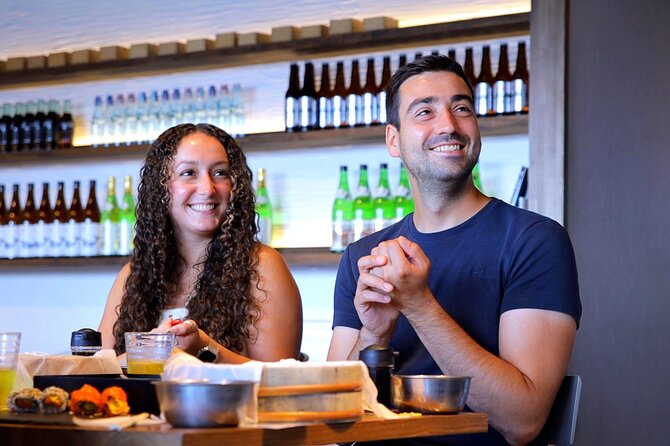
The group size is capped at a maximum of 15 travelers, and there are English speaking instructors. You do not need prior experience. That combination matters because sushi instruction can be hard to scale when groups are large. With a smaller group, the teacher can correct your grip, your portion size, and your shaping before it becomes a habit.
In the reviews, people repeatedly describe instructors as friendly and helpful, with a sense of humor that keeps the atmosphere light. That is not just personality. It is practical. When you feel comfortable asking for clarification, you learn faster and you worry less about getting it wrong.
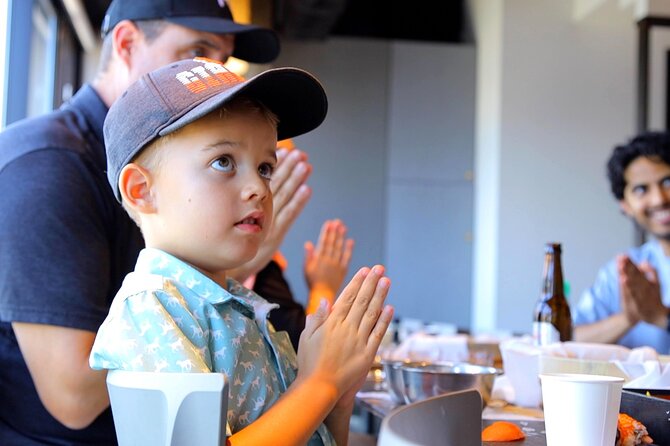
For families, this also tends to be a good setup. The class is described as a strong fit for kids, with examples including children around ages 7 and 9 who enjoyed making and eating their own sushi. If you are traveling with younger eaters, this is the kind of activity that helps them stay engaged without turning into a long sitting tour.
Value And Price: Is About $86 Worth It?
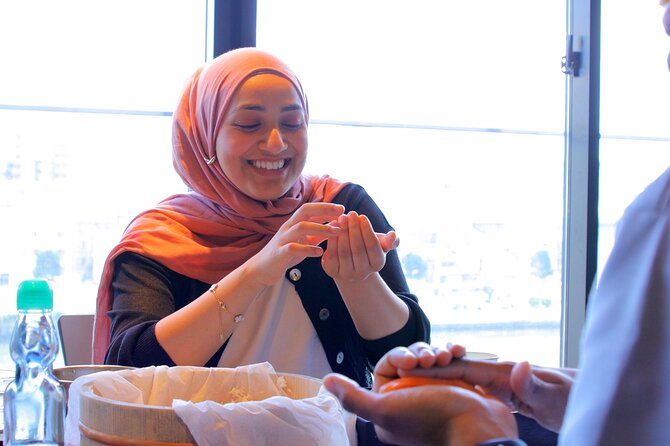
At $85.87 per group, up to 1, you should think of this as a pay-for-a-person experience, not a bargain group deal. If you are traveling as a couple or a group of friends, you may each be paying, depending on how your booking is structured. The price can feel high if you only want a quick taste.
But the value logic is straightforward: you get a full practical class with English instruction, included ingredients, and the meal you cook. You also get two different skill sessions within one visit, matcha plus sushi, rather than paying for separate activities.
Here is how I’d judge whether it is worth it for you:
- If you want an active cultural experience where you leave with edible results, it is strong value.
- If you only want a sampling and you are watching your budget tightly, you might prefer a food tour or street-food tasting instead.
The fact it is near Sensoji is also part of the value. When an activity is in the right place, you spend less time and money getting there, and you waste fewer hours.
Practical Tips For A Smoother Class
A few things will help you enjoy the session more and get better results.
Wear something easy to handle. You will work with rice and utensils. If you spill, you do not want to be stuck in something delicate.
Plan your day to avoid rushing. With about 3 hours total, you want to arrive ready to learn, not coming off a long travel day.
Go into it with curiosity, not fear. Sushi seems intimidating until you get the step by step rhythm. Then it becomes a craft you can repeat.
If you are sensitive to strong food smells, note that sushi ingredients and rice can smell like fresh food prep. It is not unpleasant, but it is not odor-free.
If you have dietary restrictions, the only safe move is to check directly with the provider before you go, since specific dietary accommodations are not listed in the information you have here.
Who Should Book This Class, And Who Might Skip It
This class is a great match if you want:
- A memorable hands-on food experience in Asakusa
- A lesson taught in English
- To learn basic sushi rolling and nigiri techniques you can actually practice later
- Something suitable for a family day, with activity built in
You might skip it if:
- You want a long, advanced course focused on professional-level sushi mastery
- You dislike cooking in a group setting
- You only want to sample food, with minimal hands-on work
- You are on a strict budget and $85.87 is hard to justify
Final Decision: Should You Book This Japanese Food Class in Asakusa?
If your goal is to leave Tokyo with a skill and a story, I think you should book. The combination is rare in a simple half-day format: matcha whisking plus sushi making, both with included ingredients and English instruction. The small group cap of 15 also makes it more likely you get personal guidance when you need it.
If you are the type who loves learning by doing, especially with patient, playful teaching (names like Jun and Kazu pop up for a reason), this is a satisfying way to spend a few hours near Sensoji. Just go in knowing it is paced to finish, so you will learn the basics and walk away with tasty results, not a lifelong certification in sushi craft.
FAQ
How long is the cooking class?
The total duration is about 3 hours, including the matcha and sushi sessions.
Where do I meet the group?
The meeting point is 2-chōme-17-9 Kaminarimon, Taito City, Tokyo 111-0034, Japan, and the tour ends back at the same place.
What will I make during the class?
You will make matcha by whisking it the traditional way and you will make sushi, including learning rolls and nigiri.
Is prior cooking experience required?
No experience is needed. Instructors guide you in English step by step.
Is the instructor English speaking?
Yes, the class includes an English speaking instructor.
Does the price include ingredients and the meal?
Yes, ingredients for the cooking class and the meal are included.
Is hotel pickup and drop-off included?
No. Hotel pickup and drop-off are not included.
How many people are in the group?
The maximum group size is 15 travelers.
Is there a cancellation option if plans change?
Yes. Free cancellation is available if you cancel at least 24 hours in advance for a full refund.
Latest write-ups near Tokyo
- Tokyo Nights: Shibuya Photo Adventure★ 5.0 · 20 reviews
- Wagyu & Sake 8 Course Tasting Dinner in Shinjuku★ 4.9 · 20 reviews
- Making Japanese desserts Nerikiri & drinking matcha in Tokyo★ 5.0 · 20 reviews
- Japanese Whisky Hunting《HIGH-QUALITY-ONLY》Rare Tasting Class★ 5.0 · 20 reviews
- Mt. Fuji 5th Station, Owakudani Ropeway, Pirate Ship plus Outlet shopping!★ 4.5 · 20 reviews
- Kintsugi Experience with Arita Ware in Tokyo (English Guide)★ 4.8 · 20 reviews
- This is Asakusa! A Tour Includes the All Must-Sees!★ 5.0 · 20 reviews
- Tokyo: Karate Experience with Former All-Japan Champion★ 5.0 · 20 reviews
Cooking Classes, compared.
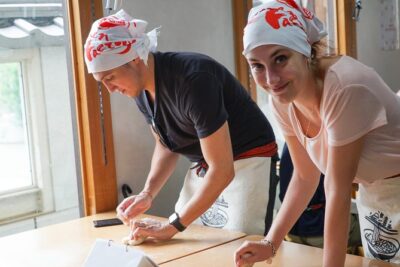
Ramen Cooking Class at Ramen Factory in Kyoto
Read our review →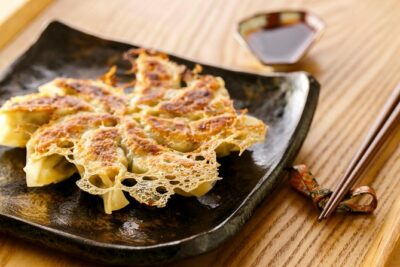
Ramen & Gyoza Cooking Class in Tokyo with Local Supermarket Visit
Read our review →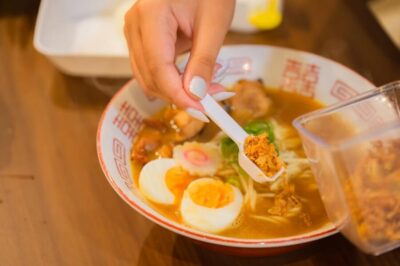
Ramen Cooking Class at a Ramen Factory with Souvenir
Read our review →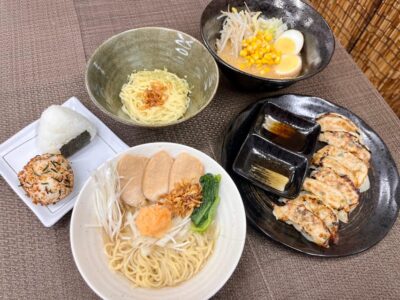
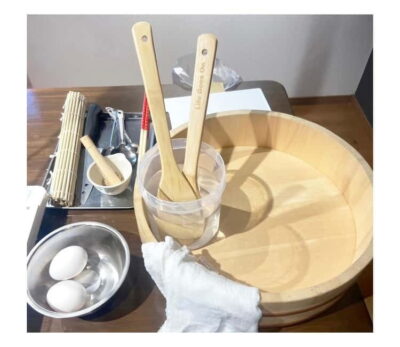
Japanese Washoku Bento Small Group Cooking Class
Read our review →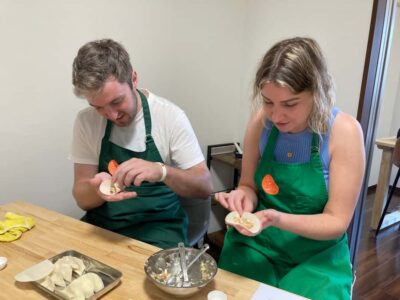
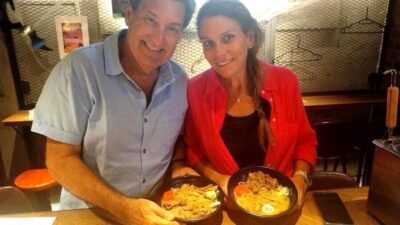
Easy Ramen Cooking Experience in Kabukicho, Shinjuku
Read our review →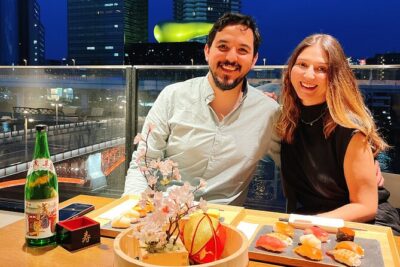
Ramen and Sushi Cooking Class with Sake Pairing Set in Tokyo
Read our review →Browse the lists this tour appears in