
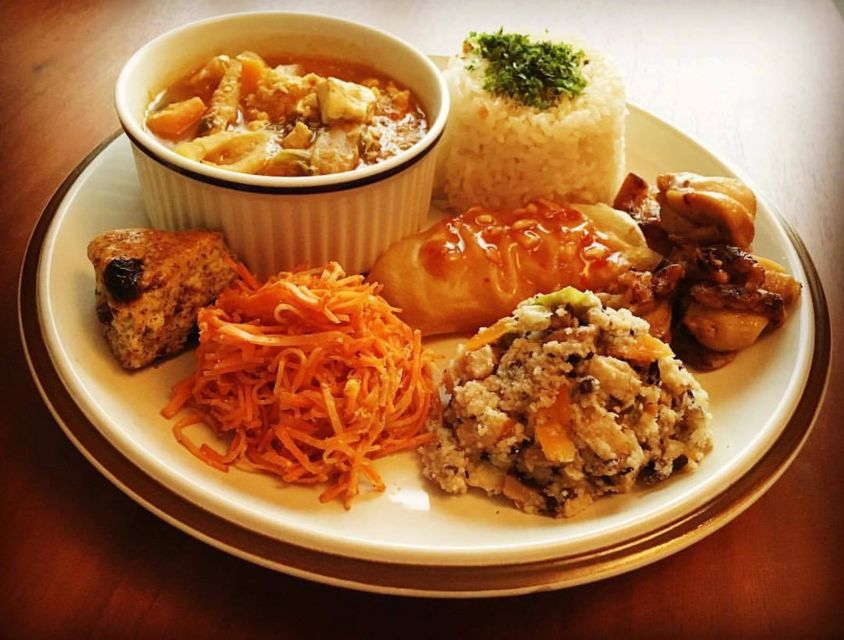
Reviewed · COOKING CLASSES
Tokyo: Private Japanese Cooking Class with a Local Chef
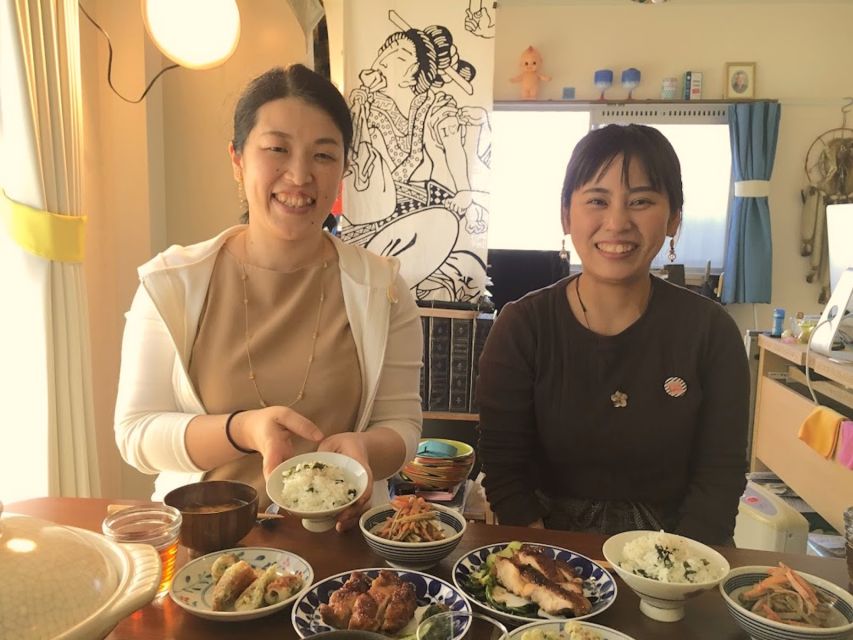
Tokyo is full of food. This experience is different because you trade watching for doing, right in a local chef’s apartment in Shinjuku. You learn the why behind the tastes, not just the steps, and you get a real sense of daily Japanese routines.
I love that the menu changes by weekday, so you are not always stuck with the same set dishes. I also love the mix of kitchen time and easy conversation with Chef Sato, including his family connection to cooking and the way he talks through seasonal ingredients.
One thing to consider: because it’s a home-style apartment class, space and setup are compact. If you expect a high-tech, big-group cooking studio, this will feel more like being invited into someone’s life for a few hours.
Key things you’ll notice right away
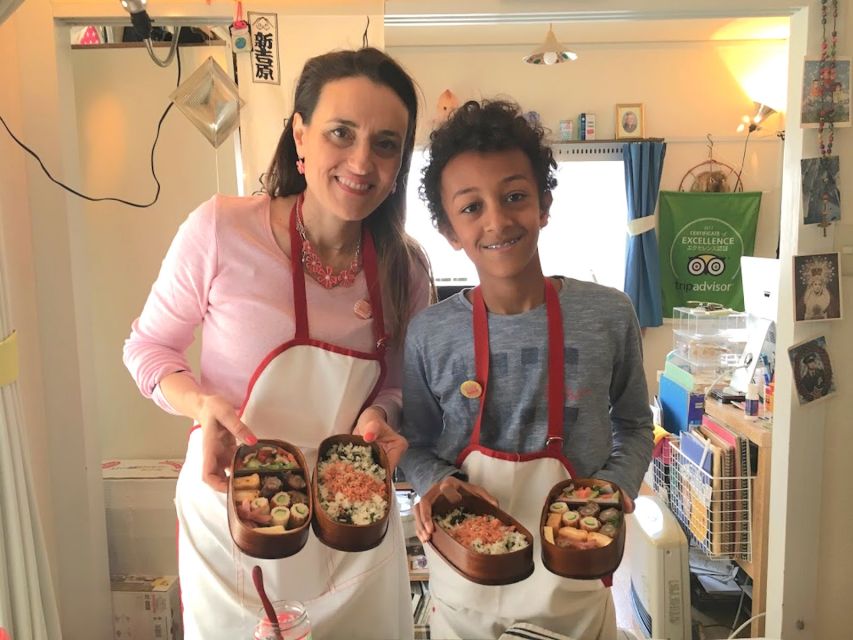
- Shinjuku, not a tourist kitchen: you cook in a neighborhood apartment setting
- Seasonal cooking is the point: the menu rotates depending on the day
- You cook 2 to 4 dishes: it’s hands-on, not just watching
- English instruction: Chef Sato teaches in English and answers questions
- After-class local walk: during morning sessions, you can join a short trip to places off the usual list
- You leave with recipes: handouts are provided so you can cook again at home
Why Chef Sato’s Shinjuku apartment setup is so special
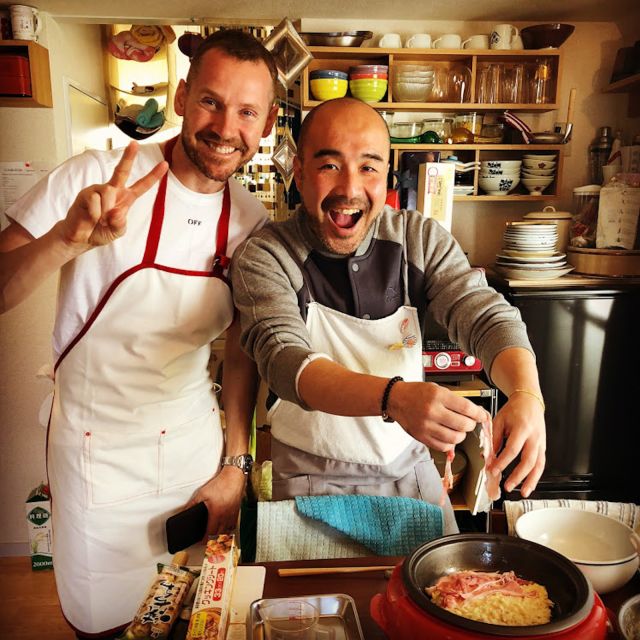
A private cooking class in Tokyo can easily become a scripted demo. This one feels more like you are stepping into real Tokyo life, because you are cooking in a normal apartment kitchen, not a showroom. The setting matters. It keeps everything calm, practical, and easy to follow, especially when you are learning Japanese techniques for the first time.
I like that the host, Chef Sato, teaches with both food and stories. People often remember the noodles. Here, you also remember the reasons behind the flavor: seasonal rhythm, ingredient choices, and how Japanese cooking balances taste and texture. The vibe is repeatedly described as relaxed and welcoming, with a lot of room for questions.
You also get a strong “Tokyo sensory” effect. You meet at Shinjuku Station, then you move into the quieter rhythm of the surrounding neighborhood. That contrast is a big part of the value: you see the city in two modes, transit chaos and everyday home routine.
More Cooking Classes in Tokyo
- Ramen & Gyoza Cooking Class in Tokyo with Local Supermarket Visit
★ 5.0 · 823 reviews - Tokyo: Easy Ramen Cooking Experience in Kabukicho, Shinjuku
★ 4.6 · 321 reviews - Ramen and Sushi Cooking Class with Sake Pairing Set in Tokyo
★ 5.0 · 291 reviews
The day-by-day menu: traditional set meals vs popular comfort food
The menu rotation is one of the smartest parts of this experience. You are not guaranteed the same dishes every day, which keeps the learning fresh and makes planning important.
The week is split like this:
- Saturday, Sunday, Monday, Tuesday: more traditional-style meal days
Expect options like teishoku set meals (rice plus a seasonal main and two seasonal sides), or dishes such as donburi, obento, tonjiru, and rice balls.
- Wednesday, Thursday, Friday: more popular food days
Think teishoku-style meals but with a fried main, or comfort favorites like curry rice, okonomiyaki, gyoza, ramen, rice burger, kara-age, and yakisoba.
What this means for you: if you want classic Japanese home cooking and a lighter, more “structured” meal style, target the traditional days. If you want the foods people associate with Japan street and evening culture, lean toward the popular-day menu.
Also notice the emphasis: the cooking centers on seasonal ingredients. Even when the dishes are familiar, you’ll likely see different vegetables or seasonal main items based on the day. That seasonal focus is not just flavor. It is a way Japanese cooks think about timing, freshness, and balance.
What you actually do in the 3 hours (and why it matters)
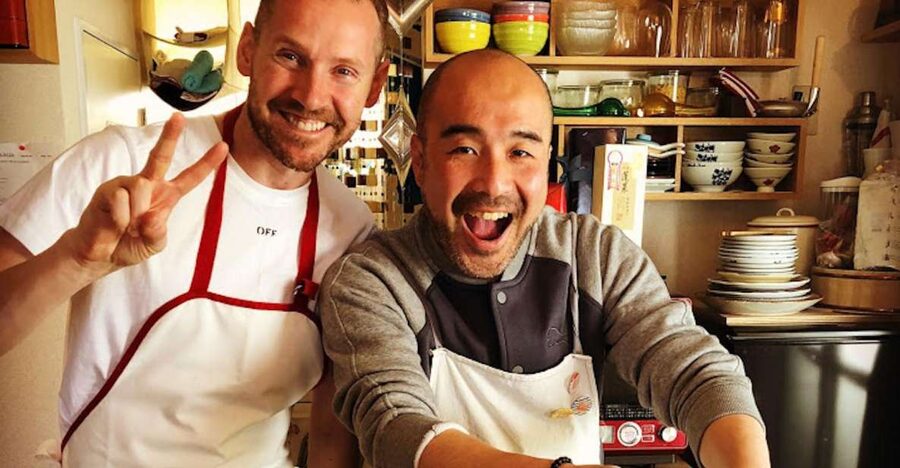
The class runs 3 hours, with start times depending on morning or evening. In both cases, it is a private group format and instruction is in English.
Here’s the flow you can expect:
1) Meet in Shinjuku, then head to the apartment kitchen
You meet at Shinjuku Station East Exit Police Box, 3-38-38-1, Shinjuku, Shinjuku-ku. Pickup is included at the meeting point, so you are not trying to decode Tokyo street geometry while hungry.
From there, you go to the chef’s apartment. This is where the tone shifts from sightseeing mode to cooking mode. Reviews consistently describe the welcoming feel and the sense that you are being hosted, not processed.
A change of pace from Tokyo:
- Mt Fuji and Hakone 1-Day Bus Tour Return by Bullet Train
★ 5.0 · 26,383 reviews - 1-Day Tokyo Bus Tour
★ 5.0 · 14,250 reviews - Tokyo: TOKYO SKYTREE® Admission ticket
★ 4.5 · 11,192 reviews - Tokyo: teamLab Planets TOKYO Digital Art Museum Entry Ticket
★ 4.6 · 9,779 reviews
2) Hands-on prep, guided step by step
You cook one menu and make 2 to 4 items. That range is important. Two items can feel more in-depth, while four items gives you a fuller meal lineup. Either way, you will do the cutting, seasoning, and assembly, not just stand nearby.
Chef Sato is known for explaining ingredients and process clearly, with patience when questions come up. People also note that the class is stress-free, meaning you can learn without feeling rushed or judged for taking your time.
Based on common menus people have taken, you may work with items like:
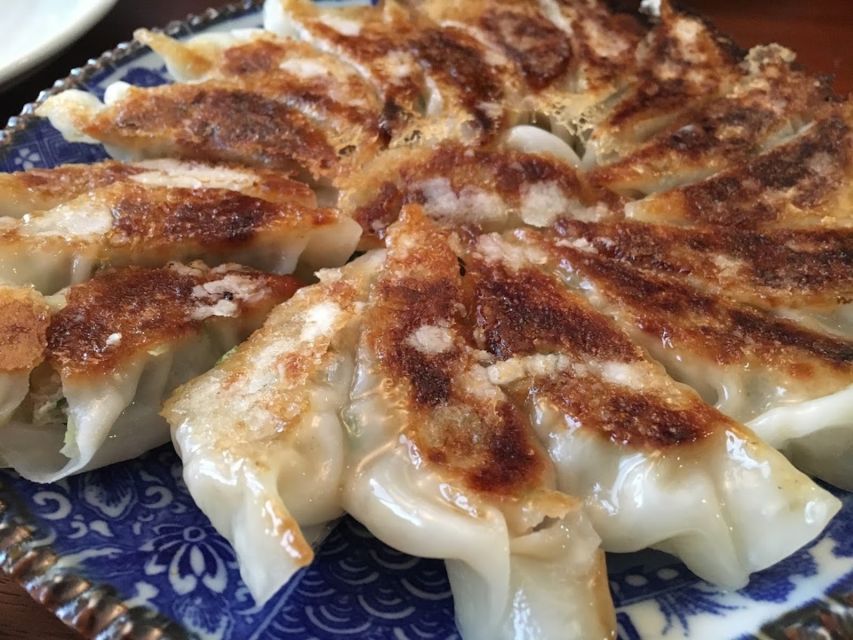
- Gyoza (often mentioned as a highlight)
- Ramen (including learning how to build and season)
- Miso soup
- Teriyaki chicken over rice
- Curry rice (sometimes katsu curry style)
- Spring tofu salad
- Chikuwa vegetable appetizers (in some sessions)
You should treat this as a menu style preview, not a guarantee of exact dishes on your date.
3) Cook, plate, and learn the finishing details
Japanese home cooking pays attention to presentation, even when the meal is casual. You may get tips on how to plate dishes nicely, and you learn small choices that change the feel of the food, like balancing saltiness, adjusting texture, and timing components so the meal lands together.
This is also where the ingredient lesson clicks. You are not only copying a recipe. You start understanding why a dish tastes the way it does.
4) Eat the meal you made
Meals are included, and you eat what you cook at the table. Add in the free drink, Japanese barley tea, and you have a full, satisfying break from the usual Tokyo pattern of grabbing snacks while moving.
You’ll also notice a practical bonus: recipe handouts are often provided, so you can recreate the dishes at home without trying to remember every step.
The optional post-class trip on morning sessions (1PM to 3:30PM)
If you book the morning class, there is an optional short trip after it, from 1PM to 3:30PM.
This part is designed for people who want more than a meal. Instead of giving you a long checklist, it’s a short walk to places that feel local, places you might not naturally find on your own.
From what people experienced, Chef Sato tends to point out the area’s personality, and the walk can extend beyond the immediate Shinjuku core into neighboring spots like Nakano. Even if you only have a day in that part of Tokyo, this mini add-on helps you connect the food you cooked to the neighborhood you’re standing in.
One practical note: if you are on an intense schedule, treat this optional trip as a “nice to have.” It’s short, but it will still take energy after cooking.
Price and value: what $120 buys in a city where classes vary
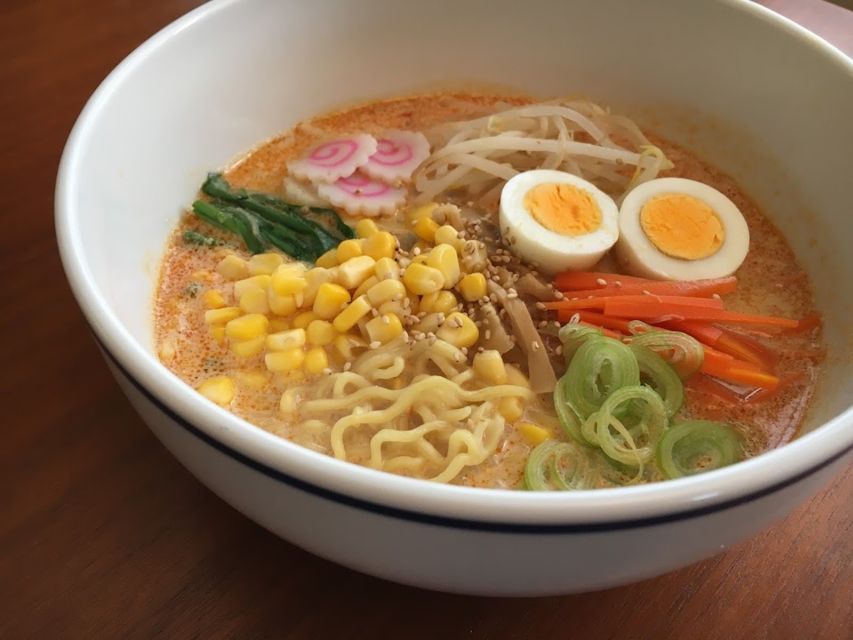
At $120 per person for about 3 hours, you are paying for three things: private time, a home setting, and the full meal plus drink.
Here is why that can be good value:
- You cook, not watch: making 2 to 4 dishes is real practice time
- Private group format: you get direct attention and space to ask questions
- Included meal: you end up eating a full set of food, not just tasting bites
- Ingredient and technique guidance: seasonal focus and English explanations reduce frustration for beginners
Compare this to classes that are cheaper but less hands-on, or classes that require you to buy extra food afterward. When you factor in the meal you eat and the fact that you are using an actual apartment kitchen, this price can feel fair, especially if you’re traveling with a partner or small group and want an experience with a personal tone.
The only budget caution is simple: you are paying for quality of attention, not for being in a huge trendy studio. If you want to maximize value by stacking multiple activities back-to-back, consider whether you truly want a full cooking session or just a quick hands-on tasting.
Who should book this class, and who might feel out of place
This is a great fit if:
- You like food-focused experiences that teach technique
- You want seasonal cooking beyond generic sushi and tempura
- You enjoy talking with a local chef and learning how food connects to everyday life
- You want something different from Tokyo’s typical “eat and move” routine
It may not be the best fit if:
- You want a large, formal classroom with lots of space
- You dislike compact home-kitchen environments
- You only want a short tasting experience, with no prep time
For beginners, it tends to work well because the class is private and guided, and because Chef Sato’s teaching style is described as patient and clear. Even if you cook at home, you might still enjoy it for the seasonal lens and the technique-specific tips.
If you care about ramen, gyoza, or Japanese comfort meals, this class is also a smart choice. Those dishes show up often in the popular-day menu, and they have been especially memorable in past sessions.
Quick practical tips before you go
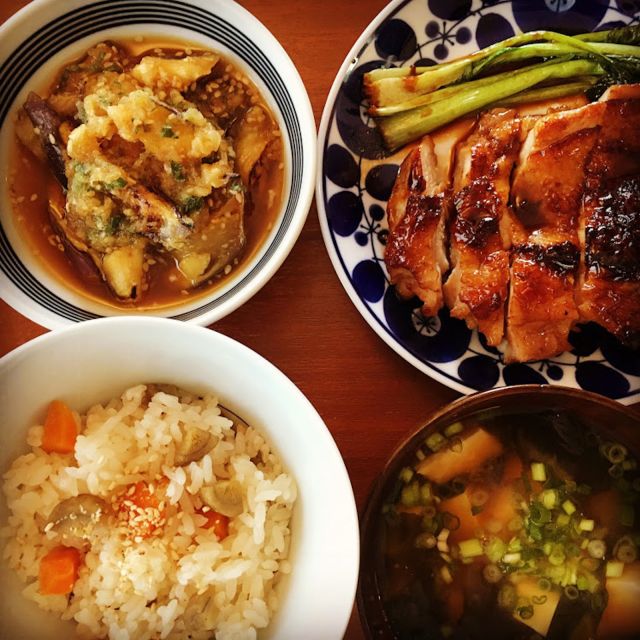
- Choose your day based on what you want to learn: traditional meal days for set-meal structure, popular food days for fried and comfort foods.
- If you want a stronger neighborhood experience, consider the optional morning add-on trip from 1PM to 3:30PM.
- Plan to eat well and take it easy afterward. Cooking is fun, but it also takes focus.
- Bring curiosity. The stories and seasonal philosophy are part of why the class sticks with people.
Should you book Chef Sato’s private Japanese cooking class in Shinjuku?
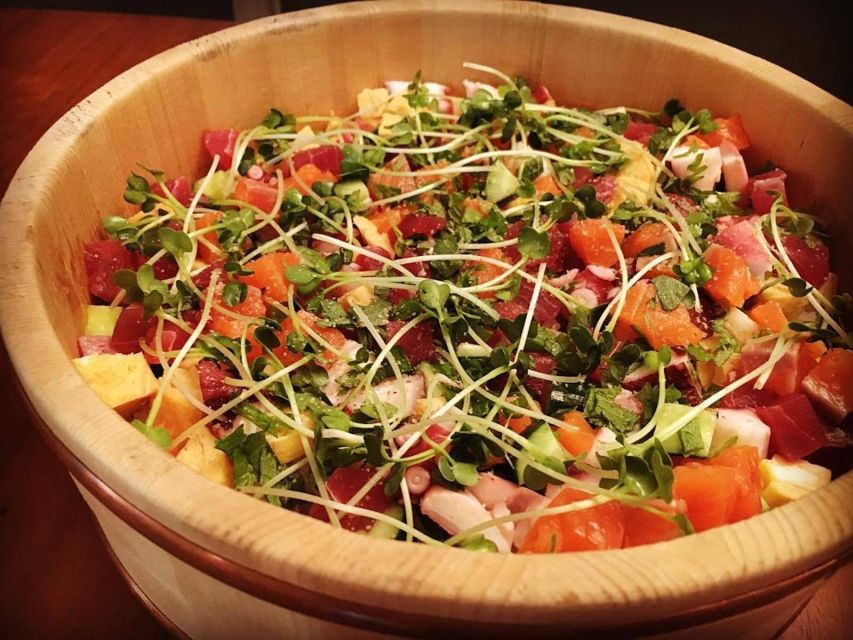
If your Tokyo plans include any time you are actively choosing between “food tour” and “local experience,” I’d lean toward booking this. It is one of the more direct ways to learn Japanese cooking basics, while still getting real-life Shinjuku neighborhood energy.
I especially recommend it if you want a class where you genuinely make the food, eat it in the home setting, and leave with recipes you can actually use. The combination of hands-on prep, English instruction, and seasonal menu rotation makes it a strong choice for couples, friends, and first-time Japan visitors who want more than a dining reservation.
If you tell me your travel dates and whether you prefer morning or evening, I can help you pick the best day type (traditional vs popular) based on the dishes you want most.
FAQ
Where do I meet for the class?
You meet at Shinjuku Station East Exit Police Box, 3-38-38-1, Shinjuku, Shinjuku-ku, Tokyo, 160-0022, Japan. Pickup at the meeting point is included.
How long is the experience?
The cooking class is 3 hours (about 270 minutes). Morning and evening start times vary, and morning sessions may include an optional short trip after class.
Are there both morning and evening classes?
Yes. The schedule shows morning classes from 10:30AM to 1PM and evening classes from 6PM to 8:30PM.
What will I cook?
You cook one of the menus for the day, making 2 to 4 items. The menu changes by weekday, with traditional meal days on Saturday through Tuesday, and popular food days on Wednesday through Friday.
What’s included in the price?
Meals are included, along with a free drink of Japanese barley tea. The class is private, taught in English, and pickup at the meeting point is included.
Is there an extra trip after the class?
Yes, if you take the morning class there is an optional short trip from 1PM to 3:30PM to visit places not found in guide books.
Latest write-ups near Tokyo
- Tokyo Customized Private Tour: See Top Attractions in 1 Day★ 4.8 · 67 reviews
- From Tokyo: Top 5 Scenic Spots of Mount Fuji Full-Day Tour★ 4.5 · 67 reviews
- Traditional Japanese Music ZAKURO SHOW in Tokyo★ 5.0 · 67 reviews
- Tokyo: Shinjuku Izakaya and Golden Gai Bar Hopping Tour (2h)★ 4.9 · 67 reviews
- Tsukiji: Unlimited Sake Tasting Experience★ 4.9 · 67 reviews
- Tokyo: Not a show- a professional sumo practice with experts★ 4.9 · 67 reviews
- Samurai Ninja Museum Asakusa: Kid-Friendly Ninja Training★ 4.7 · 67 reviews
- Private Harajuku Omotesando Architecture Walking Tour★ 5.0 · 67 reviews
Cooking Classes, compared.
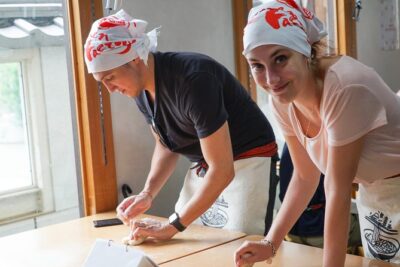
Ramen Cooking Class at Ramen Factory in Kyoto
Read our review →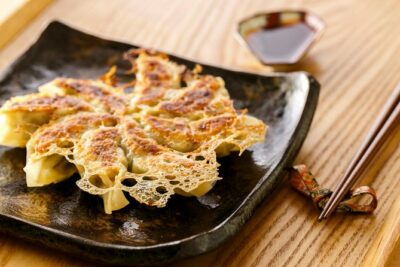
Ramen & Gyoza Cooking Class in Tokyo with Local Supermarket Visit
Read our review →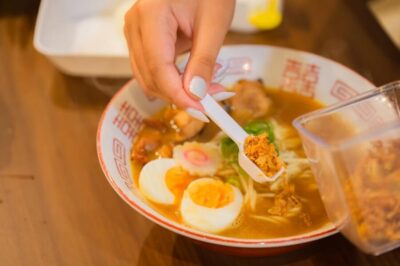
Ramen Cooking Class at a Ramen Factory with Souvenir
Read our review →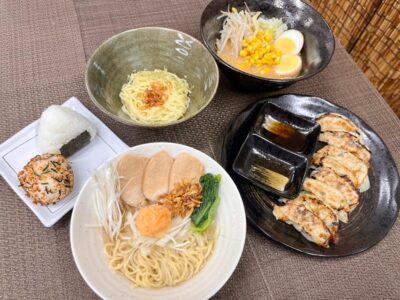
Japanese Washoku Bento Small Group Cooking Class
Read our review →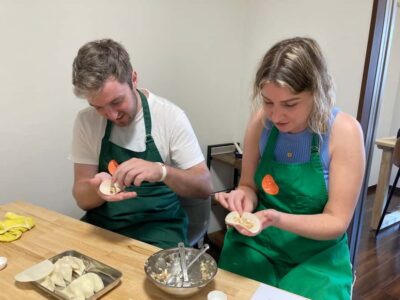
Easy Ramen Cooking Experience in Kabukicho, Shinjuku
Read our review →
Ramen and Sushi Cooking Class with Sake Pairing Set in Tokyo
Read our review →Browse the lists this tour appears in