
Reviewed · SAMURAI & NINJA EXPERIENCES
Kyoto: Ninja Weapon Forging Experience
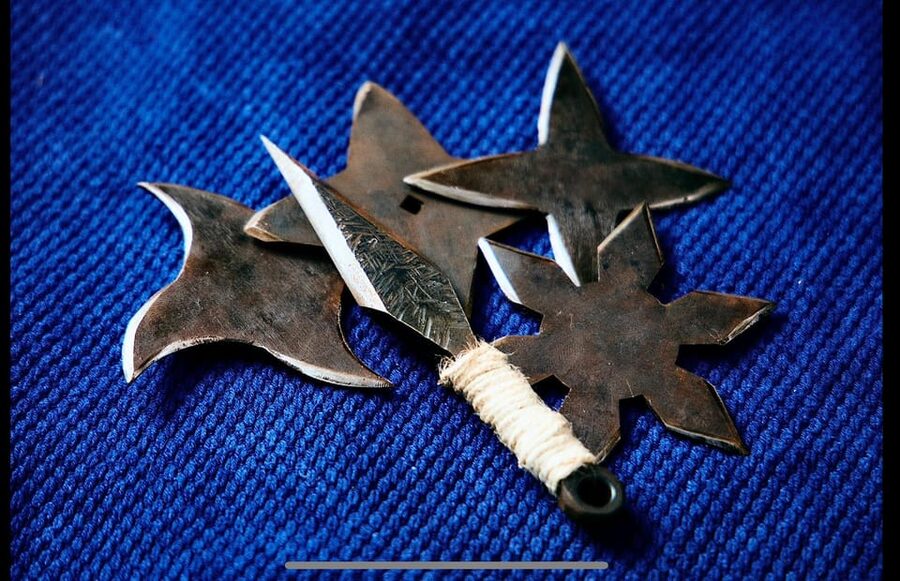
Kyoto has a lot of polite tourism. This experience is different because you get your hands on real steel and learn how it changes in the forge. I love the chance to make a hand-forged shuriken or kunai with proper tools, and I love the personal touch of adding a kanji signature. The one thing to consider is that some weapon choices can cost extra, so check what you select before you arrive.
The team uses guided steps, from suiting up in traditional blacksmith clothing to the final blackening and polish. Names you might hear a lot in the room include Taka (high energy host), Yok (engraving support), and Mits and Ako (welcoming help), with Daiki/Dike teaching the forging flow in detail. If you want quiet, hands off sightseeing, this is not that kind of class.
Key highlights worth planning around
- Real steel forging at a furnace stage, not just a craft demo
- Make a choice between shuriken styles or a kunai (kunai has an extra ¥3,000 fee)
- Kanji engraving to personalize your weapon
- Sanding and blackening steps for a more finished, display-ready look
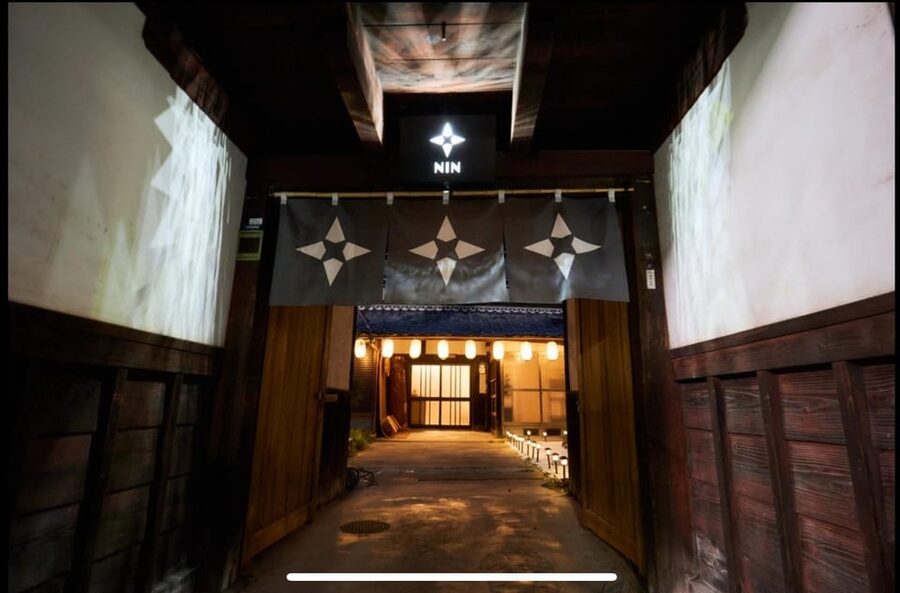
- Close to transit with a 1-minute walk from Hieizanguchi Station, plus an uphill approach
- Photo and video moments during the crafting process
A Kyoto ninja forge where you keep what you make
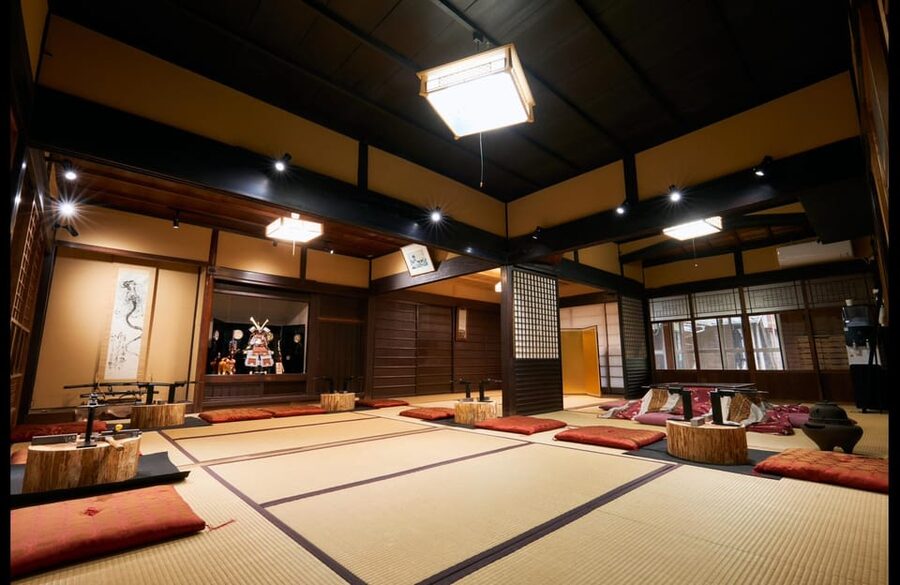
This is a hands-on workshop built around one simple idea: you create a ninja weapon you can actually take home. In about 150 minutes, you go through the key phases of blacksmith work, from heating and hammering steel to refining the shape, engraving, and finishing.
You’re not just stamping out a souvenir. The class is structured so you feel the cause and effect of each step, like when the steel glows in the furnace and then starts to move under the hammer. That physical connection is why so many people call it a trip highlight.
More Samurai & Ninja Experiences in Kyoto
- Kyoto Samurai Experience
★ 5.0 · 1,294 reviews - Kyoto: Kendo and Samurai Experience with Uniform and Gear
★ 4.9 · 815 reviews - Kyoto: Samurai Sword Class by Experts in Traditional Arts
★ 4.9 · 657 reviews
Price and logistics near Hieizanguchi Station
The price is $148 per person for the core experience, with English instruction. The time on the clock is 150 minutes, and you can check available starting times.
Meeting point is easy on paper, but you should plan to follow it carefully: it’s a 1-minute walk from Hieizanguchi Station, up the hill where there is a red postbox in front of the station. One helpful thing is that many people say the studio feels out of the center, and a taxi can make the last bit easier, especially if you do not want to walk uphill with a camera and a full day plan.
If you’re flying home, read the luggage note now rather than later. You can bring your weapon home, but it must go in checked luggage only, not carry-on.
Suit up like a blacksmith, with samue and a tenugui
The class starts by changing into samue, traditional work clothing worn by Japanese blacksmiths. You also wrap a tenugui around your head, which immediately changes the mood in the room from tourist mode to workshop mode.
This part matters more than it sounds. The clothing helps you settle into the rules of the workspace, and it keeps the experience feeling like craft training, not a stage show. You’ll see this reflected in how instructors pace the steps and how they coach your technique.
Choose your weapon: shuriken styles or kunai (and what costs extra)
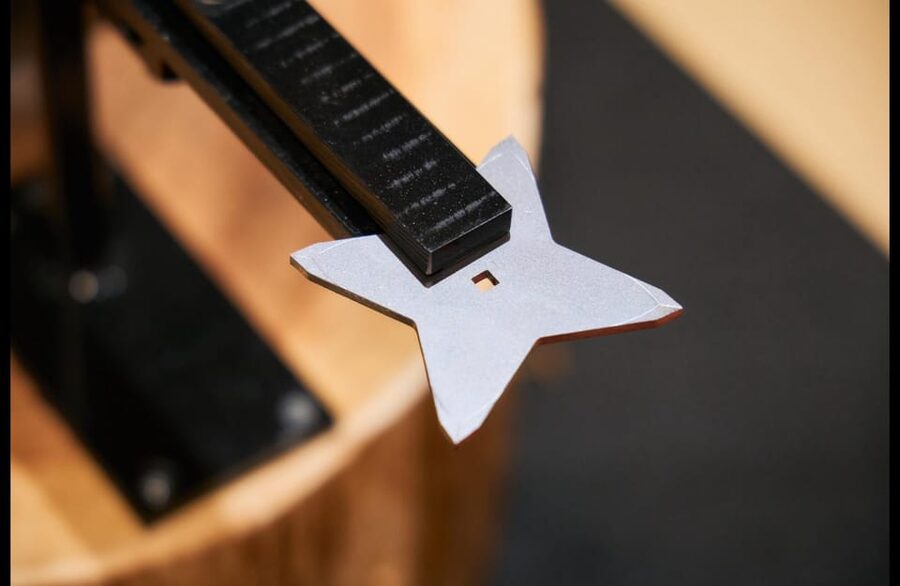
You select what you will make, and you choose between three shuriken styles or a kunai. The default included option is built around the base class, but there is a clear upcharge for the kunai: ¥3,000 additional fee for the kunai option.
A practical way to decide: pick the weapon that matches how you picture using it as a keepsake. People who like a more compact, iconic look usually go for shuriken styles. If you want something that feels more like a single distinctive tool, the kunai is a popular choice.
Also note one important detail for your expectations. The studio sells replica swords you can purchase separately, but your ticket includes the weapon you make, not replicas.
A change of pace from Kyoto:
- PERFECT KYOTO 1-Day Bus Tour
★ 5.0 · 13,518 reviews - Kyoto: Fushimi Inari, Kinkakuji, Bamboo Grove 1 Day Bus Tour
★ 4.8 · 4,316 reviews - Kyoto: Tea Ceremony in a Traditional Tea House in Kiyomizu
★ 4.9 · 3,519 reviews - Kyoto Geisha Walking Tour: Gion District & Hidden Gems
★ 4.7 · 3,273 reviews
In the forge: heat at 800°C, then hammering and sparks
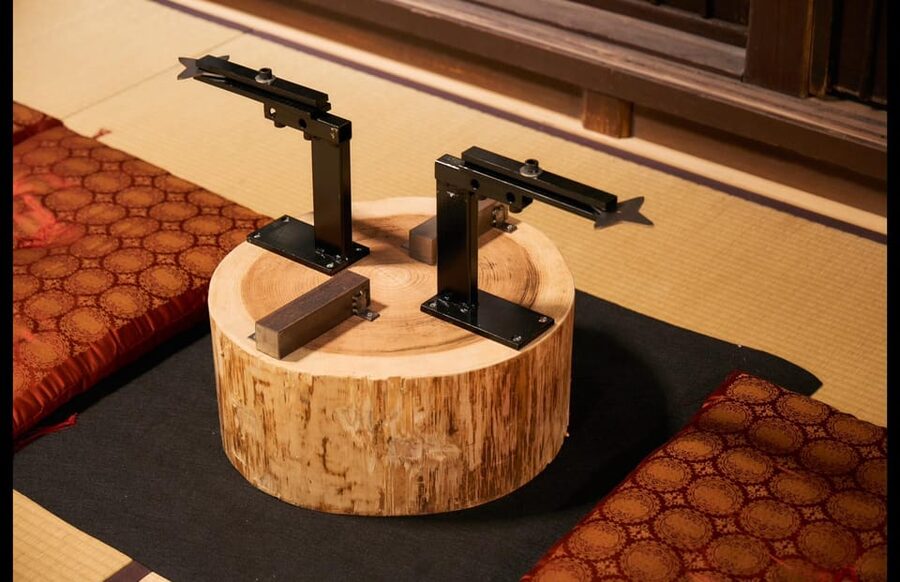
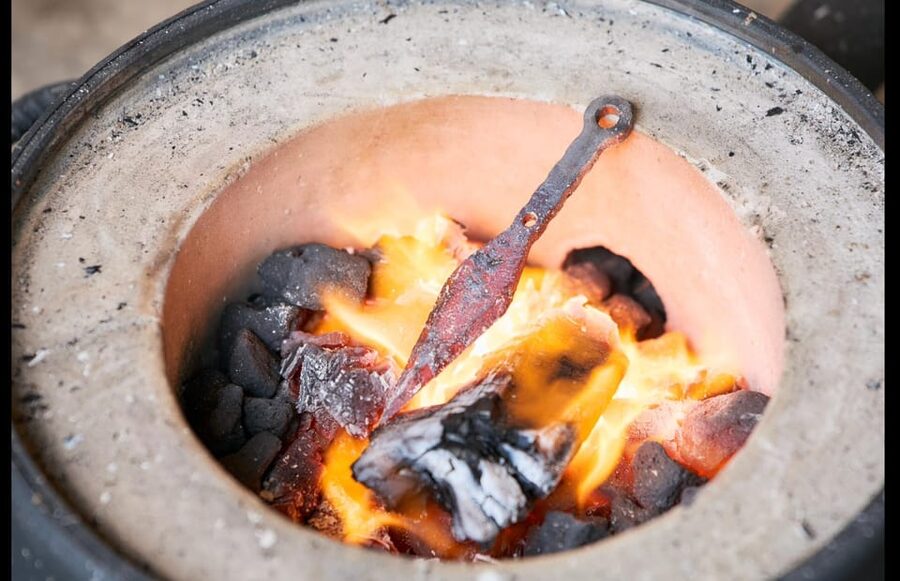
The highlight is the forging stage, and it happens around an 800°C furnace. You watch the steel heat until it glows, then you strike it with a hammer as sparks light up the air.
This is where the class becomes memorable even for people who thought they would just observe. The best part is that you’re not stuck in the background. You do the hammering and shaping steps under guidance, so you can feel how the metal responds as it cools and re-heats.
In the room, instructors keep things moving while still breaking down technique. Some classes are described as very guided, with staff stepping in when needed so you’re not guessing. Names that come up a lot in that style of coaching include Taka and Daiki/Dike, especially for explaining the forging flow clearly.
Shaping with precision: belt sander work and line control
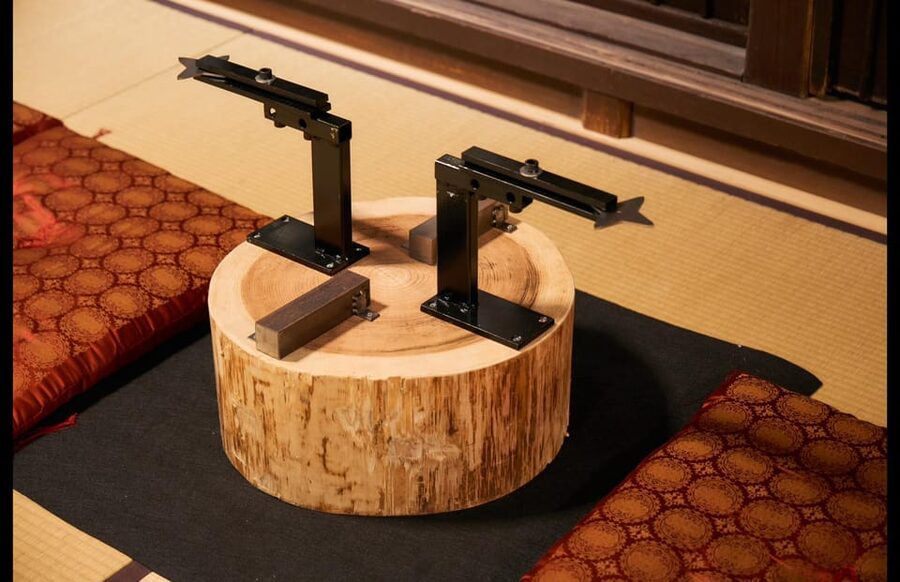
After the forging, your job turns into refinement. You use a professional belt sander to refine the blade and bring out clean lines.
If you’ve never tried shaping metal, this step can surprise you. It’s less dramatic than the forge, but it’s where your work starts to look intentional. The sanding stage is also where you learn control, like how you keep angles consistent and how you manage surface finishing.
One detail I like for planning: the class experience includes the chance to make your weapon sharper or not, depending on your preference. At least one participant mentioned choosing a less sharp finish for practical reasons, like ease of use around classrooms later. If sharpness matters to you, ask during the process so your final souvenir matches your comfort level.
Engraving kanji: your personal signature on steel
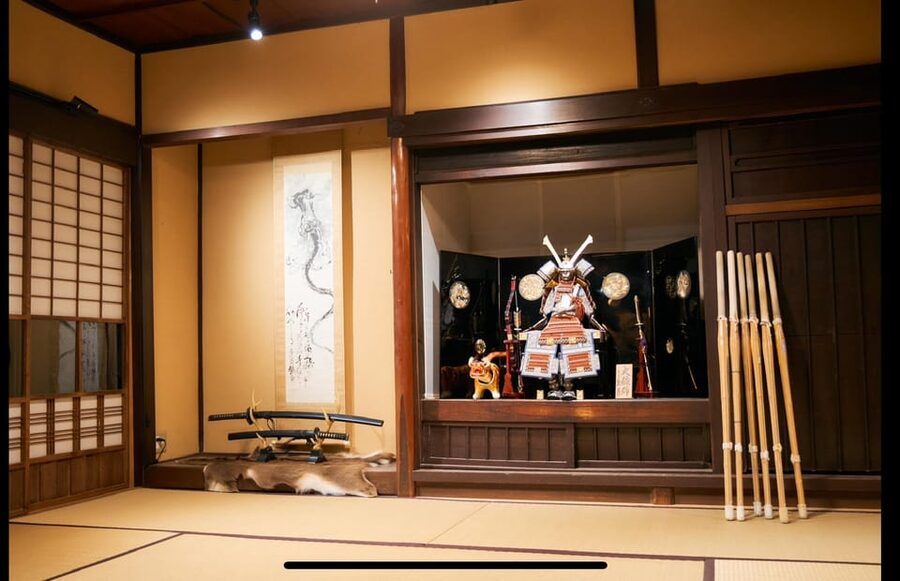
Next comes the part that feels the most personal: kanji engraving. You choose a kanji character that inspires you, and the staff engraves it with careful precision.
This is also where the experience stops feeling generic. The forge is hands-on and physical, but the kanji step is what makes it personal. People specifically praised Yok for engraving help, which makes sense because engraving requires patience and steady hands.
What’s smart here is that you’re not only making something shaped like a ninja tool. You’re attaching meaning, and that makes it easier to bring home as a story, not just as an object.
A ninja knowledge session that actually connects
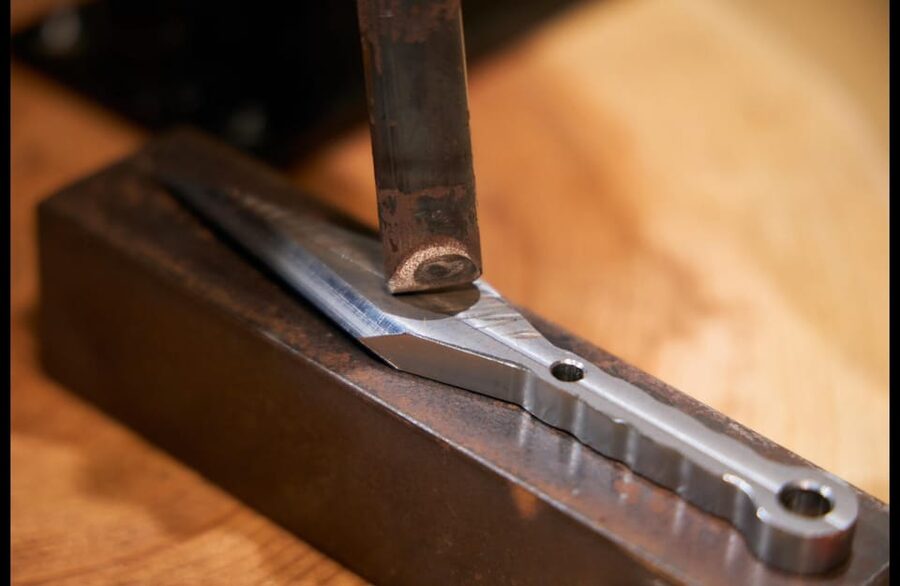
You also get a ninja knowledge session. It covers history, symbolism, and what are described as hidden techniques related to ninjas.
Even if you know the basics already, I think this portion adds value because it frames the craft. When you understand why certain techniques and styles exist, the steps you performed in metal feel more purposeful. It’s also why many people mention that this stands apart from typical Kyoto activities that are purely visual.
Blackening and final polish: the finish that protects and displays
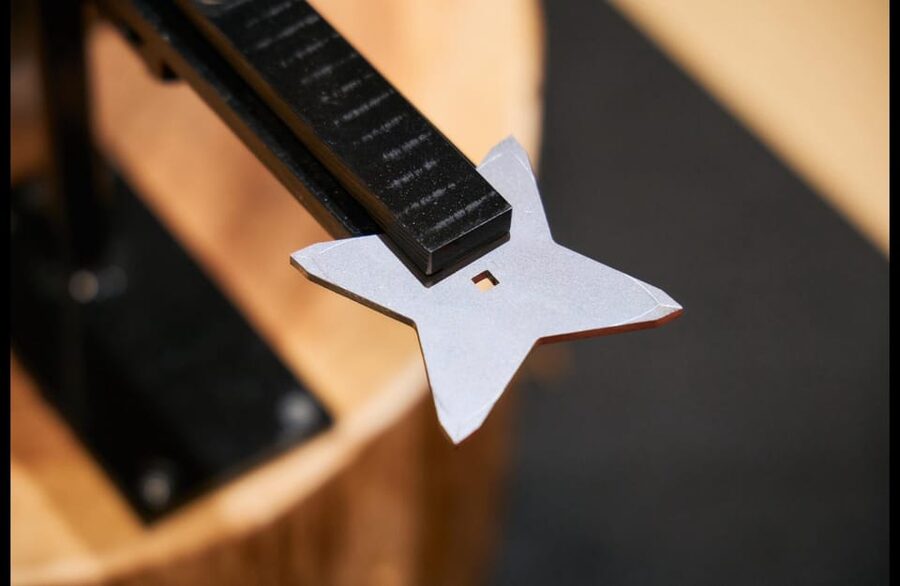
After engraving, you apply a blackening solution to darken the steel and help protect it from rust. Then you finish with final polishing so the weapon looks sleek and ready for display.
This is the stage where your souvenir shifts from workshop tool to something you want to keep on a shelf. The blackened finish creates that shadowy, dramatic look people associate with ninja gear, and the polish adds the clean, gift-ready feel.
At the end, you get your weapon in a beautiful box to take home and cherish. That box matters because it reduces the usual souvenir problem of, now what do I do with this after I get back to my hotel.
Photos, videos, and the hands-on coaching vibe
You can capture memories with photos and videos during your crafting experience. The workshop environment also supports filming because the instructors guide you step by step, so you know when the action moments are coming.
From the reviews, the coaching style seems a major driver of satisfaction. People repeatedly mention how instructors help and how safe it feels to try the steps yourself. Names that appear again and again in that supportive tone include Mits, Ako, Taka, and the engraving support from Yok.
How good is the value at $148?
I look at three things when judging value: what you do, what you keep, and how long it takes.
You spend 150 minutes actively making something. You work with real metal, you refine it, and you personalize it. You also keep the result, plus the uniform, tools, and the weapon itself are included, which keeps the cost from creeping up quietly.
There are two “value watch” notes. First, the kunai has that ¥3,000 additional fee. Second, some weapon types may cost extra. Still, even with those add-ons, you’re paying for a structured craft session plus a finished take-home item, not just a ticket to watch.
If you’re deciding between this and a more standard Kyoto class, I’d pick this when you want the story of making, not the story of watching. If you hate heat and hands-on tasks, then it may not be the best fit.
Who should book this Kyoto ninja weapon experience
This is a great match if you want:
- A hands-on activity in Kyoto that doesn’t feel like another museum stop
- A chance to practice craft steps, like forging and polishing, with real guidance
- A personalized keepsake, especially because of kanji engraving
- Something fun for mixed groups, including families
From the feedback style and how the class is described, the workshop also seems to work well for people traveling as a group. Multiple reviews mention families and even kids doing the steps successfully, with instructors helping along the way.
I’d be more cautious if you:
- Want a relaxing, quiet cultural walk
- Are uncomfortable with sharp tools and metal work, even if safety guidance is part of the process
- Only want a low-cost souvenir with no customization steps
My practical tips before you go
- Plan a little time and energy for the uphill approach from Hieizanguchi Station. One minute on foot sounds easy, but the whole route up the hill is part of the experience.
- Bring your camera mindset. The forge and shaping steps are the moments you’ll actually want on video.
- Decide your kanji meaning ahead of time. It’s easier to choose when you’re not standing under workshop lights trying to make a perfect choice.
- If you care about how sharp the final piece is, say so during the finishing steps. The class process allows for adjustment based on preferences.
- If you fly home soon, remember the luggage rule: your weapon goes in checked baggage only.
Should you book this ninja weapon forging class
Yes, if you want a hands-on Kyoto experience that gives you a real craft souvenir and a story you can explain later. The strongest reasons to book are the forging with real steel, the chance to engrave kanji, and the overall coaching style that repeatedly shows up in feedback.
If you’re the type who likes watching art being made from a comfortable distance, you might find it more tiring than you expect. But if you’re craving something different from typical Kyoto sightseeing, this is one of those rare classes where the “I made this” feeling stays with you long after you leave the workshop.
FAQ
How long is the Kyoto ninja weapon forging experience?
The duration is 150 minutes.
What weapons can I make?
You can choose among three shuriken styles or a kunai.
Is there an extra fee for making a kunai?
Yes. An additional fee of ¥3,000 applies if you choose the kunai option.
What is included in the ticket price?
Included are the instructor, weapon-making class, uniform, tools, and the weapon you make to take home.
Is the class taught in English?
Yes. The instructor provides English guidance.
Where do I meet for the experience?
It’s a 1-minute walk from Hieizanguchi Station. Go up the hill where there is a red postbox in front of the station.
Can I take photos or videos during the class?
Yes. The experience specifically notes that you can capture memories with photos and videos of your crafting.
Can I bring the weapon home on a flight?
Yes, but it must go in checked luggage only, not as carry-on luggage.
Does the studio sell other items like replica swords?
Yes. The studio also sells replica swords for a fee.
Can I cancel or pay later?
You can cancel up to 24 hours in advance for a full refund. You can also reserve now and pay later.
Latest write-ups near Kyoto
- Kyoto: Nishiki Market Tour with a Local Foodie & Tastings★ 4.5 · 67 reviews
- Kyoto Kimono Rental mimosa |Kimono/Yukata Rental Couple Plan★ 4.8 · 67 reviews
- Kyoto: Traditional Kimono Fabric Handicrafts Workshop★ 5.0 · 67 reviews
- Kyoto Tea Ceremony and Samurai Photo Session★ 5.0 · 70 reviews
- Kyoto: Replica food making experience★ 4.8 · 70 reviews
- Kyoto: Kinkakuji, Golden Pavilion Guided Tour★ 4.7 · 71 reviews
- Private departure transfer from Kyoto city to Kansai International airport★ 5.0 · 72 reviews
- Uji: Green Tea Tour with Byodoin and Koshoji Temple Visits★ 4.8 · 72 reviews
Samurai & Ninja Experiences, compared.

Samurai Ninja Museum Guided tour and Experience
Read our review →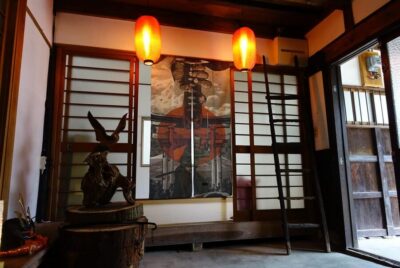
Kendo and Samurai Experience with Uniform and Gear
Read our review →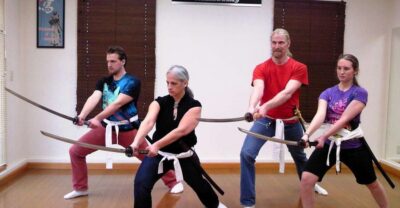
Samurai Sword Class by Experts in Traditional Arts
Read our review →
Skip the lines Basic Ticket at SAMURAI NINJA MUSEUM KYOTO
Read our review →
Samurai Sword & Archery Class from Samurai Descendant
Read our review →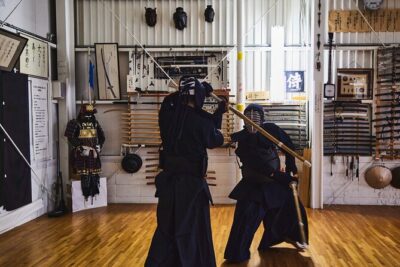
Browse the lists this tour appears in