
Reviewed · WAGASHI & MOCHI MAKING
Japanese Sweets (Mochi & Nerikiri) making at a Private studio
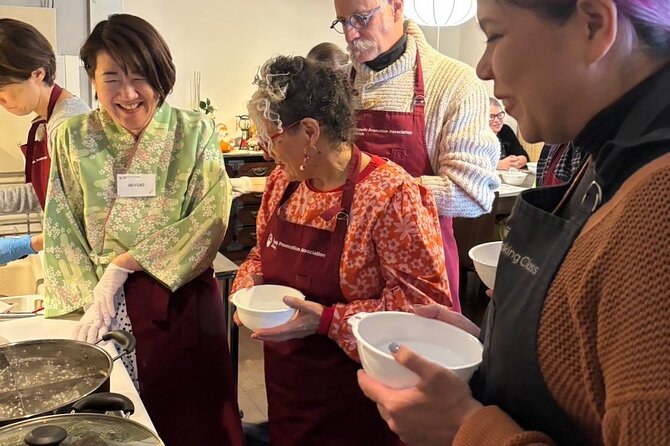
Learning Japanese sweets in a private Tokyo home beats most cooking classes because you are dealing with real technique, not just following a slideshow. This is a small-group wagashi-making session where you shape dough, color seasonal details, and finish with a matcha pairing that actually feels tied to the craft.
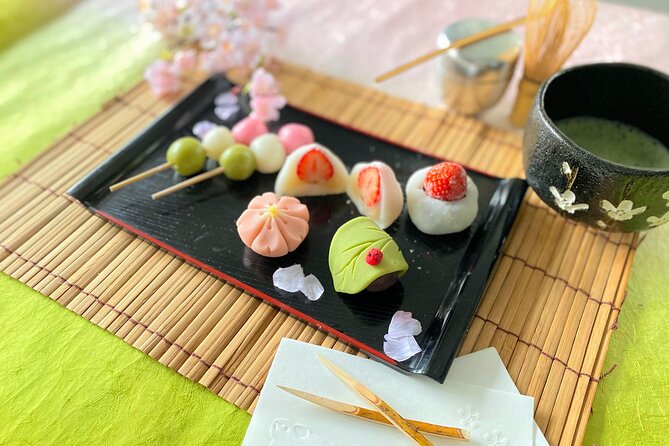
I especially love the hands-on process from scratch, including strawberry daifuku mochi and three-color dango before you move into nerikiri. I also like that the instructor is a certified Nerikiri Art Instructor with strong English, and you get practical advice for continuing your hobby back home.
One thing to consider: it is a 2.5-hour class, so you will leave with solid basics, not with a lifetime mastery of fine nerikiri artistry.
Key wagashi-making details worth knowing
- Private-home setting in Meguro, so the experience feels local and personal, not touristy
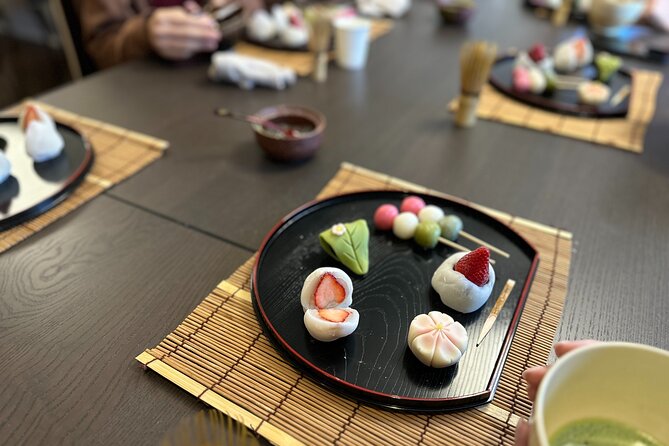
- You make multiple sweets, starting with strawberry daifuku mochi and three-color dango, then nerikiri
- Seasonal nerikiri practice, where you color and shape your own motif (not just watch)
- Matcha tasting at the end, with a short talk connecting Omotenashi hospitality to tea ceremony
- Small group cap of 8 travelers, plus aprons, an English recipe sheet, and ingredients that are plant-derived and gluten-free
Why This Private Home Class Feels Real, Not Scripted
Wagashi is one of those parts of Japanese culture that many visitors only experience as a pretty dessert. Here, you get the full story, starting with why mochi shows up in festivals and seasons, then moving into the how, with your own hands.
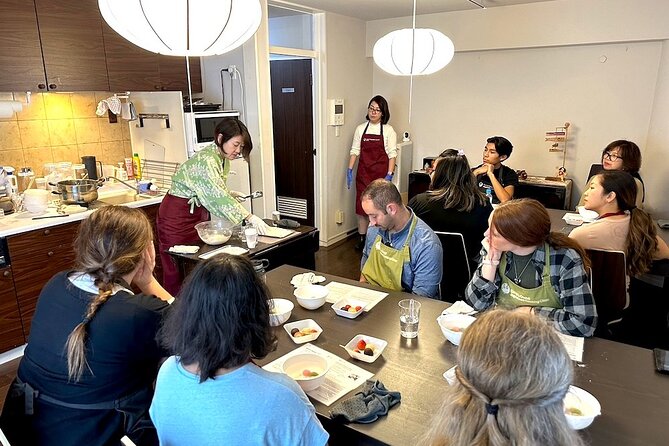
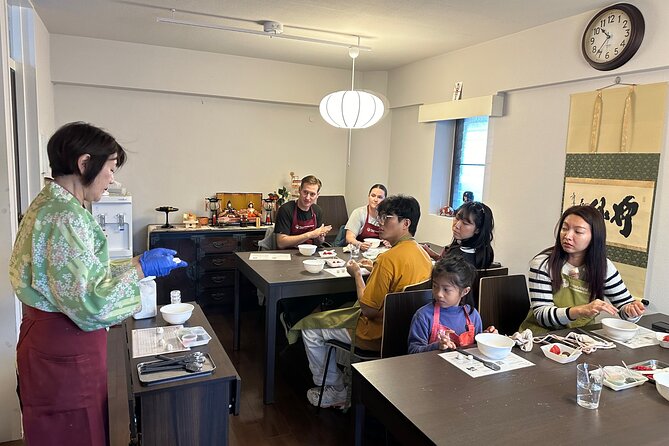
The private studio setup matters. It changes the pace. You are not rushing through steps in a big room. Instead, you can slow down for kneading, consistency checks, and shaping, which is exactly where success (and fun) happens.
I like that the class is designed for small groups, with a maximum of 8. That makes it easier to ask questions while things are still in progress. In reviews, different hosts were praised for being patient and organized, including instructors like Yukka, Waka, Miho, Satoko, and Miyuki Suyari. That pattern tells me this is not a one-size-fits-all “line up and copy” kind of workshop.
The other practical win: it is English-led. The instructor is described as fluent in English, and that matters because wagashi is detail work. You do not just need to know what to do. You need to know how it should look and feel while you do it.
More Wagashi & Mochi Making in Tokyo
- Tokyo Sumo Experience: Chanko & Mochi with a Former Pro
★ 4.8 · 567 reviews - Tokyo: Matcha Making Experience with Mochi Sweets in Asakusa
★ 4.9 · 388 reviews - TokyoSumoShow, ChickenHotPot, and Mochi-Pounding by Pro Wrestlers
★ 5.0 · 226 reviews
What You’ll Make in This 2.5-Hour Wagashi Session
This class runs about 2 hours 30 minutes, and the structure is refreshingly clear: context first, then mochi, then nerikiri, then tasting.
Step 1: A short mochi traditions and festivals intro
You begin with a presentation about mochi traditions and festivals and why mochi matters in Japanese culture. This part is not heavy or academic. It is there to give meaning to what you are making next.
Why I think this helps: when you understand that mochi is tied to seasons and celebrations, you start paying attention to the textures and forms. You are not just cooking sugar and flour. You are practicing a cultural craft.
Step 2: Strawberry daifuku mochi
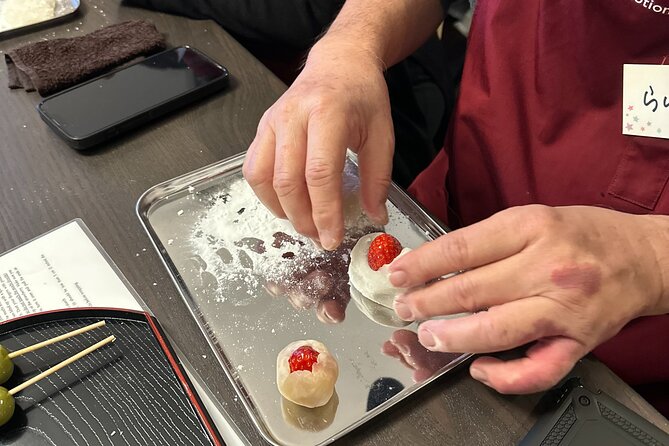
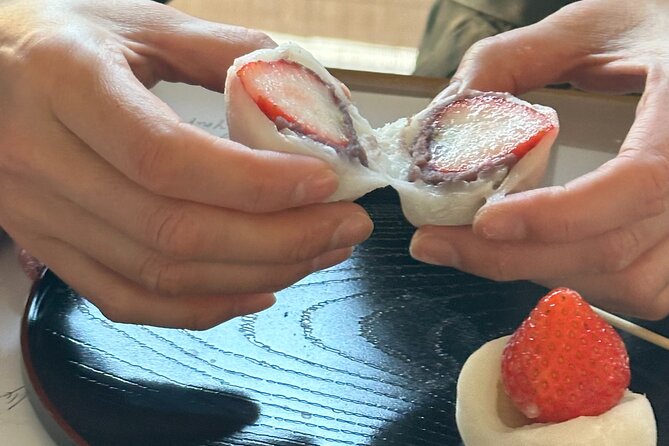
Next, you learn how to make strawberry daifuku mochi. Daifuku is the classic idea of mochi holding a filling, and strawberry gives it a bright, modern feel while still staying rooted in traditional wagashi logic.
In reviews, people loved the pacing through each process step, especially kneading and getting the right consistency. If you have never worked with mochi dough, this is the moment where you learn why instructions matter. One wrong texture change and it stops behaving.
A change of pace from Tokyo:
- Mt Fuji and Hakone 1-Day Bus Tour Return by Bullet Train
★ 5.0 · 26,383 reviews - 1-Day Tokyo Bus Tour
★ 5.0 · 14,250 reviews - Tokyo: TOKYO SKYTREE® Admission ticket
★ 4.5 · 11,192 reviews - Tokyo: teamLab Planets TOKYO Digital Art Museum Entry Ticket
★ 4.6 · 9,779 reviews
Step 3: Three-color dango (mochi balls on skewers)
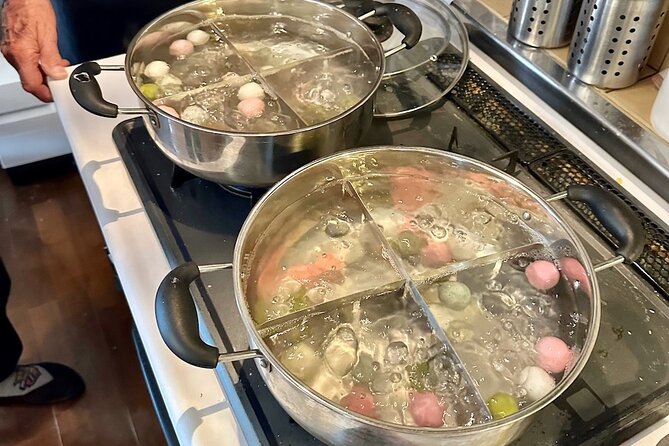
Then you move into three-color dango, mochi balls shaped for skewers. This part is great for seeing how wagashi can be playful and colorful while still being rule-based.
Three colors also give you a natural checkpoint. You can compare texture and shape outcomes as you work, and you end up with a result that is easy to recognize as “you did it” once it is on the skewer.
Step 4: Nerikiri dough and shaping a seasonal motif
Finally comes the nerikiri. Nerikiri is where wagashi gets very “art class,” but with edible rules.
You will learn how to make the nerikiri dough. Then you color and shape your own nerikiri wagashi into a seasonal motif. That seasonal part is key. It gives you a reason to be careful with shape and color choice, because the point is representing a time of year, not just making something sweet.
Also, nerikiri is notoriously delicate in technique. The nerikiri art certification and the instructor’s English skill are a big deal here because you need quick feedback in the moment, before the dough or colors get away from you.
Step 5: Tasting with matcha, plus Omotenashi
At the end, you taste what you made with a bowl of matcha green tea. The class also covers a short talk about Omotenashi, the hospitality spirit that sits at the heart of Chado, the tea ceremony.
This is one of those “small detail, big payoff” moments. A lot of cooking classes end right after eating. Here, the tasting is framed as the last link in the craft chain, which makes the food feel more connected and memorable.
Some participants also specifically mentioned how proud they felt seeing their finished sweets, and how the tea pairing helped everything click.
Matcha Pairing and the Omotenashi Connection You Actually Use
Matcha in a wagashi class is not just a drink. It is part of the cultural logic.
The class uses matcha green tea, or another non-caffeinated tea. And you learn how to make the tea to go with your sweets. That means you do not only eat in class. You practice the pairing, which is the whole point of learning wagashi beyond the recipe.
Omotenashi is also explained as a theme connected to Chado. In plain terms, it is about thoughtful preparation and attention to how people experience something. In this workshop, you feel that in the way the instructor guides you step by step, and in how the tasting is structured.
If you plan to repeat this at home, the tea pairing is one of the easiest ways to make your results feel like wagashi culture, not just desserts.
Small-Group Size, Real Instruction, and Why Patience Matters
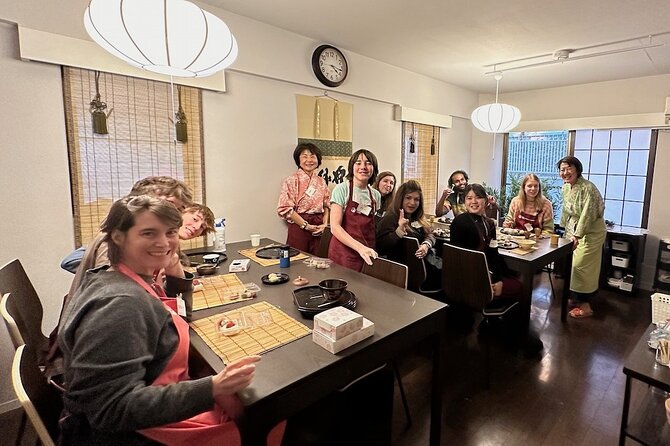
This class caps at 8 travelers, which is a sweet spot. Big enough to meet people, small enough to get help.
Observers cannot sit in class, so the space stays for active participants. Non-smoking is also stated, which helps keep the home environment comfortable.
Aprons are provided, and you get an English recipe sheet to take home. Some reviews also mention access to a video for remembering steps later, which is a nice bonus if you like to revisit technique.
In the reviews, the most praised skills were:
- Clear organization and step-by-step guidance
- Patience with first-timers
- Feedback while shaping and coloring
- Extra Tokyo advice from the instructor, including where to shop for tools and what to see
That last part is underrated. A wagashi class is a hobby starter. If you want to keep going, you need to know where to buy ingredients or tools, and you benefit from an instructor who actually lives in Tokyo.
Meguro Meeting Point, How to Plan Your Day Around It
The meeting point is in Meguro, Meguro City, at:
Japan, 〒153-0063 Tokyo, Meguro City, Meguro, 1-chōme−3−16 プレジデント目黒ハイツ
The activity ends back at the same meeting point.
The class is near public transportation, which helps a lot in Tokyo. You will want to build in a little buffer for getting there smoothly, because a cooking workshop does not pause for late arrivals.
Also, you get to experience Tokyo beyond the most obvious sightseeing loops. Reviews repeatedly point out the value of visiting a local Tokyoite’s home, and that is exactly what the address in Meguro enables. It is a different side of the city than a department-store food hall, even if the desserts might look equally perfect.
One practical note: since it ends at the meeting point, it is smart to schedule something nearby after class if you can, so you are not rushing across town while your hands still remember the kneading.
Price, Value, and What $91.96 Really Buys You
The price is $91.96 per person for about 2 hours 30 minutes.
For Tokyo, that might sound like a lot until you break down what you are paying for. You are not just paying for ingredients. You are paying for:
- Instruction from a certified nerikiri professional
- Hands-on practice across mochi and nerikiri
- A matcha tasting, including learning the tea prep
- Aprons and an English recipe sheet to take home
- A small group cap of 8 travelers, which lowers the “wait for instructions” time
There is also a diet-related bonus: the class notes that ingredients are plant-derived and gluten-free. That does not mean every wagashi workshop is the same, so it is good to see this clearly stated upfront.
If you are the type of traveler who enjoys doing one authentic craft well, this price fits. If you only want a quick snack without technique, you might feel it is pricier than a casual food stop. But as a skill-and-culture experience, it is a fair use of money.
Also, this is an experience booked on average 48 days in advance. That tells you it fills up, especially for weekends and families. If you want a morning or afternoon slot, booking ahead is your friend.
Who Should Book This Wagashi Workshop (and Who Might Skip It)
This class is a good match for:
- Food travelers who like technique, not just taste
- People who want an authentic Tokyo neighborhood experience in Meguro
- Families with older kids, because the minimum age is 4
- Anyone interested in nerikiri, the decorative side of wagashi, with seasonal motifs
- Travelers who appreciate clear English instruction and take-home materials
It is less ideal if:
- You are expecting a pure sightseeing tour with lots of walking and photo stops. This is mostly about making, tasting, and learning.
- You want to watch quietly. Observers are not allowed to sit in class.
- You have very young children. Children under 4 are not allowed due to safety reasons.
If you can, I would also consider the class as a “repeatable skill” item for your trip. You might already be eating wagashi in Tokyo. This gives you the ability to recreate the vibe later.
Should You Book This Mochi and Nerikiri Class?
I think you should book if you want a hands-on Tokyo experience that blends culture, craft, and food in one sitting. The combination of mochi making, nerikiri shaping, and the matcha tasting with an Omotenashi talk is a logical arc. It is not just a single recipe. It is a way of understanding wagashi.
I would say book early because it is capped at 8 travelers, and you get a choice of morning or afternoon classes. If you are planning around your itinerary, that flexibility helps.
One last check before you go: confirm you are comfortable with the idea that this is a working workshop in a private home setting. Bring your curiosity, expect close instruction, and give yourself time to slow down. If you do that, you will likely leave with sweets you are proud of and an English recipe sheet that makes it possible to keep the craft going after Tokyo.
FAQ
FAQ
How long is the wagashi class?
It lasts about 2 hours 30 minutes.
Where does the class take place?
It starts at Japan, 〒153-0063 Tokyo, Meguro City, Meguro, 1-chōme−3−16 プレジデント目黒ハイツ, and it ends back at the same meeting point.
What sweets will I learn to make?
You’ll make strawberry daifuku mochi and three-color dango (mochi balls on skewers), then you’ll learn how to make nerikiri dough and color and shape nerikiri wagashi into a seasonal motif.
Is there an option to add mochi-making?
Yes. There is an option to combine with a mochi-making class upon request.
Is the group size small?
Yes. The class has a maximum of 8 travelers.
What about kids, is there an age limit?
The minimum age to attend is 4 years old. Children under 4 are not allowed due to safety reasons.
Are ingredients gluten-free?
The class states that all ingredients are plant-derived and gluten-free.
Do I get matcha or tea to drink?
Yes. You’ll taste the sweets with matcha green tea, or other non-caffeinated tea.
Does the price include anything besides teaching?
The class includes a traditional sweets making lesson, food tasting, aprons, an English recipe sheet, and matcha green tea or other non-caffeinated tea.
Is hotel pickup included?
No. Hotel pickup and drop-off are not included, and transportation to and from attractions is also not included.
Latest write-ups near Tokyo
- Tokyo Nights: Shibuya Photo Adventure★ 5.0 · 20 reviews
- Wagyu & Sake 8 Course Tasting Dinner in Shinjuku★ 4.9 · 20 reviews
- Making Japanese desserts Nerikiri & drinking matcha in Tokyo★ 5.0 · 20 reviews
- Japanese Whisky Hunting《HIGH-QUALITY-ONLY》Rare Tasting Class★ 5.0 · 20 reviews
- Mt. Fuji 5th Station, Owakudani Ropeway, Pirate Ship plus Outlet shopping!★ 4.5 · 20 reviews
- Kintsugi Experience with Arita Ware in Tokyo (English Guide)★ 4.8 · 20 reviews
- This is Asakusa! A Tour Includes the All Must-Sees!★ 5.0 · 20 reviews
- Tokyo: Karate Experience with Former All-Japan Champion★ 5.0 · 20 reviews
Wagashi & Mochi Making, compared.
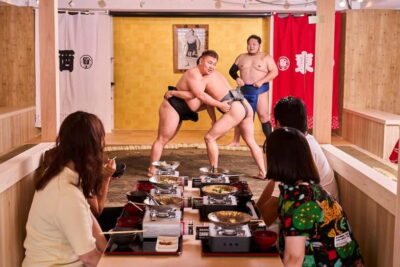
Tokyo Sumo Experience: Chanko & Mochi with a Former Pro
Read our review →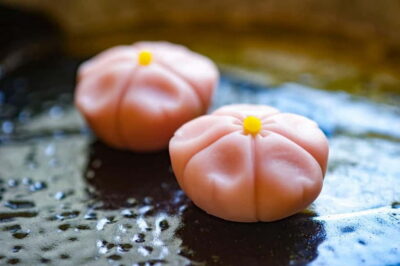
Matcha Making Experience with Mochi Sweets in Asakusa
Read our review →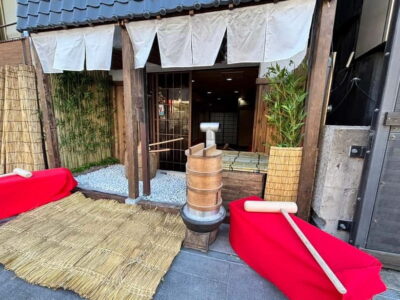
Traditional Mochi Pounding Experience with Tasting
Read our review →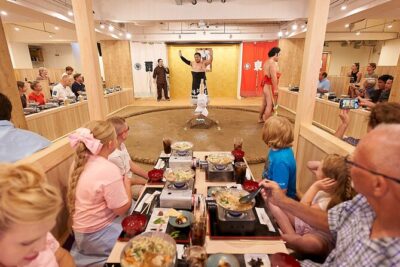
TokyoSumoShow, ChickenHotPot, and Mochi-Pounding by Pro Wrestlers
Read our review →
Private Mochi Sweets Making class near Shibuya area
Read our review →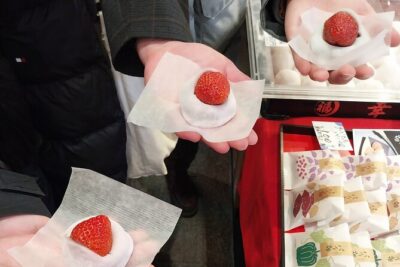
Kyoto Food Tour of 10 Tastings with Wagyu, Mochi & More Surprises
Read our review →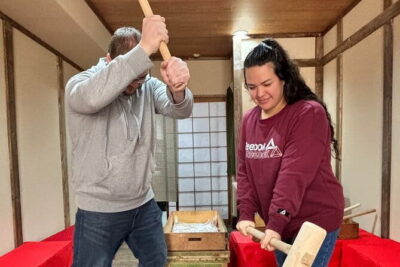
【For adult】Traditional Mochi Pounding Experience with Tasting
Read our review →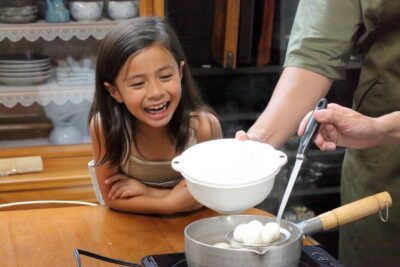
Kyoto Wagashi(Japanese sweets) Cooking Class near Fushimiinari
Read our review →Browse the lists this tour appears in