
Reviewed · RAMEN EXPERIENCES
Kyoto Ramen Noodle Making Class
Kyoto ramen noodle making sounds like it should be complicated. This class keeps it fun and practical, in a real Gion kitchen setting. I like the hands-on noodle making with a professional machine, and I like that the payoff is real food, you get to eat a ramen bowl at the end. One heads-up, this focuses on noodles, not a full ramen cooking lesson.
You’ll be guided by an English-speaking instructor, and the vibe tends to be relaxed and friendly. In past sessions, instructors named Kaz, Azu, and Amiru have led guests through the steps, so you’re not stuck translating in your head while flour flies. With a maximum of 6 travelers and about an hour to work, it’s a good fit if you want something memorable without eating your whole afternoon.
Key Highlights You Should Know
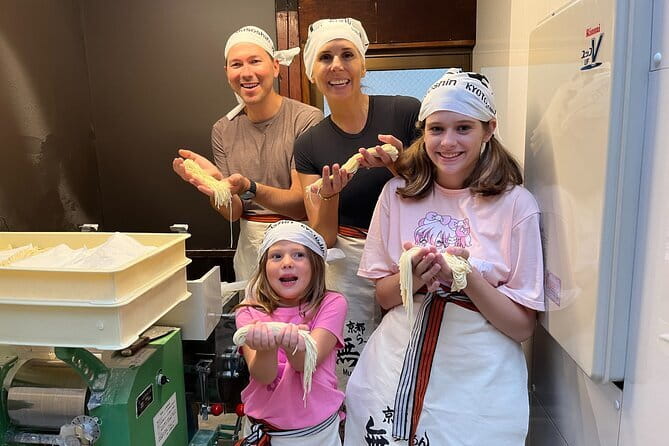
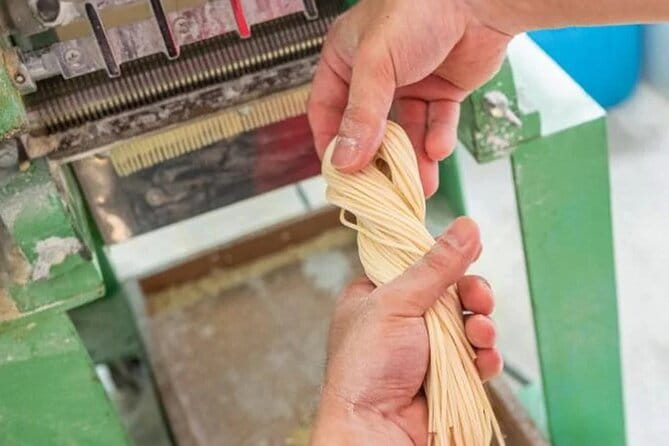
- Professional noodle machine for cutting and shaping wheat noodles
- English-speaking instruction that keeps the process clear and doable
- Chef-prepared broth paired with the ramen noodles you make
- Dietary options including vegetarian and vegan (and pescetarian if requested)
- Small group size so you get real attention, not just a group demo
Where This Class Fits in Central Kyoto
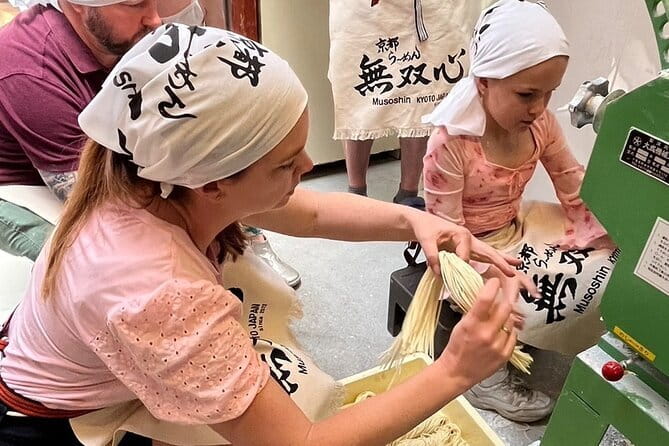
This workshop happens in central Kyoto, in Musoshin Gion. It is not the Musoshin Ramen Academy location, so make sure you show up at the meeting address in Higashiyama Ward: 558-2 Komatsuchō, Higashiyama Ward, Kyoto, 605-0811. The good news is that it is near public transportation, which matters in Kyoto where streets and walking times can surprise you.
The experience runs about 1 hour (approx.), and it ends back at the meeting point. That makes it easier to slot into a day that already includes temples, neighborhoods, and a few wandering detours. If you are the type who loves to plan, this is the kind of activity that still lets you stay flexible.
Also, the class uses a mobile ticket, so you can keep it simple on your phone instead of hunting for paper.
More Ramen Experiences in Kyoto
- Ramen Cooking Class at Ramen Factory in Kyoto
★ 5.0 · 1,937 reviews - Kyoto: Ramen Cooking Class at a Ramen Factory with Souvenir
★ 4.9 · 532 reviews - Kyoto: Ramen, Gyoza, and Onigiri Cooking Class
★ 5.0 · 445 reviews
The Noodle Making Experience, Step by Step in the Kitchen
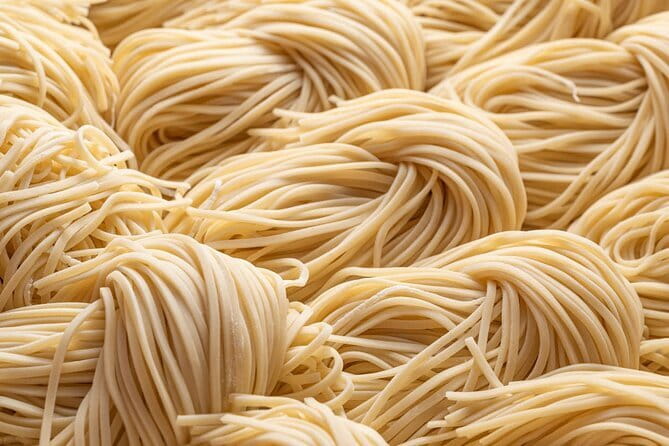
The center of the whole thing is learning how to make ramen noodles from scratch. You start with dough made using two types of flour, and you work the dough through a professional setup that helps you roll and cut consistent noodles. The class teaches you the process in a way that is hands-on, meaning you are doing the work instead of watching a demonstration from the corner.
Here is what that typically means in practice, and why it is worth your time:
1) Getting started with the dough
You’ll follow the instructor as you handle the dough basics. The method is simple in concept, but the feel matters. You’ll knead and work the dough so it becomes elastic enough to roll cleanly.
This is where you learn something useful for real life. Instead of memorizing a recipe, you pick up the basic technique: how dough changes as you knead, and how that affects the noodles later.
2) Rolling and cutting on the ramen machine
Once the dough is ready, you use the noodle-making machine to roll and cut the noodles into the right shape. The point is chewy ramen texture, not paper-thin strands.
If you worry you will be clumsy, relax. The instructors (including Kaz, Azu, and Amiru in earlier sessions) have done this with many first-timers. You are not trying to invent a ramen business in 60 minutes. You’re learning the key steps well enough to understand what makes good noodles.
A change of pace from Kyoto:
- PERFECT KYOTO 1-Day Bus Tour
★ 5.0 · 13,518 reviews - Kyoto: Fushimi Inari, Kinkakuji, Bamboo Grove 1 Day Bus Tour
★ 4.8 · 4,316 reviews - Kyoto: Tea Ceremony in a Traditional Tea House in Kiyomizu
★ 4.9 · 3,519 reviews - Kyoto Geisha Walking Tour: Gion District & Hidden Gems
★ 4.7 · 3,273 reviews
3) The noodles are your main project
One important consideration, this is a noodle-making class. You are not running the broth or cooking a full bowl yourself at a stove. The cooking and final assembly are handled by the restaurant chef. That is why the timing feels tight but not stressful. You focus on noodles, and the rest is taken care of.
What You Eat: Chef-Made Ramen After Your Noodles
After you make the noodles, you get to eat a bowl made by the chef. That is the best part of this kind of workshop, because you quickly connect technique to taste. Instead of leaving with a bag of flour and good intentions, you leave with a meal.
Your ramen includes a blend of savory vegetable broth, prepared by the Musoshin chef. The program also adds quality local touches, including high-quality Kyotamba rice and condiments from local makers. You might not think about those details when you book a noodle class, but they help explain why the final bowl feels more intentional than a one-off tourist meal.
And yes, you get a drink too: one soft drink is included with your ramen. It’s a small detail, but it makes the end of the class feel complete.
Vegetarian, vegan, and no meat or fish options
Musoshin’s tasting session can be adjusted. Vegetarian and vegan options are available, and there are no meat or fish options for the tasting session. Pescetarian can also be accommodated if you inform the provider in advance.
This matters because ramen can be tricky for dietary needs. Even if you skip meat toppings, the broth often contains animal ingredients. Here, the class explicitly supports meat-free and vegan choices for the bowl you eat.
One more point: the noodles are made from wheat flour. If you have wheat allergies or need gluten-free, this may not work. The class data only confirms wheat flour noodles, so plan accordingly.
Small Group Size, Real Instructor Attention, and the Comfort Factor
This activity caps at 6 travelers. That changes the vibe. In a small group, the instructor can watch what you are doing, correct technique, and help if your dough feels too dry or not quite elastic enough.
The reviews also point to how comfortable people feel during the class. In particular, instructors like Kaz and Azu show up as friendly, hands-on teachers, not distant hosts. You get the sense the class is designed for first-timers, not just people who already know their way around a pasta machine.
If you like group activities but hate feeling like you are part of a herd, this structure is a strong match.
Why This Class Can Be Good Value for the Price
The price is $48.27 per person for about an hour. That might sound steep at first, until you compare it to what you actually receive.
You are getting:
- An English-speaking instructor
- Ingredients and tools for noodle making
- A chef-made bowl of ramen
- One soft drink
- A rental apron
- A souvenir bandana used during the workshop
What makes it feel like value is the combination of labor and meal. You are paying for time in a working kitchen, trained guidance in noodle technique, and a finished dish at the end. Many food experiences either focus on the lesson without a proper meal, or they give you a meal with no real hands-on skill.
Here, you get both. And when you actually taste the ramen after doing the noodle work yourself, you learn faster and remember longer.
Logistics That Matter in Real Life
Timing
Plan for about 1 hour. It is short enough to fit into sightseeing, but long enough that you feel like you did something beyond eating.
Getting there
Use the meeting point address in Higashiyama Ward. It is near public transportation, so you should be able to reach it without a taxi. Still, Kyoto is full of narrow streets, and walking the last stretch matters, so give yourself a few minutes buffer.
End point
The class ends back at the meeting point, so you are not stuck figuring out how to get home.
Group experience
Small group size also means your schedule likely stays on track. You do not spend half the time waiting for a large crowd to arrive.
Who Should Book This Kyoto Ramen Noodle Making Class
This is a great choice if you:
- Want hands-on ramen noodle technique rather than just tasting food
- Prefer small groups with English instruction
- Like the idea of learning in a real neighborhood setting, Gion
- Need a class that supports vegetarian and vegan tasting options
It may be less ideal if you:
- Want a full ramen cooking class that includes broth-making from start to finish. This is mainly about noodles.
- Need gluten-free noodles, since the class uses wheat flour.
If you are traveling with family, couples, or friends, the small group format keeps it engaging. If you are traveling solo, it’s also a comfortable setup because the instruction is interactive and you get time with the instructor instead of waiting your turn for photos.
Should You Book It?
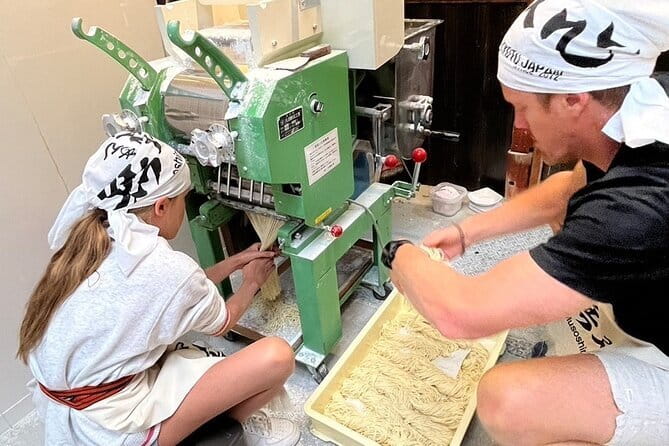
Yes, if you want a Kyoto experience that is practical, not just scenic. The biggest reason to book is the structure: you learn the noodle process using a professional machine, then you taste a bowl made by the chef right after. That link between technique and flavor is exactly what makes food classes worth doing.
If you are hoping to learn everything about ramen, including broth cooking and full bowl assembly, temper expectations. This class is strong on noodles, and it keeps the session focused.
Bottom line: for a little over an hour in central Kyoto, with English support, a meal included, and small-group attention, this one is an easy yes for most ramen lovers.
FAQ
How long is the Kyoto ramen noodle making class?
The class lasts about 1 hour (approx.).
Where is the meeting point in Kyoto?
You meet at 558-2 Komatsuchō, Higashiyama Ward, Kyoto, 605-0811, Japan. The activity ends back at the meeting point.
Is there an English-speaking instructor?
Yes. The experience includes an English-speaking noodle making instructor.
What is included with the class?
You get ingredients and tools for noodle making, a rental apron, a bowl of ramen, one soft drink, and the bandana used during the workshop as a souvenir.
Can the class accommodate vegetarian or vegan diets?
Yes. Vegetarian and vegan options are available for the tasting session, including no meat or fish options. You should inform the provider in advance of your needs.
Are pescetarian options available?
Pescetarian diet is listed as accommodatable for the tasting session. You should inform the provider in advance of your dietary restrictions.
Are the noodles made with wheat flour?
Yes. The noodles are made from wheat flour.
What is the cancellation policy?
Free cancellation is available up to 24 hours in advance for a full refund. If you cancel less than 24 hours before the start time, the amount paid is not refunded.
Latest write-ups near Kyoto
- Kyoto: Nishiki Market Tour with a Local Foodie & Tastings★ 4.5 · 67 reviews
- Kyoto Kimono Rental mimosa |Kimono/Yukata Rental Couple Plan★ 4.8 · 67 reviews
- Kyoto: Traditional Kimono Fabric Handicrafts Workshop★ 5.0 · 67 reviews
- Kyoto Tea Ceremony and Samurai Photo Session★ 5.0 · 70 reviews
- Kyoto: Replica food making experience★ 4.8 · 70 reviews
- Kyoto: Kinkakuji, Golden Pavilion Guided Tour★ 4.7 · 71 reviews
- Private departure transfer from Kyoto city to Kansai International airport★ 5.0 · 72 reviews
- Uji: Green Tea Tour with Byodoin and Koshoji Temple Visits★ 4.8 · 72 reviews
Ramen Experiences, compared.
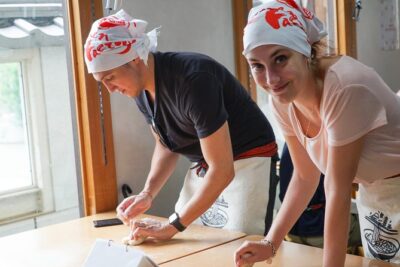
Ramen Cooking Class at Ramen Factory in Kyoto
Read our review →
Eat and Drink Like a Local: Tokyo Ueno Food Tour-Taverns&Ramen
Read our review →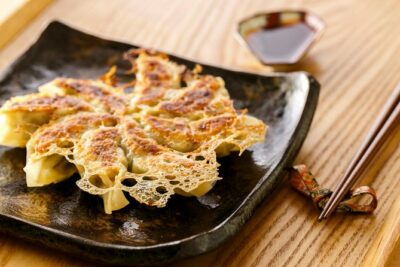
Ramen & Gyoza Cooking Class in Tokyo with Local Supermarket Visit
Read our review →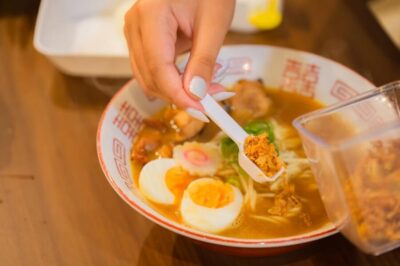
Ramen Cooking Class at a Ramen Factory with Souvenir
Read our review →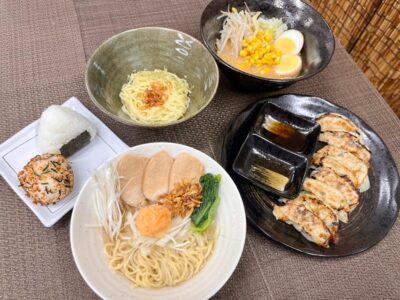

Five Must-See Highlights Walking Tour & Ramen Lunch
Read our review →
Browse the lists this tour appears in