
Reviewed · RAMEN EXPERIENCES
Ramen Making from Scratch +Akihabara Tour – Tokyo Cooking Class
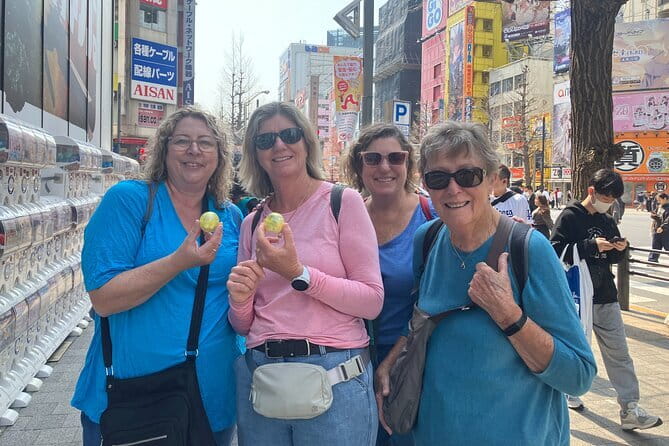
What makes this Tokyo ramen class especially interesting is that it mixes cooking skills with a real, practical look at Akihabara and the ingredients behind a great bowl. You get a small-group studio experience that starts with getting your bearings in one of Tokyo’s most chaotic neighborhoods.
I especially like the maximum 12-person setup. That size makes it easier to ask questions, get hands-on help, and keep the pace moving without feeling rushed.
One important consideration before you book: vegan and vegetarian options are not available, so this is a pork-and-broth style class.
Key things I’d plan around
- Akihabara walking time first, so you can go from street sights to cooking without feeling lost
- A supermarket stop for ingredient shopping, with guidance on what to look for and how Japanese pantry staples are used
- Small-group cooking in a central Tokyo studio, with an English-speaking instructor
- Ramen from scratch, including fresh noodles and broth, plus chashu pork for Jiro-style ramen
- Digital photo souvenir later, so you have something to remember the steps you learned
Ramen from scratch in Tokyo, with Akihabara built in
This is not just a sit-and-eat ramen experience. It is a Tokyo cooking class that teaches you how to build ramen from the ground up, then places that lesson inside a trip through Akihabara and a Japanese supermarket. If you like the idea of learning Tokyo in the same breath as cooking, the format makes a lot of sense.
The best part for me is how the trip is designed to remove two common frustrations. First, you get help navigating Akihabara long enough to feel oriented. Second, you learn what to buy at a Japanese grocery store, so the class does not end when you walk out the door.
The cooking portion is where the value really shows. You make fresh noodles, work on a rich broth, and learn how to cook the chashu pork for Jiro-style ramen. The studio time is long enough for real technique, not just a demo you watch.
More Cooking Classes in Tokyo
- Ramen & Gyoza Cooking Class in Tokyo with Local Supermarket Visit
★ 5.0 · 823 reviews - Tokyo: Easy Ramen Cooking Experience in Kabukicho, Shinjuku
★ 4.6 · 321 reviews - Ramen and Sushi Cooking Class with Sake Pairing Set in Tokyo
★ 5.0 · 291 reviews
Akihabara Station meet-up and a quick street tour that actually helps
The experience starts at Akihabara Station (1 Chome Sotokanda, Chiyoda City). From there, you head out on foot for about 20 minutes. This is a short walk, but it is timed well. You are learning the neighborhood while you still have energy, and before you have to think about ingredients.
Akihabara is famous for gadgets, anime, and pop culture. A guided walk through the colorful streets gives you a simple mental map. You do not need to know every shop name, but you do learn where the action clusters so you can wander on your own later without feeling like you are constantly re-choosing the wrong direction.
In small details, this is also where the class feels more personal. Guides named Saori and Bunga show up in past groups leading the Akihabara portion, and the walking format gives you quick, practical context on what you are seeing and why it matters in everyday Tokyo life.
A possible drawback to keep in mind: this is not a long Akihabara day. Expect street time, not a deep neighborhood exploration. If you want hours and hours of browsing, you may still want a second block on your own after lunch.
The supermarket stop: learning what to buy, not just what to cook
After the walk, you spend about 20 minutes at a local supermarket in Akihabara. This is one of the most useful parts of the whole experience, because it turns ramen into something you can repeat at home.
You get guidance on local ingredients and how they show up on shelves. Even if you are not a fluent shopper, you learn what categories matter for ramen, and you get a feel for how Japanese grocery stores are organized. That matters, because ramen is not one magic ingredient. It is a balance of broth foundations, noodle choices, and toppings.
This stop also changes the way you look at Japanese food once you are back in Tokyo. Instead of treating everything as a label maze, you start recognizing the basic building blocks. That is the difference between a fun meal memory and a skill.
One more practical angle: you are picking ingredients with a goal in mind. You are not wandering for an hour trying to guess what you will need later. The time is short, so you should come with curiosity and expect to move efficiently.
Moving to the kitchen studio by train
Then you hop on public transportation for about 15 to 30 minutes to reach a modern kitchen studio. The train ride matters because it keeps the class grounded. You are doing this like a Tokyo day, not like a closed-off activity bubble.
For you, it is a good buffer. You get a little mental reset after the supermarket, and by the time you arrive at the studio, you are ready to cook. The walking and shopping parts are visual and quick. The cooking is physical and detail-based, so that transition helps.
Also, this is a group-friendly logistics plan. The activity is near public transportation, and the class itself is set up for short-route movement within central Tokyo.
More Ramen Experiences in Tokyo
- Eat and Drink Like a Local: Tokyo Ueno Food Tour-Taverns&Ramen
★ 5.0 · 957 reviews - Tokyo: Ramen Tasting Tour with 6 Mini Bowls of Ramen
★ 4.9 · 432 reviews - Professional Ramen & Gyoza with Ramen Chef in a restaurant!
★ 5.0 · 223 reviews - Shibuya: Ramen Dojo Tokyo | Make All 3 (Tonkotsu/Shoyu/Miso)
★ 5.0 · 214 reviews
Inside the Tokyo ramen workshop: noodles, broth, and Jiro-style chashu
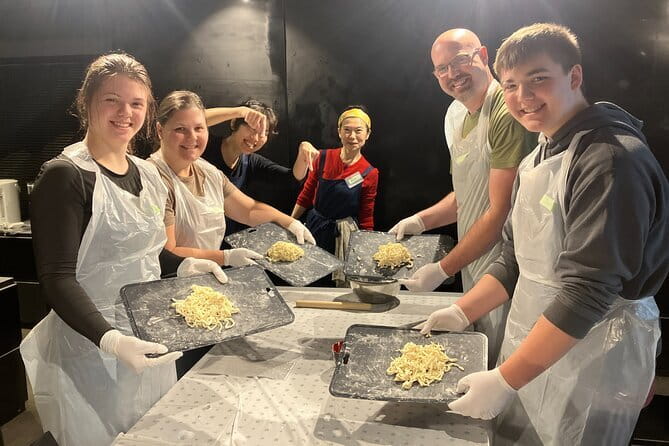
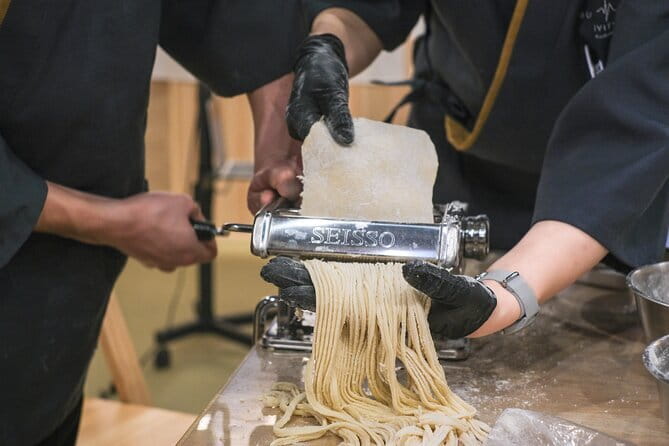
The cooking class portion lasts about 90 minutes. This is where the focus sharpens: you learn ramen from scratch, including making fresh noodles, preparing the broth, and cooking the chashu pork for Jiro-style ramen. In other words, you are not just assembling a bowl. You are building components.
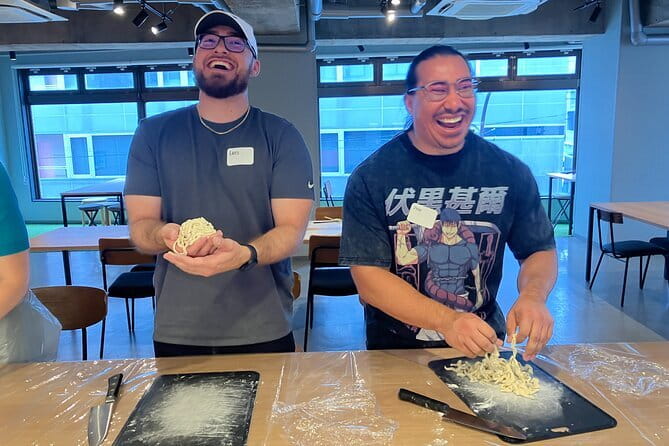
Fresh noodles are the skill people remember. Rolling, cutting, timing, and handling are all parts of the lesson. Even if your first attempt at home is not perfect, you come away with a clear understanding of the process and the texture goal you are aiming for.
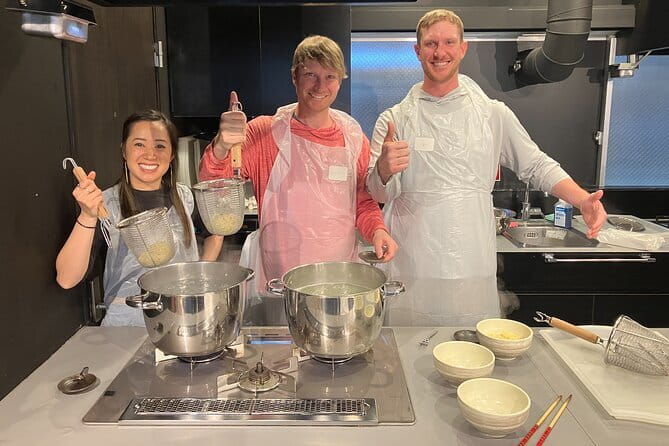
Then there is broth. Broth is where patience and ratios show up, and where guidance really matters. You learn how to prepare the rich base that gives ramen its depth. This is also why the class works as a home-cooking lesson. Once you understand the logic of the broth, you can adjust future batches without getting completely stuck.
For toppings, you focus on chashu pork for Jiro-style ramen. Chashu is a centerpiece component, so learning it hands-on gives your future ramen a more authentic backbone. If you love pork-based Japanese flavors, this is a strong fit.
In previous classes, instructors such as Kyoko and Hioroko have guided the cooking steps. Even when instructors vary by date, the consistent theme is hands-on coaching and English communication, so you are not left translating by yourself mid-step.
A small but real consideration: this is hands-on cooking. You should be ready to stand, work with ingredients, and follow instructions closely. Wear comfortable shoes and plan to keep your energy up through the studio time.
Lunch and the digital photo souvenir
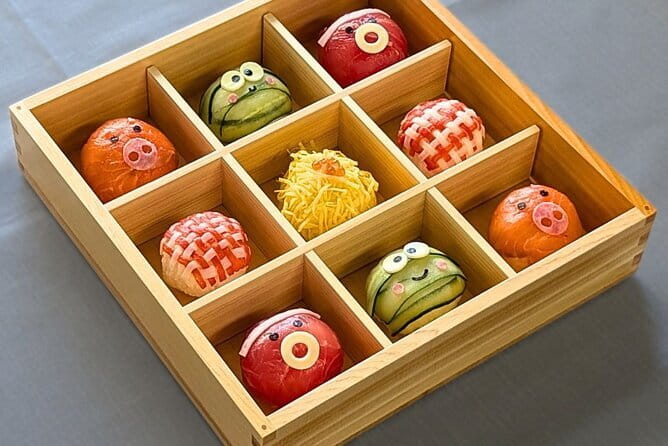
You eat lunch as part of the experience. That is not a random extra. It is timed so you get to enjoy the bowl you made, while the technique is still fresh in your head.
On top of the meal, you receive later-downloadable digital photos from the class. The photos matter more than you might think. When you are learning cooking methods, it helps to have a visual reference later, especially for steps like noodle thickness and plating style.
This kind of souvenir works best if you plan to cook again. If you keep the photos and jot down what you liked, you can turn the class into a repeatable recipe path instead of a one-off memory.
Group size, English support, and pacing that keeps you from getting bored
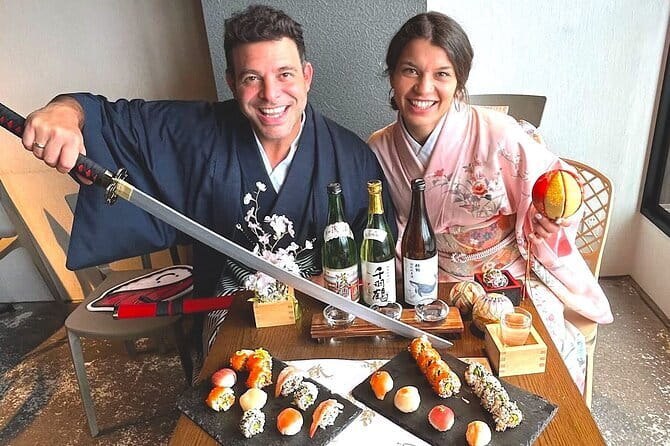
A maximum of 12 travelers keeps this from turning into a lecture. It also helps the pace. In a small group, questions get answered without waiting through a chain of other students.
The class includes an English-speaking instructor, and you spend most of your time doing, not just listening. You are walking, shopping, then cooking, with each stage tied to the next. That flow is important in Tokyo, where it is easy to spend time commuting and then feel like you did not really do much.
The overall duration is about 3 hours 30 minutes, and it starts at 11:00 am. That is a nice timing choice because it puts you in the right rhythm for a midday meal, and it leaves plenty of daylight afterward for more Akihabara wandering.
If you want a full day of sightseeing, you may want to pair this with something else later. If you want a single focused activity that teaches you a real skill, this duration hits the sweet spot.
Price and value: what $123.55 is buying you

At $123.55 per person, this is not a cheap snack-and-walk activity. You should expect to feel the value in three places.
First, you are paying for hands-on instruction with a small group. Many budget cooking experiences keep you watching, not participating. Here, you make noodles and prepare key components, which takes real time and real teaching effort.
Second, your learning includes the supermarket context. That supermarket stop is the part that makes the class practical. It is easier to cook at home when you know what you can actually find in a Japanese grocery store.
Third, the experience includes lunch and digital photos. Those are small additions, but together they extend the value beyond the cooking studio.
So if you like Tokyo food culture and you want a skill you can use later, the price starts to feel reasonable. If you just want a casual meal with light explanation, you might find the cost harder to justify.
Who this Akihabara ramen class is best for
This Tokyo cooking class is a great match if you want more than eating ramen in Tokyo. You want the process, the ingredients, and the chance to understand what you are tasting.
It is also a good fit for people who appreciate guided structure. Akihabara can be overwhelming, so having someone guide you through the area and then into ingredient shopping helps you get more out of your time.
It works well for couples and families too, since the pace is interactive and the group is small. Families especially tend to do well when an activity stays focused and hands-on rather than turning into a long passive tour.
It may not be for you if you need vegetarian or vegan meals, since vegan and vegetarian options are not available. If your dietary needs are strict, you should look for a different cooking class format.
Should you book this Akihabara ramen making class?
Book it if you want a Tokyo day that combines street orientation, ingredient shopping know-how, and a real cooking outcome. The small-group size, the ramen-from-scratch focus, and the inclusion of lunch plus digital photos make it feel like a complete experience rather than a quick activity.
Skip or reconsider it if you are mainly looking for vegan-friendly food or you want a long, self-paced Akihabara exploration. This experience is structured, it moves, and it centers on making Jiro-style ramen components correctly.
If you are the type of traveler who likes to come home with a skill, not just a photo, this is one of the better ways to do ramen in Tokyo.
FAQ
How long is the Tokyo ramen making experience?
It runs for about 3 hours 30 minutes.
Where does the tour start?
You meet at Akihabara Station, 1 Chome Sotokanda, Chiyoda City, Tokyo 101-0028, Japan.
Is lunch included?
Yes. Lunch is included as part of the experience.
What will I learn to make?
You will learn to make ramen from scratch, including noodles and broth, and you will cook chashu pork for Jiro-style ramen.
Is the group size limited?
Yes. The class has a maximum of 12 travelers.
Are vegan or vegetarian options available?
No. Vegan and vegetarian options are not available.
Is hotel pickup or drop-off included?
No. Hotel pickup and drop-off are not included.
Can I get a refund if I cancel?
You can cancel for a full refund up to 24 hours before the experience starts. If you cancel less than 24 hours before, the amount paid is not refunded.
More Anime & Pop Culture Tours in Tokyo
- Official Street Go-Kart Tour – Akihabara
★ 5.0 · 1,578 reviews - Tokyo Go Kart: Asakusa, Skytree, and Akihabara **IDP MUST**
★ 5.0 · 988 reviews - Tokyo Studio Ghibli Museum and Ghibli Film Appreciation Tour
★ 4.5 · 421 reviews - Akihabara Anime & Game Adventure Walking Tour (Group or Private)
★ 5.0 · 404 reviews
Latest write-ups near Tokyo
- From Tokyo: Top 5 Scenic Spots of Mount Fuji Full-Day Tour★ 4.5 · 67 reviews
- Tokyo Customized Private Tour: See Top Attractions in 1 Day★ 4.8 · 67 reviews
- Traditional Japanese Music ZAKURO SHOW in Tokyo★ 5.0 · 67 reviews
- Tokyo: Shinjuku Izakaya and Golden Gai Bar Hopping Tour (2h)★ 4.9 · 67 reviews
- Tsukiji: Unlimited Sake Tasting Experience★ 4.9 · 67 reviews
- Samurai Ninja Museum Asakusa: Kid-Friendly Ninja Training★ 4.7 · 67 reviews
- Tokyo: Not a show- a professional sumo practice with experts★ 4.9 · 67 reviews
- Private Harajuku Omotesando Architecture Walking Tour★ 5.0 · 67 reviews
Ramen Experiences, compared.

Ramen Cooking Class at Ramen Factory in Kyoto
Read our review →
Eat and Drink Like a Local: Tokyo Ueno Food Tour-Taverns&Ramen
Read our review →
Ramen & Gyoza Cooking Class in Tokyo with Local Supermarket Visit
Read our review →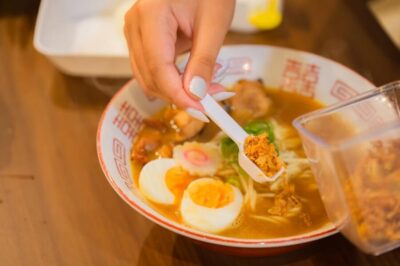
Ramen Cooking Class at a Ramen Factory with Souvenir
Read our review →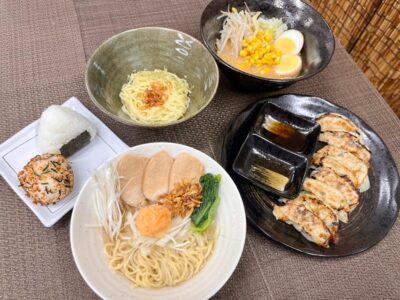
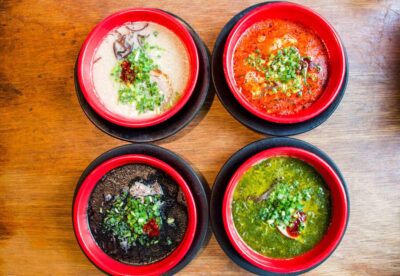

Five Must-See Highlights Walking Tour & Ramen Lunch
Read our review →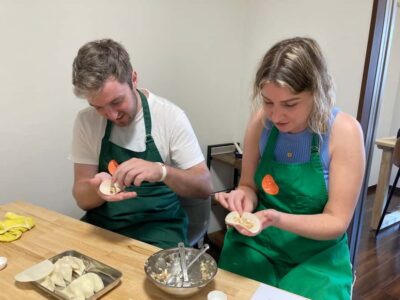
Browse the lists this tour appears in