
Reviewed · TEA CEREMONIES
Tea Ceremony Workshop in Tokyo by the Experienced Instrucor
This Tokyo tea ceremony workshop is interesting because you actually get to taste and make tea, not just watch a polite show. I love that it is taught through a school licensed by the Urasenke Chado School in Kyoto, and I love how the instructor, Ms. Haneishi, walks you through everything in clear, fluent English. The one drawback to plan for is the steep second-floor stairs in an older 1940s house.
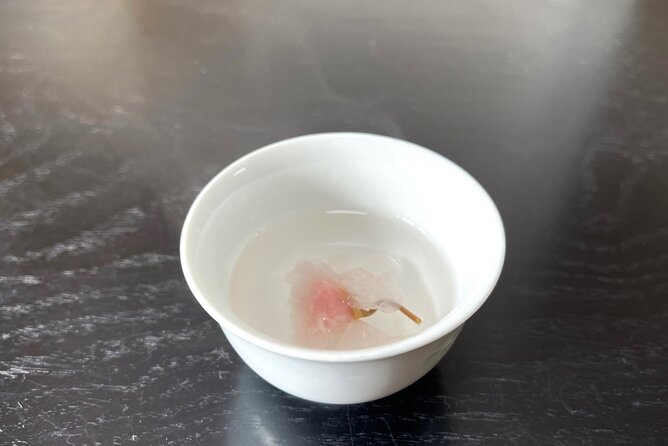
You’ll also appreciate the calm, step-by-step pace. You start with a welcome cup of Sakura tea (cherry blossom) and then move into a 10-minute intro video that explains the core ideas of chado before you sit down on tatami. If you struggle with tatami seating, you can use a chair, and socks are required in the tea room.
Key highlights I’d circle on your Tokyo calendar
- Kyoto-licensed training: learn chado with instruction tied to the Urasenke Chado School in Kyoto
- Tastings plus hands-on making: try koicha (thick, strong) and make usucha (thin, foamy) yourself
- A small group setup: maximum 6 travelers for a more personal, quieter experience
- Tatami tearoom time: a real tea room feel, with a meditation pause built into the flow
- Matcha, bowls, and technique: you learn about matcha powder and why bowl shapes matter
Chado With a Kyoto Connection, Right in Asakusa
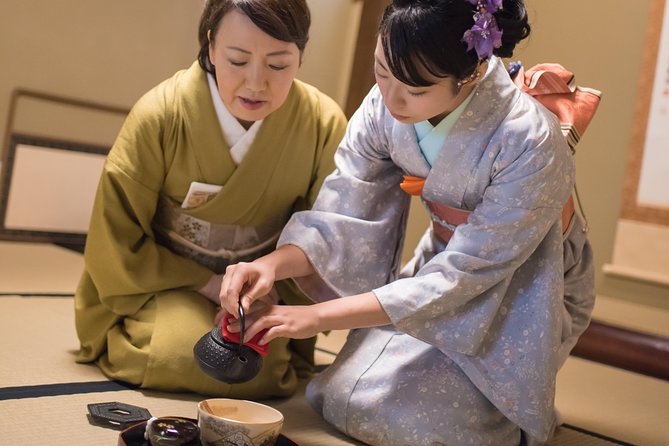
Chado, the Japanese tea way, is famous because it is about more than drinking matcha. It’s a practiced rhythm: how you receive, how you serve, how you hold yourself, and how you move with intention. This workshop gives you that foundation without turning it into a long, confusing course.
The biggest reason to take this one seriously is the school connection to Urasenke Chado School in Kyoto. That matters because it hints at standards, not just a casual tea demo. In the tea room, you’ll see how the ceremony steps have structure, and the instructor is clearly trained for teaching guests, not just performing.
Also, I like that the experience is not purely ceremonial theater. You practice serving as both a host and a guest. That small shift changes the whole feeling. It’s still respectful and formal, but you aren’t stuck as a spectator the entire time.
More Tea Ceremonies in Tokyo
- Matcha Making Class in Tokyo with Authentic Japanese Sweets Set
★ 5.0 · 744 reviews - Tokyo: Traditional Tea Ceremony with a Tea Master
★ 5.0 · 528 reviews - Tokyo: Matcha Making Experience with Mochi Sweets in Asakusa
★ 4.9 · 388 reviews
Price and Value: Why $38.47 Can Make Sense
At $38.47 per person, this is not one of those bargain “smash a matcha packet and call it culture” stops. You’re paying for instruction, guided tasting, and hands-on making in a proper tatami tearoom.
Here’s what you typically get for that price, based on the provided format:
- A welcome drink (Sakura tea)
- A short history and core concepts video
- Ceremonial tasting of koicha
- A matching, step-by-step lesson to make usucha
- Several Japanese confections (three types are specifically mentioned, plus additional dry sweets before usucha)
- Lessons about matcha and tea bowls, including how bowl shapes affect the experience
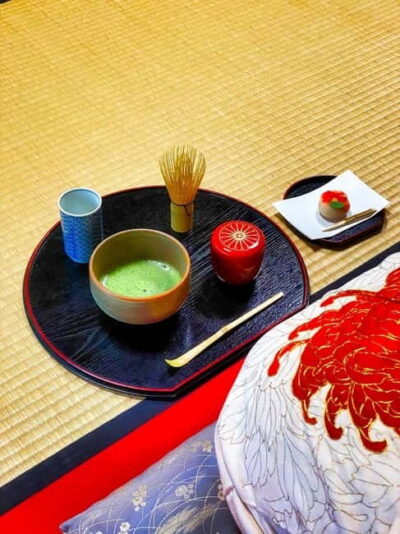
For many visitors, the value comes from the combination. You taste strong and thin matcha styles, then you make the thinner style yourself. That’s a real skill you can talk about later, and even bring home by buying matcha with a clearer sense of what you liked.
If you are looking for a full-day, advanced training deep enough to feel like you’re joining a long-term practice, this is probably not that. But at 1 day, about 1 hour 30 minutes, it’s a focused introduction that still feels authentic.
Finding the Tea Room: Meeting Point, Second-Floor Reality, Socks Required
You’ll meet at 2-chōme-3-12 Kotobuki, Taito City, Tokyo 111-0042. You’re in the broader Asakusa area, which is convenient for public transport. Plan to arrive a few minutes early so you can settle in before the intro video.
Now, the practical stuff that can make or break your comfort:
- The tea room is on the second floor.
- The building is an old Japanese-style house from the 1940s, with a staircase that is very steep.
- There’s no machinery provided to help you up.
- The tea room requires socks. No bare feet.
Dress code is also strict in spirit. Miniskirts and tight pants are not recommended. That’s really about not having your movement restricted during the formal sitting and serving. If you want a smooth experience, wear something loose, long enough to feel comfortable, and bring socks you don’t mind getting slightly tea-ritual textured.
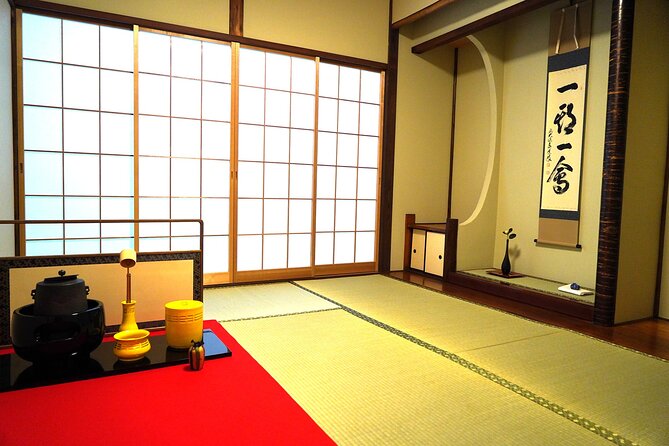
Seating is flexible: you do not have to do seiza (kneeling style on tatami). If you can’t sit on tatami comfortably, you can use a chair.
One more thing to know: the house has a weight capacity. Even if you booked a certain group size, the operator may ask a group to change time slots to balance capacity for safety.
The 90-Minute Flow: Sakura Welcome to Usucha You Make
This workshop follows a clear progression, and it’s designed so you never wonder what comes next. Expect a calm “watch, explain, practice, taste” order rather than a rushed scramble.
A change of pace from Tokyo:
- Mt Fuji and Hakone 1-Day Bus Tour Return by Bullet Train
★ 5.0 · 26,383 reviews - 1-Day Tokyo Bus Tour
★ 5.0 · 14,250 reviews - Tokyo: TOKYO SKYTREE® Admission ticket
★ 4.5 · 11,192 reviews - Tokyo: teamLab Planets TOKYO Digital Art Museum Entry Ticket
★ 4.6 · 9,779 reviews
Sakura tea and the welcome mood
You begin with a cup of Sakura tea served by the host. It functions like a gentle on-ramp. You’re not thrown into matcha immediately, and it helps set the tone for chado as something slow and deliberate.
A 10-minute introduction video
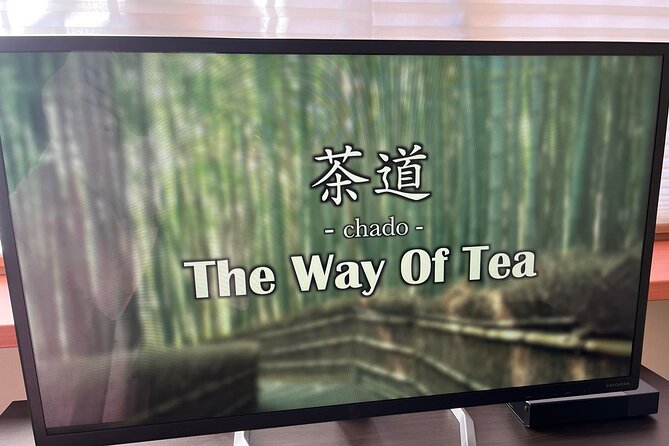
Next comes a 10-minute introduction video covering the history and core concepts of chado. It’s short enough to stay sharp, but it gives you vocabulary so the later steps make more sense. If you’ve ever felt lost during tea demonstrations, this part helps you connect the ceremony movements to the meaning.
Tea room time, plus a meditation pause
Then you move into the tearoom and spend time in its quiet atmosphere. There is also a meditation component built into the flow. That matters because it’s the difference between chado as entertainment and chado as practice. You’re encouraged to slow down, not just learn a sequence.
Confections before the main tea rounds
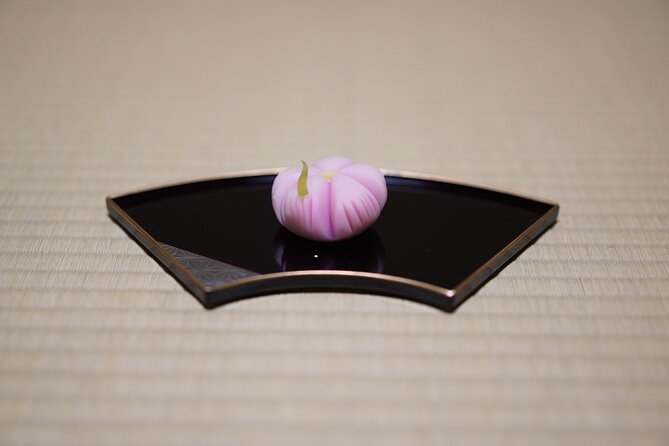
You’ll enjoy traditional Japanese confectionary. The overview calls out three kinds of local Japanese confectionary, and the flow also includes dry sweets before drinking usucha later on. These sweets are part of balancing taste and texture, so don’t skip them or you’ll miss half the point.
Koicha ceremony performance and tasting
After the pause and sweets, you’ll see the formal performance for koicha, the main matcha tea in the ceremony. Koicha is strong and thick. You then taste it. The format here specifically frames koicha as the original strong matcha style associated with samurai drinking.
Even if you don’t care about the historical angle, the tasting is useful because it trains your palate. Koicha tastes richer and heavier than the lighter, foamy style you’ll make later.
Tea bowls from different regions, and why shape matters
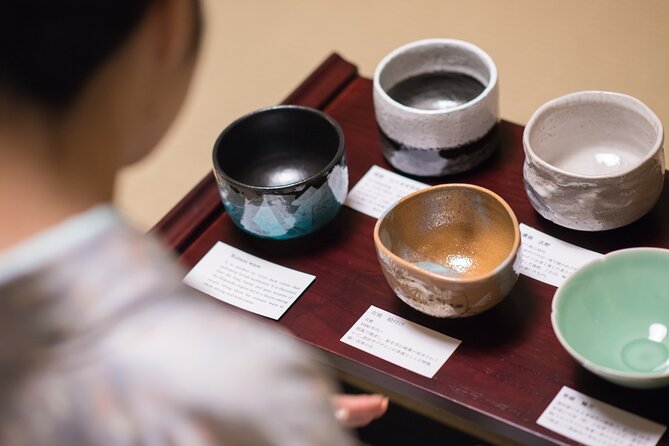
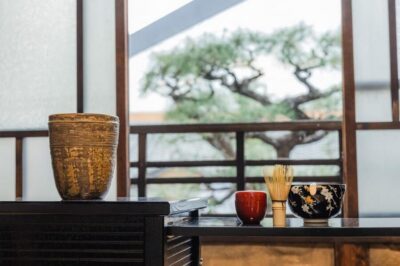
You’ll also learn about tea bowls, including the variety from different regions and how shape can change taste and experience. This is one of those details people often gloss over when doing quick matcha tastings, but it’s a real part of the ritual. You begin to understand that the tools are not decoration.
Your hands-on lesson: making usucha
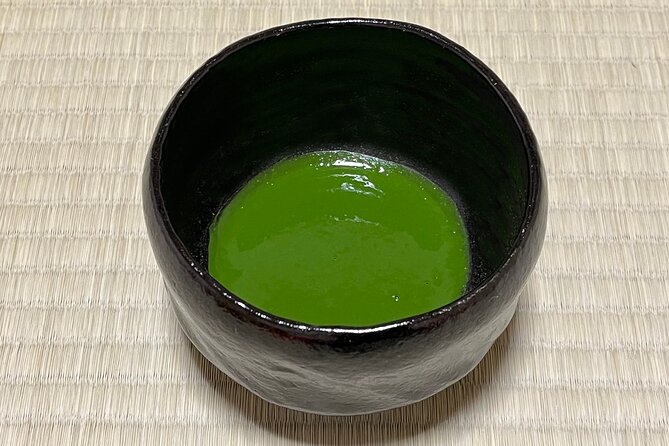
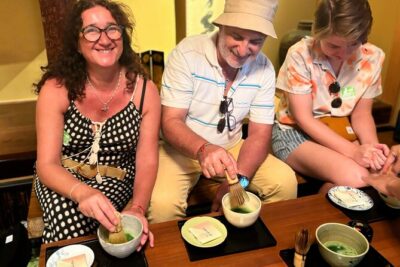
Now the workshop shifts from watching to doing. You’ll make a bowl of usucha, the thin matcha tea with thick foam on top. The structure matters here. You’re not just handed a whisk and told good luck. You learn the approach and then produce your own cup.
Before you drink your usucha, you’ll enjoy dry sweets. Then it’s time for your bowl.
Matcha basics: powder and what you’re tasting
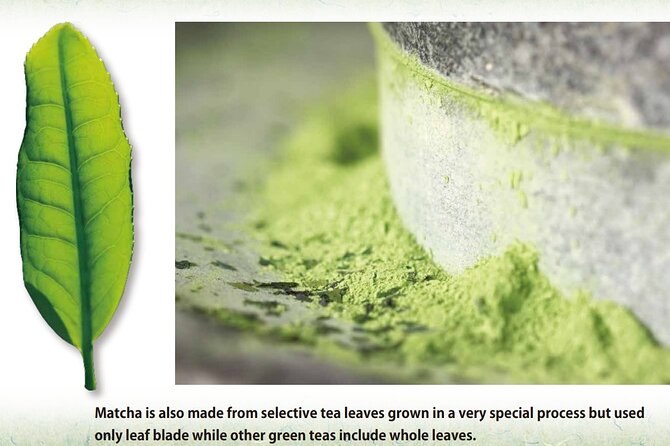
Finally, you’ll learn about matcha powder itself. This is where your tasting becomes more meaningful. If you buy matcha later, you’ll have a better idea what to look for and how you like it, based on what you experienced in the ceremony flow.
Koicha vs Usucha: Two Styles, Two Moods of Matcha
One of the reasons this workshop works so well is that you don’t just drink matcha once. You encounter two styles.
Koicha is thick and strong. It tends to feel more like a dense, rich tea experience. The ceremony performance emphasizes that formal, almost grounded mood. It’s not just flavor, it’s how the tea is presented and tasted.
Usucha is thinner, with foam on top. The hands-on part helps you notice texture and process. You’re making something more airy than koicha, and the foam becomes an element you can actually affect with technique.
When you can taste both in one session, you start building preferences fast. People often leave with a clear sense of whether they prefer strong and mellow or thin and foamy.
Serving as Host and Guest: The Social Side You Don’t Expect
A lot of tea experiences stop at making tea and sipping it. This one also asks you to practice serving as both a host and a guest. That sounds like a small detail, but it changes how you experience chado.
When you serve, you slow down your movements. When you receive, you pay attention to how the tea and the moment are shared. You’re not only learning tea. You’re learning manners as choreography.
That is also why the small group size matters. With up to 6 travelers, you get enough room to do the steps without feeling swallowed by a crowd.
The Tea Room Setup: Tatami, Chair Option, and Real Comfort Tips
The ceremony takes place in a tearoom with tatami mats. You do not have to sit in strict seiza style. If you can’t comfortably sit on tatami, you can get a chair.
So if you’re worried about leg comfort, don’t panic. Just plan ahead:
- Wear socks (required).
- Bring socks you can walk comfortably in.
- If you need a chair, expect to be asked how you want to handle seating.
- Give yourself extra time for the steep stairway, since there is no assistive machinery.
It’s also worth noting that because the building is old and has weight capacity limits, the operator may shift timing for safety. That can affect your schedule, so keep some flexibility.
Who This Workshop Suits Best (and Who Might Feel Disappointed)
This workshop is designed for age 10 and above, so it can work well for families. One family setup mentioned included teens who liked it, and the experience format is structured enough to keep kids engaged while still being respectful.
It’s also excellent for:
- Couples wanting a calm, cultural activity that feels intimate
- Solo travelers who want a small group setting and direct instruction
- Anyone who wants to learn matcha and the meaning behind the steps, not just take photos
It might not fit you if:
- You expect a long, advanced training session that takes hours, because this one is about 1 hour 30 minutes
- You have mobility concerns, because the tea room is on the second floor with steep stairs and no machinery assistance
- You prefer an activity with no dress or behavior expectations at all, because the dress code and no-bare-feet rule are part of the experience
Booking Tips That Make the Day Smoother
A few smart moves will help you enjoy the workshop more:
- Choose a start time that protects your energy. You’re doing a calm, seated ritual, not a sprint.
- Wear comfortable, loose clothing that fits the dress guidance.
- Bring socks you like, because socks are required and the ritual is shoe-free.
- If you know you’ll need a chair, be ready to mention seating needs when you arrive.
- Expect a tight flow. This is a compact experience, so watch the timing and follow instructions.
Also, you’ll receive confirmation within 48 hours of booking, depending on availability. The operator offers multiple workshop times to match busy schedules, and the format uses a mobile ticket.
Should You Book This Tokyo Tea Ceremony Workshop?
If you want an authentic chado introduction with real hands-on matcha making, I think this is a strong choice. The Urasenke-licensed training connection is meaningful, and the structure does what it should: it teaches the concepts, shows the formal steps, then gives you practice with usucha after tasting koicha.
Book it if you value a small group, clear instruction in English, and a calm activity that feels respectful rather than performative. I’d especially recommend it to couples, friends, and travelers who want something quieter than the usual Tokyo checklist.
Skip it or at least think hard if stairs are an issue for you, since the second-floor setup in a 1940s house is a genuine challenge, and there’s no assistive equipment.
FAQ
How long is the tea ceremony workshop in Tokyo?
The workshop is about 1 day and 1 hour 30 minutes (approx.).
What is the price per person?
The price is $38.47 per person.
Where is the meeting point?
The meeting point is 2-chōme-3-12 Kotobuki, Taito City, Tokyo 111-0042, Japan.
Is the tea room accessible if I have trouble sitting on tatami mats?
You do not have to sit in seiza style. If you cannot sit on tatami in any way, a chair can be provided.
Do I need socks, and is bare feet allowed?
Socks are required in the tea room, and you should not go barefoot.
What should I wear?
Miniskirts and tight pants are not recommended. You also need to avoid bare feet, and the socks requirement means comfortable sock choice matters.
What kinds of tea will I taste and make?
You will taste koicha and enjoy usucha. You will also practice making a bowl of usucha during the hands-on lesson.
Is there a video or explanation before the ceremony?
Yes. There is a 10-minute introduction video about the history and core concepts of chado.
What is the minimum age to participate?
The workshop is designed for participants age 10 and above.
What is the cancellation policy?
You can cancel for free up to 24 hours before the experience start time for a full refund.
If you cancel less than 24 hours before the start time, the amount you paid will not be refunded.
Latest write-ups near Tokyo
- Tokyo Customized Private Tour: See Top Attractions in 1 Day★ 4.8 · 67 reviews
- From Tokyo: Top 5 Scenic Spots of Mount Fuji Full-Day Tour★ 4.5 · 67 reviews
- Traditional Japanese Music ZAKURO SHOW in Tokyo★ 5.0 · 67 reviews
- Tokyo: Shinjuku Izakaya and Golden Gai Bar Hopping Tour (2h)★ 4.9 · 67 reviews
- Tsukiji: Unlimited Sake Tasting Experience★ 4.9 · 67 reviews
- Samurai Ninja Museum Asakusa: Kid-Friendly Ninja Training★ 4.7 · 67 reviews
- Private Harajuku Omotesando Architecture Walking Tour★ 5.0 · 67 reviews
- Tokyo: Not a show- a professional sumo practice with experts★ 4.9 · 67 reviews
Tea Ceremonies, compared.
Tea Ceremony in a Traditional Tea House in Kiyomizu
Read our review →
World Heritage Kyoto & Nara Uji Authentic Matcha Experience
Read our review →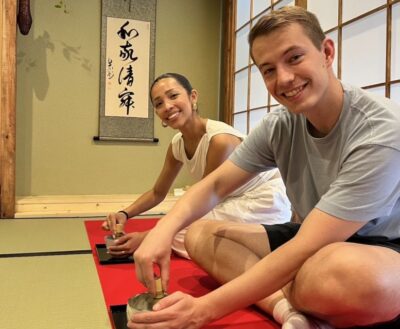
Browse the lists this tour appears in