
Reviewed · ZEN & MEDITATION
Buddha, Bamboo & Zen – Bespoke Kamakura Private Walking Tours
This is the kind of tour that makes Kamakura feel like a real day out, not a checklist. You get a private, bespoke walking plan and a guide who is clearly thinking about how temples, stairs, and crowds add up over time. I like that the pacing is adjustable, so you can linger where you care and cut it short if you are done.
I also like the mix here: Buddhist landmarks (including the Great Buddha), Zen calm at the bamboo temple, and a major Shinto stop at Tsurugaoka Hachimangu. One thing to consider is cost creep, because temple admissions and food are not included, so you will want cash or a plan before you start.
Key things to know before you go
- Private and flexible, with your group able to slow down or call it when satisfied
- Great Buddha plus two temple stops that anchor the day with Buddhist art and gardens
- Hokoku-ji Bamboo Temple with about 2,000 moso bamboo plants, plus a small paid entry fee
- Komachi Street time in the heart of pedestrian Kamakura for snacks and browsing
- Shinto at Tsurugaoka Hachimangu, tied to Hachiman and warrior history
- Plan for extras, especially temple fees, public transport, and lunch
Getting out of Tokyo for a Zen and samurai kind of day
Kamakura has a way of feeling calmer than Tokyo the moment you arrive. This tour leans into that mood on purpose. Instead of rushing you from one photo spot to another, you walk between meaningful sights, with built-in room to rest, eat, and take a break when you want it.
I like that the guide is aware of the practical reality of getting templed out. That matters, because most people do not just want temples, they want the temples to feel enjoyable. When the pacing makes sense, you actually absorb what you are seeing, from Buddhist sculpture to the quieter atmosphere in Zen spaces.
The other big plus is that this is really a private experience. Your group sets the tone. You can share your own idea of the day and the guide builds around it, or you can hand over the reins and follow their preferred flow through Kamakura. Either way, you are not fighting your way through a crowd with strangers who all want different things.
More Zen & Meditation in Kamakura:
- Tokyo: Zen Meditation at a Private Temple with a Monk
★ 5.0 · 510 reviews - Kyoto Zen Meditation & Garden Tour at a Zen Temple with Lunch
★ 5.0 · 441 reviews - Kyoto: Zen Experience in a Hidden Temple
★ 5.0 · 437 reviews
How the 6-hour private walking format works in real life
The tour is about 6 hours long. It is designed to cover more than just walking, including time for rest and food breaks, plus two hours of travel time added in for accessing attractions on foot, train, and bus. That is a useful detail, because it tells you this is not a pure stroll where everything is right next to the station.
You also start and end at a clear, easy-to-find place: Kamakura Eki (Higashiguchi), 1 Chome-1 Komachi, Kamakura, Kanagawa. Ending back at the meeting point helps with the mental math for your day. If you are planning a later train to Tokyo, you have one less headache.
This is also listed as using a mobile ticket, which is a small thing, but it reduces friction when you are coordinating multiple days in Japan.
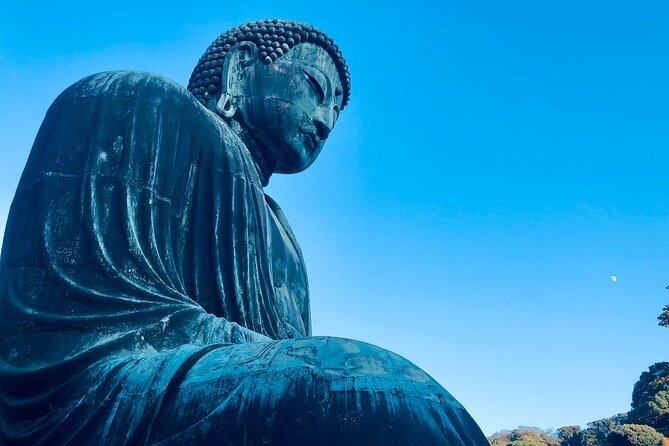
Kotoku-in and the Great Buddha: the bronze statue that anchors the day
Stop one is Kotoku-in, home to the Great Buddha of Kamakura. This is not just a famous landmark, it is an immediate sense of scale. The statue is 13.35 metres tall. It also has a layered origin story: it was originally carved in wood and then cast in bronze, which adds a craft-and-materials angle to what you are looking at.
Plan for about 1 hour here. That is enough time to see the main points calmly, not just snap a picture and rush out. The biggest practical drawback at any major temple stop is weather and footing. If it is hot, humid, or wet, take it slow and use the time budget to pause rather than power through.
This is also where the tour sets a theme. The rest of the day swings between Buddhism, Zen atmosphere, and the warrior-linked Shinto world. Starting with a giant Buddha helps the day feel cohesive, not random.
Hasedera Temple: the Eleven-headed Kannon and the garden break you will want
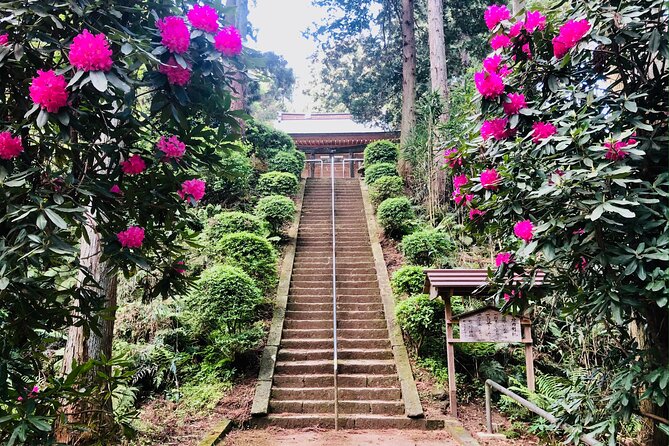
Next comes Hasedera Temple, with a highlight that sounds like it belongs in a museum. You will see the nine-metre-ish tall eleven-headed Kannon wooden statue, carved in 721 AD. That date matters because it gives you a sense of how long Japanese religious art has been evolving in place.
You get about 45 minutes here. That is a good length for two reasons. First, statues like this can be worth lingering on, especially if you care about how figures are arranged and stylized. Second, the garden portion gives you a break from constant moving. The garden is known for flowers that bloom through the year, including a hydrangea path when in season.
If you want a practical way to handle this stop, treat Hasedera as your reset. Take a slower pace through the grounds. Even if you are not an avid garden person, the change from strict temple viewing to open-air wandering gives your legs and mind a breather before the bamboo temple.
More Walking Tours in Kamakura:
- Kamakura Historical Walking Tour with the Great Buddha
★ 5.0 · 129 reviews - Kamakura Walking Tour – The City of Shogun
★ 5.0 · 100 reviews - Kyoto Geisha Walking Tour: Gion District & Hidden Gems
★ 4.7 · 3,273 reviews - Tokyo Tsukiji Fish Market Food and Culture Walking Tour
★ 5.0 · 3,184 reviews
Hokoku-ji Bamboo Temple: 2,000 moso stalks and Zen calm
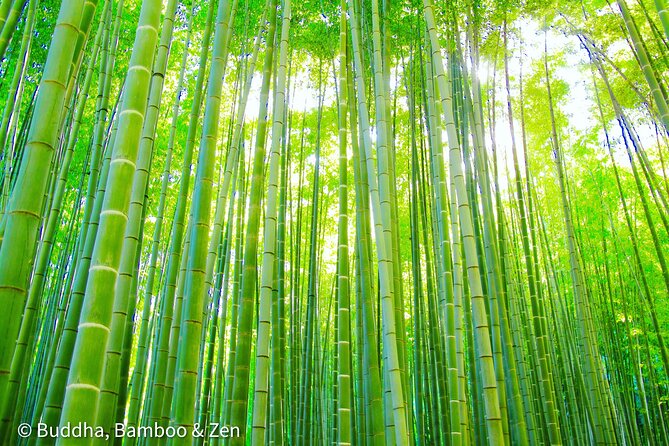
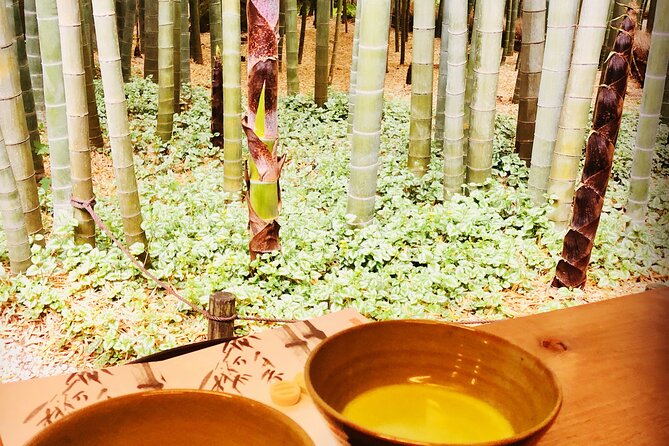
Then you reach Hokoku-ji Temple Bamboo Grove, often called the Bamboo Temple. This is a Rinzai Zen Buddhist temple founded in 1334, and its centerpiece is the bamboo grove with about 2,000 moso bamboo plants.
You get about 1 hour here. The paid entrance fee is part of the reality of this specific stop, because it is not bundled into the tour price. You should expect to pay around ¥600 per person for this one.
I like bamboo stops like this because they change your pace even if you do not mean to. The sound and the visual rhythm make you slow down. It is also a nice tonal contrast after the Buddha and after Hasedera’s carved statue. The day stops feeling like you are collecting monuments and starts feeling like a sequence of moods.
One consideration: this is a temple environment, so dress respectfully and keep your voice down. If you have ever been to a quiet place of worship while traveling, you know how much difference it makes when you follow the space instead of fighting it.
Komachi Street: your hour for snacks, souvenirs, and people-watching
Stop four is Komachi, the main pedestrian shopping street in the heart of Kamakura. You get about 1 hour and admission is free.
This hour is the tour’s practical balance. After temples, sculptures, and gardens, you need something that feels more everyday. Komachi lets you reset your senses: snacks, drinks, small shopping detours, and just moving at a human pace.
You will also likely find lunch and tea options here, which matters because lunch is not included. The tour framework makes room for breaks and food, but you choose what you eat. If you like matcha, the tour description specifically mentions green tea, so this is where you can likely fit that in.
Tsurugaoka Hachimangu Shrine: Shinto, warriors, and a big sense of place
Finally, you visit Tsurugaoka Hachimangu Shrine, the most important Shinto shrine in Kamakura. It was originally established in 1063 and is dedicated to Hachiman, the tutelary god of warriors.
You get about 1 hour here, and it is another key tone shift. Buddhism and Zen have their own atmosphere, and Shinto has a different rhythm. This stop helps connect Kamakura to the warrior story that many people feel as soon as they start learning the region’s background.
Because it is described as a major shrine, expect it to feel like a place with strong local meaning. The practical tip is to give yourself a few minutes to slow down and orient, especially if you are also taking photos. A guide helps here, because you do not want to wander too long when you could be understanding what you are seeing.
Yagura caves and the samurai plus Zen thread along the route
The day is built around more than five named stops. The tour also mentions seeing man-made caves called yagura and learning about samurai history and Zen.
Since specific yagura sites are not itemized in the stop list you were given, treat this as a bonus that may show up as you move through the area. I like that approach because it keeps the day from feeling like a script. If the route hits a relevant spot, your guide can connect it to the theme.
This is also where the Australian English-speaking local guide earns their keep. The tour description points to a guide who will explain context without overdoing it. Based on the way the experience has been praised, the guide’s ability to match the day to your interests seems to be one of the real reasons people keep mentioning it.
Price and value: what you pay, then what you should budget
The headline price is $355.80 per group, up to 6 people. That is for guiding services, and the tour is private. If you come with a couple of friends or a family group, that price starts to make more sense fast, because you are not paying per person for the guide.
But plan for the add-ons, because temple admission fees are not included, and lunch and snacks are also not included.
Here is the clear cost reality from the details you have:
- Public transportation: ¥840 per person
- Temple fees you should expect to pay separately:
- Kotoku-in (Great Buddha): ¥300 per person
- Hokoku-ji (Bamboo Grove): ¥600 per person
- Hasedera: ¥400 per person
- The tour itself recommends bringing about ¥2,000 per guest for temple admissions and transportation, and extra cash for food and drinks.
That ¥2,000 suggestion is practical. It likely covers the listed admissions plus transport without making you do math on a phone mid-ride. If you are the type who likes to pay with card everywhere, that might still work for some places, but the safest move is to carry the cash amount the tour recommends.
What you are really buying with this price is time and good direction. You are paying for someone to manage the flow, pick the route, keep the pacing human, and connect the dots between Buddha, Zen, and warrior-linked Shinto.
The guide factor: Brad’s flexible style and the small help that saves time
The name that comes up repeatedly is Brad, the local English-speaking Australian guide. And the praises are not just about being friendly. They focus on practical stuff: flexibility, pacing that makes sense, and help that reduces friction before you even start walking.
One standout example from the experience feedback is that Brad helped with getting a Suica card and also pointed out where to access extra cash if needed. In Japan, those early setup steps matter. It is easy to lose time at the start, and you do not want your day to feel like you are troubleshooting.
Another strong theme is day planning that fits the group. Reviews described a well-paced day with breaks, plus a short hike through an historic pass. Your tour description also mentions leaving room for rest and calling it when you are satisfied. That alignment is a good sign: the guide does not treat a private day like an inflexible bus ride.
When weather changes things, you are not stuck
This experience requires good weather. If it is canceled due to poor weather, you will be offered a different date or a full refund. In coastal Kamakura, this is not a trivial detail. Plan to have a backup mental model for your day if rain hits.
If you hate surprises, bring a light rain layer and wear shoes you would trust on uneven temple paths. The guide can slow down, but you still want your feet to be happy.
Who should book this, and who might prefer something else
This is ideal if you want:
- a private guide instead of joining a group tour
- a calm day pace with time to rest
- a mix of Buddha, Zen bamboo, and a major Shinto shrine
- someone who can tailor the day to your interests, instead of locking you into the same route for everyone
You might choose something different if you only want one or two landmarks and you hate paying extra for admissions on top of a tour fee. This is a real walking day that also has real temple entry costs. If you are price-focused and do not care about context, you could build your own route. But if you want the day to flow smoothly, the extra planning support is exactly what you are paying for here.
Should you book Buddha, Bamboo & Zen in Kamakura?
Yes, if you care about getting the most out of a limited time window and you like the idea of a guide controlling the day’s rhythm. The best part of this experience is not any single site. It is how the day is stitched together: Great Buddha scale, Hasedera’s long-ago wooden sculpture, Hokoku-ji bamboo quiet, Komachi Street reset time, and Tsurugaoka Hachimangu’s warrior-linked Shinto weight.
Book it if your group is the kind that benefits from a plan but also needs flexibility. And bring cash for admissions and transit, because that is where the “real” budget lives.
If you want a day trip that feels thoughtful rather than rushed, this is the kind of private Kamakura walk that earns its price.
FAQ
How many people is the tour for?
It is a private tour for your group, with a maximum of up to 6 people.
How long is the tour?
The duration is about 6 hours.
Where do we meet the guide?
You meet at Kamakura Eki (Higashiguchi), 1 Chome-1 Komachi, Kamakura, Kanagawa 248-0006, Japan.
What is included in the price?
The guiding services are included. The tour uses a mobile ticket.
Are temple admission fees included?
No. Temple admissions are excluded and must be paid separately by each guest. The tour recommends bringing money for these fees.
Do I need to pay for public transportation?
Yes. Public transportation is listed separately at ¥840 per person.
Is lunch included?
No. Lunch and food or drinks are excluded, and you pay separately.
What places are visited during the walk?
The tour visits Kotoku-in (Great Buddha of Kamakura), Hasedera Temple, Hokoku-ji Temple Bamboo Grove, Komachi Street, and Tsurugaoka Hachimangu Shrine.
What if the weather is bad?
The experience requires good weather. If it is canceled due to poor weather, you will be offered a different date or a full refund.
Are service animals allowed?
Yes, service animals are allowed.
Latest write-ups near Kamakura
- Kamakura Walking Tour – The City of Shogun★ 5.0 · 100 reviews
- Kamakura Private Tour: Temples, Nature, and the Great Buddha★ 5.0 · 121 reviews
- Kamakura Historical Walking Tour with the Great Buddha★ 5.0 · 129 reviews
- From Tokyo: Kamakura & Enoshima 1-Day Bus Tour★ 4.5 · 189 reviews
- Your Own HANKO Name Seal Activity in Kamakura.★ 5.0 · 24 reviews
- Kamakura 4hr Private Trip with Government-Licensed Guide★ 5.0 · 58 reviews
- When Emperors Reigned and Shoguns Ruled★ 5.0 · 43 reviews
- Tokyo: Kamakura & Enoshima Day Trip including Temple Tickets★ 4.5 · 1,375 reviews
Zen & Meditation, compared.
Kyoto Zen Meditation & Garden Tour at a Zen Temple with Lunch
Read our review →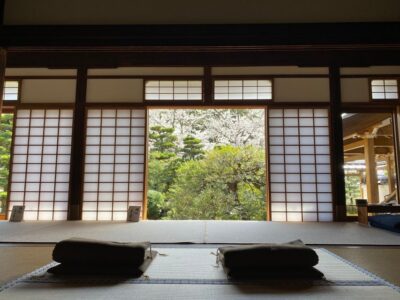

Tea Ceremony Meditation – Make Matcha with Tea Master
Read our review →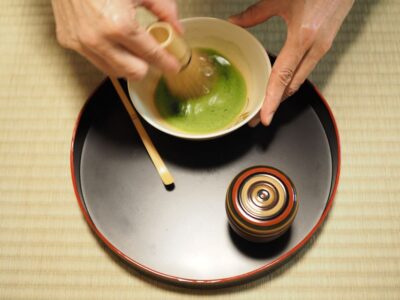
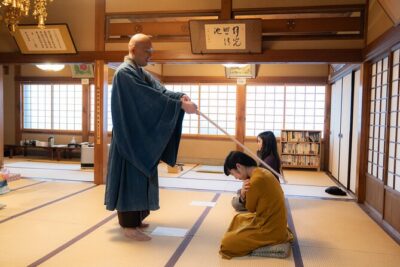
Tokyo Zen Meditation at Private Temple with Monk
Read our review →
Browse the lists this tour appears in