
Reviewed · KNIFE MAKING EXPERIENCES
Experience Big soba knife Soba Making Class in Tokyo Kappabashi
A Tokyo soba making class in Kappabashi is interesting because you are the one mixing, kneading, stretching, and cutting. I love the hands-on 4-step technique and the fact you taste the soba you make right after. One possible drawback to know up front: people with buckwheat allergies are not permitted to enter the restaurant.
I also like that this runs as a small-group experience, capped at 15 people, so the pace stays friendly and you get help when you need it. Plus, the class is designed as an electricity-free activity, which fits the no-fuss, do-it-with-your-hands spirit of Asakusa.
Key highlights at a glance
- Small-group class (max 15) that keeps instructions practical instead of rushed
- Buckwheat-only soba (no wheat flour) using flour from Nagano Prefecture
- 4 steps in about 30 minutes, from water to kneading, stretching, and cutting
- Taste what you cut at the end, with options to take noodles home
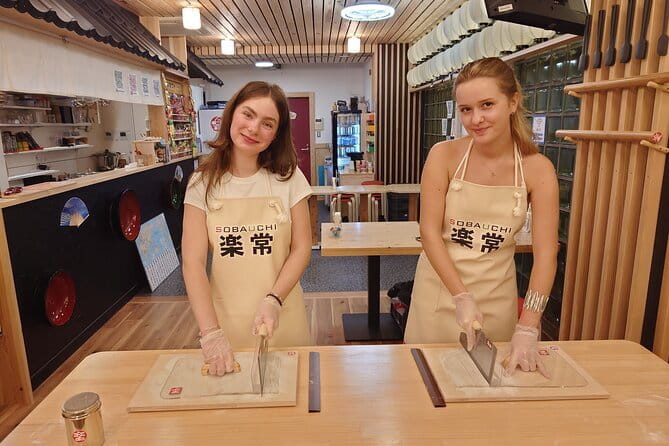
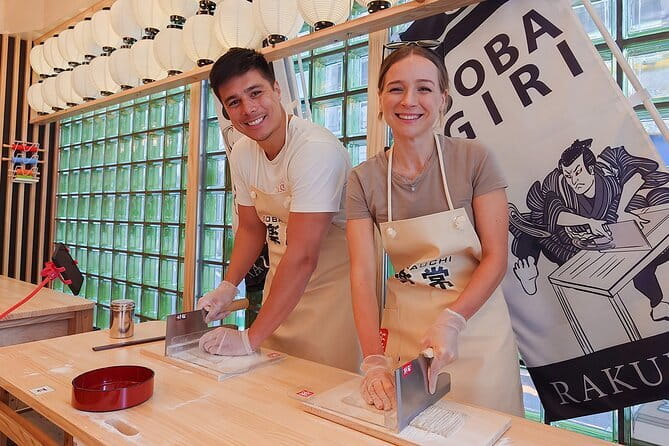
- Aprons and gloves provided, plus hands-on use of a large soba knife
Kappabashi soba lessons feel more local than a cooking show
If you have ever watched someone make soba on a TV screen and thought, I could never do that, this is a good reality check in the best way. This class is built around one simple idea: you learn by doing. You will practice with the tools and techniques used for making long, thin soba noodles, not just follow along.
Kappabashi is famous for kitchen gear, and that matters here. The whole experience sits in a true food-nerd zone, where it is normal to care about knives, cutting technique, and how dough should feel. You get the foodie context just by walking and shopping around the area, then you step into a studio and make the thing you came for.
I also appreciate that the class is paced so you are not just standing around. The session is about 50 minutes total, with the noodle practice itself laid out in a clear set of steps. If you like experiences that turn into a skill you can repeat later, this one has that payoff.
More Knife Making in Tokyo:
- Tokyo: Knife Making Workshop (Sharpening, Engraving)
★ 4.9 · 153 reviews - Tokyo Keen Japanese Knife and Sashimi Workshop
★ 5.0 · 46 reviews - Authentic knife making experience at a blacksmith in Kyoto
★ 4.8 · 350 reviews
How the 50-minute schedule works, and why it is set up to be easy
The session runs about 50 minutes, and it feels intentionally compact. Most of your time is spent learning the core noodle-making sequence, then you get to eat. That balance is key. Many classes teach a process, but you never taste the result. Here, the experience is designed so the last part is the reward.
The class takes place at Open Kitchen Studio in Kappabashi, Asakusa. The location is on Kappabashi’s tool specialty street, about 25 minutes from Sensoji Temple. That is close enough to pair with a morning temple stop, shopping time, or an afternoon stroll, without turning your day into a logistics puzzle.
You meet at Matsugaya in Taito City (near the Matsugaya Center Building), and the activity ends back at the same meeting point. You will also find it convenient that the area is near public transportation.
The studio itself is open and spacious, with room for up to 30 people, which gives you breathing space even though the class is limited to 15.
The 4-step soba process: from flour and water to thin noodles
This is buckwheat soba made from buckwheat flour produced in Nagano Prefecture, and you work without wheat flour. That is not a trivial detail. Buckwheat behaves differently than wheat dough, and learning how to handle it is basically the heart of soba craft.
The class uses a straightforward four-step method:
1) Adding water
2) Kneading
3) Stretching
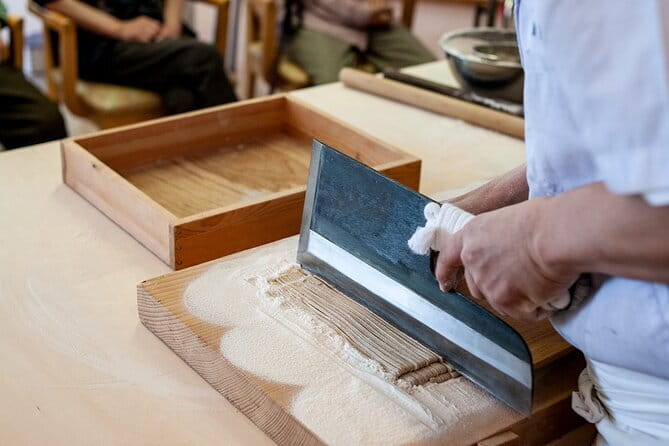
4) Cutting
They teach these steps in about 30 minutes, and the rest of the session centers on tasting and finishing touches. I like this structure because you are not overloaded with theory. You learn a specific set of physical actions, then you immediately test your work by seeing how your noodles come out.
Also, the class is described as using smart guidance in those steps. Even if you do not speak the instructor’s language well, the lesson is organized enough that you can follow through movement and technique.
Tools matter: the large soba knife, aprons, and gloves
You will not just handle dough with your hands. You will also use a large knife specially designed for soba, which is a big part of learning how noodles get their shape.
They provide aprons and gloves in different sizes. That does two things for you: it keeps the mess manageable, and it lets you focus on form instead of worrying about whether you are getting dough on your clothes.
The knife work is where many people get nervous, but the class is set up to make it approachable. The instruction style is practical, and it leans into teaching by technique and timing, not complicated explanations. In multiple experiences like this, language can be a barrier. Here, the teaching is designed so the message still lands.
One extra perk I like: the process is paired with photos. If they take video and photos to send you, you get a small memory boost without needing to set up your phone every ten seconds.
A change of pace from Tokyo:
- Mt Fuji and Hakone 1-Day Bus Tour Return by Bullet Train
★ 5.0 · 26,383 reviews - 1-Day Tokyo Bus Tour
★ 5.0 · 14,250 reviews - Tokyo: TOKYO SKYTREE® Admission ticket
★ 4.5 · 11,192 reviews - Tokyo: teamLab Planets TOKYO Digital Art Museum Entry Ticket
★ 4.6 · 9,779 reviews
Your soba snack or meal, plus matcha soba and sake add-ons
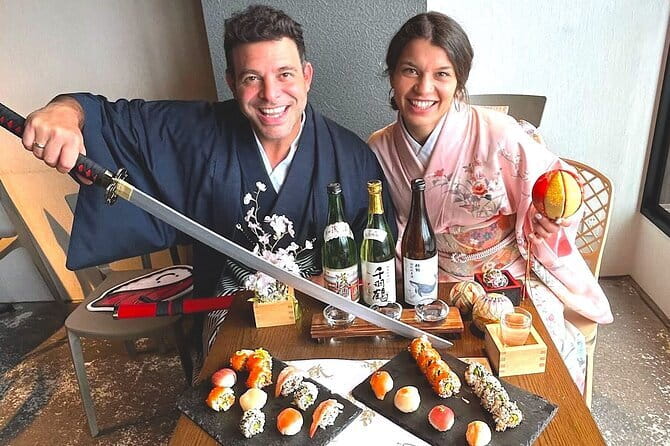
The best part of a hands-on class is when you get to eat what you made. Here, you do not wait days to taste it. You taste your noodle creations at the end.
How you eat them is flexible. You can enjoy the soba as a meal or as a snack in different flavors. You can also take out the noodles you made, which is a very practical way to turn your lesson into something you share later or bring back.
Two optional add-ons are worth knowing about:
- Matcha soba with matcha mixed into the soba flour, priced at 700 yen
- A menu that includes three types of sake, priced at 1500 yen, chosen and compared by the owner
If you are not sure what to pick, I would treat matcha soba as the safest fun experiment, especially if you want something slightly different without changing the whole structure. Sake is for when you want the full owner-led food and drink experience.
There is also an extra fee to consider for certain flavor options: choosing a vegan or no-pork flavor option costs 500 yen additional. Since a meal is not automatically included as part of the base price, this matters mainly for how you want your tasting to be handled.
One more note that affects your planning: the experience does not include meals in the standard package, but it does include snacks, specifically the soba you cut yourself.
Where it fits in your Asakusa day, and what you will see nearby
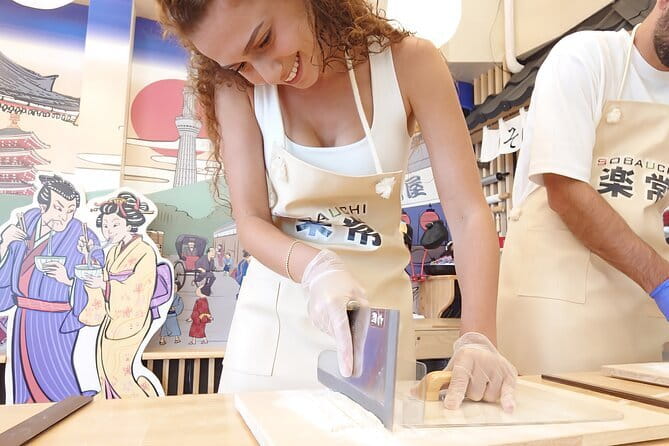
This class is centered on Kappabashi and Asakusa, so it works well as either the anchor activity or the payoff stop after you explore.
If you start with Sensoji, you can pair the class later as a hands-on contrast. Temple sightseeing is visual and atmospheric. Soba making is tactile and focused. Together they give you two different sides of old-Tokyo culture: heritage and food craft.
Kappabashi Street, including Kappabashi Dogugai, is a logical place to walk before or after the class. Even if you do not buy anything, the area helps you understand why chefs care so much about tools. Then you get to feel how a soba knife and technique translate into noodles.
The class itself is not long, so it also works if you are traveling with a tighter schedule. It is short enough that you are not stuck there all day, but long enough that you truly perform the process.
Who should book this soba class, and who should skip it
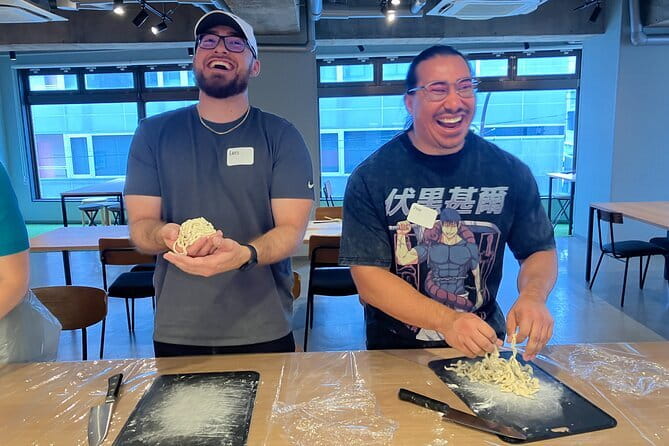
This is ideal if you:
- Want a hands-on Tokyo cooking experience with a real skill outcome
- Enjoy food that is more about technique than sauce
- Like small-group settings where you can ask questions and get help
- Want a short activity that still feels substantial, about 50 minutes
The studio usage ranking also suggests it works well for couples and families, not just solo foodies. It can be a friendly choice for groups of four or more friends too, as long as everyone is comfortable joining in.
You should skip or reconsider if:
- You have a buckwheat allergy. Entry is not allowed.
- You hate any kind of hands-on mess, even with aprons and gloves. It is a noodle class, so it is inherently tactile.
- You are looking for a long, sit-down multi-course meal. Base pricing includes the tasting, not a full meal service.
Also, if you are the type who loves slow, meditative cooking, the compact structure might feel a bit brisk. But if you like clear steps and a quick finish, that is exactly what this is built to do.
Price and value: what $51.33 covers, and what costs extra
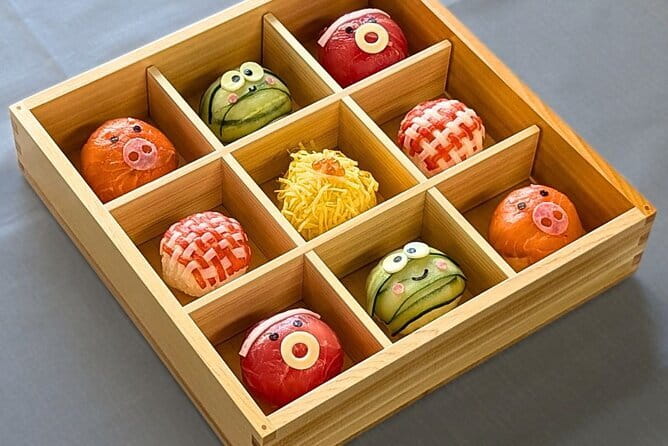
At $51.33 per person, this class prices itself as a value-friendly food workshop. The base price includes all fees and taxes, plus aprons and gloves, and the snack component, which is the soba you cut yourself. That means you are not paying extra just to participate and taste your results.
The additional costs that you might encounter depend on what you choose to add or how you want your tasting styled:
- Vegan or no-pork flavor option: 500 yen additional
- Matcha soba: 700 yen
- Three types of sake: 1500 yen
So, if you keep it simple and just do the standard soba making with tasting, you should feel like your money went into instruction and materials. If you add matcha or sake, your total rises, but you also get an expanded food pairing experience directed by the owner.
Compared with classes that only feed you a token bite or that charge for tasting separately, this one has better built-in value because eating is part of the arc from dough to plate.
Practical tips so your noodles turn out better
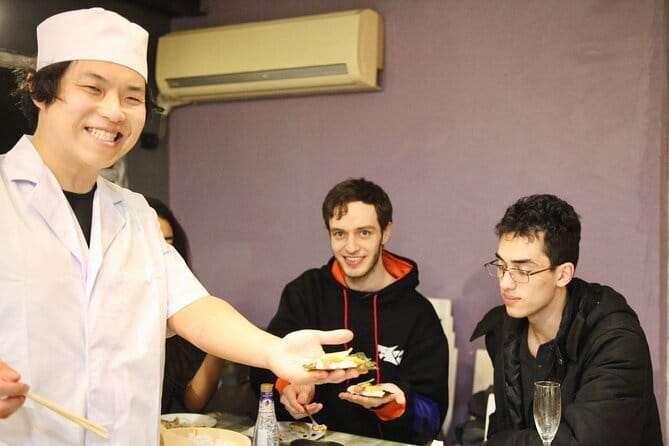
You will get the most satisfaction if you go in with the right expectations: you are learning a technique, not chasing perfection.
A few ways to help yourself:
- Pay attention to the feel during kneading and stretching. This is where buckwheat behaves differently, and your hands learn fast when you stay present.
- Do not overthink the cutting. Follow the step rhythm you are shown, and trust that practice time is short but focused.
- Keep your apron and gloves on until instructed otherwise. It sounds obvious, but it is the difference between enjoying the process and worrying about cleanup.
- Plan to eat after. The tasting at the end is part of the experience, and it makes the whole lesson feel worth it.
If the instructor is working without perfect English, do not worry. The teaching style here is built to be understood through clear organization, humor, and demonstration.
Should you book this soba making class in Tokyo?
I think you should book it if you want an authentic, hands-on Tokyo food experience that leaves you with something tangible to remember. You get a focused lesson, a chance to taste what you made, and the option to take noodles home. That combination is rare in short classes.
Book with extra confidence if you like small-group learning and clear step-by-step instruction. The experience is designed to be fun and accessible, even when language differences exist.
Skip it only if you cannot eat buckwheat, or if you want a full sit-down meal with no hands-on participation. Otherwise, this is a practical, enjoyable way to spend time in Asakusa that connects Kappabashi’s tool culture to the real craft of noodle making.
FAQ
How long is the soba making class?
The experience lasts about 50 minutes.
What will I make and learn in the class?
You will make soba noodles using buckwheat flour (without wheat flour). The class teaches a 4-step process: adding water, kneading, stretching, and cutting.
Is there food included?
Yes. You get snacks, specifically you can taste the soba you cut yourself at the end.
How big is the group?
The class is limited to a maximum of 15 travelers.
Is it a mobile ticket?
Yes, the experience includes a mobile ticket.
Can people with buckwheat allergies join?
No. People with buckwheat allergies are not permitted to enter the restaurant.
Can I cancel for a full refund?
You can cancel for free up to 24 hours before the experience start time for a full refund. If you cancel less than 24 hours before, the amount paid is not refunded.
Latest write-ups near Tokyo
- Harajuku Private Tour: Kawaii Fashion & Animal Cafe Included★ 5.0 · 69 reviews
- Mt Fuji Customizable Private Tour English Speaking Driver Pick-up★ 5.0 · 69 reviews
- Tokyo Night Cooking Class: 5 Home-Cooked Japanese Dishes★ 5.0 · 70 reviews
- Tokyo: Sumida Aquarium Entry Ticket★ 4.6 · 70 reviews
- Private Customizable Walking Tour of Tokyo★ 5.0 · 70 reviews
- Official Japan Go-Kart Through Tokyo Bay / Ginza (IDP Required)★ 4.5 · 71 reviews
- Wagyu Beef and Sake Pairing Foodie Tour in Tokyo★ 5.0 · 71 reviews
- Japanese Traditional Music Show in Tokyo★ 5.0 · 72 reviews
Knife Making Experiences, compared.
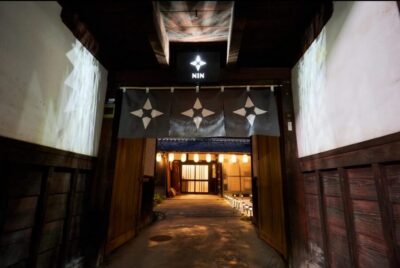
Authentic knife making experience at a blacksmith in Kyoto
Read our review →
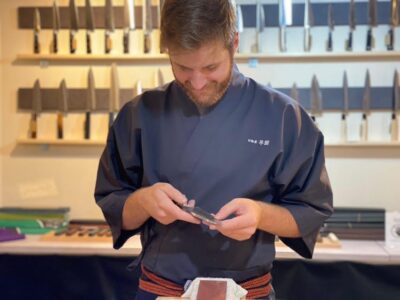
Beginner Knife Sharpening & Handle Fitting Workshop
Read our review →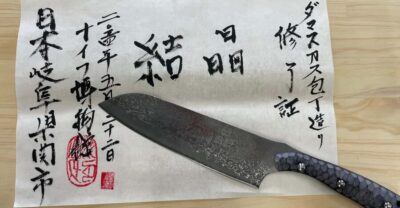
Seki: Samurai Knife Making Experience at the Knife Museum
Read our review →
Gifu Samurai Sword Town;Japanese Damascus Knife Making Experience
Read our review →Browse the lists this tour appears in