
Reviewed · KNIFE MAKING EXPERIENCES
Tokyo Keen Japanese Knife and Sashimi Workshop
A Tokyo cooking and knife workshop is interesting when it does two hard things at once: teach Japanese knife skills and then feed you right after, with what you make. I like that you do more than watch, you actually cut sashimi with a Japanese knife. I also like that the class is paired with lunch, miso soup, and a sake tasting, so it feels like an experience, not a demo you then walk away from.
One thing to consider is the time is tight, about 2 hours, and the group is capped at 8. If you want a super slow, step-by-step session for every motion, you may find the pace a bit brisk.
Key highlights you’ll feel in your hands
- Small-group pacing (max 8) means you can practice cutting and sharpening without feeling lost
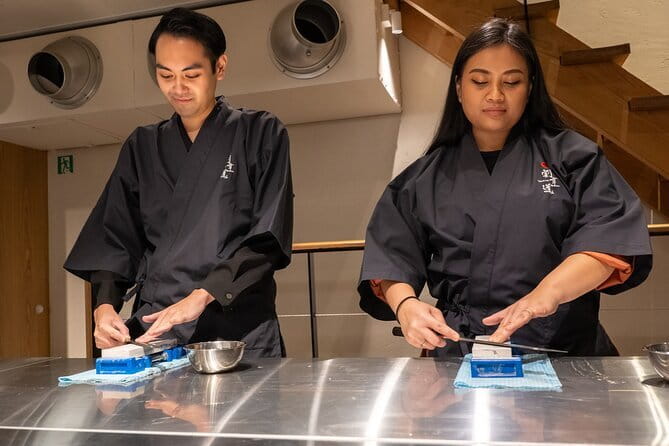
- Whetstone training so you understand how sharpening changes the feel of a blade
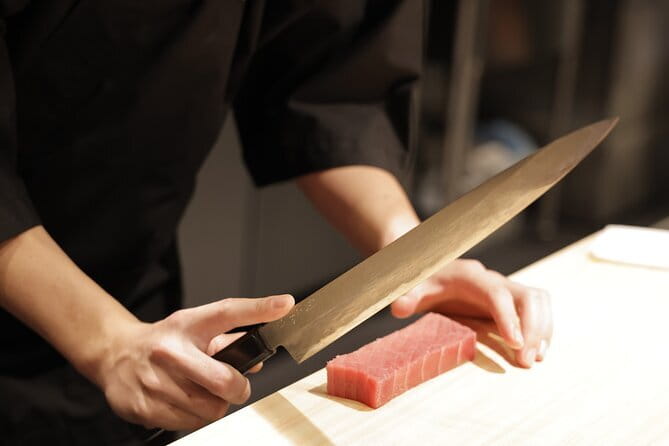
- Hands-on sashimi cutting with a Japanese knife, not just a lecture
- Zuke-don lunch you make yourself, topped with marinated sashimi over rice
- Sake tasting and included drinks, which makes the meal portion a real payoff
- Certificate of participation plus same-day 10% off at the 1F shop
Where this workshop fits in Tokyo
If your Tokyo plan includes food markets and sushi dinners, this workshop slots in perfectly as the skill-building day. You’ll be in Minato City, Nishiazabu, at the Kappodo area, meeting at Kappodo H.Q / Tokyo D kitchen Studio / Cooking Workshop, DK Bldg. Expect a straightforward, public-transport-friendly setup and a session that runs like a cooking class with a very specific focus: how Japanese knives work, and how to use them safely and well.
This isn’t a “tour of knives.” It’s a working session where the lesson changes what you can do. That matters, because knife technique is one of those things that sounds simple until you try it. In a Japanese knife, the sharpness is only half the story. The angle, the motion, and even how you handle the food all change the result.
Also, Tokyo timing is real. This is about 2 hours, so you’ll still have energy to do your next stop afterward. If you like packing your days, this one is efficient in a good way.
More Knife Making in Tokyo:
- Tokyo: Knife Making Workshop (Sharpening, Engraving)
★ 4.9 · 153 reviews - Experience Big soba knife Soba Making Class in Tokyo Kappabashi
★ 5.0 · 71 reviews - Authentic knife making experience at a blacksmith in Kyoto
★ 4.8 · 350 reviews
The pre-cooking lesson: Japanese knife culture, then real technique
The class starts with a proper setup: why Japanese knives look and feel the way they do, and how knife culture shows up in everyday cutting. You begin with an explanation of how a Japanese knife is made, and you also learn the customs and care that go with it. That cultural part is more useful than it sounds. When you understand what the blade is designed to do, you stop trying to force it into Western habits.
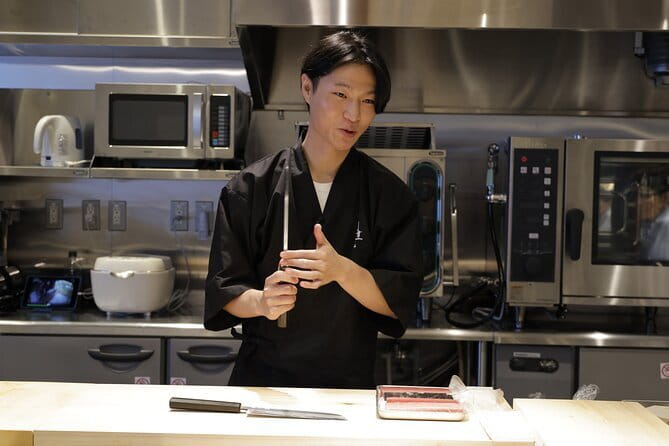
Then the instructor shows knife work. This matters because Japanese knives reward accuracy. If your cutting motion is sloppy, you’ll feel it immediately in the blade contact and how the food behaves. The demonstration is also your chance to learn the difference between “a knife is sharp” and “this edge wants this kind of cut.”
What I like in this format is the mix of theory and immediate application. You’re not waiting until the end to touch anything. You watch, you understand what to look for, and then you get to try it.
If you’re comfortable asking questions, you’ll likely appreciate the multilingual teaching approach. The workshop has guidance in both Japanese and English through a team that includes the chef, listed as Naoya, and an interpreter, listed as Hiromi, which helps when you want clarity on grip, angle, or what to fix.
Sharpening with a whetstone: why it changes everything
A lot of people think sharpening is a single skill. In practice, sharpening is how you set the personality of the knife. That’s why this session includes hands-on whetstone practice.
During the time sashimi is getting marinated for lunch, you learn how to sharpen a Japanese knife using a whetstone. Even if it’s your first time, you’re not left alone with the stone. The point is to understand the basics well enough that you can recognize what’s happening as you go.
Why this is valuable for you:
- You learn that sharpening is not only about removing metal, it’s about creating the right edge behavior.
- You start to feel the difference. A sharper knife changes what you need to do with your cutting motion, and it changes how the food separates.
- You get a transferable skill. You won’t just remember a workshop day, you’ll have a method you can use later at home.
Also, whetstone sharpening is one of those things that sounds intense until someone shows you the sequence. Here, the lesson is built for visitors. You’ll likely leave knowing what to do next time, not just admiring the knife.
Cutting sashimi with a Japanese knife: technique you can actually repeat
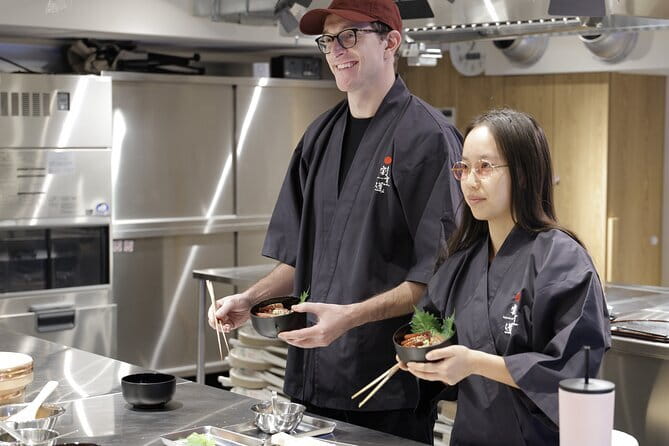
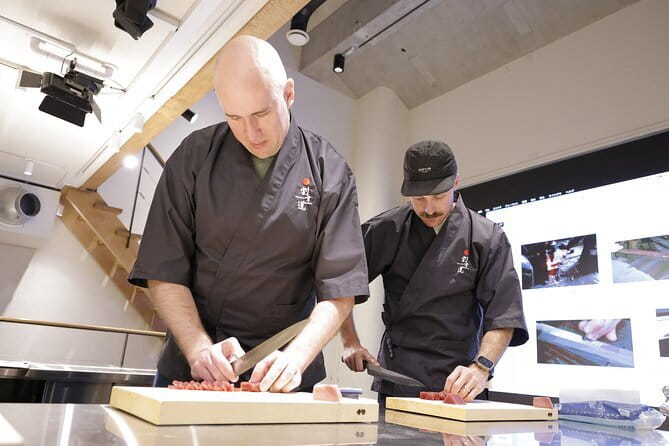
Once the knife groundwork is done, you move into the fun part: using a Japanese knife to cut sashimi. This is where the class earns its keep. Watching knife cuts is entertaining, but practicing the cut is what teaches you what sharpness feels like and how to control the motion.
The workshop emphasizes slicing and cutting technique for sashimi. In other words, it’s not just about cutting fast. It’s about cutting cleanly and predictably, with the kind of contact that keeps fish texture intact.
As you practice, pay attention to how the blade rides the food. Japanese knives tend to be very effective, but they also demand respect. Your goal is smooth, controlled cuts, not pressure. If you squeeze or force, you’ll likely notice the cut gets worse.
This hands-on section is also one of the most “take it home” parts of the experience. You can’t cook zuke-don at home without a knife practice mindset, and you can’t practice knife skills without learning what good cutting looks like. Here, you get both.
A change of pace from Tokyo:
- Mt Fuji and Hakone 1-Day Bus Tour Return by Bullet Train
★ 5.0 · 26,383 reviews - 1-Day Tokyo Bus Tour
★ 5.0 · 14,250 reviews - Tokyo: TOKYO SKYTREE® Admission ticket
★ 4.5 · 11,192 reviews - Tokyo: teamLab Planets TOKYO Digital Art Museum Entry Ticket
★ 4.6 · 9,779 reviews
Zuke-don cooking class: turning knife work into lunch
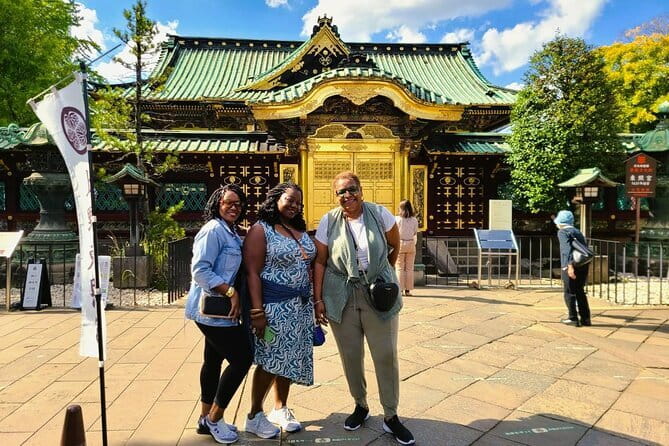
After sharpening and cutting practice, you switch gears into cooking. You’ll learn how to make zuke-don, a bowl of rice topped with marinated sashimi. The fish is often tuna, but the workshop notes the fish can vary based on availability.
The class structure works well for real learning:
- Fish gets marinated while you practice knife skills.
- You then build the bowl, using the rice and marinated sashimi portion.
- You get to eat what you made, right away.
This is a practical lunch, not a garnish fest. Rice, properly topped sashimi, and miso soup turn the earlier knife work into flavor. That connection is why this workshop feels different from a standard cooking class. You don’t just learn technique, you taste how technique affects the result.
You’ll also have included drinks with lunch, which keeps the mood relaxed. And yes, the session includes a sake tasting, specifically Kappodo original sake, so the meal feels tied to the shop identity.
Tools, aprons, certificate, and the shop discount
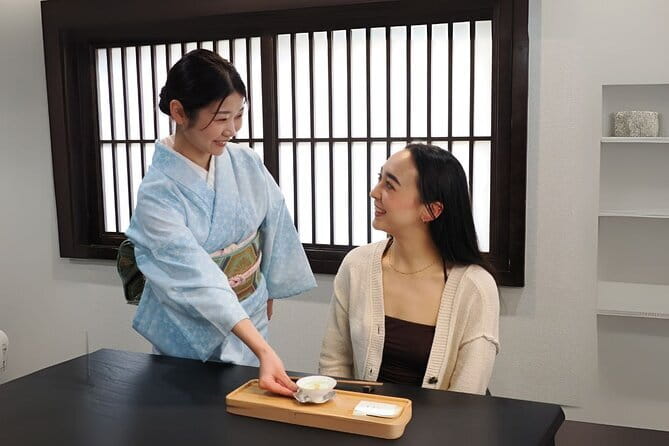
You don’t need to bring gear. The workshop includes all tools and aprons for the lessons. That alone is worth something in Tokyo, where it’s easy to show up light and realize you need an extra bag or a borrowed item.
At the end, you’ll enjoy the tuna bowl you made, plus miso soup and the included sake tasting. You’ll also receive a certificate of participation. It’s not just paperwork, it’s a nice souvenir of finishing a real skill session rather than a quick tasting.
One extra value lever: on the same day of your workshop visit, participants can enjoy 10% off all items at the 1F shop. If you’ve ever walked out of a specialty store thinking, I should buy that at home, this is the timing that helps. Even if you don’t buy a knife, it can be a good day to pick up related items like whetstone supplies or food accessories, depending on what the shop carries that day.
Price and value: what $130.78 covers in real terms
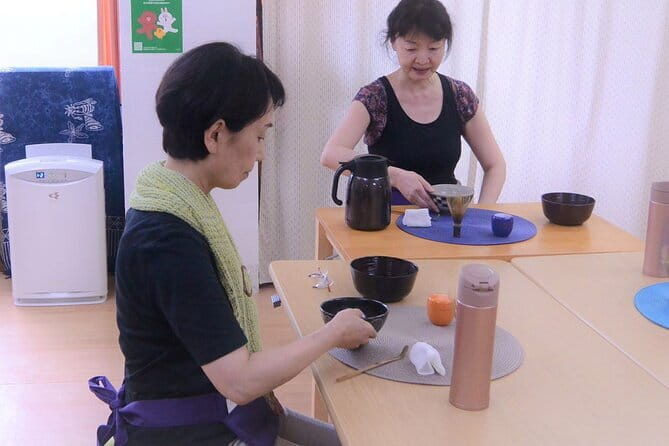
At $130.78 per person, this is not a bargain class, but it also isn’t just paying for a meal. You’re paying for:
- Expert-led instruction on Japanese knife skills and culture
- Hands-on practice with a Japanese knife
- Whetstone sharpening training
- A cooking class (zuke-don)
- Lunch with the tuna bowl you prepare, miso soup, and included drinks
- A sake tasting (Kappodo original sake)
- Tools and aprons
- A certificate
- A same-day 10% off shop benefit
In a city like Tokyo, where cooking classes range from simple to premium, the best way to judge value is by whether your money buys skills you can use later. Here, it does. Knife sharpening and sashimi cutting technique are the kind of knowledge you can actually translate into home prep. Even if you only practice sharpening occasionally, the edge awareness you gain is useful.
One more value factor: group size is capped at 8. Smaller groups tend to mean more direct help during the practice moments. If you’ve ever watched a cooking class where the instructor demos and everyone waits, this format is built to keep you moving.
Who this workshop suits best
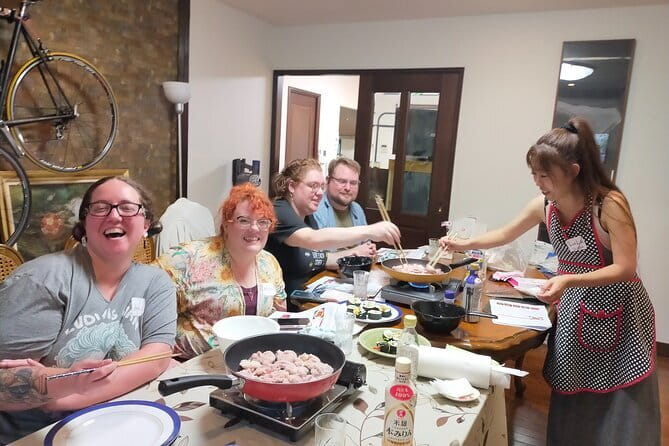
You’ll enjoy this most if you’re the type of traveler who wants one “skill day” in Tokyo. It pairs well with food-focused trips, especially if you plan to eat sushi, sashimi, or poke-like bowls and want a deeper understanding of why cuts matter.
This is also a solid choice if you like structured learning. The session flows from knife culture and technique into practice, then into a cooking payoff. You get a before, during, and after, and the after is lunch that tastes like your work.
If you’re not into knives at all, the sharpening and cutting may feel like more effort than reward. But if you are curious about Japanese knives, this is one of the clearest ways to get started without needing prior equipment or confidence.
Practical notes so your day goes smoothly
A few things to plan around:
- You need to be comfortable using kitchen knives during the practice portion. You get instruction, but this is hands-on, not a passive class.
- The session runs about 2 hours, so it’s best slotted as a midday or early afternoon plan rather than a late-night event.
- The workshop ends back at the meeting point, which makes your next activity easy to plan.
- Mobile ticket is included, which helps you reduce paperwork chaos.
- Private transportation is not included, so you’ll rely on public transit or a taxi if you’re moving with luggage.
And because classes of this type can fill up, it helps to book ahead. The average booking window is about 46 days in advance, so if your schedule is fixed, don’t wait until the last week.
Should you book the Tokyo Keen Japanese Knife and Sashimi Workshop?
Book it if you want a rare combo: hands-on Japanese knife skills plus a real cooking payoff in the same session. The included lunch you make yourself, the whetstone sharpening practice, and the chance to cut sashimi give you both knowledge and satisfaction.
Skip it or think twice if your main goal is only eating and you do not want any knife practice, because the class centers on technique and repetition. Also, if you need a very slow pace, remember the workshop is only about 2 hours and the group stays small but still timed.
If you’re on the fence, here’s my rule: if you can see yourself caring how the fish is cut, or if you’re curious about keeping a knife edge at home, this workshop is a smart use of time in Tokyo.
FAQ
What is the duration of the Tokyo Keen Japanese Knife and Sashimi Workshop?
The workshop lasts about 2 hours.
How much does the workshop cost?
It costs $130.78 per person.
What is the group size limit?
The maximum group size is 8 travelers.
Where does the workshop take place?
You meet at Kappodo H.Q / Tokyo D kitchen Studio in Nishiazabu, Minato City, Tokyo: DKビル, 2-chōme2112, 106-0031.
What is included in the price?
Included are all tools and aprons, lunch (the tuna bowl you made), alcoholic beverages tasting of Kappodo original sake, a tour guide, a certificate of participation, and 10% off items at the 1F shop on the same day.
Is private transportation included?
No, private transportation is not included.
What will I learn during the workshop?
You’ll learn about Japanese knives, including how knives are made and knife customs, watch and practice knife skills including sharpening with a whetstone, cut sashimi, and learn how to make zuke-don for lunch.
Does the workshop include sake or other drinks?
Yes. Drinks are included with lunch, and there is a sake tasting of Kappodo original sake.
How do tickets work?
You receive a mobile ticket.
What is the cancellation policy?
You can cancel for a full refund up to 24 hours in advance of the experience start time. Changes within 24 hours are not accepted, and cancellation within that window will not be refunded.
Latest write-ups near Tokyo
- From Tokyo: Top 5 Scenic Spots of Mount Fuji Full-Day Tour★ 4.5 · 67 reviews
- Tokyo Customized Private Tour: See Top Attractions in 1 Day★ 4.8 · 67 reviews
- Traditional Japanese Music ZAKURO SHOW in Tokyo★ 5.0 · 67 reviews
- Tokyo: Shinjuku Izakaya and Golden Gai Bar Hopping Tour (2h)★ 4.9 · 67 reviews
- Tsukiji: Unlimited Sake Tasting Experience★ 4.9 · 67 reviews
- Samurai Ninja Museum Asakusa: Kid-Friendly Ninja Training★ 4.7 · 67 reviews
- Tokyo: Not a show- a professional sumo practice with experts★ 4.9 · 67 reviews
- Private Harajuku Omotesando Architecture Walking Tour★ 5.0 · 67 reviews
Knife Making Experiences, compared.
Authentic knife making experience at a blacksmith in Kyoto
Read our review →
Beginner Knife Sharpening & Handle Fitting Workshop
Read our review →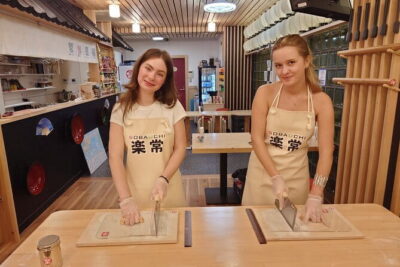
Experience Big soba knife Soba Making Class in Tokyo Kappabashi
Read our review →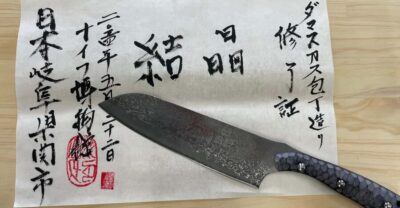
Seki: Samurai Knife Making Experience at the Knife Museum
Read our review →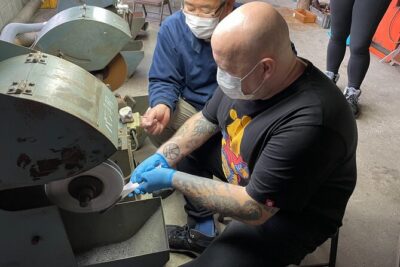
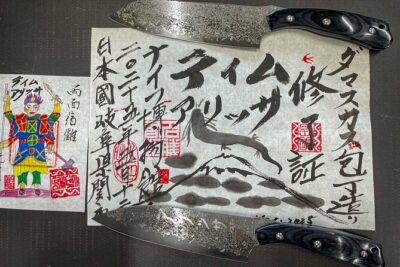
Gifu Samurai Sword Town;Japanese Damascus Knife Making Experience
Read our review →Browse the lists this tour appears in