
Reviewed · KNIFE MAKING EXPERIENCES
From Osaka: Sakai Knife Maker or Blacksmith Walking Tour
What makes this experience interesting is the way it turns Sakai, a quieter corner of Osaka’s region, into a real behind-the-scenes workshop day. I especially like the hands-on access to either the knife-making side or the blacksmith forge, and I love that the tour also includes traditional sweets and a bit of local craft history so it feels more than just a sales stop.
Two things to plan around: the tour has real walking, and the factory side depends on the day you book. Also note that the French-speaking option can be requested but is not guaranteed on shared tours.
Key points at a glance
- Choose your day, since knife maker vs blacksmith timing changes
- Factory access you can’t DIY, including workshop viewing and instruction
- Hands-on forging or sharpening, not just watching from the sidelines
- A mochi stop that actually lands, including poppyseed mochi and cinnamon mochi
- Real custom-knife time if you want to order and watch the process
- Guide energy matters, with names like Remy, Scott, and Jean-Yves often bringing the story to life
Why Sakai Knives Feel Different From the Usual Souvenir Hunt
Sakai has a reputation in Japan that you can feel in the details. This tour leans into that, taking you from neighborhood craft sights to private workshop access, then ending with a skill you can use at home. You get a sense of why these knives are treated as serious kitchen tools, not novelty items.
What I like most is the balance. You’re not stuck in one room for 3 hours. You walk through the Sakai craft area, pause for history and context, then move into places where the work starts with steel and ends with precision. That shift matters because it explains the why, not just the what.
The biggest watch-out is day-to-day variation. From late winter into early spring, the blacksmith option is the focus, and museum days can change too. If you care about seeing the knife-making side specifically, pick your date with intention.
More Walking Tours in Osaka
- Osaka: Hotspots & Hidden Gems Walking Tour Private or Group
★ 4.9 · 1,300 reviews - Osaka Local Foodie Walking Tour in Dotonbori and Shinsekai
★ 5.0 · 985 reviews - Osaka Bar Hopping Night Walking Tour in Namba (3 bars, 6 tastes)
★ 5.0 · 958 reviews
From Nankai Sakai Station to a Sweet Start at the Mochi Shop
The tour begins at Nankai Sakai Station, south of Osaka. From there, you meet your guide and get oriented with an old-fashioned sweet shop stop. One sweet is included, and you’re also given time to browse and snack along the way.
This isn’t filler. The mochi shop stop is one of the most memorable parts because it grounds Sakai as a lived-in craft town. In particular, I like how you can try signature styles like poppyseed mochi and cinnamon mochi, which are playful but still tied to local food tradition. It’s a useful reset before you go into technical knife talk.
The walk between stops is short and manageable. You’ll move at a steady pace, with photo stops and guided explanation at the right moments, so you’re not tired before you reach the workshop portion.
Sakai Craft Museum and Knife Shop: Context Before the Steel
Next up is a visit to the Sakai Traditional Crafts Museum and Knife Shop. This part is self-guided, so you can go at your own speed while still having a guide there if you want help understanding what you’re seeing.
This is where the day clicks into place. You’re not just looking at finished knives. You’re learning how Sakai’s craft identity developed and why knife making became such a big deal here. That makes the factory stops feel more meaningful, because you recognize the lineage behind the tools.
There’s also a small planning wrinkle. Every 3rd Tuesday of the month, the museum has inventory, and it may close without notice. If that happens, your guide will shift the day so you still get the cutlery history, walking through it and covering the story at the knife company office instead. It’s a smart backup plan, and it keeps the tour moving even when the museum can’t take visitors.
Yamawaki Knife-Maker Day (Tuesdays and Thursdays): Watching Blades Become Kitchen Tools
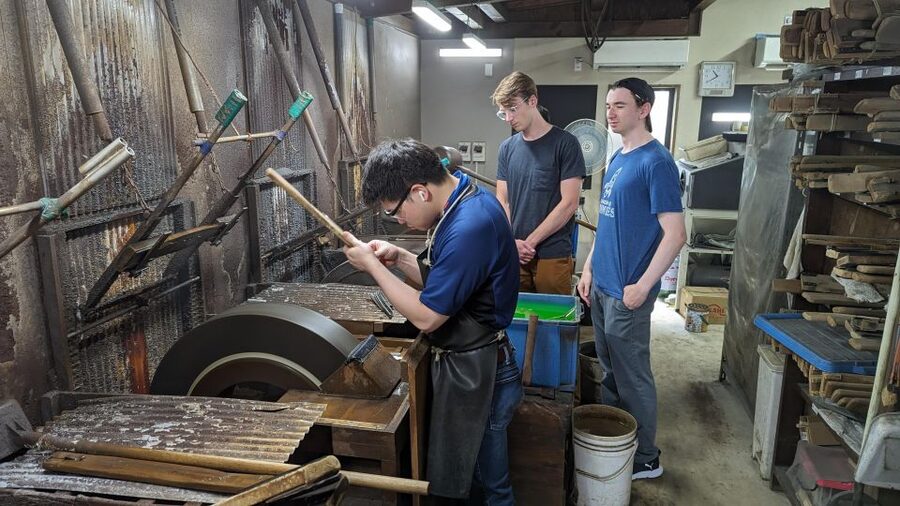
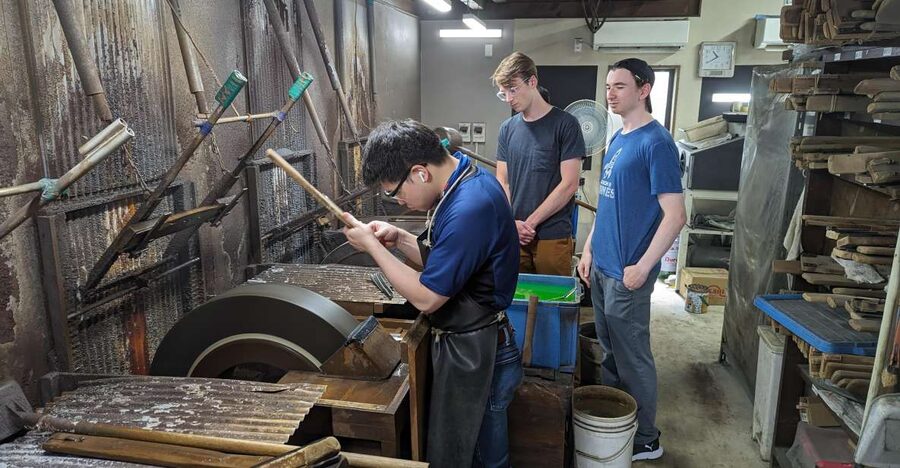
If you book for Tuesdays or Thursdays, you’ll get the knife maker experience at Yamawaki Hamono. This is where the tour turns from history into process, with private access to a workshop environment where blades arrive directly from the blacksmith.
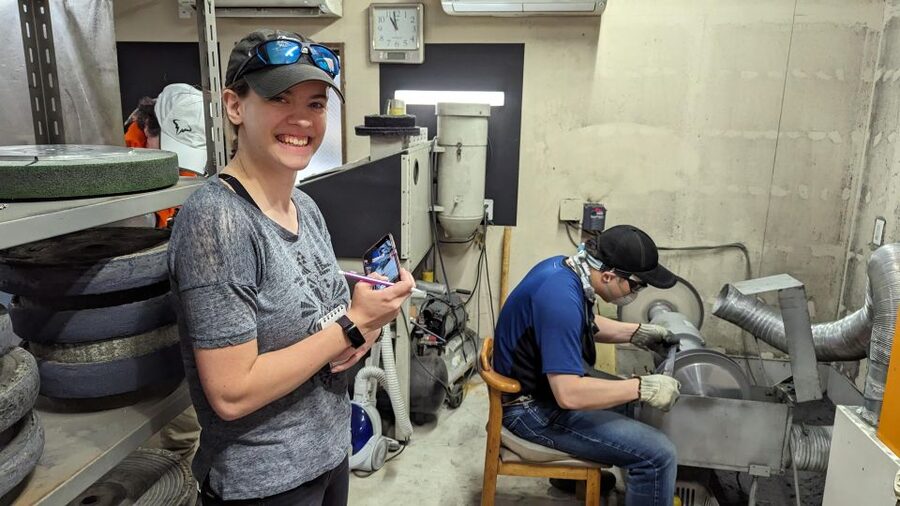
What you’ll do here is more than a look-see. You enter the sharpening area and the main office, then observe blades being shaped into proper handmade cooking knives. You’ll also get a chance to ask questions through the tour’s guided format, and you’ll have time for shopping if you’re tempted.
The most valuable piece for knife lovers is the order option. You can place a customizable knife order (optional), and the idea is that you watch the process in front of you rather than buying something that feels mysterious. That matters because custom choices can be confusing if you’re new. Seeing how the work gets shaped by hand gives you context for what you’re paying for later.
This is also typically the lighter-impact factory day compared with full forging, but you still get instruction and you still get to see how the craft is organized behind the scenes.
More Knife Making in Osaka:
- Sakai – Knife Factory and Craft Walking Tour
★ 5.0 · 44 reviews - Authentic knife making experience at a blacksmith in Kyoto
★ 4.8 · 350 reviews - Tokyo: Knife Making Workshop (Sharpening, Engraving)
★ 4.9 · 153 reviews - Kyoto: Beginner Knife Sharpening & Handle Fitting Workshop
★ 4.9 · 141 reviews
De Sakai Blacksmith Forge (Wednesdays, plus special date rules): Getting Hands-On With Hot Steel
On Wednesdays, the focus shifts to the blacksmith workshop at Forge DeSakai, where you meet the artisan Eric Chevallier. The tour is designed to feel like you’re getting backstage access to the forging process, not watching a demo from behind glass.
The part people remember is the hands-on element. In the best moments, you get to participate by hammering down glowing steel as a starting step in the knife-making process. That kind of activity changes your understanding instantly. Steel stops being abstract when you feel the rhythm of the work and hear the explanation of why each step matters.
You’ll also get clear guidance in English, with French instruction available directly from the blacksmith himself. That direct interaction is a big reason this option scores so well, because it reduces the distance between visitor and artisan.
One more important date detail: from March 6 to April 6, 2026, blacksmith only is the available option. During that period, Tuesdays and Wednesdays will still have availability at the knife maker rate, so you can sometimes catch the knife maker experience even if the main focus is blacksmith. If you’re planning travel for those dates, check your booking carefully so you’re not surprised by which workshop you’ll see.
The Sharpening Lesson: The Skill That Follows You Home
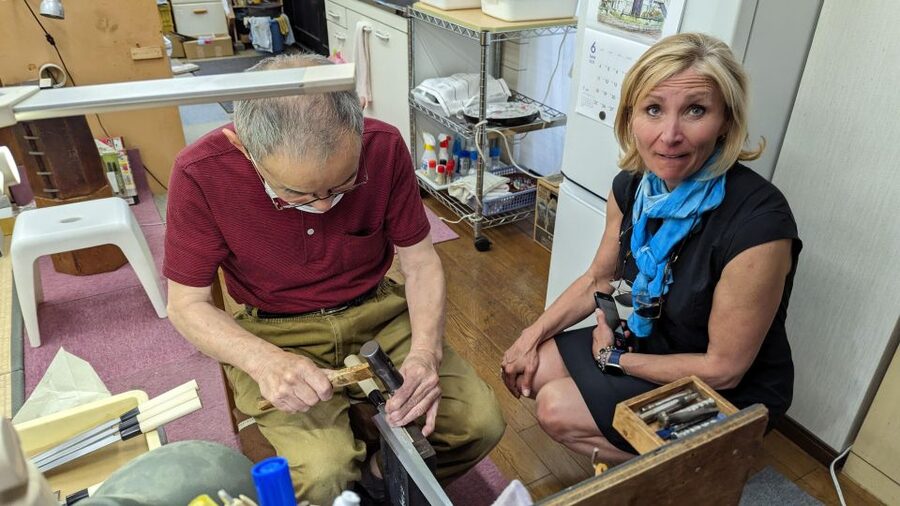
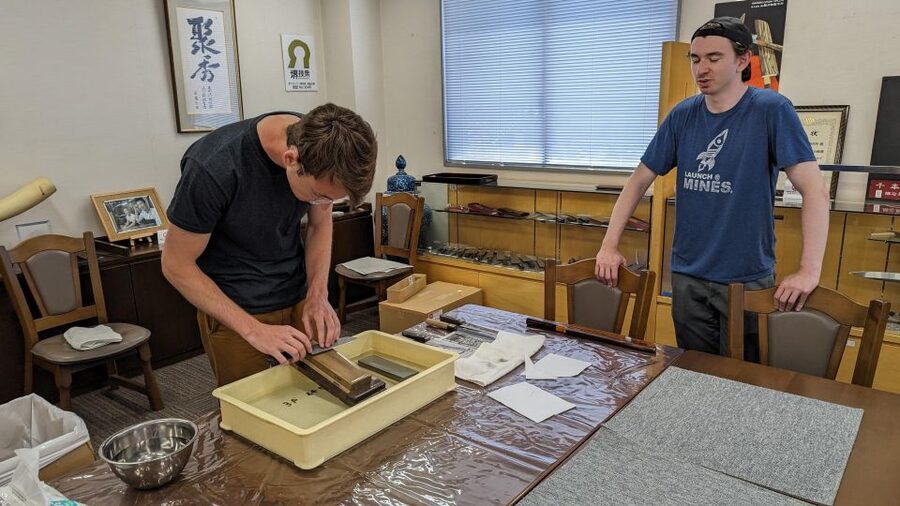
The tour includes a knife sharpening technic lesson, and this is where the experience earns its keep even if you don’t buy a knife. Lots of tours show craft. This one also aims to give you a practical takeaway: traditional sharpening techniques with instruction and practice.
In plain terms, this helps you understand how the edge gets shaped and maintained, instead of treating sharpening as a mysterious chore. Once you’ve been guided through the method, it becomes easier to choose what to do at home and what to leave to professionals.
If you already own Japanese kitchen knives, this section is especially useful. If you do not, it’s still worth it because you’ll learn the basic logic of edge care. Either way, you’re leaving with a skill, not only a photo set.
Shopping Time for Knives and What to Think About Before You Buy
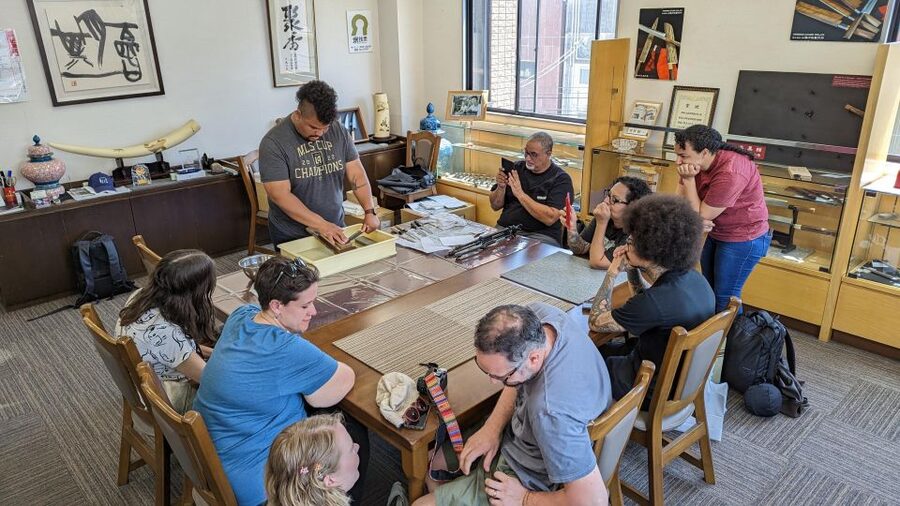
Shopping is built into the day, and it can happen at multiple points depending on which workshop option you choose. You’ll have time at the knife-related stops, and you can even place a custom knife order if you choose the maker-focused option.
Here’s how I’d use the shopping time wisely. If you’re tempted to buy, treat the factory access as your price and value reality check. You’re paying for hand work, material choice, and the precision of the final edge. When you’ve seen the workflow, that pricing makes more sense.
Also, remember that the tour does not include extra food, drinks, or shopping costs. If you want a knife, plan a budget beyond the tour price. The order is optional, but customization can add cost quickly.
A small but real advantage: guides often help with translation and explain what you’re looking at when you’re comparing options. That’s huge in Japan, where the details can get technical fast.
How Much Walking Is Actually Involved, and Who Will Enjoy This Most
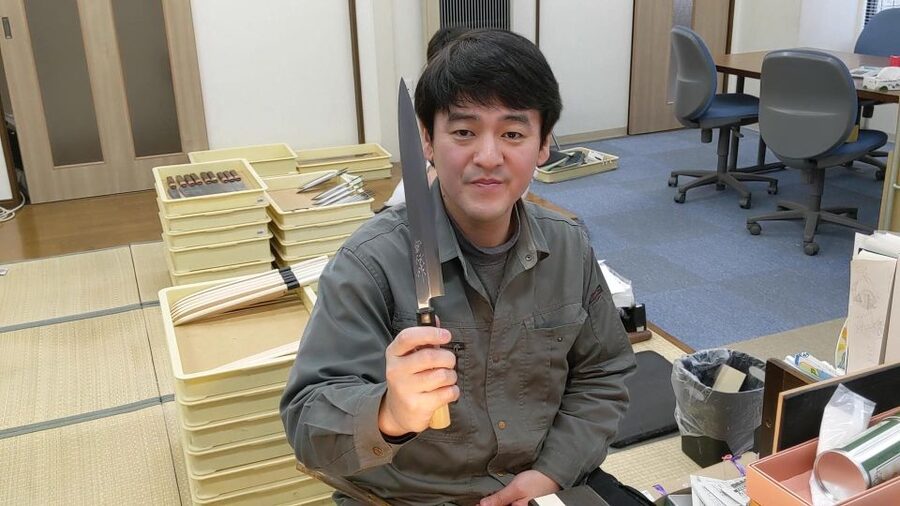
This is a roughly 210-minute walking tour around Sakai, with short segments on foot between stops. Based on the schedule timing, you can expect multiple brief walks rather than one long hike. You’ll still be on your feet, so wear comfortable shoes.
This tour is ideal if you fit one of these profiles:
- You’re a serious cook or knife person who wants to see what goes into the tools
- You like craft towns and want to escape the busiest tourist loops
- You’re curious about how sharpening and forging work in real life
It also works well for families and teens, as long as the group is interested in the craft side. The story is accessible, and the hands-on moments give younger visitors a reason to stay engaged.
If you’re the type who only cares about museums and you dislike workshops, you might find the knife content front and center. But if you’re even moderately interested, the pacing does a good job keeping you from overload.
Language and Guide Style: English Is There, French Depends on Your Date
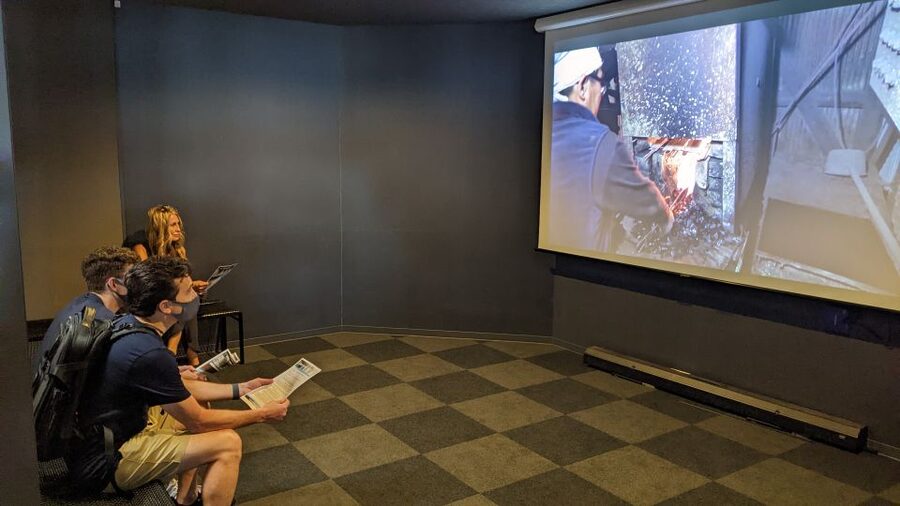
Your guide will speak English and French. That said, French availability on shared tours can’t be guaranteed. If French is a must for you, contact the operator before booking your specific date. The workshop experiences can also include French instruction directly at the blacksmith stage.
The other thing I like is that the guide role is active. In the best versions of the tour, guides bring the story of Sakai alive with engaging explanations and local details, not just reciting facts while you follow along.
Guide names you may encounter include Remy, Scott, Rémy, and Jean-Yves, and the consistent theme is that they help you connect food, craft history, and the knife trade into one clear storyline.
Price and Value: Where Your $64 Goes
At $64 per person for about 210 minutes, the value comes from access and instruction. You’re not only paying for walking and stories. The tour includes:
- A bilingual local guide
- A sweet at the sweet shop
- Access to the knife factory area
- A knife sharpening technic lesson
- Time for shopping
- Optional customizable knife ordering
For many people, the biggest value is seeing a private craft environment you would struggle to access on your own. Add in the sharpening lesson, and you’re getting something you can use immediately after your trip.
One trade-off: shopping is not included. If you purchase a knife, that’s on top of the tour price. But if you’re on a budget, you can still get a full educational experience without buying.
Should You Book This Sakai Knife Maker or Blacksmith Tour?
I’d book it if you want a hands-on day where craft is explained with real context, and you’d rather learn how knives are made and sharpened than just browse finished products. The mochi stop also helps, because it makes the day feel like Sakai, not only a workshop circuit.
Book the knife maker version if you want a more process-oriented view focused on blades becoming cooking knives, plus the chance to order while watching the work. Book the blacksmith version if you want the most active workshop day, especially the forging participation with Eric Chevallier.
Finally, choose your date carefully. The museum can shift on the 3rd Tuesday, and the March 6 to April 6, 2026 window is blacksmith only. If your plan depends on a specific workshop, align your booking with the schedule.
FAQ
Which days does the tour visit the knife maker versus the blacksmith?
Tuesdays and Thursdays are for the knife maker. Wednesdays are for the blacksmith, at Forge DeSakai. From March 6 to April 6, 2026, only the blacksmith option is available, but Tuesdays and Wednesdays can still be booked at the knife maker rate as a discount.
Are the guides able to speak French?
All guides can speak English. Some guides can also speak French, but for shared tours French language availability is not guaranteed. If French is important to you, contact the provider before booking for confirmation.
What happens if the museum is closed on the 3rd Tuesday?
Every 3rd Tuesday, the museum has inventory and may close without notice. In that case, your guide will take you directly to the knife company and include the cutlery history during the walk and at the office.
Can I order a custom knife during the tour?
Yes, the option to order a customizable knife is included as an optional add-on, with time to watch the process as part of the workshop experience.
What is included in the tour price?
The price includes a bilingual local guide, one sweet at the sweet shop, shopping time, access to the knife factory, and a knife sharpening technic lesson. Custom knife ordering is optional.
What should I bring for the tour?
Bring a passport or ID card.
Is the tour wheelchair accessible?
Yes, the tour is listed as wheelchair accessible.
Is there a minimum group size for single travelers?
There is a 2 guests minimum rule to run the session. If you book as a single traveler, the session might be cancelled, and you will be notified with options to reschedule or receive a full refund.
How long is the tour and how much walking should I expect?
The tour duration is 210 minutes. It’s a walking tour with short segments between stops, plus guided time inside museums and workshop locations.
Latest write-ups near Osaka
- Osaka Private Tour with Government-Licensed Guide★ 4.8 · 20 reviews
- Guided Photography Tour in Osaka: Capturing Memories★ 4.5 · 20 reviews
- Osaka: Food Tour at Night with Tastings★ 4.9 · 20 reviews
- Kansai/KIX Airport to or from Osaka/Kyoto Private Transfer★ 5.0 · 20 reviews
- Osaka: City Highlights Bike Tour★ 4.7 · 20 reviews
- From Osaka/Kyoto: Amanohashidate Day Tour【Including tickets】★ 3.7 · 20 reviews
- Osaka Okonomiyaki Cooking Class “Learn here and make it at home”★ 5.0 · 20 reviews
- Volleyball in Osaka & Kyoto with Locals!★ 5.0 · 21 reviews
Knife Making Experiences, compared.
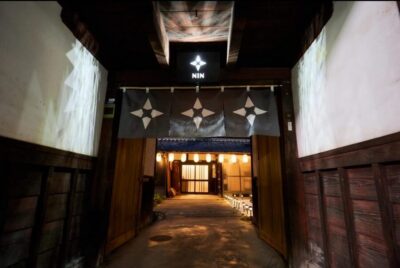
Authentic knife making experience at a blacksmith in Kyoto
Read our review →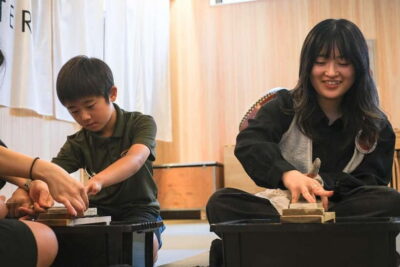
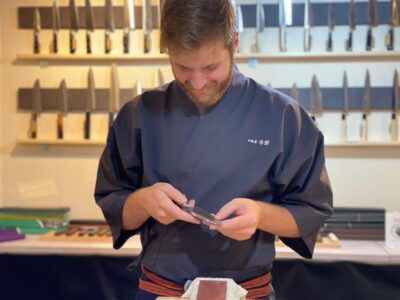
Beginner Knife Sharpening & Handle Fitting Workshop
Read our review →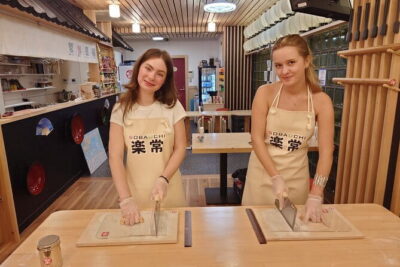
Experience Big soba knife Soba Making Class in Tokyo Kappabashi
Read our review →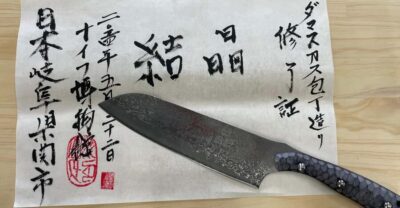
Seki: Samurai Knife Making Experience at the Knife Museum
Read our review →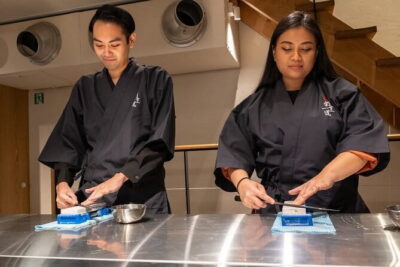
Browse the lists this tour appears in