
Reviewed · RAMEN EXPERIENCES
Home style Ramen and Homemade Gyoza in Kyoto
Cooking ramen and gyoza in Kyoto is interesting because you are not just eating out, you are learning the building blocks in a real home kitchen. This class focuses on home-style ramen broth and homemade gyoza skins, with time to taste what you make. It runs about 3 hours 30 minutes, starting at 10:00 am.
Two things I really like about this experience are the hands-on approach (you make key components from scratch) and the fact that you leave with the skills to try again at home. The main drawback to consider is the diet fit: the ramen soup uses dried fish, and the class is not vegetarian, plus kids must be at least 10 because there is knife work.
Key Points to Know Before You Go
- Ramen broth without noodles: you make the soup, but you do not make ramen noodles here
- Gyoza wrappers are made from scratch: you learn to make the skins, not just fill them
- Small group size: maximum 8 people, and only participants can attend
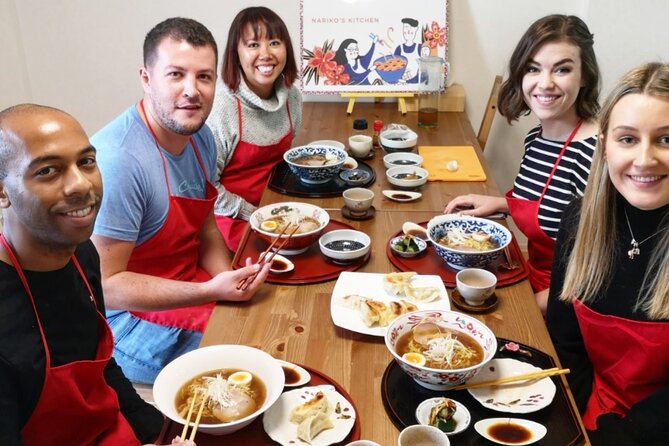
- You taste your own food: the meal is part of the lesson, not an afterthought
- Knife skills are required: participants must be older than 10
- Not vegetarian: dried fish is used for the ramen soup
Kyoto in Someone’s Kitchen: Ramen and Gyoza with Nariko’s Kitchen
Kyoto has plenty of food to try outside, but this is the kind of activity that gives you a different kind of souvenir: technique. You meet at 5-6 Matsugasaki Rokunotsubochō, Sakyo Ward, Kyoto 606-0915, and the class is taught inside the home of Nariko’s Kitchen. It is also described as being near public transportation, which matters if you do not want your afternoon to turn into a transportation puzzle.
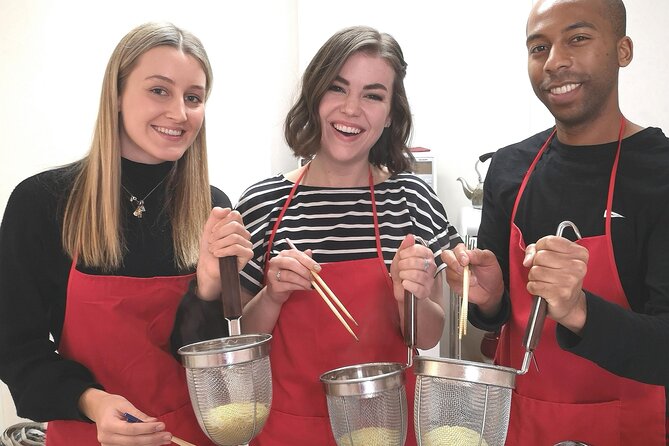
What you are really buying here is access. The class is limited to 8 people, and there are no spectators, so you get a focused, classroom-like setup that still feels warm and homey. Several people mention how clean and well set up the kitchen felt, and that makes a difference when you are working with dough, knives, and hot ingredients.
If you like a hands-on plan with clear steps, this is the right vibe. If you hate cooking or want purely sightseeing, you might find the structure too “inside the kitchen.” But if you want to go beyond ordering familiar dishes, the home kitchen setting is a big part of the appeal.
More Ramen Experiences in Kyoto
- Ramen Cooking Class at Ramen Factory in Kyoto
★ 5.0 · 1,937 reviews - Kyoto: Ramen Cooking Class at a Ramen Factory with Souvenir
★ 4.9 · 532 reviews - Kyoto: Ramen, Gyoza, and Onigiri Cooking Class
★ 5.0 · 445 reviews
What You Make in 3.5 Hours: Broth, Gyoza Skins, and Cucumber Pickles
Here is the core menu, and it helps to understand what is included so you can judge whether it matches your taste.
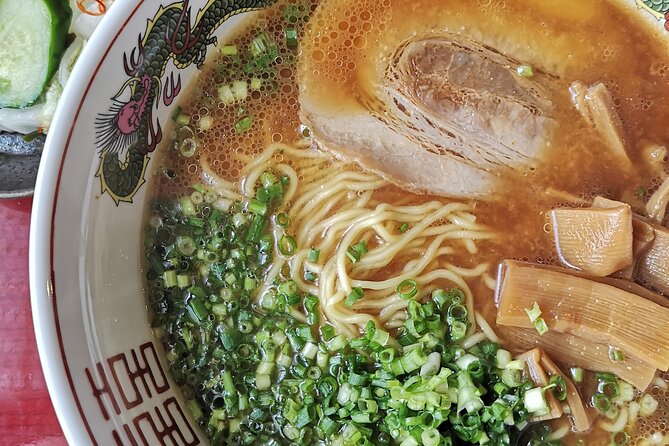
Home-style ramen soup (no noodles)
You make ramen soup using Nariko’s mother’s recipe for the broth. The class notes that the soup uses dried fish, which is very common for ramen, and it also states clearly that it cannot be made without it. That means you should book only if you are comfortable with a non-vegetarian broth.
Also, you will not make ramen noodles. Instead, the value is in the broth itself. At home, that is the part most people struggle with, because it is all about balance: flavor building, simmering, and getting depth without turning it into a complicated science project.
Gyoza with homemade skins
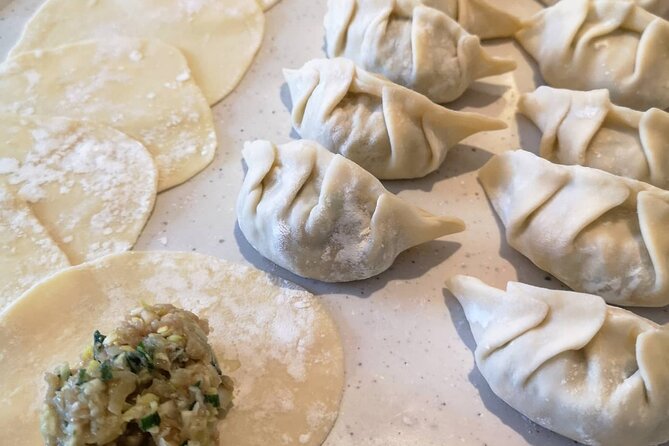
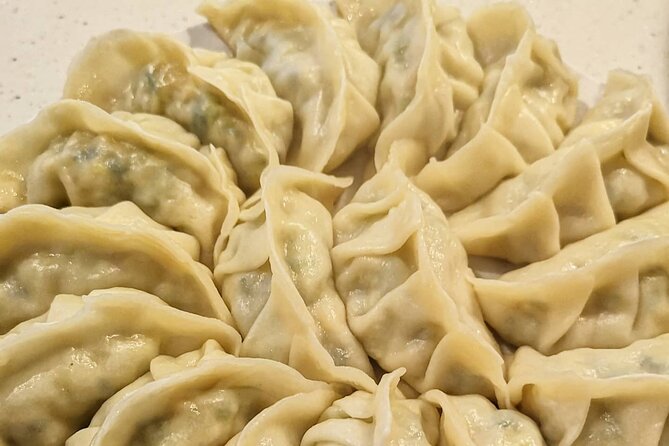
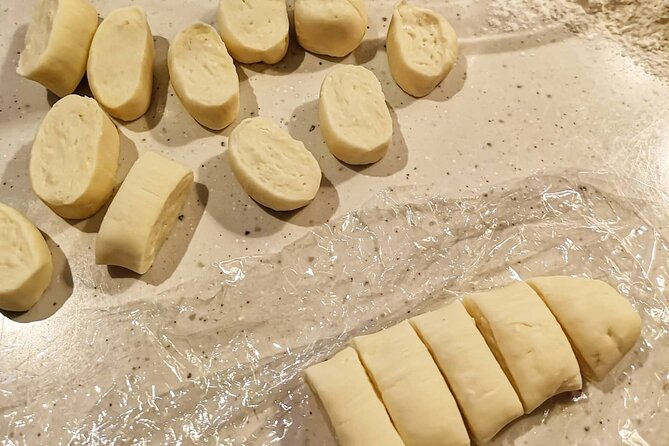
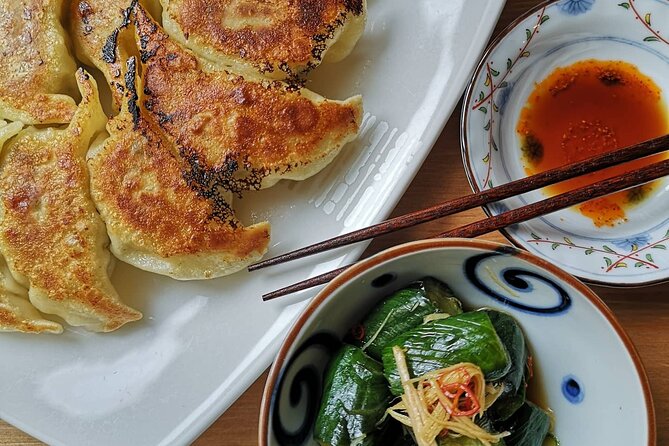
Gyoza is the second centerpiece, and this is where the class gets extra practical. You do not just assemble dumplings. You make the gyoza wrappers from scratch, which includes the dough/skin process. That is a key skill if your goal is to reproduce good gyoza later, because the wrapper is where a lot of the texture comes from.
One detail worth knowing: the class includes making gyoza, and some people specifically mention the dumplings being fried rather than boiled. Even if you are already familiar with gyoza, making the wrappers yourself changes your understanding fast.
A change of pace from Kyoto:
- PERFECT KYOTO 1-Day Bus Tour
★ 5.0 · 13,518 reviews - Kyoto: Fushimi Inari, Kinkakuji, Bamboo Grove 1 Day Bus Tour
★ 4.8 · 4,316 reviews - Kyoto: Tea Ceremony in a Traditional Tea House in Kiyomizu
★ 4.9 · 3,519 reviews - Kyoto Geisha Walking Tour: Gion District & Hidden Gems
★ 4.7 · 3,273 reviews
Cucumber pickles as a bright side
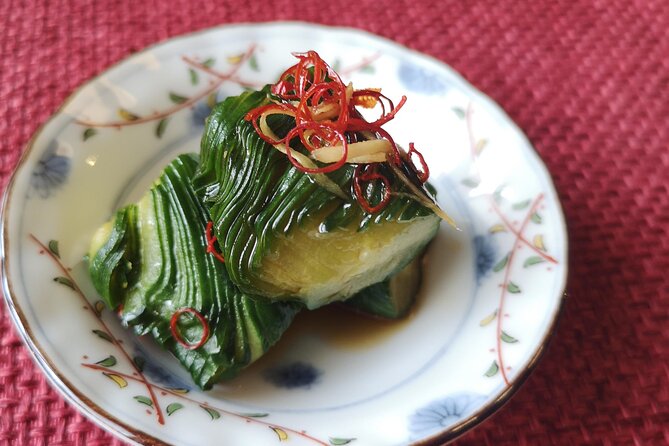
You also make cucumber pickles. This matters because it gives you contrast. A salty, savory meal benefits from something crisp and tangy, and the pickle component helps round out the plate you end up eating.
Tasting is the point
This is not a “cook and take a photo” class. The structure includes time to taste your own creations, so you can tell immediately what worked and what you might tweak next time.
How the Day Unfolds: Meeting Point to Finished Meal
The class starts at 10:00 am and runs about 3 hours 30 minutes. It uses a mobile ticket, and confirmation happens within 48 hours of booking (as long as there is availability).
Even without a minute-by-minute schedule listed, you can expect the flow to follow a logical cooking sequence because the lesson includes several different components:
- Arrival and setup
You meet at the designated address in Sakyo Ward. You are then taken into the home kitchen area where the ingredients and tools are ready. People describe Nariko as personable and good at explaining without making it feel stressful, which is important when you are doing something unfamiliar like gyoza wrapper dough.
- Ramen broth work
The broth portion is taught in a step-by-step way, including hands-on preparation. Since this is a family-style recipe, the teaching tends to focus on how flavor develops and how to treat the ingredients to get the final result right.
- Gyoza wrapper making
Next comes the gyoza skins. This is usually the most technique-heavy part for beginners, because thickness and handling affect how the dumplings turn out.
- Filling and making gyoza
After the skins are ready, you assemble the gyoza. If you have never pleated dumplings before, this is where the class format really helps, because you are not left alone at the most difficult step.
- Cucumber pickles
While the dumpling portion is cooking, the pickle step adds a second pace and gives you a chance to work on something fresher and simpler.
- Eating what you made
Finally, you sit down and taste the meal. For many people, this is the moment that makes the class stick in their memory, because you get that instant payoff of both ramen soup and gyoza.
One more practical point: the group is small, maximum 8, and only participants can be there. That keeps the kitchen from feeling crowded, and it also means your instructor can focus on pacing and individual questions.
Price and Value: Is $118.92 Worth It?
At $118.92 per person, this is not the cheapest way to eat in Kyoto. The value comes from three things you get that a casual food stop usually does not.
You pay for instruction, not just ingredients
You are learning how to build ramen broth and make gyoza wrappers, plus you are guided through knife work and cooking steps that you can later repeat at home. Several comments highlight how step-by-step the class feels, with time for everyone to keep up.
You leave with recipes
People say the class shares the recipes afterward. That changes the whole equation. If you are the type who likes recreating meals, you are essentially buying a practical document plus the technique.
Small group time is part of the cost
A maximum of 8 people matters. In larger classes, you often watch more than you do. Here, you are more likely to handle dough, cut ingredients, and actually build what you will eat.
Booking timing is a real factor
The class is listed as being booked on average 24 days in advance. That is a useful hint: if you want a specific date, plan ahead rather than assuming you can grab a slot last minute.
If you want ramen and gyoza, you could absolutely eat it for less money. But if you want the skills, the take-home recipes, and the satisfaction of making dumplings from scratch, the price feels more reasonable.
Diet, Age, and Knife Work: Who Should Book and Who Should Rethink It
This class has clear requirements, and it is worth checking them before you get emotionally attached.
Non-vegetarian by design
The ramen soup uses dried fish, and the class states it cannot make the soup without it. Also, it says it cannot do a vegetarian version of the class. So if your diet is vegetarian or you avoid seafood by choice, this is probably not your class.
If you have other dietary restrictions, the advice is to tell the instructor before you book, because they may or may not be able to accommodate your needs.
Minimum age 10 because of knives
Participants must be older than 10. The reason is straightforward: the class requires knife use, and children should be able to handle a knife safely.
If you are traveling with a family, this is one of the few food classes where “kid friendly” is specifically tied to an age requirement, not vague promises.
No spectators
Only people participating can attend because space is limited. If you want to bring someone along who is not taking the class, this is not set up for that.
Take It Home: The Skills You Will Actually Use
A good cooking class teaches you more than recipes. It gives you a way to think about the dish so you can adjust later when ingredients or tools differ.
Why making the broth is the real win
People often focus on noodles or toppings when they eat ramen. This class gives you the part underneath it all, the broth. Once you understand how to build that base flavor, ramen at home becomes less of a mystery and more of a repeatable project.
Why homemade gyoza skins change everything
Store-bought wrappers can be tasty, but they do not teach you control. Making wrappers from scratch helps you understand dough handling and thickness, which affects texture and how the dumplings hold together. When you can make the skin yourself, you can customize thickness and feel more confident when frying.
A note for recreating ramen bowls at home
Since this class does not make ramen noodles, if you want a full bowl experience at home, you will likely combine your soup with noodles you buy. That is not a problem, it just means the skill you are taking home is the broth, not the noodle process.
Expect recipes afterward
Multiple people mention that recipes are shared after the class. That makes it easier to repeat what you learned, especially if ramen and gyoza are new territory for you.
Should You Book Nariko’s Kyoto Ramen and Gyoza Class?
I would book this class if you want a small-group, hands-on cooking lesson in a real Kyoto home kitchen, and you care about learning the core technique behind ramen broth and scratch gyoza wrappers. The fact that you taste what you make, plus the mention that recipes are provided afterward, makes it feel like more than just an activity.
I would think twice if you need a vegetarian meal, because the ramen soup uses dried fish and the class says it cannot be made vegetarian. I would also reconsider if you are traveling with young children under 10, because knife work is part of the deal and the minimum age is specifically set for that.
One practical way to decide: if you are excited about cooking and want something you can recreate, this is a strong fit. If you just want to eat ramen and move on, you might be happier with a restaurant.
Book ahead if you can. With an average advance booking of about 24 days, the best times can go quickly.
FAQ
How long is the class?
It lasts about 3 hours 30 minutes.
What time does the class start?
The start time is 10:00 am.
What will I cook during the class?
You will make home-style ramen soup, homemade gyoza (including making the gyoza wrappers from scratch), cucumber pickles, and then taste what you cook.
Do you make ramen noodles in this class?
No. The class makes ramen soup, but it does not make ramen noodles.
Is the class vegetarian-friendly?
No. The ramen soup uses dried fish, and the class cannot be made vegetarian.
What is the minimum age to join?
Participants must be older than 10 because the class requires knife use.
How many people can join?
The class has a maximum of 8 travelers, and only participants can attend due to limited space.
Where do I meet for the class?
You meet at 5-6 Matsugasaki Rokunotsubochō, Sakyo Ward, Kyoto, 606-0915, Japan, and the activity ends back at the meeting point.
Latest write-ups near Kyoto
- Kyoto: Nishiki Market Tour with a Local Foodie & Tastings★ 4.5 · 67 reviews
- Kyoto Kimono Rental mimosa |Kimono/Yukata Rental Couple Plan★ 4.8 · 67 reviews
- Kyoto: Traditional Kimono Fabric Handicrafts Workshop★ 5.0 · 67 reviews
- Kyoto Tea Ceremony and Samurai Photo Session★ 5.0 · 70 reviews
- Kyoto: Replica food making experience★ 4.8 · 70 reviews
- Kyoto: Kinkakuji, Golden Pavilion Guided Tour★ 4.7 · 71 reviews
- Private departure transfer from Kyoto city to Kansai International airport★ 5.0 · 72 reviews
- Uji: Green Tea Tour with Byodoin and Koshoji Temple Visits★ 4.8 · 72 reviews
Ramen Experiences, compared.
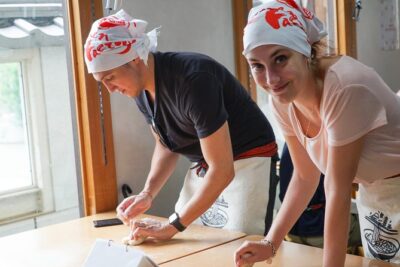
Ramen Cooking Class at Ramen Factory in Kyoto
Read our review →
Eat and Drink Like a Local: Tokyo Ueno Food Tour-Taverns&Ramen
Read our review →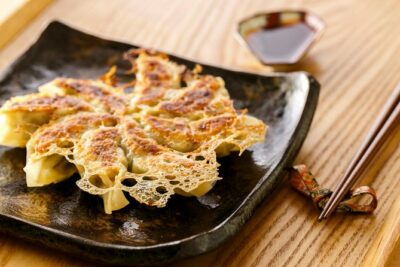
Ramen & Gyoza Cooking Class in Tokyo with Local Supermarket Visit
Read our review →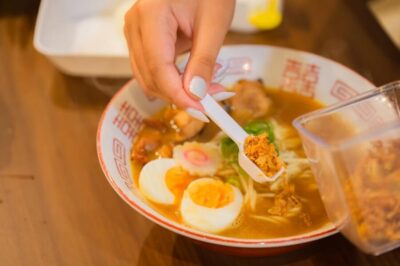
Ramen Cooking Class at a Ramen Factory with Souvenir
Read our review →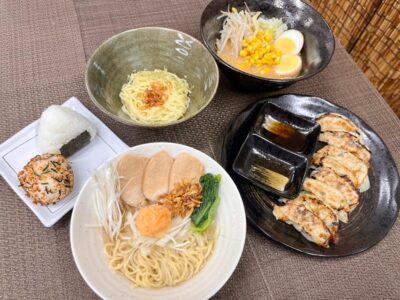

Five Must-See Highlights Walking Tour & Ramen Lunch
Read our review →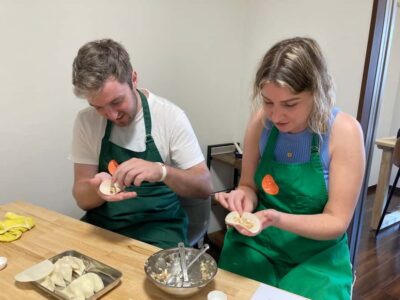
Browse the lists this tour appears in