
Reviewed · TEA CEREMONIES
Sencha-do the Japanese Tea Ceremony Workshop
Sencha-do is interesting because it is a Japanese tea ceremony built around brewing green tea leaves, not powdered matcha. Two things I really like here: you start with an observation so you learn the atmosphere, and then you get to touch the utensils and brew your own tea. One thing to consider, the meeting place can take a little effort to find, so build in time and follow the address carefully.
This workshop is designed to be personal and practical. You will sip something you helped make, and you will also get Japanese sweets to round out the experience. If your idea of a tea ceremony is more performance than participation, this one may surprise you, in a good way.
It runs about 1.5 hours and keeps things small, with a maximum of 4 travelers. That is great for questions, but it also means it is not the kind of experience you can casually drop into at the last minute.
Key highlights before you book
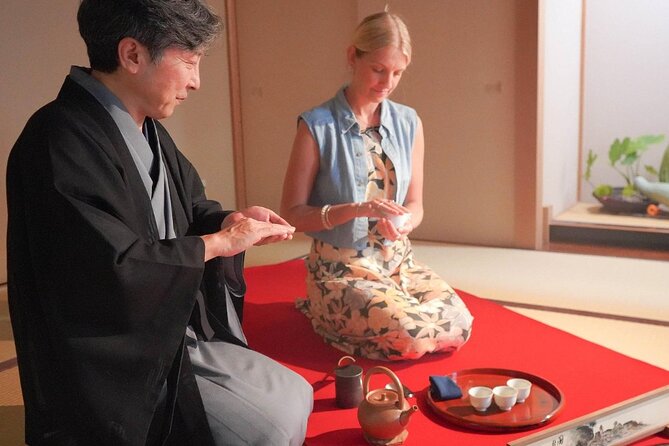
- Brew sencha, not matcha, using infusing green tea leaves
- Hands-on utensils, after a short observation of the ceremony
- Higashi Abe school instruction, taught with patience and clear care
- Japanese sweets included, so the class feels complete
- Small group size, capped at 4 travelers
A Sencha-do Japanese Tea Ceremony in Kawasaki, Where You Brew With Leaves
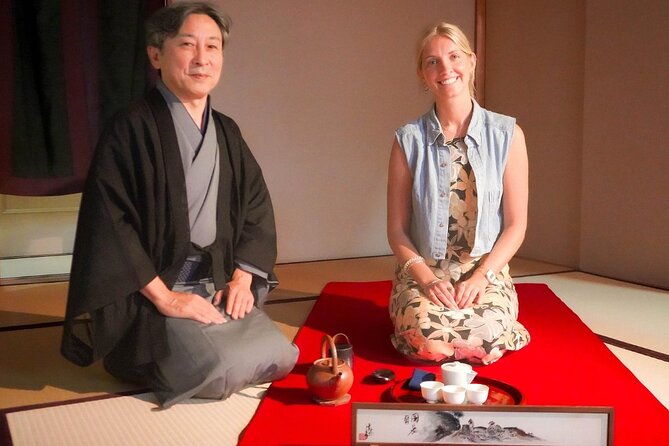
Sencha-do is a style of Japanese tea ceremony that focuses on infusing green tea leaves. Instead of making a thick, whisked drink like matcha, you treat the leaves with care and let hot water do the work. That difference matters, because it changes the aroma and the taste profile you are learning.
I like that this workshop is honest about what you are there to do. You are not just watching someone else perform. You are learning the steps, then turning around and trying them yourself with the guidance of the instructor from the Higashi Abe school.
The setting is also traditional in feel. One of the strongest signals from the experience is that the instructor teaches with respect for the traditions, and you feel that tone from moment one. That is the kind of structure that helps a first-timer avoid turning the ceremony into a rushed “do the steps, take the photos, leave.”
More Tea Ceremonies in Yokohama:
- Kyoto: Tea Ceremony in a Traditional Tea House in Kiyomizu
★ 4.9 · 3,519 reviews - Kyoto: Tea Ceremony Ju-An at Jotokuji Temple
★ 4.9 · 3,207 reviews - Kyoto: 45-Minute Tea Ceremony Lesson Experience
★ 4.3 · 2,378 reviews
Why the Higashi Abe school instruction makes this worth your time
Tea ceremony workshops can be hit-or-miss, especially if the instructor gives you a quick script and moves on. Here, the teaching comes from a master of the Higashi Abe school, and the class is described as gentle, careful, and taught to many students. You can feel that approach in the way the lesson is delivered: slow enough to absorb, respectful enough to learn the spirit of the practice.
In the experience, you do not just learn how to brew. You also learn context. The instructor shares details about sencha-do and the Higashi Abe school, including history and what makes this tea ceremony style different from others. One review also points to the instructor being patient and respectful, which is exactly what you want when you are holding utensils correctly for the first time.
And yes, it can be family-friendly. The small group helps, but so does the teaching style. If you bring kids, you are not stuck with a lecture. The class has a rhythm, and the hands-on part keeps attention from drifting.
The 1 hour 30 minute flow: observe, then brew your own tea
Plan on a compact schedule that still feels complete. The session starts with you observing the tea ceremony first. That part is not filler. Watching first helps you understand the pace, the posture, and the sequence of actions, so when it is your turn, you are not guessing.
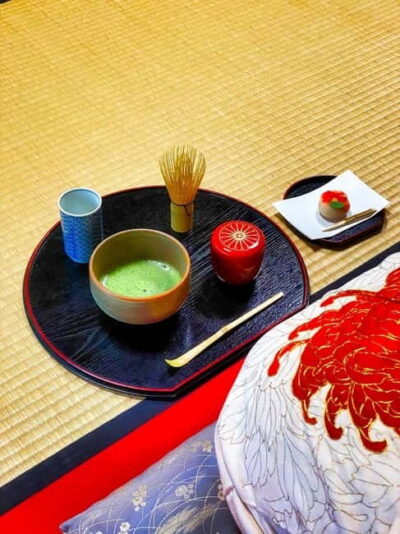
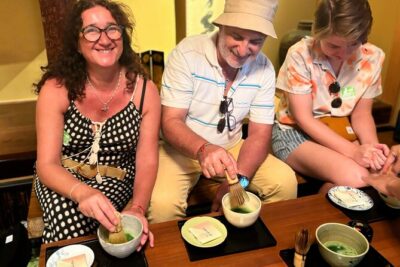
After the observation, you move into the hands-on portion. This is where the workshop becomes more than a cultural show. You will use tea utensils yourself to brew tea, guided by the instructor. The goal is not speed. The goal is learning how the ceremony works when you are the one doing it.
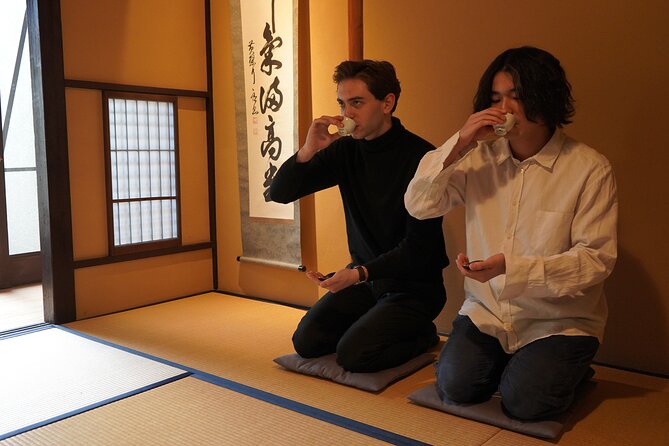
Then you get to enjoy what you made. The experience is designed so you can taste your brewed sencha and compare it with others in your group. That comparison is surprisingly useful, because small differences in technique can affect flavor. You will likely walk away with a better sense of what to adjust next time.
Touching the utensils changes everything about what you learn
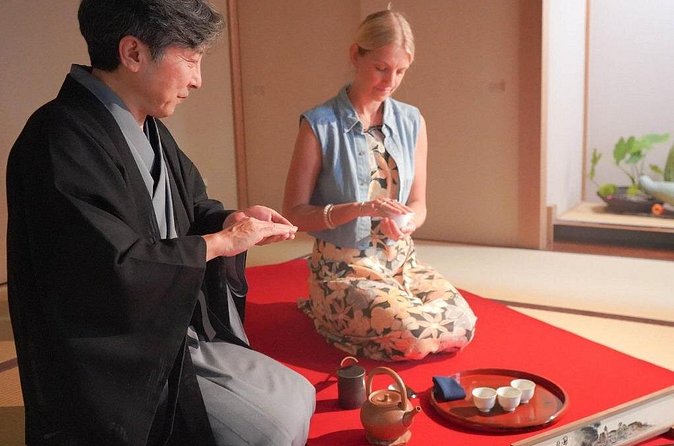
Here is the big practical reason I think this workshop stands out: most tea ceremony experiences keep you at arm’s length. You watch, but you do not handle the utensils. This one flips that. You can touch and use the utensils as part of the brewing process.
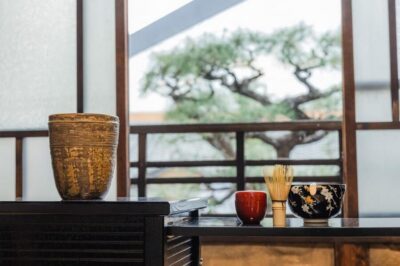
That changes learning in a very real way. When you handle the tools, you start noticing how movements affect the ceremony. You also start understanding what the utensils are for, not just what the instructor says they are for. It is hard to explain, but once your hands do the motions, the steps stick.
It also makes the taste learning more meaningful. You are tasting tea you brewed yourself, so when it comes out a little stronger, lighter, or sweeter, you connect it to what you did. One of the strongest pieces of feedback was that the class can help you discover something new about the taste of tea when you brew it yourself, and that is exactly the learning effect you want.
And because sencha-do uses green tea leaves, not powdered tea, the flavor story is different. You are tasting infusion rather than whisked thickness. For many people, that is the first time they fully understand there is more to Japanese tea culture than matcha.
A change of pace from Yokohama:
- Authentic Sumo Experience in Tokyo: Enter the Sanctuary
★ 5.0 · 603 reviews - EVO, WRX, Skyline – JDM Night Run to Daikoku Car Meet
★ 4.9 · 478 reviews - Tokyo: Best Price Daikoku Parking Area JDM Car Meet
★ 4.9 · 192 reviews - Daikoku & Tokyo Private JDM Tour by 700HP R34 GT-R
★ 4.9 · 101 reviews
Japanese sweets and the ceremony mood you actually feel
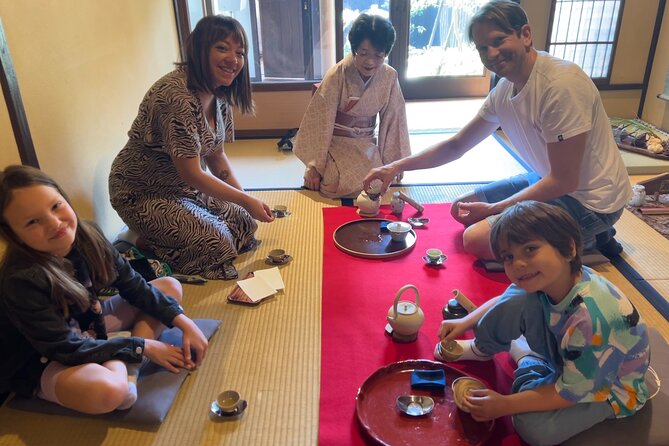
Tea ceremonies in Japan are not just about taste. They are about atmosphere. In this workshop, Japanese sweets are served, so you get a food pairing built into the rhythm of the class.
That matters because sweets change what you perceive in the tea. Even if you think you know what green tea tastes like, pairing it with sweets can soften bitterness and bring out other notes. It also gives the session a natural break point, so the experience feels human instead of formal and nonstop.
I also like that sweets are included as a standard part of the workshop. You are not hunting for snacks nearby afterward, and the tea ceremony feels like it has an ending that makes sense.
Price and value: $65.69 for a small, hands-on class
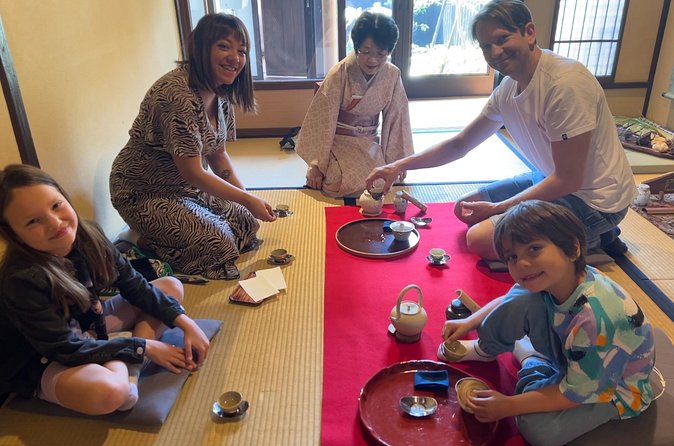
At $65.69 per person, this workshop does not feel like a budget tea tasting. But it also does not feel overpriced for what you get: instruction from the Higashi Abe school, observation plus hands-on practice, green tea included, and Japanese sweets included.
The small group size is the value booster. With a maximum of 4 travelers, you are more likely to get individual attention. In a larger class, you can end up doing the motions without fully understanding what went right or wrong. Here, the instructor’s patient teaching style and your hands-on participation pair well with that small cap.
The workshop runs about 1 hour 30 minutes. That is long enough to learn and brew, but short enough to fit into a travel day without feeling like a whole afternoon vanishes.
Also, you are issued a mobile ticket. That is one less thing to worry about once you are in Japan, especially if you are hopping between neighborhoods.
Meeting point reality check: use the exact address and give yourself time
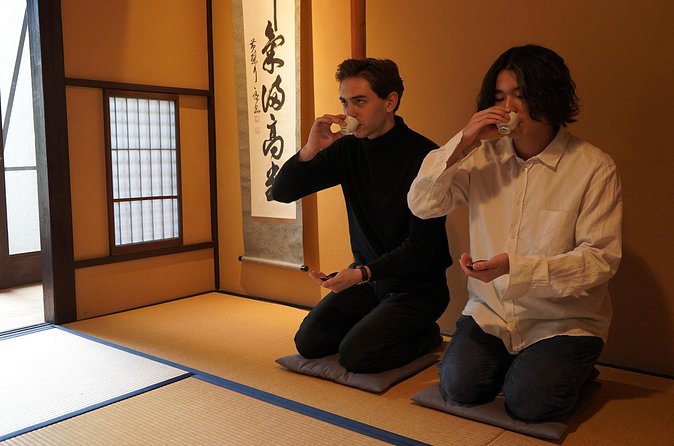
The meeting point is in Kawasaki, at:
一般財団法人 煎茶道東阿部流1-chōme-7-2 Totehonmachi, Saiwai Ward, Kawasaki, Kanagawa 212-0023, Japan
The good news is it is near public transportation. You do not need a private car for this one. Service animals are also allowed, and most travelers can participate.
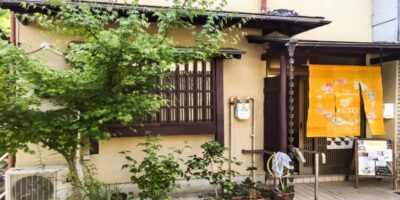
The only consistent logistical snag is finding the location. Some directions can be confusing, so the best move is simple: follow the exact address, and if you are unsure, ask for help early rather than waiting until you are late. This is one of those experiences where arriving on time reduces stress, and stress is the enemy of learning proper form.
Since private transportation is not included, plan to handle your own route to the meeting point. Budget for that, especially if you are staying farther from Kawasaki.
Who should book: families, couples, and tea-curious solo travelers
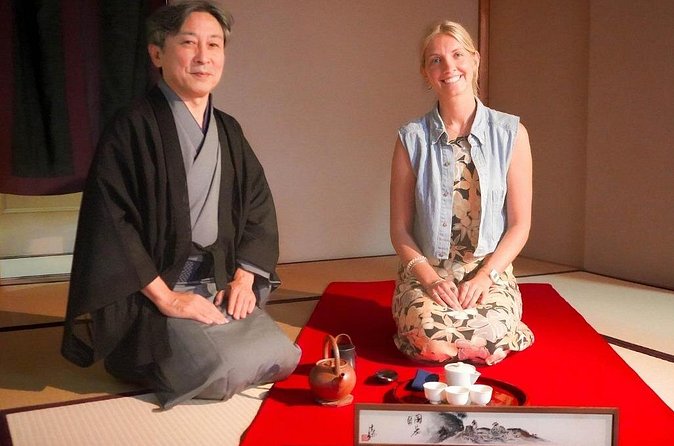
This workshop works well for different kinds of travelers.
- Families: The hands-on portion keeps kids engaged, and the teaching is described as patient.
- Couples: You get a shared activity, plus you can compare tea taste outcomes afterward.
- Solo travelers: Small group size means it is easier to ask questions and not feel lost.
If you are the type who likes learning skills from local experts, you will probably enjoy this. And if you mostly know Japanese tea through matcha, sencha-do gives you a new angle fast. You are not just learning a cultural ritual. You are learning how brewing style shapes flavor.
If you want a strict, ceremonial setting with no participation, you might prefer a different kind of tea demonstration. But if you want to do the steps yourself, this is designed for you.
Pictures are welcome, but keep the ceremony in mind
You are welcome to take as many pictures as you like. That is a big plus, because tea ceremonies can be visually striking, and you will want something to remember later.
Still, I think the best approach is to photograph without turning the class into a photo session. Start by watching the instructor’s pace, then take photos when there is a natural pause. The goal is to capture the moment, not interrupt it.
Also, remember that tea ceremony is a skill. Focus on getting your part right first. The photos will look better when you are calm and present.
A practical take: what you will likely do differently next time
By the end of 1 hour 30 minutes, you should feel comfortable with the idea that tea brewing has technique. You will learn how sencha-do is brewed by infusing leaves, how utensils are handled, and how the sequence works.
Most people walk away with two useful habits:
- They pay more attention to the tea leaves and the infusion process, not just the liquid they end up with.
- They understand that brewing style can make the same tea taste very different depending on how it is done.
Even if you never repeat the exact ceremony at home, that understanding follows you. It changes how you order tea, how you describe flavor, and how you appreciate the care behind Japanese tea culture.
Should you book this Sencha-do workshop in Kawasaki?
Book it if you want hands-on learning, not just a performance. The class format, observation plus utensil use, is built for people who learn best by doing. It is also a strong choice if you are curious about tea beyond matcha, because sencha-do uses green tea leaves and infusion.
Skip it if you are only looking for a quick look at tea culture and you do not want to participate at all. Also consider the location challenge. If you hate finding small meeting spots in Japan, plan extra time and use the exact address.
If you want a short, focused, skill-building cultural experience with a small group, this one fits the bill. You get tea, sweets, a clear teaching style from the Higashi Abe school, and the satisfaction of brewing your own sencha.
FAQ
How long is the Sencha-do Japanese Tea Ceremony Workshop?
The workshop lasts about 1 hour 30 minutes.
Is sencha-do made with powdered matcha?
No. Sencha-do uses green tea leaves that are carefully brewed by infusing, not powdered green tea.
Do I get to use the tea utensils myself?
Yes. After observing the ceremony, you can use tea utensils to brew the tea yourself during the hands-on part.
What is included in the workshop?
The workshop includes green tea and Japanese sweets.
What is the maximum group size?
This activity has a maximum of 4 travelers.
Where is the meeting point, and is it near public transportation?
The meeting point is at 一般財団法人 煎茶道東阿部流1-chōme-7-2 Totehonmachi, Saiwai Ward, Kawasaki, Kanagawa 212-0023, Japan. It is near public transportation.
Can I take photos, and are service animals allowed?
You are welcome to take as many pictures as you like. Service animals are allowed.
What happens if it is canceled due to weather or too few participants?
If it is canceled due to poor weather, you will be offered a different date or a full refund. If it is canceled because the minimum number of travelers is not met, you will be offered a different experience or a full refund.
Latest write-ups near Yokohama
- 【Tokyo】JDM Daikoku Parking Area & Nissan Facility Tour★ 5.0 · 87 reviews
- Tokyo: Authentic Sumo Wrestling Experience with Lunch★ 4.9 · 88 reviews
- Tokyo 8hr Private Tour with Licensed Guide from Yokohama★ 5.0 · 94 reviews
- Daikoku & Tokyo Private JDM Tour by 700HP R34 GT-R★ 4.9 · 101 reviews
- Tokyo: Best Price Daikoku Parking Area JDM Car Meet★ 4.9 · 192 reviews
- Authentic Sumo Experience in Tokyo: Enter the Sanctuary★ 5.0 · 603 reviews
- Yokohama: Guided Cup Noodles Museum Tour & Make Your Own Cup★ 4.9 · 27 reviews
- EVO, WRX, Skyline – JDM Night Run to Daikoku Car Meet★ 4.9 · 478 reviews
Tea Ceremonies, compared.
Tea Ceremony in a Traditional Tea House in Kiyomizu
Read our review →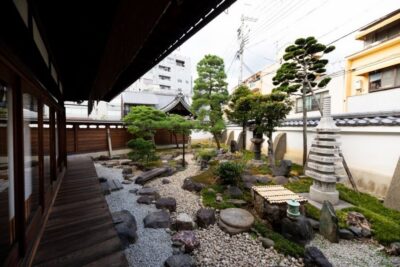
World Heritage Kyoto & Nara Uji Authentic Matcha Experience
Read our review →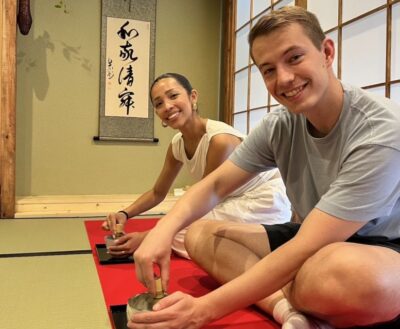
Browse the lists this tour appears in