Reviewed · GUIDED
Kyoto 4hr Private Tour with Government-Licensed Guide
Kyoto can feel like a blur of shrines, temples, and alleyways. This private 4-hour tour is interesting because you get a nationally licensed guide who helps you pick the exact sights you want and makes the day flow. I like how the route can be tailored, and I love that guides such as Yuri and Nabet are praised for turning transit into something simple, not stressful.
One thing to plan for is that it’s a walking tour. Hotel pickup is on foot within a designated area, and even with taxis or trains between neighborhoods, you’ll still cover real ground. If you hate hills or long walks, you’ll want to think carefully about which temples you choose.
Key things that make this Kyoto tour worth your time
- Government-licensed guide, in English: You get a local guide whose job is explaining what you’re seeing and helping you navigate.
- Pick 2 to 3 sites from a large Kyoto menu: Instead of a fixed checklist, you can build a route that fits your interests and energy.
- Hotel pickup on foot, not a complicated rendezvous: The meeting is handled within a designated area, so you’re not wandering around looking for a meeting point.
- Easy connections using public transport or taxi: Many days in Kyoto are about timing and transfers, and the guides are set up for that.
- Food, culture, and photo pointers: Reviews repeatedly mention best photo spots and smart food/dinner recommendations.
- Short day, big payoff, if you choose well: In 4 hours, you win when your picks are close together or part of the same neighborhood.
A 4-hour private Kyoto plan built around your priorities
This is the kind of tour that respects how Kyoto actually works. You could spend a full day just trying to get from one landmark to the next, and then you lose time standing around. Here, the day is designed to be tight, focused, and guided, so you can stop “just looking” and start understanding.
The biggest value is that it’s private and customizable. You’re not stuck with a one-size-fits-all route. If you care more about famous temples, you can build toward those. If you’d rather mix in markets and atmospheric streets, you can do that too.
And because it’s private, you can also go at the pace your group needs. In reviews, guides like Yuri and Ken are described as flexible with kids and timing, including pausing for breaks when needed. That’s a small detail until you’re the one trying to keep a family moving in the heat.
The trade-off is physical. This tour is primarily walking, and Kyoto’s terrain is not flat. Even if you take trains between neighborhoods, you’ll still be on your feet.
Also on the shortlist for Kyoto:
- PERFECT KYOTO 1-Day Bus Tour
★ 5.0 · 13,518 reviews - Kyoto: Fushimi Inari, Kinkakuji, Bamboo Grove 1 Day Bus Tour
★ 4.8 · 4,316 reviews - Kyoto: Tea Ceremony in a Traditional Tea House in Kiyomizu
★ 4.9 · 3,519 reviews
Your guide is the real itinerary, not just the talking
The guides get strong praise for one specific reason: they don’t just point. They explain and they adjust.
Yuri is repeatedly mentioned for making things seamless with trains and bus transfers, translating and answering questions on the spot, and even helping rescue people from transit confusion. Nabet is praised for organizing the day tightly and answering questions thoughtfully. Mizu is noted for having materials to help you understand Kyoto’s history and religion and for helping people move quickly using the subway.
I also like the pattern that shows up in these stories: guides ask what you want before they finalize your route. Akira, Masa, and Nabet are highlighted for tailoring in advance. That matters because Kyoto has too many options, and a great guide helps you choose a route that matches the season, crowd levels, and your own interests.
There is one caution from the range of feedback: not every guide will match every traveler’s expectations for historical depth or language fluency. If this is your top priority, you’ll get the best outcome by being clear about what you want to learn, and how much detail you want on culture and history.
Price and logistics: what $109.43 buys you
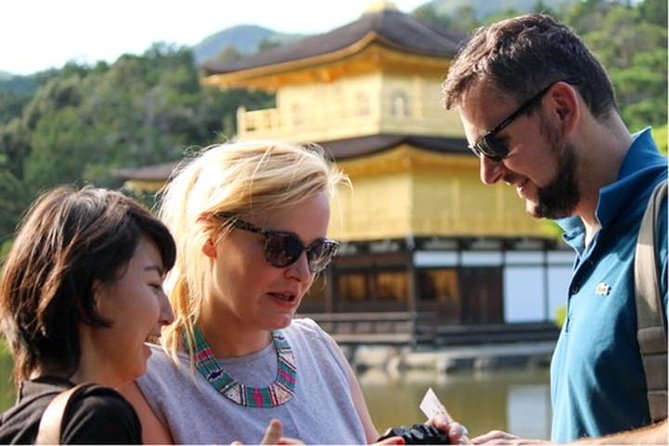
At $109.43 per person for about 4 hours, you’re paying for three things: a licensed English-speaking guide, a private format, and a guided route that you can customize.
Entrance fees are not included. Transportation fees are not included. Lunch is not included. That’s normal for this style of tour, but it affects value. If you choose 2 or 3 sites where tickets are required, you’ll add those costs on top.
Where the tour still makes sense is that the guide helps you spend your paid time well. Kyoto rewards planning, and a licensed guide can save you time on transfers, explain what’s worth your attention at each stop, and help you avoid wasting your limited hours.
Also keep this in mind: the default is public transportation or taxi. You can upgrade to include a private vehicle for an additional cost. That option can be a big relief if your group has mobility limits or wants to reduce walking between distant areas.
How you’ll move through Kyoto (and why it affects the experience)
You start with pickup on foot within a designated area. Then you move between stops using public transport or taxi. That structure is practical because it reflects how most people actually get around Kyoto day to day.
In reviews, guests mention guides steering them through subway systems and transfers without getting lost. Several people also mention taxis being helpful when crowds, rain, heat, or family needs change the plan. If your day might include kids, strollers, or just limited stamina, ask your guide to build a route that minimizes long stretches of walking between far-apart sites.
If you prefer smoother logistics and fewer uphill miles, consider the private vehicle upgrade. It isn’t included, but it can turn a “good day” into a “low-stress day,” especially when you pick sites across different parts of the city.
One small tip that came up from a review: get a Suica card ahead of time for smoother train station use. Bring some yen for situations where you need cash, and plan to hydrate, because Kyoto heat and summer sun can hit fast.
A change of pace from Kyoto:
- Kyoto Geisha Walking Tour: Gion District & Hidden Gems
★ 4.7 · 3,273 reviews - Kyoto: Tea Ceremony Ju-An at Jotokuji Temple
★ 4.9 · 3,207 reviews - Kyoto: Gion Magical Night Walking Tour with Geisha Trivia
★ 4.9 · 2,393 reviews - Kyoto: 45-Minute Tea Ceremony Lesson Experience
★ 4.3 · 2,378 reviews
The stops you can build your 4-hour day around
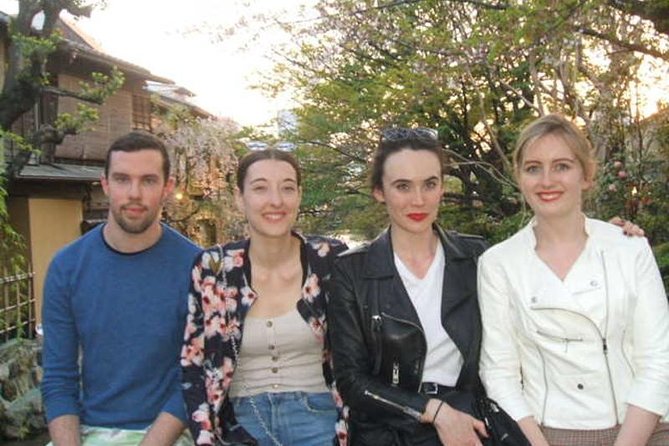
You’ll choose about 2 to 3 sites from a menu of Kyoto highlights. Here’s what each option tends to offer, and the one practical thing you should watch for.
Fushimi Inari-taisha Shrine
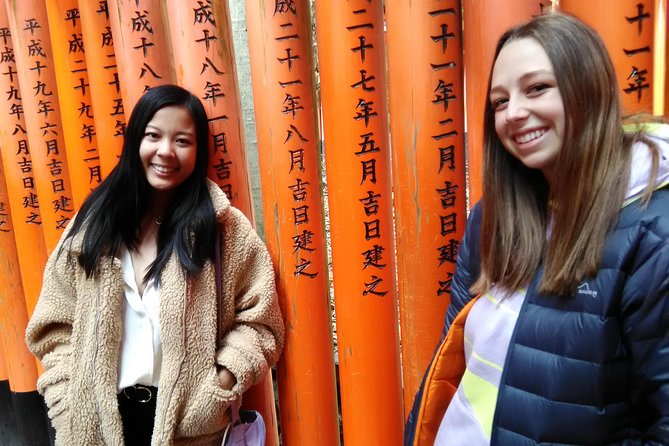
This is the torii-gate route Kyoto is famous for, and the experience is more than just a photo walk. A guide can point out the stories behind the gates and the shrine areas, not only the tunnel-like views. It’s often crowded, so timing matters, especially midday.
Nijo Castle
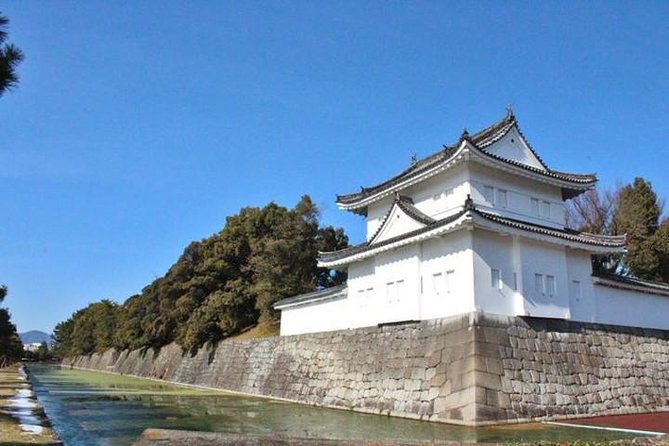
Nijo Castle gives you a look at Kyoto’s power history, built in 1603 as the Kyoto residence of Tokugawa Ieyasu. It’s also one of those places where a guide can help you connect architecture to the era and purpose. Plan for tickets here, since admission is not included.
Gion
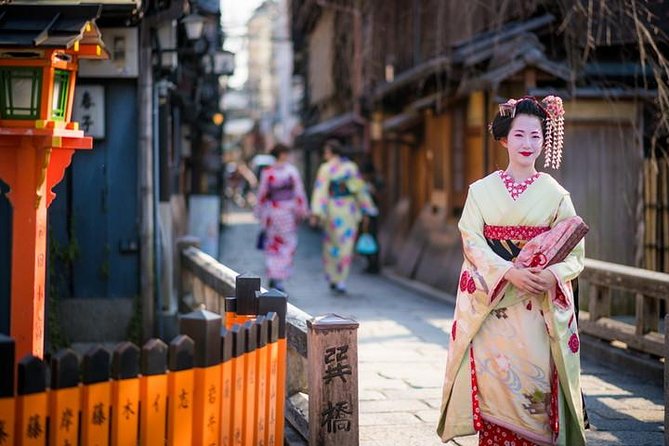
Gion is the classic geisha district vibe, but it can be confusing if it’s your first visit. With a guide, you can understand what you’re seeing in the streets and where the best views and quiet moments are. Expect foot traffic, especially later in the day.
Nishiki Market Shopping District
Nishiki is called Kyoto’s kitchen for a reason. It’s the kind of stop where you’ll learn what to try and where to snack without turning it into a random wandering session. It’s also very short and crowded, so you’ll want your guide to prioritize what fits your tastes.
Kiyomizu-dera Temple
Kiyomizu-dera is one of Kyoto’s biggest names, and a guided visit helps you interpret the temple setting, not just admire the main view. The stop can involve tickets and lines depending on timing, and it’s a popular place, so early or well-timed visits help.
Kyoto Imperial Palace
This is a chance to see Kyoto’s imperial past, used by the Imperial Family until 1868 when the emperor and capital moved to Tokyo. A guide helps connect the palace’s role to the wider story of Japan’s political shift. It’s a ticketed stop, so factor that into your total budget.
Pontocho
Pontocho is all about atmosphere, a narrow dining alley near the Kamogawa River. It’s a great place for an evening feel and a food-oriented walk, and a guide can point you to the most comfortable spots. You won’t want to linger too long if you have ticketed temples left.
Higashiyama Ward
This is where Kyoto still feels like old city streets. A guide can help you make sense of what you’re seeing while you walk, so it doesn’t turn into just scenic strolling. It’s also an area where walking times can add up quickly with multiple stops.
Ginkakuji Temple
Ginkakuji, the Silver Pavilion, is a Zen temple with a strong cultural mood. With a guide, you can understand what the site represents and why it matters beyond the name. Admission is not included, so check ticket planning if it’s one of your chosen sites.
Nanzenji Suirokaku
Nanzenji is often a quieter Zen option compared to Kyoto’s top super-popular stops. Suirokaku adds a dramatic element, and a guide can help you place it within the temple grounds and surrounding setting. Tickets are not included, so it’s best as a “must pick” if you like temple architecture and grounds.
Tofuku-ji Temple
Tofuku-ji is known for spectacular seasonal color, especially in autumn. Even if your trip isn’t in fall, a guide can help you understand the temple’s role and layout. Tickets are not included.
Toji
Toji is a major temple connected to the early Kyoto era, right after the capital shifted to Kyoto. It’s a good choice when you want something prominent but less “storybook alley” than Higashiyama. Tickets are not included.
Kinkakuji Temple
Kinkakuji, the Golden Pavilion, is the other famous Zen icon and a strong anchor stop for many routes. It’s easy to photograph, and a guide can help you understand how the site’s meaning shaped what visitors experience. Admission is not included.
Ninna-ji Temple
Ninna-ji is another World Heritage-listed temple, with the Omuro School of Shingon Buddhism connection. With a guide, you can learn what the temple represents and what parts to prioritize. Tickets are not included.
Shugakuin Imperial Villa
Shugakuin gives you a quieter, palace-and-garden feel tied to the Imperial Household Agency. It tends to work best when you want a break from the most crowded temple icons. Tickets are not included, and time is a factor.
Kibune River
Kibune is a mountain-valley town vibe tied to Kifune Shrine legend. It’s a good choice if you want nature and a slower pace, not just famous stone and gates. Tickets are not included, and it can feel like a different kind of day from central Kyoto.
Kurama-dera
Kurama-dera is in the northern mountains and tends to appeal if you like temple sites that feel more rural. It’s associated with hot spring culture nearby, even if your main focus is the temple. Tickets are not included.
Ryoan-ji Temple
This is the famous rock garden stop. A guide helps you understand why the garden is arranged the way it is and how people experience it from different viewpoints. It’s ticketed here, since admission is not included.
Arashiyama
Arashiyama is a full zone, not just one stop. Choose it when you want scenery, temples, and riverside energy in the west. Tickets are not included for Arashiyama as a zone, but many of the specific sites within it are ticketed.
Katsura Imperial Villa
Katsura Rikyū is known for architecture and garden design linked to the 17th century. It’s the kind of stop where context makes the experience feel smarter, not just pretty. Tickets are not included, and it’s better as one of your prioritized 2 to 3 choices.
Daikaku-ji Temple
Daikakuji is in the Sagano district and began as an imperial detached palace area. A guide can help translate what that origin means for the grounds today. Tickets are not included.
Tenryu-ji Temple
Tenryuji is a top Zen temple in Arashiyama and a World Heritage site. It’s a strong anchor because it sits in the middle of everything Arashiyama offers. Tickets are not included.
Yoshimine-dera
Yoshiminedera is a Tendai-sect temple in the western mountains. It’s a temple option for when you want something slightly less mainstream in the Arashiyama area. Tickets are not included.
Togetsukyo Bridge
This is the iconic Moon Crossing Bridge view. It’s great for photos and for getting a handle on the river setting in Arashiyama. Since it’s a short stop in many itineraries, don’t count on it as your only activity if you want a deeper day.
Bamboo grove walking paths
The walking paths through the bamboo groves are part of the Arashiyama pull. A guide can help you find a route that feels calmer and less like a bottleneck. Admission is not included, but it’s still busy and timing matters.
Okochi Sanso Garden
This is the former villa garden connected to actor Okochi Denjiro and tucked behind the bamboo groves. If your group wants a landscaped garden break, it’s a strong candidate. Tickets are not included.
Jojakkoji Temple
Jojakkoji is a hillside temple with a quiet, understated feel, with maple and moss along paths. It’s a good “step away from crowds” choice when you want something still beautiful but more peaceful. Tickets are not included.
Nisonin
Nisonin is similar hillside temple energy with slightly larger and more imposing buildings. It’s a good option if your group likes temple grounds but wants a different mood than the major famous icons. Tickets are not included.
Gioji Temple
Gioji is known for mossy garden elements and tall maple trees. It tends to feel more tucked into the forest, and that can be a relief if your day has been crowded. Tickets are not included.
Adashino Nenbutsu-ji Temple
This temple sits near the Saga Torimoto Preserved Street and is tied to a long-ago Buddhist tradition about statues and remembrance. It can be a thoughtful choice if you like cultural context. Tickets are not included.
Otagi Nenbutsu-ji Temple
Otagi Nenbutsuji is famous for its 1,200 stone statues of rakan, each with its own character. It’s also a walking-heavy stop, so wear shoes you trust. Tickets are not included.
Kennin-ji Temple
Kenninji is close to the city bustle near Hanamikoji and Shijo, but the grounds feel pleasant and easy to walk. It’s a good choice if you want a temple stop without committing to a long mountain trek. Tickets are not included.
Byodoin Temple (Uji side)
Byodoin Temple is famous for the Phoenix Hall, a National Treasure and a UNESCO World Heritage site. The trade-off is time: extra travel time is expected because it’s in Uji, outside central Kyoto. Tickets are not included.
Pacing tricks that experienced guides use
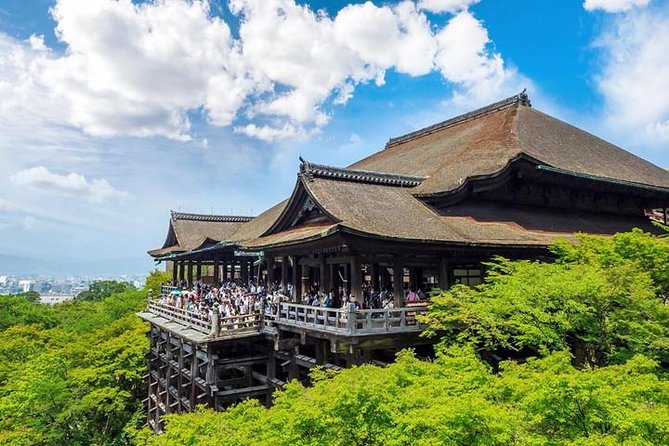
A great guide helps you decide what to see first, where to stop for photos, and where to slow down. In reviews, guests mention guides finding strong photo spots, translating signage, and keeping routes smooth with trains and bus connections.
If you’re in Kyoto for only a day or you arrive tired, pick sites that match the same general area. It’s the simplest way to keep the walking manageable and protect your attention. The best tours feel like a series of “aha” moments, not a rushed sprint from gate to gate.
Also, don’t ignore the practical side of your own body. Some reviewers mention cracking 20,000 steps on a Kyoto day, even with guided timing. Comfortable shoes are not optional.
Should you book this Kyoto 4-hour private tour?
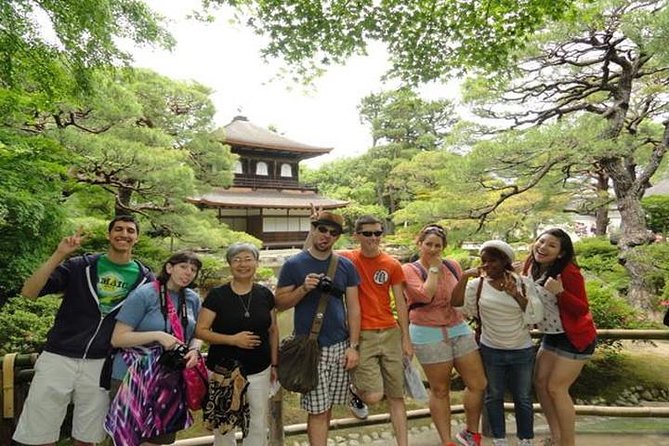
Book it if you want a guided Kyoto day with a nationally licensed English-speaking guide and you like the idea of choosing 2 to 3 sites based on your interests. It’s a smart value when you’re trying to compress Kyoto into a short window without getting lost in transfers or crowd timing.
Pass or adjust your expectations if you want a fully car-based day, or if you know you dislike walking and hills. Even with taxis or trains between neighborhoods, this is still a walking tour style.
If you do book, choose your sites with geography in mind, and tell your guide what you most want to learn. Guides like Yuri, Nabet, Mizu, Yuka, and Ken stand out in the feedback for one reason: when your priorities are clear, they turn Kyoto into a story you can actually follow.
FAQ
How long is the Kyoto private tour?
It lasts about 4 hours.
Is this tour truly private?
Yes. It is a private tour or activity, so only your group participates.
Do I get hotel pickup?
Pickup is offered on foot. You meet the guide within a designated area in Kyoto.
What is included in the price?
You get a licensed local English-speaking guide and a customizable tour where you choose 2 to 3 sites. You also get the on-foot meeting with the guide in the designated area.
Are entrance fees and transportation included?
No. Transportation fees, entrance fees, lunch, and other personal expenses are not included.
How do we get between attractions?
The tour uses walking plus public transportation or taxi. You can also upgrade to include a private vehicle for an additional cost.
What are the cancellation terms?
You can cancel for a full refund up to 24 hours in advance of the experience start time. If you cancel less than 24 hours before, the amount paid will not be refunded.
Latest write-ups near Kyoto
- Kyoto: Nishiki Market Tour with a Local Foodie & Tastings★ 4.5 · 67 reviews
- Kyoto Kimono Rental mimosa |Kimono/Yukata Rental Couple Plan★ 4.8 · 67 reviews
- Kyoto: Traditional Kimono Fabric Handicrafts Workshop★ 5.0 · 67 reviews
- Kyoto Tea Ceremony and Samurai Photo Session★ 5.0 · 70 reviews
- Kyoto: Replica food making experience★ 4.8 · 70 reviews
- Kyoto: Kinkakuji, Golden Pavilion Guided Tour★ 4.7 · 71 reviews
- Private departure transfer from Kyoto city to Kansai International airport★ 5.0 · 72 reviews
- Uji: Green Tea Tour with Byodoin and Koshoji Temple Visits★ 4.8 · 72 reviews
Guided, compared.
Tokyo 6hr Private Tour with Government-Licensed Guide
Read our review →
Shinjuku Local Bar and Izakaya Guided Walking Tour
Read our review →
Private City Highlights Tour with Local Guide
Read our review →
Kyoto Early Morning Tour with English-Speaking Guide
Read our review →
Tokyo 4hr Private Tour with Government-Licensed Guide
Read our review →
Kyoto 6hr Private Tour with Government-Licensed Guide
Read our review →