Reviewed · MORNING
Kyoto Early Morning Private Tour with Government-Licensed Guide
Kyoto is at its best when you beat the clock. This private early-morning tour helps you see temples and streets before the day crowds show up, and you get a guide who can shape the pace. It is a smart way to get more meaning out of the landmarks without getting swept into a big group shuffle.
I like two things a lot. First, you get a government-licensed local English guide, so explanations actually connect the dots between religion, art, and daily life. Second, you can keep it flexible and choose 2-3 sites from the stop menu, instead of being locked into a fixed route.
One drawback to plan for: this is a walking-oriented tour with no private vehicle included, and entrance fees and transport are on you unless a site is covered in your chosen plan. If you hate early starts or long distances, you might feel rushed.
Key things to know before you go
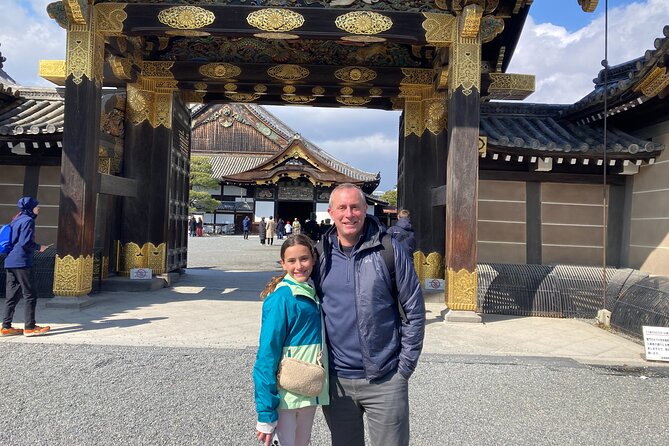
- Private, early-morning start for a calmer feel at Kyoto’s most popular stops.
- Government-licensed English guide with practical storytelling about what you are seeing.
- Choose 2-3 attractions from a large list, so you can match your interests.
- Meet on foot in a designated area, with no private vehicle provided.
- Most major temple and palace entrances may not be included, depending on what you pick.
Why an early start makes Kyoto feel different
Kyoto gets crowded. You already know that. What you may not realize is how much your experience changes when you arrive before the first big waves.
An early start often means you can actually look instead of constantly moving. On one 6:30am-style start, the big hitters like Kiyomizu-dera and Fushimi Inari can feel unusually quiet, which makes a huge difference for photos and for understanding the flow of the place. One guide even pointed out how early light changes how the torii look, and why the shrine area is more than just a tunnel you pass through.
The private format also matters. You are not negotiating with strangers about where to stop, how long to linger, or how quickly to walk. Your guide can answer questions in real time, which helps you enjoy Kyoto as a living culture instead of a checklist.
Also on the shortlist for Kyoto:
- PERFECT KYOTO 1-Day Bus Tour
★ 5.0 · 13,518 reviews - Kyoto: Fushimi Inari, Kinkakuji, Bamboo Grove 1 Day Bus Tour
★ 4.8 · 4,316 reviews - Kyoto: Tea Ceremony in a Traditional Tea House in Kiyomizu
★ 4.9 · 3,519 reviews
Meeting your licensed English guide and picking your stops
This is set up as a private tour, meaning only your group participates. You meet your guide on foot within a designated area in Kyoto, so I suggest you confirm the exact meeting point in advance and plan how you will arrive there easily using public transit.
Your guide gives you a practical framework, then you choose your targets. The tour is designed for 2-3 sites, so pick what you truly want to see, not what looks good on paper. If you try to cram too much, Kyoto will win. This format keeps it reasonable.
You can also expect real-world flexibility. In one case, a guide helped adjust timing when someone had ankle issues by adding time to keep things comfortable. In another case, a guide guided guests through public transportation efficiently, which is useful if your “Kyoto plan” is mostly walking plus transit.
Fushimi Inari-taisha first: torii gates, stories, and calm crowds
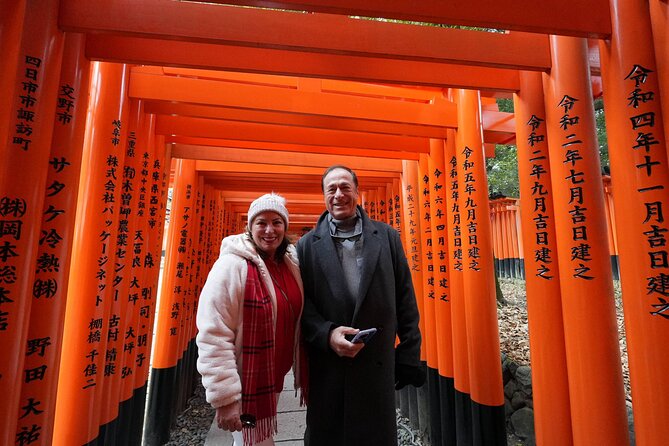
Start with Fushimi Inari-taisha Shrine, one of Kyoto’s most iconic places. Yes, it is famous for vermillion-red torii gates, but the shrine is more than a photo tunnel. With a guide, you get context and stories that help the space make sense beyond the visuals.
Admission is marked as free in the stop info, which is a plus. The potential drawback is timing. Even with an early start, this is still a major shrine, so you will want comfortable shoes and the patience to walk deeper if you want the full experience.
Nijo Castle: UNESCO drama without the confusion
Next option: Nijo Castle, a UNESCO World Heritage site built in 1603 as the Kyoto residence of Tokugawa Ieyasu. This is where Kyoto’s political history becomes tangible, because you are standing in an Edo-period power center, not just looking at old buildings.
The stop notes say admission is not included, so you should expect to pay your own way if this is one of your chosen sites. The other consideration is that castles are spread out, so if you are also doing a shrine and a street stop in the same morning, plan your pace with your guide.
A change of pace from Kyoto:
- Kyoto Geisha Walking Tour: Gion District & Hidden Gems
★ 4.7 · 3,273 reviews - Kyoto: Tea Ceremony Ju-An at Jotokuji Temple
★ 4.9 · 3,207 reviews - Kyoto: Gion Magical Night Walking Tour with Geisha Trivia
★ 4.9 · 2,393 reviews - Kyoto: 45-Minute Tea Ceremony Lesson Experience
★ 4.3 · 2,378 reviews
Gion and narrow alleys: how to walk it without getting stuck
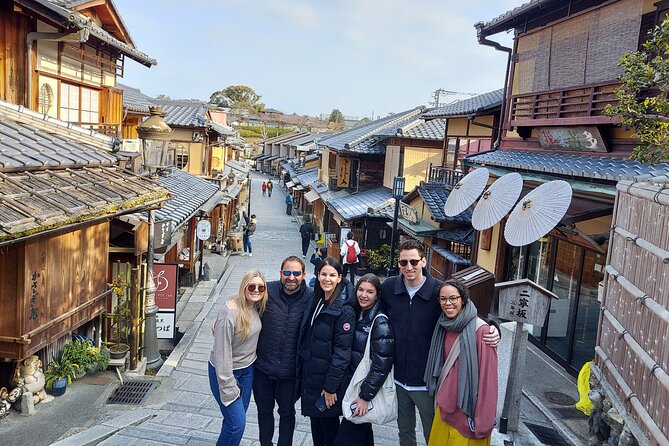
Gion is the geisha district, and the stop description is honest about why it can feel daunting for first-time visitors. The streets are narrow and easy to misread, so a guide helps you move confidently and spot what matters.
Admission is listed as free, which makes it a good “stretch break” between bigger-ticket sights. The practical drawback is that Gion is also a favorite area for people who want photos, so you still need to choose your moment and your route wisely.
Nishiki Market: Kyoto kitchen energy with a plan
Nishiki Market is described as a narrow, five-block-long shopping street lined with more than one hundred shops and restaurants, nicknamed Kyoto’s kitchen. If you want something lively and edible, this is an easy win.
The benefit of a guided visit is not just shopping help. It is knowing what to look for and how to navigate the crowd flow without getting disoriented. The stop info shows admission is free, but food is, of course, extra, so set expectations accordingly.
Kiyomizu-dera and Higashiyama: iconic, and step-heavy
Kiyomizu-dera Temple is one of Kyoto’s most popular temples. The tour pitch is that exploring with a guide helps you understand Japanese history and culture instead of just scanning the view. The stop info says admission is not included, so factor that into your budget.
Then you may head into Higashiyama Ward, a well-preserved historic district along the eastern mountains slopes. This is the kind of area where a guided walk can help you connect the scenery to the cultural reasons it looks the way it does.
The consideration here is simple: these are classic Kyoto streets, which means lots of walking and lots of people if you arrive later. The early-morning strategy helps you spend time looking instead of constantly threading through crowds.
Kyoto Imperial Palace: the royal setting before the modern capital
The Kyoto Imperial Palace used to be the residence of Japan’s Imperial Family until 1868, when the emperor and capital moved to Tokyo. With a guide, you get a clearer sense of why Kyoto mattered even after it lost the capital role.
Admission is listed as not included in the stop details. Also, palace and garden areas can be spacious, so if your goal is “big sights, minimal walking,” choose this only if the setting interests you.
Pontocho: narrow night energy in the daytime
Pontocho is described as a one-block-west alley running from Shijo-dori to Sanjo-dori, one block west of Kamogawa River, packed with restaurants. Even if you visit earlier in the day, the alley’s atmosphere is part of the draw.
Admission is free. The main drawback is that Pontocho tends to connect to other Kyoto food and nightlife zones, which can make your schedule feel fluid. If you want strict timing, I’d keep your “time anchors” focused on the temple or shrine parts.
More Kyoto classics you can choose from (and when they fit)
Here are additional high-demand sites you can pick from, depending on your interests and your 2-3 stop plan.
Ginkakuji (Silver Pavilion)
Ginkakuji is a Zen temple in Higashiyama. The stop note highlights that it was associated with a shogun’s retirement villa in 1482, which helps explain why it looks like it belongs to a crafted retreat. Admission is not included.
Nanzenji Suirokaku
Nanzenji Suirokaku is a Zen temple with important status in Japan. The grounds are at the base of Higashiyama’s forested mountains, which can make the area feel cooler and calmer if you hit it early. Admission is not included.
Tofuku-ji
Tofuku-ji is a large Zen temple in southeastern Kyoto, especially famous for autumn colors. If you are visiting in a season with strong foliage, this is a great choice for mood. Admission is not included.
Toji
Toji Temple literally means East Temple. It was founded around the time Kyoto became the capital in the late 700s, so it is a good pick if you want “early Kyoto” rather than only the later shogun era. Admission is free.
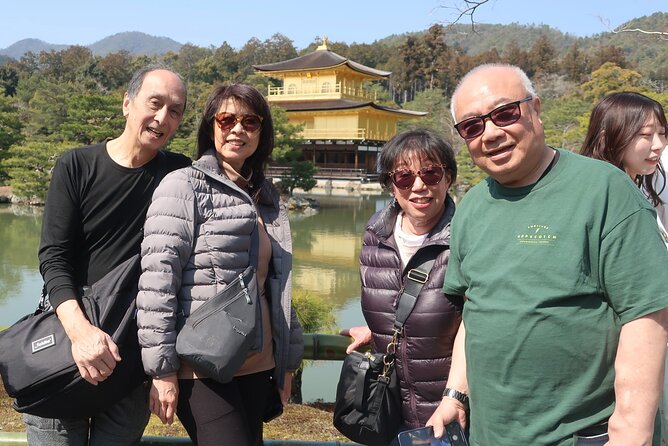
Kinkakuji (Golden Pavilion)
Kinkakuji is the famous Zen temple with top floors covered in gold leaf. The stop info connects it to the shogun Ashikaga Yoshimasa and his retirement villa, which makes the whole site feel less random. Admission is not included.
Ninna-ji
Ninna-ji is a World Heritage site and the head temple of the Omuro School of the Shingon sect. The stop details emphasize its founding in 888 and its role within that branch of Buddhism. Admission is not included.
Shugakuin Imperial Villa
Shugakuin Imperial Villa is an imperial villa built in the 17th century by Emperor Gomizuno and managed by the Imperial Household Agency. The stop note mentions the Upper, Middle, and Lower Villa layout, which is a useful way to imagine how you will move through it. Admission is not included.
When you want the mountains: Kibune, Kurama, and Kyoto’s quieter edges
If you want Kyoto beyond the postcard core, the stop list includes mountain-area options.
Kibune River
Kibune is described as a small town in a forested valley in northern Kyoto City, developed around Kifune Shrine. There is also a legend about a goddess traveling by boat from Osaka, which gives the area a mythic feel. Admission is not included.
Kurama-dera
Kurama-dera is tied to a rural town and its temple. The stop info mentions Kurama as known for its temple and hot spring, which can be a nice contrast if your day is otherwise all temples and markets. Admission is not included.
Ryoan-ji
Ryoan-ji is famous for Japan’s rock garden. The stop info flags it as the most famous rock garden site, which is exactly why a guide can be helpful, because the garden layout makes you question what you are seeing. Admission is not included.
Arashiyama: bamboo, bridge views, and garden time
Arashiyama is the big western-area option, known as a popular destination since the Heian period, with a natural setting that people have loved for centuries. If you time it well, it can feel more relaxed than the central city zones.
Admission for key Arashiyama walk spots is listed as free for a few items, but several major temples and villas are marked as not included.
Tenryu-ji
Tenryu-ji is called the most important temple in Arashiyama and even ranked first among Kyoto’s five great Zen temples, with world heritage registration noted. It is a strong choice if you want Arashiyama with a serious temple focus. Admission is not included.
Togetsukyo Bridge
Togetsukyo Bridge, the iconic Moon Crossing Bridge, is described as Arashiyama’s landmark. The stop info notes it was reconstructed in the 1930s after being built in the Heian period, which helps you see it as part history, part present-day icon. Admission is free.
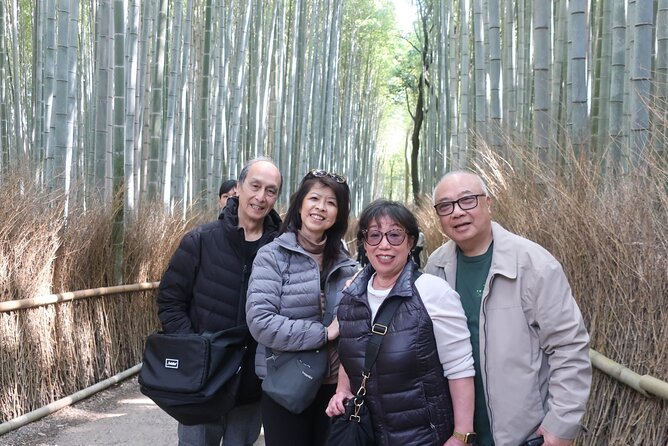
Bamboo Forest Street
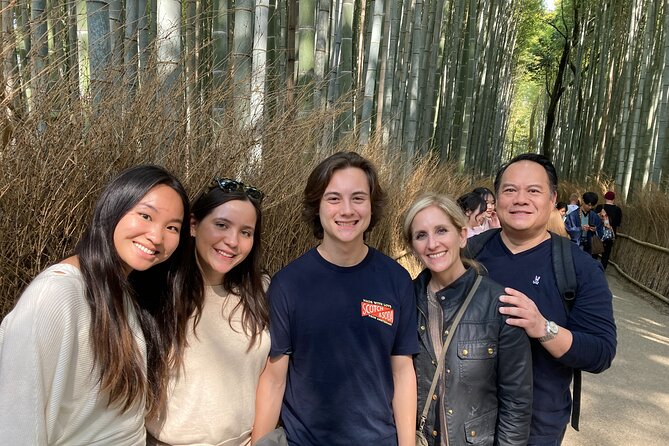
Bamboo Forest Street is the walking paths through bamboo groves. The stop note points out that it is especially attractive with a light wind, because you can see the tall stalks sway. Admission is free.
Okochi Sanso Garden
Okochi Sanso is the former villa of actor Okochi Denjiro, located behind Arashiyama’s bamboo groves. The stop info says it includes several different gardens and buildings. Admission is not included, so consider whether the garden time fits your priorities.
Katsura Imperial Villa
Katsura Imperial Villa is listed as one of the finest examples of Japanese architecture and garden design, with the present form completed in 1645 as a residence. Admission is not included, and this is usually a “slow and enjoy” type of stop in your 2-3 pick window.
Daikaku-ji
Daikaku-ji is described as a large temple in Sagano, originally built in the early 800s as the detached palace of Emperor Saga. If you want a temple that feels like it carries royal retreat energy, this is worth considering. Admission is not included.
Yoshimine-dera
Yoshimine-dera is a Tendai sect temple in Kyoto’s western mountains. The stop description mentions it is built along the hillside, which can make the mood feel more remote than central Kyoto. Admission is not included.
The quiet hillside temple circuit: Jojakkoji, Nisonin, Gioji, and more
These stops are the kind of add-ons that make Kyoto feel calm and artsy, especially if you want small-scale temples rather than only the biggest name sites.
Jojakkoji
Jojakkoji is a mountainside temple with small, attractive buildings and gates. The stop info highlights maple trees and moss near paths and stairs, which suggests a slower walk with good visual texture. Admission is not included.
Nisonin
Nisonin is another hillside temple, with more imposing buildings than Jojakkoji. The overhanging trees are part of why the atmosphere feels understated. Admission is not included.
Gioji
Gioji is known for a moss garden with tall maple trees. The stop details even mention that the entrance gate and small main hall have thatched roofing, which is a distinctive look compared with many Kyoto structures. Admission is not included.
Adashino Nenbutsuji and Otagi Nenbutsuji: the stone-statue experience
If you want something that feels unusual and memorable, this is your zone.
Adashino Nenbutsuji
Adashino Nenbutsuji is at the end of the Saga-Toriimoto Preserved Street. The stop info notes it was founded in the early 9th century when Kobo Daishi placed stone statues for the souls of the… (the description is cut off, but the core point is statue-focused memorials). Admission is not included.
Otagi Nenbutsuji
Otagi Nenbutsuji is famous for 1,200 stone statues of rakan, each with a different facial expression. That specific detail is exactly why this stop can stick in your memory. Admission is not included.
What you pay for at $101.82 per person, and what you still handle
At $101.82 per person for about 4 hours, you are paying for a government-licensed English guide plus a private walking plan that you can customize. In Kyoto, that value is real, because entrances and transport can eat time, and crowd schedules can push you into poor photo angles and rushed understanding.
The big thing: the stop list clearly flags which places have admission free and which do not. Many of the major temples and palace-style sites are marked as not included, and transport, lunch, and entrance tickets are not included as general items either. So your final cost depends on which 2-3 you choose.
On top of that, there is no private vehicle included, which means you should be comfortable getting around by walking and public transportation. One guide was praised for successfully getting a small group around by public transportation, which is a good sign that the experience works in real life.
How guides make this tour feel personal (not just scripted)
The strongest praise in the feedback is about the human part: guides who adjust to your group and timing, and who make the story click.
- Guides like Rie were described as reaching out ahead of time, and keeping the day moving across multiple stops, then leaving guests at a favorite sushi spot for lunch.
- Tomy started early and kept popular stops like Kiyomizu-dera and Fushimi Inari feeling surprisingly quiet, which makes the “why early matters” idea concrete.
- Yasu was praised for helping a group of four move around by public transportation, plus staying helpful and informative.
- Kay led guests through early bamboo forest and Fushimi Inari’s torii gates, with extra emphasis on views like the riverside feel in Arashiyama.
- Mayumi was noted for being attentive and adding extra time for an ankle issue, which is the kind of practical care you want on a walking tour.
- Nabet and Yoshi were both praised for strong explanations and for creating a memorable, personal feel through local perspective and Q and A.
Who should book this private early-morning Kyoto walk
Book this if you want:
- A private, guided experience instead of a big group where you lose your preferred pace.
- Early-morning timing to soften the crowds at Kyoto’s best-known landmarks.
- Choice, meaning you pick 2-3 targets from the menu rather than trying to see everything.
You might skip it if:
- You want to park yourself in one place for hours, because a 4-hour format is about movement and selection.
- You dislike walking and prefer taxi or car-based sightseeing, since no private vehicle is included.
Also, if you are traveling with teens or mixed ages, it can work well, because the guide can adapt pacing and explain things in a way that keeps attention.
Should you book this tour or go on your own?
I think you should book this if you want Kyoto to feel like a place with meaning, not a bunch of sights you raced through. The early-morning advantage helps a lot, especially for the shrine and temple heavy choices like Fushimi Inari and Kiyomizu-dera. Add in the licensed English guide and the ability to pick 2-3 stops, and you get something that feels efficient without feeling robotic.
If you are comfortable planning your own route and you already know exactly what you want, going solo can be cheaper. But if you want a guide to connect the dots and keep the morning calm, this is a solid way to buy time and understanding at the same time.
FAQ
How long is the Kyoto early-morning private tour?
The tour lasts about 4 hours.
How many sites can I choose?
You can customize the tour to your choice of 2-3 sites from the provided list.
Are entrance fees included?
Entrance fees are not included generally, and guide entry fees are only covered for sights listed under What to Expect. Some stops are marked as free, but many are not.
Is this a private tour?
Yes. It is private, and only your group will participate.
Do I get pickup from my hotel?
The tour notes say pickup is offered, but also that it is a walking tour with pickup on foot and a meet-up on foot within a designated area. Plan to meet your guide in the designated area rather than expecting a private vehicle.
Can I cancel for a full refund?
Yes. You can cancel up to 24 hours in advance for a full refund. If you cancel less than 24 hours before the start time, the amount paid is not refunded.
Latest write-ups near Kyoto
- Kyoto Private Tour Full Day with Local Guide&Nara Option(PerGroup★ 5.0 · 20 reviews
- Sacred Pathways: Discover the Philosopher’s Path of Kyoto★ 4.9 · 20 reviews
- Kyoto UNESCO World Heritage Site Private Tour with a Premium Van★ 5.0 · 20 reviews
- Hammer Pattering Experience of Ring★ 5.0 · 20 reviews
- KYOTO: Private Tea Ceremony in Hidden Townhouse (Kid-Friendly)★ 5.0 · 20 reviews
- Sushi or Traditional Japanese Cuisine in a Kyoto Home with Emika★ 5.0 · 20 reviews
- The Kyoto VIP Experience!★ 5.0 · 20 reviews
- Kyoto Customized Private Tour: See Top Attractions in 1 Day★ 4.7 · 20 reviews
Morning, compared.

Kyoto Early Morning Tour with English-Speaking Guide
Read our review →
World Heritage Shirakawa-go Morning Guided Tour
Read our review →
Nara Early Morning Tour (Kyoto or Osaka Departure Available)
Read our review →
Hiroshima in a Nutshell: Morning Bike Adventure
Read our review →