Reviewed · GUIDED
Kyoto Highlights 7-Hour Private Guided Tour
Kyoto is packed. This private highlights tour helps you hit the big names without turning the day into a frantic checklist. The real draw is the choice of two routes, then a friendly, English-speaking private guide to connect the dots as you go.
I love the way this tour mixes Kyoto’s most famous sights with a slower, easier pace than doing it solo. It also helps that you are not just walking around, you are getting real context from guides such as Mie, Choco, and Mei, who stay personable and make the day feel manageable.
One thing to consider is that you must pick either the northwest-bound or southeast-bound itinerary for the 7-hour window. If you want everything, plan on booking both routes so you can visit more locations at a relaxing pace.
Key Things You’ll Appreciate on This Kyoto Private Tour
- Private, licensed English guide for one-on-one conversation and fewer planning headaches
- Two route options (northwest or southeast) built around the geography of Kyoto
- 4 major attractions in 7 hours, with extra flexibility if you book both routes
- Temple entrance fees and transportation included, plus a bus pass you can use after
- Ends near Gion around 16:00, so you can keep exploring without rushing
Why This 7-Hour Private Kyoto Tour Works So Well
Kyoto can be a timing puzzle. Distances add up, lines form, and the city layout is not always intuitive. A private guided format is a simple fix, because you get a real plan and a person to steer you around the day.
The tour is built to feel “full,” without feeling like a sprint. You get about 7 hours and 4 major must-see stops on your chosen route. That structure is exactly what you want on a first or second day in town.
And because it is private, you can ask questions in plain human terms. The guides highlighted in past tours, like Mie and Choco, tend to focus on making the cultural context click, not just reciting facts while you drift along.
Also on the shortlist for Kyoto:
- PERFECT KYOTO 1-Day Bus Tour
★ 5.0 · 13,518 reviews - Kyoto: Fushimi Inari, Kinkakuji, Bamboo Grove 1 Day Bus Tour
★ 4.8 · 4,316 reviews - Kyoto: Tea Ceremony in a Traditional Tea House in Kiyomizu
★ 4.9 · 3,519 reviews
Starting at JR Kyoto Station, Then Finishing Near Gion by 16:00
The day kicks off at 09:00 from Hotel Granvia Kyoto in the JR Kyoto Station building. That is a smart starting point, because JR Kyoto Station is one of the easiest anchors in the city, especially if you are new to Kyoto.
You end around 16:00 near the Gion area, which is perfect for follow-on plans. It also means you are not stuck at the far edge of Kyoto at dusk, when crowds can swell and you are tired.
One practical tip: since your end point is near Gion, you can plan a low-stress evening. If you want the full mood of the geisha district, the tour provider recommends a Night Walk in Gion right after.
Northwest Route: Bamboo Grove to Rock Garden, Golden Pavilion, and Nijo Castle (or Nishiki Market)
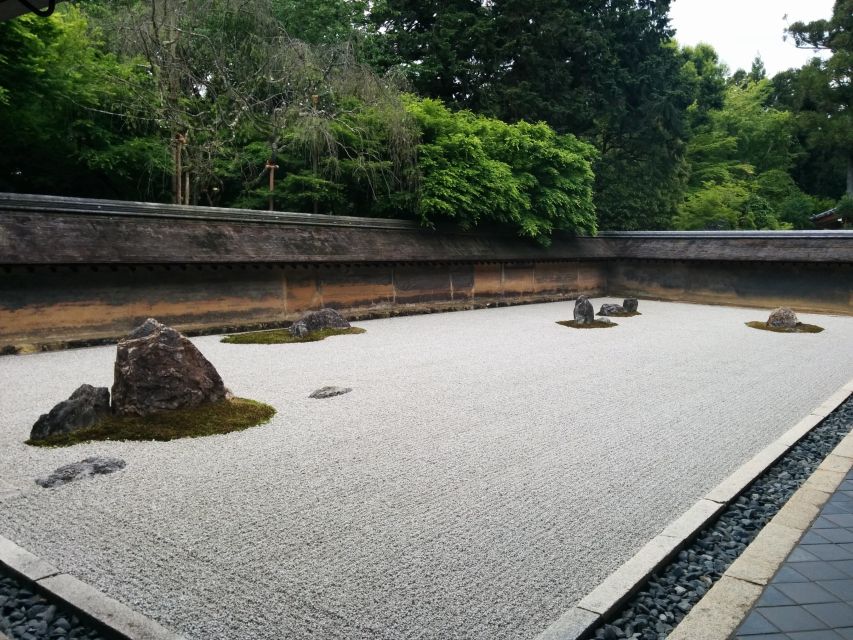
If your Kyoto bucket list starts with iconic scenery and headline temples, the northwest route is the cleanest choice. You get a mix of nature, major religious sites, and one of Kyoto’s standout castle experiences.
Bamboo Grove, a Photo Stop That Feels Like a Real Place
The northwest itinerary begins with the Bamboo Grove. Even if you have seen pictures before, seeing it in person is different. Walking through a bamboo corridor is one of those Kyoto moments where the setting does some of the work for you.
The value here is timing and guidance. A private guide can help you flow through the area instead of stopping and starting in the wrong places.
A change of pace from Kyoto:
- Kyoto Geisha Walking Tour: Gion District & Hidden Gems
★ 4.7 · 3,273 reviews - Kyoto: Tea Ceremony Ju-An at Jotokuji Temple
★ 4.9 · 3,207 reviews - Kyoto: Gion Magical Night Walking Tour with Geisha Trivia
★ 4.9 · 2,393 reviews - Kyoto: 45-Minute Tea Ceremony Lesson Experience
★ 4.3 · 2,378 reviews
Ryoanji Temple Rock Garden, Slow Looking Time
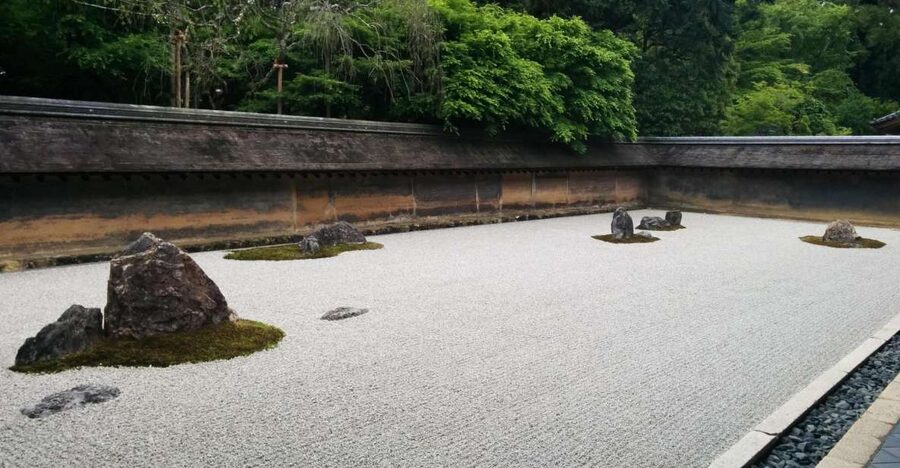
Next is the Rock Garden (Ryoanji Temple). This is the kind of stop where you benefit from having someone explain what you should notice, instead of staring at it like a complicated puzzle.
You also get time to just look. The guides on this tour tend to keep the day leisurely yet engaging, which matters at a sight like this, where quick viewing misses the point.
Golden Pavilion, Big Visual Impact Without the Guesswork
Then you visit the Golden Pavilion. It is the sort of landmark that can overwhelm you if you are not sure where to stand or what angle matters. Having a guide reduces the mental load, so you can focus on enjoying the moment.
Nijo Castle or Nishiki Market, Choose Your Flavor
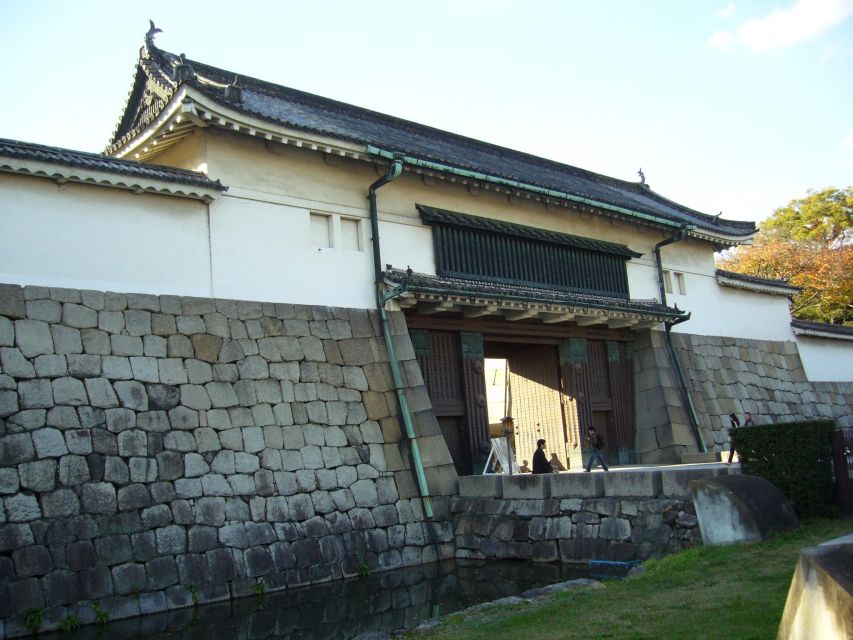
The last stop on the northwest route is either Nijo Castle or the Nishiki Market. This choice is worth thinking about before you book.
- If you want a structured historic landmark, pick Nijo Castle.
- If you want food street energy and shopping-friendly strolling, pick Nishiki Market.
Either way, this final stop keeps the route from turning into only temples and gardens. You get a different side of Kyoto.
Southeast Route: Sake Brewery, Fushimi Inari Taisha, Sanjusangendo, Kiyomizudera, and the Slope Streets
The southeast route is the one for big religious landmarks plus the famous Kyoto streetscapes. If you like variety, this itinerary gives it to you.
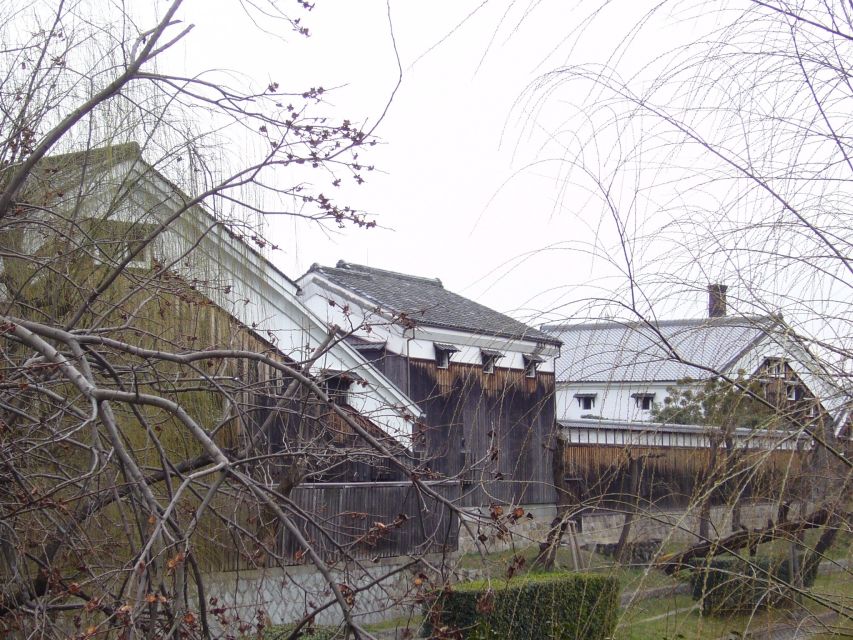
Sake Brewery Stop, Kyoto Through a Smell and Taste Lens
The southeast itinerary includes a sake brewery. That is a smart move, because Kyoto is not only temples and wood architecture, it is also craft and tradition tied to daily life.
Even though food and drinks are not included, this stop sets up the rest of the day. You leave with a better sense of how Kyoto thinks about culture, not just how it looks.
Fushimi Inari Taisha, Iconic Gates and Real Walking
Next is Fushimi Inari Taisha. This is one of the most recognizable places in Japan. The private format helps you manage the walking and plan your route through the crowds you will inevitably find there.
Also, this stop is often where you want to ask questions. A friendly guide, like Choco or Mei from past tours, can help you connect what you are seeing to why it matters.
Sanjusangendo Temple, A Major Spiritual Stop
Then you visit Sanjusangendo Temple. It is the kind of site where the setting is serious and memorable. Having the entrance fee covered for temple stops helps you focus on the experience, not the logistics.
Kiyomizudera Temple, A Signature Kyoto View
After that comes Kiyomizudera Temple. This is one of those names you recognize right away. The biggest advantage of a guided visit is not just getting in, it is making sure you spend time where it counts.
And because your tour is timed to end near Gion by 16:00, you are not left scrambling to fit another major stop later.
Ninenzaka or Sannenzaka, Classic Kyoto Streetscapes
The route ends with Ninenzaka or Sannenzaka slope. These streets are the kind of place where you slow down without realizing you are slowing down. It is a great way to finish the day because it feels like Kyoto life, not only Kyoto monuments.
If you are planning photos, this is your chance. If you are planning souvenirs, it is also your chance.
The Real Win: A Private Guide Who Talks, Not Just Leads
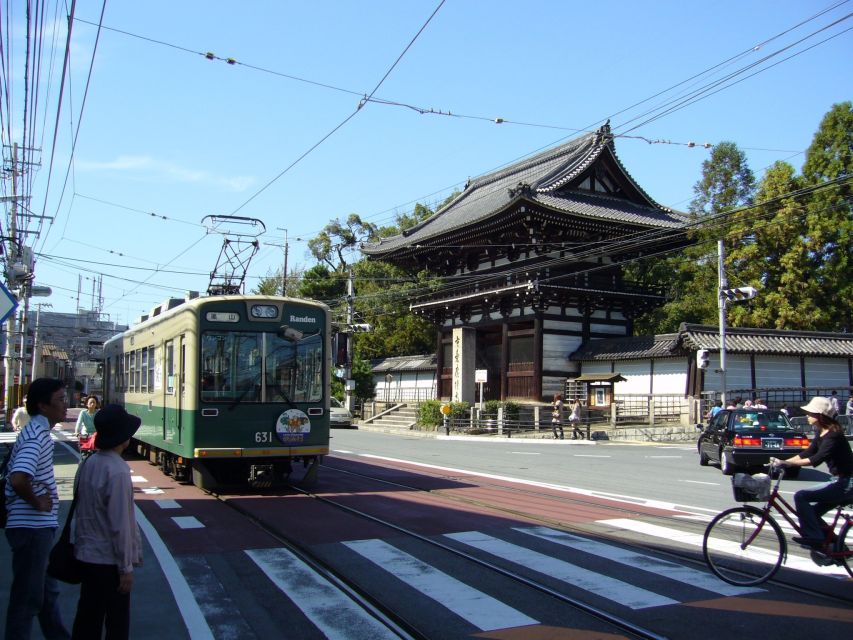
A group tour can be fine, but Kyoto benefits a lot from one-on-one conversation. This private format is exactly that, a licensed guide working around you.
You see this in the way guides like Mie and Choco are described in past experiences. They were friendly, stayed engaging, and gave historic context that made the sites feel connected instead of separate.
One practical bonus is navigation. When you do not have local language and you do not know which trains and buses to take, small mistakes snowball. The tour includes transportation, and a guide helps you move correctly, so you spend your energy looking at Kyoto, not figuring out Kyoto.
What the $215 Price Includes, and Why It Can Be a Good Deal
At $215 per person, this is not a budget tour. But it is also not “pay a lot and hope for the best.”
Here is what you get that changes the math:
- Private licensed guide
- Entrance fees for temples
- Transportation
- 1-day bus pass that you can use after the tour
- Pick-up at a centrally located meeting point
Then the stuff you need to handle yourself:
- Food and drinks are not included
- Hotel pick-up and drop-off are not included
The value angle is simple. If you were doing this day on your own, you would still spend time paying for entrances, figuring out transit, and losing time to dead ends. In a single 7-hour block, a private guide can save enough hassle to justify the price, especially if you care about cultural context.
Timing, Pacing, and What to Expect When You Walk a Lot
Even with a private guide, you should assume you will walk. Kyoto temples and slopes do not happen from a comfortable ride-share window. The upside is that the tour is built as a day with rhythm, not just a line of “next stop” commands.
Past experiences describe the day as relaxed and engaging. That matters because if a tour is rushed, you end up tired at the worst time, right when you are trying to see your last couple of highlights.
So I would plan your day before and after with breathing room. If you schedule a big dinner plan right after, aim for something easy in the Gion area since you finish there around 16:00.
Lunch Reality: Food Is Your Responsibility, But You Can Still Get Help
Food and drinks are not included. That means you should budget for lunch on your own.
The good news is that a private guide can still help you choose something suitable in the area. For example, one past guide named Choca took a group to a local ramen place for lunch. You get that kind of practical help, without the tour forcing you into a set meal you might not want.
If you are picky about dietary needs, bring that up early. A guide can steer you toward options that fit your preferences, even if the tour does not include the meal.
Pair It With a Gion Night Walk for the Best Evening Transition
This tour ends near Gion, and the provider specifically suggests adding a Night Walk in Gion. That recommendation makes sense, because it keeps your Kyoto vibe consistent.
You finish temple and shrine stops in the afternoon, then switch to evening atmosphere. It is a smart way to stretch the day without overloading your schedule.
If you are already planning a casual evening anyway, bundling a guided night walk can be the difference between wandering aimlessly and seeing the streets with context.
Should You Book This Kyoto Highlights 7-Hour Private Tour?
Book it if you want:
- A private, English-speaking guide who can explain what you are seeing in a human way
- A structured day that hits major Kyoto highlights without you building the route from scratch
- One route done well in 7 hours, with the option to book the other route too
Skip or rethink it if:
- You dislike walking and want a mostly seated tour
- You only want to do exactly one route and you have a long list that conflicts with the tour’s fixed “4 major attractions” format
For most first-timers, this is a strong value purchase because it bundles guide time, transportation, and temple entrance fees into one clear day. The private format also helps you avoid the common Kyoto problem, losing time to navigation while you are trying to enjoy the sights.
If your goal is Kyoto highlights with less stress and better context, this one is an easy yes.
FAQ
How long is the Kyoto Highlights private tour?
It runs for 7 hours.
What time does the tour start and end?
It starts at 09:00 and ends at 16:00, near the Gion area.
Where does the tour start?
The tour starts at Hotel Granvia Kyoto in the JR Kyoto Station building.
Are there different routes, and how do I choose?
Yes. You choose either the northwest-bound route or the southeast-bound route when booking.
What stops are on the northwest-bound route?
The northwest route includes Bamboo Grove, the Rock Garden (Ryoanji Temple), the Golden Pavilion, and either Nijo Castle or Nishiki Market.
What stops are on the southeast-bound route?
The southeast route includes a sake brewery, Fushimi Inari Taisha, Sanjusangendo Temple, Kiyomizudera Temple, and Ninenzaka or Sannenzaka slope.
What is included in the price?
Included are a private licensed guide, pick-up at a centrally located meeting point, entrance fees for temples, transportation, and a 1-day bus pass for use after the tour.
Are meals included?
No. Food and drinks are not included.
Is the guide available in English?
Yes, the tour is available in English.
What are the cancellation rules?
You can cancel up to 24 hours in advance for a full refund. If you cancel 2 days before, a 50 percent fee applies, and 1 day before or on the same day, the full 100 percent fee is charged.
Latest write-ups near Kyoto
- Kyoto Private Tour Full Day with Local Guide&Nara Option(PerGroup★ 5.0 · 20 reviews
- Sacred Pathways: Discover the Philosopher’s Path of Kyoto★ 4.9 · 20 reviews
- Hammer Pattering Experience of Ring★ 5.0 · 20 reviews
- Kyoto UNESCO World Heritage Site Private Tour with a Premium Van★ 5.0 · 20 reviews
- KYOTO: Private Tea Ceremony in Hidden Townhouse (Kid-Friendly)★ 5.0 · 20 reviews
- Sushi or Traditional Japanese Cuisine in a Kyoto Home with Emika★ 5.0 · 20 reviews
- The Kyoto VIP Experience!★ 5.0 · 20 reviews
- Kyoto Customized Private Tour: See Top Attractions in 1 Day★ 4.7 · 20 reviews
Guided, compared.
Tokyo 6hr Private Tour with Government-Licensed Guide
Read our review →
Shinjuku Local Bar and Izakaya Guided Walking Tour
Read our review →
Private City Highlights Tour with Local Guide
Read our review →
Kyoto Early Morning Tour with English-Speaking Guide
Read our review →
Tokyo 4hr Private Tour with Government-Licensed Guide
Read our review →
Kyoto 6hr Private Tour with Government-Licensed Guide
Read our review →