

Reviewed · RAMEN EXPERIENCES
Kyoto Michelin Ramen Workshop or Painting Ramen Essentials
Kyoto can be a tough nut to crack if you want food that is hands-on and not just a tasting tour. This Musoshin Ramen workshop is interesting because you leave with noodles you helped make, plus a Michelin-nominated ramen experience tied to what they do daily in Kyoto.
I like the way they explain the process step by step, with patient instructors. Guides such as Koki, Makoto, and Shin show you how the work actually gets done, not just the final bowl. I also really like the behind-the-scenes detail, like noodles made in-house each morning and broth simmered for 12 hours, because it helps you understand why the ramen tastes the way it does.
One possible drawback is the room can feel tight. One review called out that the space is very small, so if you are sensitive to crowding, pick your session timing with that in mind.
Key things to know before you go

- Michelin-nominated Musoshin Ramen, Kyoto roots: Musoshin started in Kyoto in 2022 and is run by the same ramen team across Kyoto and Toronto.
- In-house ingredients, daily process: noodles made each morning, rested overnight, and broth cooked for 12 hours.
- Hands-on for about one hour: the focus is family-friendly noodle making, with additional time for decorating depending on the option.
- Optional kiln-baked custom bowl: design a bowl and they bake it for free, so you can pick it up the next day.
- Dietary flexibility: vegetarian and vegan ramen options are available, and gluten-free accommodation is supported with special gluten-free noodles and soup.
- Restaurant meal right after: you end up eating ramen at their restaurant, not just watching and leaving.
Why Kyoto ramen feels different at Musoshin Ramen Academy
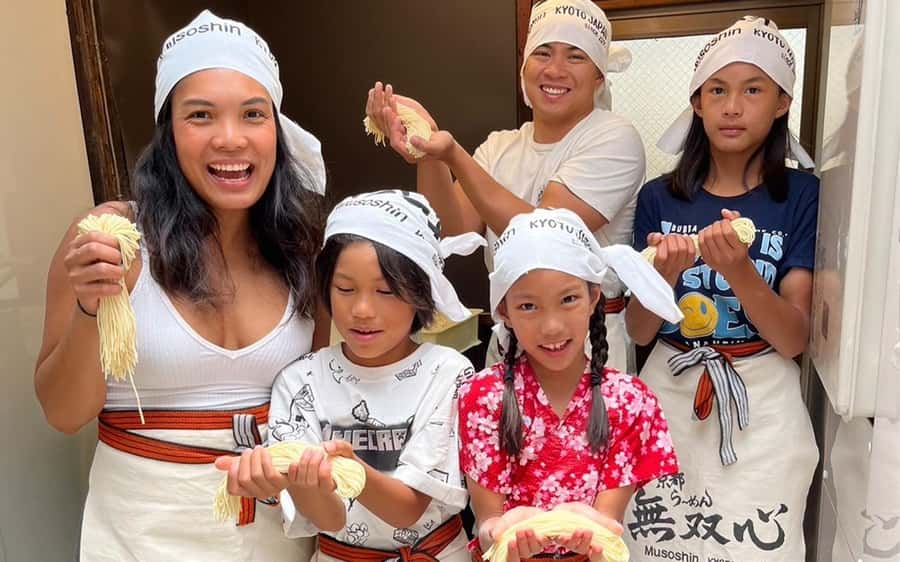
Musoshin’s pitch is simple: you get the craft, and you get your hands on it. That combination is what makes this workshop feel like more than a souvenir activity. You are not just learning facts about ramen, you are doing the work, then eating the results at their restaurant.
The Kyoto angle matters too. Musoshin started in Kyoto in 2022, and they now have multiple restaurants in Kyoto and Toronto. If you care about food being part of a real workflow, this is the rare class run directly from a ramen operation, not a one-time demo.
You can also expect a lively, welcoming vibe. The reviews are heavy on warmth and patience, including comments about guides being kind, funny, and ready to answer questions without rushing anyone. I’d call this a class that works because the teachers are invested.
More Ramen Experiences in Kyoto
- Ramen Cooking Class at Ramen Factory in Kyoto
★ 5.0 · 1,937 reviews - Kyoto: Ramen Cooking Class at a Ramen Factory with Souvenir
★ 4.9 · 532 reviews - Kyoto: Ramen, Gyoza, and Onigiri Cooking Class
★ 5.0 · 445 reviews
What you actually learn: noodles, broth, and a basic ramen recipe
Here is the core of the experience: you are taught a basic ramen recipe, and you get to make the noodles. Even if you are not a cooking person, the structure helps. You’ll follow their process through multiple steps, using a noodle machine and hands-on mixing and rolling.
A big part of the payoff is how they explain what goes into the bowl. They don’t treat ramen as magic. They treat it as logistics.
What they do in-house includes:
- Noodles made every morning, then left to rest overnight so they are ready for the next day
- Soup cooked for 12 hours, which is a long simmer that helps build depth
- Ramen soy sauce and roast pork made by hand, not factory shortcuts
That 12-hour broth detail is the kind of thing that makes your brain click. When you taste your ramen later, you can connect the flavor to the time and effort behind it, instead of thinking you just got lucky.
Also, you’ll learn why your own arrangement matters. One review mentioned that the taste feels deeper when you arrange it yourself, and that matches how ramen is really served, built bowl by bowl.
The workshop flow: painting plus noodle making in a small space
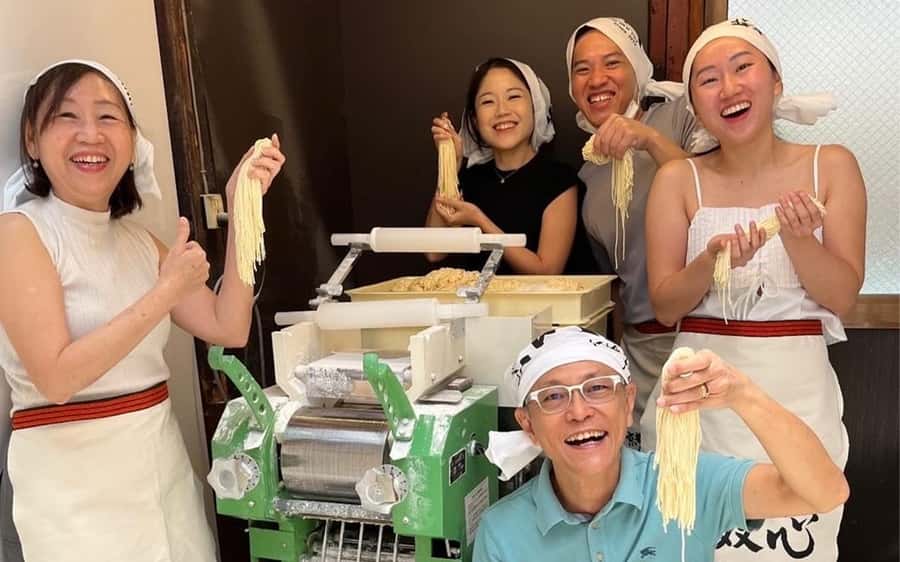
Depending on the option you book, you may mix noodle making with decorating. Many sessions split the time roughly half and half between decorating and noodle work, and at least one review described it as 50/50.
One common pattern looks like this:
- You start with prep and instruction, with a focus on noodle making
- You get time to paint something ramen-themed, like spoons or bowls, with guidance
- You assemble your ramen and then head to the restaurant for the bowl you’ll eat
The painting part can be relaxing in a good way. Multiple reviews call out spoon painting as fun and calming, and it seems to help kids settle in while adults enjoy a break from intense cooking tasks.
Now for the practical bit: the space can be cramped. One review said the room is extremely small and felt quite cramped when an extra family joined the group. If you are bringing kids who need movement space, go in with your eyes open, and expect a tighter class footprint than a typical restaurant kitchen.
Painting ramen gear, then getting it baked and picked up next day
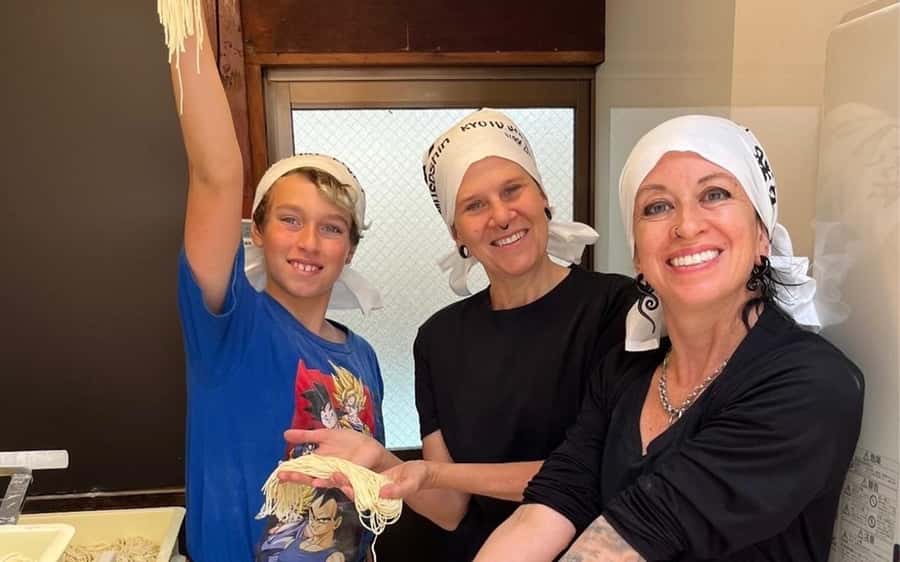
If you choose the painting option, you will design a custom bowl. The workshop includes a free kiln-baked version of your bowl, and you pick it up the next day. That’s a rare bonus because it turns a quick craft into something you can actually use later.
A few extra details help you get more value out of the painting:
- You get items tied to ramen as part of the experience, like a bandana used in the workshop.
- You also have optional items you can take home, such as a ramen spoon, ramen bowl, and apron.
One review gave a practical tip for painting color coverage. If you use the pink color, add it thicker so it shows properly. That’s the kind of advice that helps if you want a piece that looks good in real life, not just under workshop lighting.
A change of pace from Kyoto:
- PERFECT KYOTO 1-Day Bus Tour
★ 5.0 · 13,518 reviews - Kyoto: Fushimi Inari, Kinkakuji, Bamboo Grove 1 Day Bus Tour
★ 4.8 · 4,316 reviews - Kyoto: Tea Ceremony in a Traditional Tea House in Kiyomizu
★ 4.9 · 3,519 reviews - Kyoto Geisha Walking Tour: Gion District & Hidden Gems
★ 4.7 · 3,273 reviews
Eating at Musoshin’s restaurant: the part that seals the deal
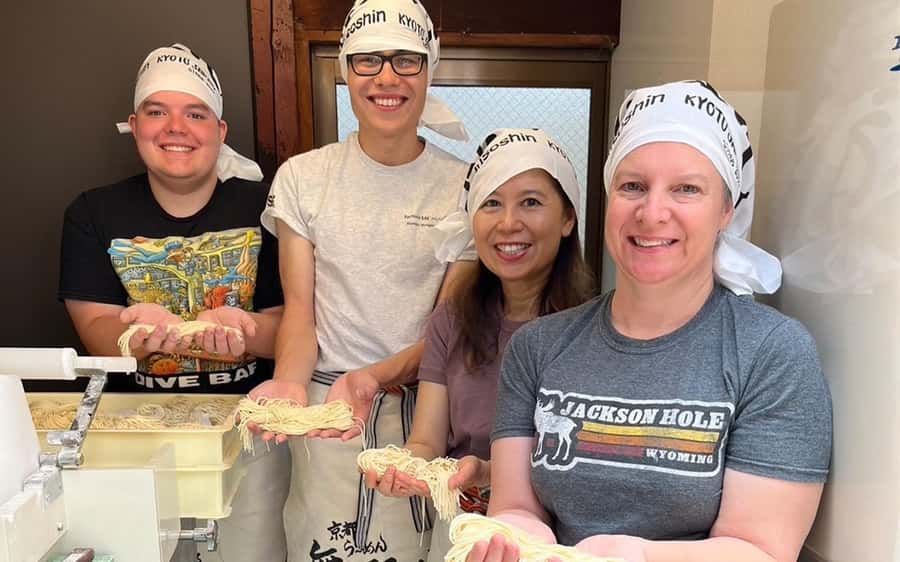
The workshop ends with the payoff: ramen served at their restaurant. This matters because you taste with context. You just worked with the noodle process, learned about the broth and time, and then you eat a bowl from the same ramen operation that runs the class.
One review described walking just a few meters to the little restaurant where ramen soup was served. Another said the dinner after class was included and was delicious, even calling it the best ramen in their trip.
If you like food that feels tied to craft, this format is a win. Classes where you learn and then eat something unrelated can feel disconnected. Here, the eating is part of the experience.
And yes, the ramen itself gets strong praise. Multiple reviews say it is the best they had, and several point out that it was Michelin-guide recommended. Even if you do not chase Michelin labels, that kind of consistency is a good sign for value.
Dietary needs: vegan, vegetarian, and gluten-free support
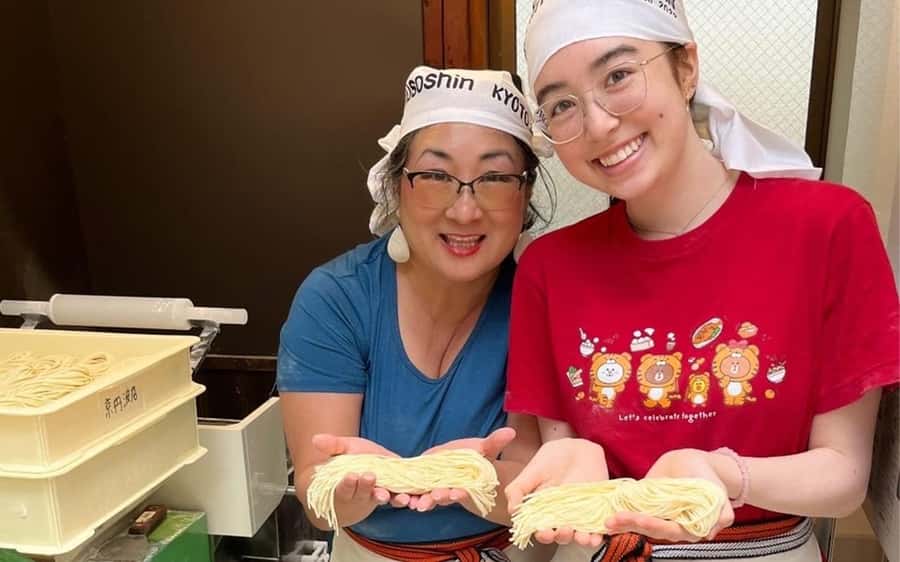
This is one of the best parts of the class for real-world travelers.
They offer vegetarian and vegan ramen options. So if your travel group has different diets, you don’t have to split up or settle for fries and disappointment.
Even better, they support gluten-free needs. One review mentioned that just before the workshop, they found out their son has celiac disease. The staff made sure he could still enjoy it with special gluten-free noodles and a gluten-free soup. That is not a vague statement. It’s an active accommodation, which changes how comfortable the class feels for families.
For you, this means the workshop can be a lower-stress food choice in Kyoto, where many cooking and broth ingredients are not always clearly labeled for Western-style dietary needs.
Who should book this ramen workshop in Kyoto
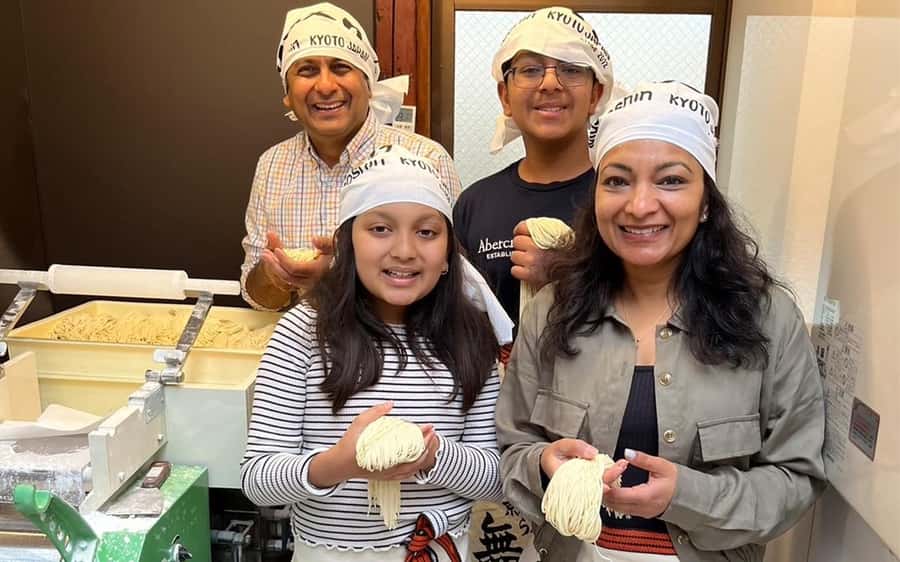
This is a strong fit for a few types of travelers:
- Families with kids: Reviews repeatedly call it family-friendly and highlight how children enjoy using their hands and working the noodle machine. One review even praised it as great for a 9-year-old, another for a 4-year-old, and another for teens and adults together.
- Couples and friends who want a shared activity: It gives you something interactive to do, then you sit and eat a bowl you can talk about right away.
- Food lovers who want the why, not just the how: The in-house workflow details like overnight noodle resting and 12-hour broth make the learning stick.
- People who like taking something home: The kiln-baked custom bowl is a souvenir you can actually use.
If you hate cramped spaces, or you dislike hands-on cooking, you might want to compare your preferences. The teaching style sounds relaxed and patient, but the physical room size is a real factor.
Price and value: is $54 per person a good deal?
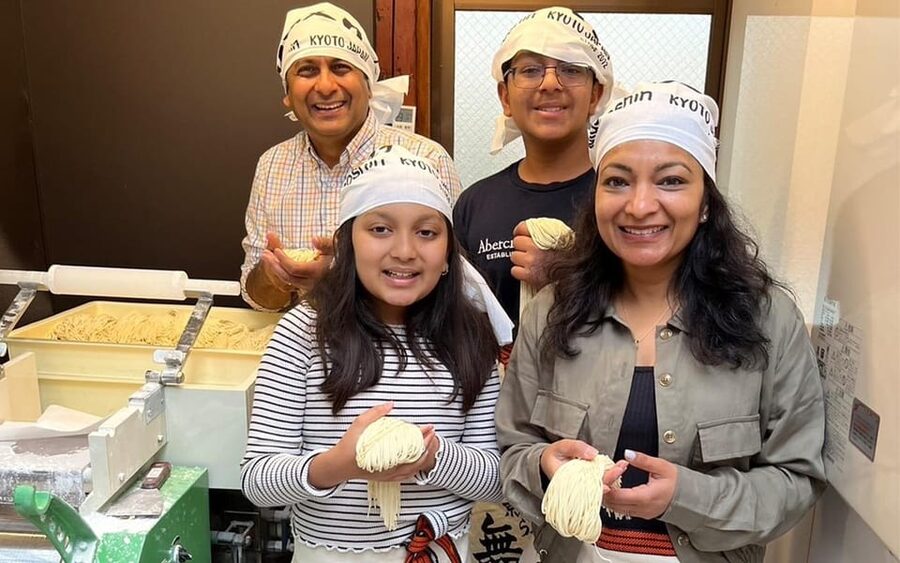
At $54 per person, this sits in the mid-range for cooking classes, but the value comes from what you get for that price.
You are paying for:
- A Michelin-nominated ramen operation as your host
- In-house production details (noodles and broth done by their team, not outsourced)
- Hands-on noodle making and recipe guidance
- A restaurant ramen meal afterward, plus a drink at the restaurant
- Optional take-home items, including the free kiln-baked custom bowl if you book that option
When a class costs this much, I ask two questions:
- Do I leave with something tangible, and not just photos?
- Do I eat something that makes the class feel worth it?
Here, you do both. You create ramen-related items, and you eat ramen made through their process. The strong review score, 4.9 across 100 reviews, lines up with that practical value story.
Practical tips I’d use before booking
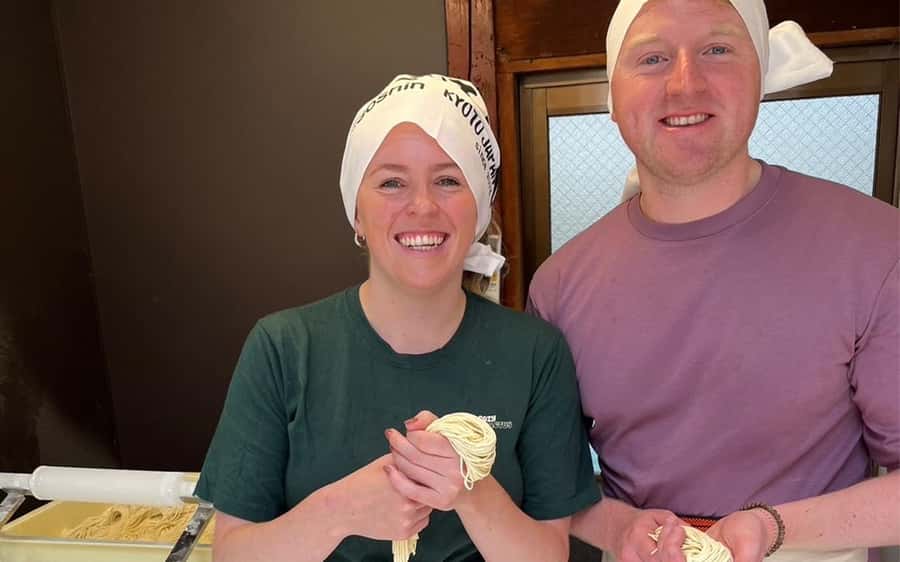
These are grounded in the info you have, plus the little details people shared.
- Bring an appetite. Even if you are focused on the class, the restaurant bowl is part of why this works.
- If you want the souvenir bowl, book the option that includes kiln baking. The free bake and next-day pickup make the painting feel like a real keepsake.
- Plan for a tighter room. If you get bothered by crowding, expect the space to be compact.
- Tell them about dietary needs early. If gluten-free or other restrictions matter for your group, don’t wing it at the last minute.
- Expect patient teaching. Many reviews mention guides being kind, funny, and good at explaining. Still, if you are shy with cooking, know you are in the right place to ask questions.
Should you book Musoshin Ramen in Kyoto?
If you want a Kyoto food experience that is hands-on, family-friendly, and tied to a real ramen restaurant, I’d say yes. The combination of noodle making, the in-house craft details, and the restaurant meal afterward is exactly the kind of “do it, then taste it” setup that makes travel memories stick.
Book it if you have:
- kids who need an activity
- a food-focused group
- dietary needs like vegetarian, vegan, or gluten-free support
- interest in something more grounded than a tasting-only stop
Skip it only if you strongly dislike small indoor spaces or you want a purely observational experience. Otherwise, at $54, this is a very practical way to get deeper into ramen without turning your day into a complicated project.
FAQ
How much does the Kyoto Musoshin ramen workshop cost?
The price is $54 per person.
Where does this experience take place?
It takes place in Kyoto, Honshu, Japan.
Is noodle making included, or is it only painting?
You get a ramen workshop experience that includes learning and making ramen noodles as part of the class. Depending on the option you choose, you may also paint ramen items like spoons or bowls.
What dietary options are available?
Vegetarian and vegan ramen options are available. There is also support for celiac disease with special gluten-free noodles and a gluten-free soup.
Is there an option to bake a custom bowl?
Yes. If you book the option to design a bowl, they will bake your bowl in a kiln for free, and you can pick it up the next day.
Will I eat ramen as part of this experience?
Yes. The class ends with ramen served at the Musoshin Ramen restaurant, and the experience includes a drink at the restaurant.
What languages do they offer?
Languages are English and Japanese.
Does the price include ramen from Musoshin?
Yes. The included list specifies Michelin-nominated Musoshin Ramen, and the experience also includes a drink at their restaurant.
Can I pay later or cancel?
Yes. You can reserve and pay later, and you can cancel up to 24 hours in advance for a full refund.
Latest write-ups near Kyoto
- Kyoto: Nishiki Market Tour with a Local Foodie & Tastings★ 4.5 · 67 reviews
- Kyoto Kimono Rental mimosa |Kimono/Yukata Rental Couple Plan★ 4.8 · 67 reviews
- Kyoto: Traditional Kimono Fabric Handicrafts Workshop★ 5.0 · 67 reviews
- Kyoto Tea Ceremony and Samurai Photo Session★ 5.0 · 70 reviews
- Kyoto: Replica food making experience★ 4.8 · 70 reviews
- Kyoto: Kinkakuji, Golden Pavilion Guided Tour★ 4.7 · 71 reviews
- Private departure transfer from Kyoto city to Kansai International airport★ 5.0 · 72 reviews
- Uji: Green Tea Tour with Byodoin and Koshoji Temple Visits★ 4.8 · 72 reviews
Ramen Experiences, compared.

Ramen Cooking Class at Ramen Factory in Kyoto
Read our review →
Eat and Drink Like a Local: Tokyo Ueno Food Tour-Taverns&Ramen
Read our review →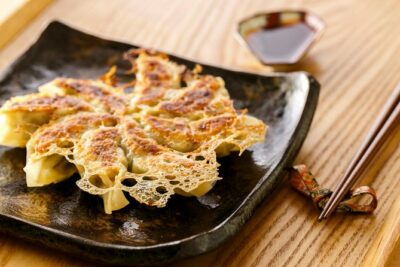
Ramen & Gyoza Cooking Class in Tokyo with Local Supermarket Visit
Read our review →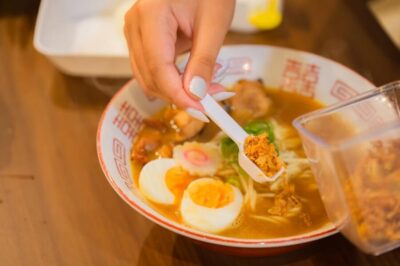
Ramen Cooking Class at a Ramen Factory with Souvenir
Read our review →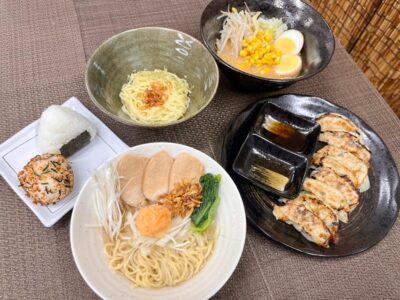
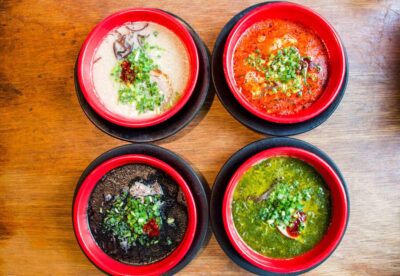

Five Must-See Highlights Walking Tour & Ramen Lunch
Read our review →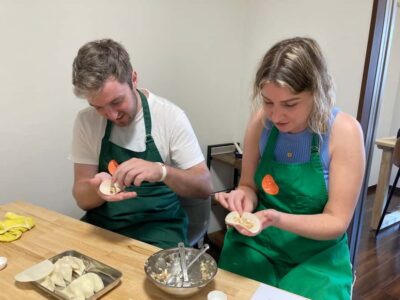
Browse the lists this tour appears in