Reviewed · GUIDED
Kyoto: Private Tour with Local Licensed Guide
Kyoto can feel like a test of stamina, but this private walking tour makes it feel like you have a plan. The big draw is the licensed local guide who can steer you through the city on foot, plus public transit when needed, so you spend time seeing instead of guessing.
I also love the flexibility. You can customize the route to your interests, and that is what turns a “checklist day” into a day that fits your energy, your photos, and your pace. The main drawback to keep in mind is simple: it is a walking day, and entrance fees, food, and transit between sites are not included.
Key Points That Make This Tour Worth Your Time
- Nationally licensed guides: you get a government-certified Tour Guide-Interpreter, with strong history and culture context.
- Route customization: pick from a menu of major Kyoto sites, or let the guide shape the day.
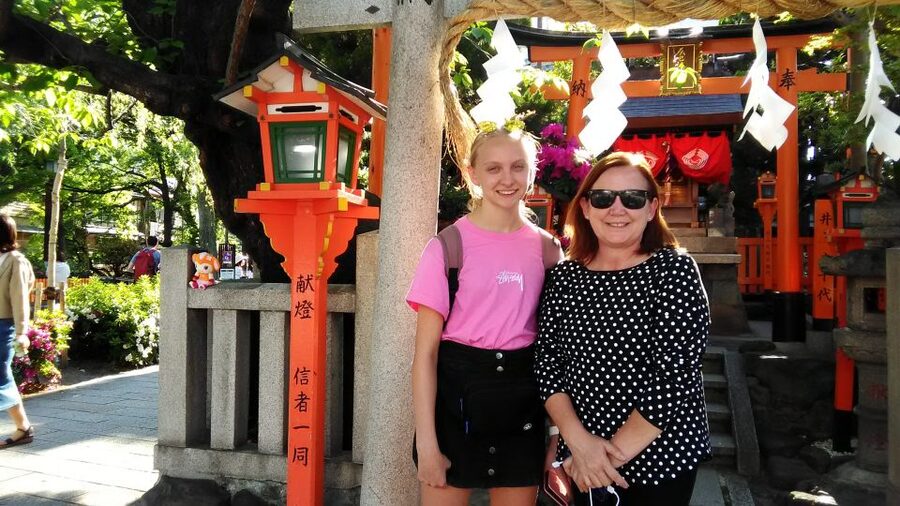
- Fushimi Inari and the red torii experience: expect the famous torii corridor atmosphere, plus film-location context around the shrine area.
- Temple views, not just buildings: Kinkaku-ji and Kiyomizu-dera are built for big scenery moments from the right angles.
- Gion and the evening-friendly finish: shopping and dining time along streets that feel unmistakably Kyoto.
- Small private group: private means no rushing around after strangers.
Why a Private Walking Plan Works So Well in Kyoto
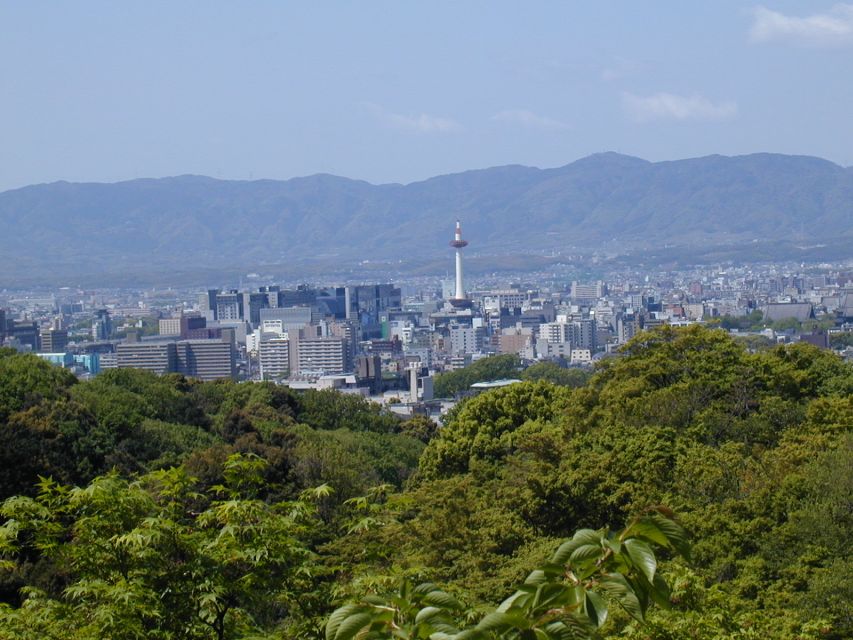
Kyoto is one of those cities where the big sights are close, but not that close. One wrong turn, one missed train connection, and suddenly you lose an hour. This tour solves that with a private pacing plan led by a licensed guide who can bundle sites efficiently.
The other reason I like it is that you get “why this matters” with each stop. Shrines and temples are not just pretty backdrops here. Your guide can explain how the spaces function, what people do there, and why certain details show up again and again across Kyoto.
Also on the shortlist for Kyoto:
- PERFECT KYOTO 1-Day Bus Tour
★ 5.0 · 13,518 reviews - Kyoto: Fushimi Inari, Kinkakuji, Bamboo Grove 1 Day Bus Tour
★ 4.8 · 4,316 reviews - Kyoto: Tea Ceremony in a Traditional Tea House in Kiyomizu
★ 4.9 · 3,519 reviews
The Real Value of a Licensed Local Guide (English, Japanese)
You are paying for more than directions. A government-issued Tour Guide-Interpreter certification means the guide is trained to communicate Japanese culture and history accurately, in English or Japanese.
In practice, this shows up in the flow of the day. A strong guide keeps you moving at a comfortable speed, but also gives you context at each shrine gate, temple hall, or neighborhood street corner. That is why people end up recommending specific guides, like Kazuo for logistics-heavy days, Akira for a smooth, informative pacing, and Yuka for clear explanations paired with a friendly, attentive vibe.
Also, the best guides tend to treat the day like a living plan. If rain hits, crowds spike, or walking feels harder than expected, they can adjust. You can ask for a coffee break, a quieter route, or extra time at one site, and that flexibility is a big part of the value.
How the Tour Gets Customized: 4, 6, or 8 Hours
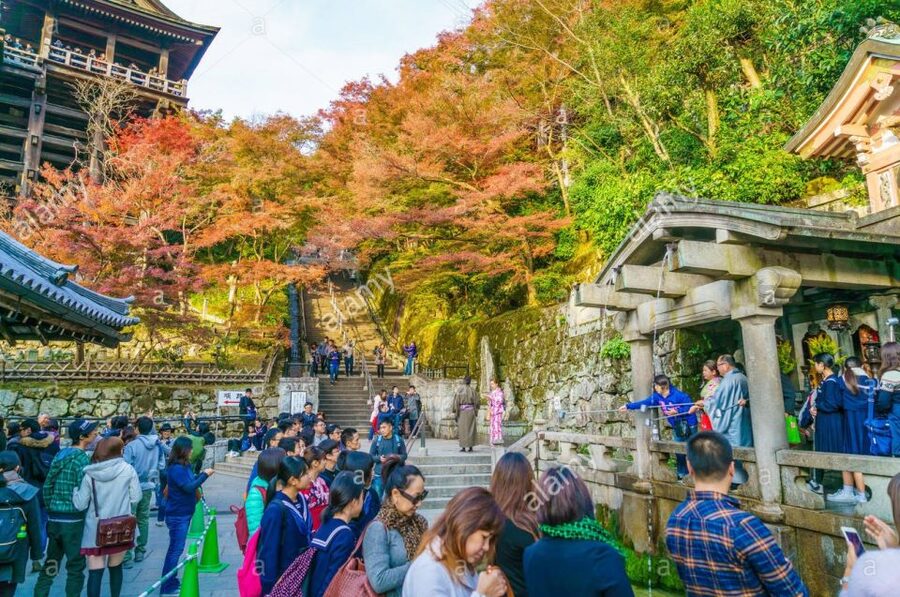
This is not one single fixed loop. You choose a time window and then you decide how many places to cover. As a rule of thumb, a 4-hour tour usually fits 2 to 3 places, a 6-hour tour fits 3 to 4 places, and an 8-hour tour can stretch to 4 to 6 places.
Use that to plan your expectations. If you want iconic highlights like Fushimi Inari, Kiyomizu-dera, and Gion, you will likely do it best with 6 or 8 hours. If your goal is a focused hit list, 4 hours can work well. Either way, you are not stuck with a generic schedule.
A Typical Kyoto Day Route You Can Build Around
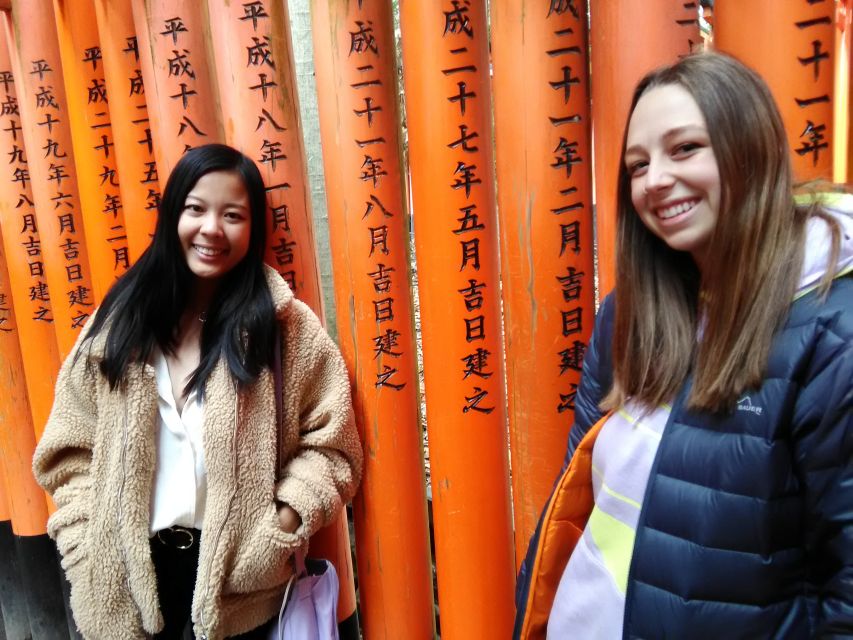
Your guide can build the day several ways, but most strong Kyoto routes share a few anchors. One common approach is starting with Fushimi Inari early, moving into major temple sights in the east, then finishing with the streets and dining vibe of Gion and nearby areas.
Even if your exact order changes, here is what each anchor stop usually gives you, plus the practical tradeoffs to know.
A change of pace from Kyoto:
- Kyoto Geisha Walking Tour: Gion District & Hidden Gems
★ 4.7 · 3,273 reviews - Kyoto: Tea Ceremony Ju-An at Jotokuji Temple
★ 4.9 · 3,207 reviews - Kyoto: Gion Magical Night Walking Tour with Geisha Trivia
★ 4.9 · 2,393 reviews - Kyoto: 45-Minute Tea Ceremony Lesson Experience
★ 4.3 · 2,378 reviews
Fushimi Inari-taisha Shrine: Torii Corridor Energy and Film-Location Atmosphere
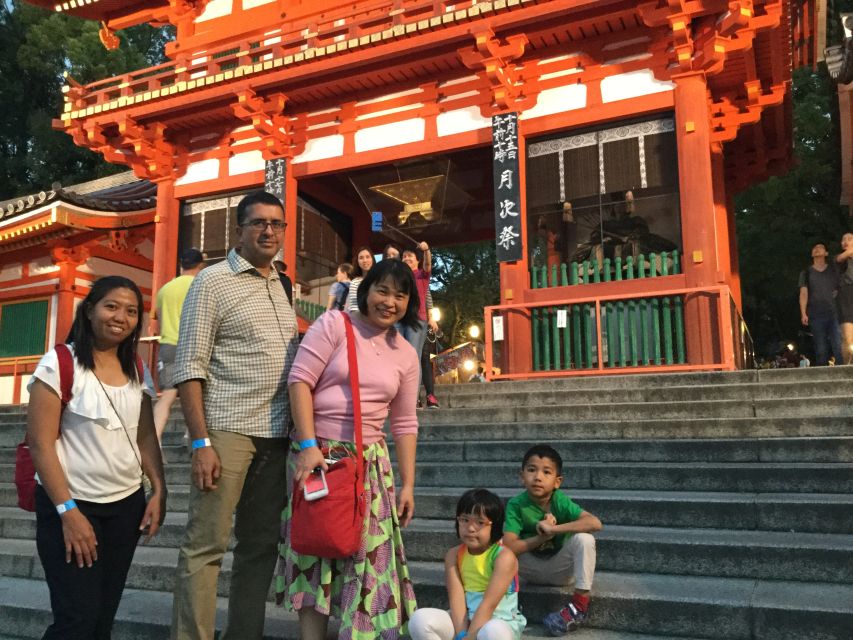
Fushimi Inari is the first stop I would put on any first-timer Kyoto plan. The torii corridor is instantly recognizable, but it hits harder when you understand what you are walking through. A good guide explains how the shrine’s layout works and how people approach prayer and small rituals there.
You can also expect film-location context around the same famous red scenery. The torii lanes that people associate with Memoirs of a Geisha are part of what makes this area so visually unforgettable. Your guide can point out viewpoints and the best “camera angle” paths so you do not just walk in the flow of everyone else.
Practical tip: go early if you care about crowd control. People talk about Inari being packed even around late morning. If your schedule allows it, request a start time that gets you onto the torii lanes before the biggest rush.
Kiyomizu-dera: Veranda Views and the Meaning of Sacred Paths
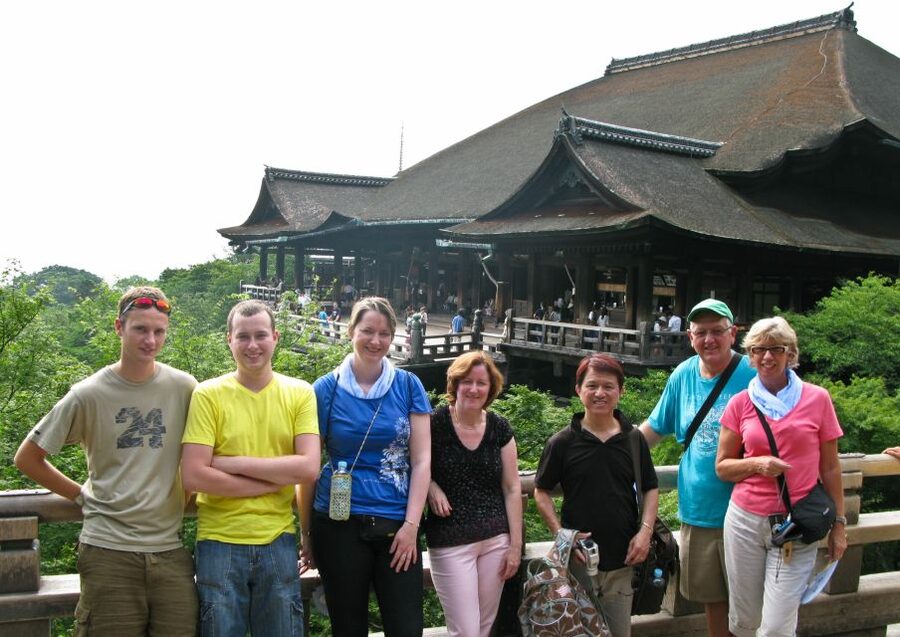
Kiyomizu-dera is a temple you do not just see, you look at it like a whole panorama. The standout moment is the big veranda area with sweeping views over Kyoto. When the light is right, it is one of those “I get it now” sights.
What makes a guided visit worth it here is the sense of place. Your guide can walk you through temple corridors and explain how visitors move through the space, why certain structures exist where they do, and what the site symbolizes beyond the postcard look.
From there, the route often flows into the Higashiyama vibe and eventually toward Gion. That transition is where Kyoto becomes more than landmarks. You start noticing shops, street character, and the slower rhythm that makes this city special.
Gion and the Kyoto Shopping and Dinner Rhythm
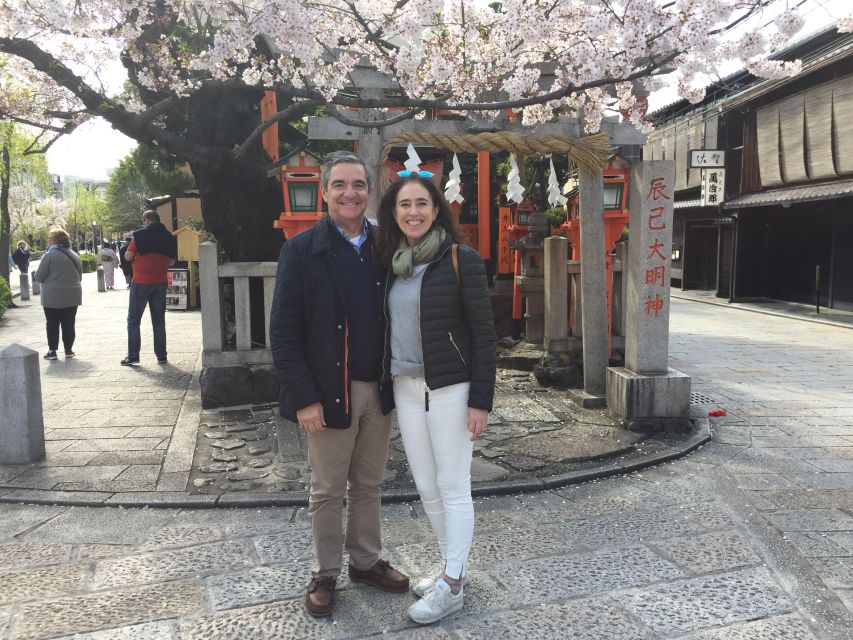
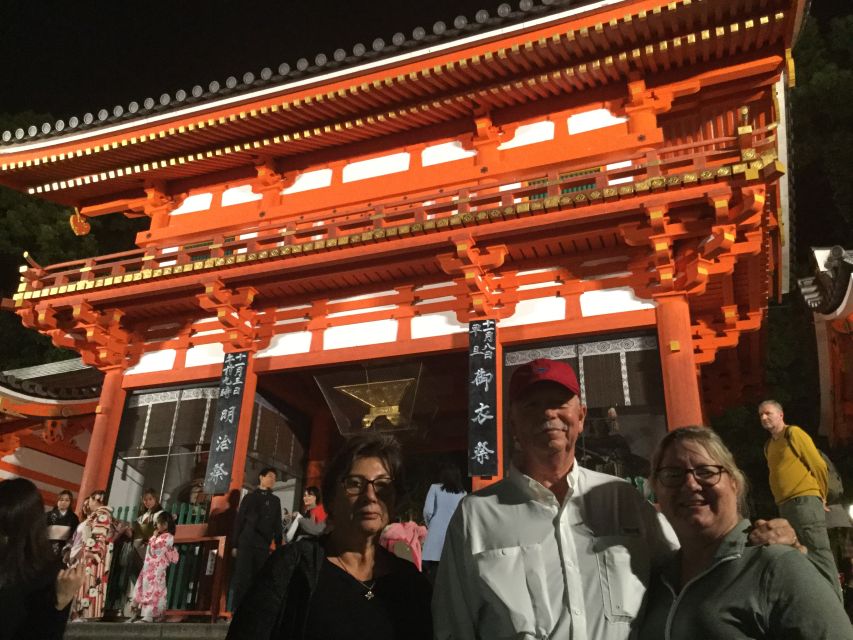
Gion is where Kyoto turns into atmosphere. After the temples, you get the feel of everyday Kyoto, with shops that sell traditional souvenirs and small items you actually want to carry home.
Your guide can also suggest where to eat, which matters because picking a restaurant in a neighborhood like this can turn into guesswork fast. Many guides will match the dining spot to your preferences, whether you want something easy, something local, or something that works with your walking stamina.
Practical tradeoff: Gion streets can be narrower and busier near peak hours. If you want photos without constant shoulder-to-shoulder movement, ask your guide to manage timing, or request a quieter side route.
Kinkaku-ji: Golden Pavilion Boldness and Mountain Backdrop Moments
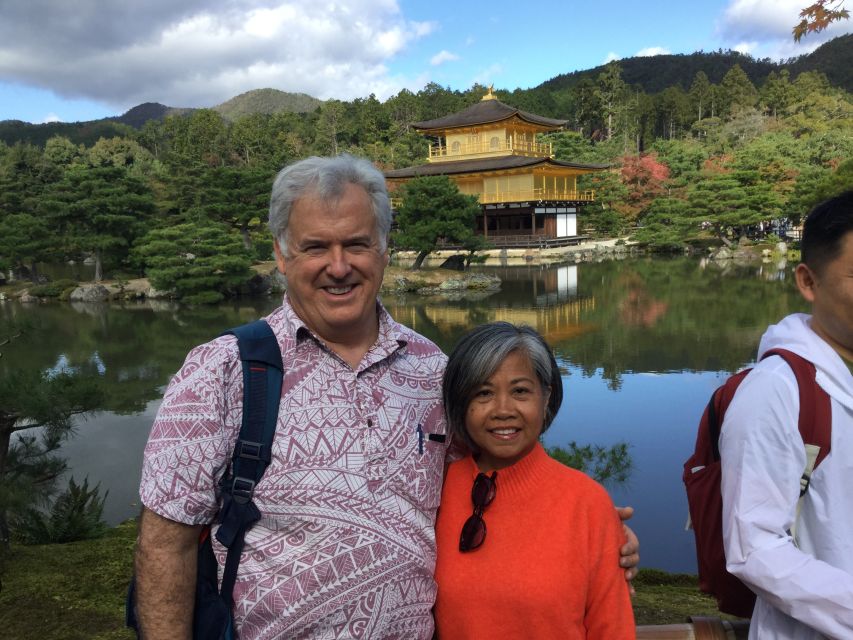
If Kiyomizu-dera is the city view play, Kinkaku-ji is the dramatic icon shot. The name comes from the golden color of the pavilion and its reliquary hall, and the structure itself is simple but striking. You get the classic visual impact right away.
The best part is that the temple is not floating in emptiness. It is framed by mountains and the surrounding scenery, so your guide can help you time the viewing angle and walk to the right perspective. That is where a private guide pays off, because you do not waste time wandering for the correct view.
Practical note: this is a popular stop. If you want calmer pacing, ask for an approach that minimizes time in the busiest lanes.
Nijo Castle and Imperial Kyoto Power, Without the Stuffiness
If you want a different side of Kyoto than shrines and temples, Nijo Castle is a strong pick. It gives you the historical “political Kyoto” layer, not just the spiritual one. A guided walk here helps you understand how the castle functioned and why the details matter.
A guide also helps you avoid the most common mistake: rushing through because it feels like a museum. With the right pace, you can slow down enough to notice the design choices and how people would have experienced the space.
Nishiki Market and Pontocho: Food Streets Where Kyoto Lives
Nishiki Market is the kind of place where you can snack your way through Kyoto culture. Even if you do not plan a big meal, it is a great stop for small bites and a quick look at local food habits and flavors.
Pontocho offers a different mood. It is more about the street character and evening vibe than constant shopping. If your guide builds your route with both, you get variety: market energy and riverside evening atmosphere.
Tradeoff: these areas can be crowded. Your guide’s job is to keep you moving and choosing when to enter busier blocks.
Kyoto Imperial Palace: A Calm Pause in the Center of Things
For a change of pace, Kyoto Imperial Palace offers a more open, calmer feel. It works well as a mid-day or between-temples reset if your legs are feeling it.
A guide can explain what you are seeing without turning it into a lecture. That makes the palace grounds feel like part of Kyoto’s story instead of a “go here, take a photo, leave.”
West Side Options for Longer Tours: Arashiyama, Bamboo, and Scenic Walks
If you book 6 or 8 hours and you want Kyoto’s famous west-side flavor, your guide can include stops like Arashiyama, Tenryu-ji, Ryoan-ji, and the Togetsukyo Bridge area.
Arashiyama is often the “big scenery plus nature energy” zone, and it tends to feel different from the east side. If bamboo is a priority, you can ask for Bamboo Forest Street and nearby highlights like the Tenryu-ji garden areas.
Practical tip: west-side routing can be timing-sensitive. Ask your guide to build around crowds, and be ready for walking on uneven ground in temple and garden areas.
Other Temple and Shrine Stops You Can Request
The tour menu includes a lot of Kyoto signatures, and your guide can mix and match depending on time. If you want more variety, here are common add-ons and what they tend to offer:
- Nishiki Market: quick snack and local food vibe.
- Nanzenji Suirokaku: a distinctive structure that stands out in the landscape.
- Ginkaku-ji: another iconic temple option with a different mood than Kinkaku-ji.
- Ryoan-ji: a famous temple choice when you want a contemplative stop.
- Toji: good if you want to balance your day with a major temple alternative.
- Maruyama Park: a slower green space option, depending on season.
Your guide can also steer you toward less chaotic paths when possible, and some guides build in photo stops so you are not just “arriving,” you are getting the shot and the story.
Where the Time Goes: Walking, Transit, and Staying Comfortable
This is a walking day tour, but it is not purely on foot. Transfers between sites may use public transportation or taxis, and the cost can be discussed after you reserve.
That means two things for you. First, bring Japanese Yen so you are not scrambling mid-day. Second, wear shoes you trust. Kyoto streets are slip, slope, and stone-friendly in the worst ways for tired feet.
Also, keep in mind the pickup setup. The guide can pick you up on foot if your accommodation is within a reasonable walking distance, or you can request pickup at a hotel lobby or train station. The guide waits about 10 minutes before the scheduled time, so be ready a little early.
What’s Included, What’s Not, and How to Avoid Surprise Costs
Here is the practical breakdown.
Included:
- Private and personalized walking tour
- Licensed local guide
- Pickup from your accommodation on foot (if within reasonable distance)
Not included:
- Food and drinks
- Entrance fees
- Public or private transportation fees during the tour
Value check: at $106 per person, you are paying for a one-on-one guide plus time saved. In Kyoto, the cost of getting lost or wasting time in the wrong sequence adds up fast, especially if you only have a day. This tour price becomes more reasonable when you look at how many major sites you can realistically cover without burning your schedule.
Rain, Crowds, and Other Real-World Factors
The tour runs rain or shine. That means you should plan for weather, especially in the rainy season. Bring something for wet days, and expect temple paths and garden areas to feel slick.
Crowds are another reality. Even when you pick the right sites, peak times can turn “walk and enjoy” into “walk and wait.” This is where having a guide matters. Some guides in the past have adjusted routes to avoid congestion, and they can help you time your stops for a better experience.
Who This Tour Fits Best
This is a great fit if:
- You want Kyoto highlights but you do not want the stress of planning every transfer.
- Your group includes people with different energy levels, because the private pacing can adjust.
- You care about culture context, not just sightseeing snaps.
- You like shopping and food neighborhoods like Gion and Nishiki, and want help picking where to go next.
It may be less ideal if:
- You have very limited mobility and want a mostly vehicle-based sightseeing plan, since this is fundamentally a walking tour.
Should You Book This Kyoto Private Walking Tour?
Book it if you want a licensed guide, a route you can steer, and a day that feels organized without feeling rigid. If your Kyoto schedule is tight, this is one of the smarter ways to get major sights like Fushimi Inari, Kiyomizu-dera, Kinkaku-ji, and the Gion finish, without spending your day playing transport roulette.
If you do book, do one thing that makes a big difference: pick your must-see list and tell your guide your pace and interests. That single message helps the guide choose how many places to fit, when to go, and how to keep the day enjoyable from start to finish.
FAQ
How many places can we see in a 4, 6, or 8-hour tour?
For an average 4-hour tour, plan on 2 to 3 places. For an average 6-hour tour, plan on 3 to 4 places. For an average 8-hour tour, plan on 4 to 6 places, depending on what you request and how the day flows.
What is not included in the price?
Food and drinks are not included, and so are entrance fees at sites you visit. Transportation costs during the tour, including public transport or taxis, are also not included.
Is pickup included, and where does the guide meet you?
Pickup is included from your accommodation on foot if it is within a reasonable walking distance. The guide will wait in the hotel lobby or train station you request about 10 minutes before the scheduled pickup time.
Do you include a private vehicle for transfers?
This is a walking day tour, and a private vehicle is not included by default. Public transportation or local taxis may be used to transfer between sites. If you want to arrange a private vehicle, you need to contact the provider, and private vehicles must be booked 5 days in advance.
What languages do the guides speak?
The live tour guide speaks English and Japanese.
Does the tour run in bad weather?
Yes. The experience takes place rain or shine.
Latest write-ups near Kyoto
- Kyoto: Nishiki Market Tour with a Local Foodie & Tastings★ 4.5 · 67 reviews
- Kyoto Kimono Rental mimosa |Kimono/Yukata Rental Couple Plan★ 4.8 · 67 reviews
- Kyoto: Traditional Kimono Fabric Handicrafts Workshop★ 5.0 · 67 reviews
- Kyoto Tea Ceremony and Samurai Photo Session★ 5.0 · 70 reviews
- Kyoto: Replica food making experience★ 4.8 · 70 reviews
- Kyoto: Kinkakuji, Golden Pavilion Guided Tour★ 4.7 · 71 reviews
- Private departure transfer from Kyoto city to Kansai International airport★ 5.0 · 72 reviews
- Uji: Green Tea Tour with Byodoin and Koshoji Temple Visits★ 4.8 · 72 reviews
Guided, compared.
Tokyo 6hr Private Tour with Government-Licensed Guide
Read our review →
Shinjuku Local Bar and Izakaya Guided Walking Tour
Read our review →
Private City Highlights Tour with Local Guide
Read our review →
Kyoto Early Morning Tour with English-Speaking Guide
Read our review →
Tokyo 4hr Private Tour with Government-Licensed Guide
Read our review →
Kyoto 6hr Private Tour with Government-Licensed Guide
Read our review →