
Reviewed · KIMONO EXPERIENCES
Matcha Kimono Tea Ceremony in Tokyo
Tokyo is one of the best places on earth to try a hands-on cultural class, and this one makes the ritual feel practical. Easy-to-wear kimono get you into the vibe fast, then you actually learn how to make and drink matcha, not just watch. I also like that you get a chance to ask questions during a small setup, and that the tasting portion is built around finding what you like using your eyes, nose, and tongue.
One consideration: the session includes a tatami room, and you’ll need socks. If you forget, you can buy them at the workshop place, but it is still one more thing to plan for.
Key things to know before you go
- Easy-to-wear kimono are designed to go on quickly, unlike typical kimono that can take much longer
- Small group size (maximum 10) keeps the pace relaxed and makes questions realistic
- Matcha selection focus includes first flush matcha and a larger collection so you can compare
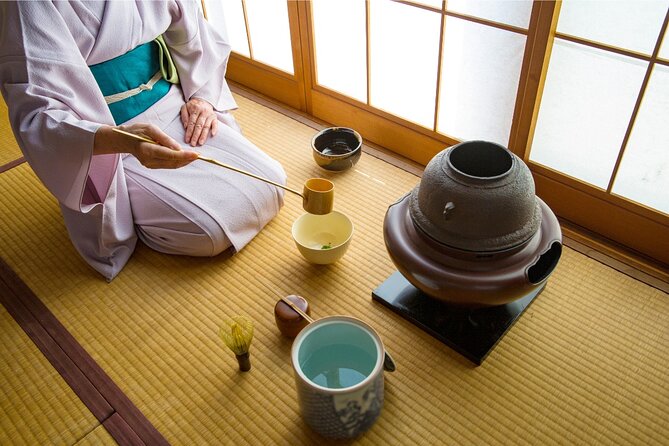
- You make your own bowl using tea tools you rent for the ceremony practice
- Options include decaf and Terror matcha, so you have more than one flavor direction to choose from
Why this Tokyo matcha and kimono workshop feels more personal than a typical tea talk
This experience works because it hits two things people usually separate. You don’t just get a lecture about tea, and you don’t just do a photo stop in a kimono. You wear the outfit, learn the why behind tea ceremony ideas like Teaism, then you use the tools to make a bowl and drink it.
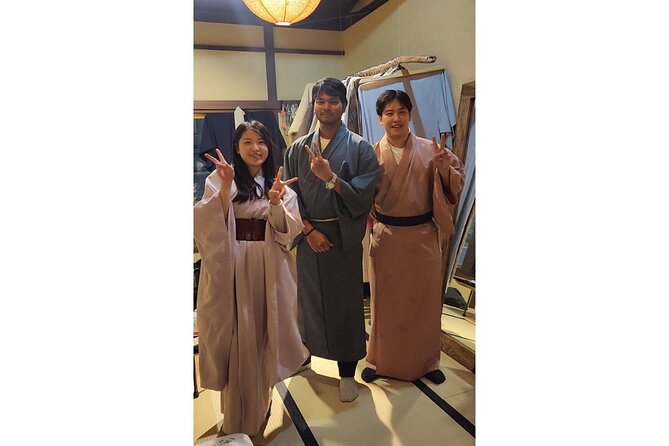
I especially like that the host style is built for real questions. The format gives you time to ask about tea varieties and etiquette, and it doesn’t assume you already know the difference between matcha and other teas. You also get photos taken for you, which is a small touch, but it removes the awkward part of trying to document yourself while acting like you know what you are doing on tatami.
The other big plus is the tasting approach. Instead of one sample and done, you work through comparisons from a large matcha collection. You learn how Japanese matcha differs from overseas matcha, and you get a guided way to judge aroma and taste before you start mixing your own.
More Kimono Experiences in Tokyo
- Let’s make kimono !(Kimono is a gift for you
★ 5.0 · 252 reviews - Tokyo: Matcha and Kimono Experience
★ 4.7 · 219 reviews - Tokyo: Asakusa Kimono Dressing and Matcha Experience
★ 4.9 · 173 reviews
Shinjuku location and the 1.5-hour rhythm that fits real schedules
This is a 1 hour 30 minutes experience, designed to slide into a busy Tokyo day. The pace is short, but it is not rushed in a way that kills the learning. The flow goes like this: kimono time first, then a tea presentation, then the matcha-making practice, then you finish by drinking what you made.
The meeting point is in Shinjuku (the listing provides a plus code, so you can pull it up on your phone), and it is near public transportation. That matters because you are not trying to cross the city just for a class. If your day is already clustered around Shinjuku, this is the kind of activity that helps you add culture without eating half your itinerary.
Group size is capped at 10. In a workshop setting, that is the difference between feeling like you are part of the class and being trapped in the back row hoping you can see the tea tools.
Easy-to-wear kimono first, tatami socks second
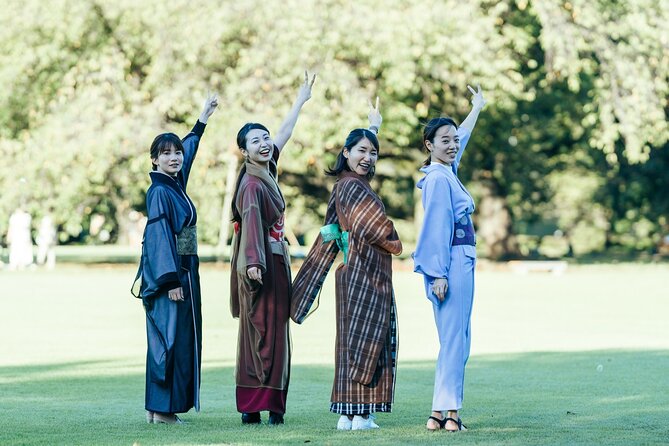
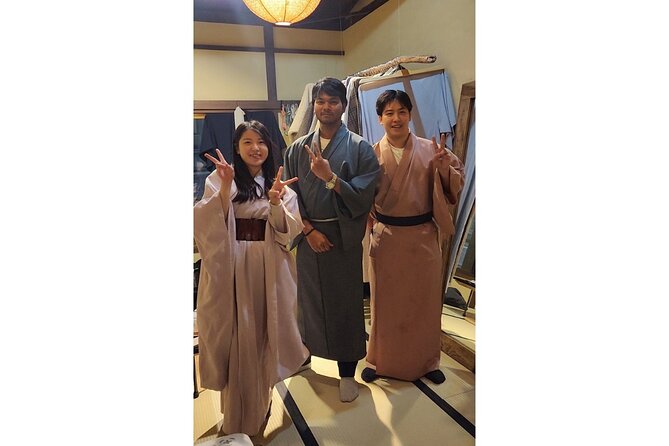
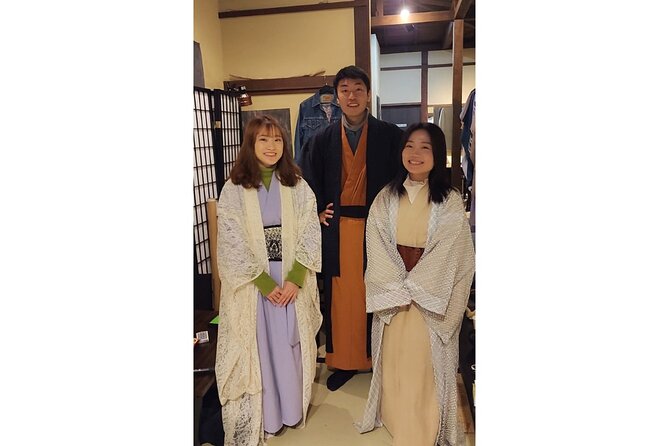
The kimono rental is built around comfort and speed. The outfit is described as specially made to be easy to put on, unlike typical kimono that can take about 30 minutes. You get help putting it on, and that alone makes the experience more approachable if it is your first time dressing in one.
You’ll also be heading into a tatami room. That means socks. The rules are simple: you are asked to wear socks in the tatami area, and if you forget, you can buy them at the workshop place. I like that this is clearly stated, because nothing ruins a plan like realizing you cannot step onto tatami without proper socks.
What you gain from this kimono component is not just the look. Wearing it encourages the correct posture for the ceremony practice, and it keeps you from treating tea like a casual drink. You start moving like the ritual matters.
The matcha lesson: first flush quality, 100+ comparisons, and Japanese vs overseas taste
The matcha portion is where this class earns its value. You don’t just learn definitions. You get guidance on how to compare matcha varieties, and you learn why Japanese matcha can feel very different from what you may have seen abroad.
A few specifics that shape the lesson:
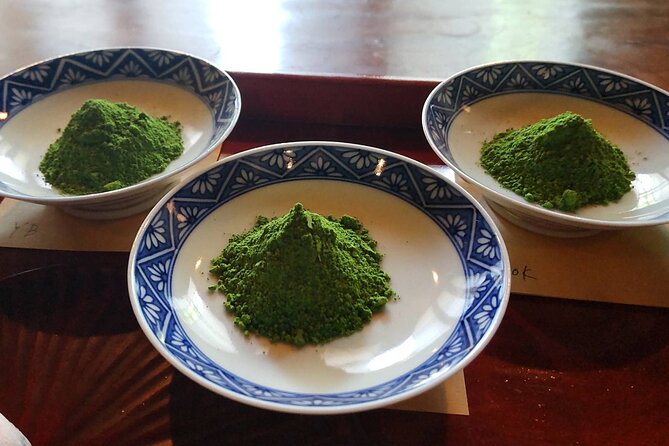
- You start with first flush matcha, described as the highest quality selection
- You work with a large matcha collection (the experience notes 100+ matcha)
- You learn the differences between Japanese and overseas matcha, and it explains that they are very different
- You cover differences between tea types (green, black, Chinese, and more)
There is also a decaf and a Terror matcha option available. That is a practical detail. If you avoid caffeine or you want a different taste profile than standard matcha, you are not stuck doing the same bowl as everyone else.
One thing I like about this structure is that it teaches matcha as a product with differences you can detect. You use your senses first, then you make the bowl. That way, your final cup is not random. It feels like an answer to the tasting work you did earlier.
More Tea Ceremonies in Tokyo
- Matcha Making Class in Tokyo with Authentic Japanese Sweets Set
★ 5.0 · 744 reviews - Tokyo: Traditional Tea Ceremony with a Tea Master
★ 5.0 · 528 reviews - Tokyo: Matcha Making Experience with Mochi Sweets in Asakusa
★ 4.9 · 388 reviews - Tea Ceremony Workshop in Tokyo by the Experienced Instrucor
★ 5.0 · 189 reviews
Making matcha the traditional way, tools included, etiquette included too
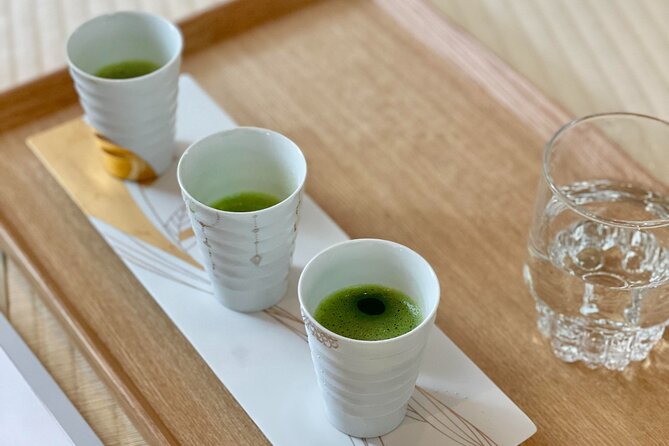
This is the hands-on core: preparing a bowl of matcha using the right tools. The experience includes tea ceremony tools rental, so you are not worrying about buying anything. The host walks you through how to mix and prepare it in a traditional style.
You also learn basic manners for drinking matcha. That might sound like etiquette fluff, but it actually helps your experience make sense. Tea ceremony is as much about movement and respect as it is about the drink. When someone shows you the basics, you get to participate without feeling self-conscious.
From the way the lesson is described, you also get a philosophy layer. It mentions Teaism and the important ideas behind tea ceremony. That part helps you understand why certain steps exist, like why the preparation is careful and why attention matters.
If you are a matcha lover, this kind of practical instruction can be oddly satisfying. You see why matcha has a different texture than plain green tea, and you learn how to treat your bowl as something you prepare, not something you order.
Tea ceremony culture you can actually use back home
A lot of Tokyo cultural classes stop at, Here is what it is. This one tries to leave you with usable context.
You get:
- A clear comparison between different tea varieties
- The cultural importance of tea ceremony ideas
- Guidance on how to drink and behave during the bowl
- An explanation of how matcha differs from other categories of tea
The best part is that the class does not expect you to already know the vocabulary. It is structured so you can ask questions during the lecture portion, and the host is presented as speaking English well. That makes a difference in Japan, where even small misunderstandings can turn a class into an awkward guess.
After your matcha bowl, you’re set up to recognize what changes taste: the selection, the preparation, and the way you drink it. That turns the experience into something you can revisit later, at home or when you try a new matcha shop in Tokyo.
Snacks, welcome drinks, and how they fit the ceremony
Tea workshops often forget that tea is part of a meal mood. Here, snacks are included, along with a welcome drink.
The welcome drink is described as coffee and/or tea, plus high quality matcha and a Japanese authentic welcome drink. I’d treat that as a pleasant warm-up before you start the main tasting and making. It also helps if you are going into the experience hungry, since you have snacks as part of the package.
The snacks are not just filler. In a structured ceremony practice, having something small to eat keeps the session comfortable and lets you focus on learning rather than waiting for your next meal.
Price and value: what $59.46 buys you in Shinjuku
At $59.46 per person, this is not a cheap add-on, but it is also not a gimmick.
Here is what you get within the price, which is what makes the math work:
- Easy-to-wear kimono rental
- Tea ceremony tools rental
- Tea ceremony instruction, including matcha varieties and etiquette
- Snacks
- A welcome drink, plus matcha tasting components
And you are doing this in a small group, max 10. That is a big deal for a hands-on ritual class, because the instructor can actually help you while you prepare your own bowl.
If you are already paying for separate kimono photo time, then adding a basic tea show, this package can feel like a smarter route. You get both in one short block, with practice at the center.
Who should book this matcha and kimono tea ceremony
This workshop is a strong fit if:
- You want a hands-on cultural experience in Tokyo, not just a viewing
- You like matcha and want to learn how Japanese matcha differs and how to compare varieties
- You are curious about tea ceremony etiquette and the ideas behind it
- You have limited time and need something that fits in about 1.5 hours
It is also a good option if you have never worn a kimono before. The easy-to-wear design and the help provided with dressing lower the stress level.
You might skip it if you hate the idea of being on tatami, or if socks are a major hassle for you. You could also consider whether you truly want matcha, since the experience is built around tasting and making your own bowl. The presence of decaf and Terror matcha helps, but it is still a matcha-first class.
Booking call: should you do it or pass?
If your Tokyo plan includes time in Shinjuku, and you want a short, guided, hands-on cultural workshop, I’d say book this. The combination of kimono rental, a structured matcha lesson with comparison, and the actual bowl-making practice is a better use of time than many one-track activities.
Choose it when you value learning you can bring home, like how to assess matcha by your senses, how Japanese matcha differs from what you may find overseas, and how basic tea ceremony etiquette works.
If you are on the fence, decide based on two questions. Do you want to wear a kimono and try the ritual for real? And are you okay with a tatami setting and socks? If yes, this is one of those Tokyo experiences that gives you both a story and a skill.
FAQ
Is this matcha and kimono ceremony in Shinjuku?
Yes. The experience takes place in Shinjuku, Tokyo. It starts at the listed Shinjuku meeting point and ends back at the same location.
How long does the workshop take?
The duration is about 1 hour 30 minutes.
How big is the group?
The experience has a maximum of 10 travelers.
What is included in the price?
It includes Japanese traditional snacks, an easy-to-wear kimono rental, tea ceremony tools rental, and a welcome drink, with high quality matcha also part of the experience.
Do I have to wear socks?
Yes. You are asked to wear socks in the tatami room. If you forget, you can buy them at the workshop place.
Are there matcha options besides regular matcha?
Yes. Decaf and a Terror matcha option are available.
What if I arrive late?
If you are delayed more than 10 minutes from the starting time, the reservation is automatically canceled. The policy states that no refund is accepted in that case.
Latest write-ups near Tokyo
- Harajuku Private Tour: Kawaii Fashion & Animal Cafe Included★ 5.0 · 69 reviews
- Mt Fuji Customizable Private Tour English Speaking Driver Pick-up★ 5.0 · 69 reviews
- Tokyo Night Cooking Class: 5 Home-Cooked Japanese Dishes★ 5.0 · 70 reviews
- Tokyo: Sumida Aquarium Entry Ticket★ 4.6 · 70 reviews
- Private Customizable Walking Tour of Tokyo★ 5.0 · 70 reviews
- Official Japan Go-Kart Through Tokyo Bay / Ginza (IDP Required)★ 4.5 · 71 reviews
- Wagyu Beef and Sake Pairing Foodie Tour in Tokyo★ 5.0 · 71 reviews
- Experience Big soba knife Soba Making Class in Tokyo Kappabashi★ 5.0 · 71 reviews
Kimono Experiences, compared.
Sumo Show & Experience w/ Optional Kimono & Hot Pot
Read our review →
KYOTO Tea Ceremony with kimono near by Imamiya Jinjya Shrine
Read our review →
Kimono and Tea Ceremony Experience at Cultural Asset
Read our review →
Browse the lists this tour appears in