
Reviewed · COOKING CLASSES
Okonomiyaki & Gyoza Cooking Class with Local Supermarket Visit
If you like food that you can actually make, this is a great Tokyo class. You get hands-on cooking in Yuca’s home kitchen, then you get to practice shopping like a local on a supermarket visit option. I especially like that you make two crowd-pleasing dishes, and you leave with a repeatable skill set for later.
I also like how the day is paced, a short culture and ingredient talk, then real cooking and tasting without feeling rushed. One thing to weigh is that the supermarket part is optional, so your total time may run closer to the 2.5-hour mark if you skip it.
Key highlights you will feel right away
- Small group (max 7) keeps the hands-on help practical, not chaotic.
- Yuca teaches in clear, easy English and the steps are straightforward to follow.
- You make two dishes: okonomiyaki and gyoza, so you get more than one win.
- Lunch is included so you are not stuck hungry while you cook.
- One-way taxi ride included helps reduce the stress of moving around Tokyo.
- Optional supermarket tour at 12:30 gives you a shopping checklist for ingredients you might not recognize.
Where it all starts, and why this class feels different
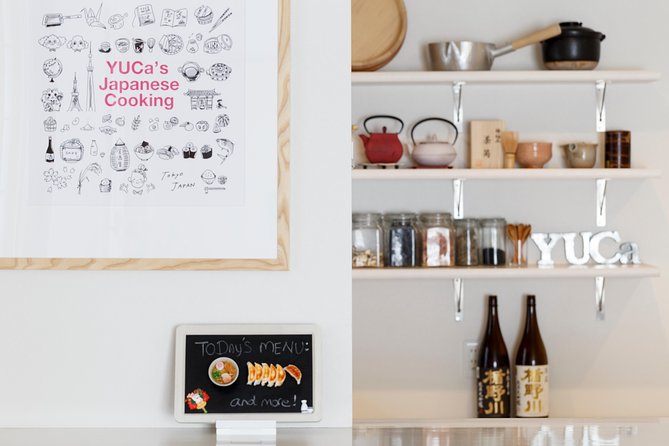
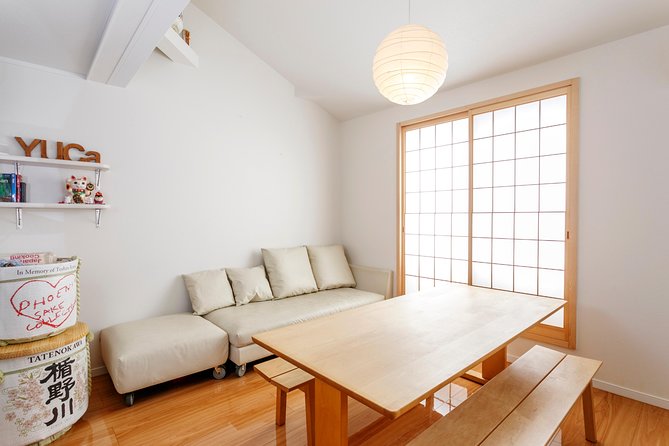
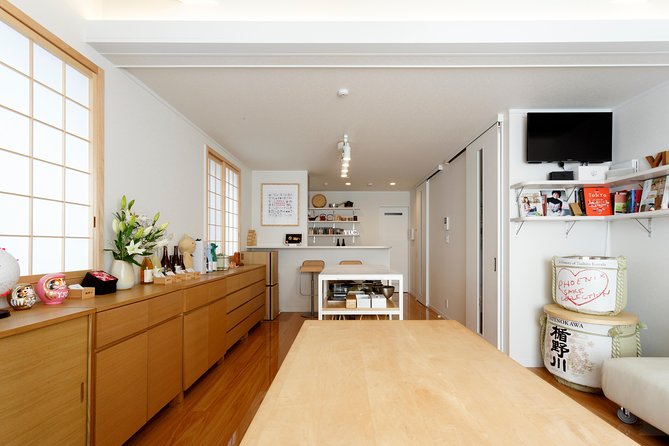
This experience meets at YUCa’s Japanese Cooking, at 2-chōme-34-8 Nishiogu in Arakawa City. The meeting window is 9:50 to 10:00, with the start time listed as 10:00 am, so plan to arrive a bit early to get settled.
What makes this setup appealing is that it is not a big commercial classroom. One of the strongest notes from participants is the warmth of the host and the home-kitchen feel, which often makes cooking classes easier for beginners. You also get the practical benefit that the meeting point is near public transportation, so you are not forced to rely on taxis for the entire day.
The included one-way taxi ride is a smart add-on in Tokyo, where getting in and out of neighborhoods can be annoying. Even if you enjoy trains, this kind of pickup or drop helps when you are carrying ingredients, bags, or just want to keep the day smooth.
More Cooking Classes in Tokyo
- Ramen & Gyoza Cooking Class in Tokyo with Local Supermarket Visit
★ 5.0 · 823 reviews - Tokyo: Easy Ramen Cooking Experience in Kabukicho, Shinjuku
★ 4.6 · 321 reviews - Ramen and Sushi Cooking Class with Sake Pairing Set in Tokyo
★ 5.0 · 291 reviews
The short culture and ingredient talk (10:15 to 10:30)
Right after check-in, you get a lecture from about 10:15 to 10:30. This is not a long lecture. It is a quick setup to help you cook with fewer surprises.
Here is how that matters for you: Japanese cooking often relies on a few key ingredients and textures. If you know what the ingredients are supposed to do before you start mixing and folding, you are more likely to get the right results the first time. The class is designed to build that “what am I looking for?” awareness.
Also, because Yuca is known for clear instruction, the lecture feels like it is meant to remove friction. In other words, you are not just hearing facts, you are getting guided points that help while you cook.
Making okonomiyaki like you mean it (hands-on cooking and tasting)
From 10:30 to 12:30, the main cooking block happens, including tasting. The first dish on your plate plan is okonomiyaki, the Japanese savory pancake that typically includes vegetables, pork, and egg noodles.
What you should expect in a class like this is not just “watch and copy.” The point is learning the flow:
- prepping and combining ingredients so the batter and mix hold together
- cooking to develop the right surface texture
- tasting and adjusting so it does not end up bland or uneven
Why okonomiyaki is a great choice for a cooking class? It is forgiving in some ways, but it still rewards attention to heat and timing. That is exactly where a good instructor matters. If you follow the steps and cues, you end up with that satisfying pancake style you cannot always recreate from memory.
And because the class is small, you are more likely to get help if your batter looks off or your first flip is less than graceful. (Good news: most people are bad at flips the first time. That is part of the fun.)
Gyoza skills you can repeat at home (and impress friends)
Next comes gyoza, dumplings made with minced pork and vegetables. In a cooking class setting, gyoza is a perfect “learn one real technique” dish. You are not just cooking one pan meal. You are building dumpling shape and then mastering a pan-fry method that creates that classic crisp-bottom texture.
Even if you have eaten plenty of gyoza in Tokyo, the texture difference between “just fine” and “wow” often comes from how the dumpling is handled. You want:
- consistent filling so they cook evenly
- proper folding and sealing so they do not leak
- the right pan heat and steaming rhythm (depending on method) so the wrappers turn tender without getting soggy
This is where the class being hands-on really pays off. If you are nervous about cooking, gyoza is still doable because you learn the method step by step instead of having to guess from a recipe. And participants have specifically highlighted that Yuca gives clear, easy-to-follow guidance, which is exactly what you want when dumplings are involved.
Also, gyoza is a dinner win at home. If you can make these, you can build a whole set of future meals: pan-fried dumplings, dumpling plates, and even turn leftovers into something you look forward to.
A change of pace from Tokyo:
- Mt Fuji and Hakone 1-Day Bus Tour Return by Bullet Train
★ 5.0 · 26,383 reviews - 1-Day Tokyo Bus Tour
★ 5.0 · 14,250 reviews - Tokyo: TOKYO SKYTREE® Admission ticket
★ 4.5 · 11,192 reviews - Tokyo: teamLab Planets TOKYO Digital Art Museum Entry Ticket
★ 4.6 · 9,779 reviews
Lunch is included, so your day stays fun
One of the practical highlights is that you are not left hungry. The class includes a delicious lunch, so you can focus on cooking and tasting without that low-level hunger that makes everything feel harder.
This matters more than it sounds. When cooking, you often need concentration. If you start starving, your attention drops and mistakes increase. Here, lunch is built into the experience so you can keep a good pace from the lecture through the cooking block.
You also get tasting during the cooking window. That is useful because you learn what “good” actually tastes like, not just what ingredients are supposed to be in a dish.
The optional supermarket tour at 12:30: where you learn to shop
After the cooking and tasting, you have an optional supermarket tour from 12:30 to 13:00. If you love food details, this part is one of the most useful takeaways.
The goal is straightforward: you walk through a real local store and learn how Japanese shoppers choose ingredients. You also pick up names and categories that you might not know from restaurant menus. That matters because Japan has ingredients that sound familiar but behave differently depending on brand, cut, or preparation.
You should treat this as your practical shopping homework. After you learn how okonomiyaki and gyoza come together, you suddenly have context for:
- what vegetables and pork you actually want
- what packaged items might save you time
- what sauces or seasonings are common for flavor balance
And because the supermarket part is optional, you can choose based on your energy level. If you want the full day to be cooking-focused, skip it and still feel like you got value. If you want to bring your learning home, add it.
Small group size and what it means for your comfort
This experience caps at 7 travelers. That number changes the whole feel of a class.
In a group this size:
- you are more likely to get personal help with technique
- you can ask questions without waiting
- you are less likely to feel like you are in the way
- the pace stays comfortable
Another benefit is that it is described as being near public transportation, and the day has a taxi component too. Put together, it usually means you can arrive without panic and still leave with your head clear.
Price and value: what $121.89 buys you in real terms
The price is listed at $121.89 per person. For Tokyo, that is not a throwaway activity, so it is fair to ask what you are really paying for.
Here is the value math that matters:
- You are making two dishes (okonomiyaki and gyoza), not one.
- A delicious lunch is included, which reduces extra meal costs that often add up on food days.
- A one-way taxi ride is included, which is time-saving and stress-saving.
- The group is limited to max 7, so instruction is more personal.
- You get an optional supermarket tour that helps you shop for ingredients you might not recognize.
If you compare this to paying for individual meals plus buying random ingredients later, the class gives you structure. You learn what to buy and why, and you get the results during the session, not days later after you guess wrong.
In plain terms: you are paying for guided practice, ingredients, and convenience, not just food tasting.
Who this class is best for
I think this is a strong fit if you:
- want a hands-on Tokyo food experience that is more than eating
- enjoy learning techniques you can repeat
- like small-group settings where you can ask questions
- want a practical supermarket takeaway
It can also be a nice family-style activity, since participants have described it as welcoming for kids who can handle a hands-on cooking environment. If your child is curious and comfortable with cooking tasks, this kind of class can turn into a memorable shared project.
If you are the type who only wants to watch and not cook, you might feel a bit challenged, since the core of the experience is making and tasting.
What to bring, and how to set yourself up for success
The tour description does not list specific what-to-bring items, so I will keep this practical and light.
Do bring:
- your mobile ticket on your phone, since you have a mobile ticket
- comfortable clothes you can cook in
- a small bag for anything you might pick up during the optional supermarket tour
Your best move is to arrive on time for the 9:50 to 10:00 meeting window. It gives you time to settle before the 10:15 talk and helps the day stay calm.
And when you cook, focus on small cues. If the instruction says to watch texture or timing, do it. That is where the difference between okay and great happens.
Should you book this okonomiyaki and gyoza class?
Book it if you want a Tokyo food day that turns into a real skill. I like that you get two dishes, lunch, a small group, and even the option to learn ingredient shopping in a local supermarket.
Skip it only if you dislike hands-on cooking, or if you prefer activities with lots of sightseeing and wandering time. This is about cooking and food practice, not big city tours.
If your goal is to leave Tokyo with both great memories and the ability to make okonomiyaki and gyoza again at home, this is a smart choice.
FAQ
How long is the cooking class?
The experience is about 2 hours 30 minutes.
What dishes will I learn to make?
You will learn to make okonomiyaki and gyoza.
Is lunch included?
Yes. A delicious lunch is included.
Is the supermarket tour included?
The supermarket tour is optional and runs from 12:30 to 13:00.
How large is the group?
The class has a maximum of 7 travelers.
What is the cancellation policy?
You can cancel for a full refund up to 24 hours before the experience’s start time. If you cancel less than 24 hours before, the amount paid is not refunded. Free cancellation is available based on the policy timing in local time.
Latest write-ups near Tokyo
- Tokyo Nights: Shibuya Photo Adventure★ 5.0 · 20 reviews
- Wagyu & Sake 8 Course Tasting Dinner in Shinjuku★ 4.9 · 20 reviews
- Making Japanese desserts Nerikiri & drinking matcha in Tokyo★ 5.0 · 20 reviews
- Japanese Whisky Hunting《HIGH-QUALITY-ONLY》Rare Tasting Class★ 5.0 · 20 reviews
- Mt. Fuji 5th Station, Owakudani Ropeway, Pirate Ship plus Outlet shopping!★ 4.5 · 20 reviews
- Kintsugi Experience with Arita Ware in Tokyo (English Guide)★ 4.8 · 20 reviews
- This is Asakusa! A Tour Includes the All Must-Sees!★ 5.0 · 20 reviews
- Tokyo: Karate Experience with Former All-Japan Champion★ 5.0 · 20 reviews
Cooking Classes, compared.
Ramen Cooking Class at Ramen Factory in Kyoto
Read our review →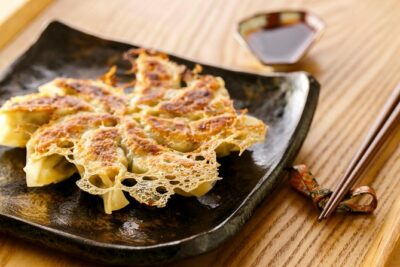
Ramen & Gyoza Cooking Class in Tokyo with Local Supermarket Visit
Read our review →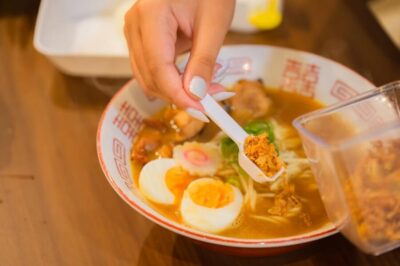
Ramen Cooking Class at a Ramen Factory with Souvenir
Read our review →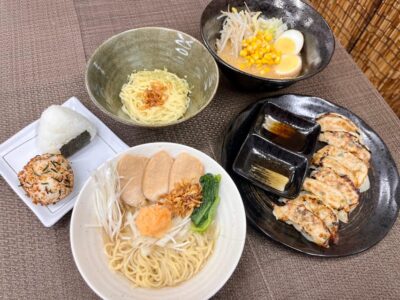
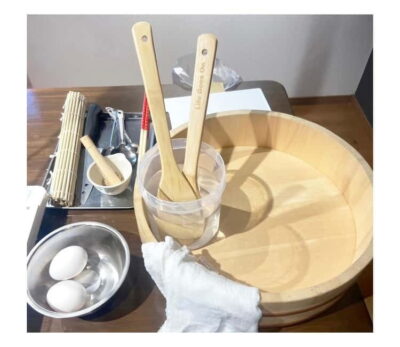
Japanese Washoku Bento Small Group Cooking Class
Read our review →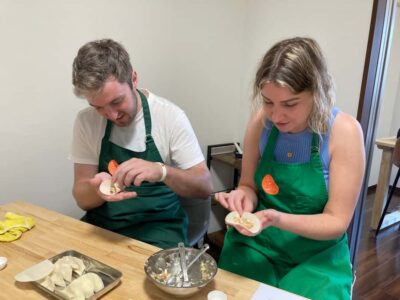
Easy Ramen Cooking Experience in Kabukicho, Shinjuku
Read our review →
Ramen and Sushi Cooking Class with Sake Pairing Set in Tokyo
Read our review →Browse the lists this tour appears in