
Reviewed · SUSHI MAKING CLASSES
Premium 14-Piece Sushi & Cultural Discovery with Chef Interaction
Tokyo sushi can look simple on a plate, but that is the trick. This experience is interesting because you get the chef’s counter view, plus a guided look at Edomae techniques and the ingredients behind them, not just the final bite. It is also a small-group setup, so you can actually ask questions while the chef works.
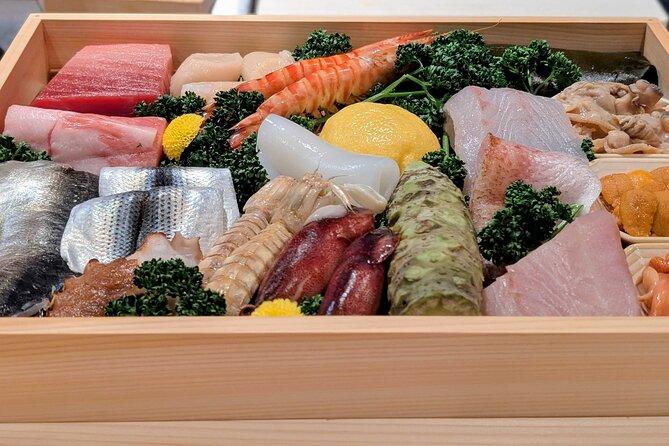
I especially like two things. First, the tasting is built around 14 premium pieces, so you get real variety instead of a few small samples. Second, I like that the session compares premium vs standard ingredients, so you learn what changes in flavor when you shift quality, rice handling, or wasabi style.
One consideration: drinks are not included, and the plan cannot accommodate allergies or dietary restrictions involving rice, soy, or seafood. If you have food sensitivities or you want sake included automatically, plan ahead or choose the adult timing that fits your needs.
Key things to know before you book
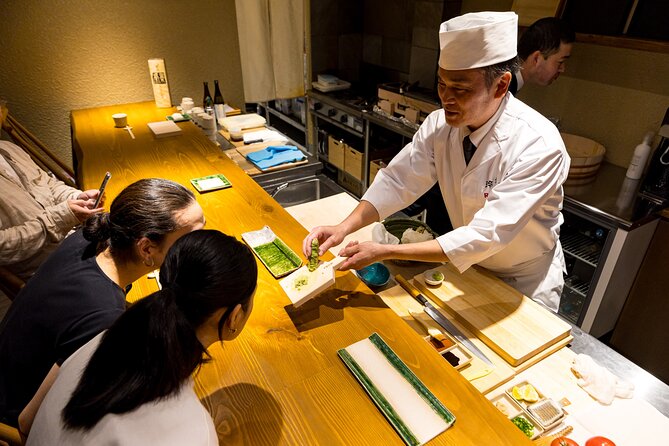
- Chef-counter time with a small group (max 5 travelers), so you are not just watching from the back
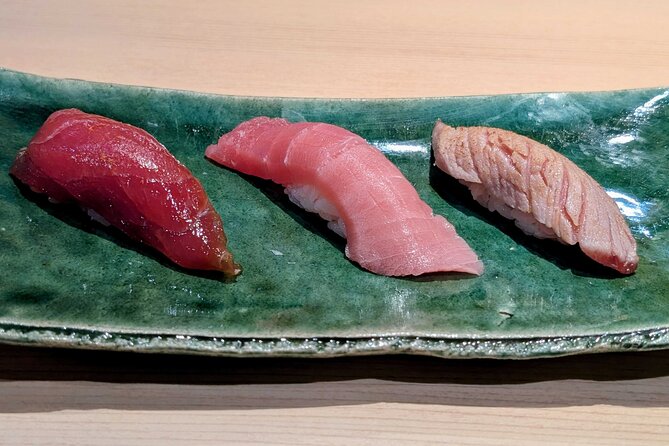
- 14-piece premium sushi course, designed to cover enough pieces that you feel full and informed
- Ingredient and technique comparisons, including rice preparation, wasabi style, and premium vs standard choices
- Tool-focused explanations, with the guide walking you through what the chef uses and why
- Behind-the-counter workspace visit plus photo opportunities, so you get a memorable view of how it is done
Why this Edomae chef-counter setup is such a smart Tokyo sushi choice
This is the kind of sushi experience that makes Tokyo feel close up. You start with an English-speaking guide who seats you at an exclusive chef’s counter, then you watch a professional sushi chef work in real time while you learn what is happening and why.
The main value is that sushi is treated like a craft, not a meal. You get technique talk while the chef demonstrates steps like searing, marinating, simmering, and wrapping. That means your bites come with context, so you taste differences instead of just eating.
The experience also has a “no guessing” rhythm. You get a structured 14-piece tasting, comparative tastings, and tool explanations. If you want a guided way to understand sushi without feeling lost, this format is one of the easier ways to do it.
More Sushi Making Classes in Tokyo
- Sushi Making Tokyo Roll and Authentic Japanese Sushi Class
★ 5.0 · 3,971 reviews - Tokyo: Roll and Authentic Sushi Making Class in Asakusa
★ 4.9 · 1,957 reviews - Make Sushi and Create Unforgettable Memories in Tokyo
★ 5.0 · 1,413 reviews
The 14-piece omakase tasting: more than just 14 bites
You will enjoy a guided 14-piece premium sushi course that typically runs about two hours, with a maximum of about two and a half hours. The pace is steady, and it is built so you have time to taste, then ask follow-up questions when something feels different.
The tastings are not random. They include comparative samples that make it easier to notice what changes flavor and texture. For example, you get help understanding how rice preparation affects the bite, and how different wasabi styles land on your palate.
I also like that the experience keeps you from feeling like you are “paying for watching.” The meal is the core of it: you get the full 14 pieces. That is the part that matters most in Tokyo, where restaurant omakase can vary wildly in price and structure.
How the guide and chef make the techniques click
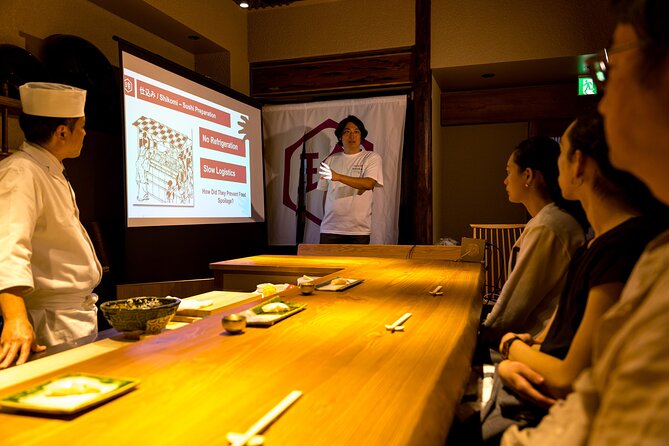
You learn best when you can connect a technique to a result, and that is how this is set up. The chef demonstrates essential Edomae moves, while the guide adds practical context you can remember at the next sushi counter you visit.
Expect explanations around key areas such as:
- Rice preparation, and how the chef’s choices change the flavor profile
- Wasabi handling, including freshly grated wasabi compared to standard paste
- Ingredient quality, with examples showing premium vs standard
- Wrapping and assembly, so you understand what the chef is aiming for visually and in texture
You may also notice that the learning tools are visual. In past experiences of this format, people appreciated seeing supporting materials like visual aids and videos that help explain the history and technique behind the meal. That kind of added clarity matters, because sushi technique is hard to picture if you have only watched hands for a minute or two.
One more practical point: because this is at the chef’s counter, you get a closer look at micro-decisions. You can see the tools, the rhythm, and the speed. That makes the “how” of sushi feel tangible.
Premium vs standard: the tastings that teach you how to judge quality
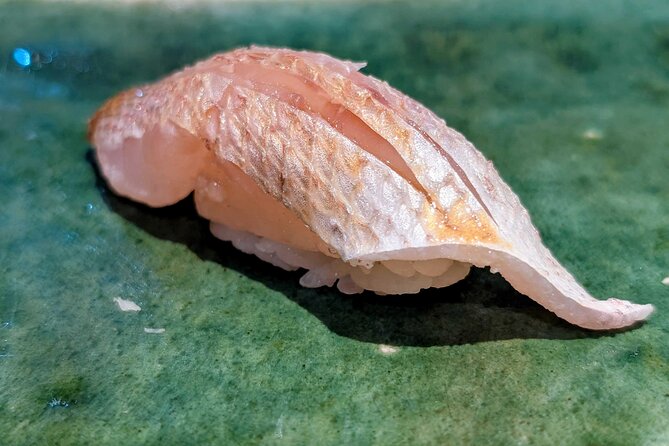
The comparative tastings are the part that turns a fun meal into a useful learning experience. Instead of saying premium is better in a vague way, the session gives you a structured comparison so you can taste the difference yourself.
You learn to look for things like:
- How rice flavor and stickiness shift with preparation choices
- How wasabi taste changes when it is freshly prepared versus standard paste
- How premium ingredient selection affects the way sushi tastes and finishes
This matters because sushi quality is not only about fish. It is also about rice, seasoning, temperature, cutting, and timing. When you taste the differences in controlled ways, you are more likely to order smarter later when you are choosing a restaurant on your own.
And if you are the kind of person who is not a huge fish fan, this comparison-heavy approach can still work. One review described someone going mainly for sake who ended up enjoying every dish. That tells me the chef and guide are able to make the menu feel approachable, even when you usually prefer other flavors.
A change of pace from Tokyo:
- Mt Fuji and Hakone 1-Day Bus Tour Return by Bullet Train
★ 5.0 · 26,383 reviews - 1-Day Tokyo Bus Tour
★ 5.0 · 14,250 reviews - Tokyo: TOKYO SKYTREE® Admission ticket
★ 4.5 · 11,192 reviews - Tokyo: teamLab Planets TOKYO Digital Art Museum Entry Ticket
★ 4.6 · 9,779 reviews
The tools and behind-the-counter photos that make it feel real
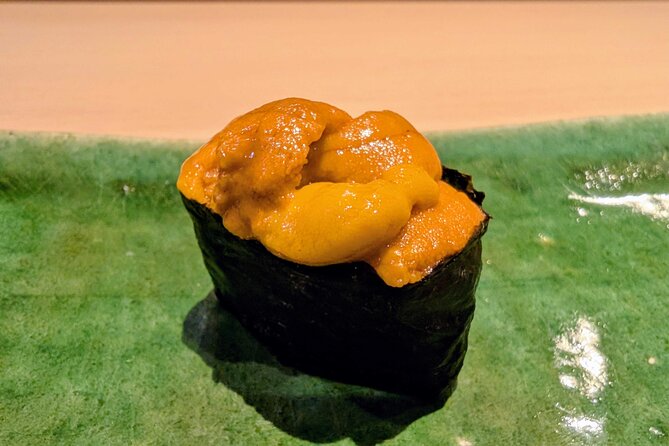
A lot of sushi experiences stay on the surface. This one goes one step further by focusing on authentic chef tools and equipment. When you understand what tools the chef uses, you start to realize why the sushi looks consistent plate after plate.
You also get a chance to step behind the sushi counter into the chef’s workspace. That is a rare view in Tokyo, because most restaurants keep that area strictly off limits. You will also have exclusive photo opportunities, which means you can capture the setting and the workspace, not just a plate shot.
I like this portion because it gives you a lasting memory of the craft. After the meal, it is one thing to think sushi is detailed. It is another to have seen the tools and the work area up close.
Your route through Chiyoda, Ochanomizu, Akihabara, Kanda, and Jimbocho
The experience includes multiple stops around central Tokyo: Chiyoda, Ochanomizu / Akihabara / Kanda, Tokyo Prefecture, Kanda Jimbocho Bookstore Area, and Akihabara again. The value here is less about ticking off famous sights and more about getting oriented in neighborhoods that show different sides of Tokyo life.
Here is how to think about it as you plan your expectations:
- Chiyoda is where you start, with your meeting point in the Chiyoda City area near Kanda Surugadai. It is a practical location for meeting and then settling in.
- Ochanomizu / Akihabara / Kanda gives you a sense of Tokyo that is close to transit and city energy. If you like walking and short area changes, these stops help you feel the city beyond the restaurant.
- Tokyo Prefecture reads like an administrative or central-passage stop, useful for a smooth route rather than a standalone attraction.
- Kanda Jimbocho Bookstore Area is included as a named neighborhood stop. Even if you just enjoy the atmosphere, it adds a Tokyo texture that pairs nicely with a food-focused experience.
- Akihabara appears again, which can help the day feel cohesive if you are already planning to explore the area after.
A possible drawback: if you expected major sightseeing like a full-day itinerary, you might find these stops feel more like route and cultural context than a checklist. The meal and chef interaction are the headline, and the city stops support that main event.
Sake pairings and drinks: how to plan what you will sip
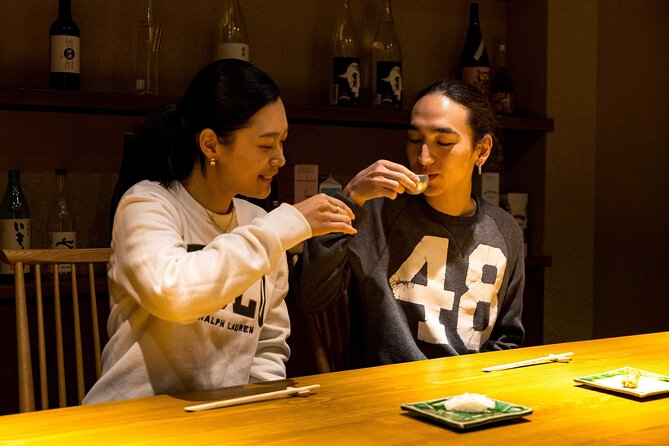
Alcohol is not automatically included. Drinks are available to order after you arrive at the restaurant, and you can ask about sake pairings if you want the chef to match flavors with the meal.
This setup gives you control. If you want to keep the experience simple and cost predictable, you can skip alcohol and stick to water or soft drinks. If you do want sake, you should budget for it since it is not part of the base price.
One small practical tip: because the course is 14 pieces, heavy drinking can make it harder to notice the differences in taste. If you enjoy learning through comparison, consider pace, and keep your palate working for the full sequence.
Group size, timing, and meeting point details that actually matter
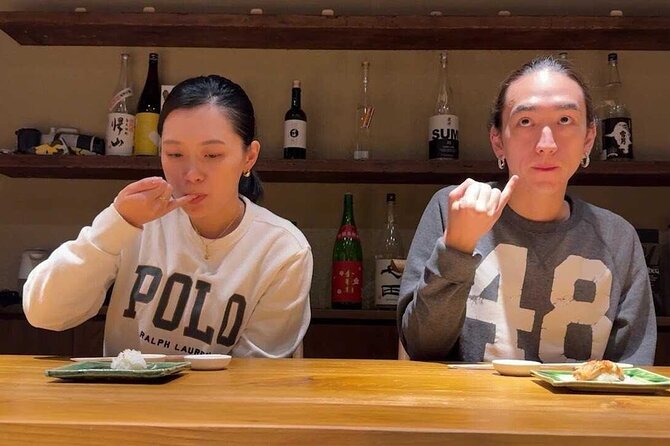
This is designed for intimacy, with a maximum of 5 travelers. That size makes it easier for the guide to manage questions and for the chef to keep the session flowing without interruptions.
The standard course is about two hours, and it can run up to about two and a half hours. You will receive confirmation at booking, and you will use a mobile ticket.
Your meeting point is listed at 3-chōme-3-6 Kanda Surugadai, Chiyoda City, Tokyo 101-0062, Japan, and the activity ends back at the meeting point. It is near public transportation, which matters in Tokyo because walking times add up fast. If you are staying in central areas, you likely will be able to reach it without complicated transit planning.
Families and kids: the kids’ room is real, but it changes the experience
If you are traveling with children, the experience includes a kids’ room for children up to 12 years old. Kids also get a child-friendly meal, and the child booking includes access to the kids’ room.
Here is the key detail to plan around: the kid plan does not include the 14-piece sushi course, and children are not seated at the sushi counter. The full counter experience is for adults.
If your child specifically wants to sit at the counter alongside adults and enjoy the full 14-piece course, you will need to book the reservation under the adult plan. That is an important fork in the road, so check before you buy.
Food restrictions and service needs, stated plainly
The experience cannot accommodate allergies or dietary restrictions involving rice, soy, or seafood. If you have a different kind of restriction, you might still want to message the provider before booking, but for these categories the data is clear.
Service animals are allowed, and there is a dedicated kids’ room setup for families. If your group has specific needs, this is one of the better ways to travel with a clear rule set, as long as your dietary situation fits the limits.
Price and value: what $171.73 is really buying you
At about $171.73 per person, this is not a budget sushi meal. But you are also not paying for a generic dinner. You are paying for a chef-counter experience with guided technique comparisons, a professional English-speaking guide, and a full 14-piece premium course.
The value comes from three areas:
- Depth of learning: rice, wasabi style, premium vs standard, and technique demonstrations are all part of the structure
- Premium quantity and format: 14 pieces is enough to feel like a real meal, not a tasting snack
- Access: chef tools, behind-the-counter workspace viewing, and photo opportunities are part of what you buy
If you are the type who usually eats sushi and wonders what you are supposed to notice, this format can be worth it. You leave with a clearer sense of how to evaluate sushi quality later, even if you only eat at one or two counters after this.
If you mainly want a cheap meal, Tokyo has plenty of options. But if you want a sushi session that teaches you how the craft works, the price lines up with that goal.
Should you book this chef interaction sushi course?
Book it if you want a guided sushi experience where the learning is built into the meal. You will probably enjoy it most if you like hands-on demonstrations, you care about ingredient quality, and you want to taste differences with explanations that make sense.
I would also say it is a good choice if you are a little unsure about sushi. The comparison tastings and structured course can help you find what you like, and the session is designed to keep the experience approachable, even for someone who is not typically a big fish fan.
Skip it or reconsider if you have restrictions involving rice, soy, or seafood, or if you were hoping beverages are included automatically. Also, if you expect a full sightseeing day with major landmarks, plan for a smaller, food-centered itinerary that uses neighborhood stops as context.
FAQ
How long is the 14-piece sushi experience?
It runs about 2 hours on average. The standard course is 2 hours, with a maximum of about 2.5 hours.
Does the price include the 14 pieces of sushi?
Yes. The experience includes a 14-piece premium sushi course.
Are beverages included, or can I order sake?
Beverages are not included. You can order sake pairings (if you want) or soft drinks after you arrive at the restaurant.
Are kids seated at the sushi counter for the full course?
No. Child bookings include a kids’ meal and access to the kids’ room, not the 14-piece sushi course. Children are not seated at the sushi counter for the counter experience.
How many people are in the group?
The group size is limited to a maximum of 5 travelers.
What is the cancellation window for a full refund?
You can cancel for a full refund up to 24 hours before the experience starts. If you cancel less than 24 hours before, the amount paid is not refunded.
Latest write-ups near Tokyo
- Tokyo Nights: Shibuya Photo Adventure★ 5.0 · 20 reviews
- Wagyu & Sake 8 Course Tasting Dinner in Shinjuku★ 4.9 · 20 reviews
- Making Japanese desserts Nerikiri & drinking matcha in Tokyo★ 5.0 · 20 reviews
- Mt. Fuji 5th Station, Owakudani Ropeway, Pirate Ship plus Outlet shopping!★ 4.5 · 20 reviews
- Japanese Whisky Hunting《HIGH-QUALITY-ONLY》Rare Tasting Class★ 5.0 · 20 reviews
- Kintsugi Experience with Arita Ware in Tokyo (English Guide)★ 4.8 · 20 reviews
- This is Asakusa! A Tour Includes the All Must-Sees!★ 5.0 · 20 reviews
- Tokyo: Karate Experience with Former All-Japan Champion★ 5.0 · 20 reviews
Sushi Making Classes, compared.
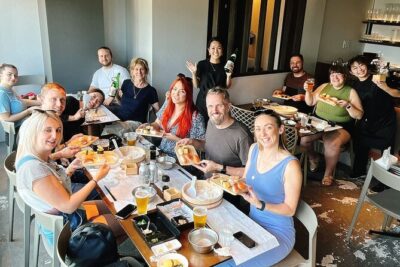
Sushi Making Tokyo Roll and Authentic Japanese Sushi Class
Read our review →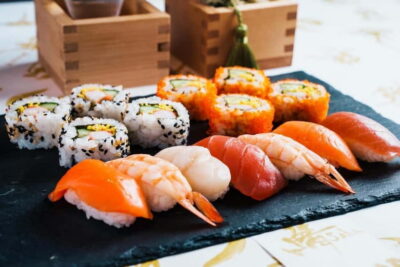
Roll and Authentic Sushi Making Class in Asakusa
Read our review →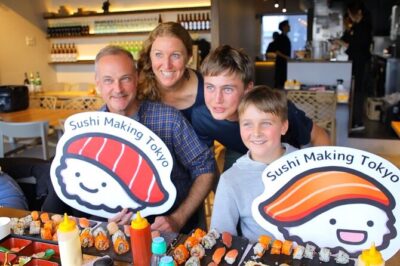
Make Sushi and Create Unforgettable Memories in Tokyo
Read our review →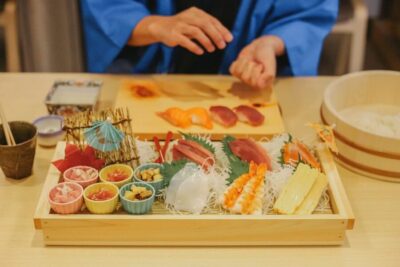
Sushi Making Class in a Happi Coat near a Famous Spot
Read our review →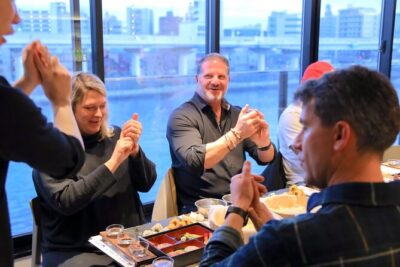
Sushi Making Osaka Roll and Authentic Japanese Sushi Class
Read our review →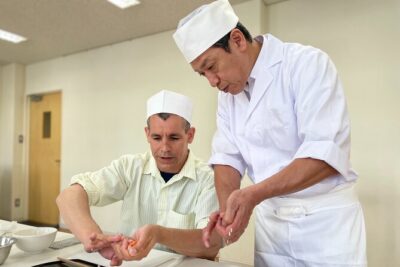
Tokyo Sushi Making Class in Tsukiji with Professional Chef
Read our review →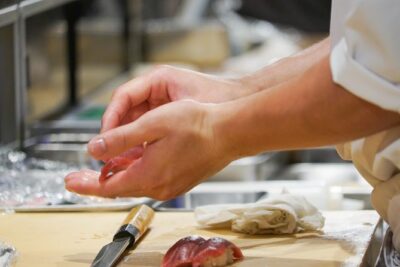
Tokyo Night Foodie Tour in Shinjuku – Seasonal Sushi, Wagyu Beef
Read our review →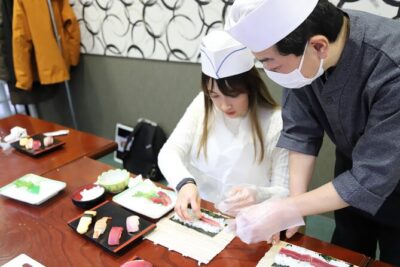
Tsukiji Fish Market Guided Tour and Sushi Making with Pro Chef
Read our review →Browse the lists this tour appears in