
Reviewed · COOKING CLASSES
Private Home Cooking in Yanaka – Local Flavors in a Warm Setting
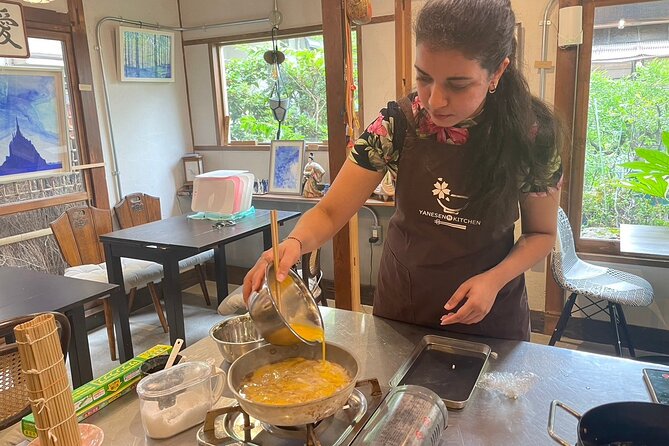
Yanaka is one of those Tokyo neighborhoods where you slow down on purpose, and this private cooking class fits right into that mood. You cook in a home-style setup in Yanaka, close to Yanaka Ginza, with local ingredients and a teacher like Ms Yajima, who grew up in the Yanesen area and can guide you in English.
What I like most is how practical it feels. You are not just watching, you are working step-by-step with live feedback as you go. The one drawback to plan around: the location is in a residential pocket, so it can be a little tricky to find the first time.
Key things that make this Yanaka class special
- A private class, just your group, so you can ask questions as you cook
- Lunch or dinner options, chosen to match your Tokyo schedule
- Plan A (main) or Plan B (two appetizers), so you control how much cooking happens
- English-capable instruction, including technique tips and the why behind the steps
- Yanaka Ginza area timing, so you can pair the lesson with an easy neighborhood walk
Why Yanaka home cooking beats a restaurant meal
If your Tokyo plan is all temples, stations, and train transfers, a cooking class is a reset button. This one is interesting because it treats food like everyday life. You learn how people in Yanaka build flavor at home, not just how to recreate a showy dish.
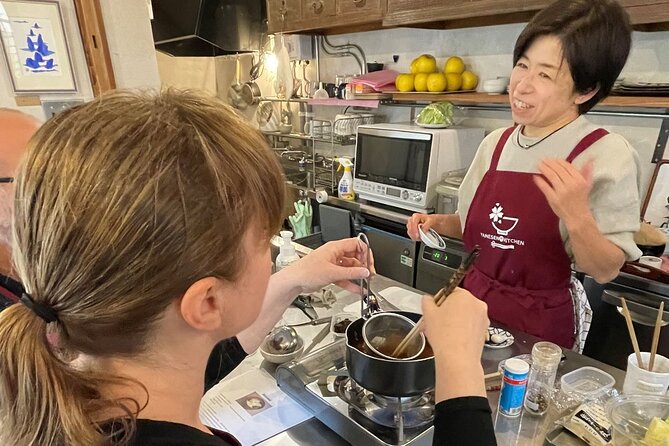
The home-style atmosphere matters. You are working in a small setting near Yanaka Ginza, which keeps the experience grounded. One of the strongest parts of the experience is the instructor’s connection to the Yanesen area. Ms Yajima is described as being born in Yanesen and passionate about Tokyo’s local cooking style, and that kind of background tends to show in how she explains flavors, tools, and habits.
I also like that the class stays practical. You will usually cook more than one dish, and you get guidance that helps you repeat the results later. The downside is simple: two hours goes fast. If you want maximum hands-on time and maximum time to ask questions, you should come with clear dietary needs and a thoughtful menu request.
More Cooking Classes in Tokyo
- Ramen & Gyoza Cooking Class in Tokyo with Local Supermarket Visit
★ 5.0 · 823 reviews - Tokyo: Easy Ramen Cooking Experience in Kabukicho, Shinjuku
★ 4.6 · 321 reviews - Ramen and Sushi Cooking Class with Sake Pairing Set in Tokyo
★ 5.0 · 291 reviews
Who you cook with, and why the English coaching is a big deal
This is a private session taught by an English-capable instructor. In the information you get for the experience, Ms Yajima is named as the instructor, and she can instruct in English. Several examples of teacher names show up through the experience, including Yuki, Yuli, Yukiko, and Uki, and people consistently describe the instruction as clear and friendly.
That matters because Japanese cooking is technique-heavy. Timing, knife skills, heat control, and seasoning balance are where most at-home attempts go wrong. When the teacher can explain in English and give live feedback, you get the shortcuts you normally only learn after several failed dinners.
Also, the class has a cultural side that is not forced. Instructors tend to talk about Yanaka life and local trends while you work. That makes the lesson feel like conversation, not a lecture. If you like learning through doing, this format suits you.
Menu planning: Plan A or Plan B (and how to make it fit your appetite)
You pick your dishes in advance. The experience offers two workshop options:
- Plan A: Choose 1 from the Main category
- Plan B: Choose 2 from the Appetizer category
In your reservation request form, you are asked to tell them your menu request. You can also send special requests like allergies, vegetarian, or vegan needs, and you can talk about your menu and requests up to 2 days before your cooking day via the contact form.
Here is how I’d think about choosing between Plan A and Plan B:
- Go Plan A if you want one “hero” dish done properly, with deeper focus on technique and flavor building.
- Go Plan B if you want variety, especially if you enjoy snacking style meals, sharing food, or learning a wider set of building blocks like sauces, dips, and sides.
This choice is part of the value. The lesson is priced per person, and the menu structure helps you get closer to what you actually want to take home and cook again.
From Yanesen check-in to the kitchen near Yanaka Ginza
The meeting point is the YANESEN Tourist Information & Culture Center at 3-chōme-13-7 Yanaka, Taito City. The activity ends back at the same meeting point.
The experience is designed to sit in a walkable pocket. The home cooking space is described as being about 100 meters from Yanaka Ginza, and the idea is that you can combine the class with a stroll in the Yanesen area afterward.
A practical note: several people report that the exact location can be hard to spot at first. The good news is that calling for help is part of the setup, and someone will guide you to the correct spot once you are nearby. I’d recommend giving yourself a little buffer time so you are not stressed.
Once you arrive, you can expect a quick orientation before cooking starts. You will be working with ingredients staged for your chosen menu, and the class runs with hands-on steps, not passive observation.
A change of pace from Tokyo:
- Mt Fuji and Hakone 1-Day Bus Tour Return by Bullet Train
★ 5.0 · 26,383 reviews - 1-Day Tokyo Bus Tour
★ 5.0 · 14,250 reviews - Tokyo: TOKYO SKYTREE® Admission ticket
★ 4.5 · 11,192 reviews - Tokyo: teamLab Planets TOKYO Digital Art Museum Entry Ticket
★ 4.6 · 9,779 reviews
What you actually cook: dishes that teach real technique
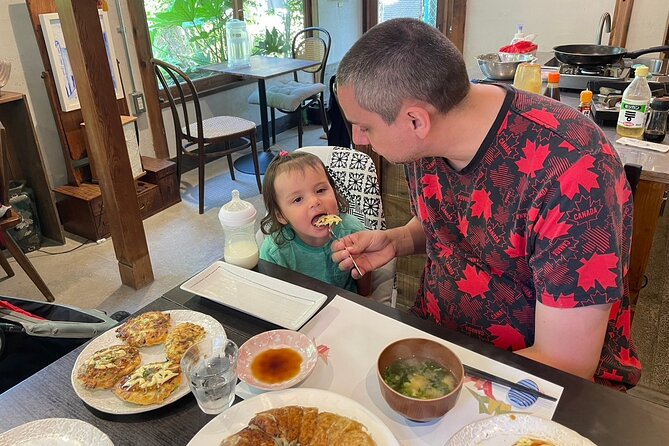
The class menu can vary, but the cooking style is consistent: ingredients are local, methods are traditional, and you are trained as you go.
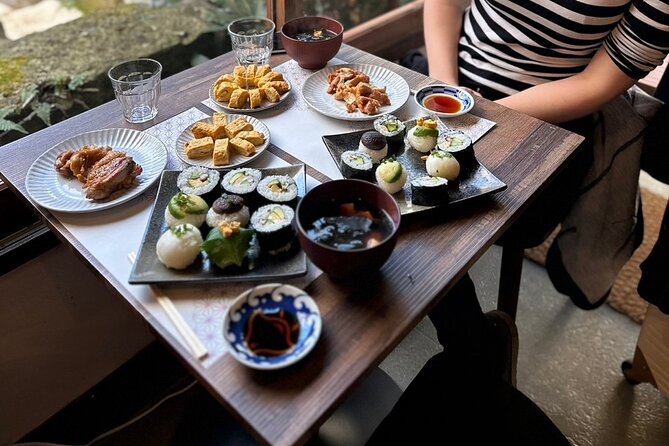
From the dishes people have made here, you can expect a mix of comfort classics and technique-driven favorites, such as:
- Miso soup and homemade dashi (with ingredients like kombu and bonito flakes)
- Tempura with heat guidance that helps you avoid soggy results
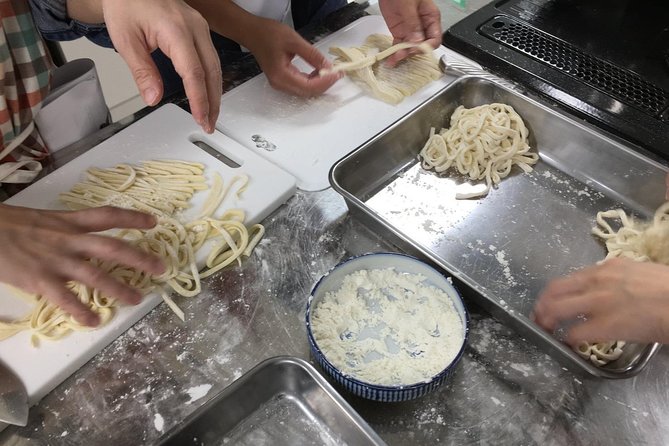
- Udon noodles with hands-on dough work, including a traditional foot-kneading method people describe using (in the class setup)
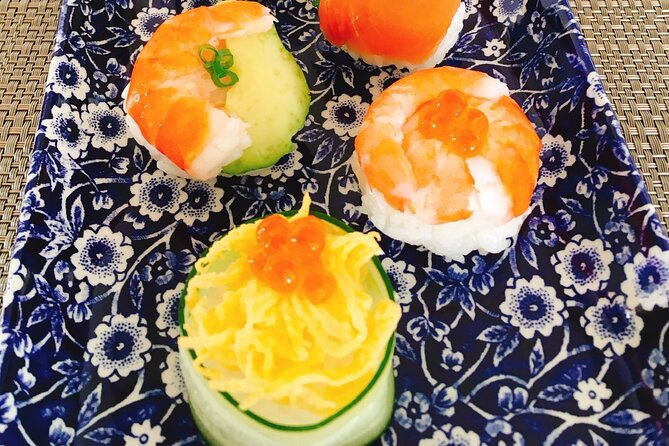
- Sushi variations, including rolled sushi
- Okonomiyaki
- Onigiri and bento projects
- Oyakodon and nikujaga
- Nasu dengaku (miso-glazed eggplant)
- Gyoza and karaage
- Miso soup plus sides and dessert style sets
What I like is that even when dishes sound simple, you learn the why. People specifically mention getting explanation about why steps matter, not just the sequence. That’s what turns “I made it once” into “I can cook this at home.”
If you have a favorite Japanese food, there is a decent chance you will see it somewhere among mains, appetizers, or side dishes. The best move is to request what you actually crave, then add dietary or ingredient constraints early.
Hands-on flow: how the lesson usually moves through the kitchen
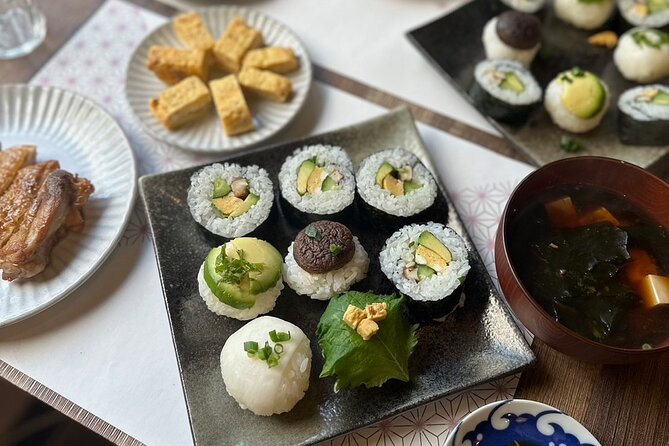
The experience is structured around live instruction and personalization. While the exact recipe list depends on your menu choice, the cooking flow tends to follow a pattern:
- Ingredient walkthrough and tool tips
You learn what you are using and why it matters, including how to handle key components and what “good” looks like at each step.
- Prep in the kitchen, step-by-step
You chop, slice, mix, and prepare components as instructed. People often highlight how clear the guidance is and how comfortable they felt jumping in.
- Cooking with real-time feedback
Heat control and timing are where you get the most benefit. For deep frying and grilling, you get explicit cues about doneness and oil temperature.
- Sit down and eat what you made
You do not just taste a bite. The class typically builds enough food for everyone to eat comfortably, and some people mention having leftovers for later.
- Recipe plan for your notes
Some participants describe getting a recipe plan they could take home and use to replicate the meal. Even if you don’t memorize everything, you leave with something practical.
Two more small details that show up in the experience: you get a chance to talk with the teacher, and some classes feel like a family conversation rather than a studio production. That makes it easier to ask, “What would you do if I only have X at home?”
Food atmosphere: it’s homey, even when it is not a museum-style kitchen
This class is described as cooking in a home in Yanaka, with a downtown Tokyo home-cooking atmosphere. One review notes that it is not an actual home in the literal sense, but it is homey and backed by the charm of the surrounding neighborhood.
That is exactly the point. You are getting the feel of everyday cooking. It is not an elaborate chef demo. You will likely cook with standard kitchen tools and learn how they connect to the results you know from Japanese food back home.
And the neighborhood context is real. Since Yanaka Ginza is nearby and the check-in is at the Yanesen information center, it is easy to pair this class with short shopping stops. If you enjoy finding small shops and then returning for lunch or dinner, this fits your rhythm.
Price and value: what you are paying for (and what you should expect)
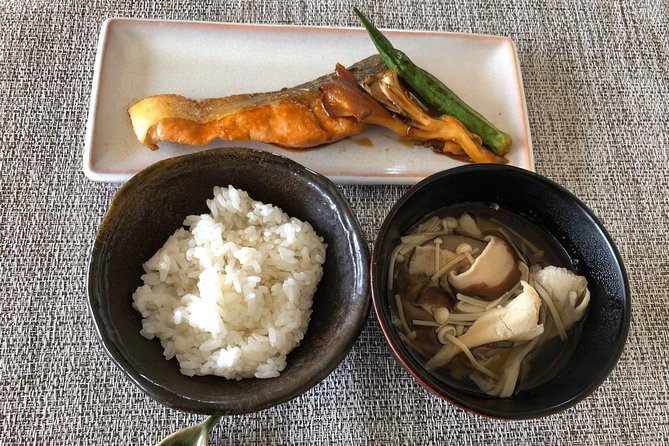
The price is listed at $122.23 per person for an experience that runs about 2 hours. It is also a private activity, and the listing notes that group discounts are available and mobile tickets are used.
The value comes from three things:
- Private instruction time
In two hours, you get hands-on coaching that you would not get in a group cooking class where you can only watch.
- Menu control
Plan A and Plan B let you steer the lesson toward a main dish you love or toward multiple smaller items.
- Practical take-home learning
You are not just eating, you are learning technique. People mention being able to recreate recipes later, including rolled sushi, udon, miso soup from scratch, tempura, and more.
If you are comparing this to a restaurant meal, remember you are paying for instruction and ingredients, not only the food. If you love Japanese cooking and want to get past “I can eat it” into “I can make it,” this price makes more sense.
Practical tips so your two hours go smoothly
A few things that make a noticeable difference:
- Send your menu request early
You can request menus during reservation, and you can talk about menu and special requests up to 2 days before. Waiting until the last moment can limit what they can arrange.
- Be direct about dietary needs
Allergies, vegetarian, and vegan requests are available if you tell them when you make the reservation. If you have a serious allergy, write it clearly.
- If you hate spicy, say so
The data does not spell out spice rules, but since they can accommodate special requests, it’s smart to flag preferences. The sooner you clarify, the easier it is for them to plan the menu.
- Plan time around the residential setting
Give yourself buffer time at check-in. If you are unsure where to go, call for help so they can guide you to the correct spot.
- Decide what you want most
Plan A can be deeper, Plan B can be more varied. Pick the format that matches your learning goal.
Should you book this private home cooking in Yanaka?
Book it if you want a Tokyo experience that is actually hands-on. This is for you if you like Japanese food, enjoy cooking, and want to learn technique from an English-capable instructor in a private setting. It also works well as a first Japan activity, because it removes some of the anxiety of doing everything alone. You get conversation, rhythm, and a clear payoff in the form of a meal you made.
Skip it or think twice if you are tight on time and you hate stepping into a residential side-street location. Since the class runs about two hours, it is not a half-day food tour. Also, if you are expecting a large-group party atmosphere, this is a private, quieter setup.
If your goal is to come home able to cook at least one or two dishes you love, this Yanaka class is a strong choice.
Latest write-ups near Tokyo
- From Tokyo: Top 5 Scenic Spots of Mount Fuji Full-Day Tour★ 4.5 · 67 reviews
- Tokyo Customized Private Tour: See Top Attractions in 1 Day★ 4.8 · 67 reviews
- Traditional Japanese Music ZAKURO SHOW in Tokyo★ 5.0 · 67 reviews
- Tokyo: Shinjuku Izakaya and Golden Gai Bar Hopping Tour (2h)★ 4.9 · 67 reviews
- Tsukiji: Unlimited Sake Tasting Experience★ 4.9 · 67 reviews
- Samurai Ninja Museum Asakusa: Kid-Friendly Ninja Training★ 4.7 · 67 reviews
- Tokyo: Not a show- a professional sumo practice with experts★ 4.9 · 67 reviews
- Private Harajuku Omotesando Architecture Walking Tour★ 5.0 · 67 reviews
Cooking Classes, compared.
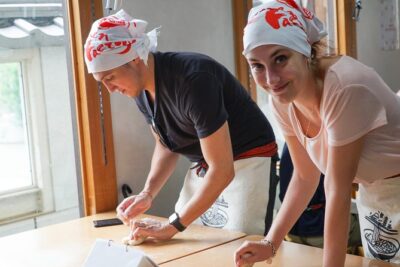
Ramen Cooking Class at Ramen Factory in Kyoto
Read our review →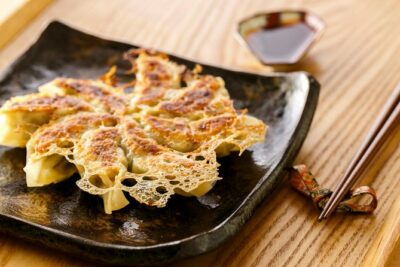
Ramen & Gyoza Cooking Class in Tokyo with Local Supermarket Visit
Read our review →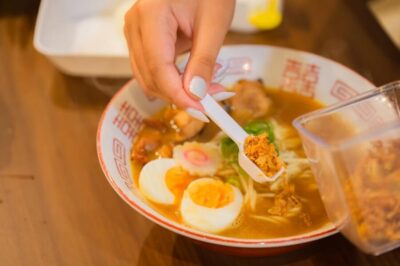
Ramen Cooking Class at a Ramen Factory with Souvenir
Read our review →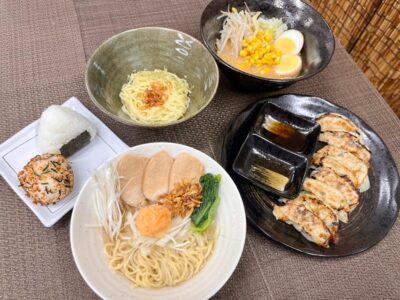
Japanese Washoku Bento Small Group Cooking Class
Read our review →
Easy Ramen Cooking Experience in Kabukicho, Shinjuku
Read our review →
Ramen and Sushi Cooking Class with Sake Pairing Set in Tokyo
Read our review →Browse the lists this tour appears in