
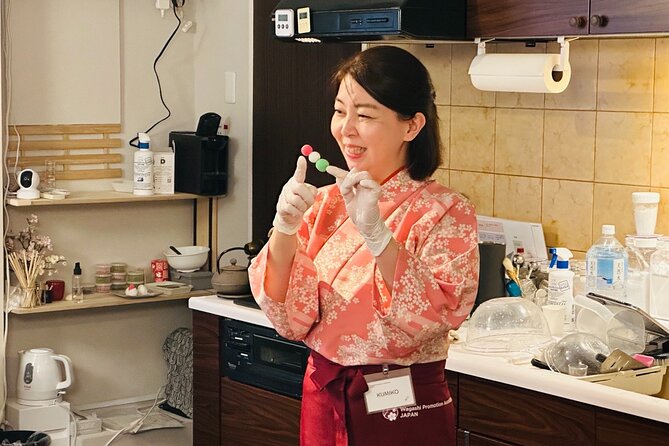
Reviewed · WAGASHI & MOCHI MAKING
Private Mochi・Matcha sweets Making Class Near Shibuya Area
A private sweets class in Tokyo feels special because you are not just watching from the sidelines. You get hands-on guidance from a wagashi instructor in an authentic home setting, and you learn both mochi and nerikiri while picking up the cultural context behind each sweet. The main thing to consider is the house includes a small dog, so if you have a dog allergy, this may not be the best fit.
I really like the small-group feel, with a maximum of 8 people, plus the lesson is tailored enough that beginners can keep up. I also like that matcha is part of the experience, with a simple tea ceremony you can enjoy if you want. The downside to plan around is time, it is about 2 hours, so you will want to arrive ready to focus and make the most of every step.
Key Highlights Worth Your Attention
- Private, personalized instruction from a traditional sweets-making instructor, not a one-size-fits-all demo
- Two classic Japanese sweets on the menu, mochi and nerikiri, with practical technique practice
- Matcha tea ceremony time available in a dedicated tea room, included with your class
- Small group size with a max of 8, which makes it easier to ask questions and get feedback
- Sangenjaya meeting point with easy access via public transportation, plus local city tips along the way
- Dog on site (toy poodle), which is a deal-breaker for some allergies, but it is also a memorable touch for many families
Mochi and Matcha in a Real Tokyo Home, Not a Classroom
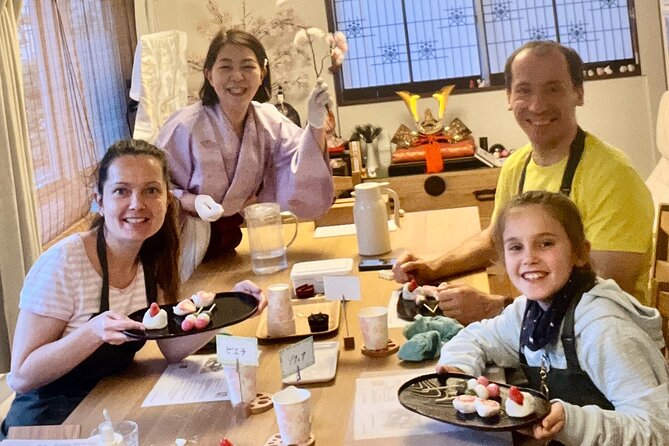
This class works because it happens in a Japanese house, not a storefront kitchen. You get a calm, more intimate setting for learning mochi and nerikiri, and that changes everything compared with mass-market cooking experiences.
The format also keeps the lesson practical. You are taught what to do, then you do it, with personal guidance as you go. That is especially useful if you have never worked with sticky dough or shaped sweets before.
Another detail I appreciate is the cultural framing. The instructor explains why mochi matters in Japanese food culture, so your hands-on work connects to something bigger than just making dessert. If you like understanding the story behind what you eat, this is a plus.
The only real drawback is the “home” part. The experience takes place where daily life includes a toy poodle. Service animals are allowed, but if you are allergic to dogs, you are asked not to join.
More Tea Ceremonies in Tokyo
- Matcha Making Class in Tokyo with Authentic Japanese Sweets Set
★ 5.0 · 744 reviews - Tokyo: Traditional Tea Ceremony with a Tea Master
★ 5.0 · 528 reviews - Tokyo: Matcha Making Experience with Mochi Sweets in Asakusa
★ 4.9 · 388 reviews
Price and Time: Is $78.83 Worth It?
At $78.83 per person for about 2 hours, this is not a bargain-basement snack tour. It is closer to paying for quality instruction and a real cultural moment, plus you leave with what you made and the tea experience.
Here is the value logic that makes sense. You are paying for:
- A small class (max 8) with a teacher focused on your technique
- Hands-on mochi and nerikiri work, not just tasting
- Matcha included, with a simple tea ceremony setup in a tea room
- A setting that feels local, with city recommendations during the experience
Also, it is typically booked around 26 days in advance, which usually means it fills up when people plan their Tokyo rhythm carefully. If you are targeting a specific day near Shibuya, earlier booking often helps.
If you are the type who loves learning one craft step-by-step, this price can feel fair. If you mostly want a quick sugar hit and zero effort, you might prefer a simpler tasting tour.
Where You Meet in Sangenjaya and How to Plan Your Arrival
You start at 1-chōme-11-13 Sangenjaya, Setagaya City, Tokyo 154-0024, Japan. The good news is that it is near public transportation, so you are not stuck with a long bus ride or a complicated transfer.
Plan to arrive a little early. In a class like this, that extra time helps you settle in, get oriented, and start the first steps without rushing. You will also get recommendations for your time in the city along the way, so arriving relaxed helps you actually use those tips.
One practical note: you receive confirmation within 48 hours of booking, subject to availability. If you are building a tightly timed itinerary around Shibuya, you will want to leave yourself a bit of buffer.
The Private Class Flow: How the Two Hours Usually Feel
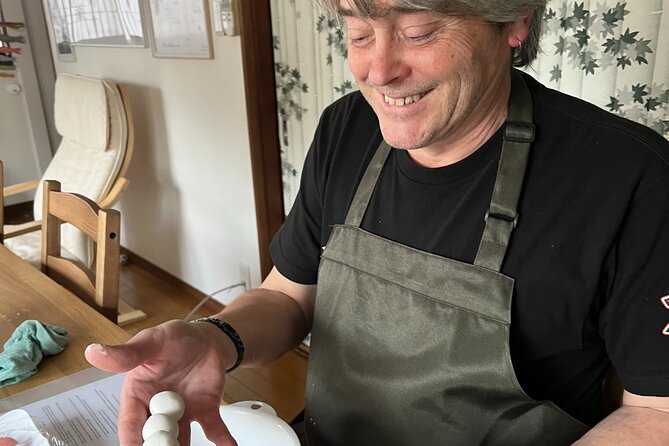
The lesson is designed to be smooth for first-timers. Even when the dough and tools are unfamiliar, the teacher guides you through the steps and adjusts to what you can handle.
The whole session runs about 2 hours, and that means you should expect a focused pace. You are not there to linger over every question for an hour. Instead, you get coaching at the moments that matter most: shaping, handling texture, and making decisions about the final look.
Because it is small, you also get room to personalize. If you are learning with a child, the class style can work well, as long as an adult is ready to help with sticky parts and clean-up.
You will finish back at the meeting point, which makes it easier to plug into the rest of your day near Shibuya.
More Wagashi & Mochi Making in Tokyo
- Tokyo Sumo Experience: Chanko & Mochi with a Former Pro
★ 4.8 · 567 reviews - TokyoSumoShow, ChickenHotPot, and Mochi-Pounding by Pro Wrestlers
★ 5.0 · 226 reviews - Private Mochi Sweets Making class near Shibuya area
★ 5.0 · 93 reviews - Mochi Making at a Private Studio in Tokyo
★ 5.0 · 54 reviews
Making Mochi: Sticky Fun With Cultural Context
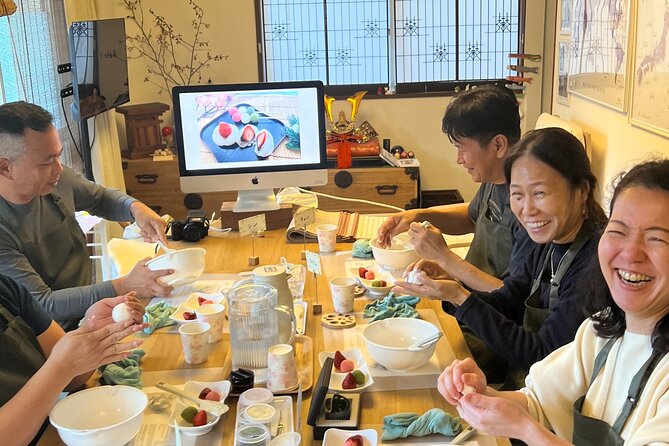
Mochi is the headline sweet for a reason. It is chewy, satisfying, and often associated with Japanese traditions and seasonal treats. In this class, you learn how to make mochi with guidance that helps you avoid common early mistakes like handling too aggressively or rushing texture.
What I like about the way mochi is taught here is the explanation of its cultural importance. Instead of treating mochi like just another dessert, the instructor connects it to Japanese food culture. That turns your final bite into something with meaning, not just sugar.
Hands-on moments stand out. You work the dough, shape the results, and get to see the difference between what you imagine and what your hands can actually produce. The satisfaction is real, and it is the kind of skill you can feel proud of even if it is your first attempt.
If you love taking home more than a photo, mochi is a great choice. It is tangible craft work, not just cooking.
Nerikiri: Another Traditional Sweet, With Different Techniques
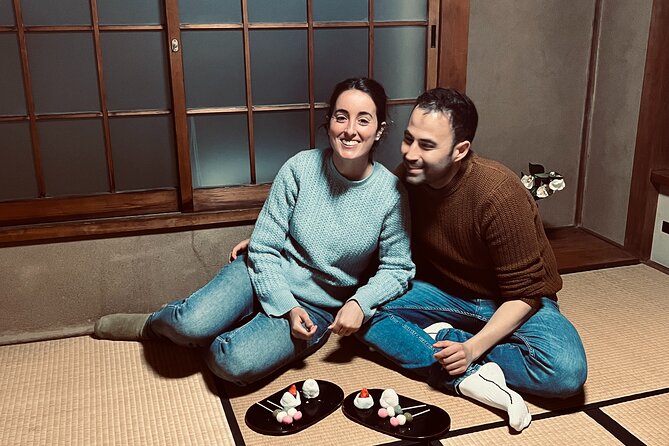
Nerikiri gets taught alongside mochi, which is smart. If you only learn mochi, you learn one method. If you learn both, you get a broader view of wagashi-style sweets.
You are guided through the process and you uncover the ingredients used, then experiment with techniques under instruction. That means you are not left guessing why one step matters or how ingredient handling changes the result.
From a value standpoint, this dual-sweet setup is where the class earns its keep. In a short two-hour window, it would be easy for a business to do just one sweet. Here, you get more learning per session.
If you enjoy craftwork, nerikiri can feel especially interesting because it highlights the idea that Japanese sweets are both food and design.
Matcha and a Simple Tea Ceremony You Can Actually Enjoy
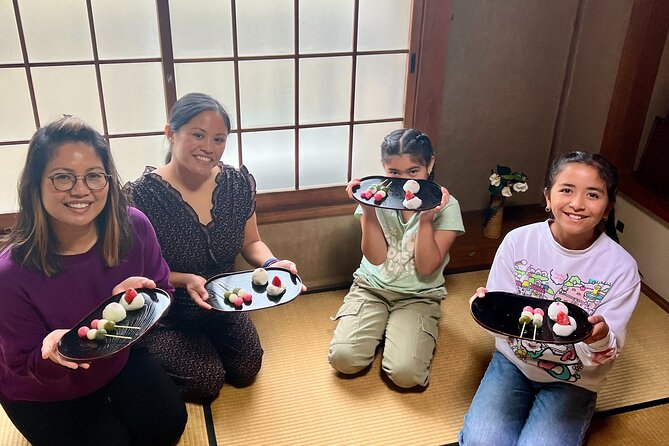
This experience includes matcha, and you can join the simple tea ceremony in the tea room if you want to. That matters because it gives you a pause point, not just more steps.
Tea ceremony time also changes how you taste. You slow down and pay attention to aroma and temperature, instead of eating straight from a plate like it is just dessert. Even if you have never studied Japanese tea culture, the setup keeps it friendly and straightforward.
The matcha is part of the class package, so you do not have to add another booking or hunt for a separate tea experience. It is a clean way to round out the cooking with a cultural ritual.
If you are traveling with family, this portion often lands well. It is calmer than hands-on shaping, and it gives everyone a shared moment to reflect on what they made.
The Instructor: Why Small Groups Feel Personal
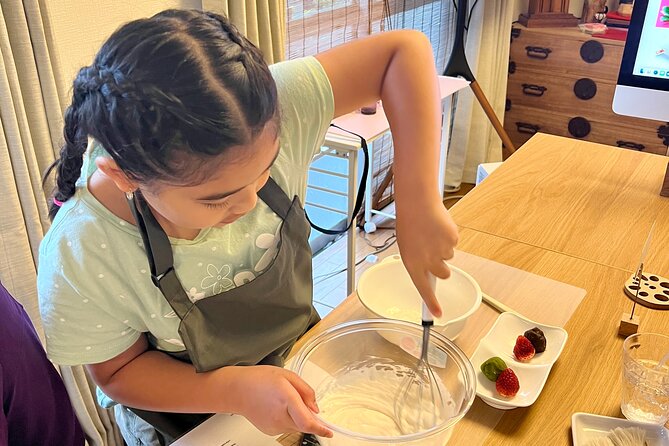
This class is led by Hello japan matcha・wagashi classes, and the instructor is often referred to as Sakura-san. The teaching style shows up in the details: the explanations are clear, and the teacher stays attentive as you work.
In a setting like this, the difference between a good class and a great class is responsiveness. When your dough acts differently than expected, you need help quickly. When your questions pop up, you need an answer that actually fits what you are doing, not a generic lecture.
That is why the maximum group size of 8 is such a big deal. You get more chances to get coaching, and you are less likely to be lost in the shuffle.
Dog on Site: A Real Consideration Before You Book
This is one of the most important practical points. There is a dog at the house, described as a toy poodle. The class provider does not recommend participation for people who have a dog allergy.
If you are deciding between this and another sweets lesson, do not gloss over it. Allergies can turn a fun memory into a bad afternoon. If allergies are mild and you want to take a risk, that is still your decision, but the guidance here is clear.
On the positive side, the dog has become part of the home atmosphere for some families, adding a friendly, human-scale warmth to the day.
Getting Recommendations Near Shibuya, Then Turning That Into a Day Plan
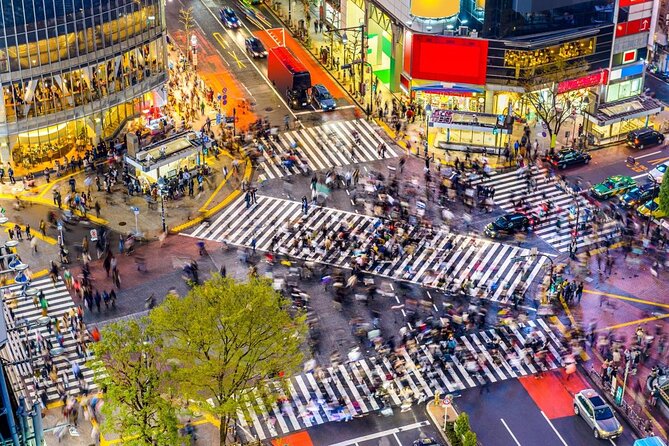
You are meeting in Sangenjaya, which is close enough to Shibuya that it works well as a half-day activity in your area. The instructor also provides recommendations for your time in the city along the way.
What does that mean for you in practice? It means you are not stuck trying to plan everything from scratch after the class. You can ask what fits your interests, then build the next part of your day around the answers.
This is especially helpful if you want something cultural, hands-on, and not just another photo stop. Cooking and tea, then moving on with a better plan, is a smart way to use time in Tokyo.
Who This Class Is Best For
I would steer you toward this experience if you:
- Want hands-on learning in small-group conditions
- Prefer an authentic home setting over a high-volume demo
- Like matcha and would enjoy a simple tea ceremony
- Want culture and technique, not just eating sweets
- Are traveling with kids who can handle a focused activity with adult support
It can be a great family choice because the lesson is described as friendly for beginners, and it works when an adult can help with the tricky parts.
I would be more cautious if you:
- Have a dog allergy, since a toy poodle is present
- Need a very flexible schedule, since the class is about 2 hours and runs at a set time
- Are only in Tokyo for a quick walk-and-eat day, since this is active and craft-focused
Should You Book This Mochi and Matcha Class?
If you want a memorable Tokyo souvenir that is also a skill, I think this booking makes sense. The combination of mochi and nerikiri, the included matcha tea ceremony, and the personalized coaching in a small group is a strong package for a $78.83 price.
Book it if you value learning. You will get more satisfaction from making the sweets than from just tasting them. Skip it if you have dog allergies or if you are chasing a low-effort activity.
One more practical tip: plan to arrive early, bring your patience for sticky dough, and treat tea time as part of the experience rather than an afterthought. That is when the whole class clicks.
FAQ
How long is the mochi and matcha class?
The class runs for about 2 hours.
What sweets will I learn to make?
You will learn how to make mochi and nerikiri, traditional Japanese sweets.
Does the class include matcha?
Yes. Matcha is included, and there is also a simple tea ceremony experience available in the tea room if you want to participate.
Is this a private class?
It is described as a private cooking class with personalized instruction. The group size is capped at a maximum of 8 travelers.
Where does the experience start?
It starts at 1-chōme-11-13 Sangenjaya, Setagaya City, Tokyo 154-0024, Japan, and it ends back at the meeting point.
Is it near public transportation?
Yes, it is near public transportation.
Is there anything I should know about pets?
There is a dog (a toy poodle) in the house. The provider does not recommend this experience for people with dog allergies.
Can I cancel for free?
Yes, you can cancel for a full refund if you cancel at least 24 hours in advance of the experience start time.
What happens if the weather is bad?
The experience requires good weather. If it is canceled due to poor weather, you will be offered a different date or a full refund.
Latest write-ups near Tokyo
- Tokyo Nights: Shibuya Photo Adventure★ 5.0 · 20 reviews
- Wagyu & Sake 8 Course Tasting Dinner in Shinjuku★ 4.9 · 20 reviews
- Making Japanese desserts Nerikiri & drinking matcha in Tokyo★ 5.0 · 20 reviews
- Japanese Whisky Hunting《HIGH-QUALITY-ONLY》Rare Tasting Class★ 5.0 · 20 reviews
- Mt. Fuji 5th Station, Owakudani Ropeway, Pirate Ship plus Outlet shopping!★ 4.5 · 20 reviews
- Kintsugi Experience with Arita Ware in Tokyo (English Guide)★ 4.8 · 20 reviews
- This is Asakusa! A Tour Includes the All Must-Sees!★ 5.0 · 20 reviews
- Ebisu Local Food Tour: Shibuya’s Most Popular Neighborhood★ 5.0 · 20 reviews
Wagashi & Mochi Making, compared.
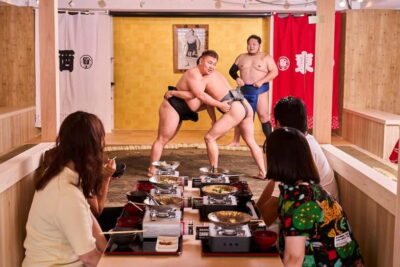
Tokyo Sumo Experience: Chanko & Mochi with a Former Pro
Read our review →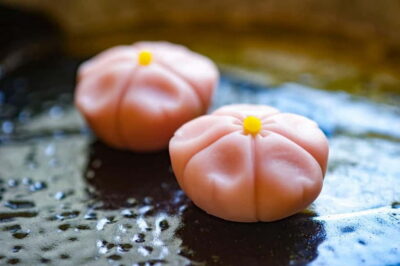
Matcha Making Experience with Mochi Sweets in Asakusa
Read our review →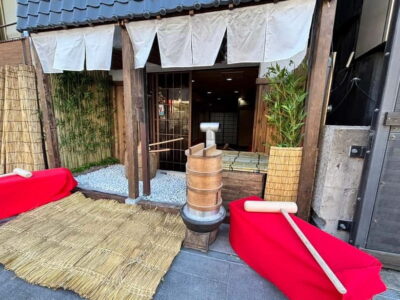
Traditional Mochi Pounding Experience with Tasting
Read our review →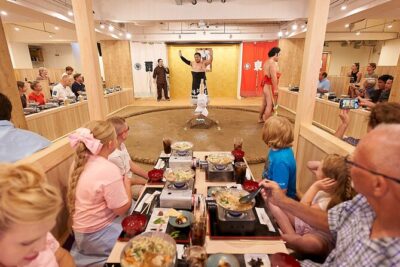
TokyoSumoShow, ChickenHotPot, and Mochi-Pounding by Pro Wrestlers
Read our review →
Private Mochi Sweets Making class near Shibuya area
Read our review →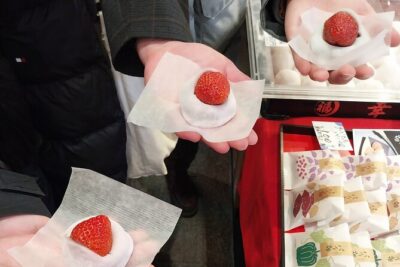
Kyoto Food Tour of 10 Tastings with Wagyu, Mochi & More Surprises
Read our review →
【For adult】Traditional Mochi Pounding Experience with Tasting
Read our review →
Kyoto Wagashi(Japanese sweets) Cooking Class near Fushimiinari
Read our review →Browse the lists this tour appears in