
Reviewed · RAMEN EXPERIENCES
Ramen Making from Scratch with Tokyo Mom(Vegan Option Available)
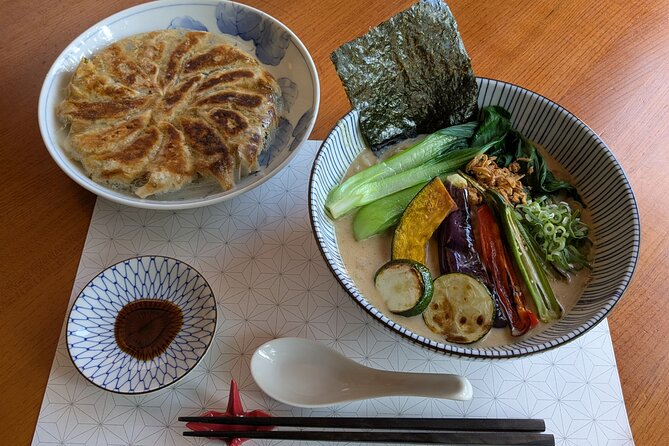
If you want Tokyo food that feels personal, this hands-on ramen and gyoza class with Aki in Shinjuku is a great pick. You are kneading noodles, building broth using Japanese umami staples, and wrapping dumplings, all in a relaxed kitchen setting.
I like two things a lot. First, the focus on no MSG or artificial flavorings means you learn how Japanese umami comes together from real ingredients. Second, it is an intimate class (max 6) run in English, with Aki and help from Kanna, and the pace feels friendly even when you bring kids.
One thing to think about: the class broth is made using chicken and pork, and the vegan option requires advance notice. Aki will do her best to adjust, but you should expect that some requests may not be fully accommodated.
Key Highlights You’ll Actually Use
- Hands-on ramen noodles and gyoza made from scratch, not a quick demo
- Japanese umami building blocks like kombu, katsuobushi, and shiitake
- Small group size (max 6) for real attention while you cook
- English-speaking host plus a warm, at-home teaching style
- Vegan option available, but dietary needs should be stated when booking
- Digital PDF recipe sheet so you can cook it again after you fly home
Why This Ramen Class in Shinjuku Feels Like Cooking With a Tokyo Mom
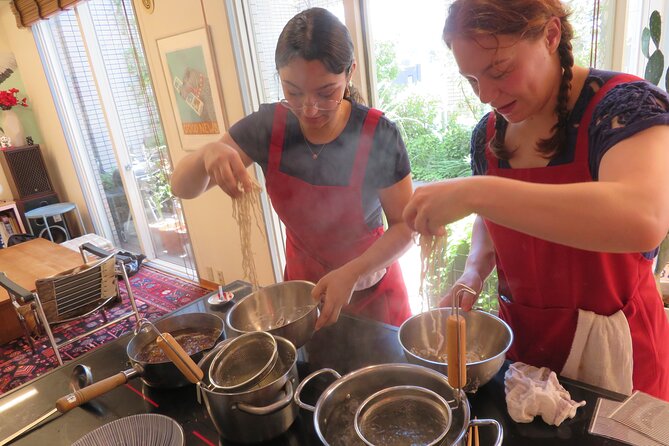
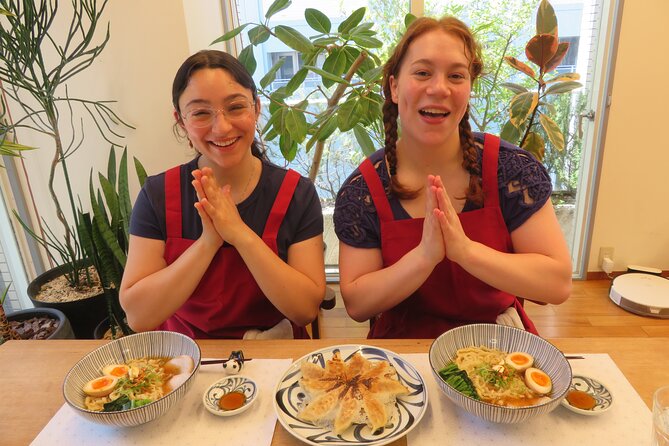
This class has the rare feel of a home kitchen, not a staged show. Aki is a Japanese mom who loves cooking and meeting people, and her vibe makes you want to slow down and enjoy the process. You cook, you ask questions, and you learn why the steps matter, not just what to do.
A big reason it works is the ingredient philosophy. Aki teaches ramen using natural ingredients and keeps it free of MSG and artificial flavorings, so you pay attention to real flavor, not shortcuts. You also get practical ideas for balancing broth taste with the umami from katsuobushi, kombu, and shiitake mushrooms.
The other thing I like is the teaching style. The kitchen runs at a pace where people can catch up, even if you are new to making noodles. In past classes, families with kids have been comfortable enough to keep up, which tells me the tone is patient and supportive.
More Ramen Experiences in Tokyo
- Eat and Drink Like a Local: Tokyo Ueno Food Tour-Taverns&Ramen
★ 5.0 · 957 reviews - Ramen & Gyoza Cooking Class in Tokyo with Local Supermarket Visit
★ 5.0 · 823 reviews - Tokyo: Ramen Tasting Tour with 6 Mini Bowls of Ramen
★ 4.9 · 432 reviews
Finding the Kitchen Near Shinjuku Gyoenmae and What Makes the Location Handy
The kitchen is about a 5 minutes’ walk from Shinjuku Gyoenmae Station, which matters more than it sounds. You are not stuck with a long transfer, and that makes this class easier to fit into a day of sightseeing.
You meet at a specific address in Shinjuku, then the class ends back at the meeting point. That loop is useful because you do not have to plan a complex post-class route when your brain is full of broth lessons and you might be hungry.
Also, the space is on a top floor with natural light and a relaxed, spacious layout. That combination usually means fewer cramped chairs and less waiting time, so you actually get more hands-on cooking.
Your 2.5 Hours Starts With Noodles, Not With a Lecture
A ramen class can go two ways, hands-on or information-only. This one is built around making ramen and gyoza yourself, and that changes everything.
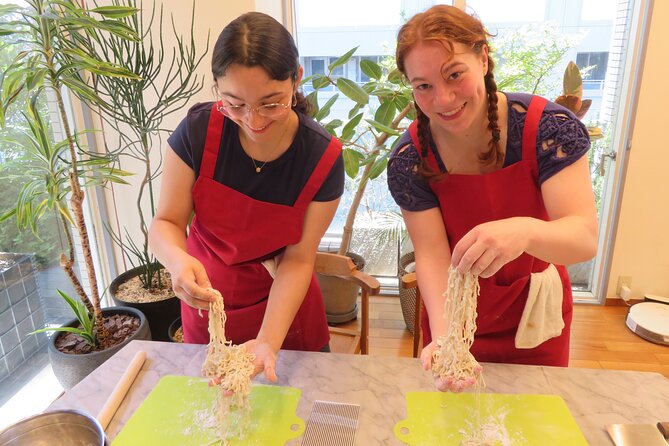
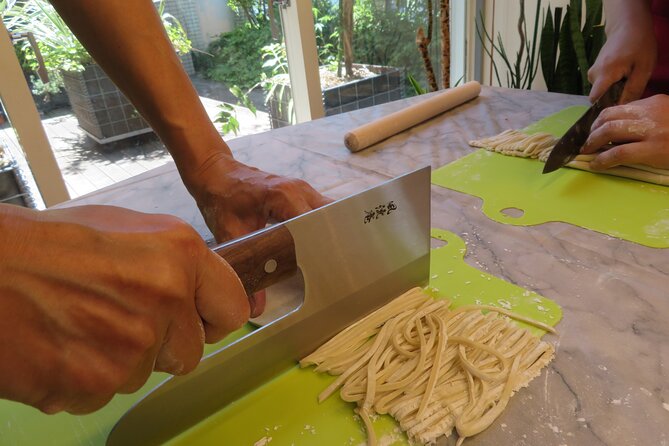
The session is about 2 to 2.5 hours, so you get time to learn core steps without dragging. You knead dough, you work the noodles, and you move from basic technique into texture and shape.
Expect to learn the noodle side of ramen, not just how ramen tastes. Texture is the whole game with noodles, and Aki’s approach is to connect what you do with what you eat, so you will remember the method when you try it later.
If you like cooking with your hands, you will probably find this part satisfying. Even if you are not confident at first, the class format is designed so you can improve step by step.
The Broth Workshop: How Japanese Umami Builds Flavor Without Shortcuts
Most people think ramen broth is complicated, and in one sense it is. But the lesson here is more practical: ramen broth is about building layers of taste using natural ingredients and then balancing them.
Aki focuses on Japanese umami staples, including kombu (kelp), katsuobushi (bonito flakes), and shiitake mushrooms. You learn what they contribute, and you see how they work together to create depth that tastes like ramen, not like a soup you made at home.
This class also uses chicken and pork to create a rich, satisfying broth. That is a big point for non-vegans because you are learning the flavor profile used in many classic styles, not just a vegetarian shortcut.
A helpful thing to keep in mind as you cook: umami is not one flavor, it is a balancing act. The class teaches you how to think about that balance while you are making the broth, so you are not relying on guesswork later.
A change of pace from Tokyo:
- Mt Fuji and Hakone 1-Day Bus Tour Return by Bullet Train
★ 5.0 · 26,383 reviews - 1-Day Tokyo Bus Tour
★ 5.0 · 14,250 reviews - Tokyo: TOKYO SKYTREE® Admission ticket
★ 4.5 · 11,192 reviews - Tokyo: teamLab Planets TOKYO Digital Art Museum Entry Ticket
★ 4.6 · 9,779 reviews
Making Gyoza From Scratch, Then Learning What Good Dumplings Feel Like
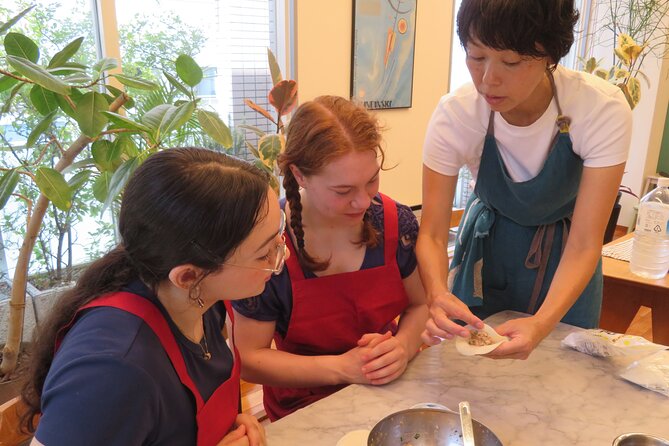
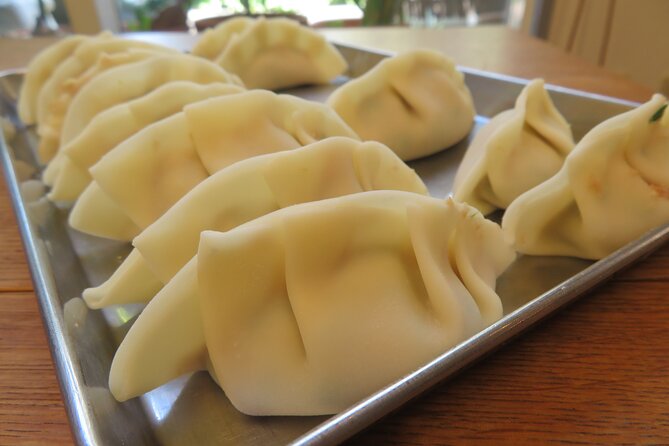
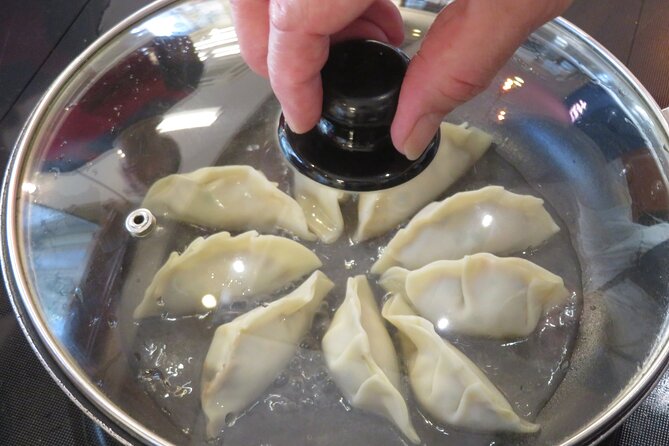
Gyoza are often treated like an afterthought, but here they are part of the main event. You make dumplings from scratch using the included ingredients and you use the kitchen tools provided.
The hands-on folding and prep gives you a tactile understanding of gyoza. When you cook them later, you will remember not just the ingredients but also the feel of the dough and how the filling should be handled.
Because this class includes both ramen and gyoza, your meal ends up feeling complete. It is not two separate cooking demos, it is one coherent cooking session where everything works together.
And yes, the dumplings are a big payoff for the time you spend on noodle work. You get a strong sense of Japanese comfort food, the kind that feels right in cool weather or after a busy day walking around Tokyo.
Flavor Options and Dietary Notes for Vegan and Other Needs
If you are booking with dietary needs, this is the section you should read closely.
The class uses chicken and pork for the broth, and a vegan option is available if you mention your dietary needs when booking. Aki will do her best to adjust ingredients, including for vegan and halal preferences, but she notes she may not be able to accommodate all requests.
So here is my practical advice. When you book, list your needs clearly and early. Do not assume the vegan version will be identical to the meat-based experience, because the ingredients will change, especially for broth.
Also, plan for learning. Even if the exact flavor profile differs, you can still take home the core techniques: noodle handling, building umami, and assembling dumplings.
That is the real value of a class like this. You are not only eating a meal tonight, you are learning a framework for making ramen and gyoza in your own kitchen.
What You Get for $120, and Why This Can Be Good Value
At $120 per person, this is not a budget street-food stop. It is a real cooking class with an English-speaking host, ingredients, tools, and a take-home recipe sheet.
So what makes the price feel fair is what is included:
- All ingredients for ramen and gyoza
- Full use of kitchen tools and apron rental
- Digital recipe sheet (PDF)
- English-speaking Japanese host
You are paying for time, instruction, and the labor of making the meal with you. That is why it is usually better value than a ticket to a fast tasting where you watch more than you cook.
The group size helps too. With a maximum of 6 travelers, you are less likely to get lost in the crowd. It is easier to ask questions and get corrections while you are handling dough, broth, and dumpling prep.
If you enjoy cooking and want skills that stick, this is the kind of activity that can feel worth it even if it costs more than a typical tour.
What Your Meal and Skills Look Like at the End
The class ends with you eating what you made. That matters because ramen and gyoza are different from many dishes, you can taste your decisions as you go.
You should leave with more than recipes in your phone. You should leave with a memory of noodle texture and broth balance, plus a method for making dumplings that is repeatable.
That is also why the PDF recipe sheet helps. When you recreate the dishes at home, you will have a clean reference for ingredients and steps, not just a vague idea of what you did.
If you are cooking for friends later, you will also get to tell a good story. Two and a half hours in a Shinjuku kitchen, making ramen and gyoza from scratch, is the kind of Tokyo experience that actually sticks.
Who This Is Best For, and Who Might Want a Different Plan
This class fits you best if you want a genuine cooking experience with real technique. If you love Japanese food and you are curious about how ramen is made, you will probably enjoy the focus on noodles and umami broth.
It is also a good choice for families, based on the class tone and the way Aki and the team make people comfortable. When kids are involved, you want patience and clear guidance, and that is part of the setup here.
If you are short on time, the 2 to 2.5 hour schedule is still manageable. Shinjuku is full of things to do, and you can pair this with a walk afterward near Shinjuku Gyoen Park, which is nearby before or after class.
One group might consider something else: if you want a pure sightseeing tour and do not want hands-on food prep. This is a cooking class first. You will be working at a kitchen table, not watching from the sidelines.
Should You Book This Ramen and Gyoza Class in Shinjuku?
I think you should book it if you want practical Tokyo food skills, not just a meal. The combination of noodle making, broth building with umami ingredients, and gyoza from scratch is the kind of whole-dish learning that feels worth the time.
You should also book if you value a small group and a patient, welcoming teacher. Aki’s style comes through as calm and supportive, and the fact that she uses natural ingredients without MSG or artificial flavorings is a big plus for anyone who cares about what they taste.
You might skip it if your dietary needs are complex and strict, because vegan and other adjustments depend on what Aki can accommodate. If you fall into that category, message early during booking and be very specific so you can set expectations.
If you want a warm, hands-on Tokyo experience you can repeat at home, this is one of the most straightforward choices in Shinjuku.
FAQ
How long is the ramen making class?
It runs about 2 to 2.5 hours.
Where is the meeting point for the class?
The start location is ブライダルユニゾンユニゾン1-chōme-24-7 Shinjuku, Shinjuku City, Tokyo 160-0022, Japan, and the activity ends back at the meeting point.
Is transportation included?
No, private transportation is not included. You are required to come directly to the venue.
What is included in the price?
The price includes all ingredients for making ramen and gyoza, full use of kitchen tools, apron rental, a digital recipe sheet (PDF), and an English-speaking Japanese host.
What dietary options are available?
A vegan option is available. Aki asks that you mention dietary needs, such as food allergies, vegan or halal preferences when booking, but she may not be able to accommodate all requests.
What ingredients are used for the ramen broth?
The class describes using chicken and pork to create a rich ramen broth, and it also highlights umami-rich ingredients like kombu, katsuobushi, and shiitake mushrooms.
Is there a limit on group size?
Yes, the maximum group size is 6 travelers.
Do I need to bring anything?
You do not need to bring ingredients or tools since they are provided. An apron rental is included.
Can I cancel and get a refund?
Yes, you can cancel for a full refund up to 24 hours in advance of the experience start time. If you cancel less than 24 hours before, the amount paid is not refunded.
Latest write-ups near Tokyo
- Harajuku Private Tour: Kawaii Fashion & Animal Cafe Included★ 5.0 · 69 reviews
- Mt Fuji Customizable Private Tour English Speaking Driver Pick-up★ 5.0 · 69 reviews
- Tokyo Night Cooking Class: 5 Home-Cooked Japanese Dishes★ 5.0 · 70 reviews
- Tokyo: Sumida Aquarium Entry Ticket★ 4.6 · 70 reviews
- Private Customizable Walking Tour of Tokyo★ 5.0 · 70 reviews
- Official Japan Go-Kart Through Tokyo Bay / Ginza (IDP Required)★ 4.5 · 71 reviews
- Wagyu Beef and Sake Pairing Foodie Tour in Tokyo★ 5.0 · 71 reviews
- Experience Big soba knife Soba Making Class in Tokyo Kappabashi★ 5.0 · 71 reviews
Ramen Experiences, compared.

Ramen Cooking Class at Ramen Factory in Kyoto
Read our review →
Eat and Drink Like a Local: Tokyo Ueno Food Tour-Taverns&Ramen
Read our review →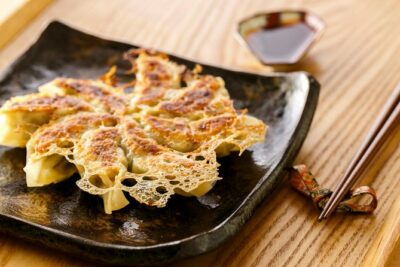
Ramen & Gyoza Cooking Class in Tokyo with Local Supermarket Visit
Read our review →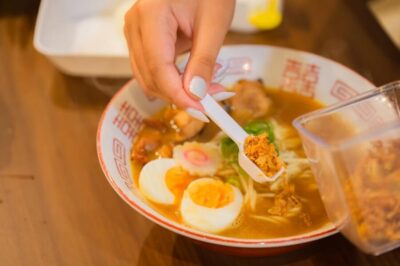
Ramen Cooking Class at a Ramen Factory with Souvenir
Read our review →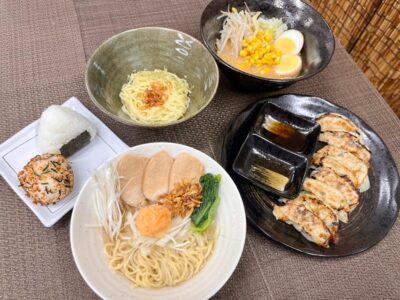
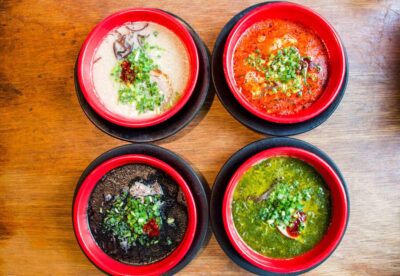

Five Must-See Highlights Walking Tour & Ramen Lunch
Read our review →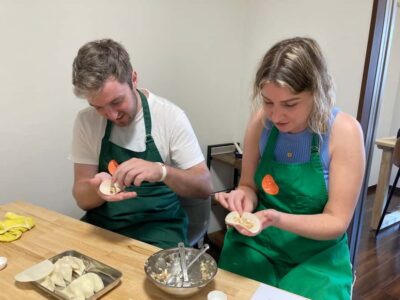
Browse the lists this tour appears in