Reviewed · CALLIGRAPHY CLASSES
Samurai dress-up and shows, plus Tea Ceremony & Calligraphy
Osaka is one of those cities where you can go full party-mode, then still find real culture without hunting for it all day. This 3-hour experience stacks samurai dress-up, sword performances, and live traditional music with tea ceremony and calligraphy, all indoors. The vibe is fun first, but you still learn a few key cultural basics along the way.
Two things I like a lot: the staff attention (especially if you get help from guides like Roi and Maya) and the way the activities blend together, not just a show-and-leave setup. One thing to consider: wearing kimono is optional and costs extra, so budget for that if you want the full look.
Key things to know before you go
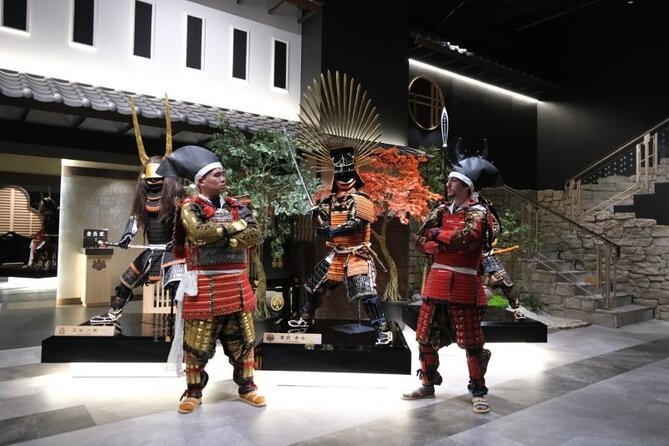
- Indoors all the way through: shows, tea, and calligraphy so weather is not part of the plan
- Samurai armor and sword performance focus: you get the costume and the performance energy in the same session
- Tea ceremony plus calligraphy: you slow down, sit, and do hands-on cultural activities
- Helpful hosts and guidance: names like Roi and Maya pop up in real experiences as attentive and detail-oriented
- Easy access from Namba and Shinsaibashi: it is described as within a short walk of major stations near Dotonbori
Samurai Armor, Tea, and Calligraphy: the straightforward pitch
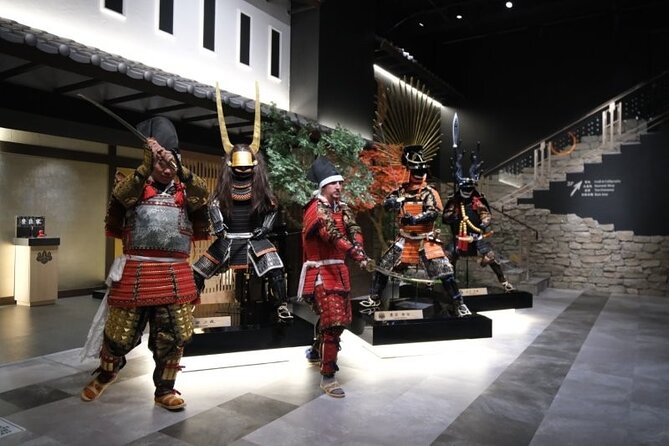
If you only have a short window in Osaka, I like experiences that do not make you choose between entertainment and culture. This one gives you both, and it does it in a tight 3-hour block, so you are not spending your day bouncing between separate neighborhoods and schedules.
The core idea is simple: you step into samurai armor, join in with shows that mix sword action and traditional music, then you shift gears to a calmer tea ceremony and a practical calligraphy session. That change of pace matters. It keeps the experience from feeling like one long performance and gives you a moment to actually do something with your hands.
The other big win is comfort. Everything is indoors, so you can relax regardless of season. In Osaka, that is not a small deal. Hot summers and damp shoulder seasons can drain your energy fast.
More Calligraphy Classes in Osaka
- Osaka: Private Japanese Calligraphy Experience
★ 5.0 · 66 reviews - Calligraphy Workshop in Namba, Dotonbori
★ 5.0 · 57 reviews - Learning Zen of Japanese Calligraphy in kimono near Osaka Castle
★ 4.5 · 53 reviews
Where it happens: Shinsaibashi ARTY Inn and the Dotonbori shortcut
This experience is based at Shinsaibashi ARTY Inn, and it is located about a 5-minute walk from Dotonbori. That is handy because Dotonbori is where most people already end up for food and lights, so you are not adding a major detour to your day.
It also sounds well connected to transit. You are told the venue is within about a 10-minute walk from stations in the Namba and Shinsaibashi area. Practically, that means you can pair this with a morning in one area and dinner in the other without constantly checking taxis or complicated routes.
One more practical detail I appreciate: there is a locker. If you are carrying a bag, buying snacks, or hauling a camera around, you can store things so you can move comfortably during the armor and hands-on parts.
The 3-hour flow: how the session stays fun without feeling rushed
The schedule is short enough that you stay engaged, but structured enough that you are not left guessing what comes next. You start at the venue, then you move into the samurai-themed portion, and later switch to tea and calligraphy.
A key point from the experience description is that you choose which activities to start with, and staff assist. That flexibility matters more than it sounds. If you are more excited about the sword performance first, you can aim your momentum there. If you prefer the calmer activity early, you can do that too.
The tour is also described as accessible for most travelers, which usually means instructions are clear and the format is friendly for first-timers. You should still read your own comfort level, especially if you are sensitive to being in costumes or staying seated for tea and writing, but the overall setup is designed to feel welcoming.
Samurai armor shows and sword performances: the high-energy hook
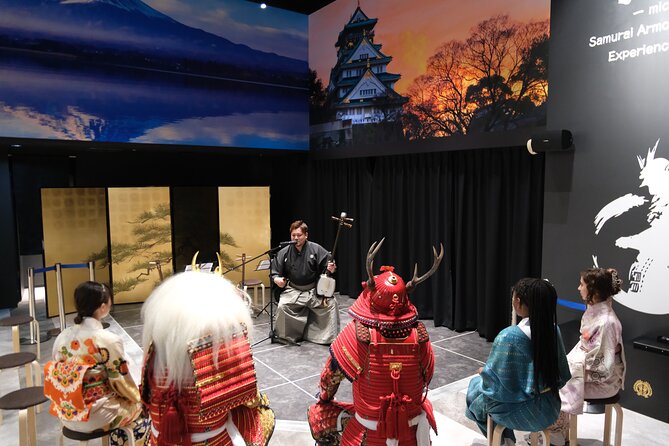
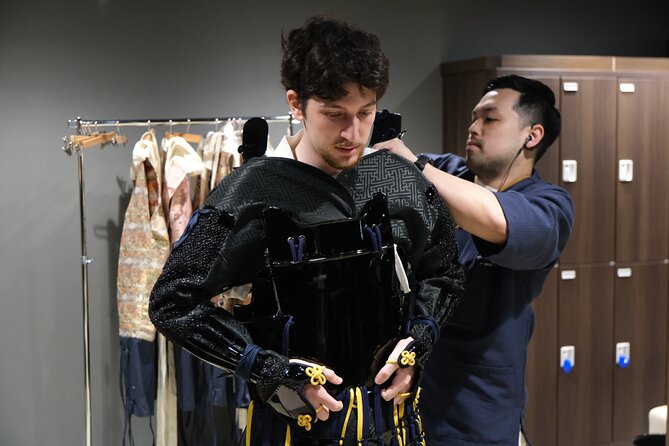
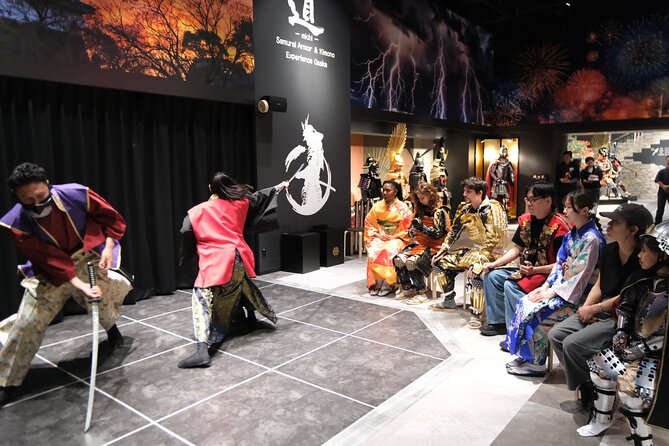
This is the part most people book for, and it is also where you get the most memorable photos. You are not just watching from the sidelines. You get to dress as a samurai and participate in shows that include sword performances and live traditional music.
I like this format because it turns history into something you can physically react to. When you wear the armor, even if it is only part of the time, your brain switches from spectator mode to participant mode. That makes everything else easier to understand, including what the performers are doing and why the music matters.
There is also a practical upside: since the whole thing happens indoors, the performance is not dependent on crowds, street noise, or wind. If you have ever tried to enjoy something in an outdoor Osaka street setting, you know why that matters.
Possible drawback: if you are extremely into swords as a technical hobby, you might find this more performance-and-culture than training. But if you want authentic flavor with a satisfying show, it fits really well.
More Samurai & Ninja Experiences in Osaka
- Samurai Training Experience KENDO in Osaka
★ 5.0 · 515 reviews - OSAKA NIGHT FUSION Japanese Taiko Kabuki Samurai Dance Show
★ 4.8 · 155 reviews - Osaka: Samurai Training Experience KENDO in Osaka
★ 5.0 · 111 reviews - Osaka: A Modern Samurai, Kabuki, Taiko, & Dance Show
★ 4.5 · 66 reviews
Live traditional music: why it is more than background
A lot of cultural tours include music, but it can feel like decoration. Here, live traditional music is part of the core experience, tied to the performances and the overall atmosphere.
When music is live and you are in the middle of the action, it helps you understand pacing. Samurai shows are not just about movement, they are also about timing, emphasis, and rhythm. The music gives those moments shape, so you remember what happened, not just that something happened.
If you are the type who likes details, this is a good place to slow down mentally. Even if you do not know the instruments by name, listen for how the music changes when the performers switch sections of the show. That is often where the meaning hides.
Tea ceremony: the reset button after armor and motion
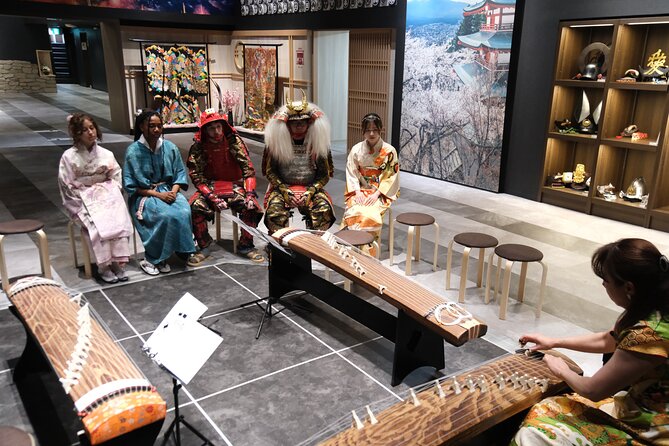
After the energetic portion, you shift to a refined tea ceremony. This is not described as a long scripted lecture. It is set up as an activity you take part in, which is exactly what you want if you are trying to understand Japanese culture without drowning in information.
I like that the tea portion comes after the show. The armor and sword performances bring adrenaline. Tea brings focus. You can feel your body relax, and then the calligraphy makes even more sense, because both involve concentration and controlled movement.
You also get tea included, with coffee and/or tea plus hot or cold water and tea listed as complimentary. That is a practical touch, especially if you are doing this at a time when you need hydration but do not want to stop for a café and lose your schedule.
Calligraphy lesson: putting culture on paper
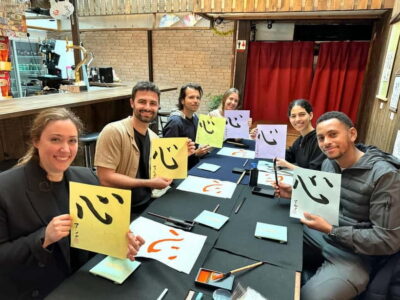
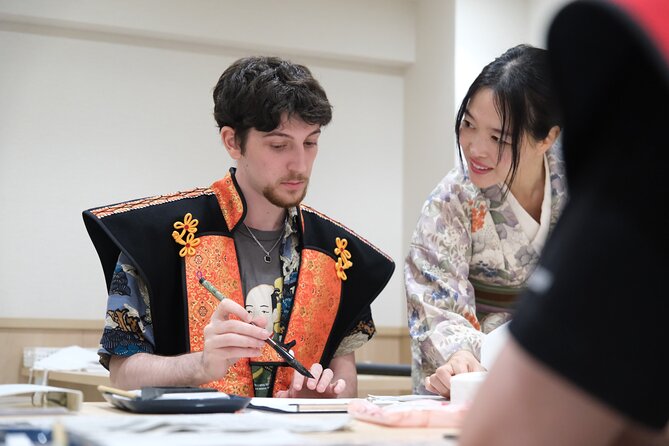
Then comes the part people often underestimate, until they do it: Japanese calligraphy. You get to try your hand at writing, not just observe.
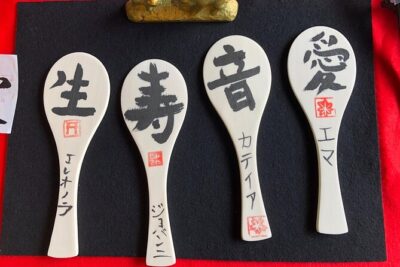
Why this matters is simple. Watching calligraphy from a distance can feel like a decoration. Doing it yourself makes you notice how technique and intention show up in the brushwork. It also gives you something tangible to take home.
Also, because the tea ceremony is built in, you are not just copying characters as a school assignment. You are usually writing in a calmer mental space, which makes the learning feel more meaningful.
No matter your skill level, the lesson format is designed for first-timers. If you are traveling with friends or family, calligraphy is also a great shared activity because it creates talking points right away, like comparing your strokes or helping each other adjust grip and pressure.
The optional kimono cost: how to decide without regret
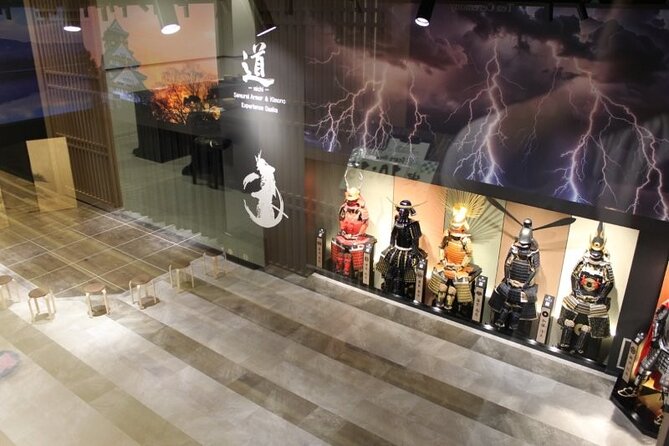
Kimono wearing is listed as not included, at ¥19,800 per person. If you have been dreaming about dressing up in Japan, this can be a tempting add-on.
Here is how I would decide: if you are the type who values photos and full costume immersion, kimono may be worth it. If you are budget-conscious, remember you already get samurai armor as part of the experience. In many cases, that may deliver the main “I became part of the story” feeling without the extra cost.
If you do choose kimono, plan your time and comfort. Costumes can affect how long you feel comfortable standing, and calligraphy and tea will still require careful movement.
Price and value: what the $123.87 is really buying
At $123.87 per person for about 3 hours, you are paying for a bundle: costume time, shows with sword performance and live traditional music, and hands-on tea and calligraphy.
That is the value proposition. You are not paying just for one item. You are paying for a staffed, indoor program where the cultural activities are timed and supported, with added conveniences like a locker and included tea/coffee.
The fact that the experience is indoors is also part of the value. You are less likely to lose enjoyment to weather. That matters in Osaka, where humidity and rain can turn a flexible plan into a stressful one.
Just keep in mind what is not included. Kimono is extra, and you should be prepared for that if you want the full outfit look.
Location and timing: how to fit it into an Osaka day
Because it is near Dotonbori, I would schedule this around a time when you can use the neighborhood before or after. For example, do the samurai and tea segment earlier in the day, then head out for dinner and lights.
Indoors also means you can choose an off-peak time when you want a break from the street crowd. If you have a day that gets hot or rainy, this kind of plan saves your mood.
You also have the convenience of a mobile ticket. That reduces last-minute stress. Bring your phone, and you are good.
Who should book this, and who might skip it
I would recommend this experience if you want:
- A fun, participatory cultural stop in a short amount of time
- Photo-friendly dressing up that does not require you to plan extra rentals
- Hands-on learning with calligraphy plus a calmer tea ceremony
- A guided experience with welcoming staff, and possible personalized help from people like Roi and Maya
It might not be the best fit if you only want a deep, academic class. The session is interactive and performance-driven, not a museum lecture.
Small tips that can make your visit smoother
First, wear comfortable clothes under the costume. Even if you do not add kimono, you may still wear armor for part of the experience, and that can limit what you want to wear on top.
Second, use the locker. Do not carry extra bags into parts of the session that require space or careful handling.
Third, treat it like a paced evening, not a quick photo stop. You will get the most out of it by staying present during the tea ceremony and calligraphy, not just waiting for the next performance cue.
Finally, if you care about the order of activities, remember you can choose where you want to start, and staff will assist. Go with your personal energy level, not what sounds best on paper.
Should you book Samurai dress-up, shows, tea ceremony, and calligraphy?
Book it if you want a compact Osaka experience that blends samurai armor, sword performances, and live traditional music with two hands-on cultural activities. At this price point, it is a strong deal for a staffed, indoor, multi-part program that does not require separate tickets or long travel between stops.
Skip it only if you are looking for a purely historical deep-dive or a long, slow workshop. This is designed to be active, friendly, and approachable, with the kind of structure that works well even when you are new to Japanese culture.
If you do book, give yourself a little breathing room before or after. You are near Dotonbori, so it is easy to build a great day around it, and you will appreciate having energy for both costume photos and the calmer tea and writing moments.
FAQ
How long is the experience?
It runs for about 3 hours.
Where does it take place in Osaka?
The experience is held at Shinsaibashi ARTY Inn, about a 5-minute walk from Dotonbori.
What is included in the price?
Coffee and/or tea, hot or cold water and tea, WiFi, and a locker are included. Public transportation is described as being within about a 10-minute walk from stations such as Namba and Shinsaibashi.
Is the samurai dress-up included?
Yes, the experience includes samurai dress-up as part of the activities.
Can I also wear a kimono?
You can wear a kimono for an additional cost of ¥19,800 per person. Kimono is not included in the base price.
Is the experience indoors?
Yes, all activities are indoors, so it is planned to be comfortable in any season.
Do I need to print anything?
You receive a mobile ticket.
What is the cancellation policy?
Free cancellation is available up to 24 hours in advance for a full refund. If you cancel less than 24 hours before the start time, the amount you paid is not refunded.
Is the tour suitable for most people?
The experience is described as suitable for most travelers.
More Tea Ceremonies in Osaka
- Osaka: Tea Ceremony Experience
★ 4.9 · 1,426 reviews - Tea Ceremony Experience in Osaka Doutonbori
★ 5.0 · 754 reviews - Matcha Making Class in Osaka with Authentic Japanese Sweets Set
★ 5.0 · 509 reviews - Osaka: Matcha Making Experience with Japanese Sweets
★ 5.0 · 146 reviews
Latest write-ups near Osaka
- Osaka Private Tour with Government-Licensed Guide★ 4.8 · 20 reviews
- Guided Photography Tour in Osaka: Capturing Memories★ 4.5 · 20 reviews
- Osaka: Food Tour at Night with Tastings★ 4.9 · 20 reviews
- Kansai/KIX Airport to or from Osaka/Kyoto Private Transfer★ 5.0 · 20 reviews
- Osaka: City Highlights Bike Tour★ 4.7 · 20 reviews
- From Osaka/Kyoto: Amanohashidate Day Tour【Including tickets】★ 3.7 · 20 reviews
- Osaka Okonomiyaki Cooking Class “Learn here and make it at home”★ 5.0 · 20 reviews
- Volleyball in Osaka & Kyoto with Locals!★ 5.0 · 21 reviews
Calligraphy Classes, compared.
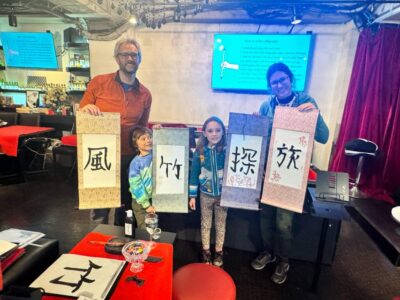
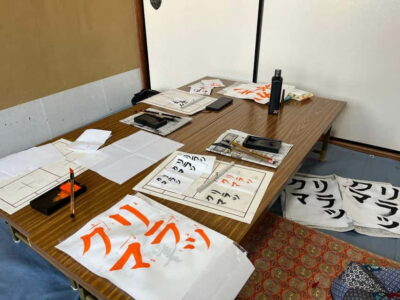
Calligraphy class at Buddhist temple in city center
Read our review →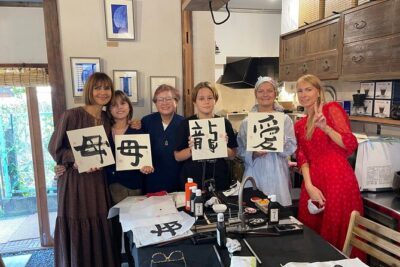
Let’s experience calligraphy in YANAKA, Taito-ku, TOKYO !!
Read our review →
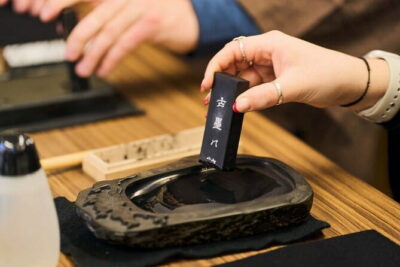
Calligraphy Workshop & Original T-Shirt Creation
Read our review →