
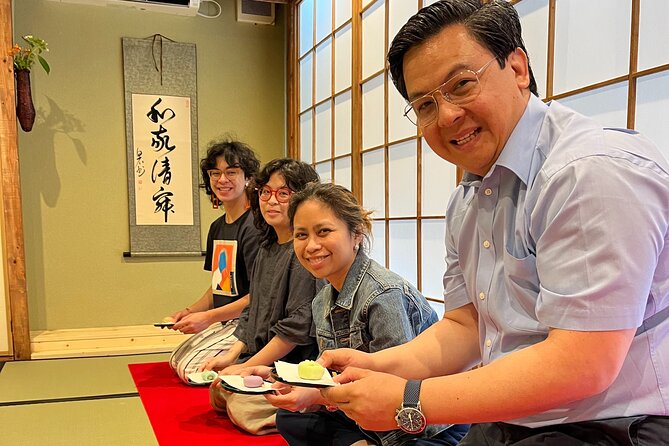
Reviewed · TEA CEREMONIES
Tea Ceremony Experience in Osaka Doutonbori
Tea ceremony in the middle of Dōtonbori is the kind of contrast that makes you grin. You step out into busy Osaka streets, then head up to a calmer space where the whole point is slowing down, learning etiquette, and making matcha the right way. This is a hands-on cultural class that still works well for people who have never held a chasen before.
I especially like that it is small-group and family-friendly. You get real instruction, and kids can have a caffeine-free matcha option (matcha milk). One thing to consider is the format: it is short and focused, so if you’re chasing a long, ultra-formal tea-house experience, this may feel more like a lively lesson than a multi-hour ritual.
Key things to know
- Where it is in Dōtonbori: located on the 2F inside the Tea Ceremony Osaka The Osaka building, near public transport.
- Small group cap: a maximum of 15 travelers, which keeps the attention personal.
- You do more than watch: you make and drink your own matcha.
- Family-friendly tea: there are caffeine-free options for children, including caffeine-free matcha milk.
- Bring the right expectations: the class runs about 45 minutes, so it moves at lesson speed.
Dōtonbori tea on the 2F: finding Tea Ceremony Osaka The Osaka
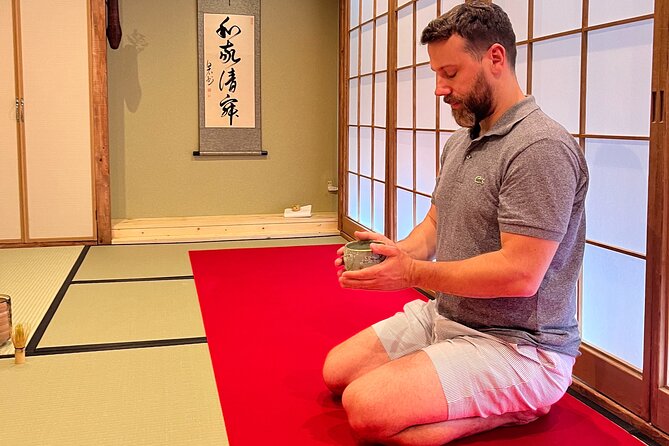
The meeting point is right in Osaka’s Chuo Ward, Dōtonbori area, at a place called Tea Ceremony Osaka The Osaka (茶道体験The Osaka). The address is listed as:
Tea Ceremony Osaka The Osaka,
Make matchaJapan, 542-0077 Osaka, Chuo Ward, Dōtonbori, 1-chōme Higashi 5-26, Dōtonbori Building 2F.
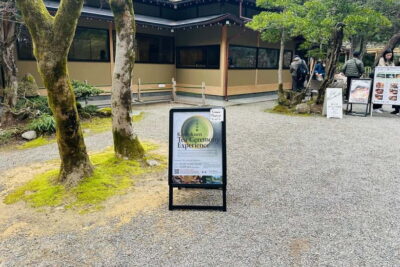
This is the part worth paying attention to. The instructions specifically warn that the most common mistake is typing the address as 1-5-26 and forgetting the Higashi (東). If you use Google Maps, search for tea ceremony osaka the osaka rather than relying on a map link that may point somewhere else. When you do arrive, look for the upstairs door. Multiple reviews mention guests being guided upstairs, so plan for that transition from street energy to studio calm.
Location matters here. Being in central Osaka means you can pair this with other Dōtonbori plans, and you won’t need a separate half-day commute just to do a tea ceremony. It also helps that it’s near public transportation, so you’re not stuck trying to time a taxi every time you shift neighborhoods.
More Tea Ceremonies in Osaka
- Osaka: Tea Ceremony Experience
★ 4.9 · 1,426 reviews - Matcha Making Class in Osaka with Authentic Japanese Sweets Set
★ 5.0 · 509 reviews - Osaka: Matcha Making Experience with Japanese Sweets
★ 5.0 · 146 reviews
What you actually do: the 45-minute matcha ceremony flow
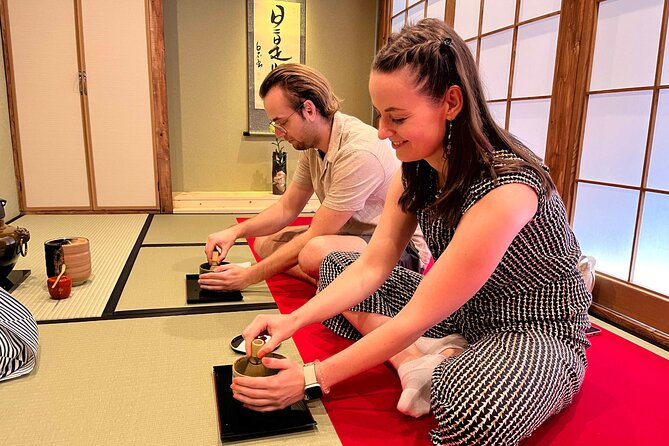
The experience is built around three phases: learn the meaning, watch the ritual, then do it yourself.
First, your instructor explains the culture, traditions, and etiquette of the tea ceremony. You’re not just handed a script. You get the “why” behind the steps, which makes the actions feel intentional instead of random tool handling. Even the tone of the class tends to feel gentle and focused, with hosts using clear pacing and friendly guidance.
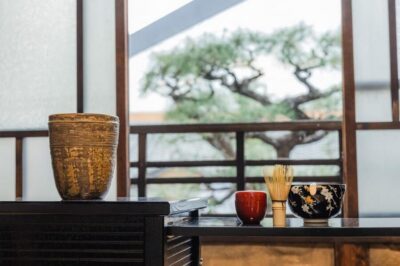
Next, you watch the tea ceremony as it is traditionally performed. You’ll see how the utensils are used, how the matcha is prepared, and how the serving and drinking work. This part is short, but it gives you a template to copy when it’s your turn.
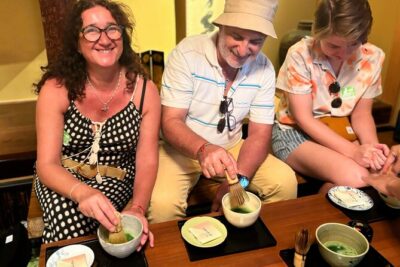
Then comes the hands-on moment. You make your own matcha and drink it. The class is designed so you’re not just tasting, you’re participating. That matters because matcha making is very specific: whisking technique, the texture you’re aiming for, and how you treat the tools all change the final cup.
Expect to finish back at the meeting point. The whole run is about 45 minutes (approx.), which is ideal if you want something meaningful without losing half your day.
The “watch and learn” part, plus why etiquette is more than manners
Tea ceremony etiquette can sound formal on paper. In real life, the instruction is practical. You learn how to handle the utensils with care, how to move through the steps in order, and how serving and drinking are part of a respectful exchange.
One reason this style works is that you’re learning in a small room. The class is capped at 15 travelers, and that setup typically means the instructor can correct posture, grip, and timing without rushing. Many people highlight the interactive nature, and that lines up with how you actually learn matcha. You need feedback.
Another nice touch is the tone. Reviews mention hosts using light humor and playful moments, like funny sound effects during steps and relaxed, welcoming body language. That doesn’t make the ceremony less real. It makes the learning feel easier, especially if you’re doing this as a first-timer.
If you want a takeaway beyond matcha, focus on the etiquette concepts: calm pacing, respect for the tools, and attention to the moment. That is what turns a lesson into a memory.
Matcha and sweets: what’s included and what to notice in the cup
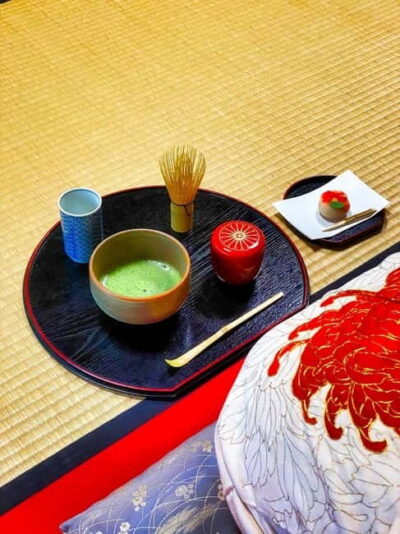
You’ll enjoy matcha green tea and Japanese sweets as part of the experience. The class also includes making your own bowl of matcha, so you get both a hosted tasting and a do-it-yourself cup.
Here’s what to notice when you drink:
- Matcha is judged partly by texture. If your whisking is right, you get a smoother, more even foam on top.
- The aroma matters. Freshly prepared matcha smells greener and more fragrant than matcha that has been sitting.
- Your first sip is where you realize it is a different drink than casual café matcha. This is matcha as ritual beverage, not just a flavor.
The sweets are traditional and often match the season, with many guests mentioning a seasonal variety. Since sweets are included, you’re not leaving hungry, and it gives your tea break a complete feeling, like a small pause in the day rather than a quick taste-and-run.
Also, if you’re sensitive to caffeine, you’ll appreciate the child option details discussed below. Adults do not get a separate caffeine-free option mentioned in the data, so if caffeine is an issue for you personally, consider checking with the provider before booking.
A change of pace from Osaka:
- Osaka Go Karting Tour with Funny Costume
★ 5.0 · 2,658 reviews - Osaka Castle: Museum and Tower Entry Ticket
★ 4.5 · 2,380 reviews - Osaka: Shinsekai Food Tour with 13-15 Dishes at 5 Eateries
★ 4.8 · 2,204 reviews - Osaka Food Tour: 13 Dishes at 5 Local Eateries
★ 5.0 · 2,149 reviews
Hosts matter: English instruction and the personalities behind the bowls
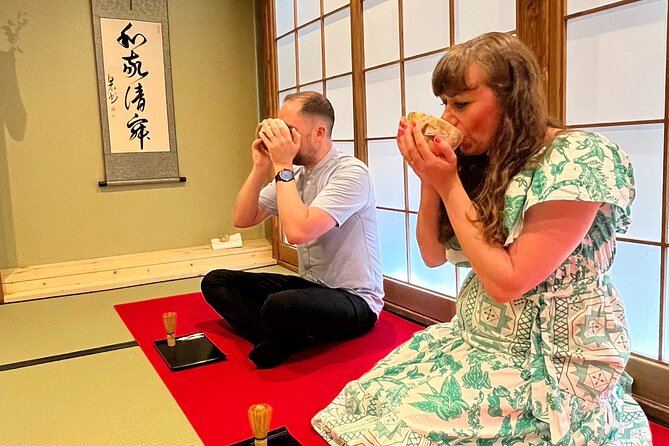
A big reason this class earns such strong ratings is the instructor experience. Many reviews call out hosts who speak very good English and explain each step clearly. Names that show up include Kazu, Mai, and Soda.
You’ll feel the difference in how instruction is delivered. It is not just what you’re told, it’s how it is paced. Reviews repeatedly mention a relaxed, welcoming environment, plus the feeling that the instructor is generous with explanations. One guest even notes that when something went wrong during the session, the host handled it calmly and waited until it was sorted out. That kind of steady, caring presence helps everyone feel comfortable.
If you care about learning, pay attention to how your host talks through the meaning of the steps, not just the steps themselves. That is what helps you recreate something at home later, even if you’re using simpler tools.
Family-friendly Osaka: caffeine-free matcha milk and age limits
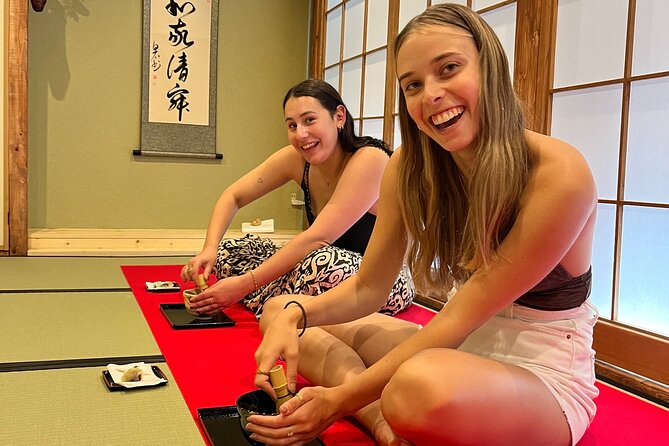
This is set up to work for families. The class is family-friendly, and there are caffeine-free options for children.
For kids, the data says they have caffeine-free matcha milk for children. That’s a smart detail. It means your child can participate in the ritual part without you worrying about caffeine content turning your tea break into a late-night event.
Age rules are important here. If you’re traveling with a child under age 5, you must contact the provider in advance because they cannot join the regular plan. Also, children under age 5 may not be allowed to enter even if an adult has a ticket. For families, this is the main decision point to verify early so you don’t get surprised on the day.
If you’re traveling with a child who is old enough to join the regular plan, the class being hands-on is the advantage. Kids are not stuck watching politely. They can participate in the experience through the provided caffeine-free option.
Price and value in central Osaka
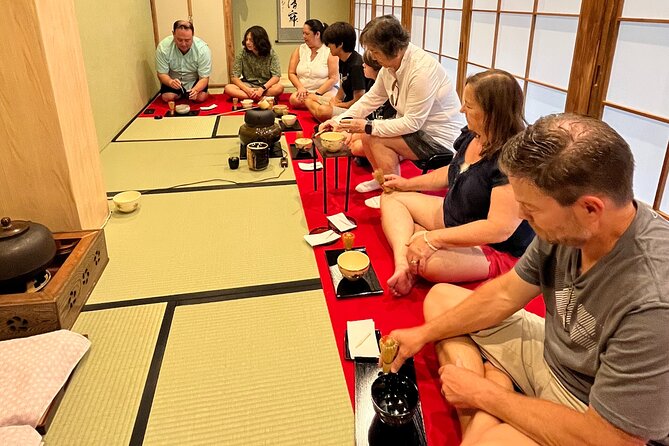
The price is $20.69 per person. For central Osaka, that can be a great value because you’re paying for more than entry. You’re paying for:
- instruction in tea ceremony culture and etiquette
- a guided demonstration
- hands-on practice making matcha
- matcha green tea tasting
- Japanese sweets included
- a small-group format capped at 15 travelers
Could you get cheaper matcha in a restaurant? Sure. But this isn’t really about buying tea. It’s about learning how to make and serve it as a tradition, then tasting it in the same flow you just practiced.
Duration also helps the math. With about 45 minutes, you’re not committing to a half-day block. It fits into a typical Osaka day plan nicely, especially if you already plan to be around Dōtonbori.
Who should book this matcha experience in Dōtonbori
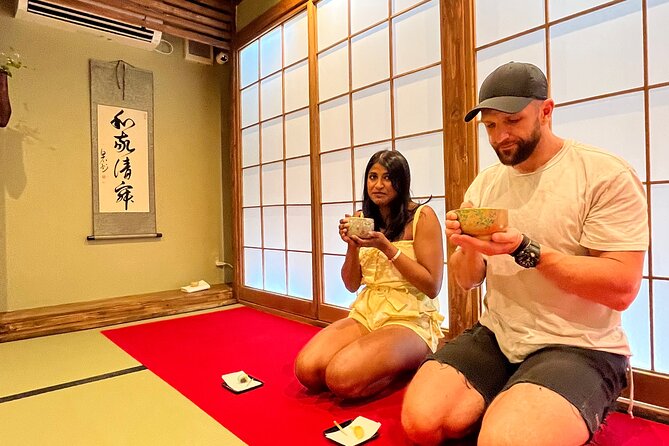
Book this if you want a short, structured cultural activity in the center of Osaka that still feels personal. It is ideal for:
- first-time visitors who want something more meaningful than a photo stop
- couples and small groups who enjoy hands-on workshops
- families with kids who can join the regular plan, plus who want the caffeine-free matcha milk option
- anyone who likes learning cultural context, not just consuming a product
You might want a different option if:
- you are looking for a long, formal ceremony experience that stretches for hours
- you need flexibility for very young kids under 5, since the data says they cannot join the regular plan and may be restricted even with a ticket
- you want something that is mostly sightseeing. This is about doing, tasting, and learning.
Should you book Tea Ceremony Osaka The Osaka in Dōtonbori?
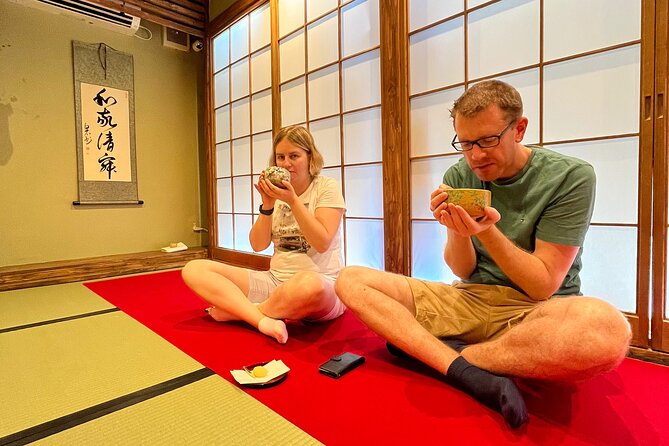
If you like the idea of trading Dōtonbori street noise for a calm 45 minutes with real participation, I’d say yes. The strongest pull here is the combination of small-group attention, hands-on matcha making, and clear instruction in English from hosts like Kazu and Mai. Add in Japanese sweets and the fact that kids have a caffeine-free matcha milk option, and it becomes a very solid all-around pick.
The main reason to pause is the pace. This is not a long tea journey, it’s a focused lesson. If that matches your style and schedule, this feels like a smart booking.
FAQ
How long is the tea ceremony experience in Osaka?
The experience lasts about 45 minutes (approx.).
How much does it cost?
The price is $20.69 per person.
Where is the meeting point?
Meet at Tea Ceremony Osaka The Osaka (茶道体験The Osaka), Make matchaJapan, Chuo Ward, Dōtonbori, 1-chōme Higashi 5-26, Dōtonbori Building 2F (542-0077).
Is it a small group or a large group?
It has a maximum of 15 travelers.
What do I do during the class?
You’ll learn about tea ceremony culture, traditions, and etiquette, watch the tea ceremony, enjoy matcha green tea and Japanese sweets, and make and drink your own matcha.
Do children get a caffeine-free option?
Yes. For children’s matcha, there is caffeine-free matcha milk.
Can children under age 5 join?
If you are accompanied by a child under 5, you need to contact the provider in advance, and children under 5 may not be allowed to enter even if an adult has a ticket.
Do I receive a confirmation after booking?
Yes. Confirmation is received at time of booking.
What ticket do I need?
This experience uses a mobile ticket.
Is free cancellation available?
Yes. You can cancel for a full refund up to 24 hours in advance of the start time.
Latest write-ups near Osaka
- 90 min Shared Handmade Udon Experience★ 5.0 · 70 reviews
- Ramen and Gyoza Cooking Class in Osaka Dotonbori★ 5.0 · 73 reviews
- Osaka: Sushi Making in Spacious Studio (SAME-DAY OK!)★ 5.0 · 75 reviews
- Osaka E-Bike Tour With A Local Guide★ 4.7 · 75 reviews
- 1.5〜2 Hours Traditional Kintsugi Work Shop in Namba Osaka★ 5.0 · 75 reviews
- Retro Osaka Street Food Tour: Shinsekai★ 4.5 · 77 reviews
- Osaka: Osaka Castle Guided Tour with Local Guide★ 4.7 · 78 reviews
- Osaka Okonomiyaki Cooking Experience!★ 5.0 · 79 reviews
Tea Ceremonies, compared.
Tea Ceremony in a Traditional Tea House in Kiyomizu
Read our review →
World Heritage Kyoto & Nara Uji Authentic Matcha Experience
Read our review →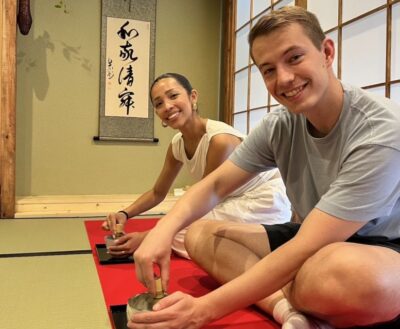
Browse the lists this tour appears in