
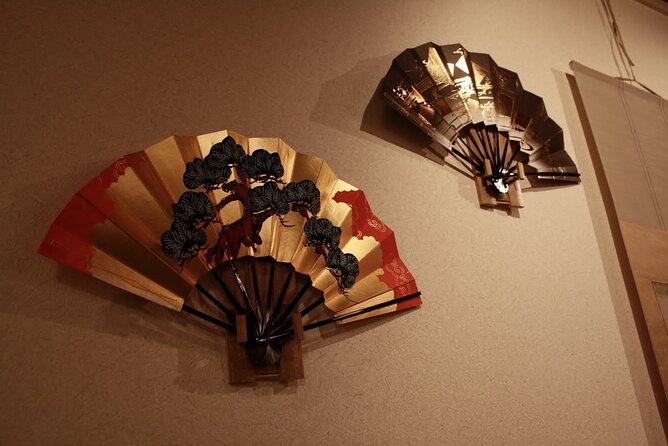
Reviewed · SAMURAI & NINJA EXPERIENCES
Samurai School in Kyoto: Samurai for a Day
This Kyoto class is interesting because you do more than watch. You learn samurai sword basics in a structured practice space, then you gear up like a warrior for photos and a finish that can include stage kenbu.
I like the way the training starts with disciplined fundamentals like bowing and drawing the sword safely before you move to strikes and more choreography. I also like that you get a real costume photo moment plus a completion certificate and a tenugui towel, not just a quick demo.
One consideration: the session includes a short film and, in some formats, a longer performance segment, so build in a little extra time and don’t assume it will feel like a quick 15 minute show-and-go.
Key Points You Can Plan Around
- Small group size (maximum 10) means you are more likely to get individual attention
- 3-minute intro film sets expectations before you suit up and start moving
- Kenbu focus trains stylized sword technique and performance routines, not only safety talk
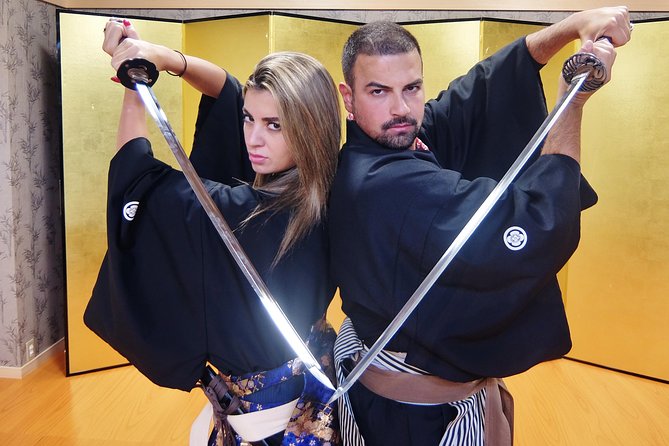
- Photo session in full samurai costume with a certificate and tenugui towel included
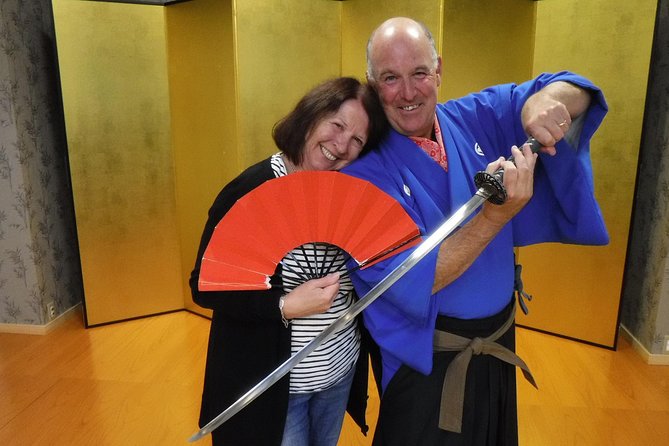
- Optional longer practice adds walking, a folding fan, and staged choreography with poem and music
- Safety and timing matter, especially for costume changes and the end-of-class photos
Why This Samurai School Works for First-Timers in Kyoto
If you want Kyoto flavor but also want your hands on something, this is a strong match. Instead of drifting through a museum, you go to a dojo environment where you practice a centuries-old warrior art as a hands-on lesson. The session is built around kenbu, a samurai performing art, so it blends martial technique with staged choreography.
What I like most is the pacing. You get an intro, then you dress in uniform gear, then you work on a small set of core actions like bowing and drawing the katana. That makes it feel doable even if you have zero sword background.
Another big plus is value. At about $66.32 per person for an experience around 1 hour 30 minutes, you are paying for instruction from an English-speaking instructor, plus supervised use of a sword, plus the costume photo moment and included keepsakes.
More Samurai & Ninja Experiences in Kyoto
- Kyoto Samurai Experience
★ 5.0 · 1,294 reviews - Kyoto: Kendo and Samurai Experience with Uniform and Gear
★ 4.9 · 815 reviews - Kyoto: Samurai Sword Class by Experts in Traditional Arts
★ 4.9 · 657 reviews
Finding the Kembu Kyoto Dojo and Getting Ready to Change
Your experience starts at the Kembu Kyoto Dojo near public transportation in Kyoto’s Higashiyama Ward area. The meeting instruction is specific: go to the first basement floor from the stairs on the right side of the GOZAN building. Aim to arrive 10 minutes to 3 minutes early, not right on the dot.
This is one of those tours where logistics can make or break your mood. You will suit up in traditional-style training gear and then later change into a full samurai costume for photos. Plan your arrival so you are not rushing through the change process.
Dress for movement. The guidance is clear: wear clothes suited for exercise and moving around. A single hoodie or tights-style outfit is not ideal for costume changes. Think practical layers and pants you can manage quickly. Also, keep an eye on your shoes, because dojo practice involves standing, bowing, and getting in and out of position.
The Start: A 3-Minute Film, Then You Suit Up
Right when you arrive, the flow is simple. You meet the instructor and watch a short 3-minute film about basic samurai practices. It is quick, but it gives you a framework for what you are about to do and why the movements look the way they do.
Then you suit up in a samurai training setup. Expect a uniform look with a white belt, Japanese-style socks, and the sword. It is not just cosplay. The costume and the belt are part of the ritual discipline in how the lesson begins.
This matters because you will not be thrown into sword play immediately. You start with the etiquette side first, then you move into handling the katana safely.
Bowing and the Katana Draw: The Core Skill Set You Practice
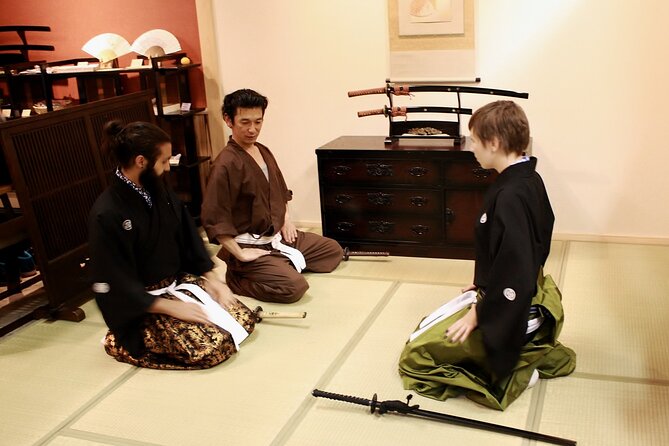
The lesson begins with two things that sound simple but take practice: bowing correctly and learning how to draw the sword and return it to the scabbard. The draw-and-sheath motion is tricky. It is also one of the most memorable parts, because it is the action people recognize as samurai.
From there, you work on the next steps: handling the sword with control and testing methods of striking. The focus stays on stylized movement consistent with kenbu training. You are not learning modern sparring. You are learning a choreography-like practice that emphasizes form, timing, and respectful discipline.
If you like martial arts or stage performance, this is where it clicks. The class is interactive, so you are doing the movements rather than only watching someone else do them. You also learn the idea of using the sword against a potential opponent, framed in a choreographed way rather than a chaotic fight.
A change of pace from Kyoto:
- PERFECT KYOTO 1-Day Bus Tour
★ 5.0 · 13,518 reviews - Kyoto: Fushimi Inari, Kinkakuji, Bamboo Grove 1 Day Bus Tour
★ 4.8 · 4,316 reviews - Kyoto: Tea Ceremony in a Traditional Tea House in Kiyomizu
★ 4.9 · 3,519 reviews - Kyoto Geisha Walking Tour: Gion District & Hidden Gems
★ 4.7 · 3,273 reviews
The Photo Session, Certificate, and Tenugui Towel Finish
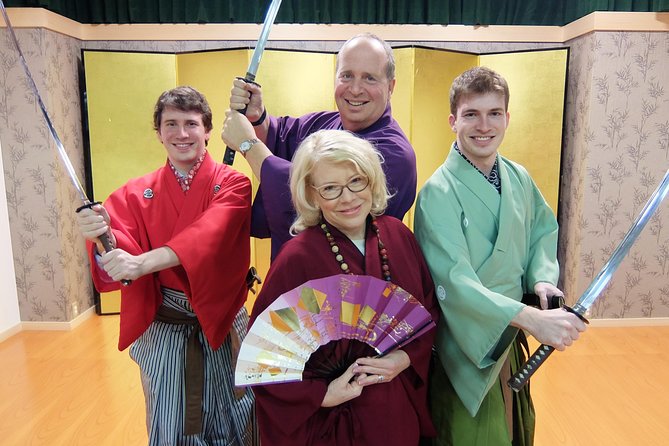
After sword training, you take a break to dress in a traditional samurai costume for a photo session. This is one of the most consistently praised parts of the experience because you get to be part of the story, not just watch it.
You also receive a few keepsakes that make the whole thing feel complete:
- a lesson completion certificate
- a tenugui towel, a Japanese traditional towel
If you plan to bring your own camera, give yourself patience. The class has multiple groups and a set schedule, so you want to be ready when the photo window opens. One practical tip: have your phone/camera ready before they call you in, and don’t expect a long, slow, super-posed studio session.
Short vs Longer Sessions: Walking, Folding Fan, and Stage Kenbu
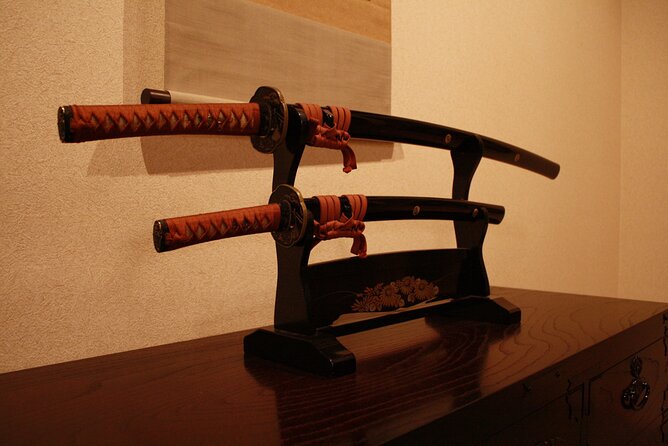
You can choose a shorter session or upgrade to a longer practice. The shorter format ends after the key training, costume photos, and the respectful bow to the instructor, with certificate and photos before you depart.
The longer option adds extra stylized work. You learn more kenbu choreography and additional elements like:
- how to walk in a more martial, formal style
- how to use a folding fan
- more challenging stage routines performed on stage, accompanied by a poem and music
This is the difference between trying kenbu and doing more of it. If you want the performance side, the longer session is the one to pick. It also helps if your group enjoys learning a bigger set of movements rather than just getting the highlights.
Professional Teaching in a Small Group Setting
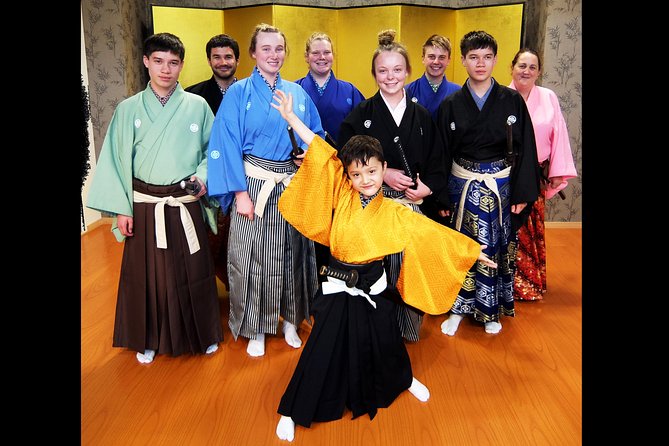
The structure here is built for clarity. The instruction is in English, and the pace is manageable for a single session. You also have a max group size of 10 travelers, which helps keep the class from feeling like a factory line.
Many people love that the teacher is patient and organized. That matters with sword training, because it is safer and calmer when everyone understands what to do next. You still need to follow instructor instructions closely for safety, and that is the correct expectation.
There is also a cultural element to the strictness. If you are traveling with kids, this kind of dojo etiquette can be a mixed bag. The training environment expects focus during practice, especially around safety rules and timing. If your group is used to hands-on instruction, you will likely enjoy the discipline.
Price and Value: What You’re Really Paying For
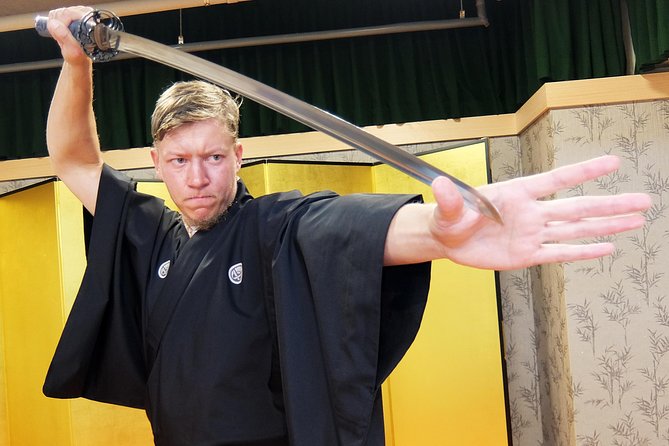
Let’s talk value without hand waving. At $66.32 per person, you are paying for several things that usually cost extra when you book separately in Japan:
- English-speaking instructor time
- supervised practice with a sword in a structured lesson
- included costume photo session
- a completion certificate
- a tenugui towel
The main value equation is this: you get a real activity, not just a viewing. You spend your time moving, practicing, dressing, and performing the choreography you learn. That can be especially worth it on a rainy day or when you want something indoor that still feels cultural and memorable.
The only reason this might not be great value for you is if you only want a quick photo moment. This is a class first. Photos are part of the experience, but the heart is training and kenbu.
Timing Tips for a Smooth Experience (Including the Show Factor)
The overall flow includes a short intro film and then your training. Some sessions also connect to a performance segment run by the dojo team, and that part can take time. Plan your day so you are not trying to squeeze in dinner bookings the second you leave.
Also, keep in mind the end-of-class pace. Costume changes and photos take time. The experience is designed to fit the schedule, so if you are late, you can end up feeling rushed.
If you hate long seated waits, try to view the film and any performance segment as part of the context. It helps you understand what you are practicing, which makes your sword work feel more connected.
Who Should Book Samurai School in Kyoto
This is a good pick if you are:
- a martial arts fan who wants form-based practice rather than chaotic fighting
- a history buff who likes learning through action
- looking for a memorable hands-on indoor activity in Kyoto
- traveling as a couple, family group, or small group that enjoys doing something together
It is also a strong option for teens, because it is active and visual, and for adults who want a structured, guided experience without a steep learning curve.
If you have mobility limits, the tour does note a moderate physical fitness level and asks you to follow safety instructions. In that case, you should decide based on your comfort with standing, bowing, and controlled movement.
Should You Book This Samurai Training Class?
I think you should book it if you want a Kyoto experience that is practical, hands-on, and actually teaches you something you can remember. The small group size, the bow and draw fundamentals, the costume photo session, and the included certificate and tenugui towel make it feel complete for the price.
Skip it or choose carefully if you only want a short, photo-only activity or if you get irritated by scheduled segments that take longer than expected. Also, plan your clothing so you can change comfortably, and arrive early enough to avoid scrambling.
If you want something different from temples and shrines, this dojo lesson is one of those days that gives you a story you can take home, along with the photos.
FAQ
How long is the Samurai for a Day experience in Kyoto?
The duration is about 1 hour 30 minutes, depending on the option you select.
Is there a longer upgraded practice option?
Yes. There is an optional longer lesson that adds more depth to the training and includes additional choreography elements.
What do I learn during the class?
You learn how to bow, how to draw a samurai sword (katana) and return it to the scabbard, and you practice sword striking methods. The longer option adds more choreographed skills, including walking and using a folding fan.
Is the instruction offered in English?
Yes. The guide and instructor are English-speaking.
Do you include a costume and photo session?
Yes. You suit up in a samurai costume for a photo session during the experience.
What is included with the booking?
Included are the English-speaking local instructor, the photo shoot, a tenugui towel, and a lesson completion certificate.
What should I wear?
Wear clothes suited for exercise and moving around. A single hoodie or tights-style outfit is not suitable for costume changes.
Where is the meeting point?
Meet on the first basement floor from the stairs on the right side of the GOZAN building, at Kyoto, Higashiyama Ward, Sanchome, 35.
Is hotel pickup or drop-off included?
No. Hotel pickup and drop-off are not included. The activity ends back at the meeting point.
Latest write-ups near Kyoto
- Kyoto: Nishiki Market Tour with a Local Foodie & Tastings★ 4.5 · 67 reviews
- Kyoto Kimono Rental mimosa |Kimono/Yukata Rental Couple Plan★ 4.8 · 67 reviews
- Kyoto: Traditional Kimono Fabric Handicrafts Workshop★ 5.0 · 67 reviews
- Kyoto Tea Ceremony and Samurai Photo Session★ 5.0 · 70 reviews
- Kyoto: Replica food making experience★ 4.8 · 70 reviews
- Kyoto: Kinkakuji, Golden Pavilion Guided Tour★ 4.7 · 71 reviews
- Private departure transfer from Kyoto city to Kansai International airport★ 5.0 · 72 reviews
- Uji: Green Tea Tour with Byodoin and Koshoji Temple Visits★ 4.8 · 72 reviews
Samurai & Ninja Experiences, compared.
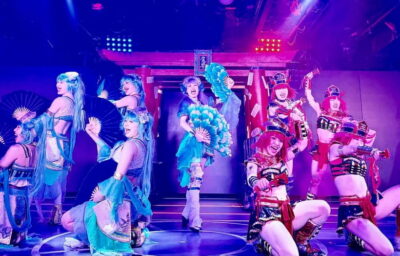
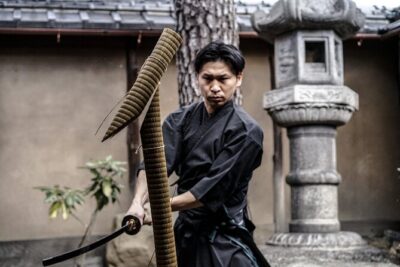
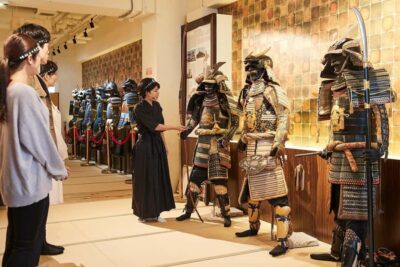
Samurai Ninja Museum Guided tour and Experience
Read our review →
Kendo and Samurai Experience with Uniform and Gear
Read our review →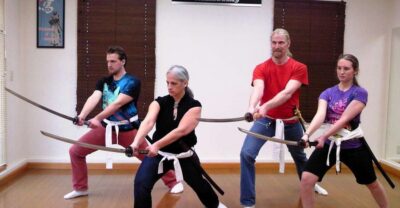
Samurai Sword Class by Experts in Traditional Arts
Read our review →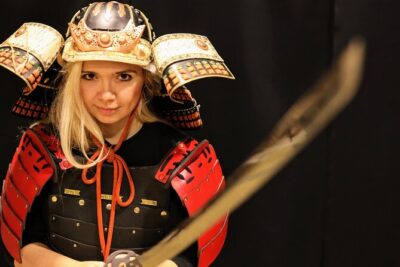
Skip the lines Basic Ticket at SAMURAI NINJA MUSEUM KYOTO
Read our review →
Samurai Sword & Archery Class from Samurai Descendant
Read our review →
Browse the lists this tour appears in