
Reviewed · SAMURAI & NINJA EXPERIENCES
Samurai Training with Modern day Musashi in Kyoto
What makes this experience interesting is that you are not watching a filmed act or a quick photo stop. You train inside a real Kyoto dojo led by Musashi, Seto Yushin, with hands-on sword work and a two-katana performance that you will not find in most “samurai costume” setups.
I love the way safety and form are taught first, so the class feels serious without being stiff. I also love the small-group feel, which keeps attention on you. One consideration: mat cutting with a real katana is not currently offered, so the focus stays on kata, handling, and discipline rather than on target impact.
Key things to know before you go
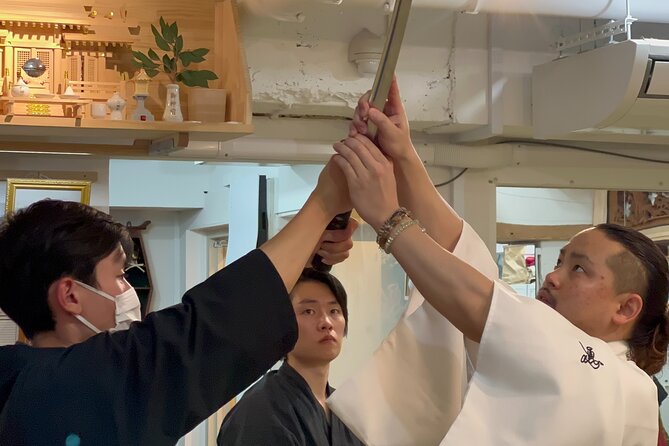
- Real dojo practice with a master and a student teaching team, not a street-level show
- Small class size (usually around 6, with a max of 9 participants) so you get real corrections
- Dress like a samurai with dōgi, obi, and hakama, then learn the etiquette behind the movements
- Draw, sheath, and wield practice using training swords designed for safe instruction
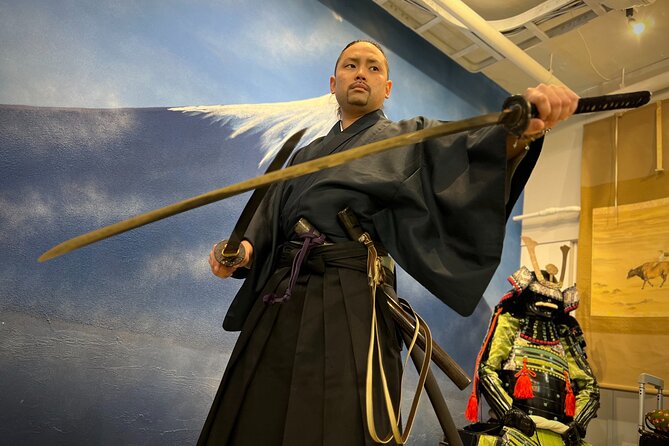
- Kata focus plus a master performance that demonstrates what the practice is building toward
- English instruction is part of the package, and you can ask questions during the session
Training With Musashi-Sensei in Kyoto, Not a Tourist Show
This is the kind of Kyoto activity that feels built for learning, not for checking a box. The setting matters, because you are training in a dojo where sword culture is part of daily practice, and the instructors carry themselves like they care about the details.
I also like that the experience is honest about what it is. You are getting instruction in sword handling and kata, you get to wear the gear, and you finish by watching the master demonstrate. That means you leave with something you can actually use as a mental framework, even if you are a total beginner.
More Samurai & Ninja Experiences in Kyoto
- Kyoto Samurai Experience
★ 5.0 · 1,294 reviews - Kyoto: Kendo and Samurai Experience with Uniform and Gear
★ 4.9 · 815 reviews - Kyoto: Samurai Sword Class by Experts in Traditional Arts
★ 4.9 · 657 reviews
Where the Dojo Is, and How to Show Up Ready to Move
The meeting point is at 452-4 Matsugaechō, Nakagyo Ward, Kyoto, 604-8034, Japan. The class is near public transportation, which helps if you are pairing this with other Kyoto sights, like temples and traditional shopping streets.
Plan to arrive with the right mindset. This is a hands-on lesson, so you will be standing, moving, and learning controlled sword movements in a seated or kneeling-ready posture. The activity lists a moderate physical fitness level, and you should treat that as real guidance, not a formality.
Also note the practical basics: you get a mobile ticket, confirmation is sent within 48 hours of booking, and you must be 12 years or older. The session ends back at the meeting point, so you are not stuck figuring out a mystery “transfer” afterward.
Dōgi, Obi, and Hakama: Dressing the Part Before You Practice
The first step is dressing. You will put on a samurai training outfit, including dōgi, obi, and hakama. It is more than a costume moment. Clothing like this shapes how you move and how you hold yourself, and it also signals you are entering the etiquette side of the practice.
I like that the instructors treat the clothing as part of the lesson flow. You are not tossed into gear and then left to figure out how to act. You get guided instruction on how to handle yourself in the space and how the culture connects to the techniques.
You will also get lessons about samurai culture and swordsmanship early on. That timing helps because it gives context before your arms start doing new things.
Learning Draw, Sheath, and Wielding: The Skills That Build Control
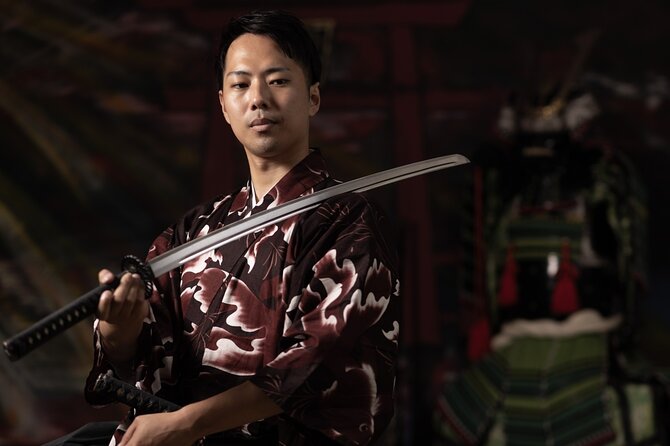
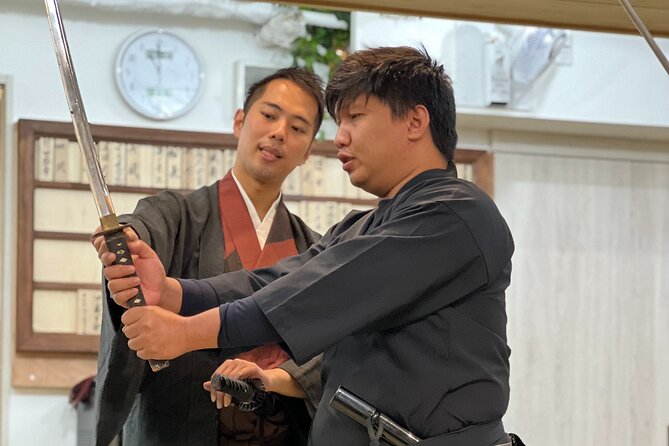
The core hands-on training covers how to draw, sheath, and wield a katana. For beginners, this is where the experience earns its value. A lot of sword demos stop at dramatic movement. Here, you focus on mechanics and control.
Instructors are there to correct your form. I think that matters because small errors get amplified when you add speed or repetition. Watching the master is cool, but practicing under guidance is what turns the experience into real learning.
One detail that makes the class feel safer and more accessible: training is done with swords suitable for instruction. Some past sessions referenced different sword sharpness rules and safe practice tools, and the overall program emphasizes safe, authentic practice through training equipment.
You should also expect a clear pace. The experience is designed for about 1 hour 45 minutes, with an expected range of 1.5 to 2 hours depending on how many participants are in the room. That time window is long enough to learn basics and still finish with a performance.
A change of pace from Kyoto:
- PERFECT KYOTO 1-Day Bus Tour
★ 5.0 · 13,518 reviews - Kyoto: Fushimi Inari, Kinkakuji, Bamboo Grove 1 Day Bus Tour
★ 4.8 · 4,316 reviews - Kyoto: Tea Ceremony in a Traditional Tea House in Kiyomizu
★ 4.9 · 3,519 reviews - Kyoto Geisha Walking Tour: Gion District & Hidden Gems
★ 4.7 · 3,273 reviews
The Katana Kata Portion: What You Actually Practice
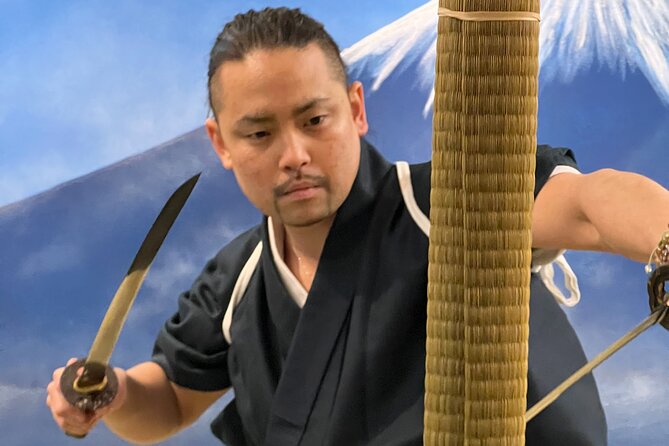
After the fundamentals, you learn an actual katana kata, meaning a structured set of movements. This is a big difference from generic “try the sword pose” experiences. Kata teaches you sequence, timing, and intention.
I like kata for another reason. Even if you forget details later, the sequence gives you a mental map of how the movement is supposed to connect. It is the difference between random sword flailing and a repeatable pattern you can improve on.
You will also learn the “why,” not just the “what.” The session includes instruction about sword handling history and the context of what samurai used swords for. That cultural layer helps the whole thing feel grounded.
If you like taking photos, you may find there is an opportunity to video and take pictures during kata learning. Still, keep it respectful. In a dojo setting, attention is part of the practice.
Watching the Two-Katana Performance and Real Sword Details
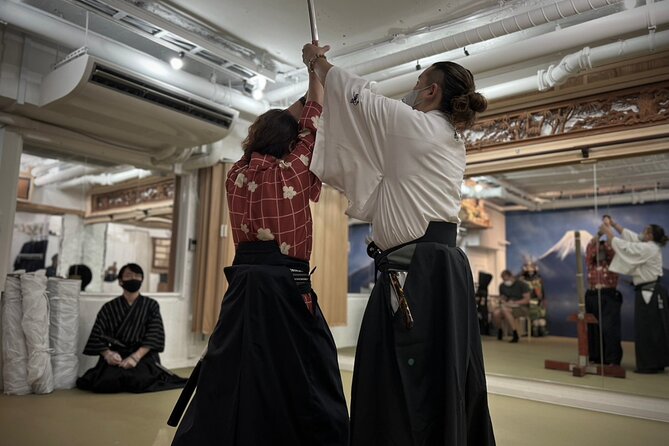
This is the part many people are excited about before they book. The program includes a powerful two-katana performance by the master, something highlighted as a signature feature. Watching it is one thing, but it is more impressive because you just spent time learning how the basics work.
You also get more sword education. Some sessions include showing the master sword and discussing components, and you can ask questions. That makes the demonstration feel like the “lesson two” of the experience, not just a finale.
One more helpful point: mat cutting with a real katana is not currently offered. If your ideal version of this includes cutting targets, you will need to adjust expectations. The value here is in the kata, the handling, and the discipline around safe practice, not in the ability to cut things.
Price and Value for About 1.5 to 2 Hours
The price is $132.65 per person. That is not cheap, but dojo-based instruction in Kyoto rarely is. The value comes from three places.
First, you are paying for one-on-one-style attention in a small group setting. The class is advertised as only 6 participants, with the note that the group may be larger if there are fewer parties. Either way, the ceiling is 9 travelers, which keeps the experience personal.
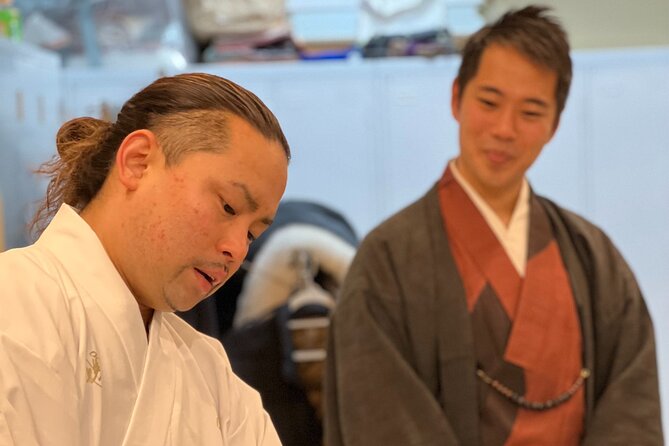
Second, you are paying for an experience led by a real master and a teaching team. The program connects Musashi with the named instructors you will meet, including Jordan and John (often acting as an interpreter/translator). That human element matters because they correct your form and answer questions in real time.
Third, you are getting more than sword moves. You get training gear, cultural context, kata practice, and a master performance. If you are the kind of person who likes your entertainment to also teach you something real, this price starts to make sense.
Who Should Book This in Kyoto, and Who Might Skip It
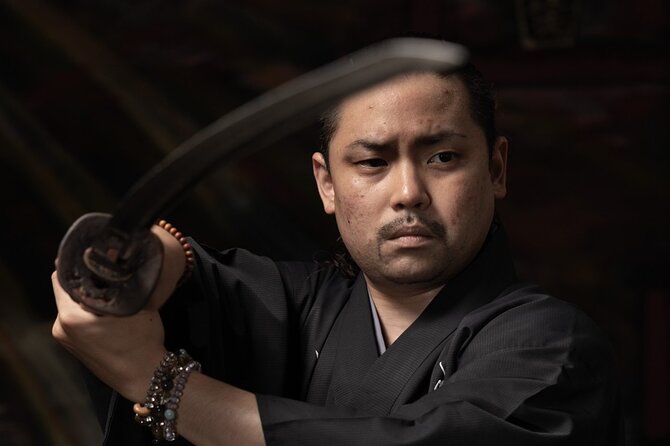
This is a great fit for you if you want authenticity and structured learning. It is especially good for families with teens, because the minimum age is 12+, and several sessions describe kids and teens doing well with the guided instruction.
It is also a good fit if you care about safety. The class emphasizes safety handling, and beginners are explicitly included. Just remember you will be moving in a dojo space, wearing traditional training gear, and following commands, so bring a cooperative attitude.
You might consider something else if you are mainly chasing “cool cutting action.” Since mat cutting with a real katana is not currently offered, the experience is more about kata and discipline than impact.
And if you have any mobility limits, check your comfort with standing, controlled motion, and moderate physical fitness. The program labels this level for a reason.
A Practical Way to Plan Around This Class
Because it ends back at the meeting point, I recommend building your day with breathing room. Kyoto has tight schedules when you hop between neighborhoods. Leave time for your travel to Matsugaechō and a bit of buffer for changing into gear and settling in.
Also, bring a question or two in your pocket. When instructors explain the background of samurai swords, who trained with them, and how handling relates to discipline, curiosity turns the session into a deeper experience.
Finally, if you are thinking about value, do the math in your head the right way. You are paying for instruction time with a master and a small class. That usually beats trying to piece together a bunch of separate “look only” experiences.
Should You Book Samurai Training With Modern Day Musashi?
If you want a Kyoto activity that feels like you actually stepped into a living martial arts world, I think this is a strong yes. The mix of authentic dojo training, small-group attention, kata practice, and the two-katana performance gives you both hands-on learning and a memorable finish.
Book it if:
- You want structured basics in draw, sheath, and kata, not just posing in costume
- You value real instruction with corrections
- You like demonstrations that connect to what you just practiced
Maybe pass if:
- You mainly want mat cutting with a real katana, since it is not currently offered
- You cannot handle moderate physical movement for a focused 1.5 to 2 hour session
One last booking tip: the experience allows free cancellation up to 24 hours in advance for a full refund, so you can choose confidently once your Kyoto plans firm up.
FAQ
How long is the Samurai Training with Modern day Musashi in Kyoto?
Plan on about 1 hour 45 minutes, and it can run 1.5 to 2 hours depending on the number of participants.
What do you learn during the class?
You dress in samurai training gear, learn about samurai culture and swordsmanship, practice how to draw, sheath, and wield, learn an actual katana kata, and then watch the master’s katana performances.
Is mat cutting with a real katana included?
No. The training notes that mat cutting with a real katana is not currently offered.
How many people are in the group?
It is designed for small groups and is described as only 6 participants per class in normal cases, with a disclaimer that there may be more if there are only a small number of parties. The maximum is 9 travelers.
Who can participate?
You must be 12 years or older to join, and the activity lists moderate physical fitness as a requirement.
Where does the tour take place?
The activity starts and ends at 452-4 Matsugaechō, Nakagyo Ward, Kyoto, 604-8034, Japan.
Latest write-ups near Kyoto
- Kyoto: Nishiki Market Tour with a Local Foodie & Tastings★ 4.5 · 67 reviews
- Kyoto Kimono Rental mimosa |Kimono/Yukata Rental Couple Plan★ 4.8 · 67 reviews
- Kyoto: Traditional Kimono Fabric Handicrafts Workshop★ 5.0 · 67 reviews
- Kyoto Tea Ceremony and Samurai Photo Session★ 5.0 · 70 reviews
- Kyoto: Replica food making experience★ 4.8 · 70 reviews
- Kyoto: Kinkakuji, Golden Pavilion Guided Tour★ 4.7 · 71 reviews
- Private departure transfer from Kyoto city to Kansai International airport★ 5.0 · 72 reviews
- Uji: Green Tea Tour with Byodoin and Koshoji Temple Visits★ 4.8 · 72 reviews
Samurai & Ninja Experiences, compared.

Samurai Ninja Museum Guided tour and Experience
Read our review →
Kendo and Samurai Experience with Uniform and Gear
Read our review →
Samurai Sword Class by Experts in Traditional Arts
Read our review →
Skip the lines Basic Ticket at SAMURAI NINJA MUSEUM KYOTO
Read our review →
Samurai Sword & Archery Class from Samurai Descendant
Read our review →
Browse the lists this tour appears in