
Reviewed · KINTSUGI WORKSHOPS
Tokyo: Kintsugi Workshop to Learn the Art of Golden Joinery
Kintsugi is interesting because it turns damage into design. This Tokyo workshop teaches golden joinery, the centuries-old Japanese art of repairing broken pottery with lacquer and powdered gold, and it does it in a slow, thoughtful way that feels more like making peace than making a craft project.
Two things I really like about this experience: you get hands-on guidance from an English-speaking instructor, and you leave with a real keepsake that has your own fingerprints in the gold seam. Anne and Chiara both came up in past sessions as instructors who explain the steps clearly and stay close enough to help when you need it.
One drawback to consider: the workshop price can feel steep if you are expecting a full, dramatic repair. A previous participant was disappointed because the class seemed to focus on only a small area of the pottery, not a whole bowl.
Key Things You’ll Notice in This Kintsugi Workshop
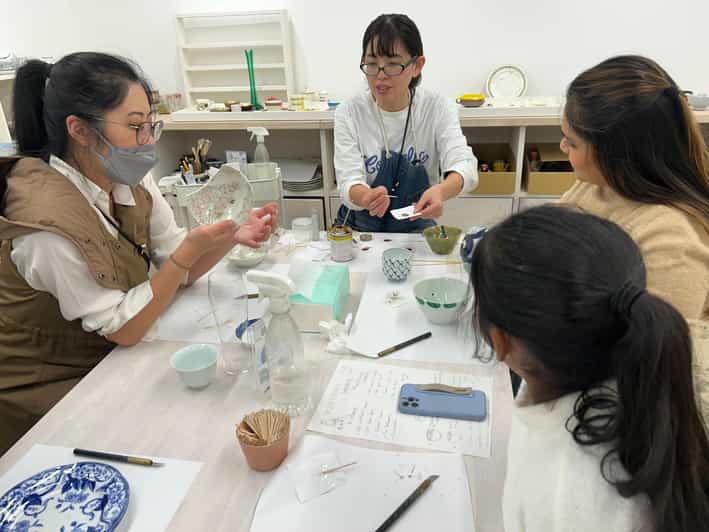
- Small group size (up to 6), so you get time to work and ask questions without being rushed
- Two-hour format, which gives enough time for the slow steps and for settling into the process
- Gold seam result, your cracks become intentional lines, not something to hide
- Wabi-sabi philosophy, you practice the idea that imperfection is part of an object’s life
- Filing or prep work, including a longer grinding step that can be challenging for impatient hands
- You take the piece home, so the repair is not just a photo moment
Golden Joinery With a Philosophy, Not Just a Craft
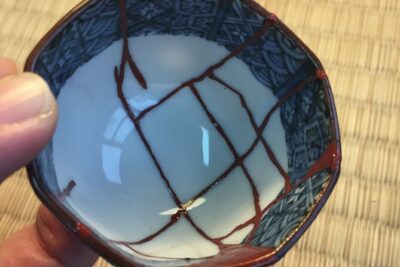
Kintsugi (金継ぎ) literally points to golden joinery. The core idea is simple: instead of tossing broken ceramics, you mend them and highlight the repair. Cracks and chips become seams. Those seams are made with lacquer plus powdered gold, silver, or platinum, depending on what your class uses.
What makes this more than a hobby is the mindset. This workshop ties the technique to Japanese aesthetics, especially wabi-sabi, the acceptance of impermanence and imperfection. You are not trying to erase a past break. You are honoring it, then giving it a new form.
In practice, that philosophical angle changes how you work. You slow down. You pay attention to alignment, texture, and finish. Even if you are not naturally patient, the format nudges you toward calm concentration. It is one of the few Japan activities where the goal is not to collect experiences, it is to do one meaningful thing slowly.
More Kintsugi Workshops in Tokyo
- Kintsugi Experience: Art of Golden Joinery in Tokyo
★ 5.0 · 467 reviews - Authentic Pure Gold Kintsugi Workshop with Master Taku in Tokyo
★ 5.0 · 217 reviews - Kintsugi Workshop Class in Shibuya, Tokyo with mon cadeau
★ 5.0 · 74 reviews
Where to Meet at Gakugei Daigaku Station (and How Not to Stress)
Your meeting point is at Gakugei Daigaku station. Before the start time, the guide messages a picture of themselves so you can match the face to the name and avoid the awkward station loitering.
Plan to arrive a few minutes early. In small-group workshops, late arrivals can throw off the setup for everyone. If you are juggling trains in Tokyo, do yourself a favor and buffer time here.
Also note a small logistics detail that matters: the workshop does not include the plate you work with. You may need to arrange one yourself, typically in a price range around ¥1,000 to ¥2,000. That means you should confirm what your class expects you to bring versus what they provide, because you do not want to show up empty-handed and then scramble.
What You Actually Make, and What You Take Home
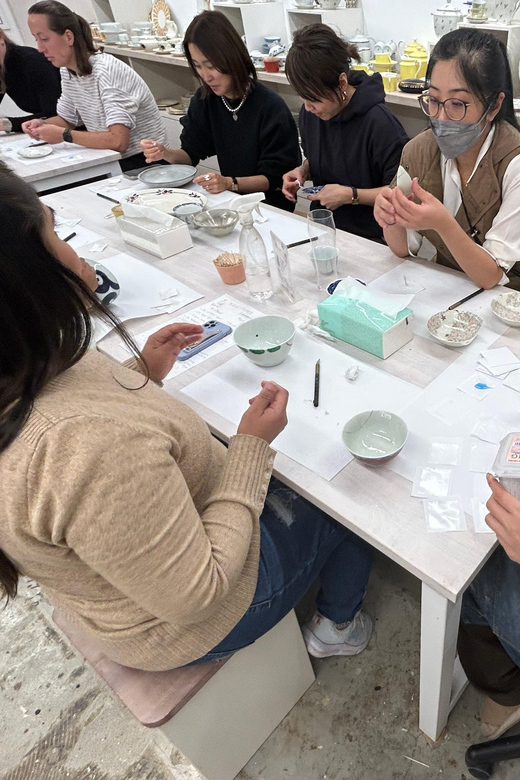
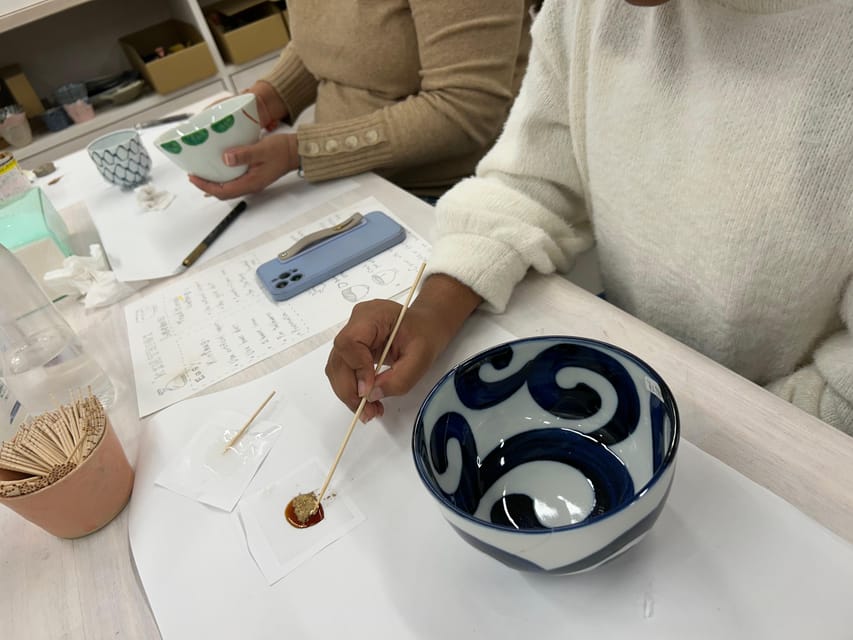
You will be repairing a ceramic piece, and the workshop is set up so you can leave with a finished work. The materials described include broken pottery, artificial lacquer, and gold powder. The class provides the main tools used for the process, along with a brief introduction to the craft and its philosophy.
That take-home part is the big practical value. You are not walking out with a generic souvenir. You get something specific and personal. If you like crafts where your hands matter, this fits well.
Just watch your expectations on how much you will repair. One past participant felt the session was expensive for the amount of fixing they did, and their friends had a different style class that involved more of the bowl. That tells me the workshop piece and the scope can vary by what is available and how the session is structured. When you book, it is smart to ask what kind of break you will likely work on and how large the repair area tends to be.
How the 2-Hour Workshop Flows Step by Step
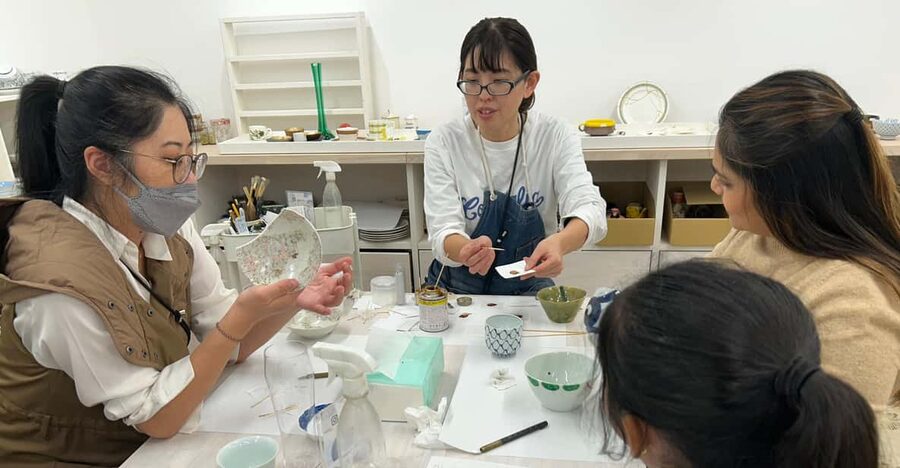
This is a 2-hour hands-on class with English instruction, limited to up to 6 participants. The biggest benefit of this duration is that it gives you enough time to do the steps carefully without feeling trapped in a rushed factory timeline.
Here is how the flow usually feels in a Kintsugi workshop like this:
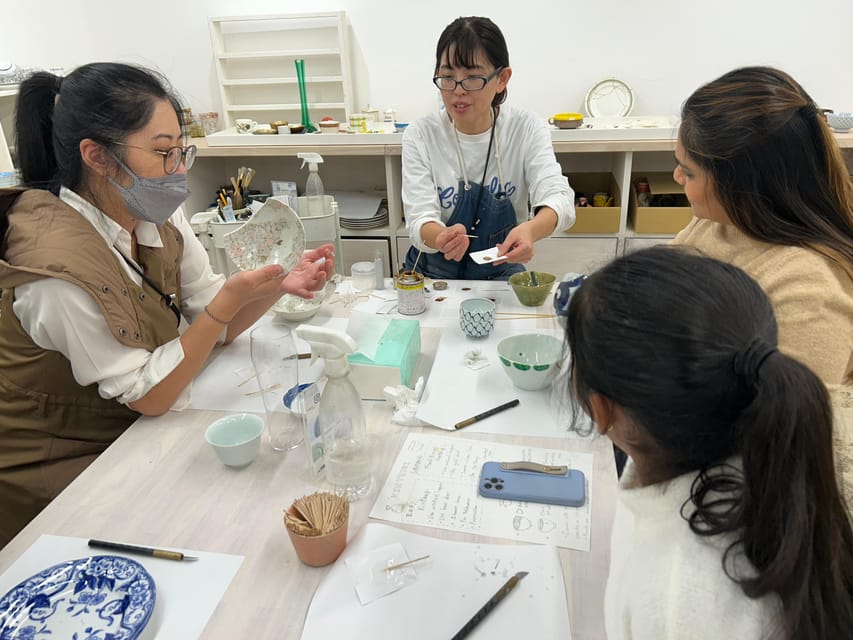
First comes the introduction. Your instructor frames the philosophy quickly, then explains what the repair is supposed to do visually and emotionally. This is where you learn the why, not just the how. One participant specifically mentioned that their teacher also explained how adhesives were made in older times, which adds context and makes the craft feel less modern and more grounded.
Then you get into prep. Kintsugi repairs need the break edges to meet cleanly. Expect some time spent filing or shaping. One participant noted a prep and filing period of about half an hour, which can be tough for younger kids or anyone who hates repetitive hand work.
After that, you move into the actual repair. You align the break, then use lacquer as the bonding and filling material. Once the crack line is defined, gold powder comes in. You apply it along the repaired seam so the damage line turns into a glowing highlight.
Finally, there is finishing and wrap-up. Kintsugi often involves drying time, so even if the class ends, the piece may keep setting afterward. The good news is that the workshop is designed for you to take home a completed, presentable result.
A change of pace from Tokyo:
- Mt Fuji and Hakone 1-Day Bus Tour Return by Bullet Train
★ 5.0 · 26,383 reviews - 1-Day Tokyo Bus Tour
★ 5.0 · 14,250 reviews - Tokyo: TOKYO SKYTREE® Admission ticket
★ 4.5 · 11,192 reviews - Tokyo: teamLab Planets TOKYO Digital Art Museum Entry Ticket
★ 4.6 · 9,779 reviews
The Instructor Makes or Breaks the Experience
In a hands-on workshop, the instructor is everything. If you get good teaching, you learn technique and you leave with pride. If you get vague instructions, you can end up with a messy seam and a shrug.
This workshop seems to do the teaching part well. In past sessions, Anne stood out as a teacher who thought of everything and explained steps clearly. Another participant had Chiara and also mentioned a translator who knew the craft, which is a nice backup when technical steps get detailed.
What I like about this setup is that you are not just watching. You do the work. At the same time, an experienced hand stays close, ready to help when alignment or application needs a quick correction. That balance is exactly what makes Kintsugi approachable even if you have never done ceramics before.
The Wabi-Sabi Lesson You Feel in Your Hands
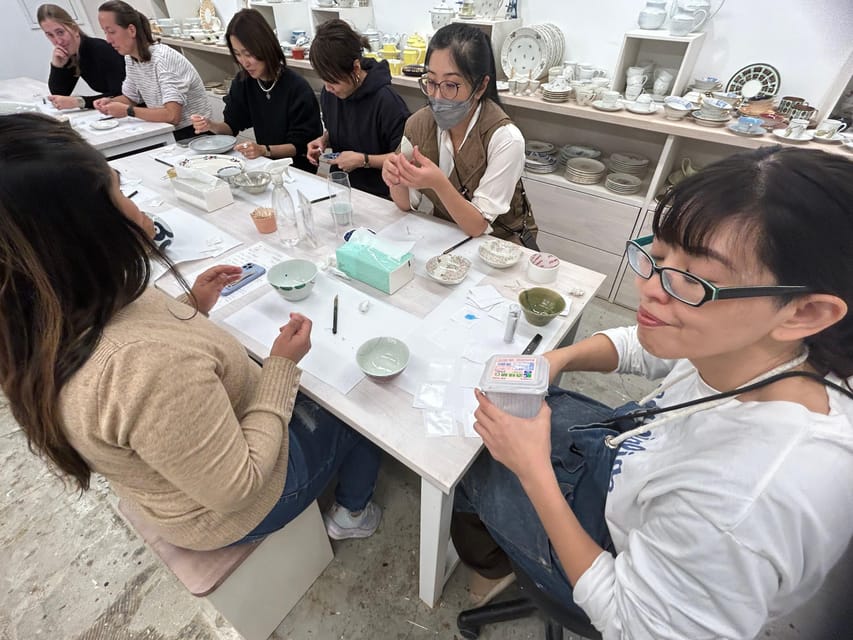
You can read about wabi-sabi online and still not understand it. In this workshop, you feel it through repetition and restraint.
When you repair a crack with gold, you are forced to accept a visible past event. You cannot smooth it away. You have to shape a story line. That changes the way you approach the seam, too. You stop chasing perfection and start chasing clarity.
It also changes how you see objects in daily life. Japan has a deep habit of valuing careful repair, from household mending to keeping worn items in rotation. Kintsugi connects to that. After you do it, you are more likely to look at everyday damage differently, not with frustration, but with curiosity.
This is also why the session is calming. The process takes attention, not speed. The result can feel almost meditative, especially if you are traveling in Tokyo with a packed schedule. It gives you a “slow hour” that is actually productive, not just a break.
Price and Value: When $63 Feels Worth It (and When It Might Not)
The price is $63 per person for a 2-hour small-group workshop. On paper, that sounds fair for a guided, hands-on class with provided materials and a take-home finished piece. In Tokyo, you will pay similar money for experiences that are more about watching than doing. Here, you are doing the work.
So what would make it feel overpriced? Scope.
If the class uses a smaller break area for each participant, you might feel like you only touched a tiny part of the pottery. That is exactly what one previous participant found disappointing. Their takeaway was that they expected a fuller experience, like repairing more of a bowl. Their friends seemed to have joined a different format.
My advice is simple: before you book, ask what the typical piece looks like and how big the repair area usually is. You do not need every detail, just enough to confirm you will get the level of making you want.
If you want a meaningful craft memory and you like slow, guided work, the value looks strong. If you want a dramatic transformation with lots of hands-on action, confirm the repair scope first.
Who Should Book This Kintsugi Workshop in Tokyo?
This is a good fit if you:
- Want a reflective, calming activity in the middle of sightseeing
- Like crafts where your hands matter, not just a talk-and-leave experience
- Enjoy learning Japanese aesthetics like wabi-sabi through something practical
- Want a take-home souvenir with real personal meaning
It may be less ideal if you:
- Hate prep work like filing, or you have low patience for careful manual tasks
- Expect the workshop to include a large repair across a whole item
- Want something designed for very young kids. One participant noted that the filing stage might be difficult for children under 12.
There is also a practical note to double-check: the activity information includes both a statement about wheelchair accessibility and a note that it is not suitable for wheelchair users. If you need wheelchair support, contact the provider before booking so you are not guessing.
Practical Tips So Your Golden Seam Comes Out Right
You will get materials and instruction, but your mindset affects the result. A few practical tips can help you enjoy the class more:
- Arrive rested enough for hand work. Even if you do not do it daily, filing and careful application can take focus.
- Embrace imperfections. If you panic about tiny gaps, you will fight the philosophy instead of learning it.
- Pay attention to alignment early. The seam looks better when the break edges meet cleanly.
- Take your time with the gold seam step. Rushing can lead to uneven coverage.
- Ask your instructor specific questions as you go. With a small group, you can get real help instead of generic advice.
Also, bring your own curiosity. Kintsugi is basically a lesson in repair culture. If you go in thinking you will learn a skill, you will. If you go in thinking you will learn a way of seeing, you will get that too.
Should You Book It?
Yes, if you want a hands-on Tokyo activity with a calm, meaningful payoff and a take-home piece that reflects your personal effort. The combination of small group teaching, English instruction, and a process tied to wabi-sabi makes it more than a craft ticket. It is a reminder that broken things can be beautiful and useful again.
Book with extra care if you are price sensitive or you want a big repair transformation. Since the repair scope can vary, ask what piece you will work on and how much fixing you can expect. If you confirm that upfront, $63 for two hours of guided golden joinery starts to look like a smart buy, not a gamble.
FAQ
How long is the Kintsugi workshop?
The workshop lasts 2 hours.
What do I get included in the price?
The class includes the main tools and materials used for the repair, including lacquer and gold powder, plus a brief introduction to the art and philosophy of Kintsugi.
Do I need to bring a plate or piece to repair?
A plate is not included. You may need to arrange one yourself, with a noted range around ¥1,000 to ¥2,000.
Where do I meet the guide?
Meet at Gakugei Daigaku station. The guide will message you a picture of themselves before the meeting time.
Is the workshop taught in English?
Yes, the instructor teaches in English.
Is it suitable for wheelchair users?
The information provided includes both a wheelchair accessibility note and a note that it is not suitable for wheelchair users. If this affects you, it is best to confirm directly with the provider before booking.
Latest write-ups near Tokyo
- Tokyo Customized Private Tour: See Top Attractions in 1 Day★ 4.8 · 67 reviews
- From Tokyo: Top 5 Scenic Spots of Mount Fuji Full-Day Tour★ 4.5 · 67 reviews
- Tokyo: Shinjuku Izakaya and Golden Gai Bar Hopping Tour (2h)★ 4.9 · 67 reviews
- Traditional Japanese Music ZAKURO SHOW in Tokyo★ 5.0 · 67 reviews
- Tsukiji: Unlimited Sake Tasting Experience★ 4.9 · 67 reviews
- Samurai Ninja Museum Asakusa: Kid-Friendly Ninja Training★ 4.7 · 67 reviews
- Tokyo: Not a show- a professional sumo practice with experts★ 4.9 · 67 reviews
- Private Harajuku Omotesando Architecture Walking Tour★ 5.0 · 67 reviews
Kintsugi Workshops, compared.
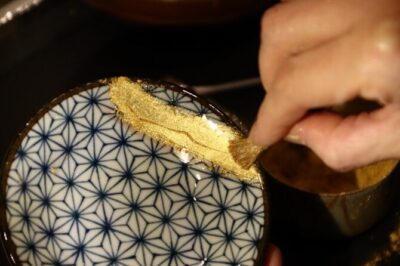
Kintsugi Experience: Art of Golden Joinery in Tokyo
Read our review →
Authentic Pure Gold Kintsugi Workshop with Master Taku in Tokyo
Read our review →
1.5〜2 Hours Traditional Kintsugi Work Shop in Namba Osaka
Read our review →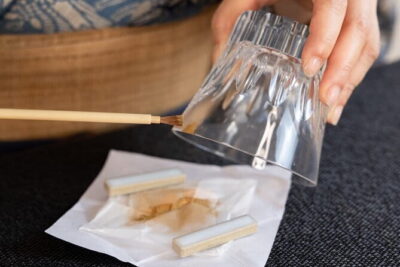
Kintsugi Workshop Class in Shibuya, Tokyo with mon cadeau
Read our review →Browse the lists this tour appears in