Reviewed · SUMO EXPERIENCES
Tokyo Walking Tour : Sumo, Sushi, Tea, Temples and Tokyo Tower
Tokyo has a lot of tours that feel like a list of stops. This one feels more like a day with themes: discipline and tradition with sumo, quick bites at Tsukiji, then calmer, slower moments in gardens and temples before you finish at Tokyo Tower. You get a mix of sumo training and a proper skyline payoff at Tokyo Tower.
I especially like two parts. First, the break at Hamarikyu Gardens, where you get guided time and then a tea house tea and sweet experience. Second, Zojoji Temple, where the highlight is not just seeing the place, but doing the sutra copying activity.
One real consideration: the sumo portion depends on training schedules. If Arashio Beya is not training or if schedules close around major Grand Sumo Tournament weeks (January, May, September), you might not see what you hoped for, and you should expect several hours of outdoor walking.
Key highlights you will actually feel on the day
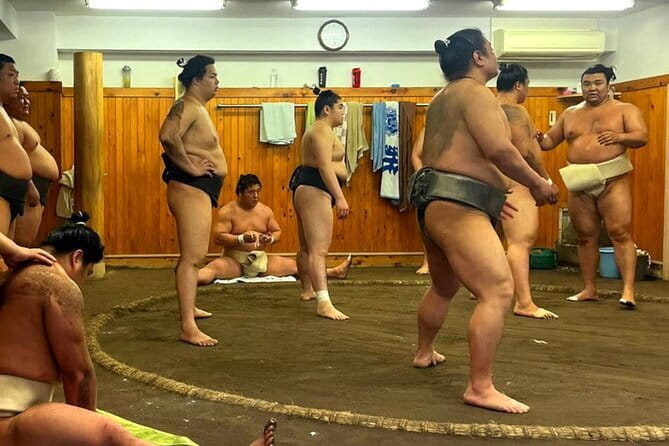
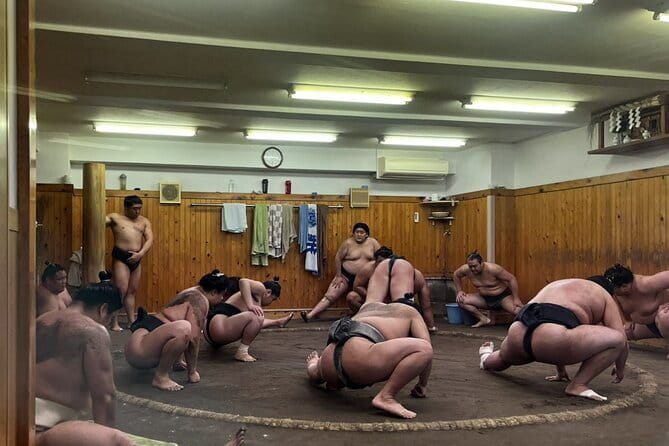
- Arashio Beya sumo training observation (when training is running, and you keep respectful silence)
- Tsukiji Outer Market guided food time, with free time to explore and shop
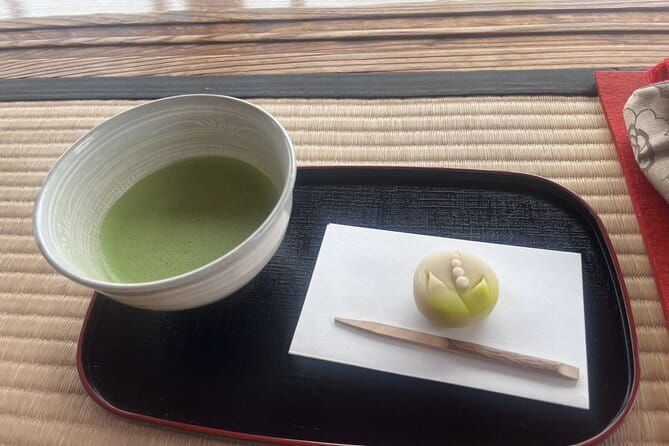
- Hamarikyu Gardens tea house moment, plus a guided intro before you slow down
- Zojoji Temple sutra copying, a hands-on pause that breaks up the walking
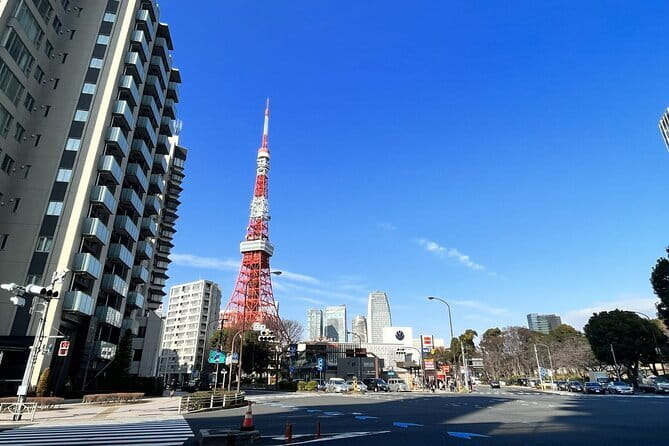
- Tokyo Tower observation deck ticket, a classic finale with retro tower vibes
- Small group size (max 15) and a local English-speaking guide keeping it organized
A Day That Hits Sumo Practice, Tsukiji Bites, Hamarikyu Calm, and Tokyo Tower
This is an 8 hour 15 minute walking tour built around contrasts. You start early, move by public transport (no private vehicle), and spend real time on your feet outdoors. The tradeoff is that each stop has a clear purpose, not just photo ops.
The pacing also makes sense for first-time visitors. You get the loud visual energy of sumo practice, then you switch to the sensory chaos of a food market. After that, you step into quieter spaces: a traditional garden and a Buddhist temple complex. Finally, Tokyo Tower gives you height, structure, and a memorable ending.
The tour is also designed to cover multiple “Tokyo moods” without making you plan anything on your own. You just follow your guide, keep moving, and budget for what is not included (more on that later).
More Sushi Making Classes in Tokyo
- Sushi Making Tokyo Roll and Authentic Japanese Sushi Class
★ 5.0 · 3,971 reviews - Tokyo: Roll and Authentic Sushi Making Class in Asakusa
★ 4.9 · 1,957 reviews - Make Sushi and Create Unforgettable Memories in Tokyo
★ 5.0 · 1,413 reviews
Meeting at Hamacho Station and Ending at Akabanebashi: Staying Efficient
You meet at Hamacho Station (Hamacho area, Chuo City) at 8:15 am. The start address is listed as 2-chōme-59-3 Nihonbashihamachō, Chuo City, Tokyo. At the end, the tour concludes near Akabanebashi Station in Minato City, specifically 1-chōme-28-13 Higashiazabu.
Why I like this setup for your day: it matters that the tour uses public transport and ends at a different station. You do not have to backtrack to your exact starting point. Your guide can help with transport questions back to your hotel or onward plans.
Also, the tour uses a mobile ticket, which is handy in Japan where you may not want to keep printing and swapping paper tickets mid-walk.
One more practical note: transportation before and after the tour is not included. You will want to plan your commute to Hamacho and then plan your way from Akabanebashi after you finish.
Public Transport, No Private Van: How That Changes Your Day
This tour explicitly does not use a private vehicle. It runs on public transport, with the included portion covering the train fee from Ningyocho Station to Tsukiji Station.
That means two things for you:
- You should build in some normal Tokyo commuting energy, like stairways, station crowds, and quick transfers.
- You will spend more time walking than you would on a coach tour.
The upside is you are using the same streets and transit system locals use. You get less “tour vehicle bubble,” more real city movement. And since the group is small (max 15), you can usually keep things organized even during station transitions.
Stop 1 at Arashio Beya: Watching Real Sumo Training (Respect First)

The first stop is Arashio Beya, a traditional sumo training room where you can watch training. This is real training, and the sumo cannot be disturbed. That matters. It is not a “performance for tourists.” It is a practice space.
Here is the key expectation to set for yourself: you might love this stop most if you like sports culture and the idea of seeing discipline up close. You also need to be ready for the possibility that training may not be happening on your date due to schedule changes.
The tour notes two big schedule considerations:
- Training is sometimes not running, meaning you may not be able to see sumo.
- Training is closed during certain weeks in the year when the Grand Sumo Tournaments are held, including January, May, and September.
So I suggest you treat this as a “best effort, schedule dependent” highlight. If you go in with that mindset, the day still works well because the rest of the itinerary is strong even if the sumo portion is limited.
More Temple & Shrine Tours in Tokyo
- Tokyo: Meiji Shrine, Asakusa, Skytree Bus Tour and Cruise
★ 4.7 · 1,986 reviews - Tokyo: Asakusa Walking Tour with Sensoji Temple Visit
★ 4.8 · 1,583 reviews - Nikko: Kegon Falls, Lake Chuzenji & Toshogu Temple
★ 4.6 · 1,577 reviews - Tokyo: Nikko Toshogu Shrine and Kegon Waterfall Tour
★ 4.5 · 1,266 reviews
Tsukiji Outer Market: Guided Food Time Plus Free Exploring
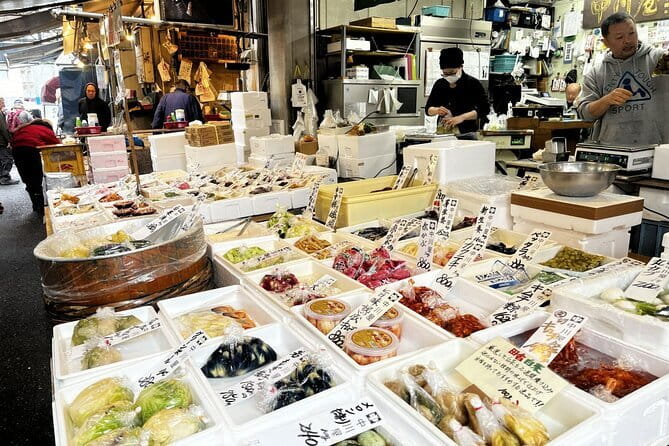
After sumo practice, the tour heads to Tsukiji Fish Market, specifically the Outer Market. You get a guided tour, and you also have free time to explore at your pace, take pictures, and shop.
This is one of the stops where the tour’s theme shows. The overview focuses on sushi and street food, and the structure supports that idea: guided sampling, then room for you to wander and choose what you want next.
Why this stop is valuable for you, especially on a first trip: Tsukiji Outer Market is one of the easiest places to get a feel for everyday food culture without needing a deep insider skill set. You are not trying to decode everything alone at the start of your day. The guide sets you up, then you get breathing space.
What you should remember: food and drink are not included. You might sample some foods during the market portion, but you should still budget for your own purchases.
If you have a sensitive stomach or strong preferences, pace yourself. Market food is often served quickly and meant to be eaten right away. That is part of the fun, but it is still your body making the decision.
Hamarikyu Gardens: Traditional Garden Time and a Tea House Break

Next comes Hama Rikyu Gardens, a traditional Japanese garden with guided history and then free time. After you explore, the tour includes a tea and sweet experience in a tea house inside the garden.
This is a smart pivot in the schedule. After moving through train stations and busy market streets, the garden gives you space to slow down. You are not just looking at scenery. You get context through a guided introduction, which helps the place make more sense.
For me, this is the kind of stop that turns a busy day into a comfortable memory. The tea house experience is included, so you are not stuck calculating costs or hunting for somewhere to sit. It also gives you a natural reset point for your legs.
Practical tip: gardens often mean you may walk on paths with different surfaces than the city sidewalks. Wear shoes you trust. You have several hours of walking outdoors in this tour, and this stop is one more reason not to go in with brand new footwear.
Zojoji Temple: Sutra Copying Adds Meaning, Not Just Sightseeing
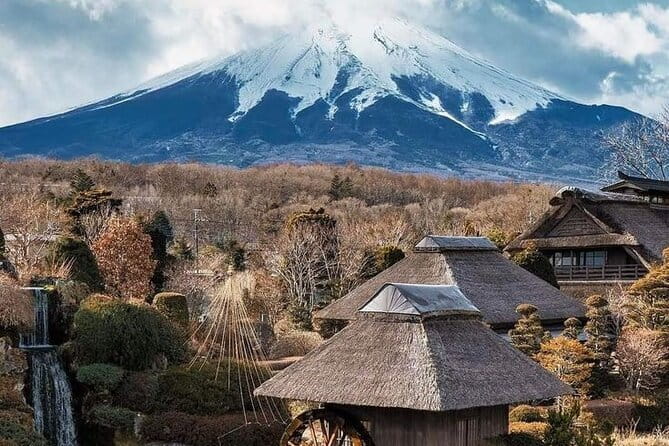
Then you head to Zojoji Temple for a guided tour of the temple and its history. The standout inclusion here is the sutra copying experience.
I like this stop because it is an activity-based cultural moment, not a passive one. Copying a sutra can feel surprisingly grounding in the middle of a day packed with movement. Even if you are not religious, it gives you a small ritual of focus. Your attention changes, and you end up with a calmer mental pace for a bit.
Another plus: the itinerary places the temple after Hamarikyu and before Tokyo Tower. That ordering works. You get nature calm, then a spiritual pause, then an energy boost at the end.
As always, temple environments ask for simple respect: keep your voice down, follow the guide’s cues, and be mindful of the space around you.
Tokyo Tower Observation Deck: A Retro Finale with City Views
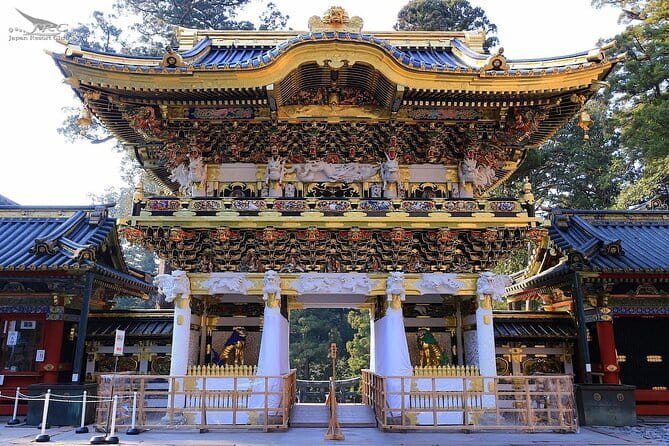
The final big landmark is Tokyo Tower. You get a ticket to one of the observation decks, and the tour gives you time to take in the sights.
Tokyo Tower has a different vibe than newer skyline structures. It feels more retro and iconic. For you, that means your last stop becomes a visual “wrap-up.” After walking through tradition and daily life, you get a clear view of the modern city arrangement.
The timeline here also helps. You are not rushing to cram Tokyo Tower in at the last second. You get a dedicated block for it, about 1 hour 15 minutes at the Tokyo Tower stop.
If you care about photos, this is the moment to be strategic. Check the deck rules your guide mentions, and plan to take a few shots early, then revisit if you want a different angle once you see where the best viewpoints are.
Price and Value: What Your $166.85 Covers, and What It Does Not
This tour costs $166.85 per person and runs about 8 hours 15 minutes. It is booked an average of 81 days in advance, which suggests it is popular and not something you should leave to the last minute.
So what are you paying for? A lot is bundled:
- Train fee from Ningyocho to Tsukiji
- Hamarikyu Gardens admission
- Tea house tea and sweet experience
- Sutra copying experience fee
- Tokyo Tower ticket
- Local English-speaking guide
Food and drink are not included. You should plan to buy your own meals or snacks during the day, especially around Tsukiji.
Here is how I judge value: this is not just a sightseeing walk. It includes several attraction tickets and two hands-on cultural elements (tea house and sutra copying). When you price those things separately, it adds up. The tour also gives you organization and a guide who can manage timing across multiple areas.
The only cost you cannot ignore is meals and transport outside the tour’s included train fee. If you come prepared for that, you get good value for a long, structured day.
Group Size and Guide Style: The Best Part Is Usually the Human Touch
The group size is capped at 15 travelers, which is comfortably small. That matters when you have scheduled stops and you want to keep moving without feeling like you are herding cats.
The tour also runs with a local English-speaking guide, and one standout theme from the tour experience is guide quality. A guide named Jade was highlighted for doing an excellent job, blending personal anecdotes with Japanese history. That kind of storytelling is what turns a route into a real memory.
If you care about context, you will likely appreciate this. The tour is not only about where you go, it is also about what you are seeing and why it matters. Even when you are moving quickly, the guide helps you connect the dots.
Who This Tokyo Walking Tour Is Best For (And Who Should Rethink)
This tour is best for you if you want a full day that mixes major Tokyo icons with tradition. You are interested in sumo culture, market food energy, garden calm, and temple practice, and you want it all handled by a guide.
It is also a good fit if you like structured time blocks. You have clear stops, included tickets, and a start and end point set for you.
You might rethink this tour if:
- You are sensitive to long outdoor walking, since the day includes several hours outdoors.
- You care specifically about watching sumo training, because it is schedule dependent and can be closed during Grand Sumo Tournament weeks in January, May, and September.
- You want meals included. Food and drink are not part of the package.
If you like flexibility, Tsukiji includes free time for you to explore. You also get room to shop and take pictures without the guide hovering over you the whole time.
Should You Book This Tour? My Decision Checklist
Book it if you want one well organized day that hits sumo, Tsukiji Outer Market, Hamarikyu Gardens, Zojoji Temple, and Tokyo Tower without you piecing together tickets and timing.
Hold off or plan carefully if sumo viewing is your top priority. Check dates, remember training can change, and accept that you might not see sumo at all on the day.
If you are coming for the total experience, not only one stop, this works well. The included tea house and sutra copying turn it from a simple walk into a day with culture you can feel in your hands and mind.
If you want, tell me your travel month and whether you care most about sumo or Tokyo Tower. I can help you decide if the schedule risk is worth it for your dates.
FAQ
How long is the Tokyo Walking Tour and when does it start?
The tour runs about 8 hours 15 minutes and starts at 8:15 am.
Does this tour use public transport?
Yes. The tour does not use a private vehicle and instead uses public transport. It also includes walking in outdoor areas for several hours.
What is included in the tour price?
Included are the train fee from Ningyocho Station to Tsukiji Station, admission to Hamarikyu Gardens, the tea house tea and sweet experience, the sutra copying experience fee, Tokyo Tower ticket, and a local English speaking guide.
Are meals included?
No. Food and drink are not included.
What if sumo training is not available at Arashio Beya?
The sumo beya schedule is subject to change. Sometimes the sumo may not be training, and during certain weeks in the year when Grand Sumo Tournaments are held (January, May, and September), training is closed.
Where do I meet the guide and where does the tour end?
You meet at Hamacho Station (Chuo City) and the tour ends at nearby Akabanebashi Station (Minato City).
Can I cancel for a full refund?
Yes. You can cancel up to 24 hours in advance for a full refund, based on the local start time.
More Sumo Experiences in Tokyo
- Tokyo: Sumo Show Experience with Chicken Hot Pot and a Photo
★ 4.8 · 6,678 reviews - Tokyo: Sumo Show and Dining Experience
★ 4.8 · 2,742 reviews - the SUMO show
★ 5.0 · 1,960 reviews - Tokyo Shinjuku Sumo Show & Experience with Photo
★ 5.0 · 1,750 reviews
More Walking Tours in Tokyo
- Tokyo Tsukiji Fish Market Food and Culture Walking Tour
★ 5.0 · 3,184 reviews - Tokyo: Imperial Palace and Shogun Historical Walking Tour
★ 5.0 · 2,251 reviews - Tokyo: Shinjuku Local Bar and Izakaya Guided Walking Tour
★ 4.9 · 1,794 reviews - Tokyo: Tsukiji Fish Market Food and Walking tour
★ 5.0 · 1,724 reviews
Latest write-ups near Tokyo
- Tokyo Nights: Shibuya Photo Adventure★ 5.0 · 20 reviews
- Wagyu & Sake 8 Course Tasting Dinner in Shinjuku★ 4.9 · 20 reviews
- Making Japanese desserts Nerikiri & drinking matcha in Tokyo★ 5.0 · 20 reviews
- Japanese Whisky Hunting《HIGH-QUALITY-ONLY》Rare Tasting Class★ 5.0 · 20 reviews
- Mt. Fuji 5th Station, Owakudani Ropeway, Pirate Ship plus Outlet shopping!★ 4.5 · 20 reviews
- Kintsugi Experience with Arita Ware in Tokyo (English Guide)★ 4.8 · 20 reviews
- This is Asakusa! A Tour Includes the All Must-Sees!★ 5.0 · 20 reviews
- Ebisu Local Food Tour: Shibuya’s Most Popular Neighborhood★ 5.0 · 20 reviews
Sumo Experiences, compared.
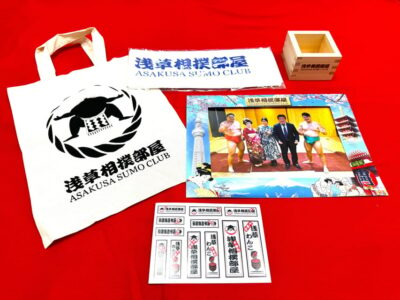
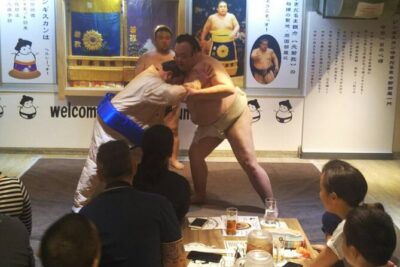
Sumo Show Experience with Chicken Hot Pot and a Photo
Read our review →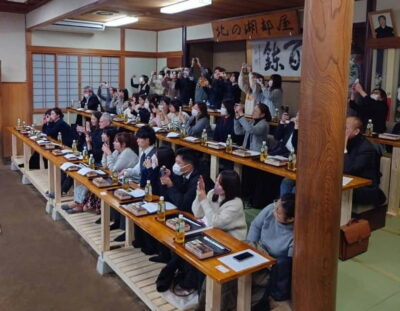
Tokyo Shinjuku Sumo Show & Experience with Photo
Read our review →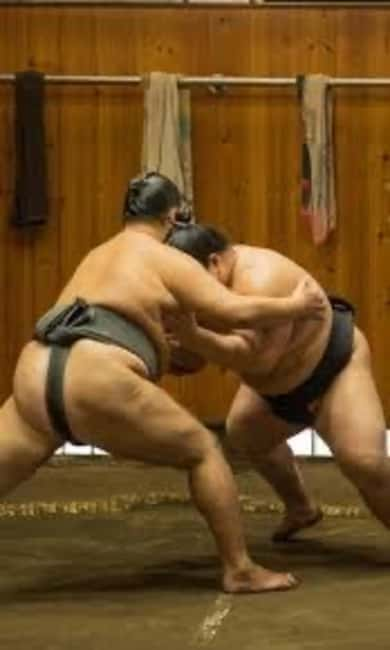
Sumo Show & Experience w/ Optional Kimono & Hot Pot
Read our review →