
Reviewed · KAMAKURA TOURS
Tokyo Yokohama Night View Tour With Kamakura And Enoshima
This tour is interesting because it strings together three of my favorite kinds of Japan in one day: old-town street time, seaside legend stops, and a proper harbor-night payoff in Yokohama. You start on the Tokyo side, ride the classic coastal Enoden train, then end with skyline views over the water.
I especially like the pair of anime-meets-real-life moments, first the Slam Dunk crossing stop at Kamakura Koko-mae, and second the chance to visit Enoshima’s famous Money-washing Water Dragon Shrine during your island time. It’s the kind of route where you can see the spot, then connect it to what you’re standing in front of.
One consideration: the schedule is tight, and the day can feel rushed if traffic or holiday crowds push timing. Also, the guide role can change when group size is smaller, meaning explanations may be more basic while the driver handles the route.
Key things to know before you go
- Enoden train time is real value: you get admission for the ride, plus ocean views along the Shonan Coast
- Slam Dunk fans get a specific photo moment: the railroad crossing scene is tied to the Kamakura Koko-mae stop
- Enoshima adds myth, then meaning: you’ll see the island shrines tied to prayers for fortune, creativity, and even wealth
- Kamakura isn’t just a photo stop: Tsurugaoka Hachimangu and Komachi Street give you both atmosphere and strolling time
- Yokohama is your payoff and your buffer: you receive a guided portion, then you’re free to roam on your own
- Bring cash and comfy shoes: you’ll be walking, and credit cards may not be accepted everywhere you stop
Why this Tokyo to Yokohama night view day feels different
This isn’t a “sit and look from the bus” day. It’s designed around short, meaningful stops that let you move at a human pace on foot, then reset with transport between coastal towns.
The best part is the flow. You work from Kamakura’s historic shrine core, to Enoshima’s sea-and-spiritual island vibe, then land in Yokohama after sunset for the nighttime skyline. If you like travel days that feel like a story instead of a checklist, this route fits.
More Evening Experiences in Kamakura:
- Kyoto: Gion Magical Night Walking Tour with Geisha Trivia
★ 4.9 · 2,393 reviews - Night Walk in Gion: Kyoto’s Geisha District
★ 4.5 · 2,003 reviews - Kyoto Night Foodie Tour in Gion (9+ dishes + 6 Sake tastings)
★ 5.0 · 1,762 reviews
From Tokyo MODE GAKUEN to the coast, and why the timing matters
The tour meets at Tokyo MODE GAKUEN, 1-7-3 Nishi-shinjuku, Shinjuku-ku, Tokyo, and departs at 11:00am. You’ll spend about 1.5 hours by coach on the way out, so plan for a slower start and use that time to get organized for walking later.
Because the day ends with night views, the tour is built to get you to the islands and shrines in daylight, then shift gears once Yokohama is ready to shine. That timing is a good match for people who hate rushing at the end of trips, but it also means you’ll want to manage expectations about shopping or extra detours.
Enoden and the Slam Dunk railroad crossing at Kamakura Koko-mae
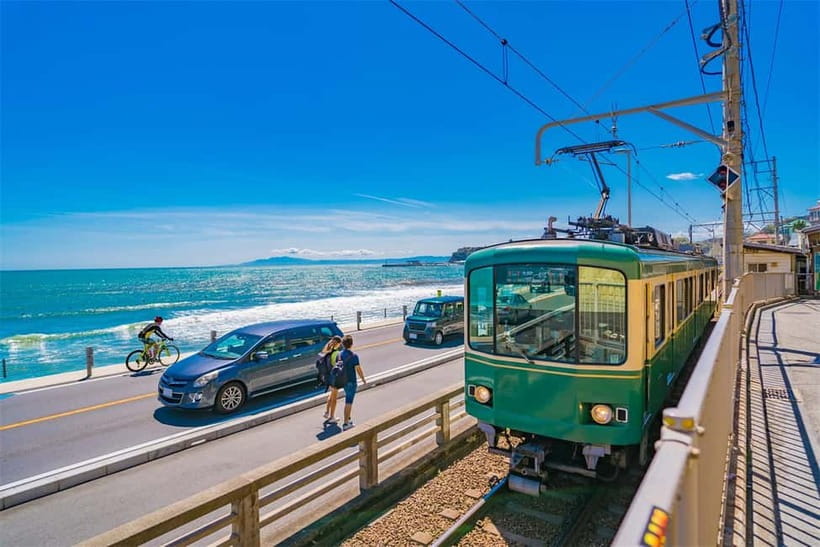
The Enoden section is a major selling point because it’s both practical and fun. You’ll take the Enoden train with admission included, and it functions like a moving local postcard, clattering along old streets and out toward the coast.
At Kamakura Koko-mae Station, you’ll have time to visit the exact railroad crossing tied to Slam Dunk. If you’re a fan, this is the kind of stop where the animation detail becomes a real-life frame. You can line up your photos knowing you’re aiming at the spot that inspired the scene.
A couple of practical things help here. Wear shoes you can walk in for real, not just “museum shoes.” And if you care about photos, keep your camera accessible, because crossing stops are usually fast.
Enoshima Island legends, shrines, and the Money-washing Water Dragon Shrine
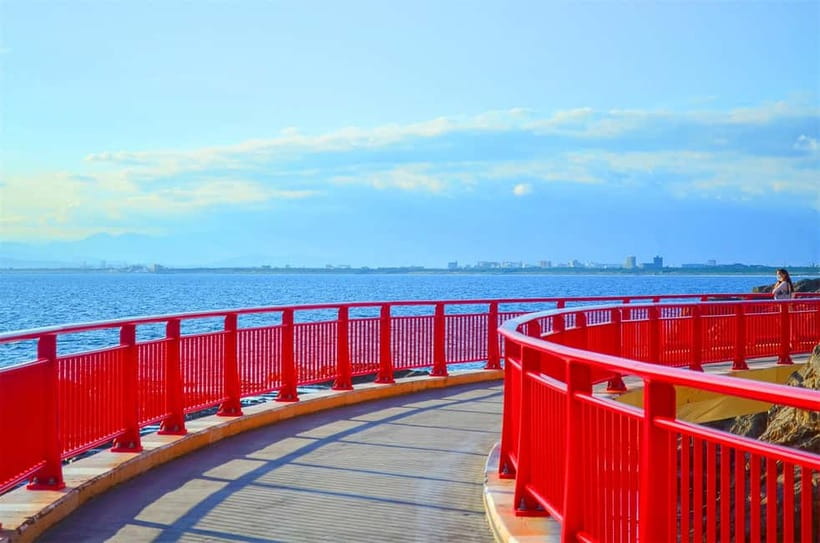
After your train time, you head toward Enoshima Island on the bridge and island approach. You get about 100 minutes for sightseeing and a photo stop here, so it’s enough time to stroll, choose a viewpoint, and still get to the shrines without feeling like you’re sprinting.
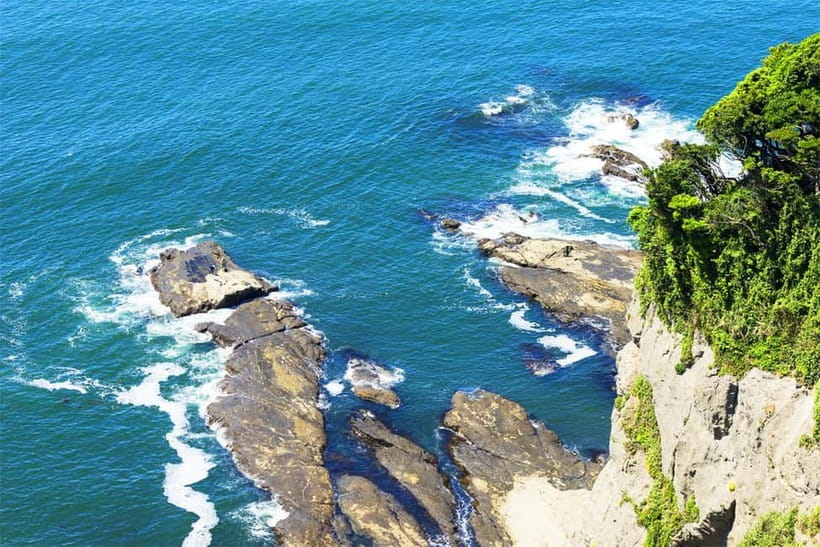
Enoshima is known for myth, and the tour leans into that. You’ll hear the legend of a five-headed dragon terrorizing the area until a goddess appeared, creating the island and changing the dragon’s fate. It’s more than a story you hear once, because the shrines and viewpoints help you connect the legend to the physical place.
The visit centers on Enoshima Shrine, founded in 552 AD, plus the famous Money-washing Water Dragon Shrine. People come here to pray for good fortune and creativity, and the wealth angle is part of what makes this stop so specific. Rinsing coins in the money-washing water is the signature ritual associated with prosperity.
If you want good photos, plan for a mix of shrine details and wider sea shots. If you want calm, treat the busy moments like a cue to move to the next set of steps or approach points. The island pace works best when you don’t try to do everything at once.
A change of pace from Kamakura:
- Tokyo: Kamakura & Enoshima Day Trip including Temple Tickets
★ 4.5 · 1,375 reviews - From Tokyo: Kamakura & Enoshima 1-Day Bus Tour
★ 4.5 · 189 reviews - Kamakura Historical Walking Tour with the Great Buddha
★ 5.0 · 129 reviews - Kamakura Private Tour: Temples, Nature, and the Great Buddha
★ 5.0 · 121 reviews
Riding the Enoden back toward Kamakura, with ocean views in between
You’ll take a scenic Enoden Line ride from Enoshima Station through Kamakura Koko-mae to Kamakura Station, with the train segment around 15 minutes. The value here is the short travel time paired with ocean views and old coastal neighborhoods sliding by.
This is also where the day stops feel connected. You’ve done the island myth, you’ve done the anime crossing, now you’re carried back into Kamakura’s historic core. It’s one of the easier ways to feel like you moved “through” places, not just “to” places.
Kamakura’s Tsurugaoka Hachimangu and Komachi Street stroll
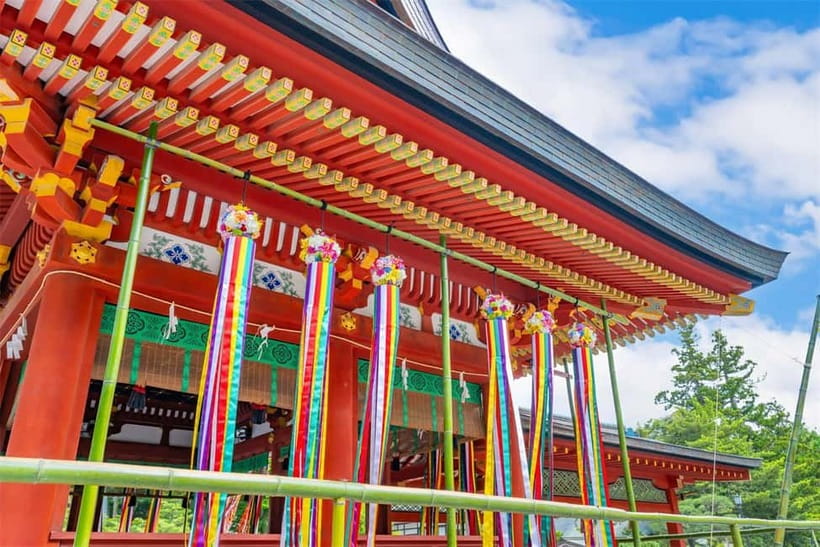
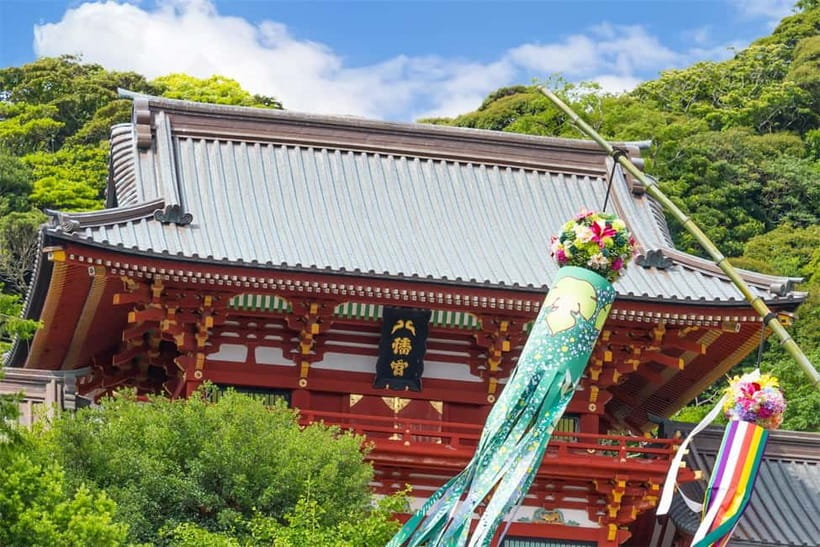
Next up is Tsurugaoka Hachimangu Shrine, one of Japan’s best-known Hachiman shrines, tied to samurai-era history. You get a guided/photo-focused stop of about 80 minutes, which is enough time to understand what you’re seeing and still spend a little time wandering at your own pace.
After the shrine, you’ll go to Komachi Street for a break with free time. This lane is packed with shops and snack stops, which makes it ideal for practical travel behavior: quick bites, small gifts, and a chance to slow down and watch daily life for a bit.
One note: snack and souvenir browsing can eat time fast if you get too curious. I’d treat Komachi Street like a sampler route. Pick one or two things you really want, grab them, then keep moving so you don’t lose your Yokohama momentum.
Yokohama at night: guided highlights plus real free time
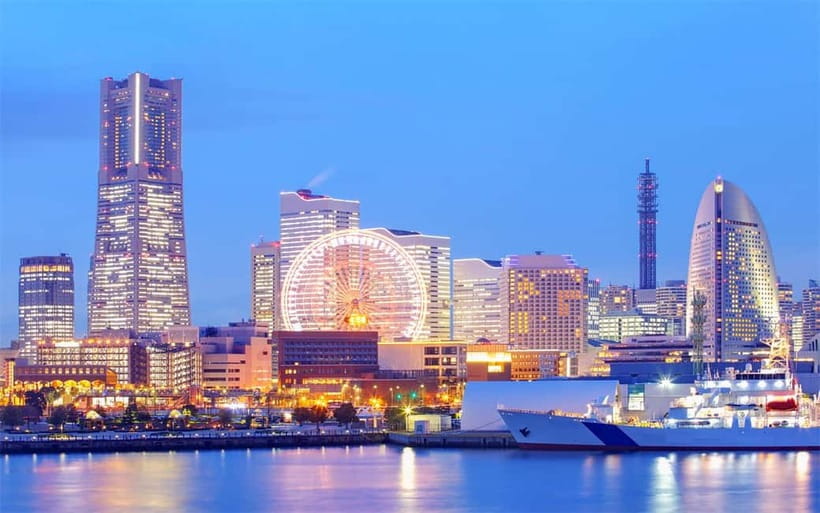
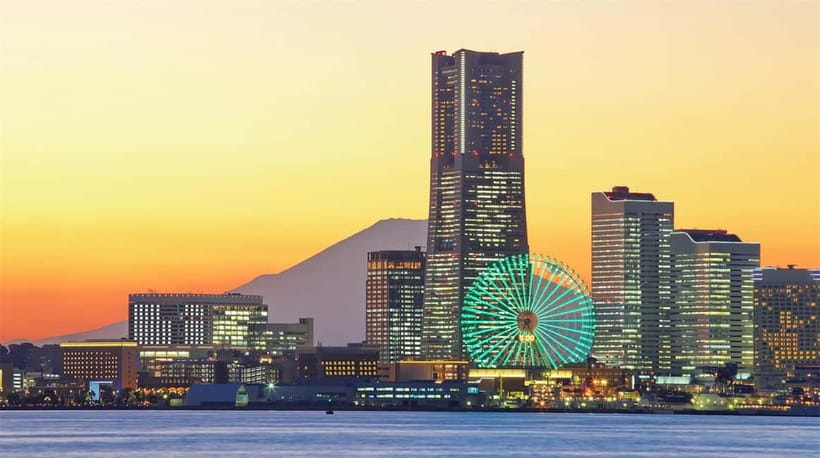
The tour arrives in Yokohama after the day’s coastal and shrine stops. You get a guided tour and sightseeing segment of about 2.5 hours, plus additional photo stop time at the Yokohama Red Brick Warehouse.
This part of the day is where the tour tries to pay off your patience. You’ll be in a harbor-city setting at dusk and night, so the contrast matters. Yokohama’s mix of modern city life with open-sea views makes it a good ending for a trip that started with older neighborhoods and coastal legends.
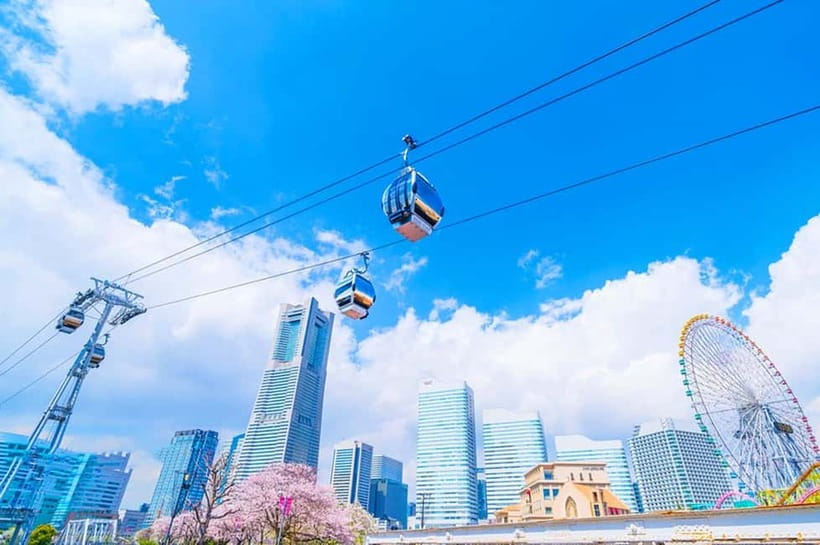
You’ll also have free time to explore at your own pace. If you want extra viewpoint options, there’s mention of the Yokohama Air Cabin (ferris wheel) and the Red Brick Warehouse area with cafés and shops. If you want a simpler approach, the warehouse zone itself is an easy place to wander without feeling rushed from one ticket line to another.
Price and logistics: what you get for $82, and where it can feel tight
At about $82 per person for a 10-hour day, you’re paying for transport organization, a guide, and included admission for the Enoden train. The price also covers the value of not having to plan the day across multiple regions on your own.
So where can it feel off? The day includes a lot of moving parts. You’ll spend time on the coach between Tokyo, Kamakura, Enoshima, and Yokohama, and if traffic or holiday congestion slows the schedule, your on-site time can shrink.
There’s also a guide-coverage factor. If the group is smaller than 13 people, the guide may also serve as the driver and provide only basic commentary. That doesn’t mean you won’t enjoy the day, but it can affect how much you learn while you’re walking around.
On the bright side, a great guide makes this kind of itinerary much more satisfying, not just more comfortable. In past experiences shared for this tour, guides like Ko were praised for being informative and caring, and that’s exactly what you want on a day with cultural stops and specific photo targets.
Group size and language support: practical expectations
This is a shared group tour with participants from various countries. The guide provides explanations in multiple languages, including English, Japanese, and Chinese.
In a shared format, you’ll likely get a clear framework: meet up points, route flow, and timing cues. The tradeoff is that your personal pace has to match the group. If you want to linger at every shrine detail or stop for multiple snack rounds, you might feel time pressure later.
What to bring (and what to skip) so the day stays enjoyable
The tour is built for walking, so pack for feet first. Bring comfortable shoes, a camera, sunscreen, and water.
Also note the vehicle rule: no food in the vehicle. You can eat during breaks like Komachi Street, and you can buy snacks where available, but plan to keep the coach time clean and simple.
Bring cash, too. Credit cards may not be accepted at some locations, and having yen on hand keeps you from losing time at the exact moment you want to buy something.
Best fit: who this tour is for, and who should think twice
This tour is a strong match if you want:
- A structured day with Enoden train nostalgia and a real-world anime photo stop
- Historic shrine time in Kamakura plus seaside legend atmosphere at Enoshima
- A night view ending in Yokohama, with both guided content and free-roam time
It’s less ideal if you:
- Hate tight schedules and dislike any feeling of rushing
- Need wheelchair accessibility (this tour is not suitable for wheelchair users)
- Want lots of deep time at just one city, because the itinerary spreads you across multiple stops
Should you book this Tokyo, Kamakura, Enoshima, Yokohama night view tour?
If you like variety and want a single-day plan that connects anime locations, shrines, and a harbor night finale, this is the kind of tour that makes sense. The included Enoden admission and the specific Kamakura Koko-mae crossing stop are real value levers.
I’d book it if you can handle a busy 10-hour structure and you’re okay with the possibility of less time on-site if traffic shifts things. I’d think twice if your top priority is maximum free time in Yokohama, or if you strongly prefer long guided explanations throughout every stop, because the guide format can change with group size.
If you want this day to work smoothly, the key is simple: start with comfy shoes, keep your schedule flexible, and treat the stops like focused chapters, not a one-stop reading session.
FAQ
What time does the tour depart, and where do I meet?
The tour departs at 11:00am. Meet your guide at Tokyo MODE GAKUEN, 1-7-3 Nishi-shinjuku, Shinjuku-ku, Tokyo, 160-0023 Japan.
How long is the tour?
The total duration is 10 hours.
What’s included in the price?
The tour includes a tour guide, a driver, pick up and drop off at the designated point, and admission to the Enoden train ride.
What is not included?
Meals are not included, and personal expenses are not included. Also, Yokohama Air Cabin or the ferris wheel are not included.
Are meals provided during the day?
No. Meals are not included, so you’ll need to plan your own food during breaks or at stops where snacks are available.
What languages are available for the live tour guide?
The live tour guide offers explanations in English, Japanese, and Chinese.
Will I have free time in Yokohama?
Yes. You’ll have free time in Yokohama to explore at your own pace after the guided portion.
What should I bring and how should I pay?
Bring comfortable shoes, a camera, sunscreen, and water. It’s recommended to bring some cash, because credit cards may not be accepted at certain locations.
Latest write-ups near Kamakura
- Kamakura Walking Tour – The City of Shogun★ 5.0 · 100 reviews
- Kamakura Private Tour: Temples, Nature, and the Great Buddha★ 5.0 · 121 reviews
- Kamakura Historical Walking Tour with the Great Buddha★ 5.0 · 129 reviews
- From Tokyo: Kamakura & Enoshima 1-Day Bus Tour★ 4.5 · 189 reviews
- Your Own HANKO Name Seal Activity in Kamakura.★ 5.0 · 24 reviews
- Kamakura 4hr Private Trip with Government-Licensed Guide★ 5.0 · 58 reviews
- When Emperors Reigned and Shoguns Ruled★ 5.0 · 43 reviews
- Tokyo: Kamakura & Enoshima Day Trip including Temple Tickets★ 4.5 · 1,375 reviews
Kamakura Tours, compared.
Kamakura & Enoshima Day Trip including Temple Tickets
Read our review →
Kamakura Historical Walking Tour with the Great Buddha
Read our review →
Kamakura Private Tour: Temples, Nature, and the Great Buddha
Read our review →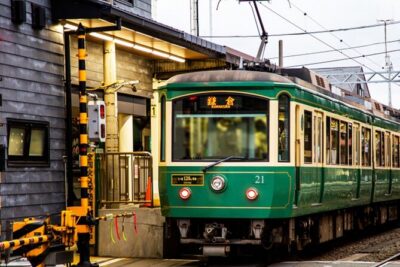
Kamakura 4hr Private Trip with Government-Licensed Guide
Read our review →
Kamakura Full Day Tour with a Local Expert Guide
Read our review →
Browse the lists this tour appears in