
Reviewed · COOKING CLASSES
Unique Private Cooking Class with a Tokyo Local Emi
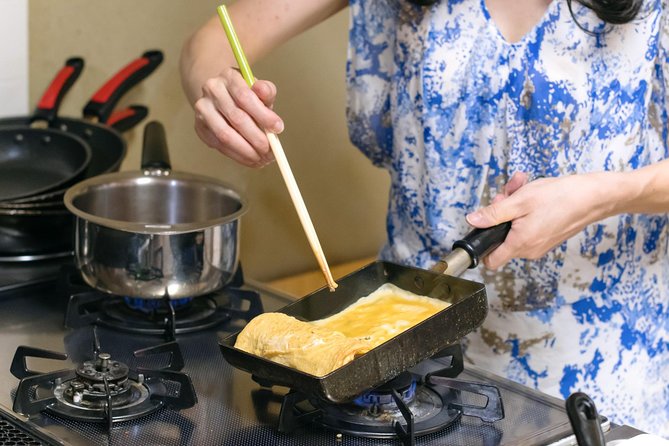
Tokyo cooking is usually something you either rush through on a full stomach or treat like a fun side quest. This private class with Emi feels different because it’s built around a real home routine, not a show. You start with a cup of mugi-cha (barley tea), then get hands-on with Japanese technique, plus plenty of time to ask questions about food and daily life in Tokyo.
What I like most is how the class stays intimate and practical. Emi walks you step-by-step, you cook along (not just watch), and you get recipe guidance you can actually repeat later. The other big win is the value for the price: the experience includes coffee or tea, sake, and the full meal you make.
One thing to consider: the menu has a shared constraint. You can choose the dishes, but everyone in the group prepares the same main dish, so you’ll want to coordinate your picks ahead of time.
Key things to know before you book
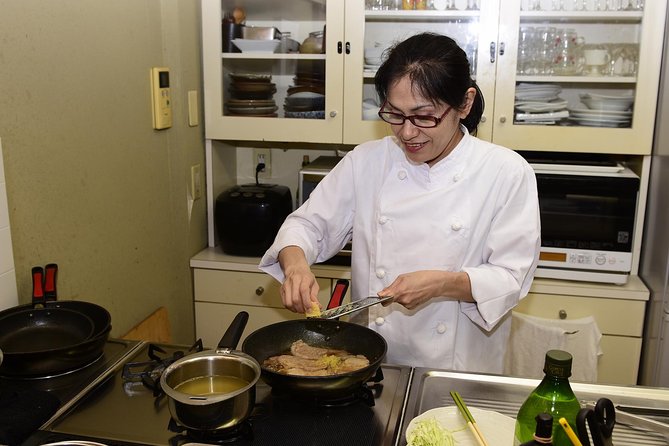
- Private one-on-one or small group instruction with Emi, focused on your pace and questions
- Hands-on cooking for 1.5 to 2 hours, followed by a meal with sake
- Pick 3 dishes, but everyone makes the same main dish, so share your choice at least 4 days ahead
- Vegetarian and allergy requests are possible, but menu changes may happen
- Weekend vs weekday changes the location: Emi’s home for smaller groups, otherwise a studio
- Optional post-class stop for a sweet shop, tea or pottery shop, or supermarket, just pick one
Emi’s Tokyo Kitchen: why this private class feels personal
If you want Tokyo food that doesn’t come from a menu photo, this is a smart move. You’re not standing behind a glass case. You’re in a real cooking space with Emi, a Tokyo local named Emi, and the conversation flows while you work. That part matters. Japan is careful about food details, from the way ingredients are handled to how a meal is paced, and you’ll hear the why as you go.
I like the tone of the experience. It’s relaxed but structured. Emi gives clear directions, then you do the cutting, wrapping, mixing, and frying. That means you’re learning a process, not memorizing a script. The class also includes time to talk about Japanese cooking culture, so you walk away understanding how home cooks think.
You should also know the setup depends on your group size and day. If it’s a weekend and you’re a group of 2 to 3, Emi hosts you at her home. If you’re 4 or more, or it’s a weekday, the class happens at her cooking studio. Either way, it’s intimate. This is not a big group production.
More Cooking Classes in Tokyo
- Ramen & Gyoza Cooking Class in Tokyo with Local Supermarket Visit
★ 5.0 · 823 reviews - Tokyo: Easy Ramen Cooking Experience in Kabukicho, Shinjuku
★ 4.6 · 321 reviews - Ramen and Sushi Cooking Class with Sake Pairing Set in Tokyo
★ 5.0 · 291 reviews
Choosing your dishes: how the same main dish rule works
Here’s the deal: you can choose three dishes from Emi’s selected menu. The experience says you can tailor the menu to your group, but with an important catch: everyone prepares the same main dish. So your group gets variety across the meal, but you share one common centerpiece for the class flow.
To make that work smoothly, you’re asked to share your main dish choice at least 4 days in advance. If you don’t, Emi will choose the menu on your behalf 4 days before the experience begins.
One practical heads-up. The menu includes an option for okonomiyaki, and it contains fish granule soup stock. If you’re vegetarian or you have fish-related dietary limits, tell Emi early so she can adjust the menu. The class can accommodate vegetarian requests, but the dish lineup may shift to fit what’s possible.
If you want this to feel easy, pick your group’s main dish early. Once that’s set, you’re free to choose the other dishes and enjoy the variety when everything hits the table.
The 3-hour flow: from mugi-cha to hands-on cooking
Plan on about 3 hours total, including cooking and the meal. Most of the action happens during 1.5 to 2 hours of cooking, with a break for eating once your dishes are ready.
The experience starts with a simple welcome drink, mugi-cha (barley tea). It’s a small detail, but it sets the mood. You’re not rushed into chaos. You settle, meet Emi, and get your bearings.
Then you move into cooking. Emi guides you through technique and timing, while you do the prep work. Based on past class setups, the cooking pace can be active, especially for dough items and stir-fry style dishes. The studio space can feel compact, so you may work close together depending on how many seats there are and what your dishes are.
After cooking, you sit down and eat what you made. Sake is included, along with the meal. This is one of the reasons I think the class is such good value. A lot of food tours give you a taste and move on. Here, you eat the full result, then you get recipe info so you can recreate at home.
What you might cook: Tokyo home-style dishes, not just restaurant hits
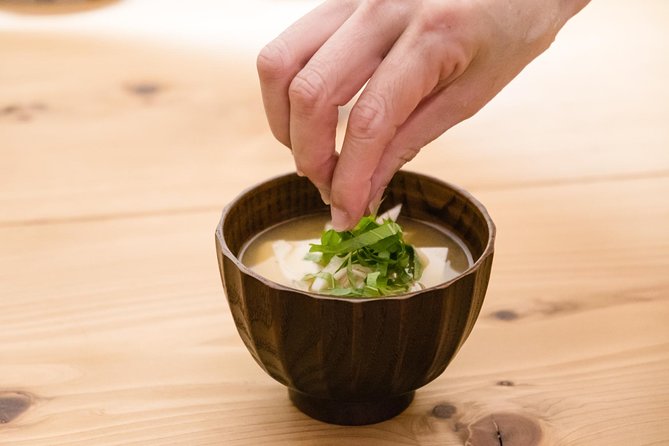
This class is designed to produce 3 to 4 authentic home-style dishes, and they’re meant to feel different from typical restaurant versions. That’s the key: home cooking has a different rhythm. It’s more about texture, seasoning balance, and what the household makes often.
Dishes I’ve seen in past class examples include:
- Gyoza (shrimp or other fillings)
- Yakisoba, including vegetarian versions
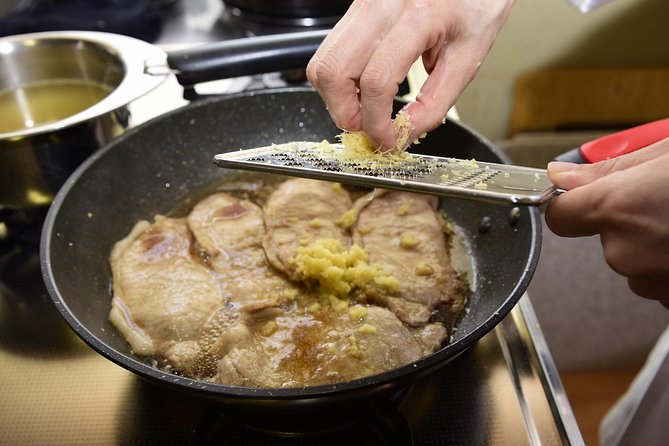
- Ginger fried pork
- Tempura and tonkatsu
- Onigiri
- Karaage
- Miso soup
- Salmon with hijiki seaweed
- Okonomiyaki (with the fish granule stock note)
Even if your exact menu differs, the pattern is consistent: you learn how to make items from scratch, not just assemble. For example, gyoza teaches wrapping skills and how to get good browning. Tempura teaches how to think about batter and frying. Onigiri teaches how rice behaves and how to shape it neatly.
A big bonus is the ingredient freshness and the way you learn to handle components. Many classes teach one dish well. This one typically gives you a small set of dishes that work together as a meal, so you get a fuller picture of how Tokyo home dinners are built.
A change of pace from Tokyo:
- Mt Fuji and Hakone 1-Day Bus Tour Return by Bullet Train
★ 5.0 · 26,383 reviews - 1-Day Tokyo Bus Tour
★ 5.0 · 14,250 reviews - Tokyo: TOKYO SKYTREE® Admission ticket
★ 4.5 · 11,192 reviews - Tokyo: teamLab Planets TOKYO Digital Art Museum Entry Ticket
★ 4.6 · 9,779 reviews
Meal time, sake, and take-home recipes you can use
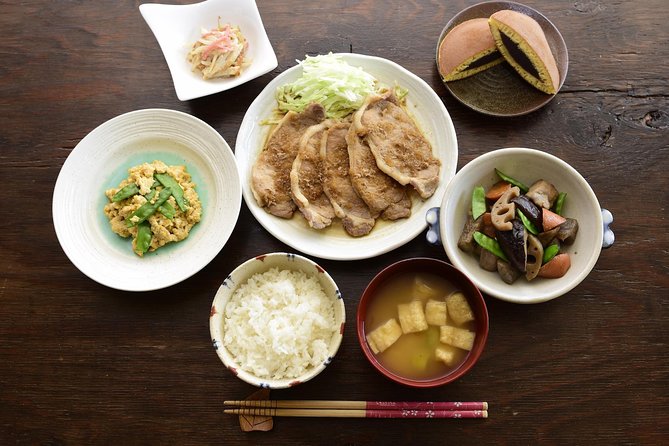
Cooking is one thing. Eating your own food is the part that makes it stick.
Once your dishes are ready, Emi has you sit down and enjoy the meal together. Sake is included, along with tea or coffee. That shared meal vibe matters. It turns the class into something more like hosting than instruction.
The other practical win is the recipe guidance. Emi shares recipes so you can recreate the flavors back home. In other words, you’re not leaving with a vague idea of what you ate. You should leave with enough detail to try again, whether you’re cooking for friends or just feeding yourself on a weeknight.
Here’s my advice for getting the most from this section: while you’re eating, keep asking small questions. If something tastes extra good, ask what you should adjust next time. Emi’s answers are usually the most useful part because they translate technique into seasoning logic.
Studio vs Emi’s home: where you’ll cook and what to expect
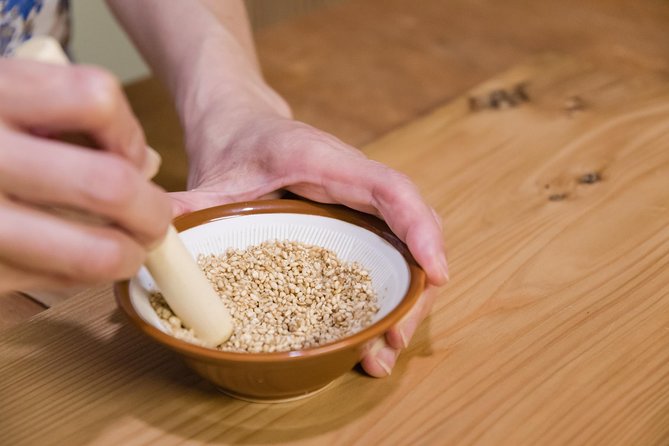
Your experience location depends on timing and group size.
- Weekend, group of 2 to 3: Emi hosts at her home
- Weekday or group of 4+: you’ll be in the cooking studio
If you’re thinking about comfort and movement, note that there are about 10 steps leading to the studio. So if you have mobility concerns, it’s worth planning around that.
Also, expect a hands-on class to feel a bit busy. The space may be small, and Emi may be working closely with you depending on your dish choices. That’s normal for a home cooking setup. It’s also why this class shines for smaller groups.
One more tip: you’ll get the best experience if you come ready to cook. Don’t show up overly full. The class specifically suggests you avoid filling up beforehand. With the amount of food you make and eat, you’ll want your appetite intact.
Nerima meeting point and getting there without stress
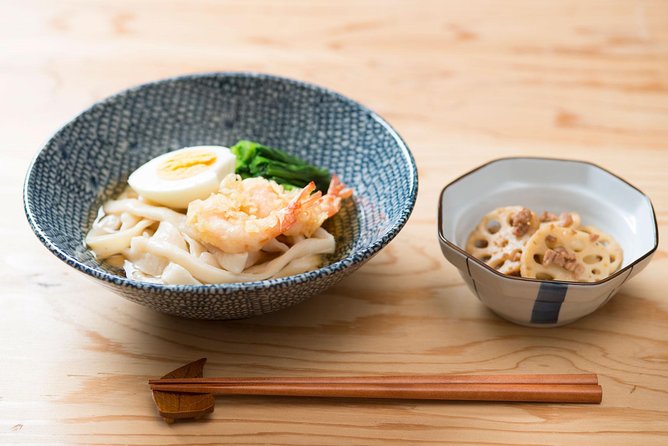
The meeting point is Nerima City Hall, 6-chōme-12-1 Toyotamakita, Nerima City, Tokyo 176-8501. It ends back at the meeting point.
It’s near public transportation, which is key for Tokyo. You don’t want to spend half your day navigating complicated transfers before a cooking class. Here, you can keep the start simple, arrive on time, then focus on the lesson.
If you’re planning other activities, Nerima has some useful proximity notes. The Harry Potter Museum in Tokyo is about a 20-minute walk from Emi’s apartment. And if you’re doing TeamLab Borderless in Azabudai Hills, the Oedo line brings you to Nerima from Azabu-Juban station without transfers, which can help you plan a smooth day.
Optional sweet and tea stops after class
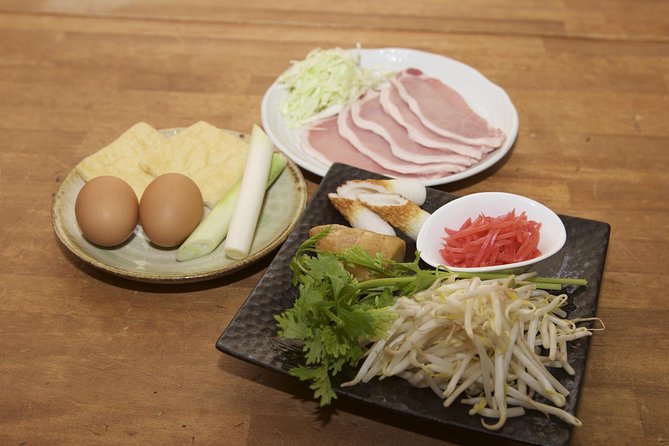
After the cooking class and meal, Emi can take you to one optional stop before dropping you off around Nerima station. The class offers choices:
- a Japanese sweet shop
- a Japanese tea and pottery shop
- a supermarket
You pick just one place in advance. This is a nice way to turn the evening into a mini food crawl without turning it into a long detour.
If you’re the type who likes souvenirs that actually get used, the tea and pottery stop can be a great fit. If you want something easy and snackable, the sweet shop option is usually more straightforward. And if you want pantry supplies for cooking later, the supermarket visit can be practical.
Price and value: is $99 per person a good deal?
At $99 per person for about 3 hours, this is not a low-cost activity, but it is strong value for what you get.
You’re paying for:
- a private class with Emi
- 3-dish cooking and a shared main dish setup
- all food and drink included
- alcoholic beverages (sake)
- recipe info so it doesn’t end when you leave
Food tours often charge similarly but give you lighter samples. Here, you cook and then eat the results. That makes the price easier to justify, especially if you’re traveling as a couple or small group and want a memorable experience you can repeat at home.
One more value angle: the class is a rare chance to learn Japanese cooking in plain language. You get technique and context, not just taste. If you enjoy cooking even a little, this can become one of the most useful take-home experiences from your Tokyo trip.
Who should book this class, and who might skip it
This fits best if you:
- want a hands-on cooking class rather than a watching-only tour
- like food conversations and cultural context
- travel in a small group, especially 2 to 3 people
- want recipes you can repeat at home
- enjoy sake with your meal
It’s not suitable for children 9 and under. Children 10 and up are charged the same as adults.
If you have allergies or dietary restrictions, tell Emi at booking. The class asks you to message Emi directly after booking confirmation so she can tailor the menu. Vegetarian requests are possible, but the menu for the group may change accordingly. Also remember the okonomiyaki option contains fish granule soup stock, which matters for vegetarian and fish-avoidant diets.
Finally, if you’re in a group of 4 or more, plan ahead. The experience notes that you may need to reserve 2 to 3 months in advance, since studio space can be limited.
Should you book Emi’s private cooking class in Tokyo?
I think you should book it if you want a real Tokyo cooking moment, with a local host who teaches in a patient, step-by-step way. The pricing is fair for what’s included, especially because you eat a full meal you cooked, with sake in the mix. It’s also ideal if you enjoy Japanese food and want a home-cooking version, where technique and seasoning choices matter.
Skip it if you’re traveling with very strict dietary needs and you can’t coordinate your preferences early. Also skip it if you hate stairs or expect a fully accessible space without steps, since the studio has about 10 stairs.
If you book, do two things for best results: come hungry, and share your main dish choice at least 4 days ahead so Emi can plan smoothly.
FAQ
What is included in the private cooking class?
The class includes a private cooking lesson and meal with Emi, coffee and/or tea (including green tea and barley tea), and alcoholic beverages (sake). All food and drink for what you cook and eat are included.
How long is the experience?
It runs for about 3 hours (approx.), with around 1.5 to 2 hours of hands-on cooking plus time to eat.
Where do we meet for the cooking class?
You meet at Nerima City Hall, 6-chōme-12-1 Toyotamakita, Nerima City, Tokyo 176-8501. The experience ends back at the meeting point.
Is hotel pickup and drop-off included?
No. Hotel pickup and drop-off are not included.
How do I choose the dishes?
You can choose three dishes from Emi’s menu, but everyone in your group will prepare the same main dish. You should share your main dish preference at least 4 days in advance, or Emi will choose a menu on your behalf 4 days before the experience.
Can Emi accommodate allergies or dietary restrictions?
Yes. If anyone has allergies, dietary restrictions, or cooking preferences, advise Emi at booking and message her directly after confirmation to discuss menu details. Vegetarian requests are welcome, but the group menu may change accordingly.
Where is the class held, Emi’s home or a studio?
If it is a weekend and your group is 2 to 3 people, Emi hosts you at her home. If it is a weekday or your group is 4 or more, Emi hosts you at her cooking studio.
Is it suitable for children?
It is not suitable for children age 9 and under. Children 10 and up are charged the same as adults.
Does the class include an option to visit a shop afterward?
Yes. After the class and meal, Emi can take you to a Japanese sweet shop, a Japanese tea and pottery shop, or a supermarket. You can choose just one place, and you should let her know in advance.
Latest write-ups near Tokyo
- Tokyo Customized Private Tour: See Top Attractions in 1 Day★ 4.8 · 67 reviews
- From Tokyo: Top 5 Scenic Spots of Mount Fuji Full-Day Tour★ 4.5 · 67 reviews
- Tokyo: Shinjuku Izakaya and Golden Gai Bar Hopping Tour (2h)★ 4.9 · 67 reviews
- Traditional Japanese Music ZAKURO SHOW in Tokyo★ 5.0 · 67 reviews
- Tsukiji: Unlimited Sake Tasting Experience★ 4.9 · 67 reviews
- Samurai Ninja Museum Asakusa: Kid-Friendly Ninja Training★ 4.7 · 67 reviews
- Tokyo: Not a show- a professional sumo practice with experts★ 4.9 · 67 reviews
- Private Harajuku Omotesando Architecture Walking Tour★ 5.0 · 67 reviews
Cooking Classes, compared.
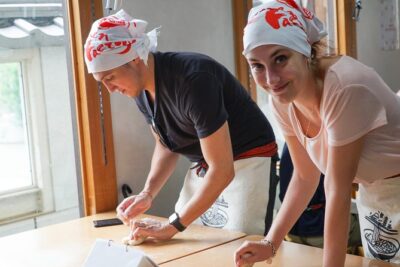
Ramen Cooking Class at Ramen Factory in Kyoto
Read our review →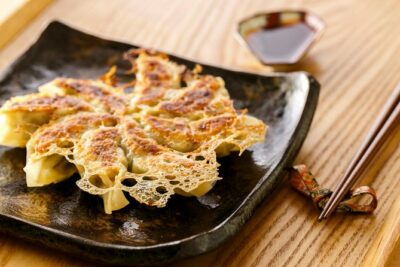
Ramen & Gyoza Cooking Class in Tokyo with Local Supermarket Visit
Read our review →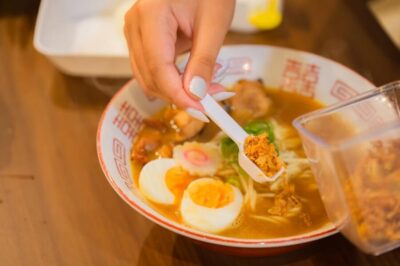
Ramen Cooking Class at a Ramen Factory with Souvenir
Read our review →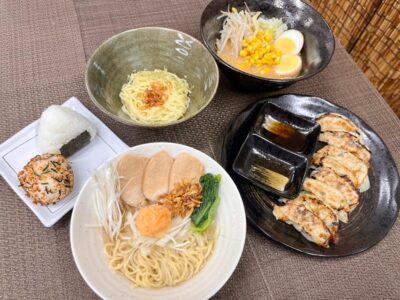
Japanese Washoku Bento Small Group Cooking Class
Read our review →
Easy Ramen Cooking Experience in Kabukicho, Shinjuku
Read our review →
Ramen and Sushi Cooking Class with Sake Pairing Set in Tokyo
Read our review →Browse the lists this tour appears in