
Reviewed · TEA CEREMONIES
2 Types of Japanese Sweets making and Tea Ceremony
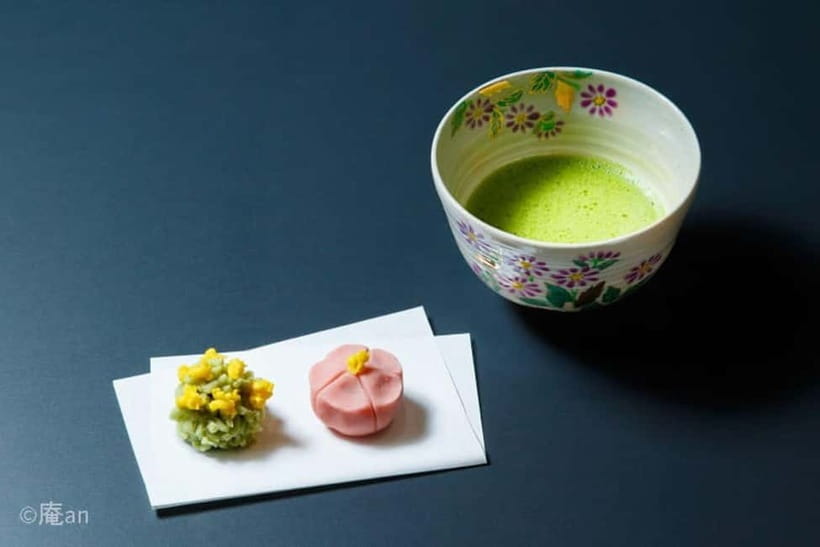
This experience is interesting because you learn Japanese sweets and tea in one hands-on session, with a focus on seasonal wagashi and grinding real matcha. I like that you make two different sweets styles (not just watch), and you use bean paste sourced from Kyoto’s long-established shops. One thing to keep in mind is that it is a workshop in a shared room, so the vibe can feel more lesson-like than cozy and private.
A big part of the value is the three-part flow, you start with a dried sweet, shape nerikiri, then make matcha and do a short tea ceremony. If you want something quiet and fully theatrical, adjust your expectations, some rooms can get noisy.
Key things I’d circle before you go
- Kyoto bean paste used for your nerikiri, not generic filling
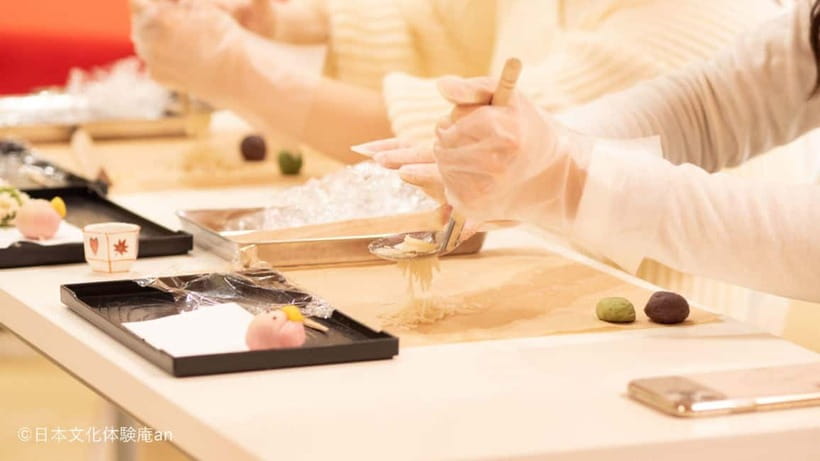
- Two seasonal sweets you actually shape, including a flower-style nerikiri
- Wasanbon sugar shows up in the dried Ohigashi process
- Single-origin matcha plus grinding, so you taste your own work
- Casual tea ceremony after an explanation, with time to eat your sweets
Your starting point: Gojo Station and a workshop you can find fast
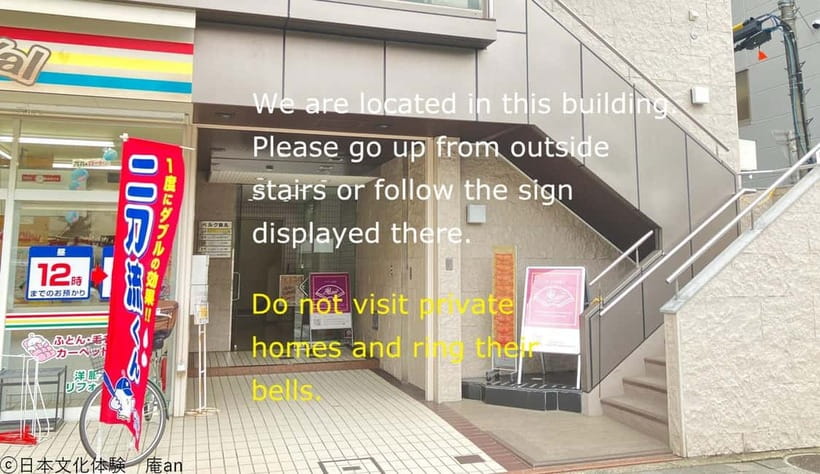
The meeting point is easy if you’re already in central Kyoto. You’ll meet about one minute walk from Exit 1 of the Karasuma Line Gojo Station. The store entrance faces Gojo-dori, which helps, especially if you’re coming in from a transit hub and don’t want to hunt around.
The experience runs from 10:00 to 17:00, and reservations made after 17:00 are handled the next day. Plan to arrive on time because they won’t hold the event for latecomers. Also note the building has no elevator, so expect stairs to reach the venue areas.
Why this matters: in workshops like this, timing is everything. If you show up stressed, you’ll rush your hands and miss the explanations. I’d build in a few extra minutes at Gojo Station and then stroll in.
More Tea Ceremonies in Kyoto
- Kyoto: Tea Ceremony in a Traditional Tea House in Kiyomizu
★ 4.9 · 3,519 reviews - Kyoto: Tea Ceremony Ju-An at Jotokuji Temple
★ 4.9 · 3,207 reviews - Kyoto: 45-Minute Tea Ceremony Lesson Experience
★ 4.3 · 2,378 reviews
What you make: Ohigashi and Nerikiri, plus why seasonal shapes matter
This is not a single-sweet class. It’s a full wagashi program with three learning beats: Ohigashi (a dried-type Japanese sweet), Nerikiri (a shaped sweet made from bean paste), and matcha with a tea ceremony.
Here’s the big idea behind doing both types of sweets. Ohigashi tends to be more about texture and structure, it’s a process that rewards patience and careful handling. Nerikiri is where shaping becomes the point, you’re building something that looks intentional, often tied to the season.
Even if you don’t care about aesthetics, seasonal wagashi is the easiest way to understand Japanese sweets as culture, not just dessert.
Ohigashi (dried sweet): Wasanbon sugar and the first hands-on step
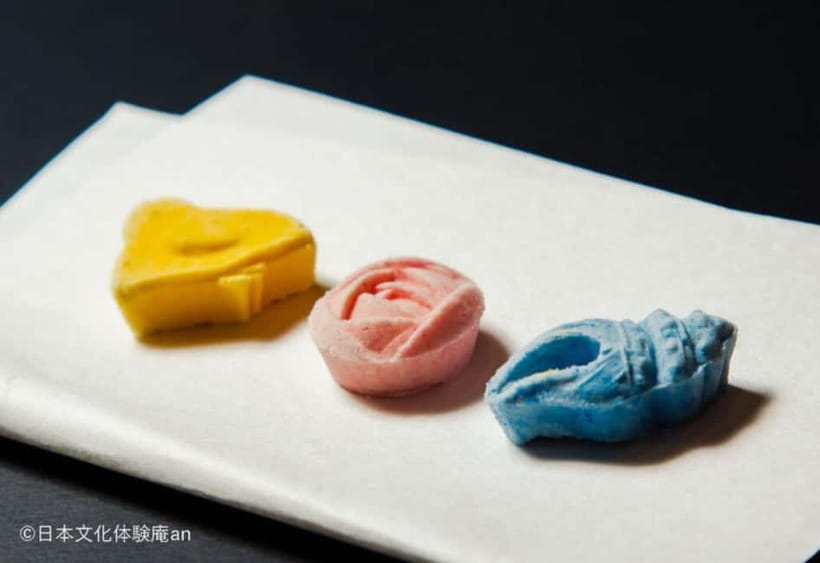
Your session starts with a quick setup: an explanation of traditional Japanese sweets and what you’ll be making. Then it moves into Ohigashi, the dried-type sweet made using traditional Japanese sugar called Wasanbon.
If you’ve only tried wagashi in a shop, Ohigashi can feel surprising. Dried sweets have a different logic than fresh ones. You’ll likely work carefully to get the right form and consistency before you finish.
Why I like starting with Ohigashi: it gives you a foundation. After you touch something with Wasanbon, you start noticing how sweetness and texture are handled differently in Japanese confectionery.
A practical tip for you: wear clothes you’re okay with getting a tiny bit messy. Even when a class is clean, wagashi making uses materials that don’t behave like frosting from a bakery.
Nerikiri shaping: making two seasonal sweets with bean paste
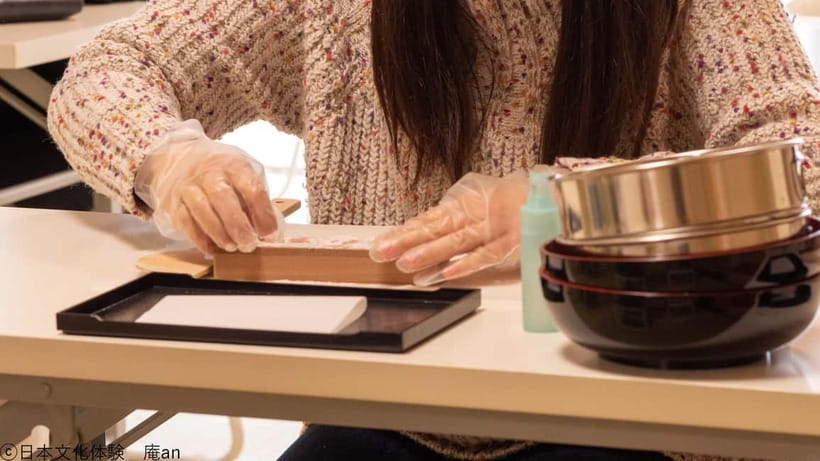
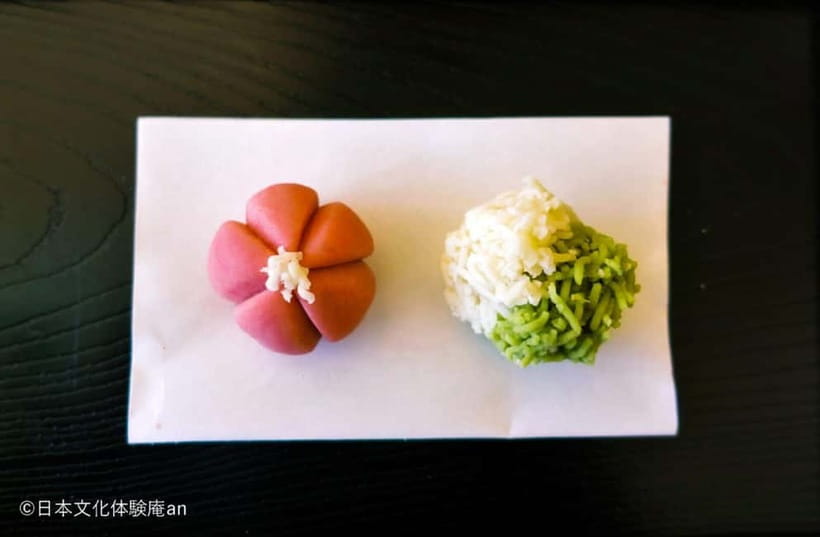
Next comes the nerikiri portion, where you shape sweet pieces from white and red bean paste. This part is designed around seasonality, so you’ll make two seasonal Japanese sweets.
The schedule breaks down like this:
- a break time as you transition into shaping
- about 30 minutes for the first nerikiri step, then the main nerikiri shaping portion
- later, you also hear more about the sweets and then move to tea
One detail I appreciate: the bean paste is described as being produced by Kyoto’s long-established shops. That signals they’re trying to keep the ingredients true to place, not just using generic fillings.
Also, you’ll do Kinton Nerikiri, described in the program as a flower-shaped nerikiri. This matters because flower-style shaping forces you to slow down and focus. It’s not just mixing and rolling, you’re building something with visible structure.
Small realism check: some people find workshops feel like a classroom. That can happen here too, especially in busy rooms. Still, the shaping itself tends to keep you engaged, because your hands are working the whole time.
A change of pace from Kyoto:
- PERFECT KYOTO 1-Day Bus Tour
★ 5.0 · 13,518 reviews - Kyoto: Fushimi Inari, Kinkakuji, Bamboo Grove 1 Day Bus Tour
★ 4.8 · 4,316 reviews - Kyoto Geisha Walking Tour: Gion District & Hidden Gems
★ 4.7 · 3,273 reviews - Kyoto: Gion Magical Night Walking Tour with Geisha Trivia
★ 4.9 · 2,393 reviews
Matcha grinding and the casual tea ceremony, what you’ll get
After the nerikiri portion, there’s a break and then the focus shifts to tea. The program includes:
- an explanation regarding tea
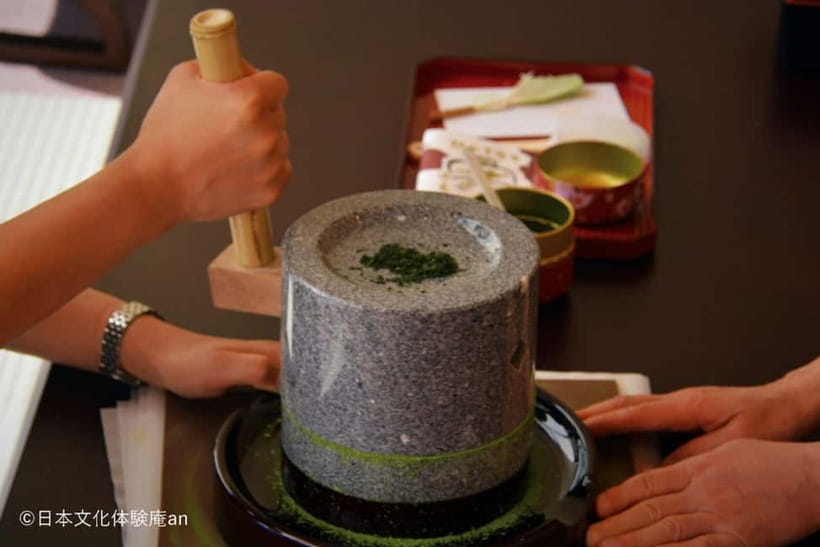
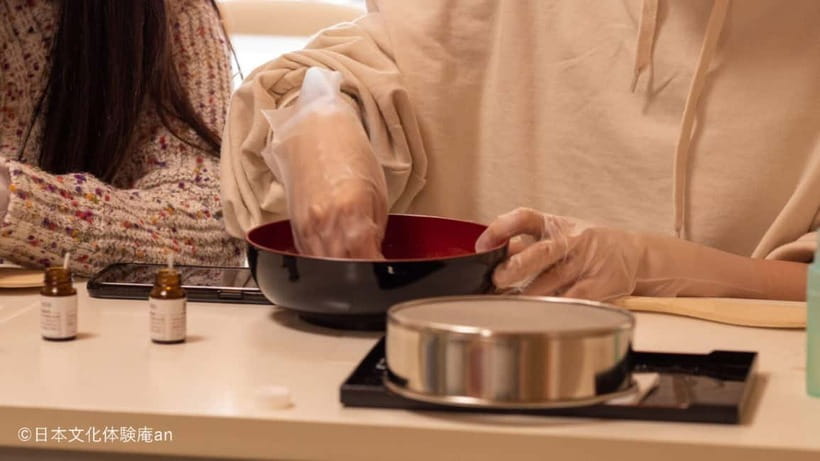
- a matcha grinding demonstration
- a tea ceremony experience, described as casual
So instead of a purely theatrical performance, you’ll do a guided version that ends with drinking. The key is that you get to see and participate in the matcha making, not just watch someone pour.
The matcha is described as single-origin special matcha. Again, this is one of those small details that changes the experience. Matcha varies, and single-origin matcha usually means you get a clearer idea of flavor rather than a blended profile.
How I think about the tea part: it’s a good primer. If you want to understand what makes a tea ceremony different, it gives you the language, then you taste it right away.
You might not get a long, formal ceremony with lots of ritual steps, and that’s okay. If your goal is learning and tasting in one sitting, this format fits.
The full itinerary in plain time order
Here’s how your 125 minutes typically flow:
- 00 min Start: intro to Japanese traditional sweets
- 0 to 20 min: make dried-type Ohigashi
- 20 min Break
- 30 min: begin nerikiri shaping
- 30 min onward: make 2 seasonal nerikiri sweets, including Kinton Nerikiri
- 85 min Break time
- 95 min: explanation about tea
- Matcha grinding demonstration
- Tea ceremony experience
- 115 min End
- 115 to 125 min: eat and drink time, then leave the room
Why this schedule works: it alternates between crafting and learning. You’re not stuck in one mode the whole time, so your energy stays steadier.
Value and price: what $28 covers, and what costs extra
At $28 per person for about 125 minutes, you’re paying for more than a snack and a short chat. You’re getting a bundled experience: two sweets you make plus matcha and a tea ceremony component.
That’s the value angle. Workshops like this can be pricey if you only do one item, and you often pay more for ingredients and instruction. Here, you’re getting three parts in one ticket.
What’s not included:
- Adding color: 200 JPY
- Sweets take-out box: 100 JPY
- Experience completion certificate: 300 JPY
That optional color fee is worth considering only if you care about finishing your nerikiri with extra visual detail. If you’re more interested in the process and taste, you can likely skip it.
Also, you should expect to finish everything on site. The class includes eat and drink time before departure.
What the instructors do well, and what can change your mood
The teacher style can make or break this kind of workshop. In one booking, the instructor named Maiko was described as attentive and informative, with English translation that made the instructions easier to follow.
English support is listed as being provided as much as possible. If you want extra translation, they ask you to contact them ahead of time.
Now the realistic downsides I’d plan for:
- Noise and crowding can happen. One experience mentioned a room full of tourists being noisy and disrespectful.
- Some people felt the tone was more clinical, like a classroom, and less intimate than they expected.
My advice: go in with the right expectation. Treat it like a structured hands-on lesson, not a private artisan experience. If you’re the kind of person who enjoys learning step by step while making something with your own hands, you’ll probably love it.
Who this is best for in Kyoto
I’d suggest this workshop if you want:
- a focused introduction to wagashi types (Ohigashi and Nerikiri)
- real participation, not just tasting
- a short, guided matcha experience with a tea ceremony element
It can also fit solo travelers who like meeting a group and doing something practical. If you’re traveling with kids, note that children who sit on their parents’ laps are free of charge if they’re under 2 years old.
On the other hand, if you’re looking for a silent, high-end, museum-like tea moment, you might feel it’s too instructional or too shared.
Should you book this workshop near Gojo Station?
Yes, I think you should book it if your goal is hands-on cultural practice. The combination is the selling point: two seasonal sweets plus matcha, in one time slot. The $28 price makes sense because you’re doing multiple craft tasks, and you use real inputs like Wasanbon and single-origin matcha.
I’d hold off if you hate group dynamics or you need a deeply intimate, private vibe. Also, arrive calmly and on time, because the schedule won’t bend for delays, and there are stairs.
If you want a fun, practical way to spend part of a Kyoto day without booking a whole food tour route, this is a smart pick.
FAQ
How long is the experience?
The duration is 125 minutes.
Where do I meet for the workshop?
Meet about one minute walk from Exit 1 of the Karasuma Line Gojo Station. The store entrance faces Gojo-dori.
What sweets will I make?
You’ll make two types of Japanese sweets: dried-type Ohigashi and two seasonal Nerikiri sweets made with white and red bean paste.
Is matcha included?
Yes. You’ll have a matcha grinding demonstration and then enjoy a tea ceremony experience, which includes your own matcha.
How much does it cost?
The price is listed as $28 per person.
Are there extra charges for anything?
Yes. Adding color costs 200 JPY, a sweets take-out box costs 100 JPY, and an experience completion certificate costs 300 JPY.
Is there an elevator?
No. There is no elevator, and you will need to take stairs.
What language support is available?
The experience is listed as Japanese, and English translation is provided as much as possible. If you want it, you may need to contact them.
What is the operation time?
Operation hours are from 10:00 to 17:00. Reservations received after 17:00 are processed the next day.
Latest write-ups near Kyoto
- Kyoto: Nishiki Market Tour with a Local Foodie & Tastings★ 4.5 · 67 reviews
- Kyoto Kimono Rental mimosa |Kimono/Yukata Rental Couple Plan★ 4.8 · 67 reviews
- Kyoto: Traditional Kimono Fabric Handicrafts Workshop★ 5.0 · 67 reviews
- Kyoto Tea Ceremony and Samurai Photo Session★ 5.0 · 70 reviews
- Kyoto: Replica food making experience★ 4.8 · 70 reviews
- Kyoto: Kinkakuji, Golden Pavilion Guided Tour★ 4.7 · 71 reviews
- Private departure transfer from Kyoto city to Kansai International airport★ 5.0 · 72 reviews
- Uji: Green Tea Tour with Byodoin and Koshoji Temple Visits★ 4.8 · 72 reviews
Tea Ceremonies, compared.
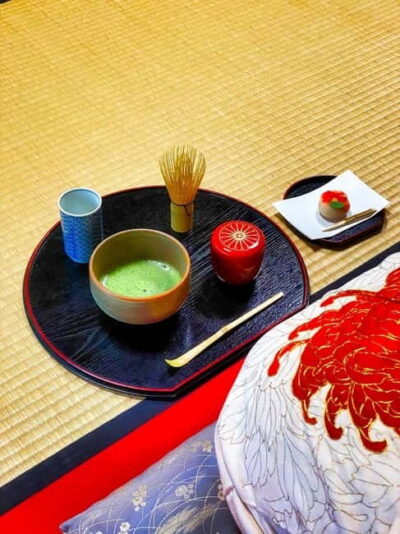
Tea Ceremony in a Traditional Tea House in Kiyomizu
Read our review →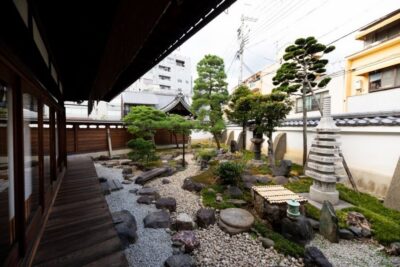
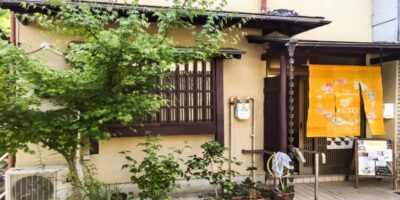
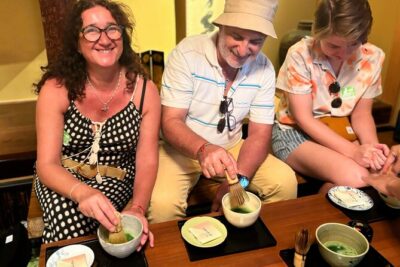
World Heritage Kyoto & Nara Uji Authentic Matcha Experience
Read our review →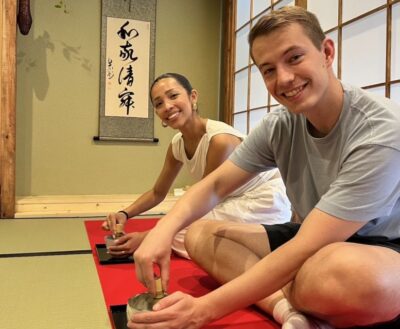
Browse the lists this tour appears in