
Reviewed · TEA CEREMONIES
Kyoto: Nishiki Market Tea Ceremony with Koto Performance
This experience is interesting because you get two Kyoto traditions in one calm, small-room hour: making matcha the proper way, then listening to live koto harp music around your tea. It is not a rushed show, it is hands-on, quiet, and thoughtfully paced.
I love that you actually make the tea yourself, with clear steps for whisking so it turns creamy and less bitter. I also love how the host weaves in tea etiquette and the instrument history while you sip and relax.
The one drawback to consider is that it is a small studio and not set up for everyone. It is not suitable for children under 8, wheelchair users, or anyone with food allergies, and you will take your shoes off.
Key things that make this stand out
- Hands-on matcha whisking with step-by-step guidance so yours tastes the way it should
- Live koto before and after your ceremony, with short music breaks timed to your tea
- Small group size (max 8) so you are not just watching from the back
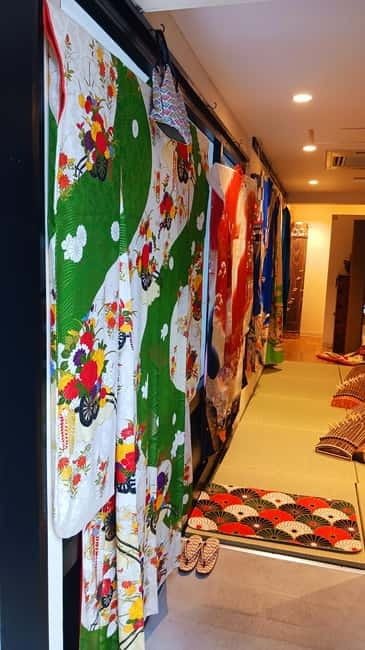
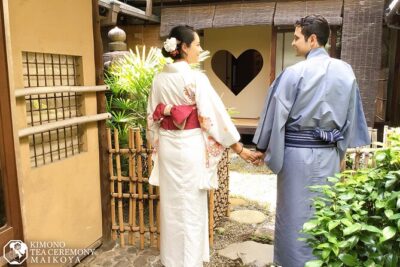
- Optional kimono + photo/video session on-site, if you want a special memory
- No flash photography, plus a small-space vibe where packing light helps
A Calm Matcha Hour in Central Kyoto, Minus the Rush
Kyoto can be intense. Streets get crowded fast, and even “traditional” activities sometimes feel like a checkbox. This one gives you something different: a measured, respectful hour where you sit, learn, make matcha, taste sweets, and then listen to the koto harp. The tone is gentle, and the format is designed for focus rather than crowd control.
You will spend about 1 hour total, in a central Kyoto location that is easy to reach even when the weather is not cooperating. The group is limited to 8 participants, so you get real attention from the instructor, who teaches in English and Japanese. The experience is priced at $56 per person, which sounds simple on paper, but the value shows up in the mix: instruction, food pairing (tea sweets), and multiple live music moments.
More Market Tours in Kyoto
- Nishiki Market Brunch Walking Tour (7 Tastings + Brunch)
★ 5.0 · 1,355 reviews - Kimono Tea Ceremony at Kyoto Maikoya, NISHIKI
★ 5.0 · 911 reviews - Kyoto Nishiki Market Food and Culture Walking Tour
★ 5.0 · 412 reviews
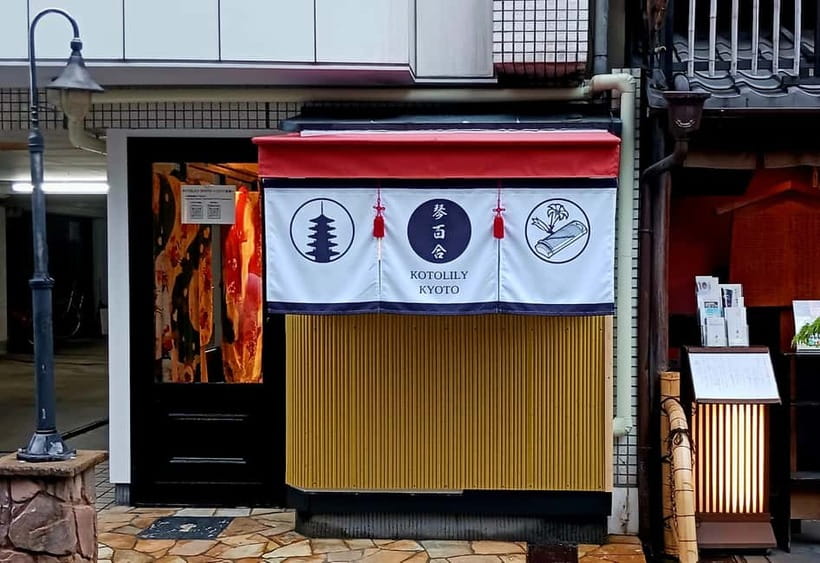
Meeting KOTOLILY KYOTO: Find It Fast So You Can Chill
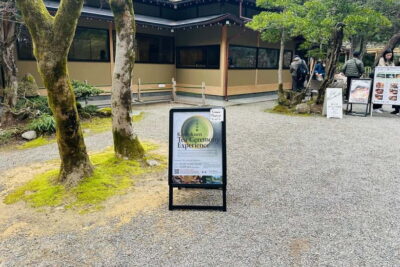
The meeting point is specific, and I’d follow it exactly. Go to the shop named KOTOLILY KYOTO and come inside. It is next to KINMATA Restaurant, and it is opposite the side of the street from Hotel GOCO stay. That last detail matters because it is easy to accidentally wait at the wrong place if you anchor yourself to the nearest hotel entrance.
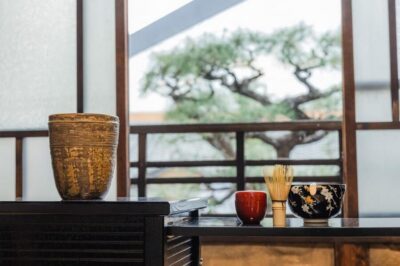
In practice, the studio setting is a big part of the experience. People who care about details tend to notice that the shop environment feels intentional, not generic. You get a cozy, warm tea-space atmosphere that helps you slow down even before the first instruction starts.
Quick pro tip: bring comfortable clothes and a camera. Also plan for a small area. If you are carrying a big bag, keep it light if you can.
The Ceremony Part: Making Matcha the Way It’s Meant to Taste
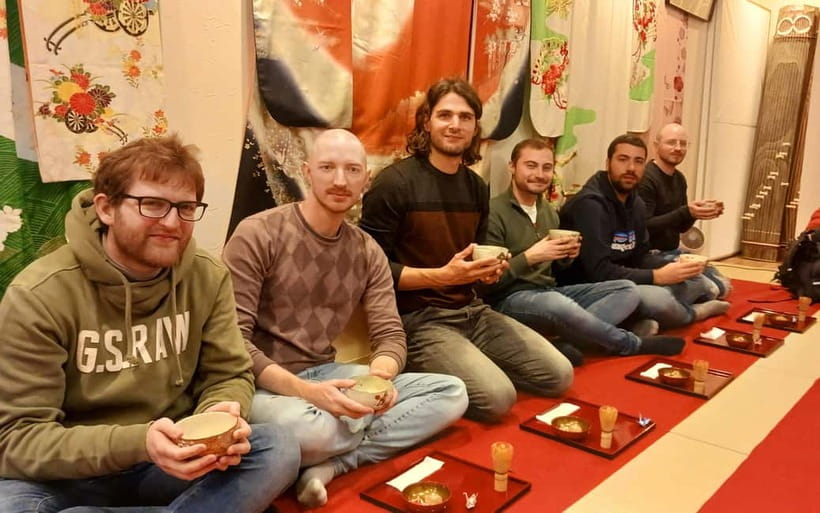
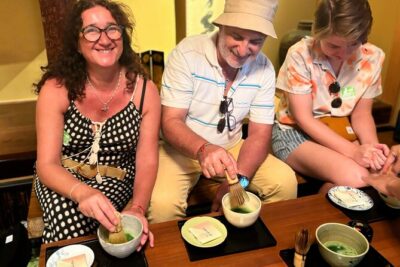
Your session starts with guidance on how the matcha ceremony works in real life. You are not just standing there. You learn the steps and then do it yourself. The host explains tea etiquette and the reasoning behind each movement, which matters because matcha is sensitive to how you prepare it.
The goal is creamy matcha with less bitterness. That is not magic, it is technique: water temperature, whisking method, and timing. The experience is set up so you can correct yourself in real time. When you get it right, the tea texture feels smooth and the flavor sits better, even if you are usually a coffee person.
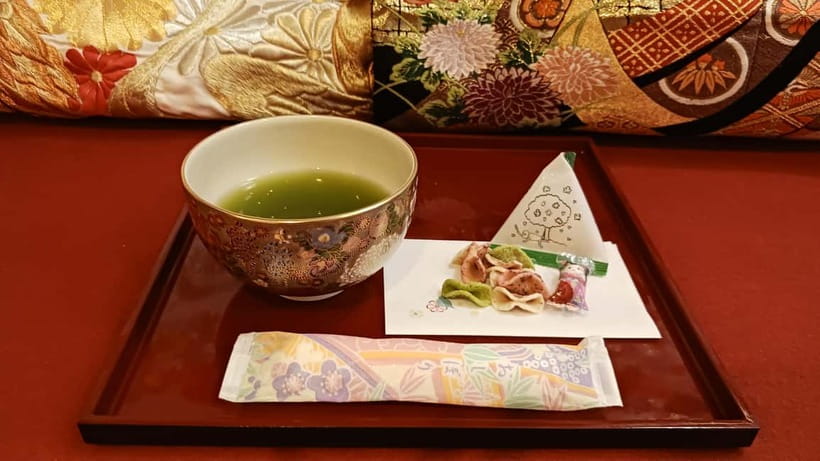
Then you taste the tea alongside tea sweets. This pairing is not an afterthought. It helps you understand how matcha works, because sweetness and texture change how the green tea lands on your palate. If you think you dislike matcha, this is the kind of session where the issue is often preparation, not the tea itself.
One more practical note: flash photography is not allowed. That keeps the room calm and photo-friendly without turning it into a studio with constant light bursts. If you want pictures, bring a normal camera setting and use natural light when possible.
How the Koto Harp Fits In, Before and After Your Tea
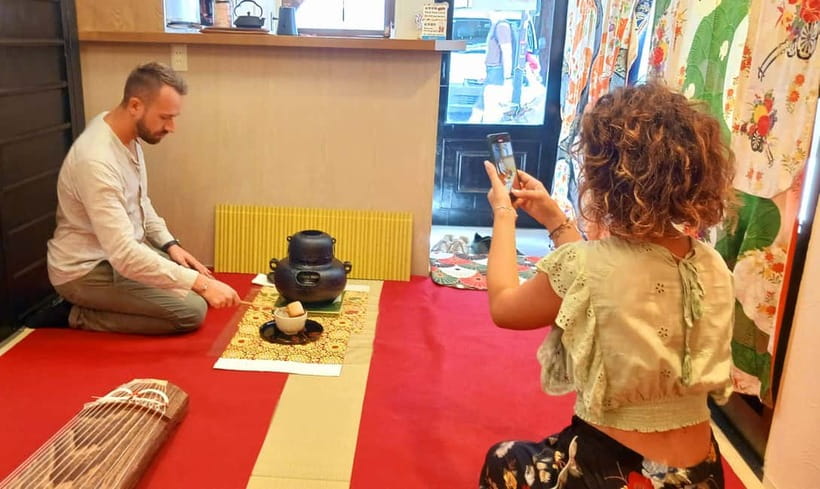
This is what makes the experience feel like more than a standard tea lesson. You do not get one short music clip. You get a live koto performance before and after the tea ceremony, with additional music moments woven into the timing of your experience.
The koto is played by the host, and the instruction includes a bit of context about the instrument and what you are hearing. That turns the music from background noise into part of the story. The room becomes a listening space, not just a spectacle. In the best moments, you feel like the tea and music are sharing the same rhythm, and your senses have time to settle.
Some sessions include well-known pieces such as songs like Childhood and Summer, and the host’s playing is part of why people remember this hour long after the tea is gone. Even if you are not a music person, you will likely find yourself paying attention here, because the koto sound is clear, detailed, and surprisingly soothing right next to your warm cup.
More Shopping Tours in Kyoto
- Kyoto: Nishiki Market Brunch Walking Tour-7 Tastings+Brunch
★ 4.8 · 197 reviews - Kyoto: Local Food Tasting Tour at the Nishiki Market
★ 4.7 · 135 reviews - Kyoto: Nishiki Market and Depachika Food Tour with a Local
★ 4.7 · 76 reviews - Kyoto: Nishiki Market Tour with a Local Foodie & Tastings
★ 4.5 · 67 reviews
Optional Kimono Photos and Video: Worth It if You Like Artifacts
You can wear a kimono, but the kimono experience is not included in the base package. The kimono is available on-site for an additional fee, and so is a photo and video session while you wear it.
For many people, this is the easiest way to “turn the moment into a memory.” A good photo makes sense because you are doing something specific in a specific place, not just eating matcha in a random cafe. The kimono add-on is available right where the ceremony happens, so you do not have to schedule another stop.
Keep expectations practical. The main tea ceremony experience is the core value, and the kimono is an add-on. If you are only there for the hands-on matcha lesson and music, you could skip it. If you love staged-but-authentic travel portraits, this is one of the better times to do it, because the studio atmosphere looks designed for photos.
Optional Koto-Playing Experience: If You Want to Go Hands-On
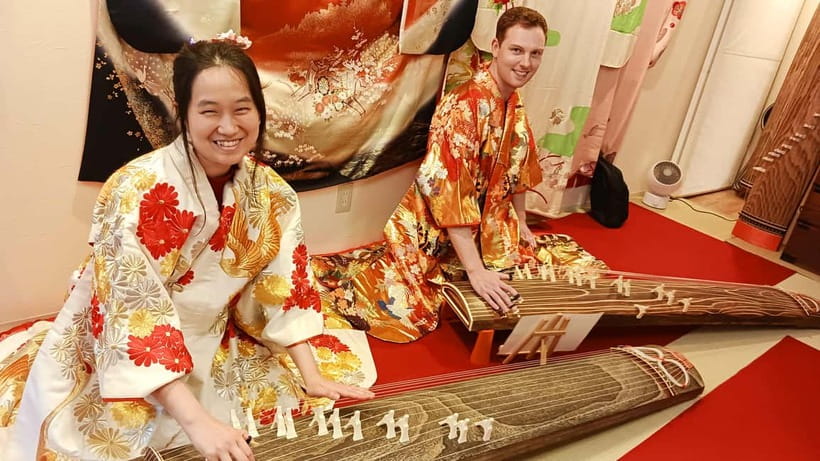
There is also an option to add a koto-playing experience for an additional fee on-site. Some versions of the experience include photos and video with the extra lesson.
This is a good choice if you like the sound of the koto and want your own physical connection to it, even for a short segment. Just keep in mind it is an add-on, so it can change the pacing and cost. If you are deciding on the day, ask the staff after the tea ceremony and see what is available.
Also note that the host makes an offer after the ceremony experience. So if you are open to extras, stay engaged through the end of the tea segment.
What You Really Get for $56 (and Why That Price Can Make Sense)
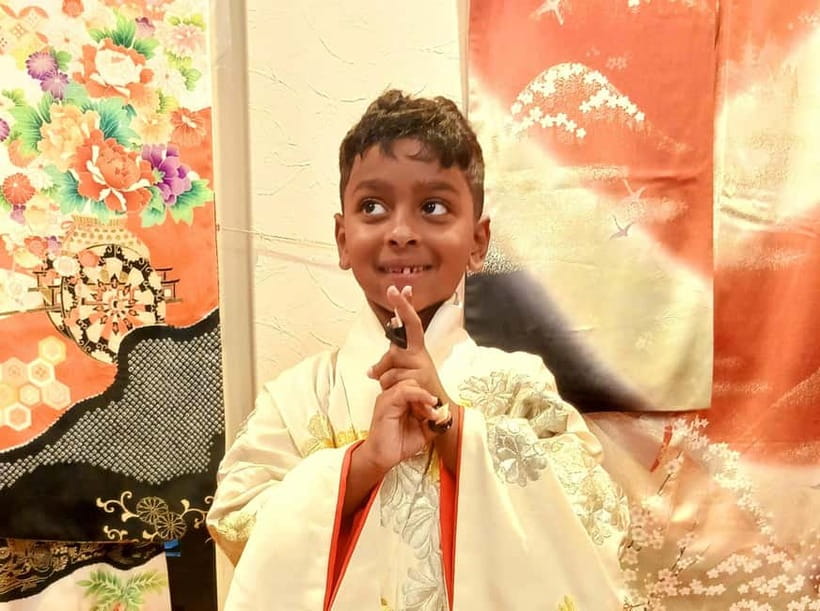
At $56 per person, this is not the cheapest thing you can do in Kyoto. But I think the value is fair when you look at what is bundled into that hour.
You get:
- A guided matcha-making session where you actively participate
- Tea sweets that help you learn matcha taste
- Live koto performance with multiple music moments
- A small group format with limited seats
Many cheaper tea ceremonies give you one tea, one explanation, and then you’re out the door. Here, the koto turns it into a combined cultural and sensory experience. And because the group is small, the instruction feels more personal rather than generic.
If you are on a tight schedule, you might compare this to booking a tea workshop plus a separate music performance ticket. Doing them together in one location and time can be easier than juggling two reservations.
If you are cost-sensitive, you can treat this as a “one special booking” and spend the rest of your Kyoto time exploring on your own. Nishiki Market and central shopping streets are nearby, so you can pair this hour with browsing before or after.
Who This Fits Best (and Who Should Skip It)
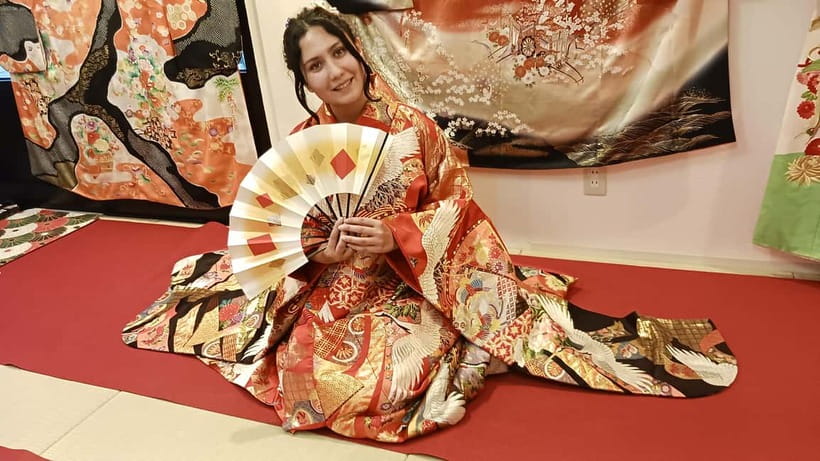
This experience fits best if you want a calm, structured cultural activity and you like doing things with your hands, even if you have never whisked matcha before. It also works well if you care about music and want a live performance that is integrated, not bolted on.
It is not suitable for:
- Children under 8
- Wheelchair users
- People with food allergies
If you have dietary restrictions related to allergies, you should double-check what is involved with the tea sweets before booking. The only solid approach is to ask the provider directly.
If you are a serious foodie, you will probably enjoy learning the reasoning behind flavor and etiquette. If you are more of a casual sightseer, you might still like it because it is short, centered, and the koto component adds emotional impact.
Small-Group Comfort: What to Bring, What to Expect
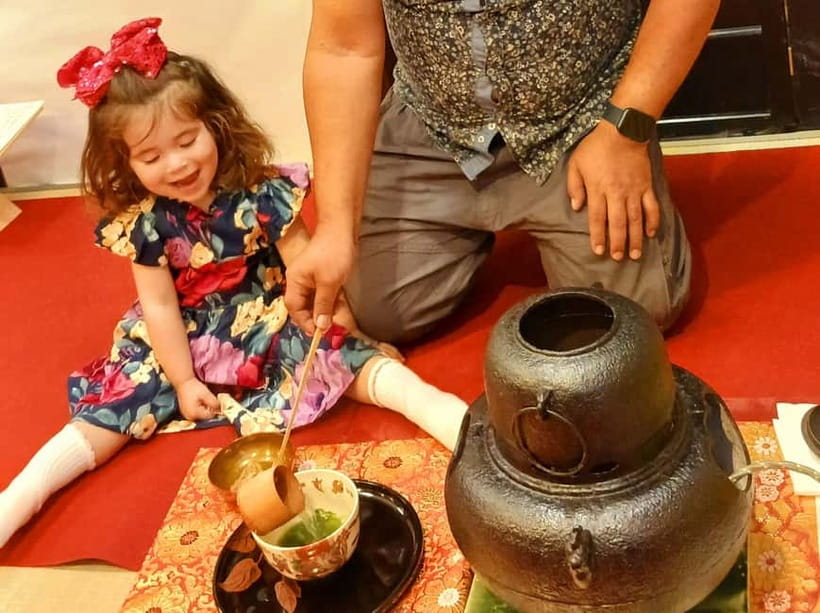
This is a small group experience, limited to 8 participants. That means the instructor can slow down and help you. You are likely to feel like you are part of the room, not a tourist in a line.
Bring:
- Camera (flash photography is not allowed)
- Comfortable clothes
A detail that matters for comfort: you will likely take your shoes off as part of the studio setup. Even if you are not used to that, plan for it. If you are the type to feel awkward, fresh socks help a lot, and they are easy to pack.
Also, the space can feel compact. If you bring huge baggage, you may find it less convenient. Lighten your load if you can, especially if you plan to combine this with market browsing afterward.
Can You Fit It Into a Kyoto Day?
Yes. The location is central Kyoto and close to shopping areas, so it fits well if you are planning to walk Nishiki Market and the surrounding streets. The big win is weather flexibility. Central Kyoto shops mean you are not tied to long outdoor sections to get around before or after.
A common smart move is to schedule this earlier in your day or immediately before a more active browsing block. That way, the matcha and music hour acts like your reset button.
If you are tempted by optional kimono photos, keep enough time after the ceremony. You want to enjoy the photo session without rushing into your next stop.
Should You Book KOTOLILY KYOTO?
I’d book this if you want one short Kyoto activity that gives you:
- Hands-on matcha technique
- A real live koto performance
- A small-group setting that feels personal rather than assembly-line
I would not book it if you need wheelchair accessibility, if you have allergy concerns related to the sweets, or if you only want a quick photo stop. The core of this experience is learning and sitting with tea and music, not sprinting through props.
If you do book it, choose your extras thoughtfully. The kimono and photo/video add-on can be a lovely souvenir, and the koto lesson option is worth considering if you love the sound of the instrument. But even without add-ons, the hour is built to feel complete.
FAQ
How long is the Kyoto tea ceremony and koto performance?
The experience lasts 1 hour.
How much does it cost?
The price is $56 per person.
What is included in the experience?
You get the tea ceremony experience, matcha green tea making, tea sweets, and a live koto (Japanese harp) performance.
Where is the meeting point?
Meet at the shop KOTOLILY KYOTO. Come inside the shop, next to KINMATA Restaurant, opposite the side of the street from Hotel GOCO stay. Do not wait at the hotel.
Can I take photos or videos?
You can bring a camera. Flash photography is not allowed. You can also purchase a kimono photo and video session on-site for an additional fee.
Is it suitable for kids or wheelchair users?
It is not suitable for children under 8 or wheelchair users. It is also not suitable for people with food allergies.
More Tea Ceremonies in Kyoto
- Kyoto: Tea Ceremony in a Traditional Tea House in Kiyomizu
★ 4.9 · 3,519 reviews - Kyoto: Tea Ceremony Ju-An at Jotokuji Temple
★ 4.9 · 3,207 reviews - Kyoto: 45-Minute Tea Ceremony Lesson Experience
★ 4.3 · 2,378 reviews - Kyoto: Table-Style Tea Ceremony at a Kyo-Machiya
★ 4.9 · 1,211 reviews
Latest write-ups near Kyoto
- Kyoto: Nishiki Market Tour with a Local Foodie & Tastings★ 4.5 · 67 reviews
- Kyoto Kimono Rental mimosa |Kimono/Yukata Rental Couple Plan★ 4.8 · 67 reviews
- Kyoto: Traditional Kimono Fabric Handicrafts Workshop★ 5.0 · 67 reviews
- Kyoto Tea Ceremony and Samurai Photo Session★ 5.0 · 70 reviews
- Kyoto: Replica food making experience★ 4.8 · 70 reviews
- Kyoto: Kinkakuji, Golden Pavilion Guided Tour★ 4.7 · 71 reviews
- Private departure transfer from Kyoto city to Kansai International airport★ 5.0 · 72 reviews
- Uji: Green Tea Tour with Byodoin and Koshoji Temple Visits★ 4.8 · 72 reviews
Tea Ceremonies, compared.
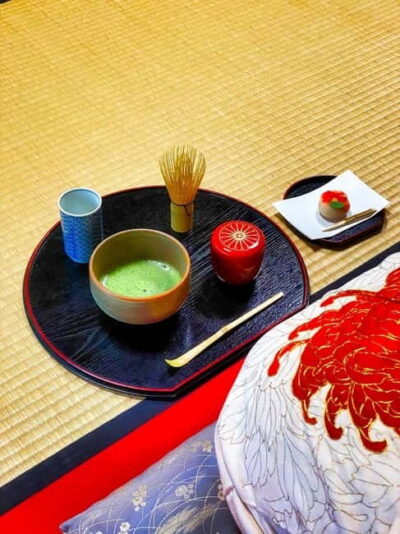
Tea Ceremony in a Traditional Tea House in Kiyomizu
Read our review →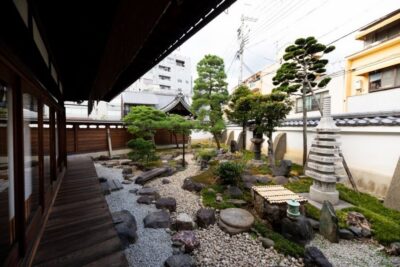
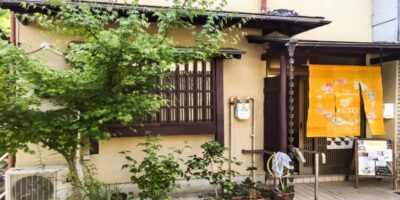
World Heritage Kyoto & Nara Uji Authentic Matcha Experience
Read our review →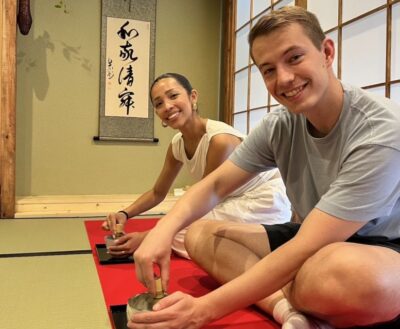
Browse the lists this tour appears in