
Reviewed · COOKING CLASSES
Kyoto Home Cooking Class &Supermarket tour near Fushimiinari
Kyoto cooking classes can be touristy. This one feels more like you are being invited in. You cook in a traditional Japanese room with garden views, then end with a supermarket tour near Fushimi-inari where you can match ingredients to what you made.
Two big things I like: the focus on dashi, the all-purpose soup stock behind so many Japanese flavors, and the small group format, capped at 6 people, taught in English. The one thing to consider is physical setup and access, since it is listed as not suitable for wheelchair users and children under 6 cannot join.
Key highlights you will actually care about
- Dashi first: you learn the base flavor behind many Japanese dishes
- Small group, max 6: more attention while you cook
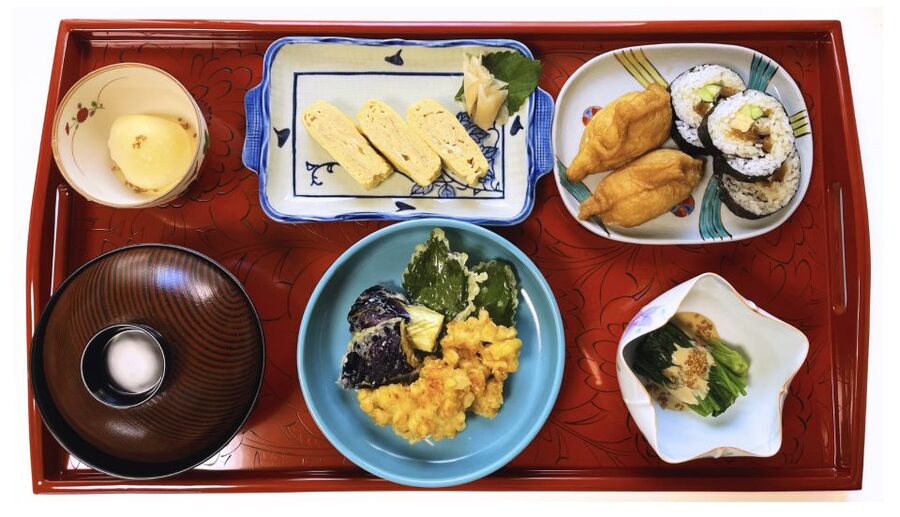
- About five dishes: you actively make them, not just watch
- English instruction: with licensed guide interpreters for clear communication
- Garden-view lunch in a traditional room: eat what you cooked together
- Supermarket tour included: you learn what to buy next time
A Kyoto home class near Fushimi-inari, centered on Dashi
What makes this experience interesting is the pairing of two very practical skills. First you learn how Japanese home cooking builds flavor, starting with dashi. Then you leave knowing how to find the ingredients in a real local store, so you can cook again at home.
Dashi is mentioned as the foundation found in nearly all Japanese cuisine, and that matters. A lot of home cooks get stuck because Japanese dishes taste great, but the flavor base is a mystery. By teaching dashi early, the class gives you a starting point for everything from soups to savory dishes.
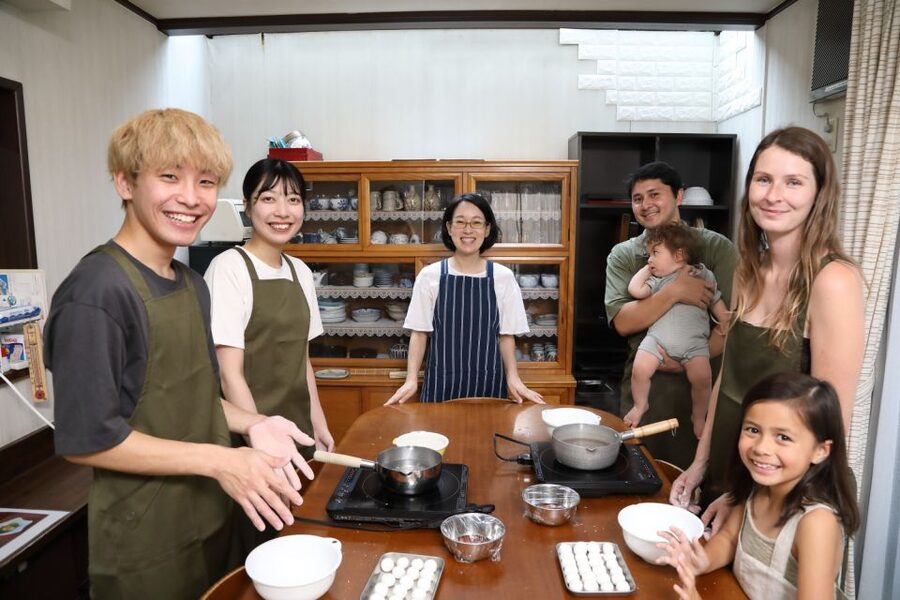
The setting helps too. The class takes place in an authentic Japanese home, with a very traditional room and fabulous garden views. Even if you are not chasing a fancy “photo moment,” it changes the mood. You slow down, cook carefully, and then eat the meal the way it is meant to be eaten, together.
More Cooking Classes in Kyoto
- Ramen Cooking Class at Ramen Factory in Kyoto
★ 5.0 · 1,937 reviews - Kyoto: Ramen Cooking Class at a Ramen Factory with Souvenir
★ 4.9 · 532 reviews - Kyoto: Ramen, Gyoza, and Onigiri Cooking Class
★ 5.0 · 445 reviews
Cooking in a traditional room with garden views
You start in a Japanese home environment that feels calm and domestic, not like a studio kitchen. The most consistent theme in the class vibe is comfort: you feel at home, almost like you are invited over for lunch.
That traditional room matters because Japanese meals are more than food. The class includes sitting together and eating what you prepared in that traditional space. You learn the rhythm of the meal, not just the recipe steps. One review even called it better than some restaurants, which tracks with the idea that technique plus atmosphere tends to improve the final result.
Garden views add another layer. You are not staring at fluorescent lights while you cook. You cook, plate, and then eat in a calm room while looking out. It is a small detail, but it makes the whole half-day feel like an experience, not a task.
How the 4-hour class really runs: learn, cook, eat
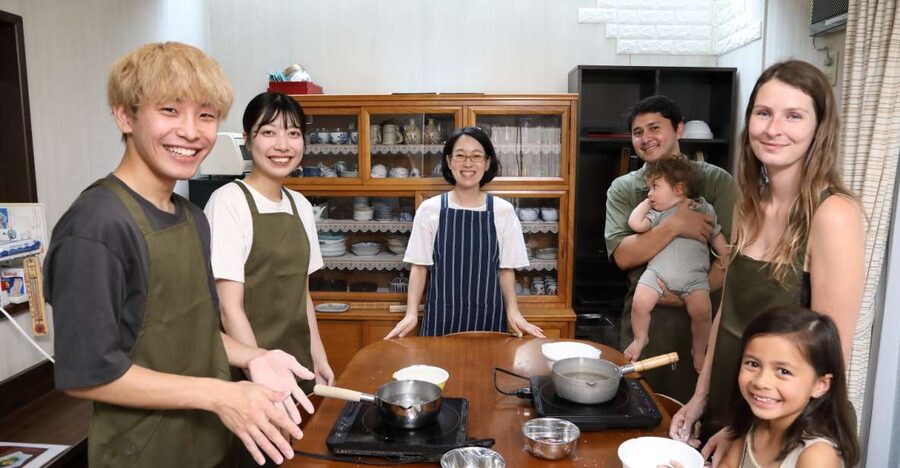
The class is listed as 4 hours, and it is structured like a hands-on cooking workflow. In plain terms, you will watch the basics, then do the work yourself.
1) Dashi, the flavor base
The first step is learning dashi. You discover what it is, why it appears in nearly all Japanese cuisine, and how it becomes the backbone of flavor. If you plan to cook Japanese food later, this is the part that will keep paying off.
The class also notes that vegetarian dashi is used, which is a big deal for dietary flexibility. If you are vegetarian or vegan, you are not pushed into a separate experience. You still learn the key base, just adapted.
A change of pace from Kyoto:
- PERFECT KYOTO 1-Day Bus Tour
★ 5.0 · 13,518 reviews - Kyoto: Fushimi Inari, Kinkakuji, Bamboo Grove 1 Day Bus Tour
★ 4.8 · 4,316 reviews - Kyoto: Tea Ceremony in a Traditional Tea House in Kiyomizu
★ 4.9 · 3,519 reviews - Kyoto Geisha Walking Tour: Gion District & Hidden Gems
★ 4.7 · 3,273 reviews
2) Cooking about five dishes together
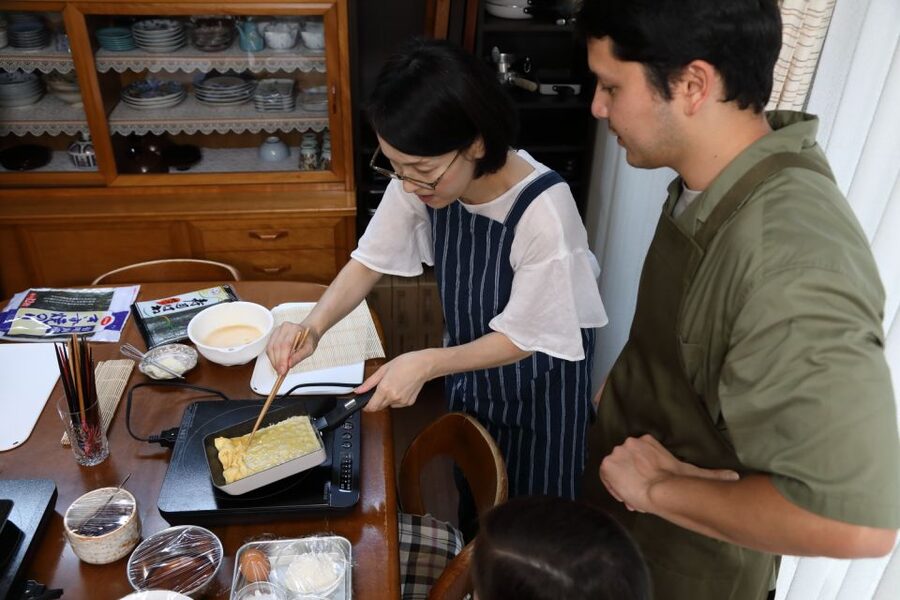
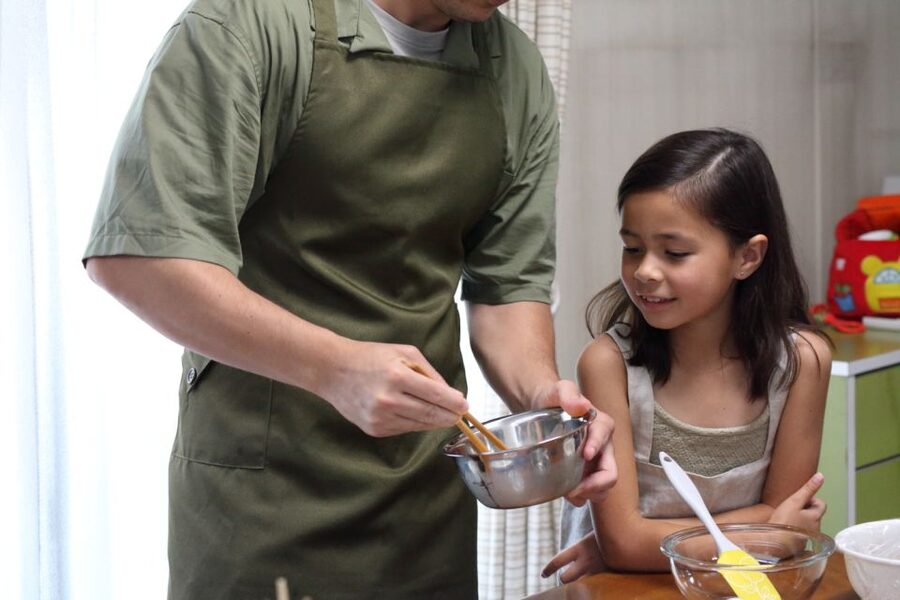
Next, you prepare about five dishes. You do it either by yourself or with your partner, depending on how the group is arranged that day. Instructors demonstrate some dishes in front of you first, then you take over.
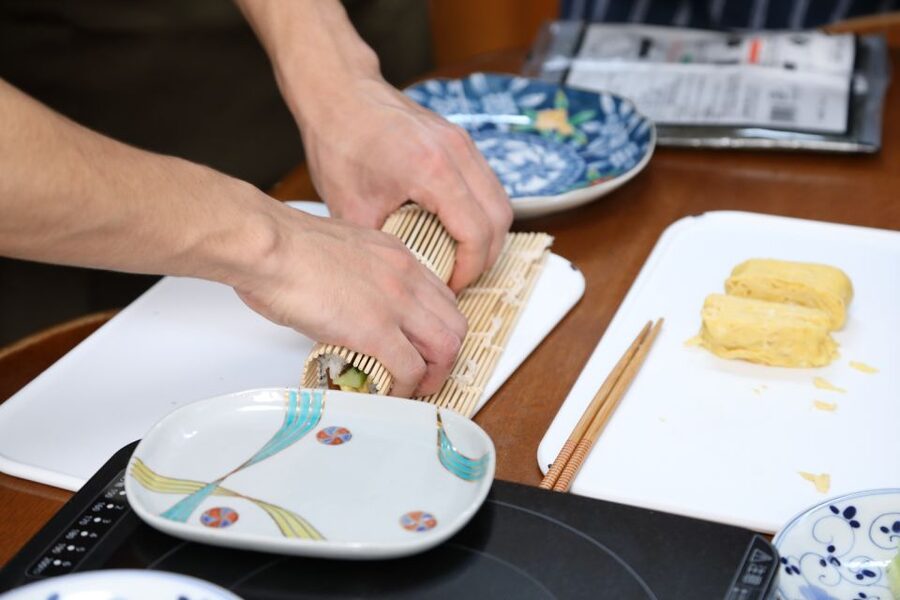
This is one of the best formats for learning. You get a model to follow, then you repeat the steps with guidance. Reviews mention specific dishes such as Japanese omelet, tempura, sushi, rolled egg, miso soup, salad, mochi, and other items. The menu can vary by season, but the pattern is the same: you will make multiple dishes, not just one.
3) Instructor support and clear English
The class is conducted in English, and the instructors are licensed guide interpreters. That helps a lot if you are not fluent, because you get direct explanations rather than guessing at gestures. It is also described as working for English and non-English speakers, which tells me the teaching style is designed for clarity.
One practical win I see in the feedback is how direct the instructions are, with hosts who are detailed and patient. When you are learning knife work, batter consistency, or how to build flavor, small errors snowball. Clear coaching keeps it on track.
4) Lunch in the traditional room
After cooking, you sit together and enjoy the dishes in that traditional Japanese room with garden views. This is not a rushed “eat and go” moment. You eat the meal you made as a group, which helps you connect the steps to the finished flavor.
It also gives you a chance to ask questions while everything is fresh in your mind. If you want to know why one dish tastes the way it does, lunch is when that curiosity pays off.
The secrets you learn, beyond the recipe list
Yes, you get recipes. But the real value is the technique and the “why” behind Japanese home cooking.
You will learn tips and secrets to make Japanese cuisine. The class highlights dashi as the starting point, and then the dishes reinforce it through flavor balance, texture, and pairing.
Here is what I think you can take away even without memorizing every instruction:
- You will understand how a single flavor base can connect multiple dishes
- You will see how Japanese cooking uses layers, not heavy sauces
- You will get a feel for timing, doneness, and consistency through hands-on repetition
Some reviews also mention learning how to replicate dishes back home. That lines up with the teaching goal: this is not just about eating in Kyoto. It is about leaving with enough knowledge to cook again for family and friends.
Supermarket tour near Fushimi-inari: shop like you mean it
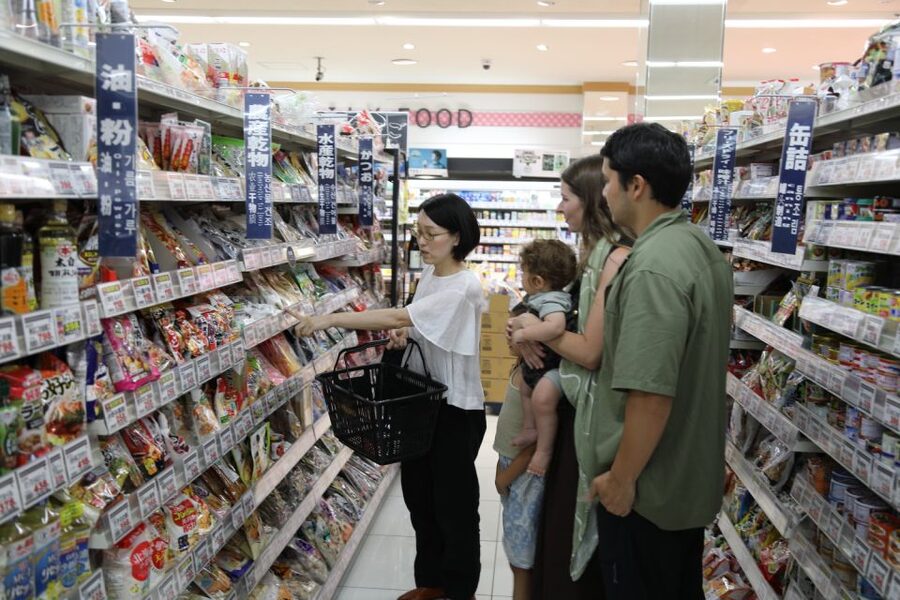
Then comes the part that turns a cooking class into a useful future plan. After lunch, you explore a local supermarket together and find the ingredients you used in class.
This is where you learn what to look for the next time you are shopping:
- What brands or product types show up in daily Japanese cooking
- What the ingredients actually look like in a store setting
- How to match packaging and names to the recipe steps
One review described the supermarket tour as the icing on the cake, and another stressed that it helps you know what to buy. That is exactly why this tour is so practical. Many cooking classes stop at “here is the recipe.” This one adds the map of where to buy the key items.
You can also buy ingredients if you like, so you can carry Kyoto flavors home right away. Even if you do not purchase that day, the education alone helps you later when you shop elsewhere.
Price and value: $127 for 4 hours, lunch, and ingredients
At $127 per person, this is not the cheapest way to eat in Kyoto. But it can be good value when you compare what is included and what you actually do.
You get:
- Lunch
- All seasonings and ingredients used in class
- A small group setting with English instruction
- Recipes of the dishes you prepare
- A supermarket tour after you cook
In other words, you are paying for instruction, ingredients, meal, and the shopping translation support. A typical “pay-only-for-food” meal in Kyoto does not include that much guided learning time.
The small group cap at 6 participants is also part of the value. With fewer people, you get more attention and more chances to correct mistakes while cooking. That makes the class more likely to produce results you can recreate later.
Vegetarian and vegan friendly, because they use vegetarian dashi
If you eat plant-based, this class offers a meaningful benefit. It specifically states that dashi is used for vegetarian, and that vegetarian and vegan guests are welcome.
That matters because dashi often signals fish-based ingredients. Here, the class approach keeps you in the main flow rather than sidelining you into a separate menu. If you want Japanese flavor without compromising your diet, this is one of the stronger points listed.
Who should book, and who should skip it
This class is a great fit if you:
- Want a hands-on cooking lesson, not a lecture
- Care about learning ingredients and technique you can repeat later
- Like the idea of cooking in a traditional Kyoto home setting
- Appreciate practical translation support in English
- Want to finish with a supermarket tour so you know what to buy
It might not be the best fit if you:
- Need wheelchair accessibility, since it is listed as not suitable
- Are traveling with very young kids, since it is not suitable for children under 6, and kids 12 and below need a guardian
What to bring: the small but important detail
You only need one clear item: socks. That is one of those “simple logistics” things that can ruin your day if you forget. Bring a clean pair.
Also, plan for the menu to change with season. The class notes that the menu may differ depending on when you go, so it is not always the same dish set year-round.
Should you book this Kyoto Home Cooking Class with supermarket tour?
I would book it if you want a half-day in Kyoto that is more than eating. The strongest reason to choose it is the combination of learning dashi, cooking about five dishes yourself, and then seeing the ingredients in a real store close to Fushimi-inari. If you want to leave with a shopping plan and recipes that actually work, this format delivers.
I would skip it if you need wheelchair accessibility or you are traveling with a child under 6. Also, if you only want a quick food taste and do not care about learning ingredients, this may feel like more work than you want.
If your goal is authentic Japanese home cooking plus a practical way to reproduce it later, this one is worth your time.
FAQ
How long is the Kyoto home cooking class and supermarket tour?
It runs for 4 hours.
What is the group size for the class?
The group is small, with a maximum of 6 participants.
Is the class taught in English?
Yes, the class is conducted in English, and instructors are licensed guide interpreters for clear understanding.
Is lunch included?
Yes, lunch is included, and you eat the dishes you prepare.
What should I bring?
You should bring socks.
Can vegetarians or vegans join?
Yes. The class notes that vegetarian dashi is used, and it welcomes vegetarian and vegan guests.
What kinds of dishes will I cook?
You prepare about five dishes, and the menu may differ depending on the season.
Do I get recipes to take home?
Yes, you will get all the recipes of the dishes you prepare.
Is it suitable for wheelchair users?
No, it is not suitable for wheelchair users.
Latest write-ups near Kyoto
- Kyoto: Nishiki Market Tour with a Local Foodie & Tastings★ 4.5 · 67 reviews
- Kyoto Kimono Rental mimosa |Kimono/Yukata Rental Couple Plan★ 4.8 · 67 reviews
- Kyoto: Traditional Kimono Fabric Handicrafts Workshop★ 5.0 · 67 reviews
- Kyoto Tea Ceremony and Samurai Photo Session★ 5.0 · 70 reviews
- Kyoto: Replica food making experience★ 4.8 · 70 reviews
- Kyoto: Kinkakuji, Golden Pavilion Guided Tour★ 4.7 · 71 reviews
- Private departure transfer from Kyoto city to Kansai International airport★ 5.0 · 72 reviews
- Uji: Green Tea Tour with Byodoin and Koshoji Temple Visits★ 4.8 · 72 reviews
Cooking Classes, compared.
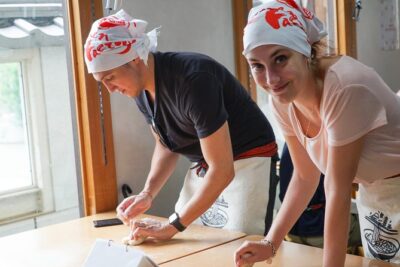
Ramen Cooking Class at Ramen Factory in Kyoto
Read our review →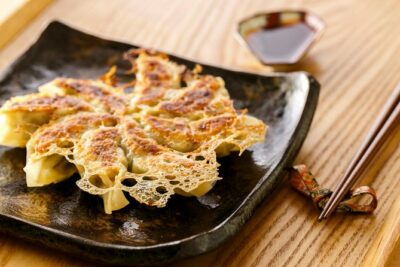
Ramen & Gyoza Cooking Class in Tokyo with Local Supermarket Visit
Read our review →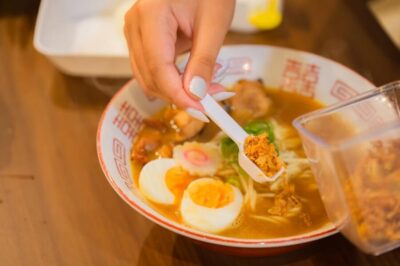
Ramen Cooking Class at a Ramen Factory with Souvenir
Read our review →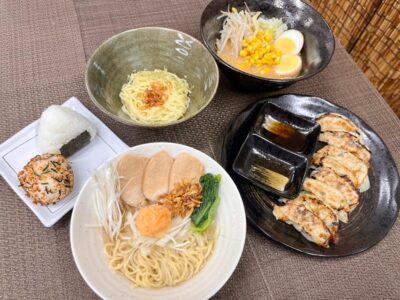
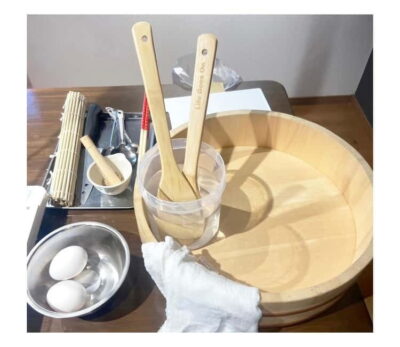
Japanese Washoku Bento Small Group Cooking Class
Read our review →

Easy Ramen Cooking Experience in Kabukicho, Shinjuku
Read our review →
Ramen and Sushi Cooking Class with Sake Pairing Set in Tokyo
Read our review →Browse the lists this tour appears in