
Reviewed · TEA CEREMONIES
Kyoto Matcha Green Tea Tour
Uji is where Kyoto’s matcha story gets real, because the tea district is right there, along with the shops that make it day after day. What I like most about the Kyoto Matcha Green Tea Tour is that it mixes sightseeing with hands-on matcha being made, so you do not just taste, you learn what changes the flavor in your cup.
You also get an included set lunch with Japanese matcha treats, which keeps your day simple and lets you focus on the experience, not budgeting. One thing to plan around: it is vegetarian friendly, but the tour is not recommended for vegans or gluten-free diets.
Key points at a glance
- Uji Station start, Byodoin Temple finish area makes it easy to tack on more Kyoto sightseeing after
- Maximum 10 travelers keeps the tea experience feeling personal, not rushed
- Matcha-making plus tastings helps you understand how matcha changes by technique
- Lunch and sweets are included, including wagashi and matcha ice cream
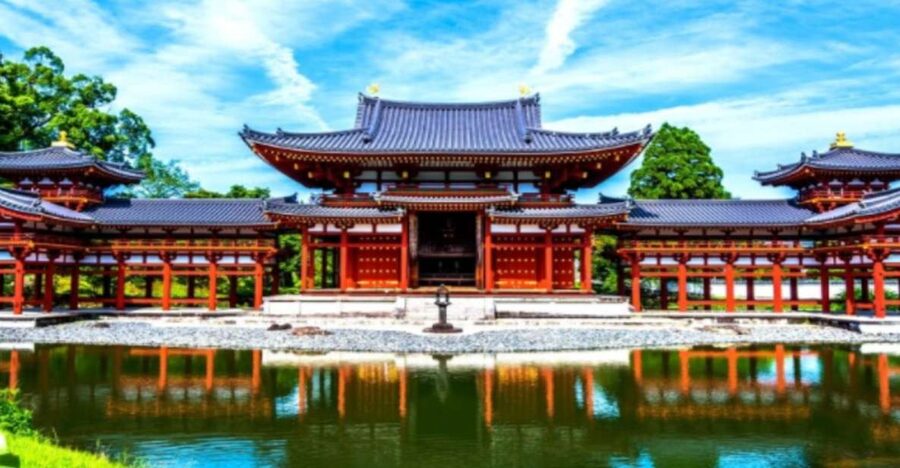
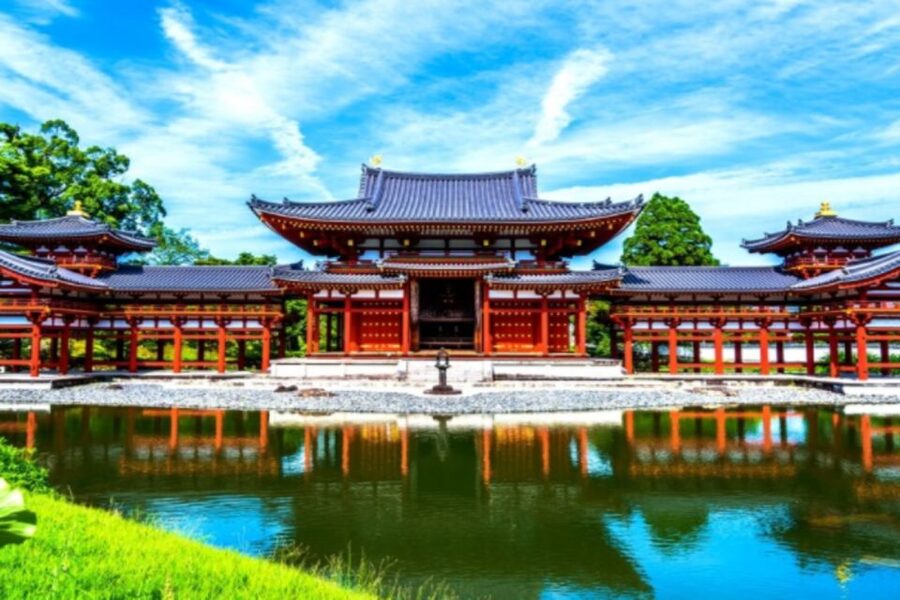
- Byodoin Temple is a quick UNESCO stop, so you still get time for tea shops
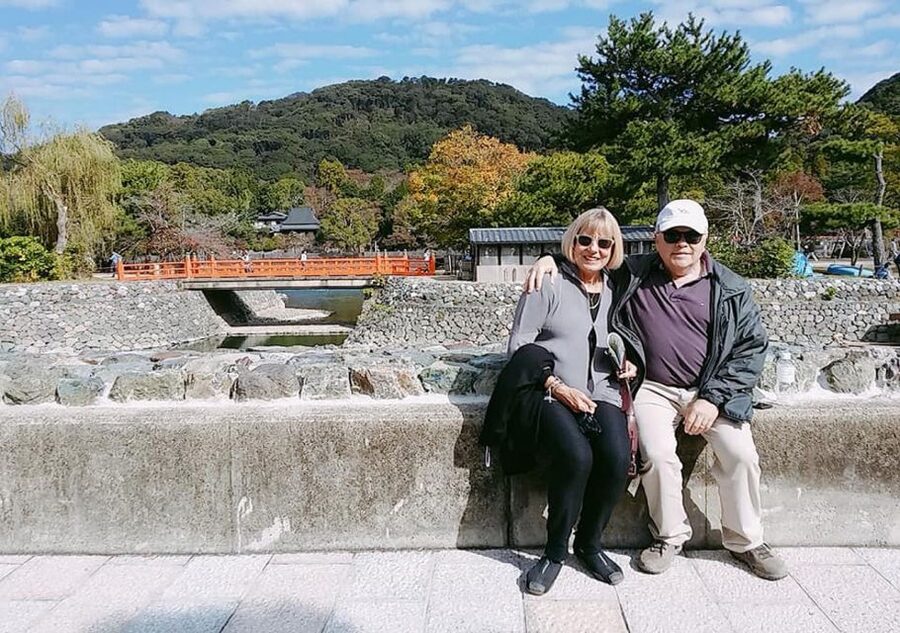
- Small walking route includes Uji Shrine and the Amagasetsuri Bridge views
Why Uji feels different from a generic tea stop
If you have ever had matcha in Kyoto and wondered why some cups taste grassy and lively, while others feel smoother and darker, Uji is the answer you can see and smell. This area is known for producing standout green tea, and the shops here are used to explaining small differences, from grind to whisking to how the tea sits in your mouth.
This tour also gets the sequencing right. You start in Uji, then you move through the spiritual and river-side pieces of the district, before wrapping up near Byodoin Temple. That matters because matcha in Japan is not just a drink. It is a culture with rhythm, spaces, and traditions that show up in the setting.
Another plus: the format is not purely a lecture. It is built around tasting, watching matcha being made, and then eating. That turns learning into something you can remember, because your palate is involved.
And yes, there is translation help through the guide. When you are dealing with Japanese tea terms, that support saves you from guessing.
More Tea Ceremonies in Kyoto
- Kyoto: Tea Ceremony in a Traditional Tea House in Kiyomizu
★ 4.9 · 3,519 reviews - Kyoto: Tea Ceremony Ju-An at Jotokuji Temple
★ 4.9 · 3,207 reviews - Kyoto: 45-Minute Tea Ceremony Lesson Experience
★ 4.3 · 2,378 reviews
Getting started at 11:00 in Uji, and how the timing really works
The tour runs about 3 hours 15 minutes, starting at 11:00 am from Uji Station (Otsukata Uji, Kyoto 611-0021). You end near Byodoin Temple (Renge-116 Uji, Kyoto 611-0021), with time around the shopping streets in the Byodoin area.
That time window is actually handy. Uji can be a low-key place, which means a short, focused tour often feels better than trying to piece together tea shops on your own. Plus, a 3-plus-hour slot is manageable on a travel day when you still want Kyoto city time later.
The tour also uses a mobile ticket, so you are not fumbling with paper. And because it is near public transportation, you do not need to build in a long, complicated commute. Just plan to arrive a little early so you are not rushing.
Group size is limited to up to 10 travelers, which you will feel during tastings. Smaller groups make it easier for the guide to pause, explain, and translate without the whole group sprinting to the next stop.
Uji Shrine and the Amagasetsuri Bridge, where the tea district shows itself
Uji is not all shopfronts. It is also shrines, bridges, and river views that explain why tea culture hangs together so well in Japan. Early on, you visit Uji Shrine, a historic Shinto shrine with deep cultural significance. Even if you are not a hardcore shrine person, this stop gives context. You see how the area treats spirituality and daily life as neighbors, not separate worlds.
Then you cross Amagasetsuri Bridge, a scenic wooden suspension bridge over the Uji River. The big value here is the viewpoint. From the bridge you get a sense of the town layout, and you can spot the surrounding tea shops and streets that make Uji feel like a living tea district, not a theme park.
One practical note: this is a walking and standing kind of tour. It is labeled as requiring moderate physical fitness, so wear comfortable shoes, especially if you are visiting on a humid day or after rain. You are moving between spots, not doing a sit-and-serve tea flight.
Tea shops and browsing time, how you get souvenirs without getting stressed
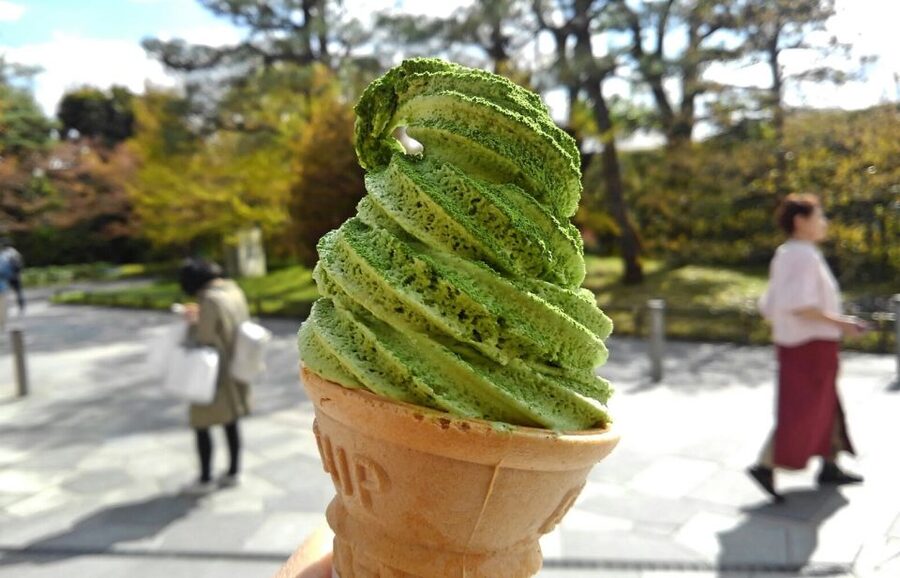
A huge part of visiting Uji is bringing something home that actually makes sense. This tour builds in shopping time, including chances to browse local shops for souvenirs unique to the area. That matters because Uji matcha items are not all identical. You can find different product styles, flavors, and gift-ready packaging depending on the shop.
Also, shopping is easier when you are not doing it under a ticking clock while trying to interpret Japanese labels. The guide helps you understand what you are looking at and how to choose if you are new to matcha.
If you are the type who hates standing in line, you will probably like this pace. The stops are spread out, and you are not just herded from one transaction to another.
A change of pace from Kyoto:
- PERFECT KYOTO 1-Day Bus Tour
★ 5.0 · 13,518 reviews - Kyoto: Fushimi Inari, Kinkakuji, Bamboo Grove 1 Day Bus Tour
★ 4.8 · 4,316 reviews - Kyoto Geisha Walking Tour: Gion District & Hidden Gems
★ 4.7 · 3,273 reviews - Kyoto: Gion Magical Night Walking Tour with Geisha Trivia
★ 4.9 · 2,393 reviews
Matcha being made, then tasting, then eating, in that order
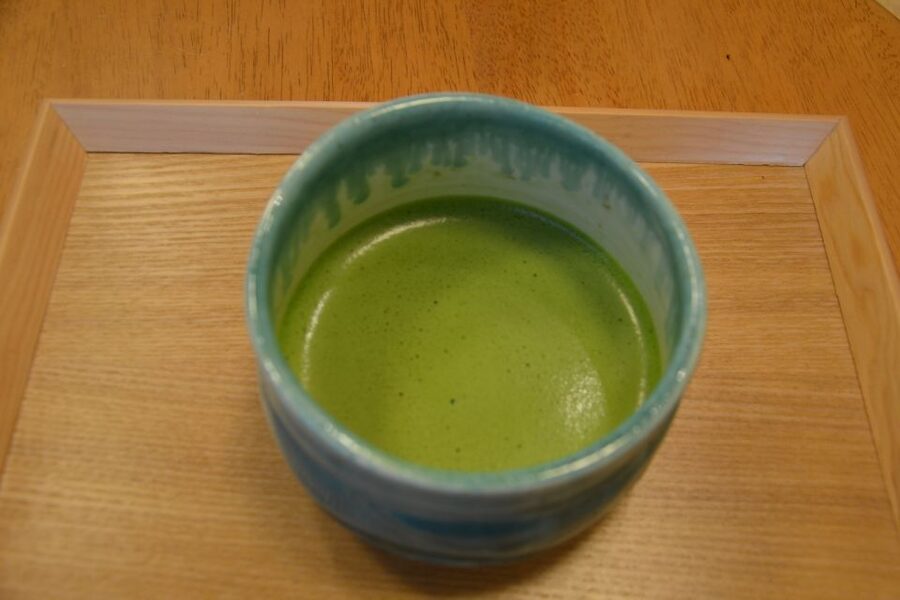
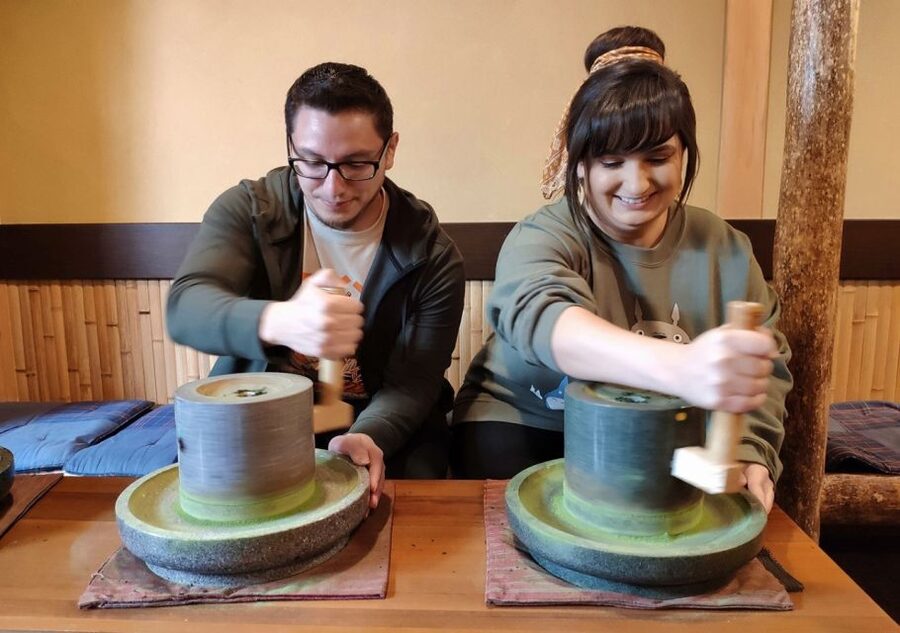
This is where the tour earns its place. The experience includes matcha tasting and a matcha-making segment, plus multiple matcha-centered treats like wagashi sweets and matcha ice cream. The point is not just to try a lot of things. The point is to connect the steps you watch to the flavors you taste.
Watch matcha being made, and you will start noticing how technique affects the end result. Even if you already know the basics of whisking, this kind of guided look helps you understand why one cup tastes more frothy and bright, while another feels heavier. You also get to expand your matcha knowledge by tasting different varieties.
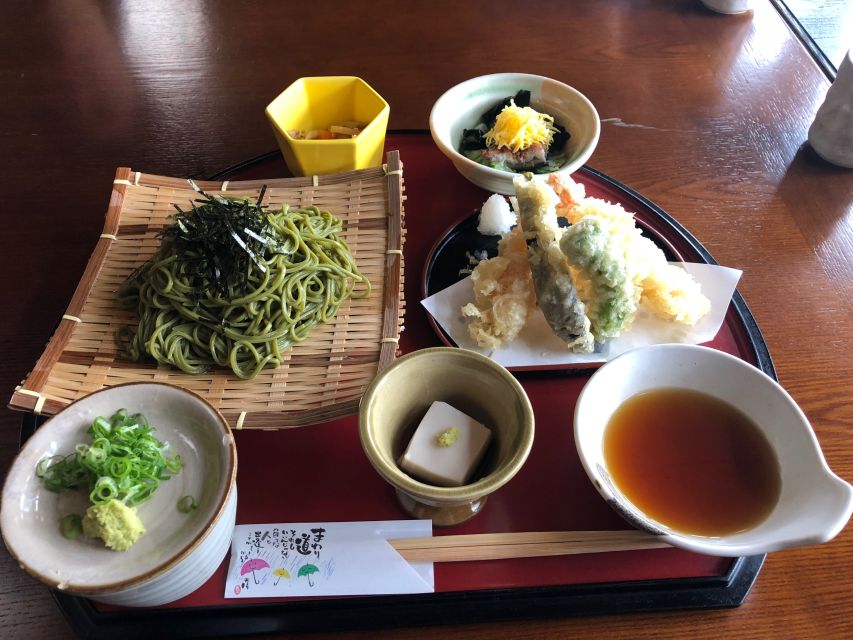
Then you transition into food. Lunch is provided as a tasty set lunch in a restaurant, so you do not have to carry snacks or keep deciding where to eat. And it is not matcha-only. Japanese meals balance the experience, which helps you appreciate the tea without your palate getting overwhelmed.
This is also where the service quality shows. One of the strongest signals from the experience is the warm welcome and gracious hospitality, along with constant attention to detail. In a tea tour, that matters. You feel looked after during tastings, you get translation help when you need it, and you do not feel like you are interrupting the staff by asking questions.
Masuda Chaho as a calm ending point

Near the end of the Uji portion, you visit Masuda Chaho, a well-known tea shop where you can unwind with premium Uji matcha or hojicha. This is a smart pairing because hojicha gives you a different roasted profile compared to green matcha.
If you want a practical souvenir strategy, think of your final shop experience like your last chance to match your taste. By then, you have already tasted other cups. So when you choose a drink here, it is more informed than your first reaction earlier in the route.
This stop is also a good mental gear switch. After walking, bridge views, and the lesson-heavy portions, you get a moment to sit and process what you learned, while still tasting.
Byodoin Temple: a short UNESCO hit that does not steal your whole afternoon
The tour includes Byodoin Temple, a UNESCO World Heritage site. It is listed with a short visit length, about 5 minutes, and it is covered as admission free in the tour information.
I like this setup because it respects your time. You get the iconic temple context without turning the afternoon into a long, slow temple-only day. If your goal is matcha first, and famous Kyoto sights second, this is a good ratio.
You also finish near the Byodoin area shopping streets, which gives you an easy add-on if you want to keep wandering after the official tour. If you are planning to visit more temple grounds later, the short stop here can help you decide what you want to see in greater detail.
Price and value: what $221 buys you in real travel terms
At $221 per person, this is not a budget snack tour. But it also is not just a walking tour with one tea cup at the end.
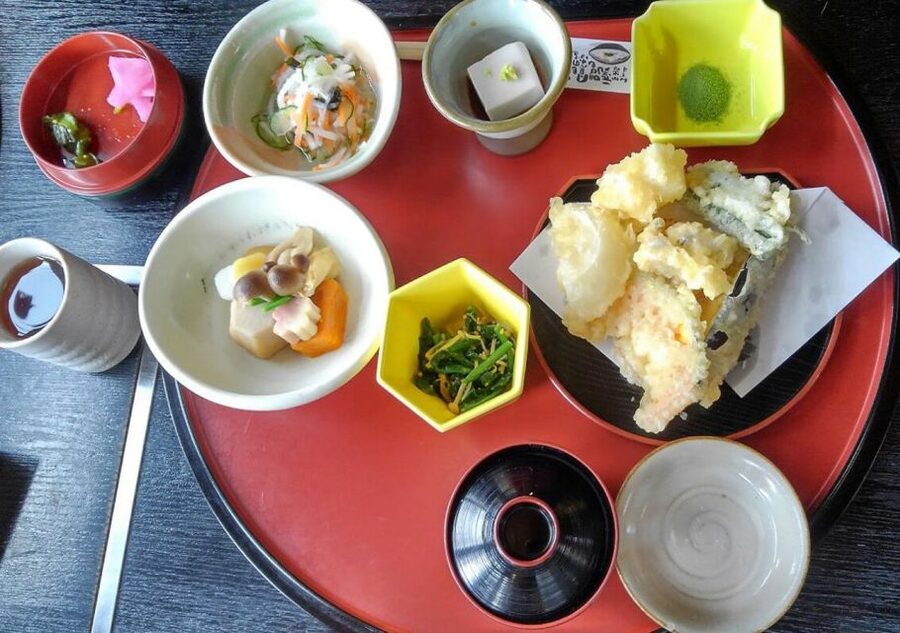
You are paying for a guided route in Uji, plus the core experiences: matcha tasting, matcha making, and multiple included food components. Lunch is included, and the tea experience features wagashi sweets and matcha ice cream. That combination is exactly what tends to drive costs up when you plan it yourself, because you end up buying tastings, paying for instruction or workshops, and then paying for lunch on top.
You are also getting the value of translation help and small-group pacing, capped at 10 people. When you are trying to learn something technical or cultural like matcha preparation, guidance is not a luxury. It is the difference between tasting and understanding.
One more value angle: the itinerary includes several distinct stops, including a shrine and a bridge with river views, not just shop-to-shop hopping. That makes the day feel more like Uji, rather than a single store tour with walking between rooms.
If your goal is maximum tea knowledge and you like having lunch and sweets handled for you, this price can feel reasonable. If you are mainly looking for a quick cheap tea tasting, there are likely less expensive options.
Who this tour suits best, and who might want to skip it
This tour is a strong fit if you want:
- A guided way to learn about matcha varieties
- Hands-on matcha-making
- An included lunch and matcha-based treats
- A short UNESCO stop at Byodoin Temple without turning it into a half-day temple crawl
- A small group experience with help translating
It is labeled family-friendly, but children must be accompanied by an adult. For kids 10 and above, a passport information copy is required. That is worth keeping in mind early, especially if you are traveling with documents you do not usually carry.
Diet notes are important. The tour is vegetarian friendly, but it is not recommended for vegans and gluten-free. If your diet is strict, this one may be frustrating unless the tour explicitly meets your needs, which the info here does not guarantee.
Finally, there is a minimum drinking age of 21 listed for the tour. The experience clearly centers on tea, so it is not a nightlife thing, but if any beverages beyond tea are involved in practice, you will want to plan accordingly.
Quick booking and weather reality check
This experience requires good weather. If conditions are poor, you will be offered a different date or a full refund. Also, the route and spots can change due to restaurant schedules, public holidays, weather, and unforeseen events. Substitutions are applied when needed.
Given that it is commonly booked about 47 days in advance, I recommend locking it in early if your dates are set. The mobile ticket and short length are convenient, but the best matcha experiences in popular tea towns can sell out.
Provider info: the tour is run by Arigato Japan KK.
Should you book the Kyoto Matcha Green Tea Tour in Uji?
Book it if you want matcha learning in the one place where it makes sense, Uji, and you like structure. The included lunch plus matcha-making, sweets, and tastings create a full experience in just over three hours. The service style also sounds genuinely thoughtful, with warm welcome and careful attention to details.
Skip it or consider alternatives if you are vegan or gluten-free and need guarantees, because this tour is marked as not recommended for those diets. Also, if you hate walking or standing, the moderate fitness note is something to respect.
If your travel plan includes Kyoto temples already, this tour is a smart way to add the tea side without losing your whole day.
FAQ
How long is the Kyoto Matcha Green Tea Tour?
It lasts about 3 hours 15 minutes (approximately).
Where do I meet for the tour?
The tour starts at Uji Station, Otsukata Uji, Kyoto 611-0021, Japan, with a start time of 11:00 am.
What is included in the tour price?
The tour includes matcha tasting, lunch in a restaurant, matcha making, wagashi sweets, and matcha ice cream, plus shopping time.
Is lunch included, and do I need to bring food?
Yes, a set lunch is included, so you do not need to bring food.
Do I need to pay for Byodoin Temple admission?
Byodoin Temple is listed with admission ticket free for this tour.
Is the tour suitable for vegetarians or vegans?
It is vegetarian friendly, but it is not recommended for vegans and gluten-free.
Latest write-ups near Kyoto
- Kyoto Tea Ceremony and Samurai Photo Session★ 5.0 · 70 reviews
- Kyoto: Replica food making experience★ 4.8 · 70 reviews
- Kyoto: Kinkakuji, Golden Pavilion Guided Tour★ 4.7 · 71 reviews
- Private departure transfer from Kyoto city to Kansai International airport★ 5.0 · 72 reviews
- Uji: Green Tea Tour with Byodoin and Koshoji Temple Visits★ 4.8 · 72 reviews
- Kyoto: Geisha Dinner & Gion Cultural Walk★ 5.0 · 73 reviews
- Kimono and Yukata Experience in Kyoto★ 4.5 · 73 reviews
- Kyoto: Toei Kyoto Studio Park Admission Ticket★ 4.1 · 73 reviews
Tea Ceremonies, compared.
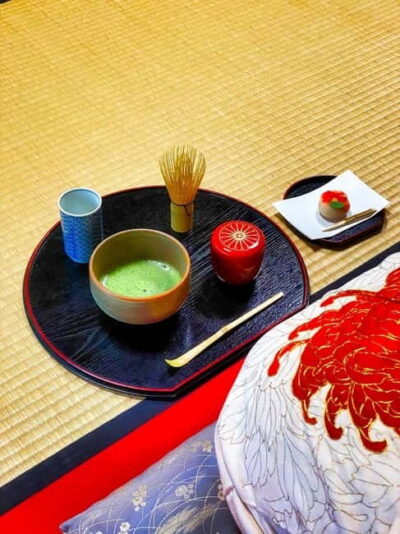
Tea Ceremony in a Traditional Tea House in Kiyomizu
Read our review →
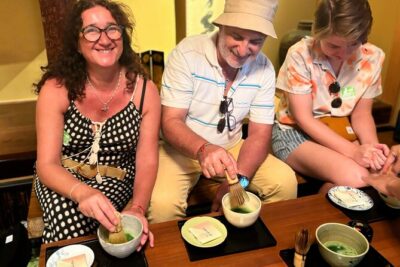
World Heritage Kyoto & Nara Uji Authentic Matcha Experience
Read our review →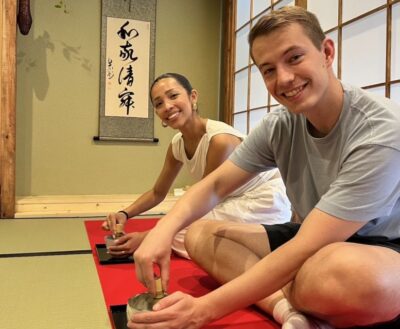
Browse the lists this tour appears in